
If Your Hydrangea Stems Are Drooping And Weak, Here Are 13 Warning Signs Your Plant Is Begging For Help
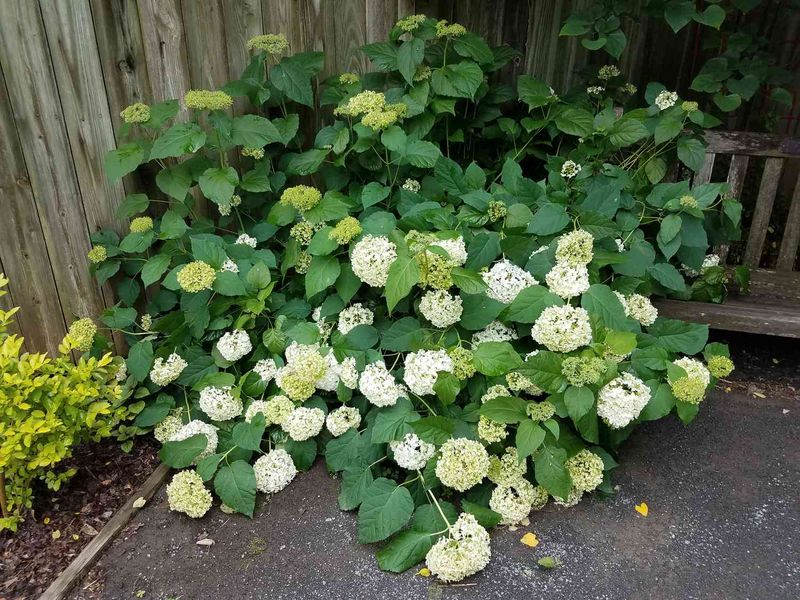
Hydrangeas are showstoppers when they are happy, but a drooping, floppy plant can make any gardener panic. The good news is that your hydrangea usually gives you clear clues about what is going wrong before things get serious.
Once you learn to read those signals, most fixes are quick and cheap. Here are 13 warning signs to watch for, along with simple ways to help your plant bounce back.
1. Drooping Leaves with Dry Soil
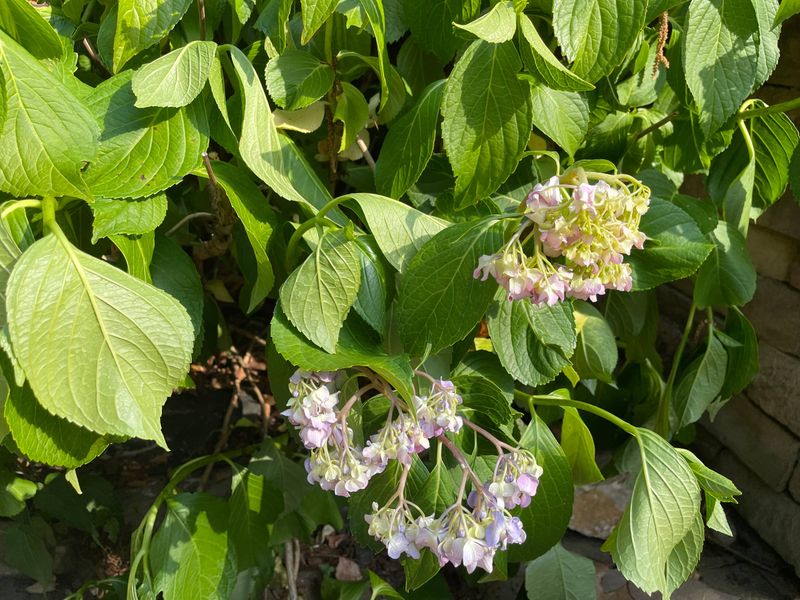
Picture your hydrangea after a scorching July afternoon: leaves hanging limp, feeling a little papery, and soil so dry it has started pulling away from the pot edges. That combination of wilting foliage and thirsty soil is the most common cry for help a hydrangea makes.
The fix is refreshingly simple. Give the plant a deep, slow drink right at the base until the water soaks in rather than running off, and for containers keep going until moisture drips from the drainage holes.
Spreading a couple of inches of mulch around the base works like a sponge, holding moisture in and keeping roots cooler on hot days. Do this and you will often see your plant perk up within hours.
2. Yellowing, Mushy Leaves with Soggy Soil
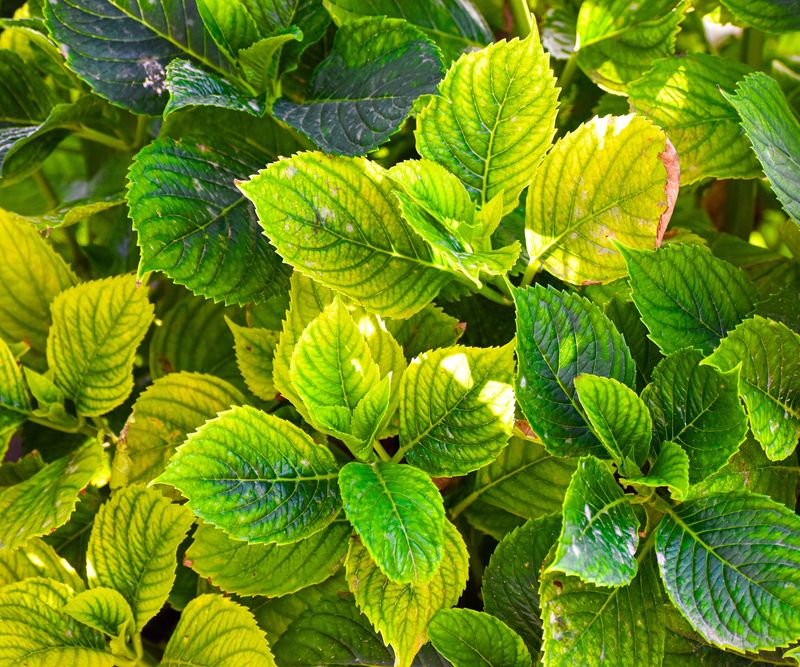
Here is the twist that trips up so many gardeners: too much water makes a hydrangea droop just like too little. If the leaves are wilting but also turning yellow from the bottom up, feeling soft and mushy, and the soil stays wet all the time, you are looking at overwatering or poor drainage.
Waterlogged roots cannot breathe, and a suffocating root system cannot hold the plant up. Let the soil dry out noticeably between waterings before you reach for the hose again.
For plants in the ground, mix in compost or organic matter to loosen heavy soil, or build a slightly raised bed. Potted hydrangeas need drainage holes, and if you suspect root rot, repot into fresh, well-draining mix.
3. Midday Drooping That Recovers by Evening
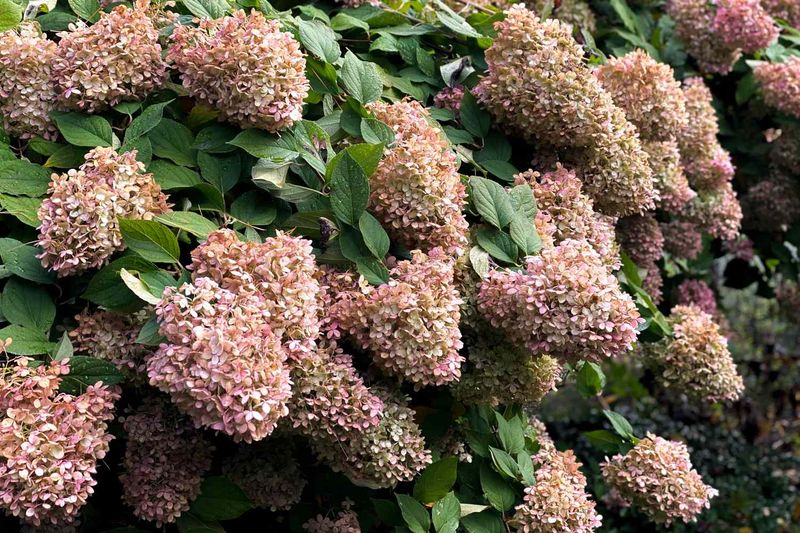
Ever walked outside at noon to find your hydrangea looking like it fainted, only to see it standing tall again by dinnertime? That daily dramatic act is heat stress, and it is more of a coping mechanism than an emergency.
When the afternoon sun blazes, bigleaf hydrangeas temporarily wilt to slow down water loss, then rehydrate as things cool off. It is theatrical but usually harmless.
Still, you can make life easier for the plant. Offer afternoon shade by moving pots or draping a temporary shade cloth over garden plants, and keep watering deep and consistent so it has reserves to draw on during the hottest stretch of the day.
4. Drooping After Recent Planting or Moving
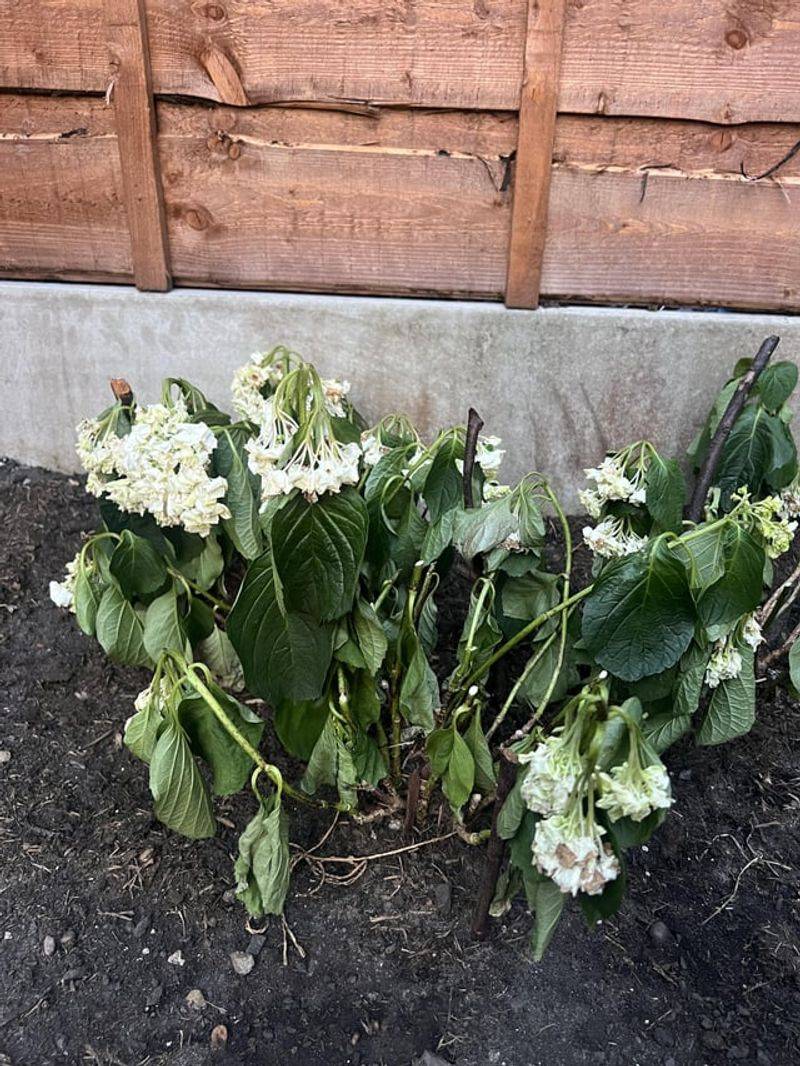
Nothing feels worse than tucking a brand-new hydrangea into the ground and watching it flop over a day later. Before you blame yourself, know that this is almost always transplant shock, a normal reaction as roots scramble to settle into unfamiliar soil.
The plant is not dying; it is adjusting. Keep the root zone steadily moist but never swampy, and give it a break from harsh afternoon sun while it recovers.
Resist the urge to fertilize right now, since that only piles on more stress. With gentle watering and a little patience, most hydrangeas find their footing within three to six weeks and start standing proud again.
5. Heavy Blooms Causing Stems to Bend
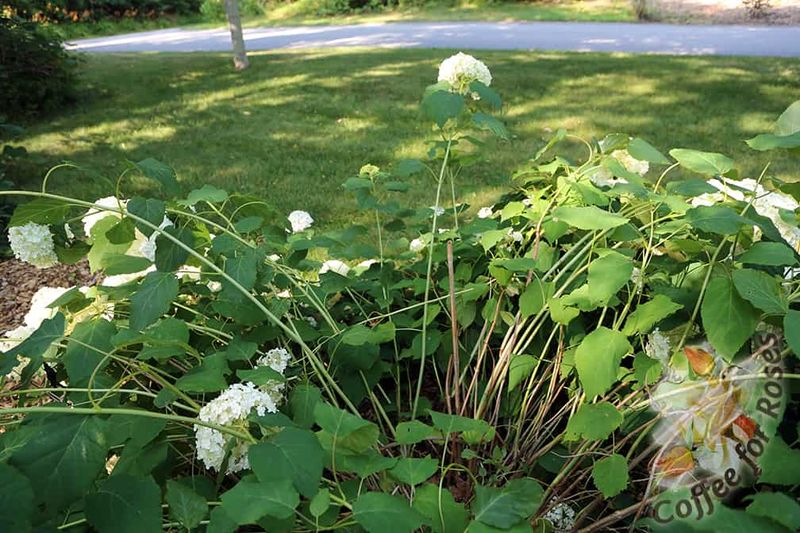
Sometimes your hydrangea is not sick at all, it is just top-heavy with beauty. Enormous flower heads, especially after a good rain, can tip stems right over even while the leaves look perfectly green and healthy.
Certain varieties are famous for this. Classic ‘Annabelle’ and many mophead types grow blooms so big their softer stems simply cannot hold the load.
After a storm, gently shake the water off the flower heads to lighten them. For repeat offenders, tuck in discreet stakes or grow-through supports, and with ‘Annabelle’ leave some older, woodier stems standing instead of cutting everything to the ground, since those give newer growth something to lean on.
6. Leggy, Weak Stems from Over-fertilization
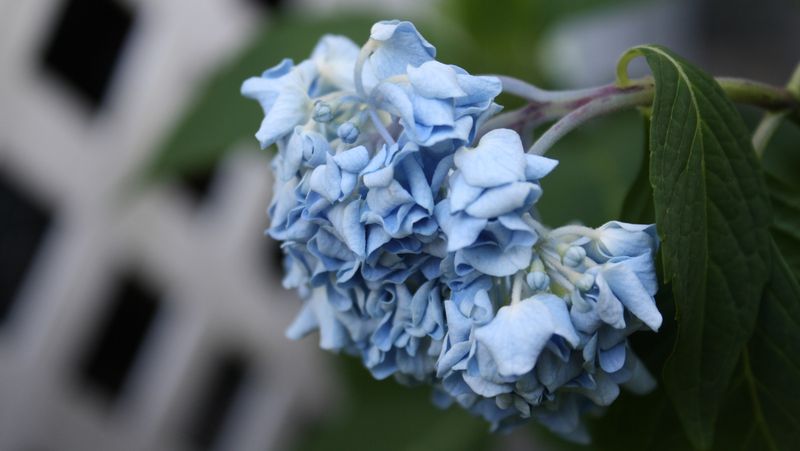
A hydrangea that is all leaves and no backbone has usually been overfed. When you see tons of lush foliage but skinny stems that sag under their own flowers, too much nitrogen is often the culprit.
High-nitrogen feed pushes leafy growth at the expense of sturdy stems and strong blooms. In other words, the plant grows fast but flimsy.
Switch to a balanced fertilizer or a layer of compost applied in spring, and follow the label instead of guessing. If you have already overdone it, a few deep waterings can help flush and dilute the excess nutrients in the soil so the plant can rebalance.
7. Container Hydrangea Constantly Drying Out
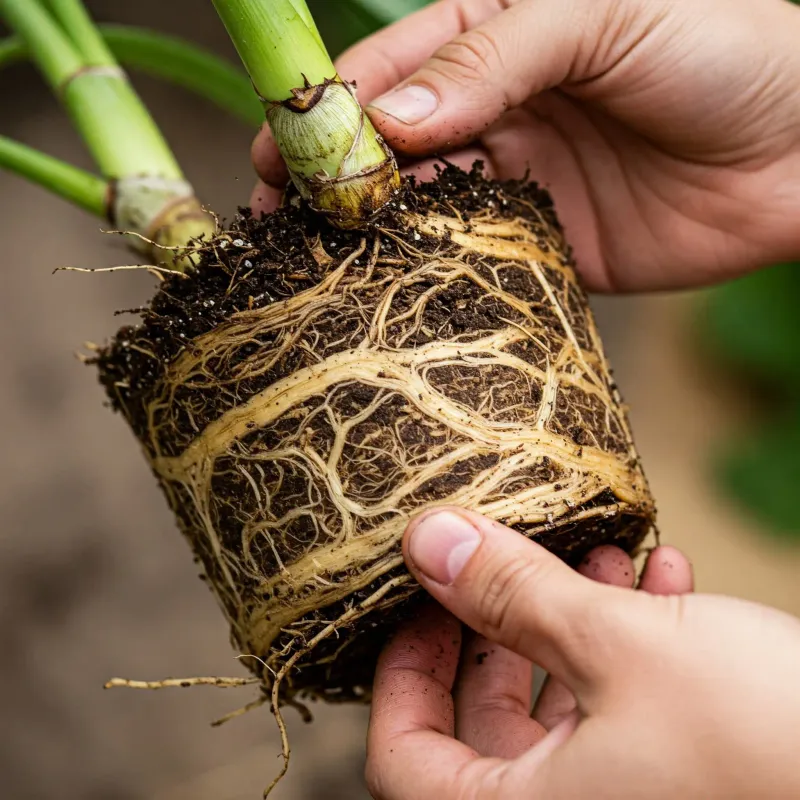
If your potted hydrangea seems permanently thirsty, drooping and drying out no matter how often you water, the pot itself may be the problem. A plant that has outgrown its container becomes root-bound, with roots circling round and round instead of drinking water.
Tip the plant out and you will often find a dense, tangled root mass with barely any soil left to hold moisture. No wonder it dries out in a flash.
Move it into a larger pot with fresh, well-draining potting mix. While you are at it, gently loosen and massage those circling roots so they spread outward into the new soil rather than staying stuck in their old spiral.
8. Weak or Sparse Growth After Pruning
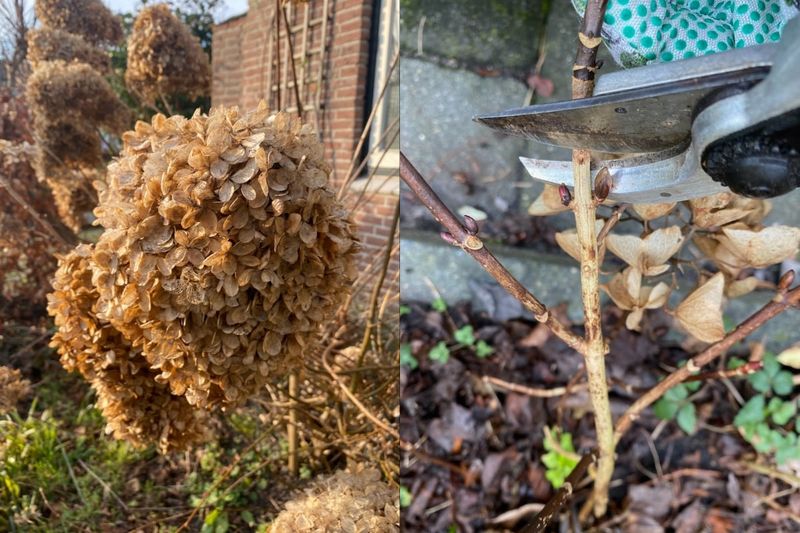
Snipping at the wrong moment can leave your hydrangea limping into the season. Weak stems, thin growth, and disappointingly few blooms after pruning usually mean the cuts came at the wrong time or went too deep for that particular type.
Timing is everything, and it depends entirely on your variety. Panicle and smooth hydrangeas bloom on new wood, so late winter or early spring pruning suits them, while bigleaf and oakleaf types bloom on old wood and should be trimmed right after they finish flowering.
Figure out which hydrangea you own before you cut. Use sharp, clean pruners, take off only what you need to, and avoid stripping away large amounts of foliage in one go.
9. One Section of Stems Bent, Chewed, or Cracked
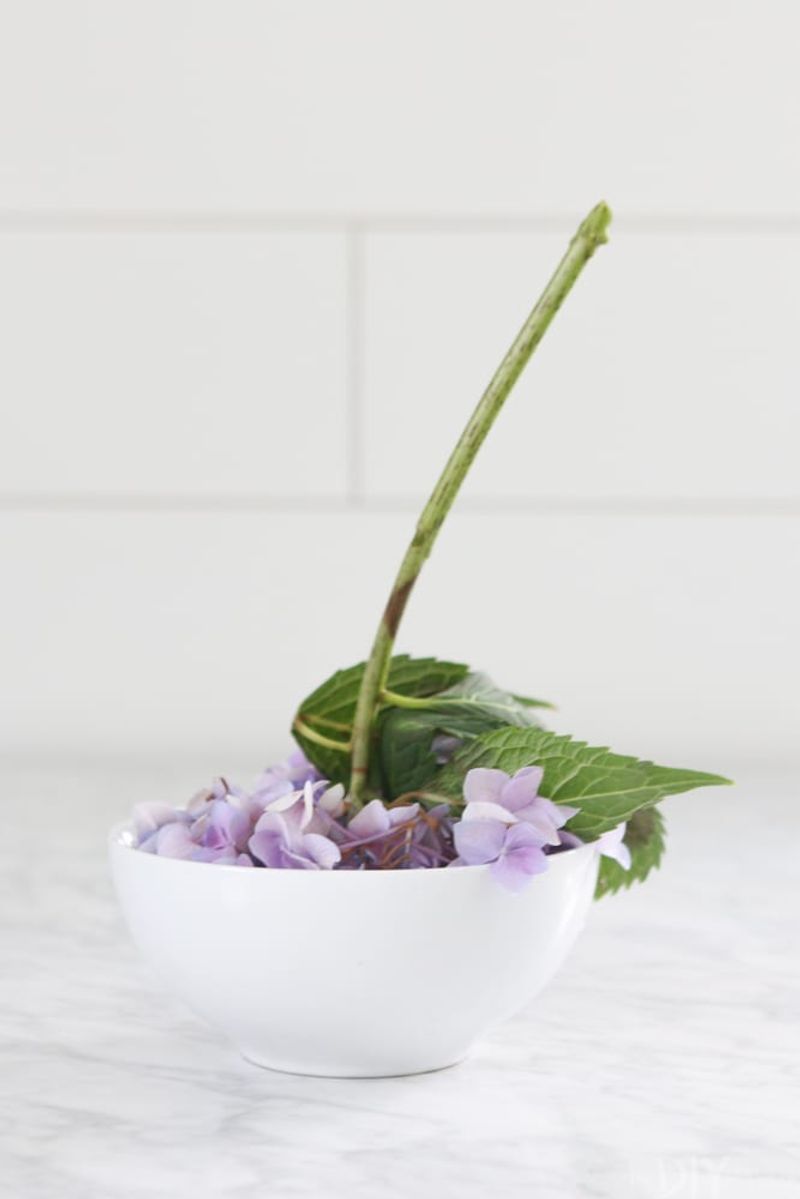
Detective work pays off when just one part of your hydrangea is drooping while everything else looks fine. That isolated flop is a clue that the trouble is mechanical, not a whole-plant problem.
Look closely at the sad-looking stem. You will often spot a bend, a crack, or a chewed spot that is choking off the water supply to the leaves and blooms above it.
The remedy is quick and satisfying. Snip off the damaged stem with clean pruning shears, and the plant will redirect its energy into the healthy growth that remains, no fuss required.
10. Leaf Discoloration and Slowed Growth
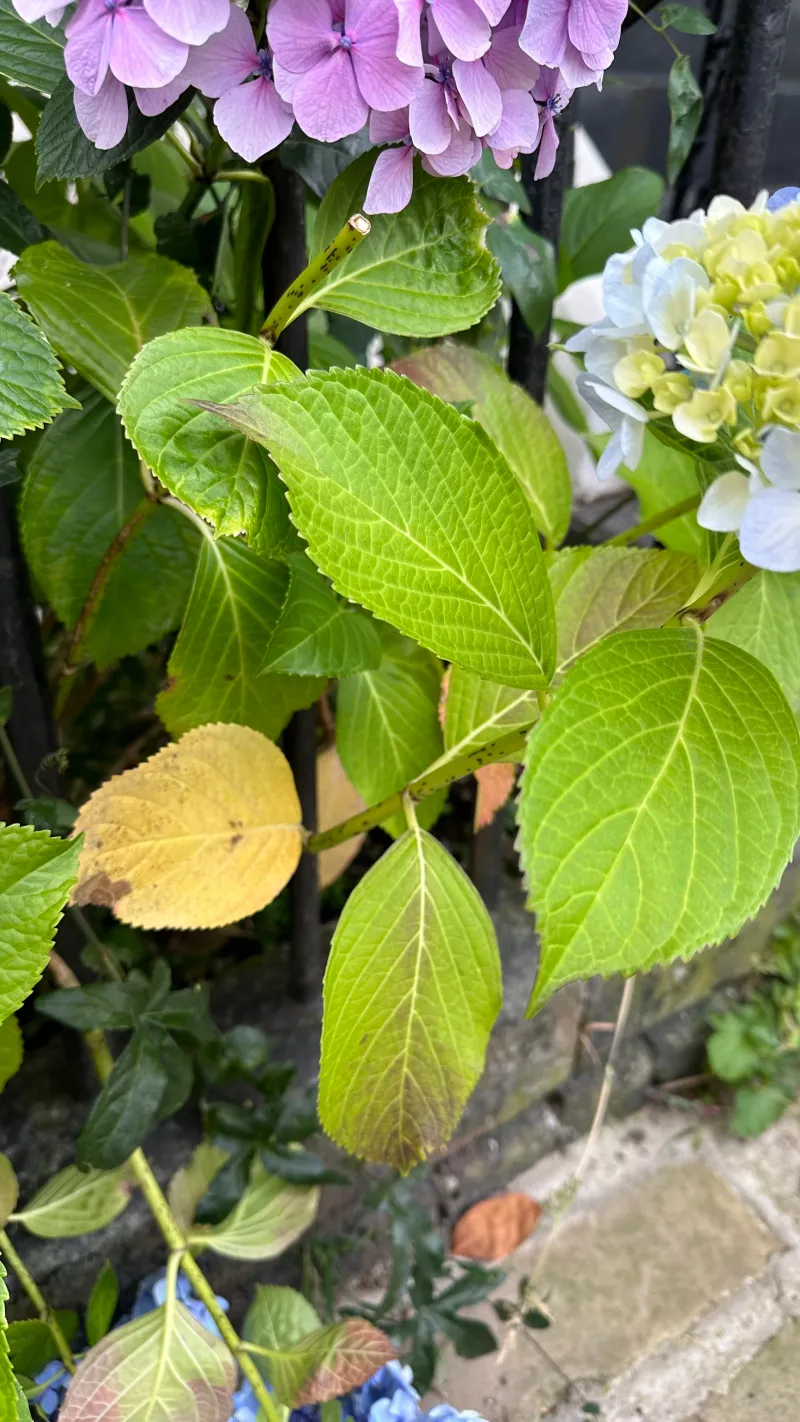
When drooping comes bundled with strange yellowing or browning leaves and a plant that just refuses to grow during its busy season, the soil beneath it deserves a closer look. Persistent, plant-wide symptoms often point beyond simple watering to nutrient shortages or tired soil.
Guessing at the cause can send you in circles. A basic soil test takes the mystery out of it, revealing pH imbalances or the specific nutrients your hydrangea is missing.
Once you know what is lacking, work compost or other organic matter into the soil. That improves the overall structure while slowly feeding the plant, giving it what it needs to green up and get moving again.
11. Fuzzy White Patches or Spots on Leaves and Stems
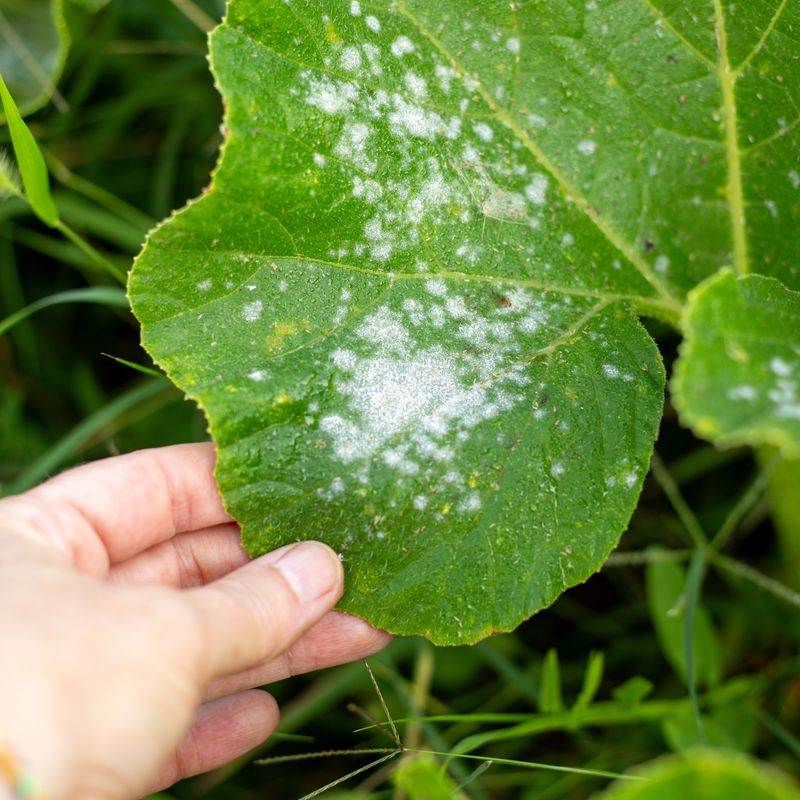
Fuzzy white dust or grayish-brown moldy blotches spreading across leaves and stems is a red flag no gardener wants to see. Powdery mildew and botrytis blight love damp, crowded conditions, and they can weaken a hydrangea enough to leave it wilting.
Airflow is your best defense. Give shrubs enough elbow room so breezes can move through, which keeps foliage from staying wet for hours on end.
Water at the soil line rather than splashing the leaves, since dry foliage discourages fungus from taking hold. Rake up and toss any fallen diseased leaves from around the base so spores do not linger and spread back onto the plant.
12. Leaves Curling Inward and Feeling Brittle
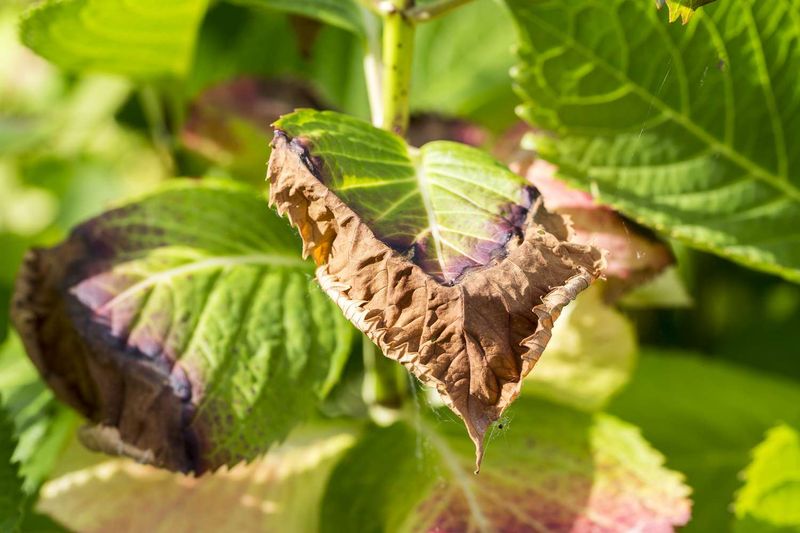
Curling, papery leaves with crispy brown edges take the drooping game to a whole new level. When foliage feels brittle and the soil is bone dry, sometimes shrinking away from the sides of the pot, your hydrangea is in serious survival mode.
Curling inward is the plant’s last-ditch attempt to shrink its surface area and hold onto whatever moisture it has left. It is essentially rationing water.
Act fast with a deep, thorough soaking, and be patient, because extremely dry, compacted soil can take several minutes to absorb anything. For potted plants, try bottom-watering by setting the pot in a basin of water until the air bubbles stop rising, which rehydrates the root ball from below.
13. Signs of Pests Along with Drooping
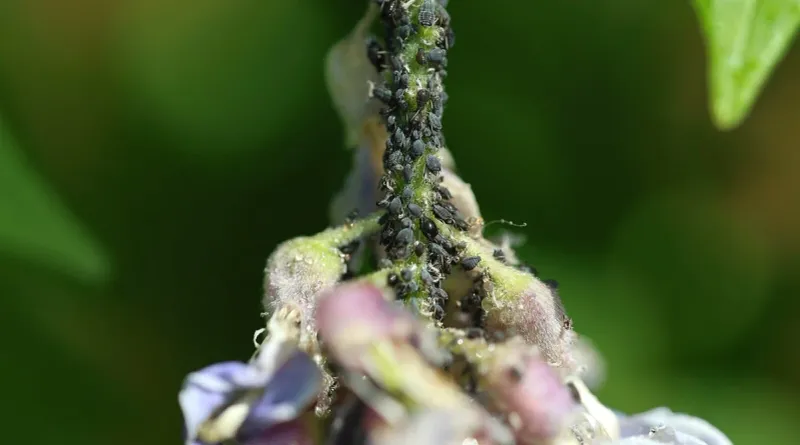
Tiny freeloaders can quietly drain a hydrangea until it starts to sag. Pests are rarely the first thing to blame for drooping, but a plant already stressed by an infestation will often look wilted and generally unhealthy.
Turn the leaves over and inspect the stems closely. Aphids, spider mites, and the fine webbing or sticky residue they leave behind are the usual suspects hiding out of plain sight.
Make a habit of checking your plant regularly so problems get caught early. If you find bugs, treat the infestation promptly with an organic or chemical control labeled safe for hydrangeas, and choose products that spare the helpful insects doing good work in your garden.