
If Your Tomatoes Are Rotting At The Bottom, Here Are 17 Causes Of Blossom End Rot (And The Fix For Each)
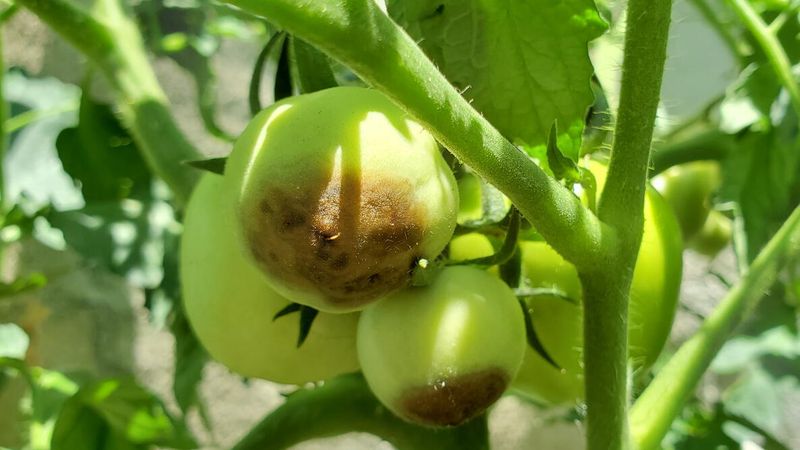
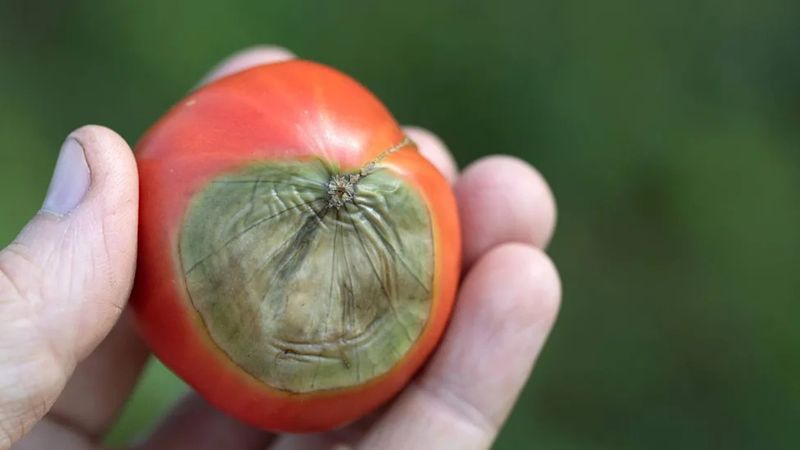
You walk out to check your tomato plants, and there it is, a sunken brown or black patch spreading across the bottom of your once-perfect fruit. That frustrating problem is called blossom end rot, and it usually isn’t a disease you catch from your neighbor’s garden.
Most of the time it comes down to how calcium moves inside the plant, which is tied to water and how you feed the soil. The good news is that once you know the cause, the fix is often something you can start doing today.
1. Inconsistent Soil Moisture
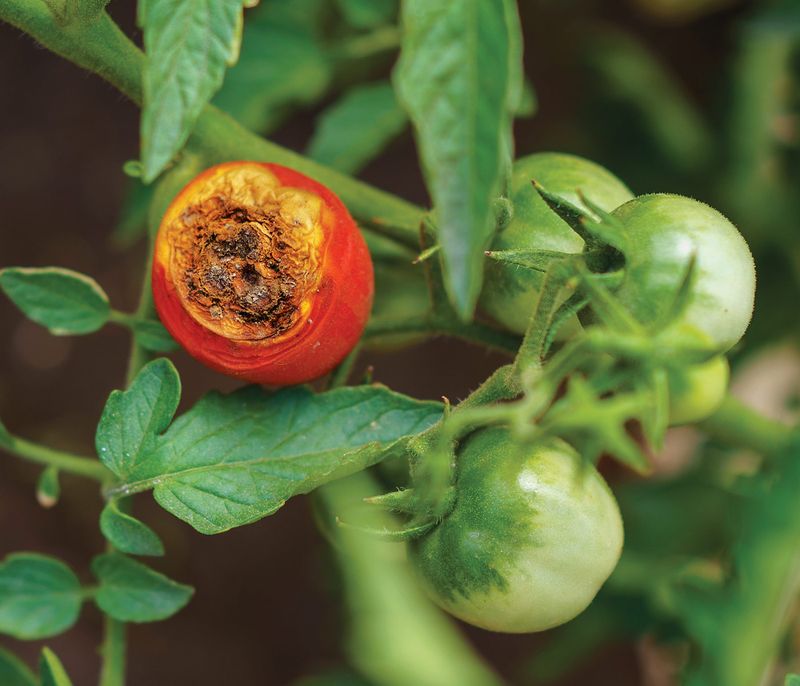
Picture your tomato roots trying to sip calcium through a straw, then the straw gets yanked away every time the soil dries out. That back-and-forth between bone-dry and soggy is the single biggest reason bottoms turn black.
Calcium can only travel with a steady stream of water, so when moisture swings wildly, the fruit gets shortchanged.
The fruit is where the plant is stingiest with calcium, so it feels the shortage first. You might water heavily one day, skip a few days, then flood it again, and the plant never gets a chance to settle into a rhythm.
The fix: Aim for consistency above everything else. Give your plants about 1 to 1.5 inches of water per week, and adjust when it rains.
Before you water again, poke a finger a few inches into the soil to feel whether it is actually dry or still damp underneath.
2. Drought Stress
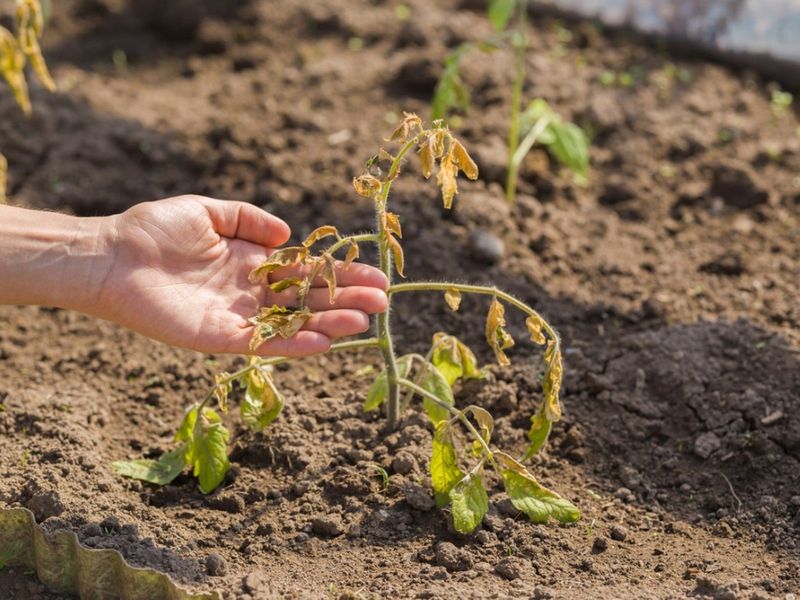
When the soil goes truly dry for a stretch, your tomato simply can’t pull up the calcium it needs, no matter how rich the ground is. A thirsty plant puts survival first and lets the fruit suffer.
That is why a heat wave paired with skipped watering so often ends in rotten bottoms.
Deep watering matters more than frequent sprinkles here. A quick splash only wets the top inch and leaves the deeper roots gasping.
The fix: Water thoroughly once or twice a week, soaking the soil down at least 6 inches. Soaker hoses and drip lines are your best friends for this, since they deliver water slowly and let it sink deep instead of running off the surface.
3. Overwatering or Waterlogged Soil
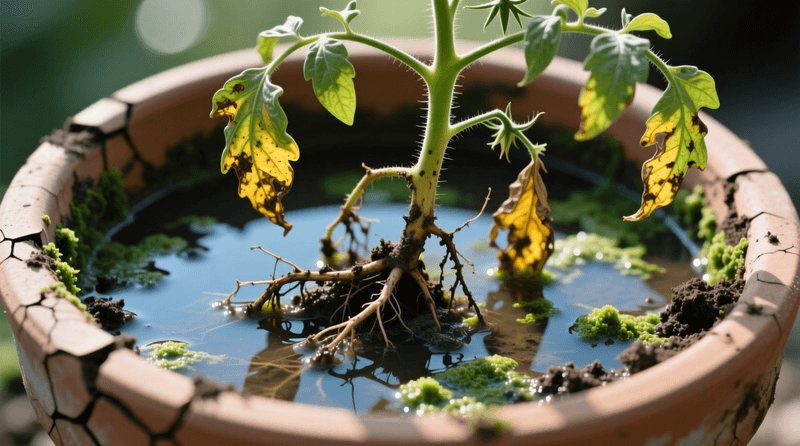
It sounds backwards, but drowning your tomatoes causes the same rot that drought does. When soil stays soggy, the roots can’t breathe, and roots that are suffocating stop absorbing nutrients, calcium included.
Waterlogged ground quietly starves the fruit while everything looks well-watered on top.
Gardeners who worry about drought sometimes overcorrect and keep the soil permanently wet. Roots need air pockets as much as they need moisture.
The fix: Plant in well-drained soil and skip any low spots where water likes to collect after a storm. Let the top layer of soil dry out slightly between waterings so the roots get a chance to breathe and function normally.
4. Growing in Containers
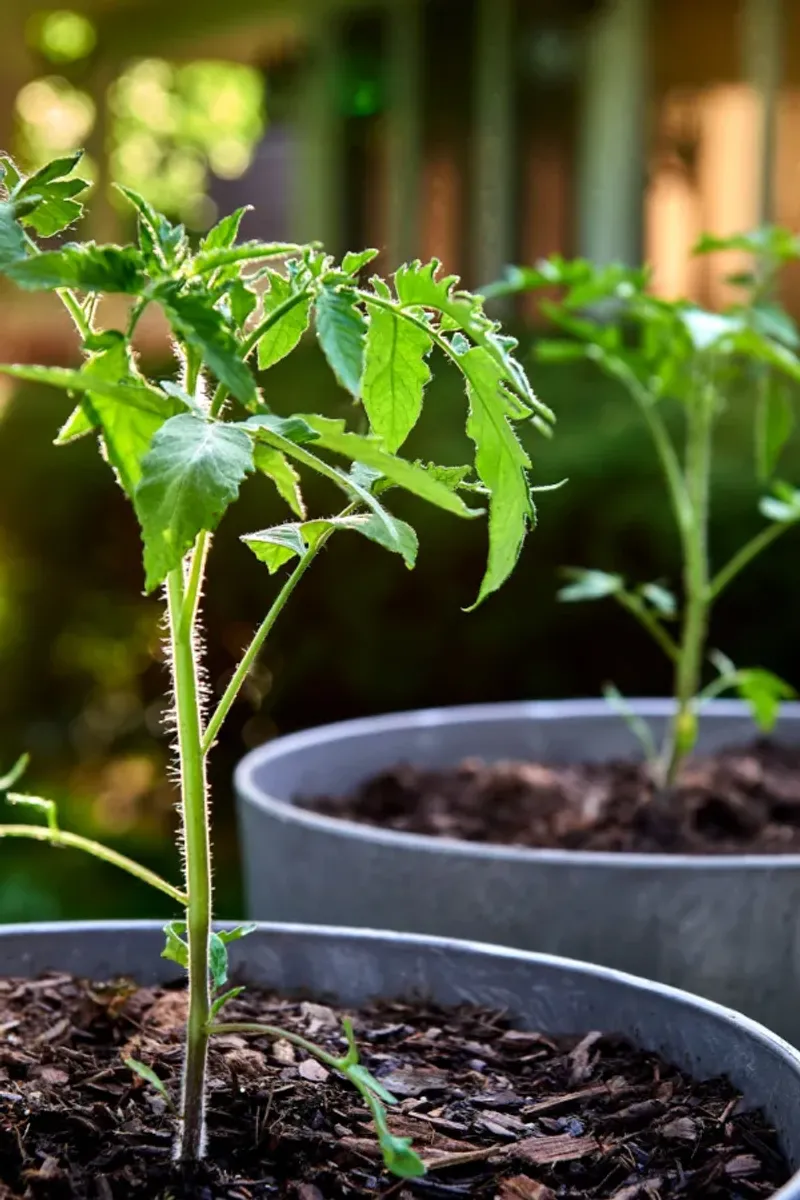
Container tomatoes live life on the edge. A pot heats up fast, dries out faster, and the roots get crowded into a tight space where water and nutrients are always in short supply.
All of that adds up to a much higher chance of blossom end rot than plants in the ground.
Small pots are the worst offenders because they can go from moist to bone-dry in a single hot afternoon. The plant simply can’t buffer those swings.
The fix: Move up to larger containers that hold moisture longer and give roots room to spread. Water pots more often than in-ground plants, sometimes daily during heat, or install a small drip system.
A layer of mulch right on top of the potting soil slows evaporation and keeps things steadier.
5. Hot, Dry Winds and Low Humidity
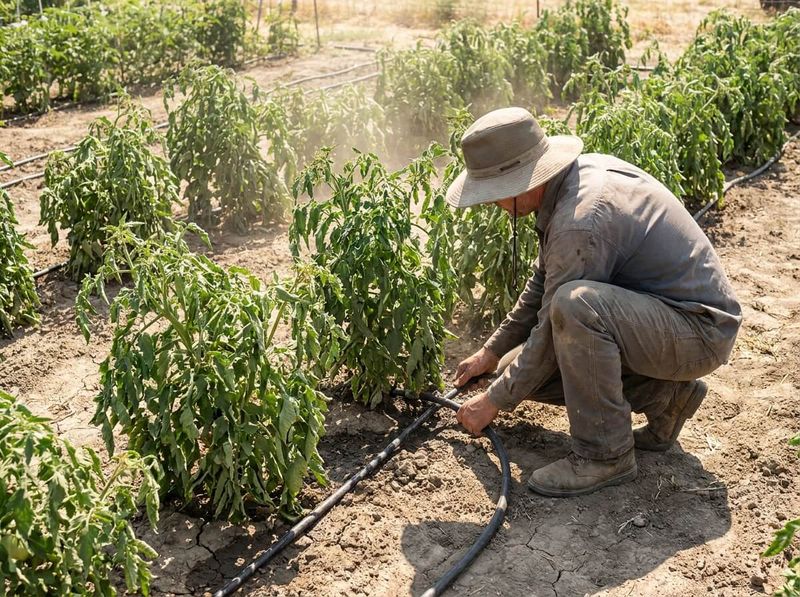
Here’s a sneaky one that catches a lot of gardeners off guard. On hot, windy, low-humidity days, the leaves lose water so quickly that the plant redirects its calcium supply up to the foliage instead of down to the fruit.
The leaves win, and the tomato bottoms lose.
You can have perfectly moist soil and still get rot when the air is stealing water faster than the roots can replace it. It is all about where the plant chooses to send its resources.
The fix: Spread a good layer of mulch around each plant. Mulch keeps the soil moisture stable and moderates soil temperature, which helps the plant keep up with what those dry winds are pulling out of the leaves.
6. Insufficient Calcium in the Soil
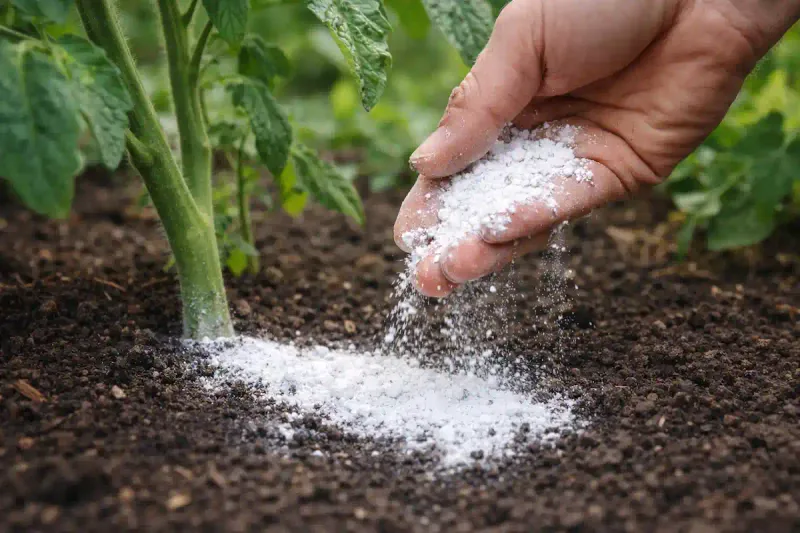
Everyone blames a calcium shortage first, but genuine low-calcium soil is actually pretty rare. Most of the time the calcium is there and the plant just can’t move it.
Still, once in a while a soil truly runs short, especially in sandy or heavily leached ground.
Guessing gets you nowhere here, and dumping random calcium products often does nothing. The only way to know is to actually measure.
The fix: Run a soil test to confirm your calcium levels before spending money. If it really is low, amend with garden lime or gypsum, ideally several months before planting so it has time to work into the soil and become available to the roots.
7. Incorrect Soil pH
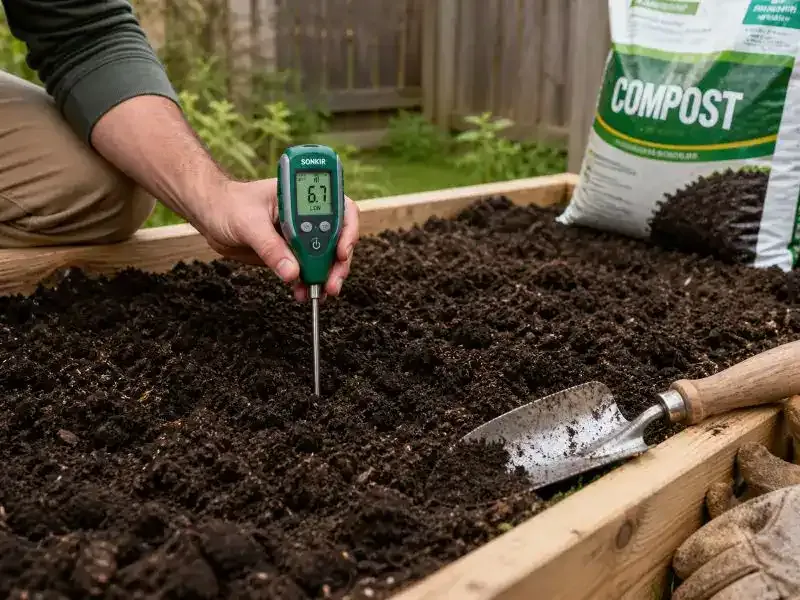
Your soil might be loaded with calcium and still lock it away where the plant can’t reach it. When the pH drifts too acidic or too alkaline, nutrients get chemically tied up and become unavailable.
Tomatoes are happiest in a slightly acidic to neutral range, right around 6.5 to 7.0.
Think of pH as the key that unlocks the pantry. Wrong pH, jammed lock, hungry plant.
The fix: Test your soil to find its actual pH. Add lime to raise a too-acidic reading (which also adds calcium), or use sulfur to bring down an overly alkaline one.
Make these changes in the off-season, since they take time to shift the balance.
8. Excessive Nitrogen Fertilization
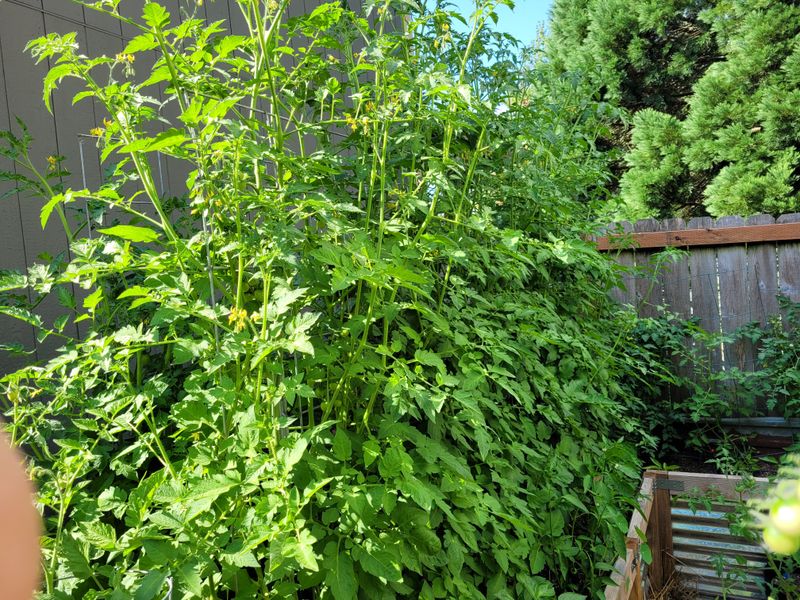
A tomato plant bursting with huge, dark green leaves looks like a success story, but it can be a warning sign. Too much nitrogen, especially the ammonium kind, pushes the plant into a leafy growth spurt that hogs all the calcium for foliage.
The fruit gets left behind, and rot follows.
More is not better when it comes to feeding tomatoes. Overdoing nitrogen actively works against the fruit you are trying to grow.
The fix: Choose balanced fertilizers that lean lower in nitrogen and higher in phosphorus, like a 4-12-4 or 5-20-5 blend. Go easy on feeding during early fruiting, and when you can, pick nitrate-based nitrogen over ammonium forms.
9. High Concentrations of Competing Nutrients
Calcium has to fight for a seat at the table, and other nutrients can crowd it out. When potassium, magnesium, or ammonium pile up in the soil, they compete with calcium for the same doorways into the roots.
Even with plenty of calcium present, the plant absorbs less of it.
Here’s a myth worth busting: Epsom salts are often recommended as a blossom end rot cure, but the magnesium in them actually makes the problem worse by elbowing calcium aside.
The fix: Use a soil test to keep your nutrient levels in balance and resist the urge to over-fertilize with potassium or magnesium. Skip the Epsom salts entirely as a rot remedy.
10. Root Damage from Cultivation
Every time you dig hard around the base of a tomato, you might be snipping the very roots that feed the fruit. Aggressive tilling or deep weeding near the stem tears up the fine roots that absorb water and calcium.
A wounded root system simply can’t keep up with a growing tomato.
Weeds are annoying, but ripping into the soil to get them can cost you more than the weeds ever would.
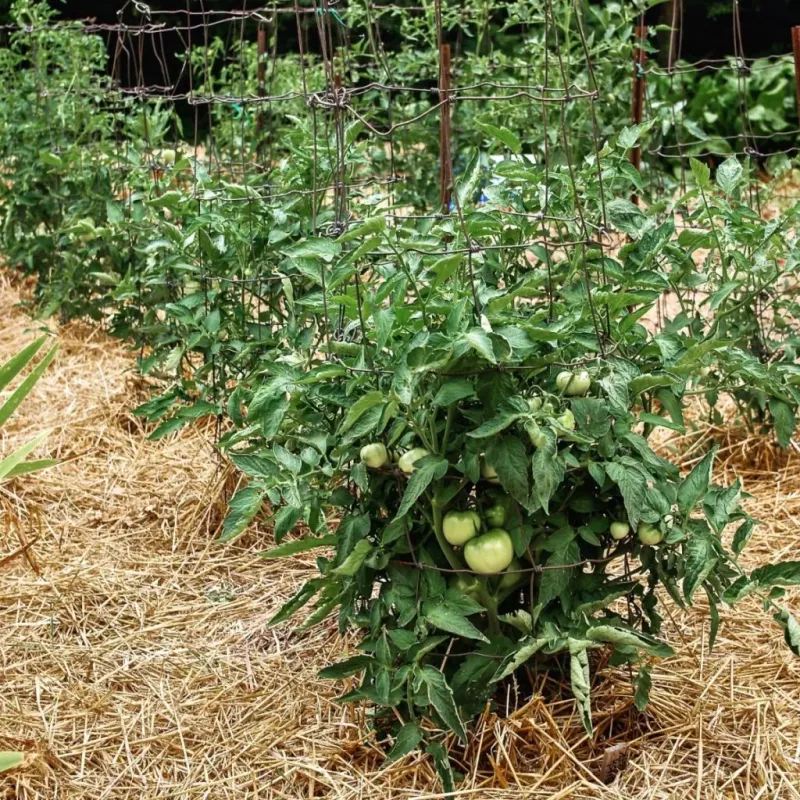
The fix: Keep cultivation shallow around established plants, especially once fruit has set. Control weeds by lightly scraping the surface with a hoe, or better yet, smother them with a layer of mulch so you never have to dig near the roots.
11. Cold Soil Temperatures
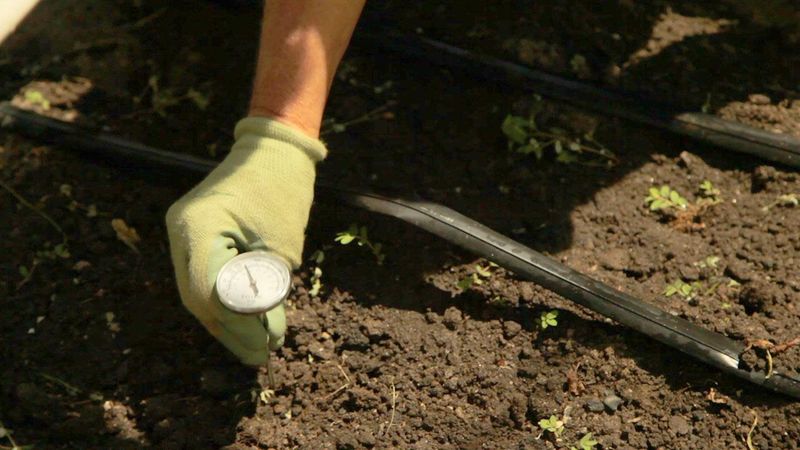
Eager gardeners who plant the moment the weather feels nice sometimes pay for it later. When soil is still cold, below about 60 degrees Fahrenheit, tomato roots move sluggishly and barely absorb nutrients.
That early chill can set up calcium shortages in the first fruits weeks down the road.
Warm air and warm soil are two different things. The ground stays cold long after the days feel pleasant.
The fix: Hold off transplanting until soil temperatures are reliably warm. You can speed things along by laying dark plastic or dark mulch to heat the soil beforehand, then switching to organic mulch once the ground has warmed up.
12. Rapid Early Growth
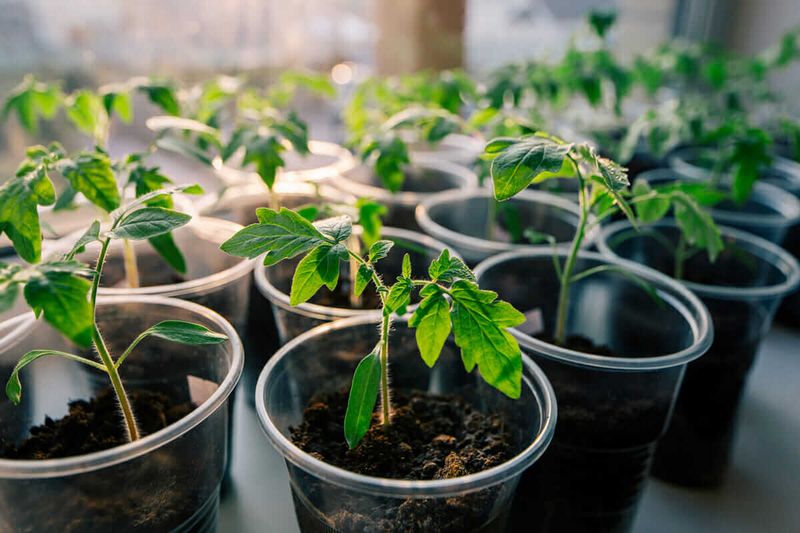
Sometimes a plant simply grows faster than it can supply itself. When tomatoes shoot up quickly, often thanks to a nitrogen overload, the fruit swells faster than calcium can be delivered to it.
The plant is essentially outrunning its own plumbing.
Fast growth feels exciting, but a slow and steady tomato is a healthier one. Speed here comes at the fruit’s expense.
The fix: Don’t push your plants to grow explosively early on. Stick with a balanced feeding plan from the start, keeping nitrogen in check just as you would to avoid the leafy overgrowth problem, so calcium can keep pace with the fruit.
13. Transplant Shock
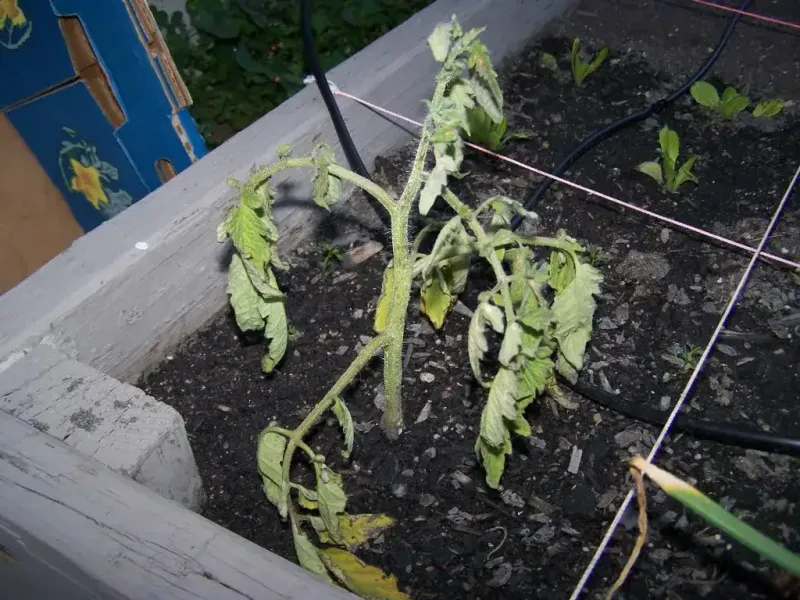
Moving a seedling from its cozy pot into the garden is a jolt, and stressed plants don’t function normally. Transplant shock can briefly scramble a tomato’s water and nutrient uptake, and that hiccup often shows up as rot on the very first fruits.
The plant is too busy recovering to feed the tomatoes properly.
A little care during transplanting saves you headaches at harvest. Rough handling now means rotten bottoms later.
The fix: Harden off your seedlings gradually before planting them out, and handle them gently to protect the roots. Give them a good drink right after transplanting to help them settle in and bounce back quickly.
14. Planting Susceptible Varieties
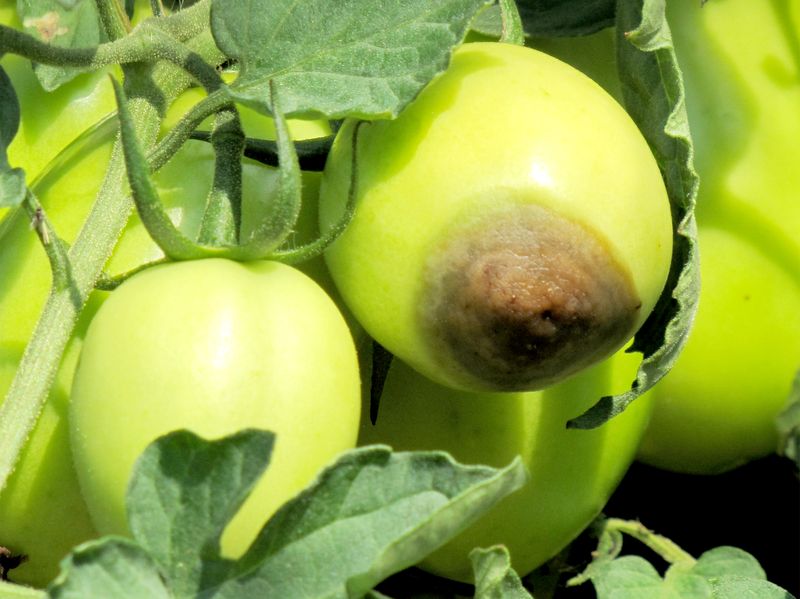
Not all tomatoes are created equal when it comes to rot. Some varieties are just born prone to it, particularly the big elongated paste types like Romas and fast-growing hybrids.
If you keep fighting blossom end rot year after year, your variety choice might be part of the story.
Cherry tomatoes, on the other hand, tend to shrug off the problem thanks to their small size and quick set.
The fix: When rot becomes a repeat offender, switch to varieties known for resistance, or lean on cherry types that rarely struggle with it. Keep a simple garden journal noting which varieties thrive in your yard so you can plant smarter next season.
15. First Fruits of the Season
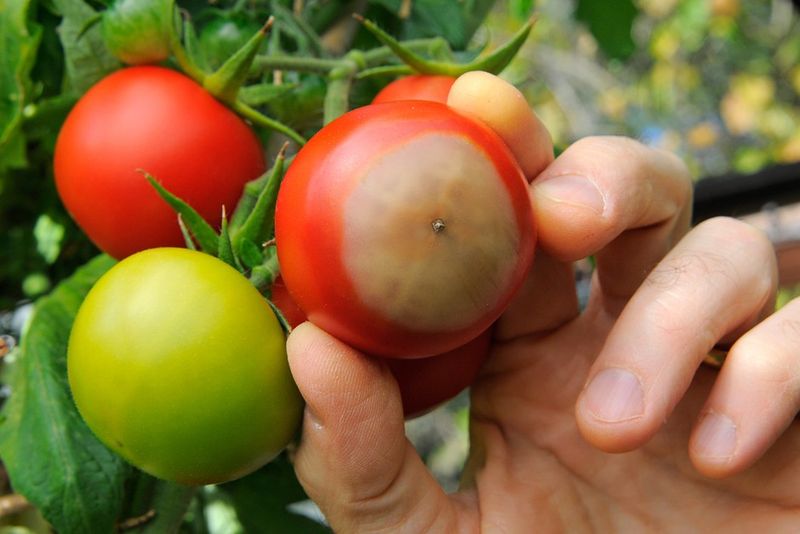
Don’t panic if your earliest tomatoes come out with ugly bottoms. The first fruits to set often catch the worst of it because the plant is still finding its footing and dealing with early-season stress.
It is one of the most common and least worrying causes on this list.
Those first rotten tomatoes are frequently a phase, not a permanent verdict on your whole crop.
The fix: Take a breath and keep your care consistent, because later fruits usually develop just fine as the plant matures. Pluck off the affected early tomatoes so the plant can pour its energy into growing healthy new ones instead.
16. High Soil Salinity
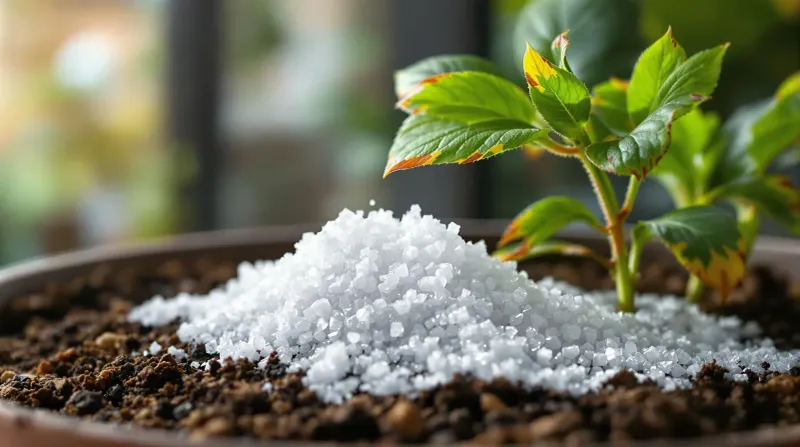
Salt buildup in the soil quietly sabotages your tomatoes from below. When salts accumulate, often from heavy use of synthetic fertilizers, they make it harder for roots to pull in water and nutrients, calcium included.
High salinity mimics drought even when there is moisture around.
Containers and heavily fertilized beds are especially prone to this hidden crust of salts.
The fix: Make sure your soil drains well and water consistently, since good watering helps flush excess salts down and away from the root zone. Ease up on synthetic fertilizers so salts don’t keep piling up in the first place.
17. Heat Stress and High Light Intensity
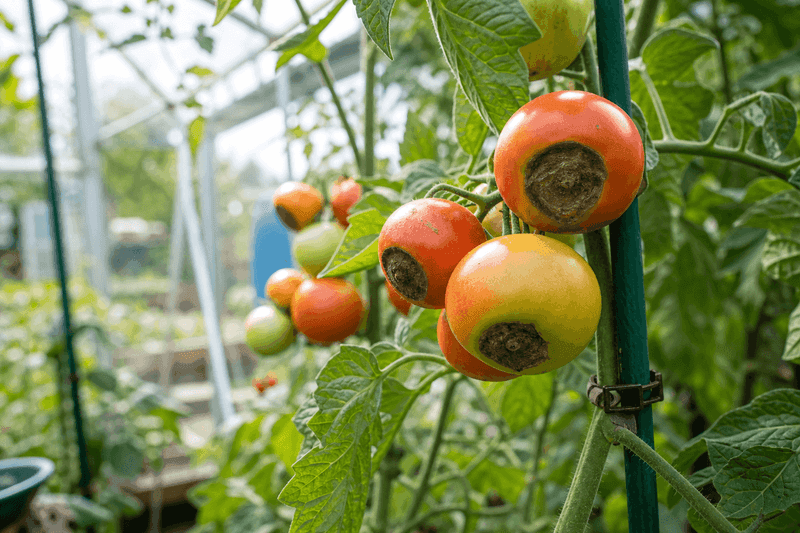
Blistering heat and punishing sunlight can damage a developing tomato from the inside out. Extreme temperatures and very high light create stress that leads to cell death in the fruit, showing up as that telltale dark, sunken bottom.
It is the plant buckling under conditions it simply can’t handle.
A brutal summer heat wave can trigger rot even in gardens that were doing everything else right.
The fix: Lay down mulch to keep soil temperatures cooler and steadier through the hottest stretches. Water generously and consistently during heat waves so your plants have the resources to manage the stress and protect their fruit.
Once a tomato shows rot the damage can’t be undone, so remove affected fruit, keep a 2 to 4 inch mulch layer year-round, and skip the foliar calcium sprays since calcium won’t travel from leaves to fruit anyway.