
These Native North Carolina Wildflowers Bloom Longer In Heavy Clay Where Black-Eyed Susans Give Up
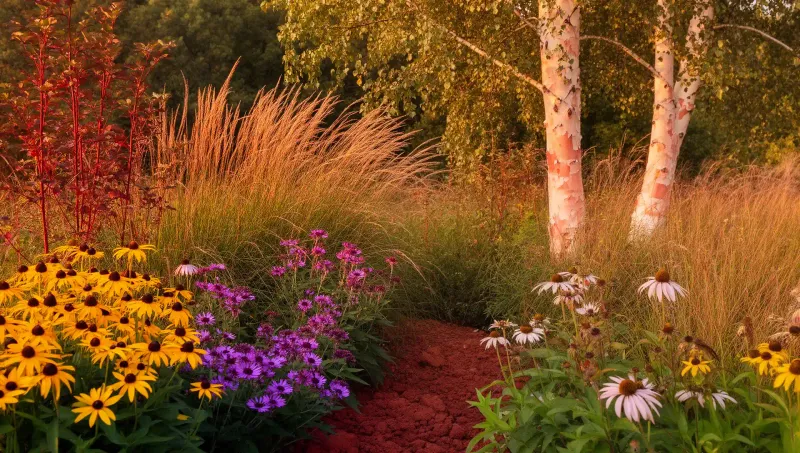
If you have ever fought with that sticky, brick-hard clay in a North Carolina backyard, you know some plants just throw in the towel. Black-Eyed Susans are tough, but even they can sputter out when the soil bakes into concrete.
The good news is that plenty of North Carolina natives actually love those stubborn spots and keep blooming for weeks. Better yet, they feed the butterflies, bees, goldfinches, and hummingbirds that make your yard feel alive.
1. Ironweed (Vernonia spp.)
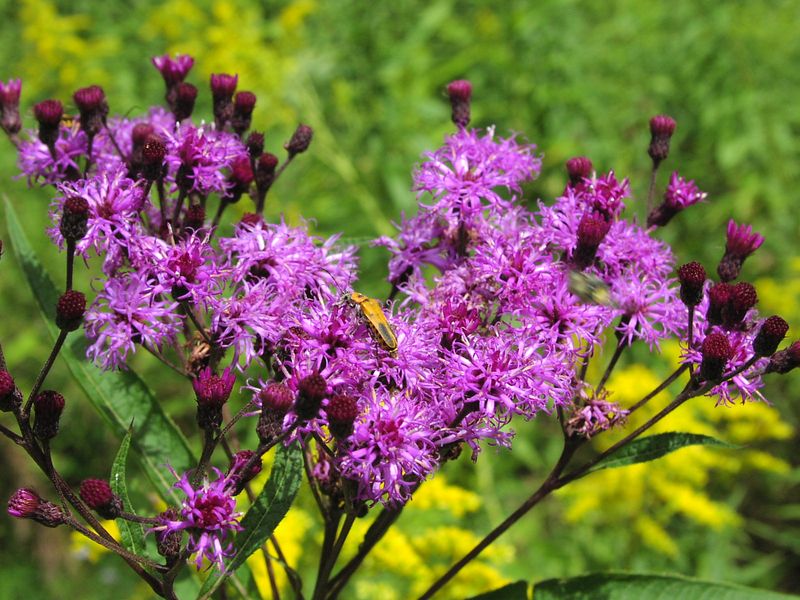
Picture a plant that shoots up head-high and crowns itself with clouds of the richest purple you have ever seen in a garden. Ironweed does exactly that in late summer, right when a lot of other flowers are looking tired and crispy.
Heavy clay does not bother this one at all. In fact, it prefers ground that stays a little moist, so those low, soggy corners where Black-Eyed Susans rot out are perfect real estate for Ironweed.
Butterflies and bees pile onto the blooms like it is the last diner open on a road trip. Swallowtails especially seem to treat it as a favorite fuel stop.
Give it a spot at the back of a border where its height can shine, and it will reward you year after year with almost no fuss.
2. Blue Mistflower (Conoclinium coelestinum)
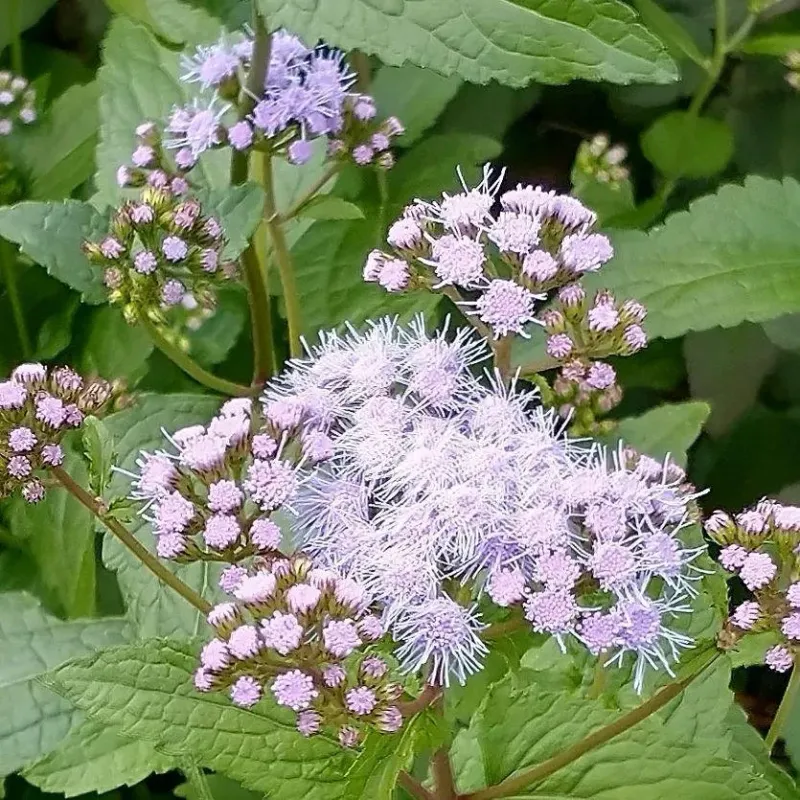
Fuzzy, powder-blue puffs that look like something out of a fairy tale, Blue Mistflower brings a color most native gardens are missing. It hums with tiny pollinators from July clear into October.
Loamy, sandy, or heavy clay, this perennial shrugs at all of it as long as the ground holds medium moisture. That flexibility makes it a workhorse for tricky Piedmont yards.
Here is a friendly heads-up: it likes to spread and wander, so plant it where a loose colony is welcome rather than in a neat, tidy row. Many gardeners tuck it along a damp fence line and let it fill in.
When the fall migration rolls through, those late blooms become a genuine lifeline for hungry butterflies stocking up for the trip south.
3. Cardinal Flower (Lobelia cardinalis)
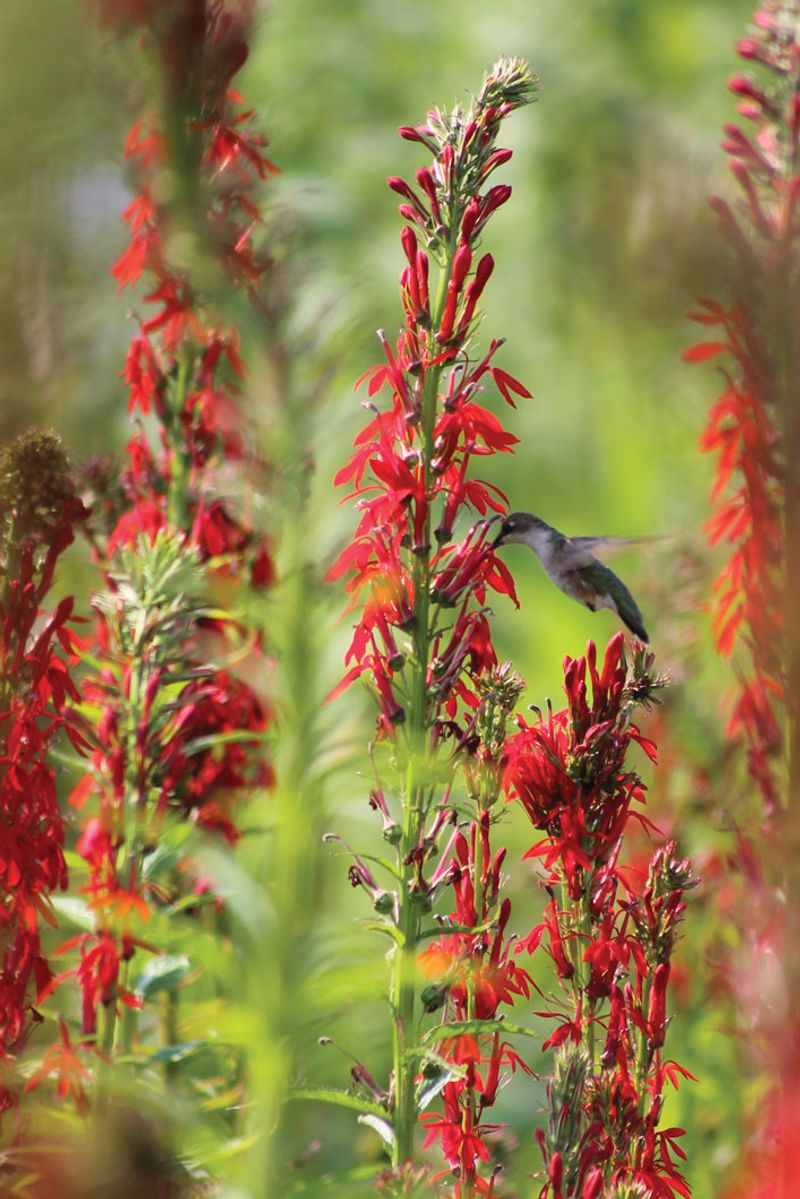
Few sights stop a gardener in their tracks like the electric red spikes of Cardinal Flower glowing at the edge of a shady, damp spot. The color is almost unreal, and hummingbirds absolutely cannot resist it.
Naturally it hangs out along stream banks and woodland edges, so it thrives in the moist to downright wet clay that drowns most flowers. If you have a low area that never quite dries out, you have found its dream home.
Blooms climb the tall stems from July into September, opening from the bottom up so the show lasts for weeks. Plant a cluster and you may find ruby-throated hummingbirds treating your yard like a regular commute.
Just keep the roots from going bone-dry in a heat wave, and this native will keep painting your garden red.
4. False Indigo (Baptisia spp.)
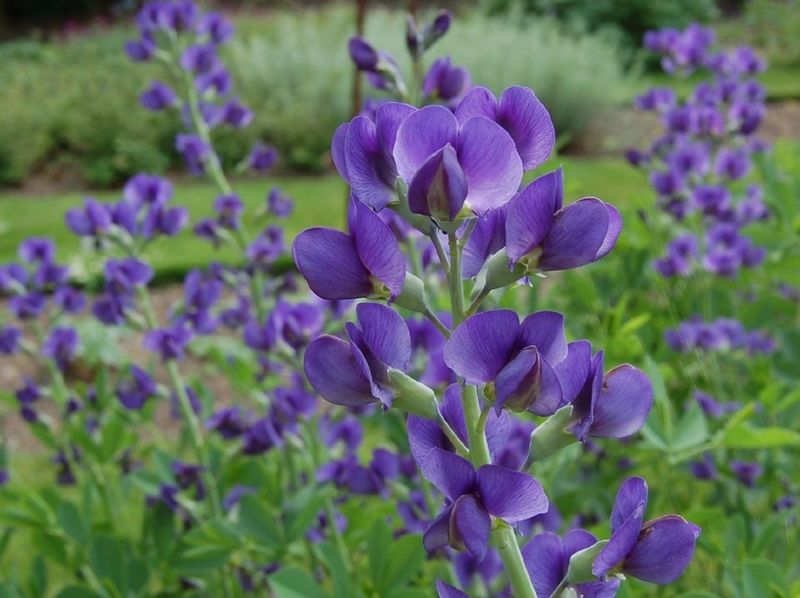
Think of False Indigo as the anchor of the clay garden. Its deep, fibrous roots grab hold of stubborn, stony ground and refuse to let go, which makes it a champion for holding a crumbling bank in place.
Spikes of pea-like flowers in blue, yellow, or creamy white rise up in spring, drawing fat bumblebees that bob from bloom to bloom. After the flowers fade, the seed pods rattle like little maracas in the breeze, a fun bonus for kids exploring the yard.
Drought does not faze it once established, and neither does the worst clay you can offer. A little patience helps here, since it settles in slowly before becoming a rugged, shrub-sized fixture.
Fun bit of history: early settlers used Baptisia as a substitute for true indigo dye, which is how it earned the name False Indigo.
5. Blazing Star (Liatris spicata)
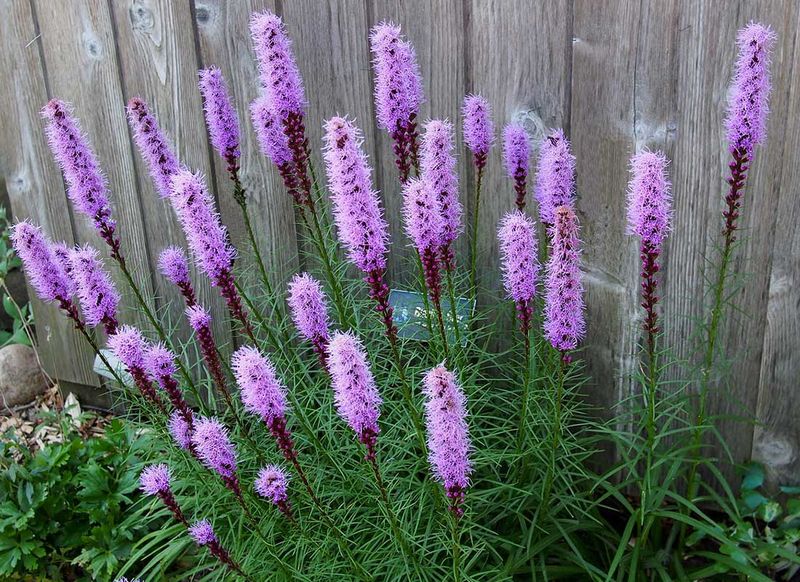
Most flowers open from the bottom up, but Blazing Star flips the script and blooms from the top down its tall purple wands. That quirky habit gives it a fuzzy, feather-duster look that pollinators go wild for.
Moist, well-drained clay suits it just fine, and the flowering stretches from July all the way to November in a good year. That is a marathon compared to many garden staples.
Once the blooms fade, do not rush to cut it back. The seed heads turn into a natural bird feeder, and goldfinches will perch and pluck the seeds right through fall.
Planted in a sunny clump, Blazing Star gives you vertical drama, months of color, and a built-in wildlife buffet all in one plant.
6. Eastern Purple Coneflower (Echinacea purpurea)
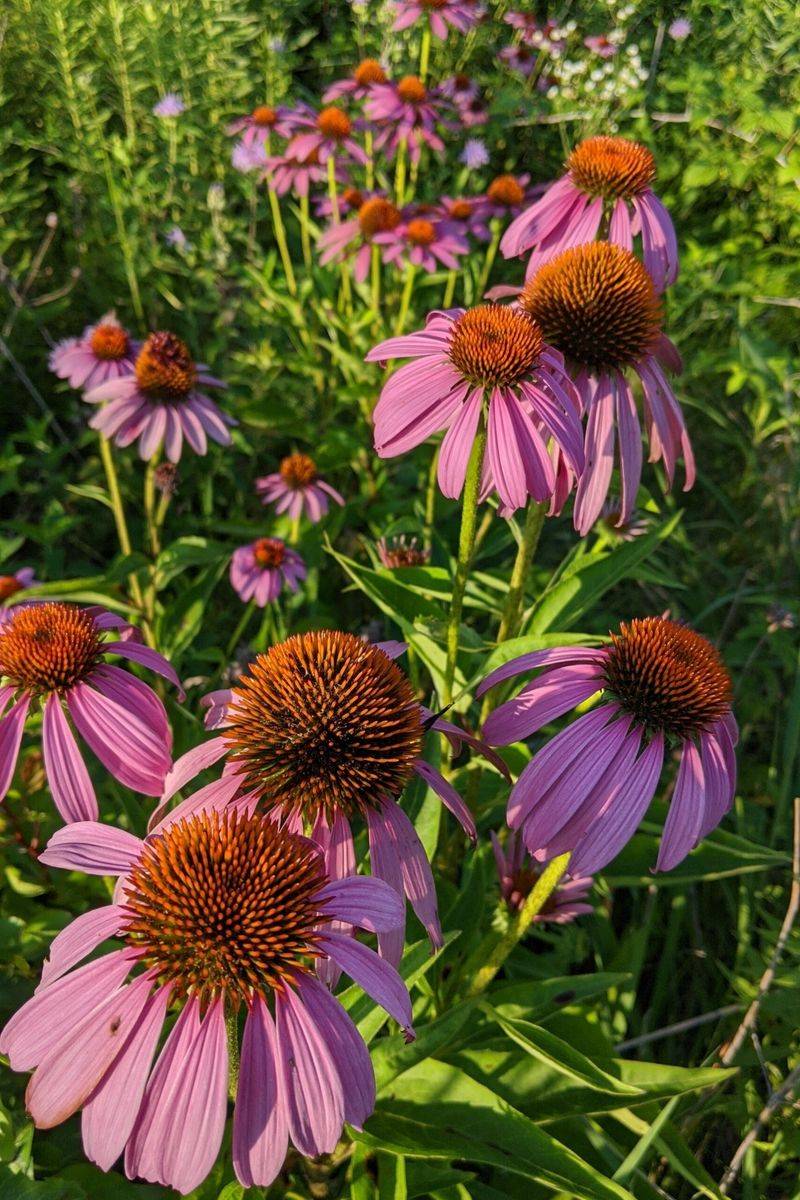
Chances are you already recognize this one, and there is a reason it shows up in so many North Carolina yards. The purple petals and spiky orange cones are dependable, cheerful, and tough as nails in clay.
Bloom time runs long and steady, keeping bees and butterflies fed through the heart of summer. It handles the compact, clumpy soil that leaves fussier flowers sulking.
The real magic comes later. Leave the dried cones standing and goldfinches will cling to them all winter, prying out the seeds one by one.
Cutting everything down in fall means robbing your birds of a free meal.
Easy to grow from a small plant and generous with its blooms, Purple Coneflower is the reliable friend every clay garden deserves.
7. Butterfly Milkweed (Asclepias tuberosa)
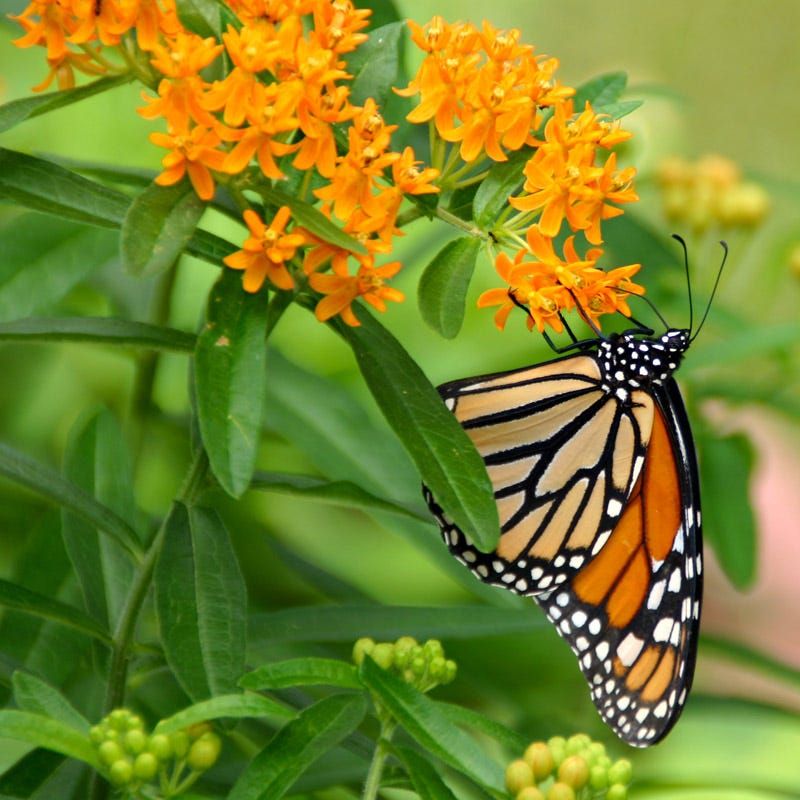
Blazing orange like a little bonfire in the garden, Butterfly Milkweed is the plant that makes monarch lovers grin. It is one of the most important native flowers you can offer these struggling butterflies.
Poor soil? Baking heat?
Rock-hard clay? None of it scares this milkweed off.
It actually resents being pampered, so skip the rich compost and let it rough it in the tough spots.
Monarch caterpillars depend on milkweed to survive, and the flowers feed a whole parade of other butterflies and bees too. Planting it turns your yard into a genuine nursery for these iconic travelers.
One caution worth naming: avoid the invasive tropical milkweed sold at many stores, since it can disrupt monarch migration. Stick with this native orange beauty instead and you are doing right by the butterflies.