
The Low North Carolina Natives That Soften Your Patio Steps For Years Without Ever Needing Weeding
Bare cracks and gaps around patio steps are an open invitation for weeds, and pulling them every weekend gets old fast. The fix is to fill those spaces with tough, low native plants that grow so thick there is simply no room left for weeds to sneak in.
Better still, these North Carolina natives feed the bees, butterflies, fireflies, and box turtles that already call your yard home. Here are ten that can carpet your steps for years with very little help from you.
1. Green-and-Gold (Chrysogonum virginianum)
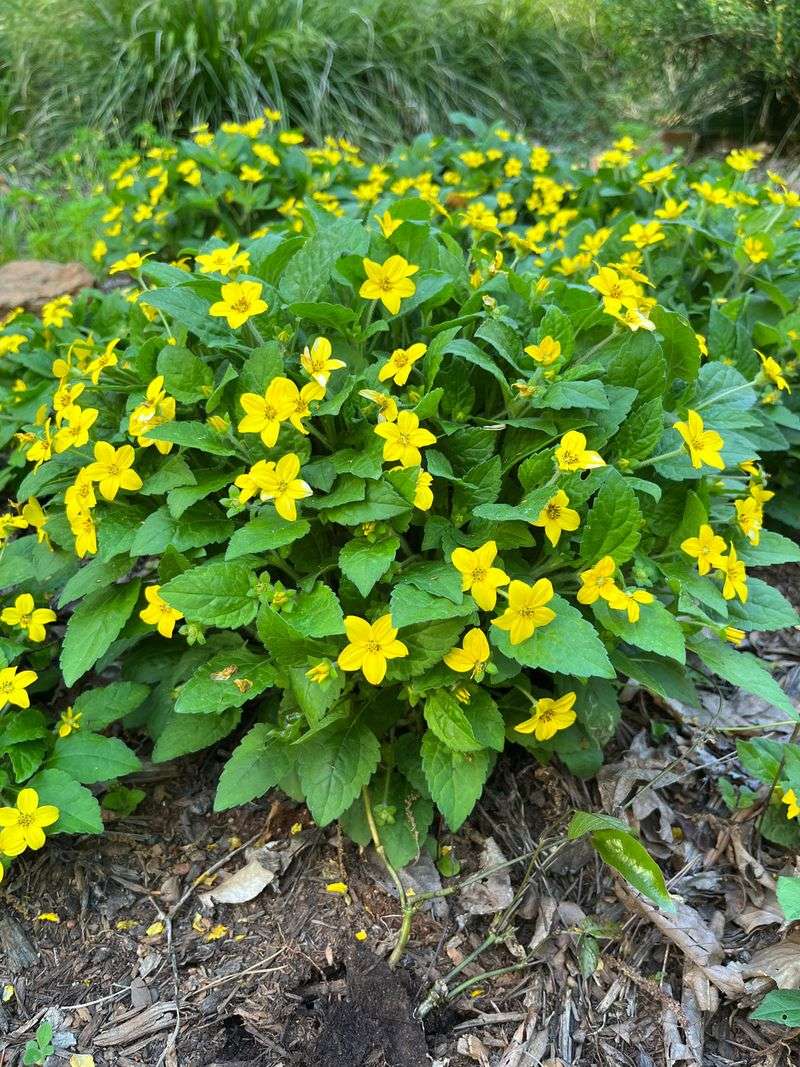
Picture a cheerful yellow welcome mat that blooms right where your feet land. Green-and-gold earns the top spot because it works almost anywhere in North Carolina, from the mountains to the coast.
Its glossy leaves stay green through winter, so weed seeds never find bare soil to sprout in. Plants spread by short runners into a dense mat only a few inches tall, perfect for tucking along the sides of stone or brick steps.
Part sun to part shade suits it best, though it will still flower in deep shade under oaks. Average to dry soil is fine, and deer usually leave it alone.
Native bees visit the spring blooms, and many plants rebloom lightly into fall.
2. Pussytoes (Antennaria plantaginifolia)
Got a hot, sunny step where nothing seems happy? Pussytoes laughs at poor soil.
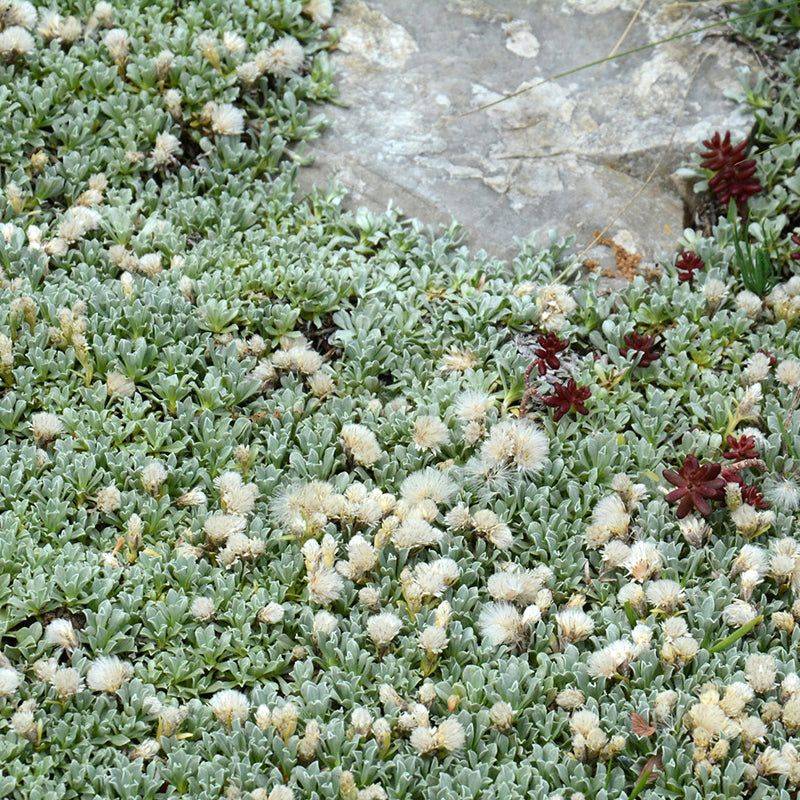
Its fuzzy silver rosettes hug the ground and creep outward on stolons, slowly knitting into a soft gray carpet.
The name comes from the little fluffy flower heads that look just like a kitten’s paw. They show up in early spring, giving native bees an early snack when little else is blooming.
Here is the bonus for stewards: pussytoes is a host plant for the American painted lady butterfly. Skip the fertilizer and rich compost, because this plant prefers lean, well-drained ground.
Give it a sunny gap between flagstones and let it do its slow, steady thing.
3. Partridgeberry (Mitchella repens)
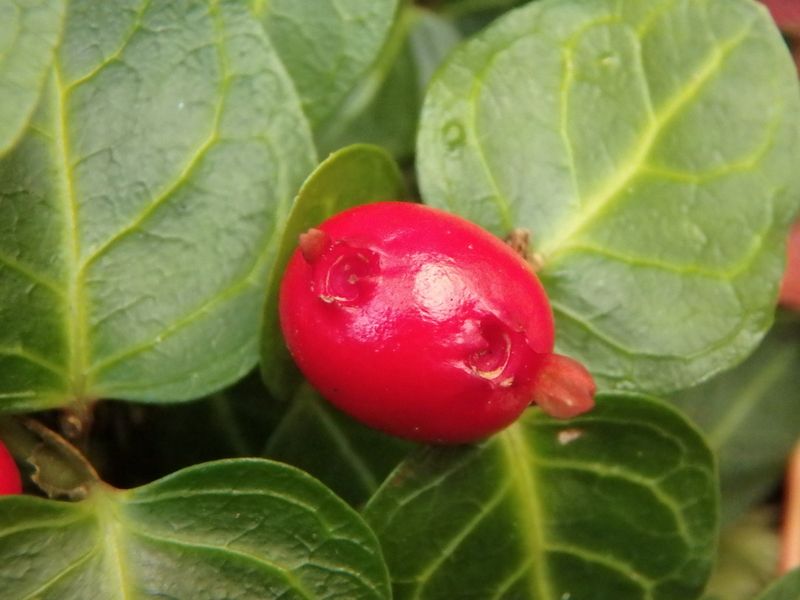
Grandmothers across the Carolinas once gathered partridgeberry for holiday decorations, and it is easy to see why. Shiny round leaves with pale veins trail along the ground, dotted with bright red berries that can hang on for nearly a year.
At under an inch tall, it is the lowest plant on this list. That makes it ideal for the tightest gaps on shady steps where taller plants would trip someone.
Each berry forms from two fused flowers, so look for two tiny dimples on every fruit. Wild turkeys, quail, and even box turtles snack on them.
Give it acidic soil and mostly shade, and be patient, because it spreads slowly but lasts for decades.
4. Mountain Stonecrop (Sedum ternatum)
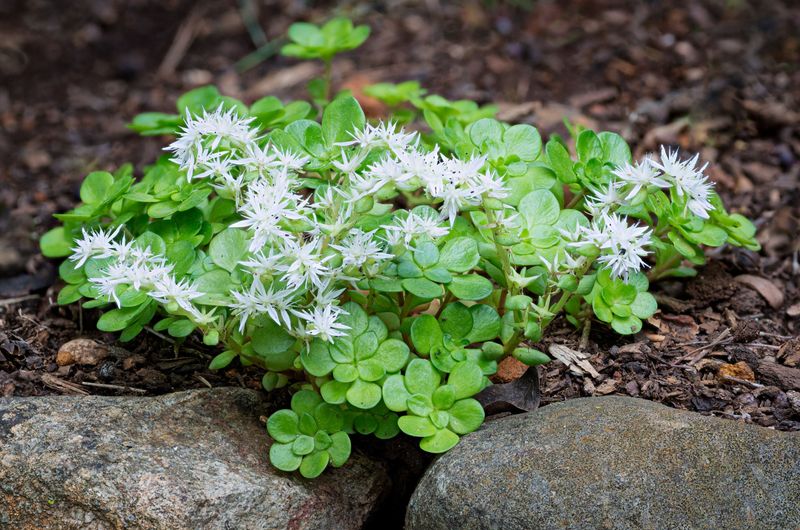
Thin soil over rock usually spells trouble. Mountain stonecrop sees it as home.
Most sedums sold at big box stores are from Europe or Asia, but this one is a true native of the Piedmont and mountains.
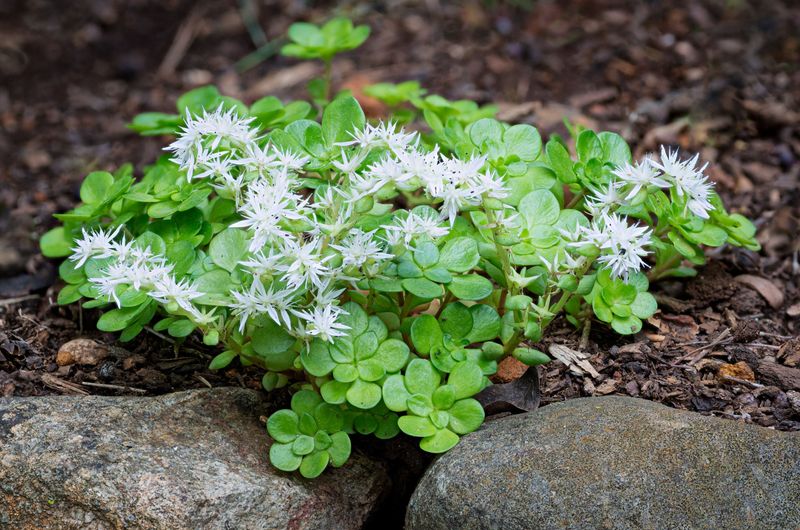
Its small, juicy leaves grow in little whorls of three, which is where the name ternatum comes from. In late spring, sprays of white starry flowers pull in small native bees and flies.
Because it stores water in its leaves, a dry spell barely slows it down. Tuck it into cracks of dry-stacked stone steps or along edges with very little soil.
It even takes part shade, which most succulents cannot handle. Pieces that break off often root wherever they land, filling gaps for free.
5. Allegheny Spurge (Pachysandra procumbens)
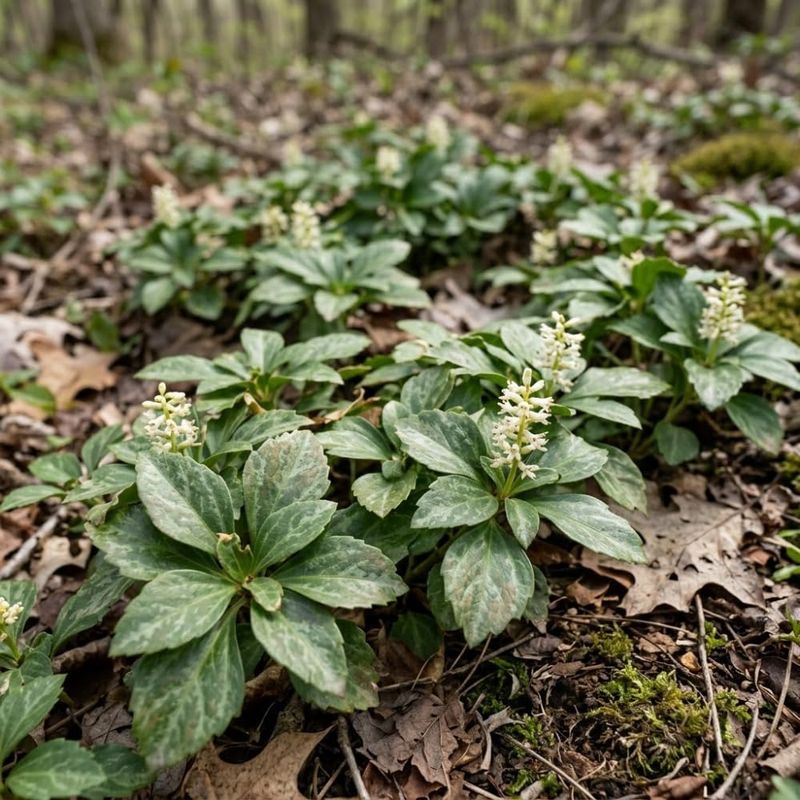
If your steps are lined with Japanese pachysandra, you are not alone. That shiny Asian groundcover was planted everywhere for decades, and it can escape into nearby woods.
Allegheny spurge is the native swap worth making. Its leaves are softer and mottled with silver, and in early spring fuzzy white bottlebrush flowers pop up before the new leaves fill in.
Early bees love them.
Once established, it forms a clump so thick that weeds simply give up. It likes shade and less acidic soil, and it can handle the odd flood after a summer storm.
Pull out the Japanese kind, plant this one, and you will be trading a problem for a plant that belongs here.
6. Foamflower (Tiarella cordifolia)
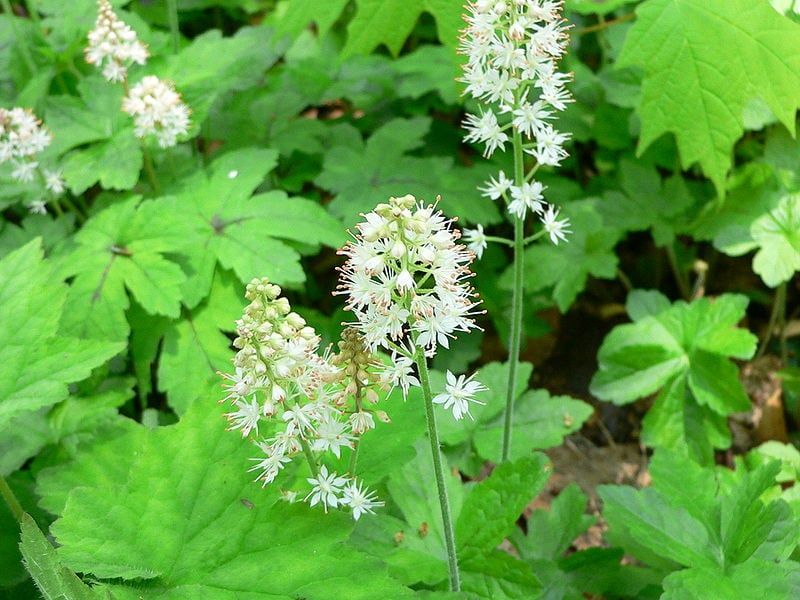
Every April, foamflower throws a party. Fluffy white spikes rise above heart-shaped leaves, looking like sea foam washing up against your steps.
The spreading types send out runners that root as they go, carpeting a shady spot within a couple of seasons. Some leaves turn a pretty bronze or red in winter and hang on, keeping the ground covered year-round.
Dry shade under trees is where many plants struggle, but foamflower handles it surprisingly well once settled. Pair it with green-and-gold for yellow and white blooms together.
Look for running forms if your goal is a solid mat rather than neat clumps.
7. Creeping Phlox (Phlox stolonifera)
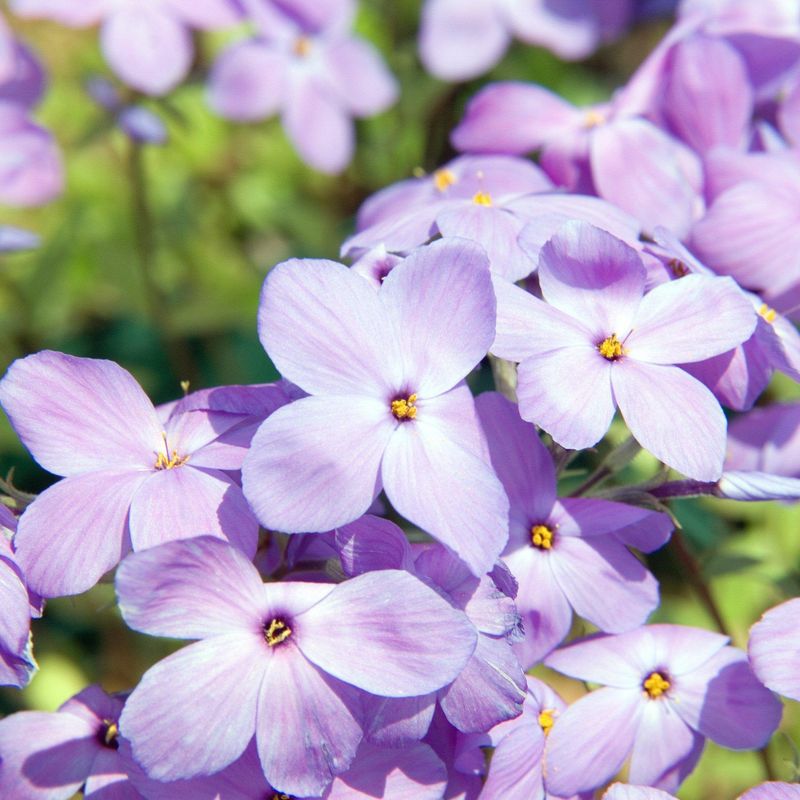
Few things beat walking out in spring to find your steps washed in lavender. Creeping phlox delivers that moment year after year.
Phlox stolonifera grows wild in North Carolina’s mountain woods and spreads by rooting stems into a low, leafy mat. The flowers come in blue, purple, pink, or white, and butterflies and long-tongued bees work them all day.
Got a sunny slope instead? Moss phlox, Phlox subulata, takes hot sun and stays evergreen with needle-like leaves.
Use stolonifera in part shade and subulata in sun, and you can soften steps on both sides of the house.
8. Wild Strawberry (Fragaria virginiana)
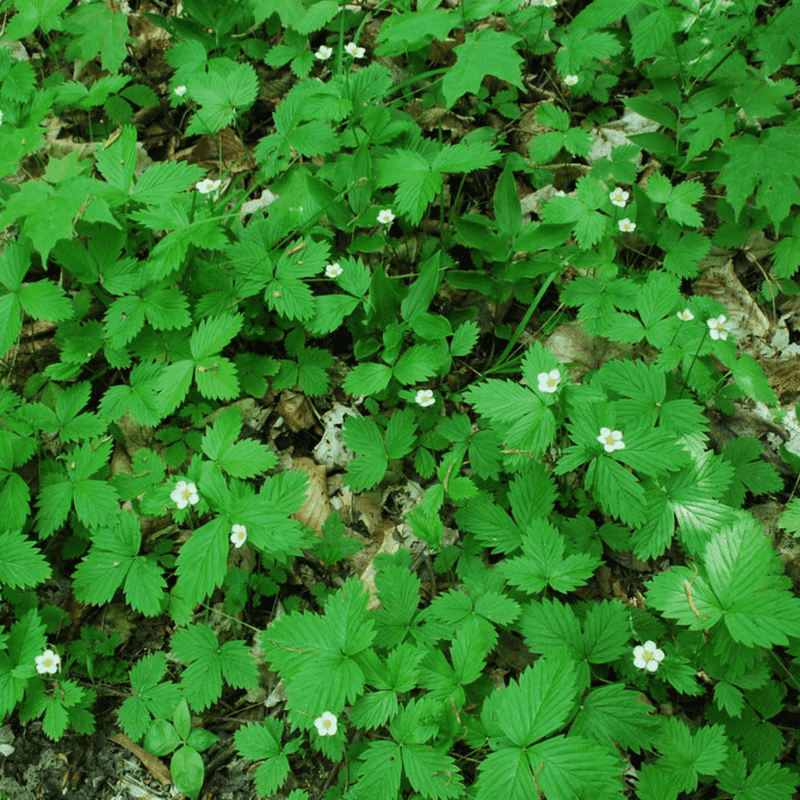
Kids will find this one before you do. Tiny sweet berries hide under the leaves in late spring, and they taste far better than their size suggests.
Wild strawberry is the speed demon of the list. Runners shoot out in every direction, rooting new plants and filling bare spots in a single season.
It also takes light foot traffic, so a stray step off the edge will not hurt it.
The modern garden strawberry is actually part Fragaria virginiana, crossed with a Chilean species in Europe centuries ago. Box turtles, songbirds, and chipmunks all share the harvest, so plant enough for everyone.
Watch out for the look-alike mock strawberry from Asia, which has yellow flowers and bland fruit.
9. Wild Ginger (Asarum canadense)
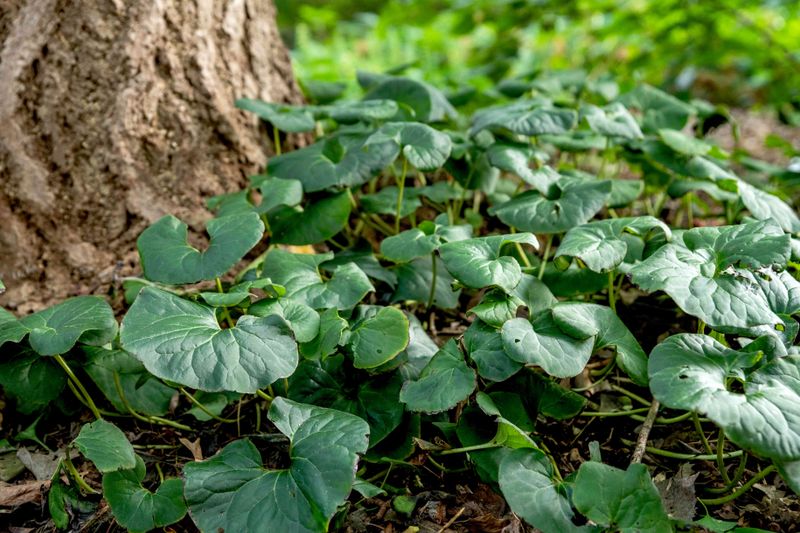
Velvety, heart-shaped leaves the size of your palm make wild ginger the lushest plant here. It forms a dense, ankle-high sea of green that shades out weed seedlings.
Its strange maroon flowers hide right at ground level under the leaves. Some scientists think early flies and beetles crawl in to pollinate them, and ants help carry the seeds away.
It does best in rich, moist, deep shade, especially in the mountains and northern Piedmont. Not a plant for eating, despite the name, but a wonderful one for cool, shady steps.
10. Little Brown Jug (Hexastylis arifolia)
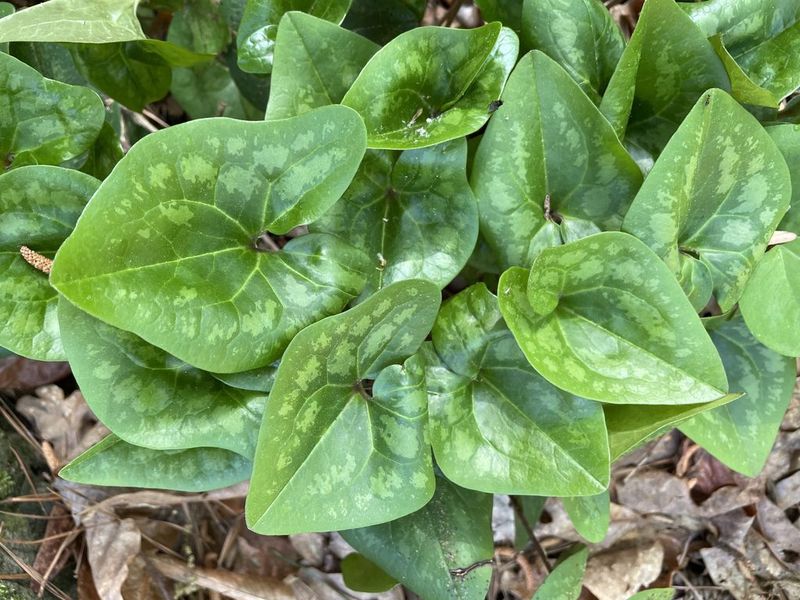
Deep shade under pines and hollies is where most groundcovers quit. Little brown jug moves right in.
Its arrow-shaped leaves are marbled with silver and stay green all winter long.
The name comes from the small brown flowers shaped like old-fashioned jugs, hidden at the base of the plant. Lift a leaf in early spring to find them, and kids love the treasure hunt.
Plants grow in tidy clumps rather than racing across the ground, so set them close together along the step edges. Once in place, they can live for many years with no care.
Buy from nurseries that propagate their own plants, and never dig them from the wild.