
The Most Underrated North Carolina Native That Fills Your Yard With Butterflies Right Through Late Summer
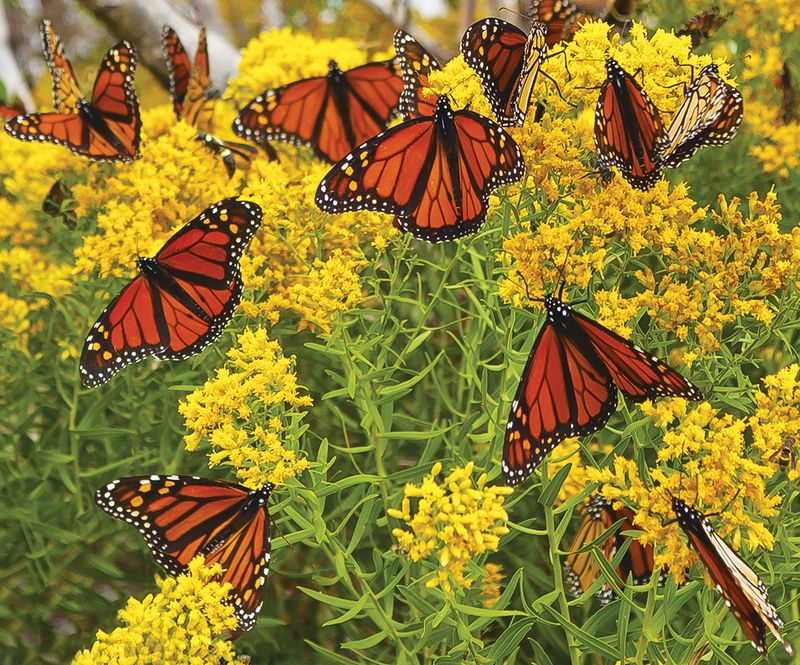
By late summer, most of the showy flowers in a North Carolina yard have called it quits, and the butterflies that depend on them start running short on fuel. Goldenrod, particularly wrinkled goldenrod, is a native plant that can change that picture from August well into October.
A properly placed group of these plants can keep your yard buzzing with wing activity during a season when most gardens go quiet, and it grows across the Coastal Plain, Piedmont, and Mountains alike.
Why goldenrod matters when summer flowers fade
Most yards hit a hard nectar wall sometime in August. The coneflowers that carried pollinators through June and July are finished, the black-eyed Susans are fading, and the ornamental plants that looked so good in the spring catalog offer nothing to a butterfly cruising for fuel.
That gap is exactly where goldenrod earns its place.
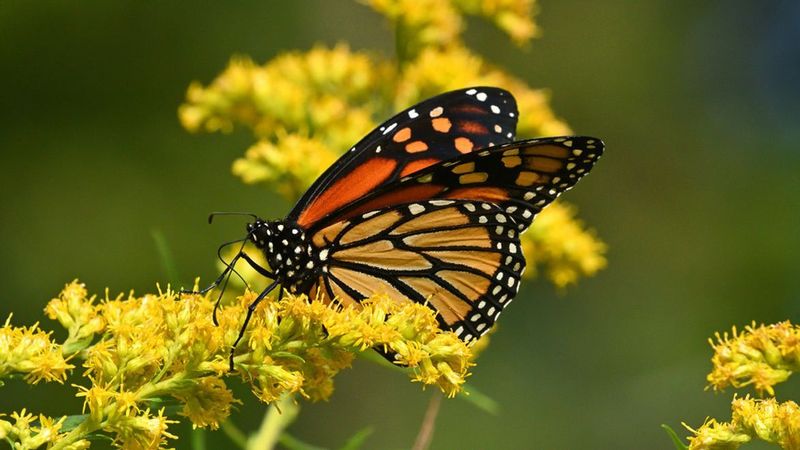
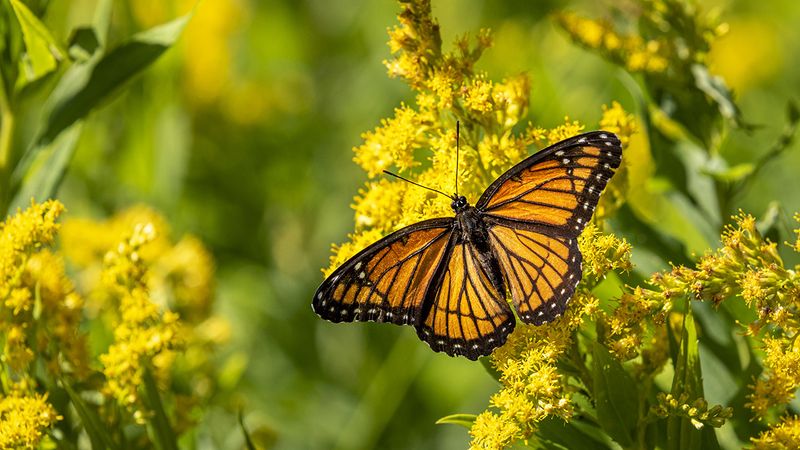
NC State Extension’s butterfly garden guide specifically identifies goldenrod as an important late-season nectar source for butterflies such as the Viceroy and Gulf Fritillary, noting that goldenrod remains in bloom during an August-through-October window when many popular ornamentals have already stopped flowering. That is a two-month stretch where a well-placed goldenrod planting can provide something your yard would otherwise lack entirely.
The realistic payoff is meaningful but qualified. A grouped planting of a locally appropriate goldenrod can make a North Carolina yard noticeably more active with butterflies during a seasonal nectar gap.
What it cannot do is guarantee a particular abundance of butterflies on its own.
Surrounding habitat matters enormously. A yard embedded in a neighborhood with broad pesticide use, few other native plants, and no caterpillar host plants will see a different response than one that already supports a mix of natives across the season.
Weather, plant mass, and the presence of nearby butterfly populations all influence what shows up. Goldenrod is a strong practical anchor for the late-season nectar gap, and NC State’s hummingbirds and butterflies resource reinforces the broader principle that a layered habitat with multiple resources produces the best wildlife response.
Think of goldenrod as one powerful piece of a larger system, not a complete solution by itself.
Start with wrinkled goldenrod, not a generic goldenrod label
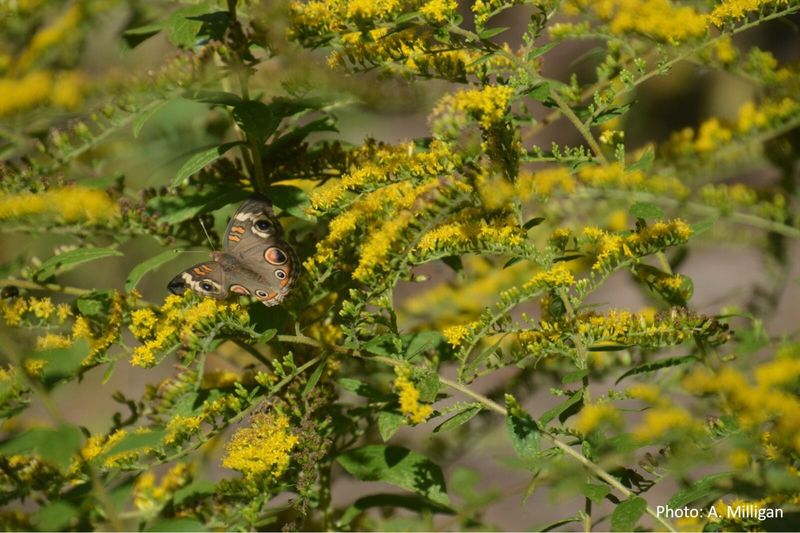
Walk into a nursery and ask for goldenrod, and you might leave with any one of dozens of species that behave very differently from each other. Goldenrod is a genus, Solidago, containing plants with different mature heights, moisture preferences, bloom timing, and spreading habits.
Treating them as one interchangeable product is the fastest way to end up with a plant that outgrows its space or dries out in the wrong soil.
Wrinkled goldenrod, Solidago rugosa, is a strong starting point for most North Carolina homeowners because the NC State Plant Toolbox lists it as native across the Coastal Plain, Piedmont, and Mountains, with yellow flowers appearing from approximately August through October. That statewide range means it is not a specialty plant available only to gardeners in one corner of the state.
You can find it, grow it, and expect it to perform across NC’s major regions.
Statewide native status is useful information, but it does not mean wrinkled goldenrod is the automatic right choice for every yard in those regions. Coastal Plain gardens deal with sandy, fast-draining soils.
Piedmont yards often have heavy red clay. Mountain sites bring higher elevation, cooler temperatures, and sometimes shaded slopes.
A plant listed as native to all three regions still needs to match your specific light, drainage, and moisture before it earns a spot.
Confirming the plant’s identity at purchase matters too. The NC State goldenrod genus page documents multiple native Solidago species with overlapping appearances, so asking for the botanical name, not just “goldenrod,” at the nursery protects you from bringing home a species with very different behavior than you planned for.
Match the plant to light, soil, moisture, and space
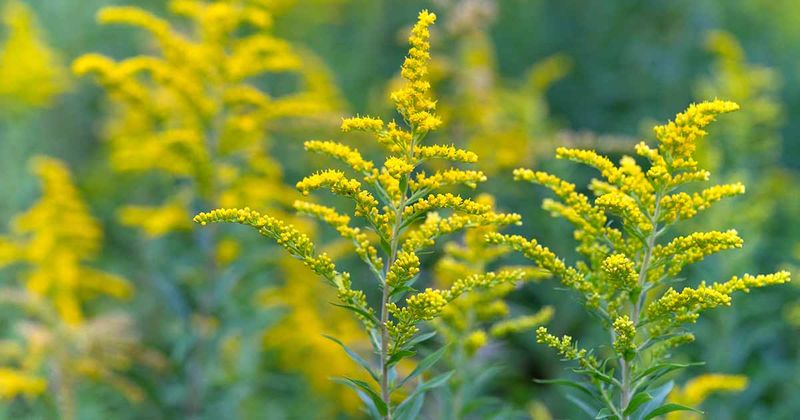
Wrinkled goldenrod handles both full sun and partial shade, but full sun means roughly six or more hours of direct sunlight per day. A spot that gets only morning light and sits in shade by noon may reduce flowering and make the plant more prone to flopping.
Before choosing a location, track the actual sun hours across that part of your yard on a clear day in July or August, not just a rough estimate.
Soil and moisture requirements vary more across the Solidago genus than many gardeners expect. NC State’s wrinkled goldenrod profile associates the species with loam, sand, and shallow rocky soils, along with moist to occasionally dry conditions.
That covers a reasonable range, but it does not mean wrinkled goldenrod thrives in standing water or in consistently bone-dry clay without any amendment. Match the plant to the actual drainage your site offers, not to the best-case version of it.
Height is a practical concern that surprises some gardeners. Wrinkled goldenrod commonly reaches two to five feet at maturity, which puts it firmly in the middle-of-the-border or back-of-the-border category for most residential plantings.
Placing it at the front of a bed means it will eventually block shorter plants and look out of scale. If a shorter form is needed, look for a named cultivar with documented compact habit rather than assuming all plants in a species stay on the shorter end of the range.
Spreading habit deserves a direct warning. NC State’s goldenrod genus overview notes that certain species can spread through rhizomes or seed and may become aggressive in garden settings.
Check the mature spread of the specific species or cultivar you are buying, and consider placing it where natural spread has room or where you can manage it easily. A contained raised bed edge, a naturalized section of the yard, or a spot with a mow line on one side all give you better control than an open border with no defined boundary.
Plant a group instead of relying on one specimen
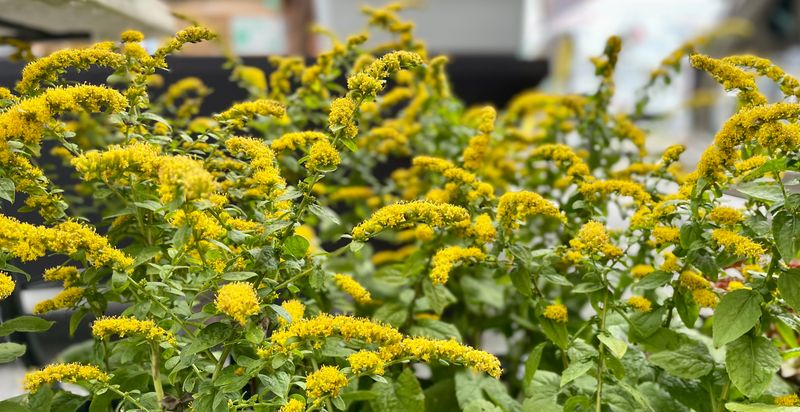
One goldenrod plant in a yard is a nice gesture. A group of them is an actual nectar resource.
Butterflies are efficient foragers and tend to concentrate on patches of flowers rather than hunting down individual plants scattered across a landscape. A single specimen tucked into a corner may get a visitor or two, but it rarely creates the kind of sustained activity that makes late summer feel alive.
NC State’s native plants handbook recommends planting groups of at least three to five plants of each species when creating wildlife habitat. Grouping concentrates the nectar display, makes the patch easier for butterflies to locate from a distance, and gives visiting insects a reason to stay rather than move on after one quick stop.
Three plants arranged in a triangle or five in a loose cluster both work well depending on the space available.
Timing the planting correctly gives the group its best shot at establishing before it has to perform. NC State’s landscaping for wildlife guide notes that fall planting generally works best for most native plants in North Carolina because cooler temperatures and autumn rainfall allow roots to develop before the state’s hot summers arrive.
A group planted in September or October will enter its first spring with a head start that a spring-planted group simply cannot match.
New plantings still need attention during dry periods regardless of the season. Watering during dry spells in the first growing season after planting is not optional for most sites.
Once wrinkled goldenrod is established, its drought tolerance improves considerably, but asking a newly planted root system to survive a dry October without supplemental water sets the group back before it ever gets started.
Build the rest of the butterfly habitat around it
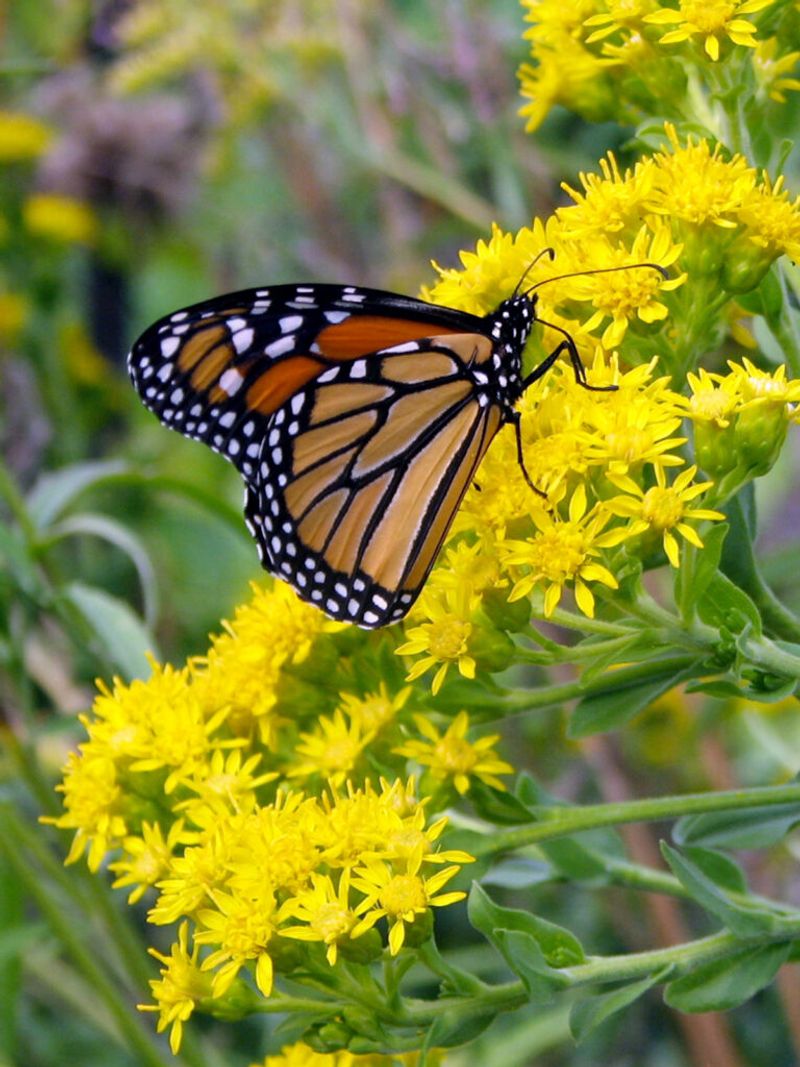
Goldenrod is a nectar plant. That means it feeds adult butterflies looking for energy, which is genuinely valuable, but adult feeding is only one part of what butterflies need to complete their life cycle.
A yard stocked with nectar flowers but no larval host plants may attract passing adults without ever supporting eggs, caterpillars, or the next generation of butterflies.
The NC Native Plant Society’s butterfly host plant guide makes clear that caterpillars are highly selective about what they eat, and monarch caterpillars depend specifically on milkweed in the Asclepias genus. Goldenrod does not replace milkweed.
Adult monarchs may visit goldenrod for nectar during their fall migration, but their caterpillars cannot survive on it. Swamp milkweed, Asclepias incarnata, is a good NC-native option for wetter sites; butterflyweed, Asclepias tuberosa, handles drier conditions across much of the state.
Beyond host plants, butterflies need a succession of blooms across the growing season, not just one peak in late summer. NC State recommends having at least three native species blooming in each season to support pollinators continuously rather than leaving long gaps between flushes of flowers.
Goldenrod anchors the late-summer-to-fall window well, but it needs partners covering spring and early summer to keep the habitat productive across the year.
Several NC natives pair naturally with wrinkled goldenrod in a late-season planting. NC State’s butterfly garden resource lists ironweed, Joe-Pye weed, cardinal flower, asters, coneflower, and mountain mint as useful companions that extend bloom coverage and provide different flower shapes that suit a wider range of butterfly species.
Asters, in particular, carry the nectar sequence into October and November after goldenrod begins to wind down, making them a natural follow-on in any late-season butterfly planting.
Manage the border for butterflies, not perfect tidiness
A butterfly garden managed for perfect tidiness is working against itself. Caterpillars feed on leaves, and that feeding looks like damage because it is.
Tolerating some leaf loss in a wildlife planting is not a failure of maintenance. It is the habitat functioning as intended.
Removing every caterpillar or spraying flowering plants to keep the foliage pristine eliminates the insects the planting was designed to support.
NC State’s hummingbirds and butterflies guide recommends avoiding unnecessary insect sprays around wildlife habitat and notes that a butterfly garden should not be managed as a completely insect-free bed. When pest pressure becomes serious enough to require treatment, use targeted methods rather than broad coverage, follow the current North Carolina pesticide label, and avoid spraying flowers while butterflies are actively visiting.
Timing and precision matter far more than the product used.
What happens after flowering also matters. Leaving some perennial stems standing through the dormant season supports wildlife in ways that a clean autumn cutback cannot.
NC State’s New York ironweed profile notes that native bees may nest in hollow stems, making a case for leaving some standing structure rather than cutting every plant to the ground immediately after bloom. This is not an absolute rule requiring every stem to remain indefinitely, but a blanket autumn cleanup removes resources that overwinter wildlife depend on.
For yards with spacious, moist areas where goldenrod would struggle, Joe-Pye weed or New York ironweed may be a better fit than pushing wrinkled goldenrod into conditions it does not prefer. Both are NC natives with strong late-season butterfly appeal, and both can reach considerable height, making them better candidates for the back of a large, moist border.
The main recommendation stays with site-appropriate goldenrod for most residential yards, but knowing when a different native fits better is part of good plant stewardship.
Use goldenrod as an anchor, not a guarantee
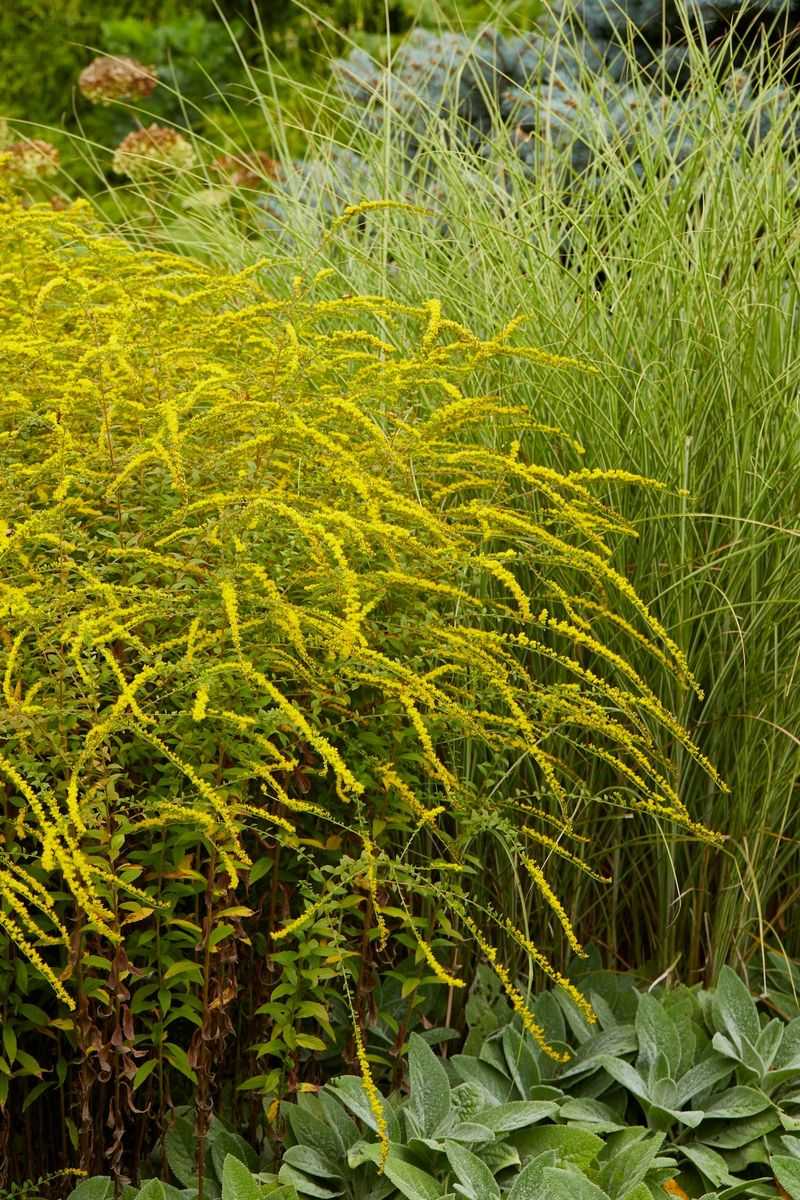
The decision guide here is straightforward. Select a locally appropriate goldenrod, with wrinkled goldenrod as a well-documented starting point for all three of North Carolina’s major regions.
Verify the mature size and spreading habit of the specific species or cultivar before buying, and place it in a spot that matches its light and soil requirements rather than the spot that happens to be available.
Plant in a group of at least three to five, time the installation for fall if possible, and water during dry spells while the roots establish. Then build the rest of the habitat around it.
Add host plants for the butterfly species you want to support, pair goldenrod with NC natives that cover other seasons, and manage the border in a way that tolerates wildlife rather than eliminating it.
Wrinkled goldenrod’s approximately August-through-October bloom period makes it a genuinely useful late-season anchor at a time when nectar options in most NC yards are thin. That is a real and practical benefit.
What it cannot do is substitute for a diverse habitat, replace species-specific host plants, or guarantee a set number of butterflies per planting.
NC State’s native plants guidance frames it well: a layered, multi-species habitat with staggered bloom times produces the strongest and most consistent wildlife response. Goldenrod earns its place in that system by holding the late-season nectar window open when nearly everything else has closed.
A yard that still has flowers in October, and still has butterflies visiting them, is doing something most North Carolina gardens never manage to pull off.