
The Most Underrated North Carolina Native That Holds A Dry, Baking Slope Where Everything Else Burns Out
Hot, dry slopes in North Carolina have a way of defeating even the most determined gardener. Plants that look great in a nursery pot wilt, brown out, and die before summer ends, leaving bare dirt that washes away with every rain.
Little bluestem (Schizachyrium scoparium) is a native grass that genuinely thrives where others fail, and it deserves far more attention from homeowners across the Piedmont, Coastal Plain, and mountains. Understanding what this tough bunchgrass can and cannot do is the key to finally getting something to stick on that stubborn hillside.
Little bluestem is a strong candidate, not a guaranteed slope saver
North Carolina homeowners dealing with a hot, sunny, dry hillside often cycle through the same frustrating routine: buy a plant, water it all summer, watch it die anyway. Little bluestem breaks that cycle for many sites, but the honest starting point is that no single plant is a guaranteed slope saver for every yard in the state.
Little bluestem (Schizachyrium scoparium) earns its spot at the top of this list because of documented site tolerance, not marketing claims. NC State Extension’s plant profile describes it as a North Carolina native that performs in dry, well-drained soil under full sun, tolerates infertile and clay soils, and develops excellent drought resistance once established.
Those four traits together cover exactly the conditions that defeat most ornamental plants on a baking residential slope.
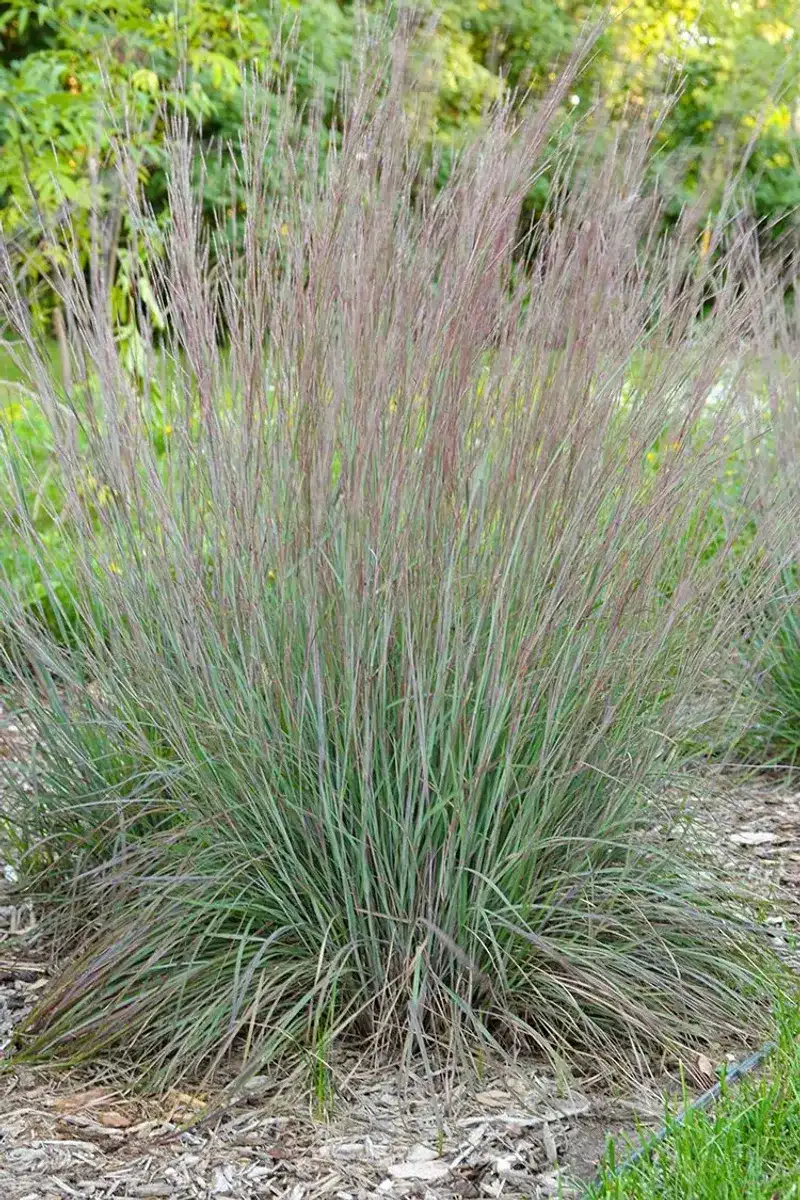
This is a warm-season, clumping perennial grass that generally reaches about 2 to 4 feet tall and wide at maturity. Because it forms individual clumps rather than a spreading mat, it builds vegetative cover gradually rather than sealing every bare patch overnight.
That distinction matters when homeowners expect instant results.
Site conditions across North Carolina vary considerably. The Coastal Plain’s sandy, fast-draining soils, the Piedmont’s red clay, and the mountain slopes above 3,000 feet each present different challenges.
As NC State’s Extension Gardener Handbook on native plants makes clear, native status alone does not guarantee success; matching a plant to the specific soil texture, drainage, pH, sun exposure, and available space at your site is what actually determines whether it survives and performs.
Little bluestem is the native backbone worth considering first for a stable, sunny, dry slope. The sections that follow explain the site conditions that support it, the preparation steps that give it a real chance, and the situations where plants alone are not enough.
Why this bunchgrass handles heat, sun, and lean soil
Few ornamental plants are genuinely built for a south-facing slope in July. Most tolerate heat as a footnote on a tag; little bluestem actually evolved in it.
Understanding the conditions that support its performance helps homeowners decide whether their specific slope is a good match.
Full sun is non-negotiable for this grass. It performs best with at least six hours of direct sunlight daily, and it actually struggles in partial shade, where it tends to flop and lose its characteristic upright form.
A baking, south- or west-facing hillside with no tree canopy is not a liability for little bluestem; it is exactly the right address.
Soil quality is where this grass surprises most gardeners. According to NC State Extension’s profile of little bluestem, the plant prefers average, dry-to-medium, well-drained soil and tolerates both infertile and clay soils.
That tolerance is meaningful in the Piedmont, where construction grading often leaves behind dense red clay with little organic matter, and on Coastal Plain slopes where sand drains so fast that moisture barely lingers. Neither extreme is ideal, but little bluestem handles both far better than most landscape plants.
Drought resistance is real, but it comes with a timeline. The grass develops its deep, fibrous root system over the first growing season, and that root depth is what makes it drought-tolerant.
A newly planted plug or seed-grown start does not yet have those roots, and it can fail during a dry spell just like any other new plant. Established plants, by contrast, can draw moisture from deeper in the soil profile and maintain their color and structure through extended dry periods that leave neighboring plants brown.
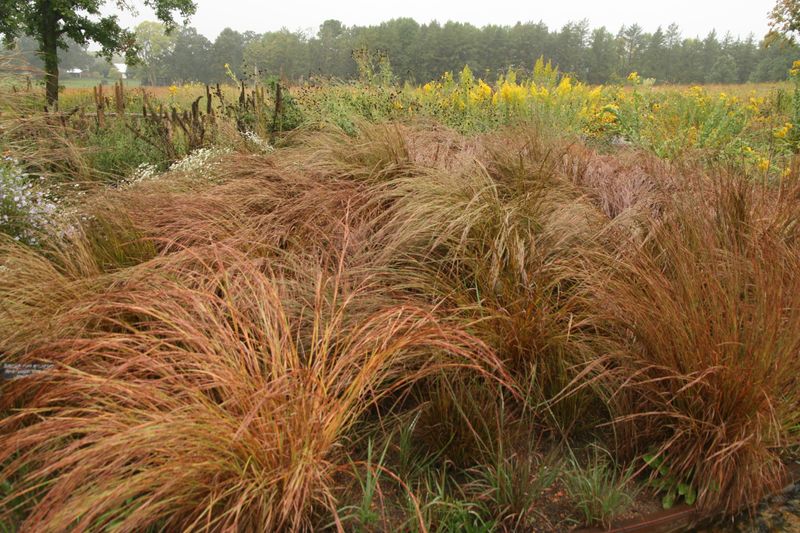
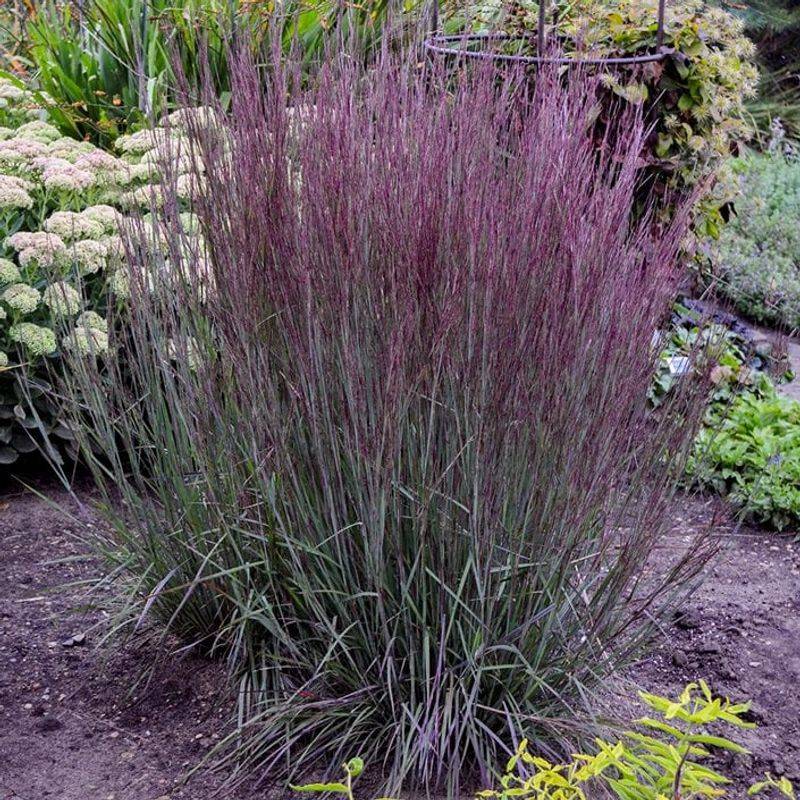
At maturity, the clumps reach roughly 2 to 4 feet in height and spread, with blue-green summer foliage that turns copper and rust in fall. Those winter-persistent stems hold visual interest through the cold months and provide seed and shelter for birds.
Because growth is clumping rather than creeping, each plant holds its own footprint rather than spreading as a mat. Coverage builds as individual clumps fill in over one to three seasons, which is why mass planting rather than scattered specimens is the right strategy for a broad slope.
Diagnose the slope before planting anything
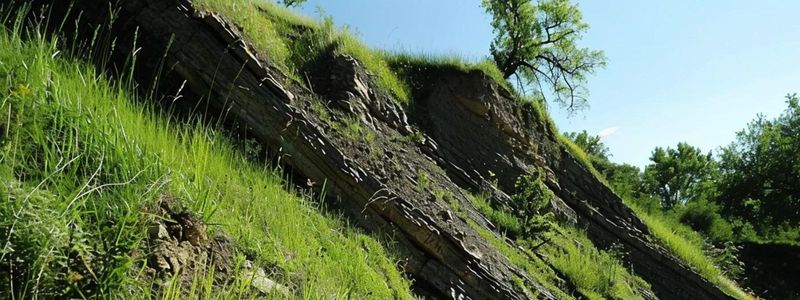
Buying plants before understanding the slope is the most common mistake homeowners make, and it is an expensive one. A little time spent reading the site before spending money at the nursery can be the difference between a slope that greens up and one that keeps washing out.
Start with a soil test. Construction grading, topsoil removal, and years of runoff can leave a slope with compacted subsoil, a pH that is far off for most plants, or almost no organic matter.
NC State’s native plants guidance recommends correcting compaction and using soil-test results rather than automatically adding fertilizer or lime. Guessing at amendments can make conditions worse, not better.
NC State Cooperative Extension offers affordable soil testing through county offices.
Check for compaction by pushing a screwdriver or metal rod into the slope. If it stops within a few inches, roots will too.
NC State’s guide to modifying soil for plant growth covers practical methods for addressing compaction without causing more erosion in the process. Breaking up a compacted layer before planting gives roots a path downward.
Next, trace where water goes during a heavy rain. Roof downspouts, driveways, and paved areas can concentrate runoff onto a slope and create erosive flow that no plant can withstand.
A dry slope and an actively eroding slope are two different problems. Little bluestem fits the first; concentrated runoff requires diversion before any planting will succeed.
For slopes that are losing surface soil, temporary stabilization comes before plants. Brunswick County Extension’s erosion control guidance points to measures like swales, water-diversion features, and erosion fabric as tools that slow runoff while vegetation establishes.
Natural jute or coir fabric is biodegradable, holds seed and mulch in place, and breaks down as plant roots take over. NC State’s mulch guidance for erosion control covers how mulch reduces raindrop impact and slows surface flow on disturbed soil.
Finally, check for signs of deeper slope instability: visible cracks, slumping, bulging at the toe of the slope, or sections that move during wet weather. Those are signals that the problem goes beyond surface erosion, and planting alone will not fix it.
NC State’s landscape design guidance notes that slopes with drainage or structural issues may need professional assessment before any revegetation work begins.
Establish a mass planting instead of expecting instant coverage

Scattering a few plugs across a fifty-foot hillside and hoping for the best is a recipe for disappointment. Little bluestem’s clumping habit means coverage builds clump by clump, and the strategy that actually works on a broad slope is a mass planting with enough individual plants to eventually knit the area together.
A mass planting simply means placing plants close enough that their mature canopies will overlap or nearly touch, creating continuous vegetative cover rather than isolated islands of grass surrounded by bare soil. NC State Extension notes that little bluestem works well in mass plantings, which aligns with the goal of covering a hillside rather than accenting a border.
The specific spacing depends on the cultivar, local conditions, and how quickly the homeowner wants coverage, so consulting a local Extension agent or native plant nursery for site-specific guidance is worthwhile before purchasing.
Watering during establishment is not optional. NC State’s native plants handbook is direct on this point: new native plantings need watering for the first few weeks or until roots are established.
A hot, south-facing slope with reflected heat from pavement or a light-colored wall can push soil temperatures high enough to stress even drought-tolerant species before their roots are deep enough to compensate. Plan to water consistently through the first growing season, and keep a close eye on plants during any prolonged dry stretch in the first year.
Reflected heat is worth taking seriously as an ongoing factor. Slopes near driveways, concrete walls, or light-colored fences receive more radiant heat than open ground, and even established little bluestem may benefit from occasional deep watering during an extreme heat event or a multi-week drought.
Drought tolerance after establishment means the plant can recover from dry periods; it does not mean the plant is indifferent to severe, prolonged stress.
During the first fall or winter after planting, leave the dead stems standing. The persistent winter structure provides wildlife cover and seed, and removing it too early exposes bare soil.
Cut or burn back the old growth in late winter before new growth begins, which keeps the planting healthy and reduces the buildup of dead material at the base of each clump.
Build a layered native planting for broader slope protection
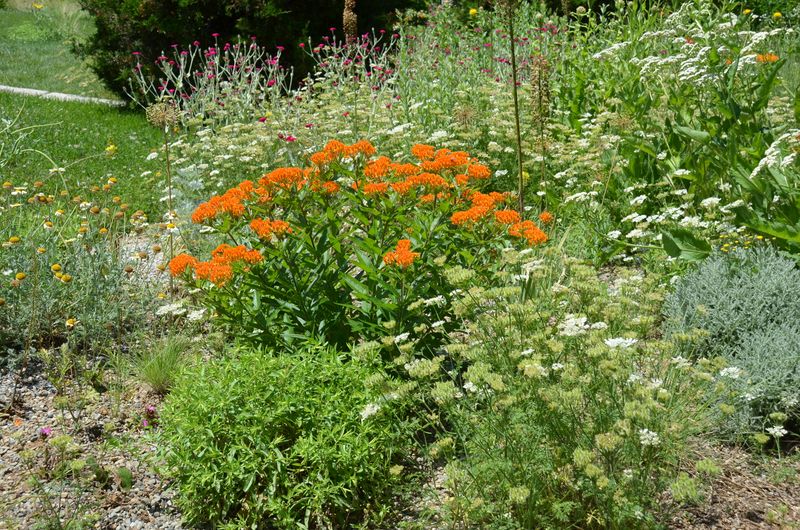
Little bluestem is a strong anchor for a dry, sunny slope, but relying on a single species for serious erosion control leaves gaps that a layered native planting fills much more effectively. The goal is a slope community, not a monoculture.
The distinction between surface erosion and deeper slope stability is practical and important. Fibrous-rooted grasses and herbaceous perennials protect the soil surface by intercepting rain, slowing runoff, and holding the top few inches of soil with a dense root network.
Deeper-rooted woody plants, including native shrubs and small trees, anchor soil at greater depth and can reduce the risk of some shallow mass failures over time. NC State’s backyard stream repair guidance makes this layered-root distinction explicit when discussing how to stabilize eroding banks with vegetation.
A planting that combines little bluestem with native shrubs addresses both the surface and the deeper soil profile.
Butterfly weed (Asclepias tuberosa) is a natural companion for this kind of dry, sunny planting. It tolerates poor, dry soil and drought, attracts pollinators, and serves as a monarch butterfly host plant.
NC State’s butterfly weed profile notes that it may take two to three years from seed to establish and flower, so patience is required. Think of it as a wildlife investment that pays dividends once it is settled in, not as an immediate erosion fix.
For homeowners in Western North Carolina, the mountain context adds some additional native grass options. Henderson County Extension’s slope-stabilization guidance lists switchgrass, big bluestem, pink muhly grass, and lovegrass alongside little bluestem as native grass candidates for disturbed slopes, and recommends covering newly disturbed soil with jute fabric until vegetation takes hold.
These alternatives are worth considering for mountain sites where elevation, temperature, and soil conditions differ from the Piedmont and Coastal Plain, but they do not replace the core recommendation for a typical hot, dry, full-sun residential slope across the state.
When choosing native shrubs to layer into the planting, prioritize species suited to your specific region, drainage, and soil. A local native plant nursery or Extension agent can help match shrub species to the slope’s pH, soil texture, and sun exposure so the entire planting works together rather than competing.
Recognize when plants cannot solve the bank’s problem
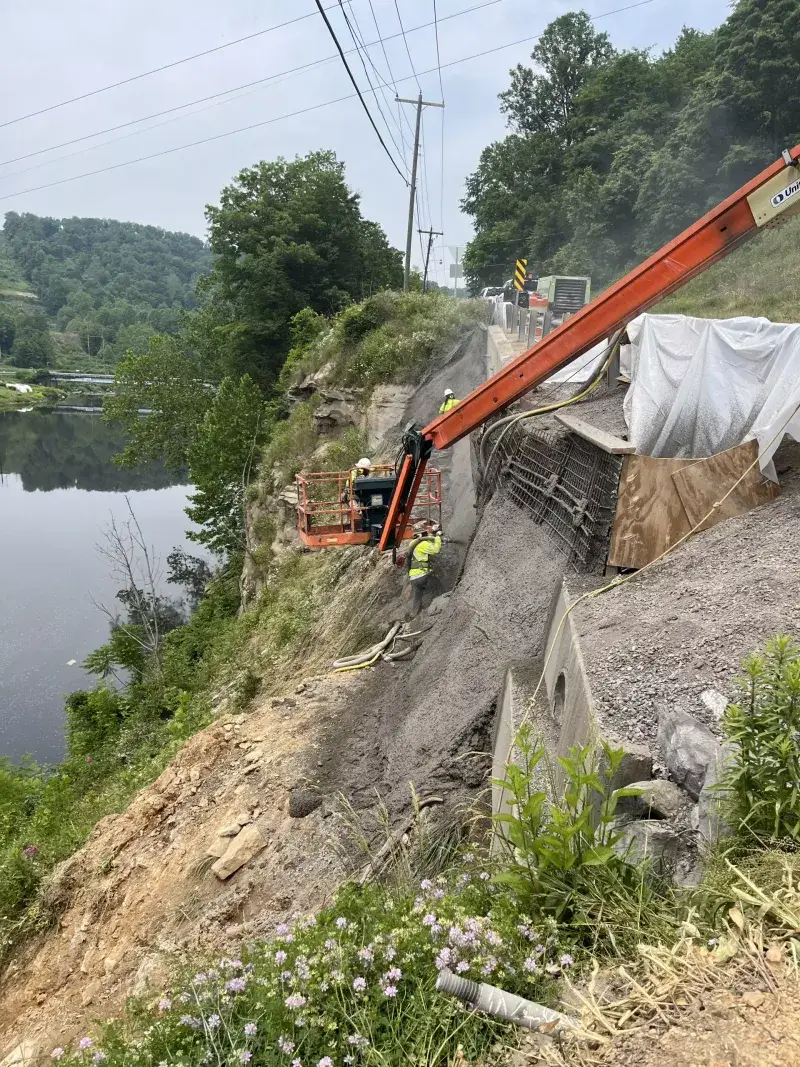
Every planting recommendation has a boundary, and knowing where that boundary sits can prevent a homeowner from spending money on plants that are doomed from the start. There are slopes where the right first call is a contractor or an engineer, not a trip to the nursery.
Visible signs of deeper instability should stop any planting plan in its tracks. Cracks running parallel to the slope, sections of soil that have slumped or shifted, a bulge at the toe of the bank, or ground that moves noticeably during wet weather are all signals that something structural is happening below the surface.
Henderson County Extension’s slope-stabilization guidance is direct: slopes that are too steep or actively failing may require regrading, retaining structures, engineered drainage, or professional help before any revegetation will hold. Planting into an actively moving slope wastes time and money.
Concentrated runoff is another situation where plants are not the first solution. Roof downspouts discharging onto a slope, driveways funneling water to a single point, or impervious surfaces directing sheet flow across a bank can produce erosive force that overwhelms any vegetation.
NC State’s backyard stream repair guidance recommends addressing drainage and redirecting runoff before revegetating, because plants established in concentrated flow paths will simply wash out.
Smooth sumac (Rhus glabra) comes up in conversations about dry, difficult slopes, and in the right context it earns that attention. NC State’s smooth sumac profile describes it as extremely drought-tolerant and suitable for slopes and erosion control, but also warns explicitly that it spreads aggressively by suckers and is often too weedy for an average landscape.
A spacious, naturalized hillside far from garden beds, paths, or a lawn edge is a reasonable fit. A confined residential bed is not.
Its suckering colonies can be very difficult to contain once established, so homeowners with limited space should weigh that tradeoff carefully before planting it.
When a slope needs more than plants can deliver, the responsible path is to get a professional assessment of the drainage, grade, and soil conditions before investing further in revegetation. Drainage work, regrading, or a retaining structure may be the prerequisite that finally makes a planting possible.
Protect the house while supporting wildlife
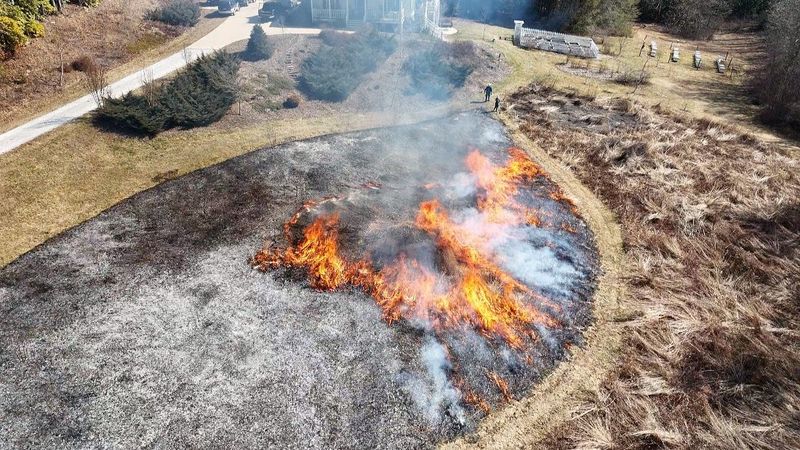
A slope planted with native grasses does more than hold soil. Little bluestem earns its place as a habitat plant as well as a landscape plant, and that dual role is part of what makes it worth choosing over a conventional turf or invasive groundcover.
NC State’s little bluestem profile notes that the grass provides year-round wildlife cover and serves as a larval host for several butterflies and moths. The persistent winter seed heads feed birds through the cold months, and the clump structure itself offers nesting material and shelter for small insects and ground-nesting species.
For a North Carolina homeowner who values goldfinches, native bees, and moths, a hillside of little bluestem delivers genuine ecological return.
Wildfire risk is the part of this conversation that often gets skipped, and skipping it is a mistake. No plant is fireproof, and ornamental grasses carry a real fuel load, especially when dry, dead stems accumulate at the base of each clump.
NC State’s fire-resistant landscaping guidance advises homeowners to remove dead growth, avoid dense masses of vegetation near structures, eliminate ladder fuels that could carry fire from ground level to a wall or eave, and maintain defensible-space zones around the home.
For little bluestem specifically, the practical steps are straightforward. Cut or burn back the previous year’s dead stems in late winter before new growth begins.
Keep the planting spaced so air can move through rather than creating a solid wall of dry material. Avoid massing the grass directly against the foundation, a wooden fence, or a deck.
Henderson County Extension’s slope guidance and NC State’s landscape design resources both reinforce using native, noninvasive plants and maintaining sensible separation between plantings and structures. Managed correctly, a slope of little bluestem can be both a wildlife asset and a responsible landscape choice near a home.
Use little bluestem as the backbone of a prepared, stable slope
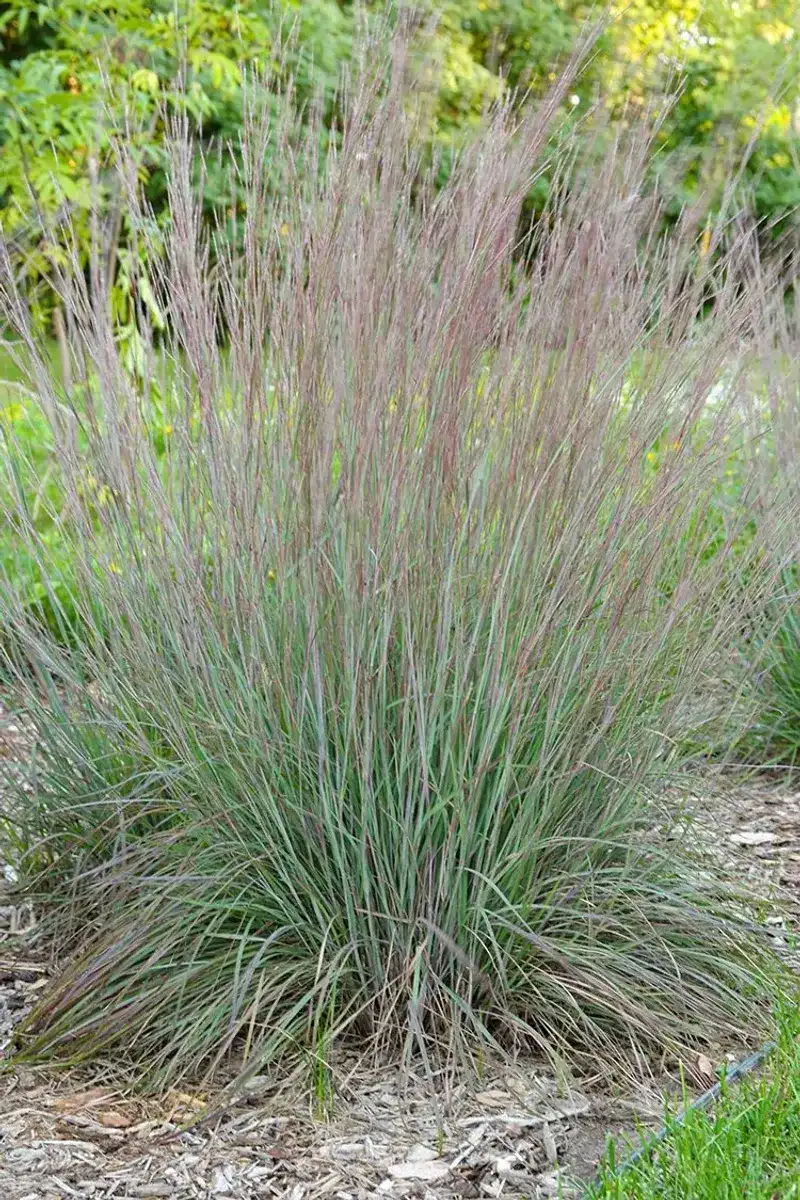
After all the site assessment, soil testing, runoff diversion, and companion planting, the decision comes down to a practical question: is this slope stable enough and well-drained enough for little bluestem to do its job? If the answer is yes, this grass is one of the best native choices available to North Carolina homeowners working with a hot, dry, full-sun hillside.
Its combination of heat tolerance, drought resistance after establishment, clay and infertility tolerance, and wildlife value is difficult to match with other non-invasive plants. NC State’s little bluestem profile and the Extension Gardener Handbook on native plants both support it as a strong performer for exactly these conditions when sited and established correctly.
Success still depends on the work that comes before the planting. Soil preparation, establishment watering, runoff control, and a mixed planting that includes deeper-rooted companions give little bluestem the support it needs to build durable cover over time.
NC State’s stream repair and slope guidance and fire-resistant landscaping guidance round out the stewardship picture by addressing structural stability and wildfire safety alongside revegetation.
When the slope has deeper structural problems, drainage failures, or active erosion that plants cannot fix, address those first and use little bluestem once the site is ready to support it. A hillside that has been properly prepared and planted with this grass as its native backbone is one that tends to get more interesting, more useful to wildlife, and more stable with every passing season.