
The Most Underrated North Carolina Native That Peaks In Late Summer When Everything Else Has Faded
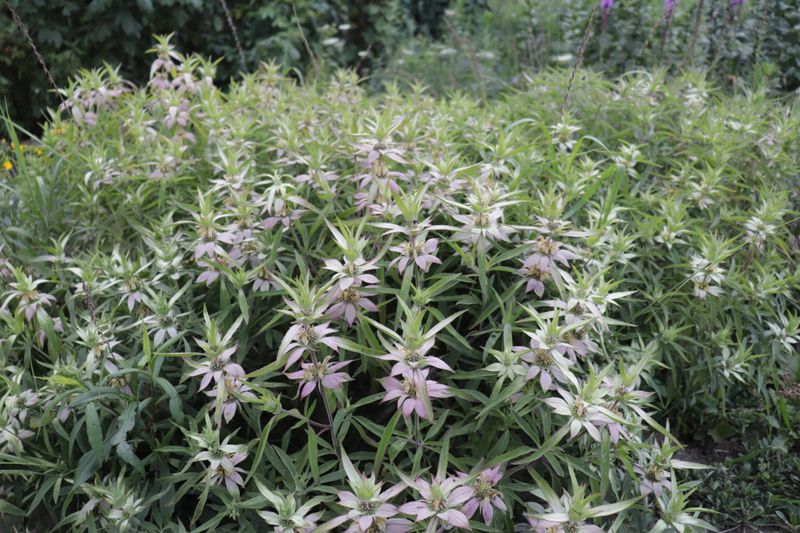
By the time August rolls in and the garden starts looking tired, most North Carolina homeowners are ready to give up on their beds until fall. But one native wildflower is just hitting its stride right then, offering something fresh when the rest of the border has gone quiet.
Spotted beebalm, known to botanists as Monarda punctata, is a particularly overlooked plant that earns its place in sunny, well-drained yards across the Coastal Plain, Piedmont, and even parts of the Blue Ridge. If you have not grown it yet, late summer is exactly why you should.
Reframe the claim: an overlooked native for late summer
Calling any plant the single most underrated native in North Carolina is a bold claim, and an honest one to push back on. North Carolina has dozens of native species that deserve more attention than they get, and late summer alone brings ironweed, goldenrod, blazing star, and asters to the party.
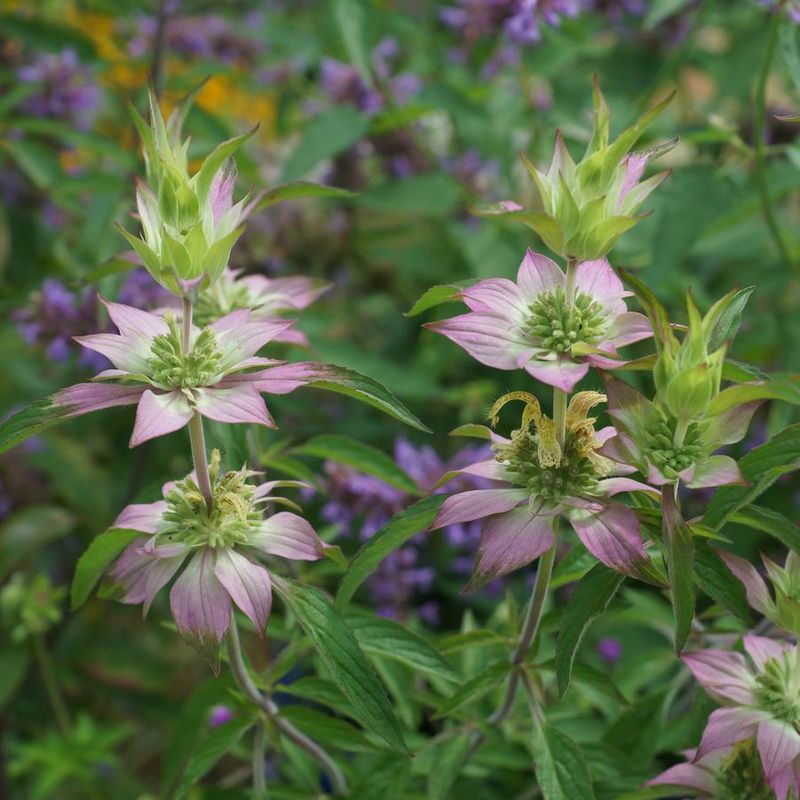
What the title is really pointing at, though, is a genuinely overlooked plant with a strong case for wider use: spotted beebalm, or Monarda punctata, also commonly called spotted horsemint, eastern horsemint, or dotted beebalm.
According to NC State Extension’s plant profile for Monarda punctata, this native herbaceous plant flowers from summer into fall, tolerates occasionally dry conditions after establishment, and thrives in the sandy, rocky, prairie-like, and coastal habitats that define large stretches of North Carolina’s landscape. Those traits align well with the real challenge many homeowners face: a sunny, well-drained border that starts looking ragged right around the time the heat peaks.
The “most underrated” framing is editorial opinion, not a documented statewide ranking. What the sources do support is that spotted beebalm is a particularly underused native with a distinctive bloom that arrives during a late-summer transition when many common garden plants are winding down.
The North Carolina Wildlife Federation’s regional native pollinator plant list includes it among Coastal Plain pollinator plants, reinforcing its regional relevance. Think of it as one strong piece of a well-planned native border, joining other late-season species rather than replacing them.
That framing is both more accurate and more useful for anyone trying to build a yard that supports wildlife across the whole growing season.
Recognize the flower heads and their real bloom window
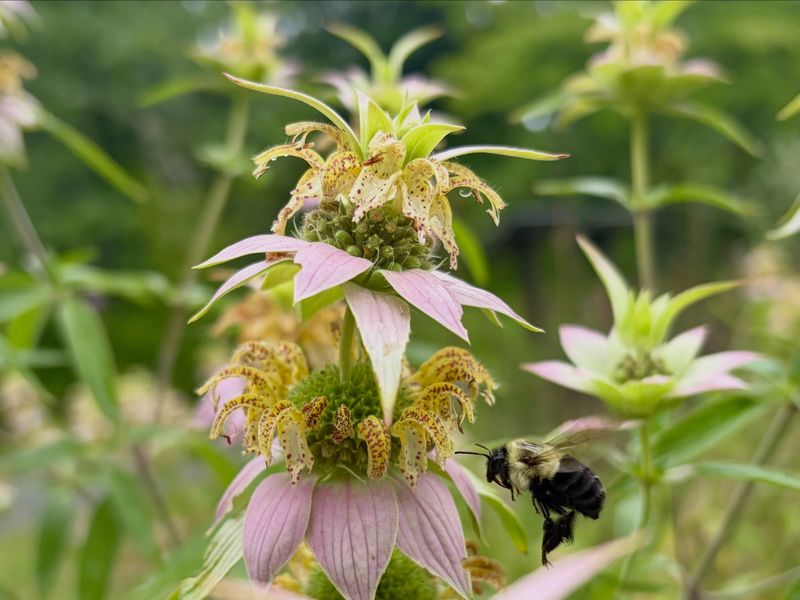
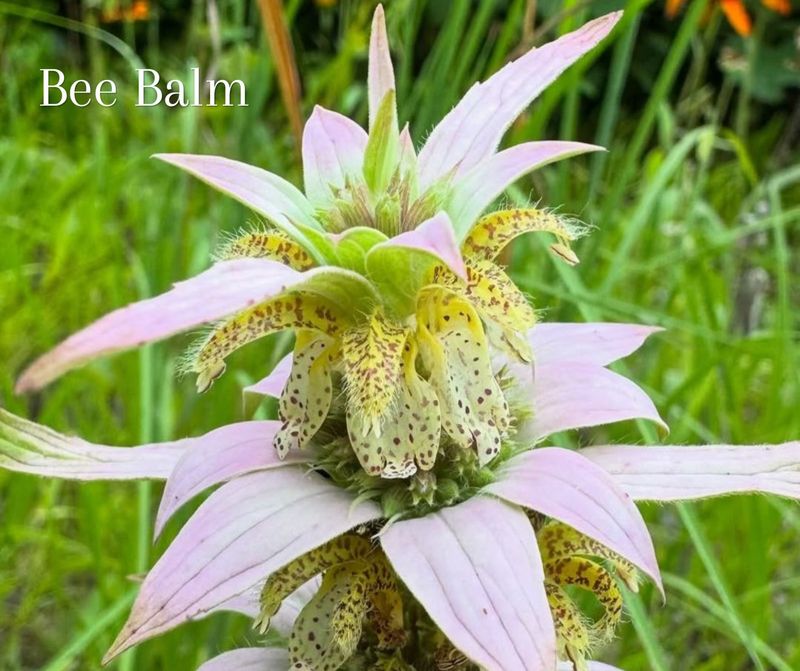
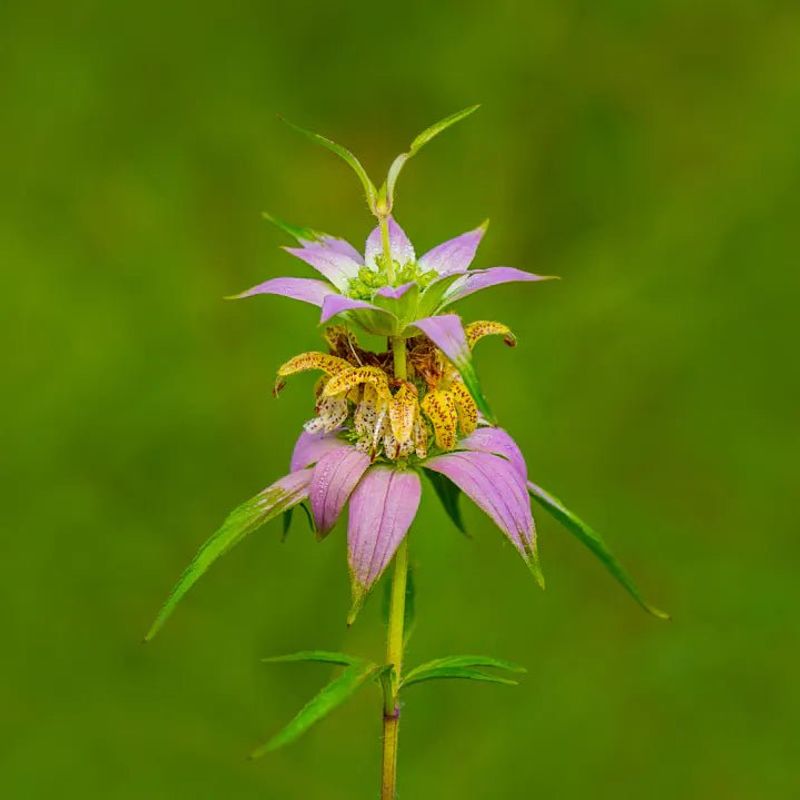
Spotted beebalm does not look like most flowers in a residential border, and that is a big part of its appeal. Rather than a single bloom on a stem, it produces stacked, layered whorls of small yellow flowers covered in purple spots, each tier surrounded by a ring of showy colored bracts that range from white to lavender-pink to pale purple.
The bracts are technically modified leaves, but they do most of the visual work, giving the plant a tiered, architectural quality that stands out even from a distance.
Height-wise, the plant typically reaches about 1.5 to 2 feet tall, which makes it a natural fit for the front or middle of a border rather than the back row. Taller late-season natives like ironweed or Joe-Pye weed will tower over it, but that height difference is an asset in a layered planting rather than a problem.
Spotted beebalm fills the mid-border zone with texture and color right when you need it most.
As for timing, a North Carolina Native Plant Society publication gives a more specific window of late July through September for the plant’s yellow-and-purple flowers and surrounding bracts. NC State describes the overall bloom season as summer to fall.
Both framings hold up, with the understanding that local conditions shape the actual schedule. Elevation, soil type, rainfall, and sun exposure can all push the bloom earlier or later in a given year or region.
Critically, spotted beebalm is not the only flower open during this period. New York ironweed and hollow Joe-Pye weed both bloom in late summer and fall as well.
Spotted beebalm adds its distinctive layered look to that late-season mix, not a solo act in an otherwise empty theater.
Match the plant to sun, drainage, and border scale
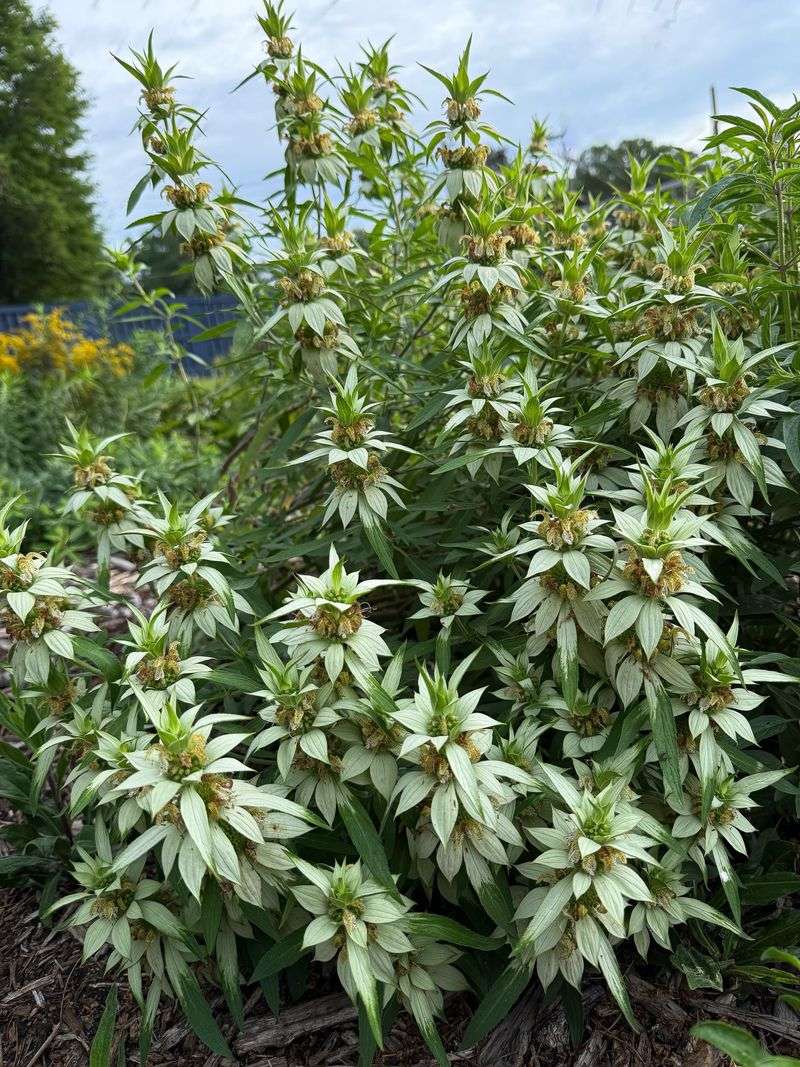
Site selection is where spotted beebalm succeeds or fails before a single root goes in the ground. The plant’s documented habitats tell a clear story: prairies, sandy areas, rocky woodlands, and coastal plains.
Those are not wet, shaded, or clay-heavy environments. When you translate that into residential terms, you are looking for a spot that gets full sun to part shade, drains reliably, and does not stay soggy after rain.
Sandy or rocky soil that warms up fast in spring and dries out between rain events is close to ideal. Coastal Plain homeowners with naturally sandy yards often have exactly this kind of site.
Piedmont gardeners working with clay-heavy soil can still make it work if the bed has been amended for drainage or the planting area sits on a slight slope where water moves away rather than pooling. The key disqualifying condition is permanent wetness.
Spotted beebalm is not a rain garden plant or a candidate for a low spot that stays damp through summer.
Deep shade is the other deal-breaker. The plant can tolerate some afternoon shade, particularly in the hotter parts of the Piedmont and Coastal Plain, but it needs meaningful sun exposure to flower well.
A spot that gets at least six hours of direct sun is a safer bet than one that is filtered most of the day. Blue Ridge gardeners in cooler, shadier hollows may find other native species a better match for their specific conditions.
NC State Extension’s profile for spotted beebalm notes that the plant reaches roughly 1.5 to 2 feet tall, which reinforces its usefulness in the front or middle of a border rather than behind taller species. Native status is not a guarantee of success in every North Carolina yard.
Matching the plant to your actual site conditions, not just your state, is what makes the difference between a plant that thrives and one that struggles through a single season and disappears.
Water new plants before relying on their resilience
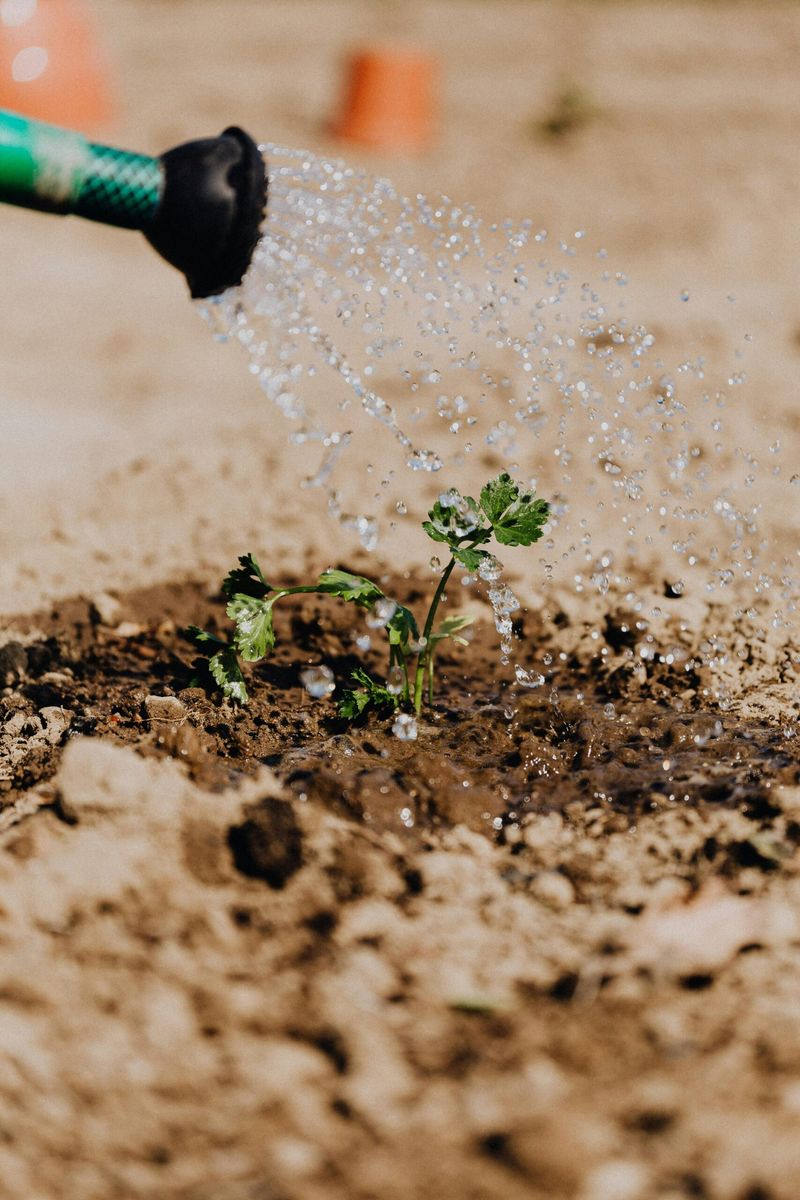
Drought tolerance is one of spotted beebalm’s genuine strengths, but that reputation applies to established plants, not freshly installed ones. A new transplant dropped into a sunny, well-drained bed in July or August is working against real heat and dry soil while simultaneously trying to grow roots.
Skipping the establishment watering because the plant is “drought-tolerant” is one of the most common reasons new native plantings fail in their first season.
NC State Extension’s native plants handbook recommends keeping new native plantings well watered for the first few weeks or until roots establish. For spotted beebalm planted in summer, that could mean watering every two or three days during a dry stretch, then gradually stretching the interval as the plant settles in.
Morning watering is the better choice during heat: it gives foliage time to dry before evening, which reduces the conditions that favor fungal disease.
Mulch is your best tool for bridging the gap between waterings. A 2- to 3-inch layer of shredded bark or wood chips slows moisture loss from the soil, moderates soil temperature, and suppresses the weeds that would otherwise compete with a young plant.
Keep the mulch pulled back an inch or two from the stems so it does not hold moisture against the base of the plant, where it can encourage rot.
Watch for stress signals during the first season. NC State Extension’s drought guidance and Richmond County Extension’s water-limited gardening advice both identify persistent wilt, leaf scorch, curling, yellowing, and leaf drop as signs that a plant is not getting enough water.
If spotted beebalm shows those symptoms after a rain event and a few days of recovery time, increase your watering frequency rather than waiting it out. Once the plant has a full season of root growth behind it, you can step back and let its natural toughness carry more of the load.
Build wildlife value into a broader native planting
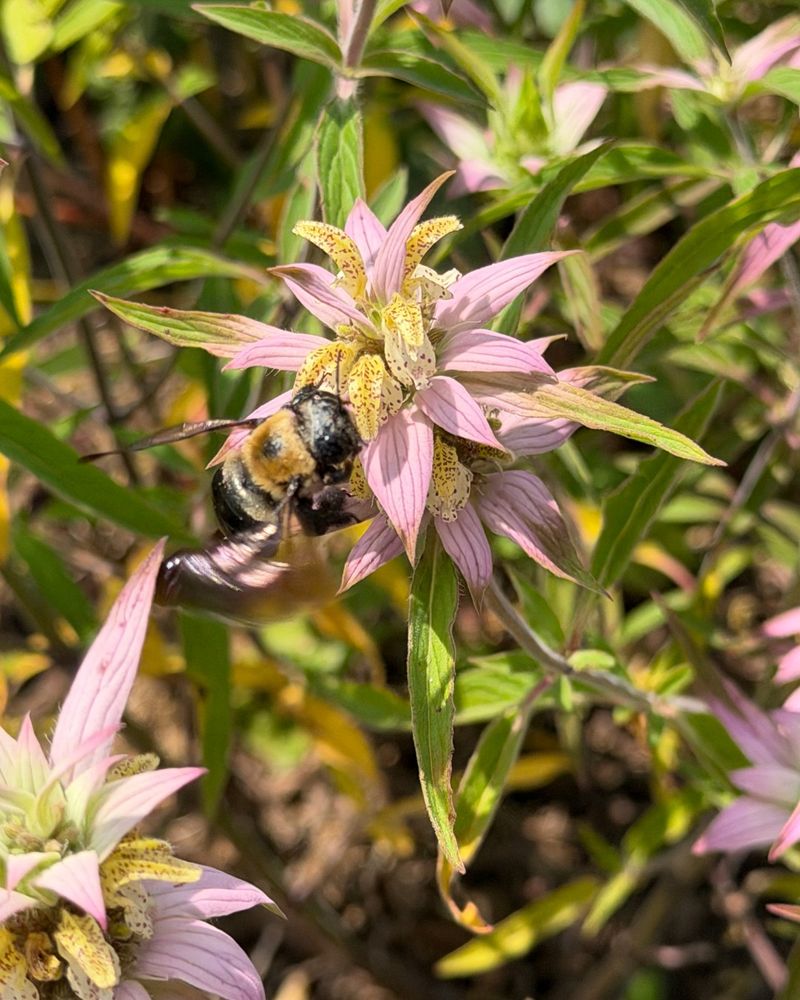
Spotted beebalm earns genuine wildlife credentials. Bees, butterflies, wasps, and hummingbirds all visit its flowers for nectar, and the plant serves as a larval host for two moth species: the gray marvel moth and the snout moth.
That combination of pollinator attraction and moth-host value makes it a meaningful addition to a wildlife-friendly yard, not just a pretty late-season flower.
At the same time, planting spotted beebalm will not by itself transform your yard into a wildlife sanctuary or guarantee a measurable jump in pollinator numbers. No single plant does that.
What it does is add one more resource to the mix during a season when resources are thinning out. The NC State Extension plant profile documents those wildlife relationships clearly, but the honest read is that spotted beebalm contributes to a yard’s ecological value as part of a larger planting, not as a standalone solution.
That is why the NC State Extension native plants handbook recommends selecting at least three native species for each growing season rather than relying on one plant for continuous bloom or year-round wildlife support. Spotted beebalm covers the late-summer window well.
Pair it with early-blooming species like wild blue indigo or native violets for spring, mid-season bloomers like purple coneflower or black-eyed Susan for summer, and fall-blooming asters or goldenrod for the tail end of the season.
The North Carolina Wildlife Federation’s regional native plant list is a practical starting point for building out that broader planting. Choosing species that are native to your specific region, whether Coastal Plain, Piedmont, or mountains, gives each plant the best chance of establishing well and providing consistent wildlife value over the years.
Spotted beebalm fits into that strategy as a reliable late-season piece, not the whole picture.
Manage spread, disease, and uncertain longevity
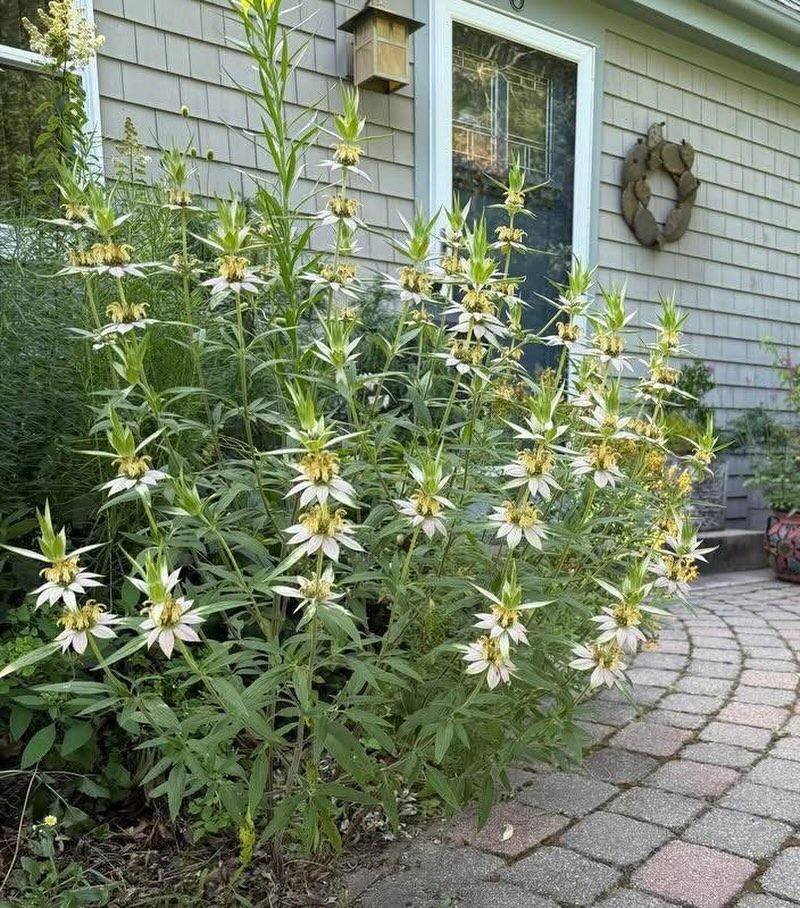
Spotted beebalm is manageable, but it is not hands-off. Understanding its habits before you plant it saves frustration later, especially in a tightly designed residential border where unexpected spread or plant loss can throw off the whole composition.
On the spread question, the plant can expand by rhizomes and form clumps over time. NC State does not flag it as excessively aggressive, and most gardeners find it easy to keep in check with occasional division or edge control.
That said, a plant that spreads by rhizomes in a small, formal bed still needs monitoring. If the clump starts pushing into neighboring plants, dividing it in early spring before new growth takes off is the straightforward fix.
Allowing some spread in a wilder, more naturalistic area is a reasonable choice if the site permits it.
Disease is a more pressing concern. Powdery mildew and rust can show up on spotted beebalm, particularly when plants are crowded together or when drought stress has weakened them.
The NC State Extension plant profile recommends improving airflow around the plants as a management step, which in practical terms means giving each plant enough space when you install it and thinning crowded clumps as needed. Good spacing from the start is easier than trying to correct crowding after the fact.
Removing spent flower heads may improve the plant’s appearance and may help extend the bloom period, though neither outcome is guaranteed. Treat deadheading as a worthwhile experiment rather than a reliable fix, and observe how your specific plants respond over a season or two.
Longevity is where expectations need the most careful calibration. NC State describes spotted beebalm as a short-lived perennial.
A North Carolina Native Plant Society publication describes it as an annual in coastal North Carolina, which may reflect regional behavior, differing terminology, or variation in how sources categorize the plant. Either way, do not count on every specimen returning reliably for many years.
Letting some plants go to seed and self-sow is a practical way to maintain a colony even if individual plants cycle out.
Choose it alongside, not instead of, other late-season natives
Spotted beebalm earns its place in a late-summer border, but the strongest case for planting it is alongside other natives, not as a replacement for them. North Carolina’s native plant palette for late summer and fall is genuinely rich, and matching the right plant to the right site produces far better results than treating any single species as the default answer for every situation.
Taller options like New York ironweed and hollow Joe-Pye weed both bloom in late summer and fall and can reach six feet or more, making them strong choices for the back of a border or a naturalized area where height is welcome. Goldenrod, asters, blazing star, cardinal flower, and mountain mint each bring their own bloom timing, height range, and wildlife value to the mix.
The North Carolina Native Plant Society’s native plant booklet is a solid reference for exploring that broader palette by region and bloom time.
Where spotted beebalm stands out is in its specific combination of traits: a compact 1.5- to 2-foot stature, a preference for sandy or rocky well-drained soil, and those unusual layered flower heads that do not look like anything else in the mid-border. For a sunny, well-drained front or middle border position where ironweed would be too tall and cardinal flower would want more moisture, spotted beebalm fits a niche that other species do not always fill as neatly.
The decision framework is straightforward: assess your light, drainage, region, and border scale first, then choose the species whose documented habitat preferences match your actual site. Spotted beebalm is one strong option in that process, particularly for dry, sunny sites in the Coastal Plain and Piedmont, but the goal is a planting that works across the whole season, not a single standout performer.
Use spotted beebalm as a seasonal relay
The practical decision rule for spotted beebalm comes down to a short checklist: adequate sun, reliable drainage, and a willingness to water through the first season. If your site clears those bars, the plant is worth trying as a late-summer accent in a border that would otherwise go quiet in August and September.
Once it is established, keep an eye on clump size and give plants enough room to breathe so disease pressure stays low. Deadhead spent flowers if you want to tidy the bed and possibly extend the bloom a bit longer.
Plan for the possibility that individual plants may not persist for many years, and let some self-sow to keep the colony going. Combined with other natives that cover spring, early summer, and fall, spotted beebalm fills a genuine gap in the seasonal sequence rather than carrying the whole weight of a wildlife-friendly planting on its own.
NC State Extension and the native plants handbook both support a multi-species, multi-season approach as the foundation of a yard that genuinely supports wildlife. Spotted beebalm is a distinctive and underused piece of that foundation, one that earns its place not by being the best plant in the yard but by being exactly the right one for a sunny, well-drained spot that needs something interesting to say in late summer.
A yard that has something blooming in August, something the neighbors cannot quite name, is a yard worth pausing to look at.