
The Native North Carolina Ground Covers That Choke Out Weeds Under Big Trees Better Than Pine Straw Ever Does
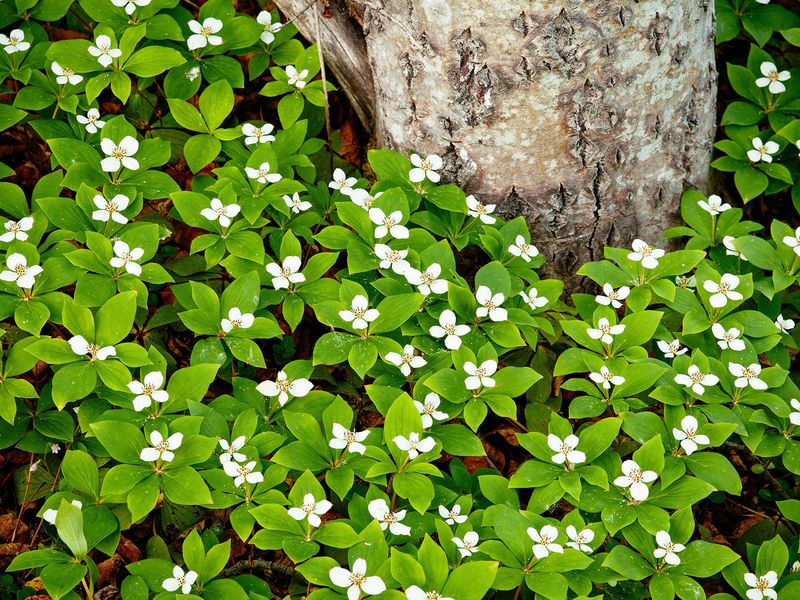
That bare, weedy dirt under your big shade trees does not have to stay ugly, and it does not need a fresh load of pine straw every year either. Native North Carolina ground covers can carpet those shady spots, crowd out weeds on their own, and feed the box turtles, butterflies, and bees you love watching.
Best of all, they keep working year after year without you hauling bales and raking. Here are nine tough NC natives that beat pine straw at its own game.
1. Allegheny Spurge (Pachysandra procumbens)
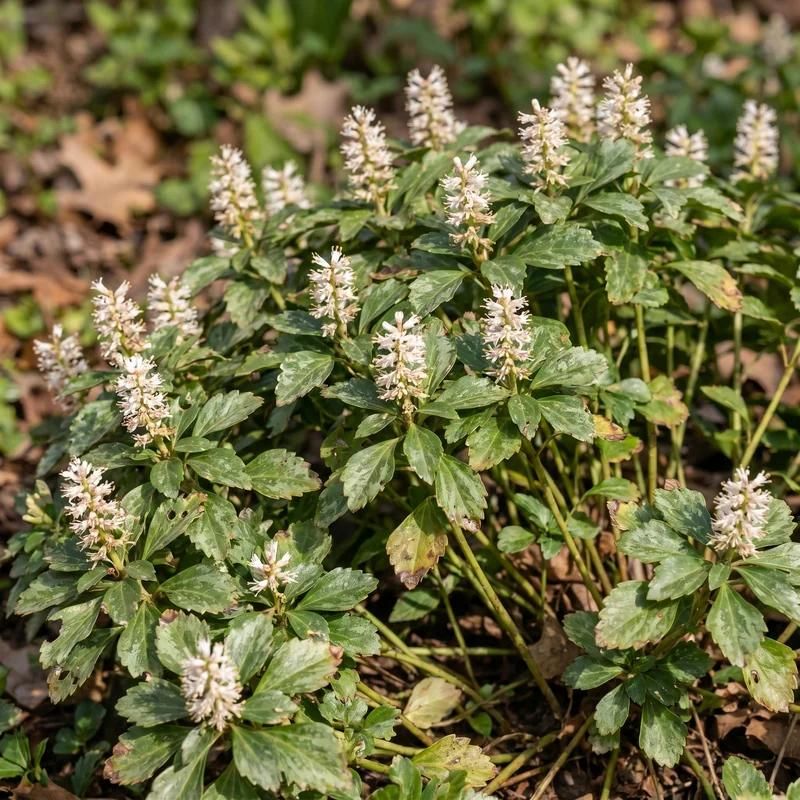
If you have ever been tempted by the glossy pachysandra sold at big box stores, meet its far better-behaved cousin. Allegheny spurge is the native version, and unlike the invasive Japanese pachysandra, it stays where you put it instead of swallowing your yard.
Semi-evergreen leaves come mottled with silver and green, and they knit together into a handsome carpet that leaves no gaps for weed seeds to sneak through. It handles the dense shade under mature trees that defeats most plants, and once the roots settle in it shrugs off dry spells.
Come spring, small fragrant white flowers tuck in among the foliage as a bonus. Plant it, mulch lightly the first year, and let it slowly rhizome its way into a living blanket that never needs replacing.
2. Wild Ginger (Asarum canadense)
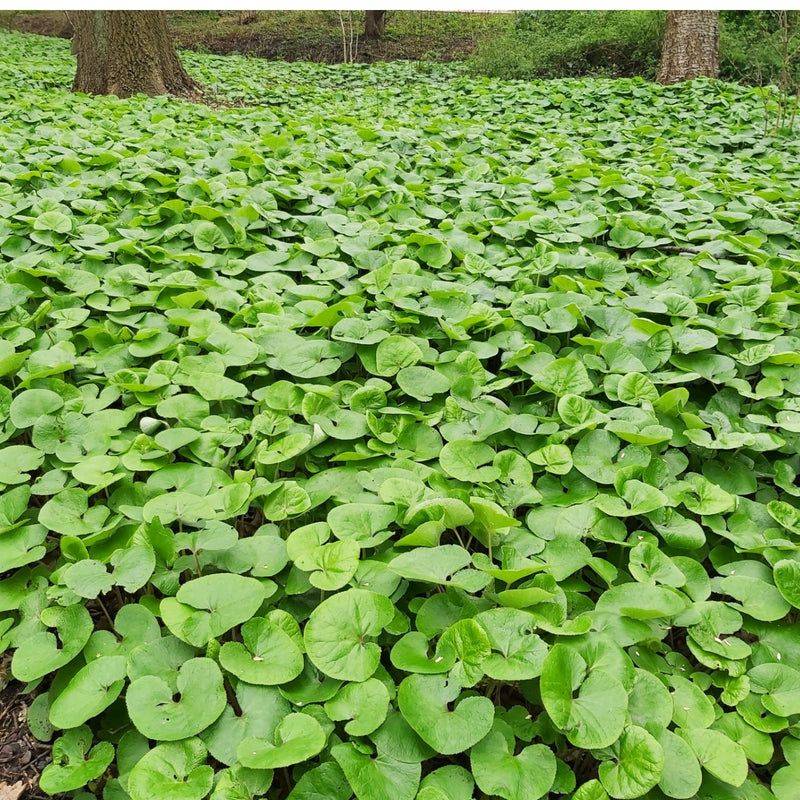
Picture a floor of overlapping green hearts, and you have wild ginger. Those broad, heart-shaped leaves overlap so completely that weed seeds barely find a sliver of soil to land on.
It loves the part-to-full shade and steady moisture you get under big canopy trees, spreading patiently until it forms an established mat. Give it a season or two and it becomes nearly maintenance-free.
Here is where the wildlife payoff shines: wild ginger is a larval host for the pipevine swallowtail butterfly, and its cool, moist layer of leaves makes a welcome hideout for box turtles during a scorching Carolina summer. You are not just covering dirt, you are building shelter.
3. Golden Ragwort (Packera aurea)
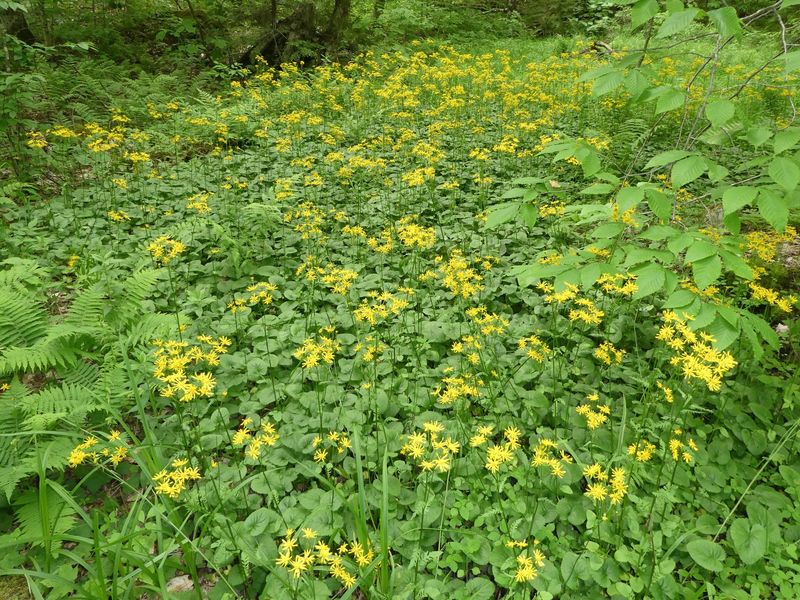
Want a native that fights back against English ivy? Golden ragwort is your workhorse.
It reseeds with real enthusiasm and can out-muscle other herbaceous plants, which is exactly what you want when the goal is choking out weeds.
Evergreen rosettes hug the ground through winter, then early spring brings a cheerful haze of bright yellow flowers that feed pollinators just as they emerge and need it most.
The low, cool foliage locks moisture into the soil, a gift to box turtles trying to beat the summer heat. Drop it into moist woodland edges and partly shaded spots, then stand back and let it colonize.
Consider it a friendly bully that works for you and against invasives.
4. Foamflower (Tiarella cordifolia)
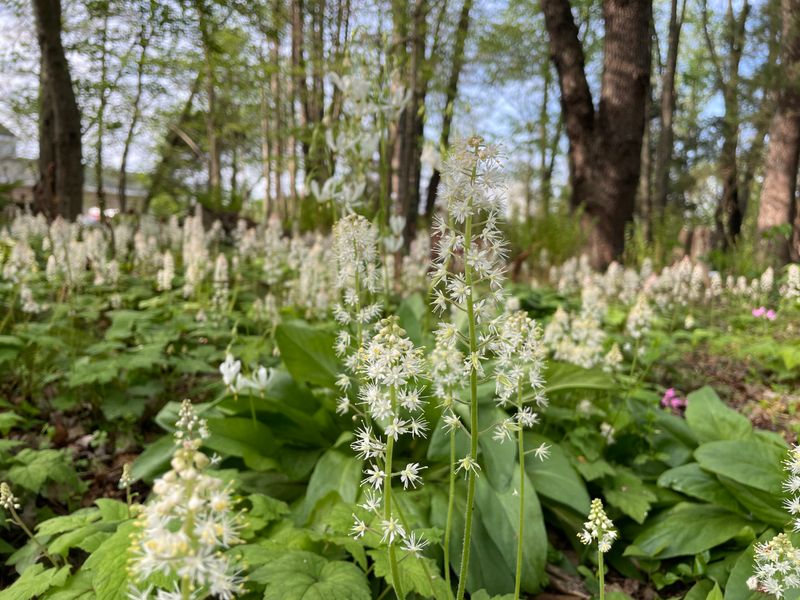
Soft, lacy, and quietly determined, foamflower spreads by runners called stolons to form gentle colonies across the forest floor. The result is a layered understory that looks like something nature planted itself.
Frothy spikes of white and blushing pink flowers rise in spring, drawing in small insects and pollinators while the leaves below hold humidity close to the ground. That cool microclimate is the kind of spot box turtles seek out.
For anyone replacing a fussy invasive ground cover, foamflower offers the same weed-smothering coverage with a woodland charm that non-natives simply cannot match. It is delicate to look at but tough where it counts.
5. Wild Strawberry (Fragaria virginiana)
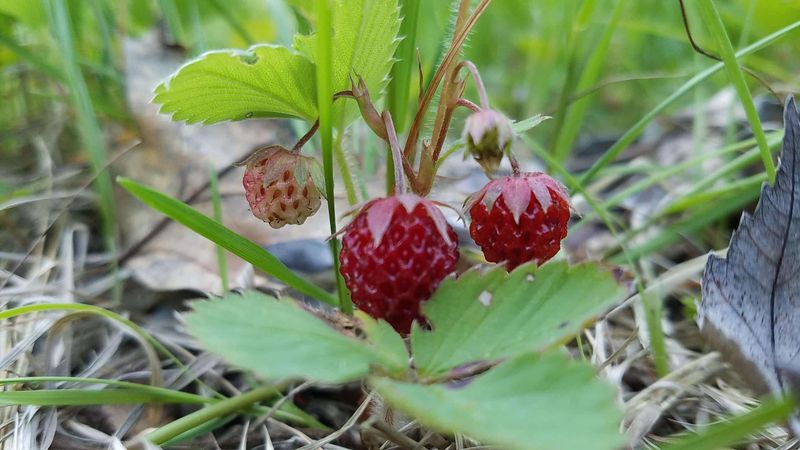
Fast, lush, and generous, wild strawberry races across bare ground and knits into an evergreen green carpet before weeds get a foothold. If you have a spot that gets some sun beneath thinner tree cover, this one moves in quickly.
Spring brings white blossoms, and by early summer you get tiny red berries that birds and box turtles happily snack on. Turtles are known to tuck into the dense foliage to hide and even lay their eggs there.
Native across the Piedmont and beyond, it takes full sun but tolerates light shade too. You feed pollinators, feed wildlife, and cover soil all with one aggressive little spreader that asks almost nothing in return.
6. Green-and-Gold (Chrysogonum virginianum)
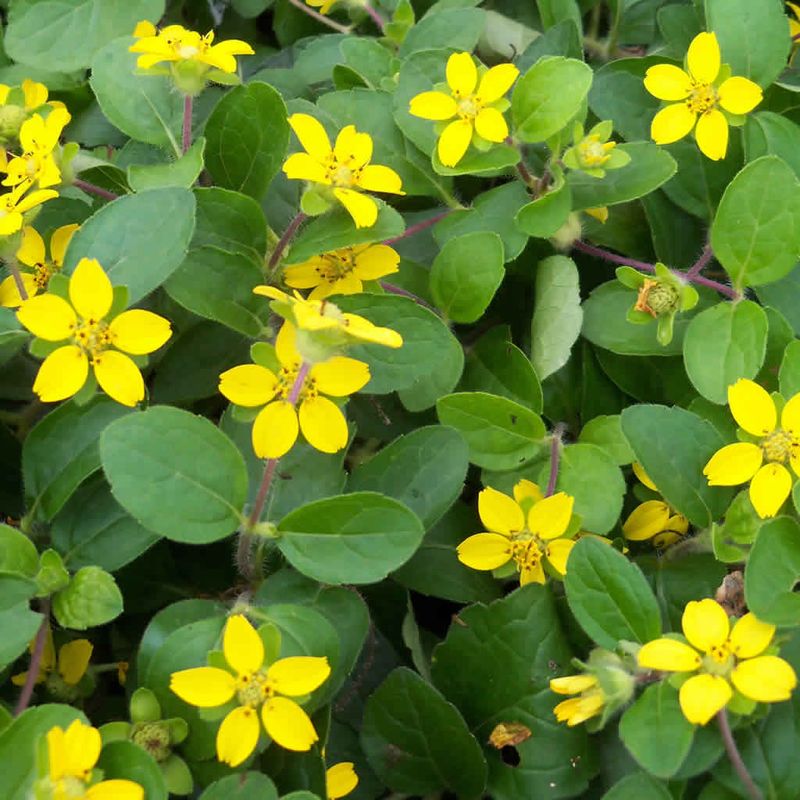
Few natives keep the color coming as long as green-and-gold. Bright yellow, star-shaped blooms show up in spring and just keep going, on and off, clear into fall.
It is happiest in part-shade to part-sun but tolerates deeper shade too, which makes it flexible for those tricky zones where a tree’s canopy shifts the light through the day. As it spreads, the evergreen foliage forms a tidy mat that blocks weeds effectively.
Pollinators appreciate the long bloom season, giving them a steady nectar source over many months. For a ground cover that pulls double duty as both weed barrier and pollinator buffet, this cheerful little native earns its spot.
7. Lyreleaf Sage (Salvia lyrata)
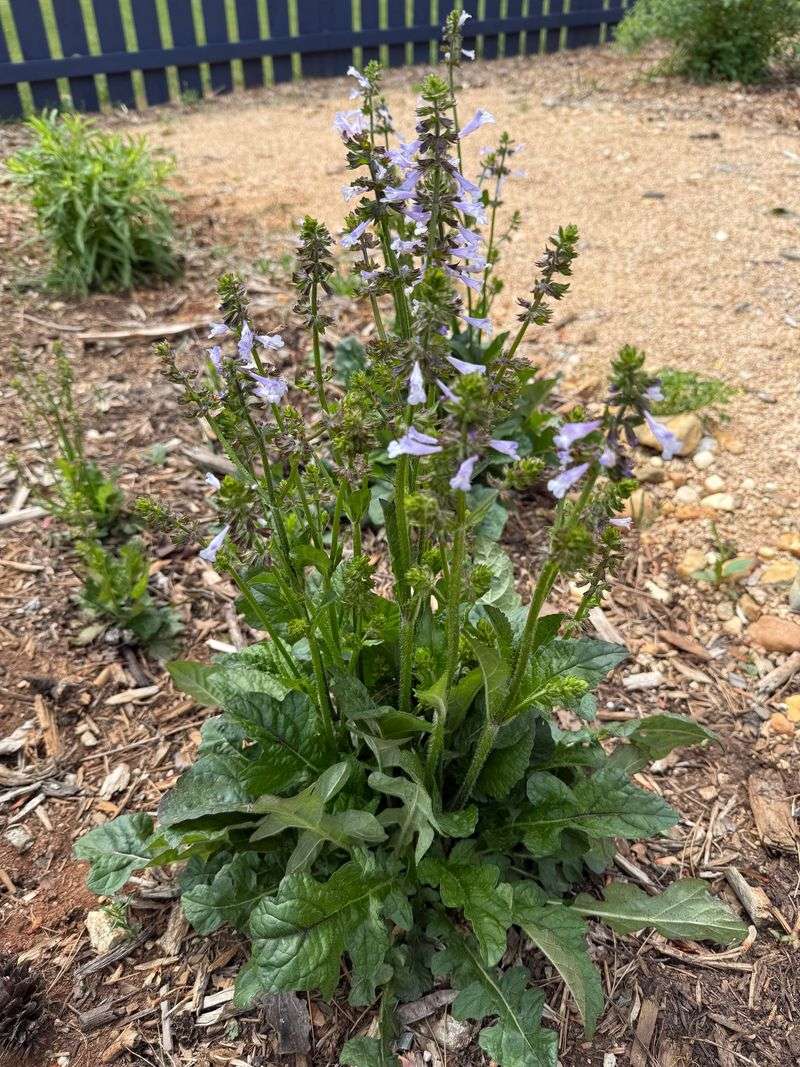
Worried about ticks lurking in your yard? Lyreleaf sage is the ground cover to know.
It hugs the soil in flat rosettes and crowds out weeds without ever creating the tall, shaggy cover that ticks love to climb and wait in.
Native to open woods and clearings all across North Carolina, it sends up spikes of soft purple-blue flowers in spring that bees flock to. The low, tight habit keeps things neat and, importantly, less hospitable to pests near where your family walks.
It is a smart choice for border areas and paths where you want both weed control and a little peace of mind. Fewer weeds, fewer tick hideouts, more bees.
That is a solid trade.
8. Christmas Fern (Polystichum acrostichoides)
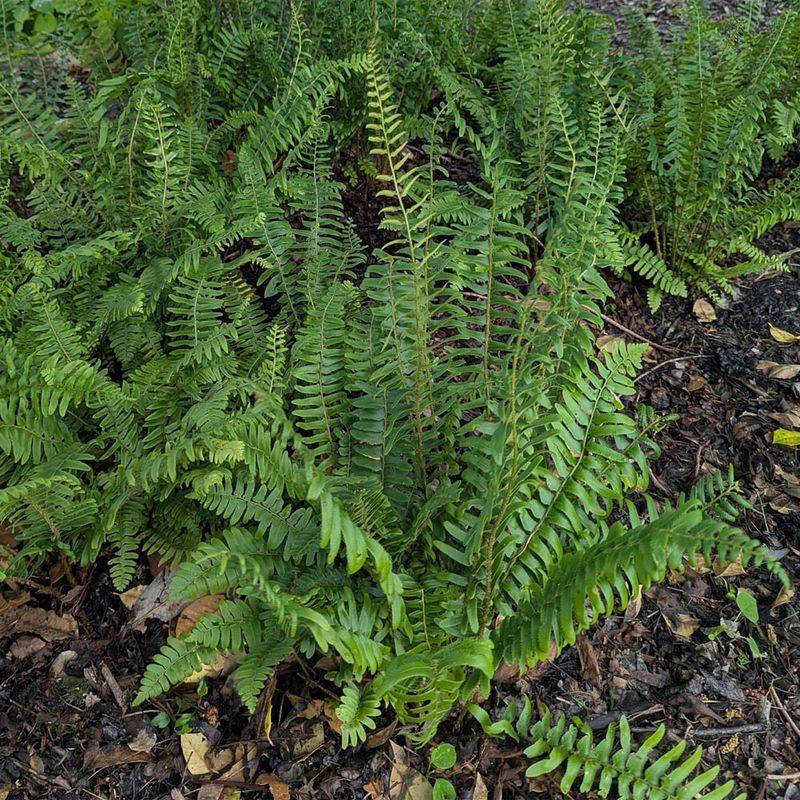
Got a spot so dark and dry that nothing seems to survive there? Christmas fern was practically made for it.
This tough evergreen fern stays green straight through winter, hence the festive name, and holds its own in the difficult shade beneath established trees.
Both shade and drought tolerant, it settles into those bone-dry pockets near tree roots where other plants sulk and die. The arching clumps fill space and shade out weed seedlings before they can get going.
Old-timers used the sturdy fronds in holiday decorations, which is likely how it got its common name. Plant a few in your toughest corner and let them green up the gloom all year long.
9. Creeping Phlox (Phlox stolonifera)
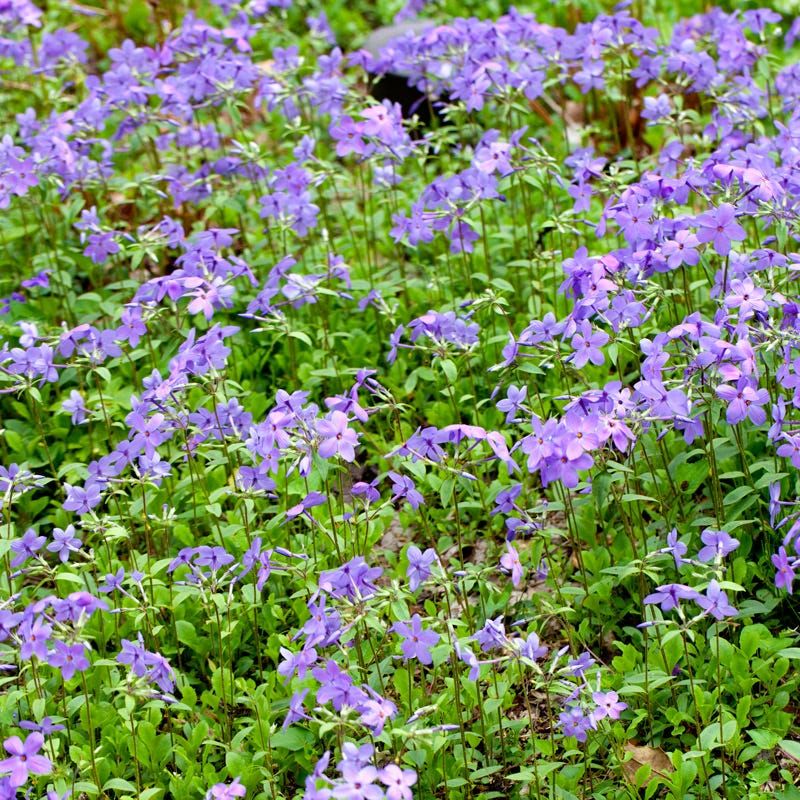
An Appalachian native with a soft spot for dappled light, creeping phlox spreads into a low mat that spills color across the Piedmont and mountain regions of NC. When it blooms, the ground practically disappears under a wash of blue, lavender, and pink.
Those early flowers arrive when hummingbirds, bees, and butterflies are hungry for nectar, making it a lifeline in the spring garden. It even tolerates a bit of light foot traffic, so it works nicely along shaded paths.
Between the weed-blocking coverage and the pollinator draw, this is a ground cover that pulls its weight and looks gorgeous doing it. Tuck it under high-canopy trees where filtered sun reaches the floor.