
What To Do The Moment A Suspected Black Widow Bites You While Working In Your North Carolina Garden
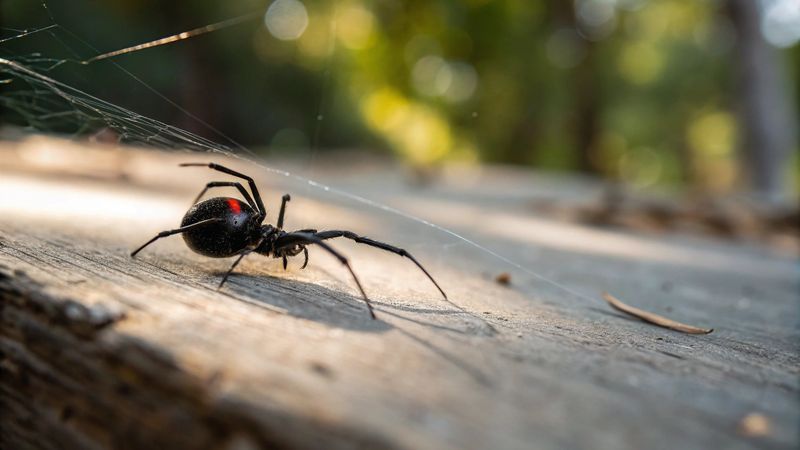
Working in a North Carolina garden puts you close to some of the state’s most hidden wildlife, including widow spiders that shelter in woodpiles, flowerpots, and shady corners. If you feel a sudden sharp pinprick and suspect a black widow may have bitten you, knowing exactly what to do in the next few minutes can make a real difference.
This guide walks you through a clear, calm action plan so you can protect yourself, get the right help fast, and keep enjoying your yard.
Move away, wash the suspected bite, and call for guidance
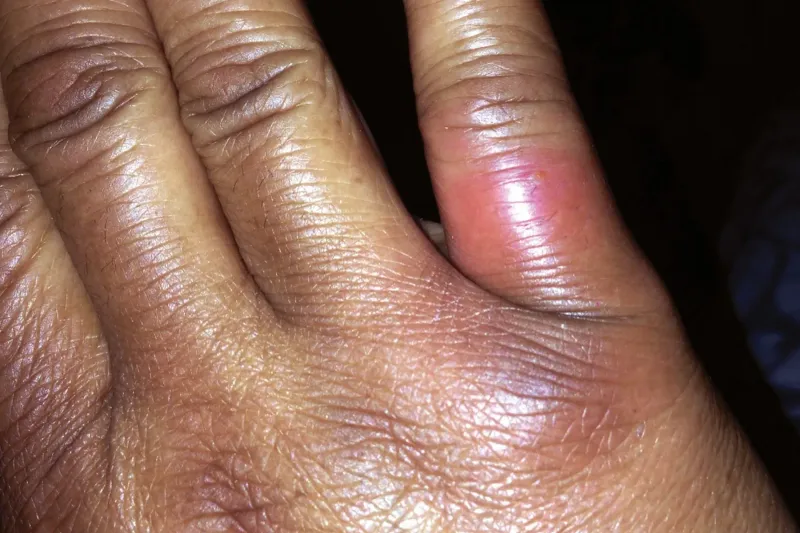
Feeling a sudden sharp sting while moving mulch, lifting a flowerpot, or reaching into a garden corner can be alarming. Your first move is simple: step back from the area where you felt the bite and do not reach back in to look for the spider.
Getting distance between you and the spider is the single most important thing you can do in the first few seconds.
Once you are clear, wash the affected area thoroughly with soap and water. Running the area under a faucet with liquid soap for a full minute removes surface contaminants and is the first physical-care step recommended for a suspected bite.
Do not scrub hard or squeeze the area.
After washing, call North Carolina Poison Control at 1-800-222-1222 right away. The specialists there provide case-specific guidance around the clock, and NC Poison Control specifically advises contacting them about spider bites rather than waiting to see how symptoms develop.
They can help you decide whether you need to go to an urgent care clinic, an emergency room, or simply watch for changes at home.
Do not wait for a visible fang mark, a specific rash pattern, or severe pain before making that call. A bite can look like nothing more than a tiny red dot, and the spider is often never seen clearly.
MedlinePlus guidance on black widow spider bites is clear that professional medical evaluation should be arranged promptly, not only after symptoms become severe. Tell the Poison Control specialist what you were doing, what part of the body was affected, and any symptoms you have already noticed, and follow their instructions carefully from that point forward.
Know when to call 911
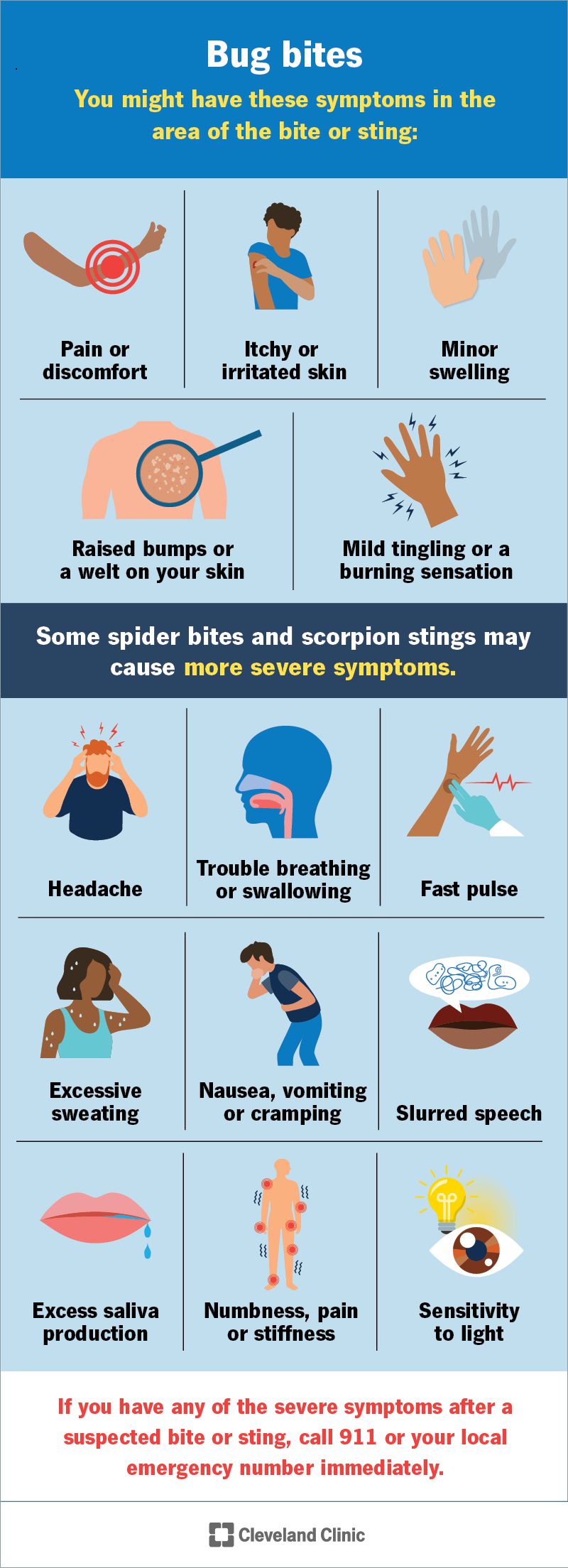
Calling North Carolina Poison Control is the right first step for most suspected black widow bites, but there are specific warning signs that mean you should call 911 instead, or at the same time. Do not wait to see whether these symptoms pass on their own.
Call 911 immediately if you or someone nearby experiences trouble breathing, collapse, fainting, seizures, severe muscle weakness, or symptoms that are getting dramatically worse within minutes. MedlinePlus notes that black widow envenomation can cause breathing difficulty and rapidly worsening systemic effects that require emergency medical intervention, not just a phone consultation.
If you are alone and feel yourself becoming faint, call 911 before you lose the ability to do so.
Children deserve especially urgent attention. HealthyChildren.org guidance on spider bites flags that a child with a suspected black widow bite, severe pain, abdominal cramps, chest tightness, or muscle cramps warrants urgent emergency assessment.
A child’s smaller body weight means venom can have a proportionally larger effect, so err strongly on the side of calling for help rather than waiting.
For adults without life-threatening signs, Poison Control remains the right call first. Not every suspected bite requires an ambulance ride, and Poison Control can help you judge the level of response needed based on your specific situation.
The key distinction is this: worsening fast or involving breathing and consciousness means 911 now; stable but symptomatic means Poison Control now and medical evaluation arranged promptly. Never use the absence of dramatic early symptoms as a reason to skip professional advice entirely, because symptoms from widow envenomation can build over hours rather than appearing all at once.
Symptoms can intensify after a small initial mark
One of the most disorienting things about a suspected black widow bite is how modest it can look at first. Many people describe feeling a pinprick or a small sharp sting, followed by local redness or mild swelling that does not immediately seem serious.
That quiet start is exactly why the bite deserves prompt attention rather than a wait-and-see approach.
According to MedlinePlus, black widow envenomation symptoms can intensify over the next several hours, with more serious muscle pain and cramping spreading from the bite site toward the chest, abdomen, or wider body over roughly 15 minutes to several hours after the initial sting. Sweating, nausea, vomiting, high blood pressure, and general weakness are all part of the picture that can develop well after the bite itself.
Not every case follows the same path. Some people experience only local discomfort; others develop pronounced systemic effects.
The point is that a bite feeling mild in the first ten minutes is not evidence that it will stay mild. The absence of a visible fang mark is also not reassurance: bites can be difficult to detect on the skin, and the spider is often never clearly seen or confirmed.
Breathing difficulty is a less common but serious outcome worth watching for, and it is one of the reasons Poison Control specialists prefer to hear from you early rather than after symptoms have escalated. Describing what you feel in real time gives them the clearest picture.
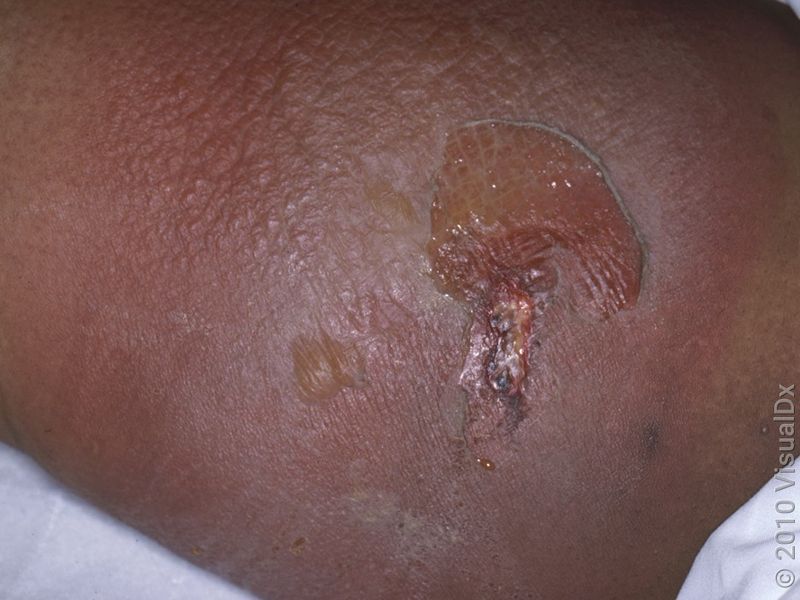
The main pattern associated with widow venom is pain and muscle cramping that spreads outward from the bite, not a spreading wound or tissue breakdown, which is a different clinical pattern more associated with other spider species or unrelated skin infections entirely.
Use simple measures for pain and swelling
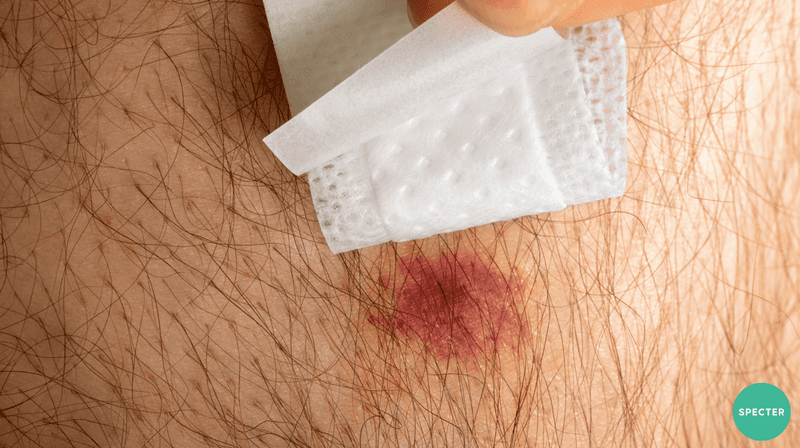
After you have called Poison Control and while you are arranging medical evaluation, a few simple comfort measures can help manage local pain and swelling. These steps support your comfort; they are not a substitute for professional advice, and they do not treat the venom itself.
Apply a cold, damp cloth or a wrapped ice pack to the affected area. MedlinePlus advises using cycles of 10 minutes on and 10 minutes off rather than leaving cold directly on the skin for long stretches.
Never place unwrapped ice directly against the skin, as this can cause cold injury on top of an already irritated area.
Keep the bitten limb as still as you can. Movement can feel uncomfortable when muscle cramping sets in, and keeping the area relatively immobile may reduce discomfort while you wait for professional evaluation.
If the bite is on an arm or leg, elevating it slightly above heart level is also reasonable if it does not cause pain.
Remove rings, watches, bracelets, or tight clothing near the bite site before any swelling develops. Swelling can progress quickly enough that jewelry becomes difficult or impossible to remove later, and constriction around a swollen limb adds unnecessary complications.
This is a small step that takes only seconds and is well worth doing early. Beyond these measures, avoid applying heat, alcohol, or any home remedy to the bite area, and do not take any medication without guidance from Poison Control or a healthcare provider who knows your full situation.
Do not risk another bite to prove the diagnosis
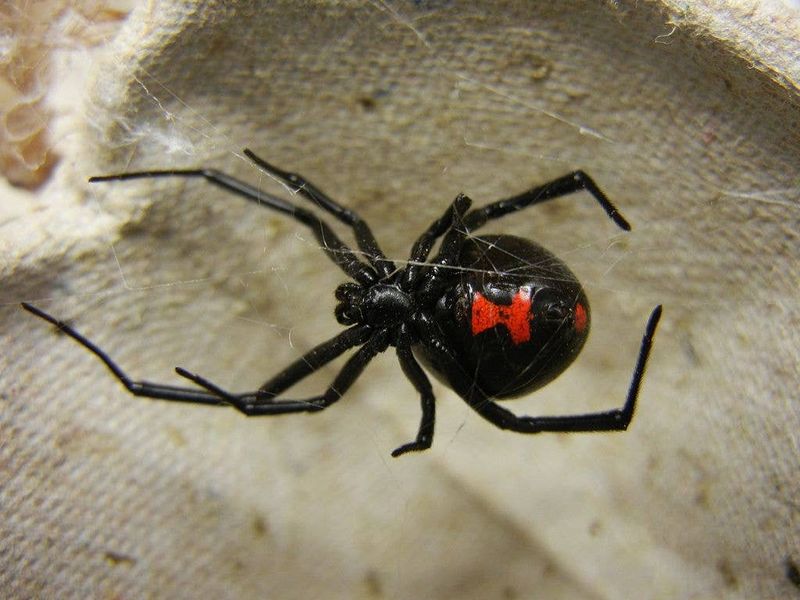
Reaching back into the same corner to find the spider that bit you is one of the most understandable impulses in the moment, and one of the most worth resisting. A second bite is not worth any amount of diagnostic certainty, and the spider’s identity does not need to be confirmed before Poison Control or a clinician can help you.
Beyond the personal risk, the assumption that every painful or red garden lesion comes from a spider deserves some scrutiny. A published emergency-department study of 182 patients who reported spider bites found that only 3.8% received a clinical diagnosis of an actual spider bite, while 85.7% were diagnosed with infections such as bacterial skin and soft-tissue conditions.
This does not mean your lesion is not a bite, but it does mean that a clinician will rightly consider other causes alongside envenomation.
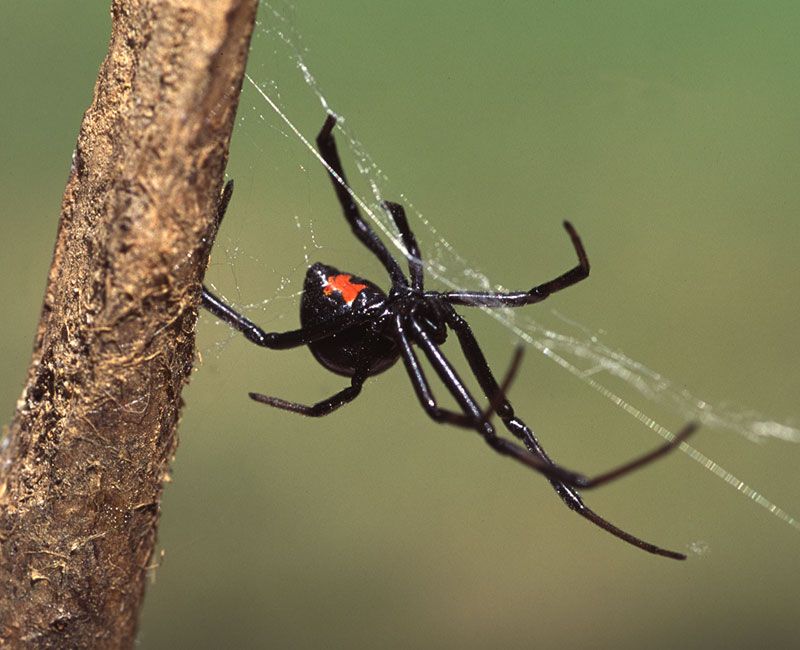
North Carolina is home to more than one widow spider species. The NC Biodiversity Project lists the southern black widow, northern black widow, and brown widow among the state’s spider fauna, and markings can vary by species, sex, age, and individual.
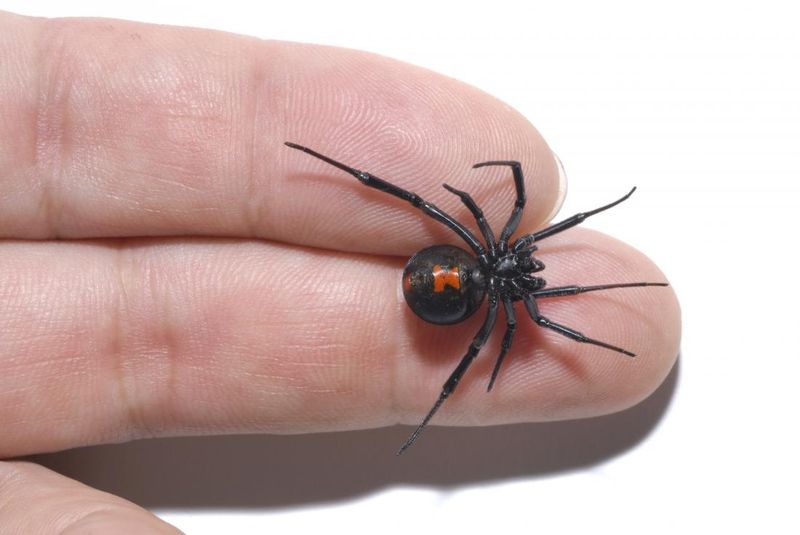
A quick glance at a dark spider with a reddish mark is not a reliable identification, and juveniles or males may look quite different from the familiar glossy adult female.
Widow spider venom is primarily neurotoxic, producing pain, muscle cramping, and the systemic symptoms described earlier. The 2024 American Heart Association and American Red Cross First Aid Guidelines help clarify that spreading tissue injury and ulceration are more characteristic of a different clinical picture, not the defining pattern of widow envenomation.
If you see a spreading wound or a darkening lesion, tell your clinician, because that detail shifts the differential diagnosis. If you can photograph the spider safely from a distance without approaching it, that image may help clinicians, but only pursue it if the spider is clearly visible and you can get the shot without reaching near it.
What professional treatment may involve
Arriving at a clinic or emergency room after a suspected black widow bite does not automatically mean a dramatic intervention. For most patients, care is primarily supportive, meaning the medical team focuses on keeping you comfortable and monitoring how your body responds over time.
Treatment may include pain management, medication to address muscle spasms, intravenous fluids, and monitoring of blood pressure and other vital signs. MedlinePlus describes hospital treatment as generally supportive, with assessment for complications as symptoms develop.
The clinical team will also evaluate whether your symptoms fit widow envenomation or whether another cause, such as an infection, needs to be addressed.
An antivenom does exist for black widow envenomation. Poison Control notes that antivenom is generally reserved for selected severe or refractory cases because it carries a risk of serious allergic reactions; it is not a routine first treatment for every patient who walks in with a suspected bite.
Your care team will weigh the specific risks and benefits based on your symptoms and health history.
Certain groups deserve extra attention at triage. Young children, older adults, pregnant people, and individuals with underlying heart, lung, or immune conditions may need closer monitoring or more aggressive management than a healthy adult with mild symptoms.
If you fall into any of these categories, mention it clearly when you arrive. Before you leave the clinic, ask your healthcare provider about your tetanus status.
Sources vary on the precise timing of boosters, so rather than following a general rule, let your clinician review your vaccination history and advise you directly.
Reduce contact in the garden
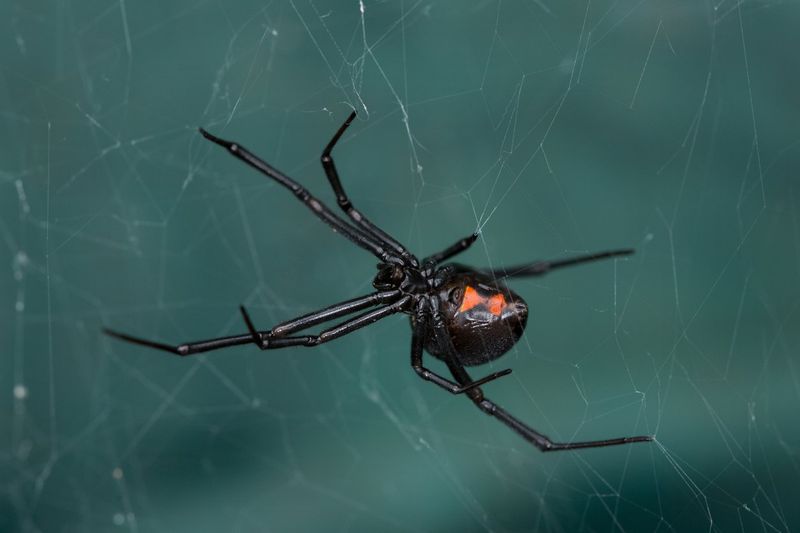
Widow spiders do not chase gardeners. They are generally shy, defensive spiders that bite when trapped, pressed against skin, or disturbed in a spot where they feel cornered.
Understanding that helps shift the goal from fearing spiders to simply reducing the chances of an accidental encounter in the places they prefer.
In North Carolina gardens, the hiding spots that matter most are woodpiles, stacked lumber, brush piles, mulch beds, sheds, garages, fences, and the undersides of flowerpots or stored containers. NC Poison Control recommends wearing gloves when moving wood, mulch, flowerpots, or brush, and that single habit covers the majority of garden situations where contact occurs.
Thick leather or reinforced gloves provide better protection than thin fabric ones.
CDC guidance on venomous spiders for outdoor workers also recommends shaking out stored gloves, boots, and clothing before putting them on, especially if they have been sitting in a shed, garage, or storage bin. A spider that has settled inside a boot overnight does not want to bite anyone; it simply has nowhere to go when a foot arrives.
A quick shake solves the problem before it starts.
When working around dark, undisturbed corners, use a long-handled tool to move material before reaching in by hand. Keep woodpiles elevated off the ground if possible and away from the main garden beds.
Regularly clearing debris and stored materials from sheds and corners reduces the undisturbed habitat that widow spiders prefer. None of these steps require treating every spider in your yard as a threat; most garden spiders are beneficial predators and part of a healthy NC yard ecosystem.
Act promptly instead of trying to prove the bite
The clearest lesson from everything above is that speed and calm matter more than certainty. You do not need to confirm the spider’s species, find a visible fang mark, or wait for dramatic symptoms before taking action.
Move away from the spider, wash the suspected bite with soap and water, and call North Carolina Poison Control at 1-800-222-1222. Those three steps cover the first few minutes and put a specialist in your corner immediately.
Reserve 911 for trouble breathing, collapse, seizures, severe weakness, or symptoms that are worsening fast. NC Poison Control and MedlinePlus guidance both support prompt professional evaluation rather than home management alone.
Do not attempt to cut, suction, or otherwise remove venom; CDC guidance advises against venom-removal attempts, which are ineffective and can cause additional harm.
Not every unexplained red mark in the garden is a spider bite, and not every spider bite is a black widow bite. Keeping that perspective means you can respond to a genuine concern without treating your garden as a danger zone.
A yard full of native plants, beneficial insects, and protective habits is still one of the best places to spend a North Carolina afternoon.