
The Native North Carolina Plants That Give Box Turtles The Cool, Damp Shelter They Search For All Summer
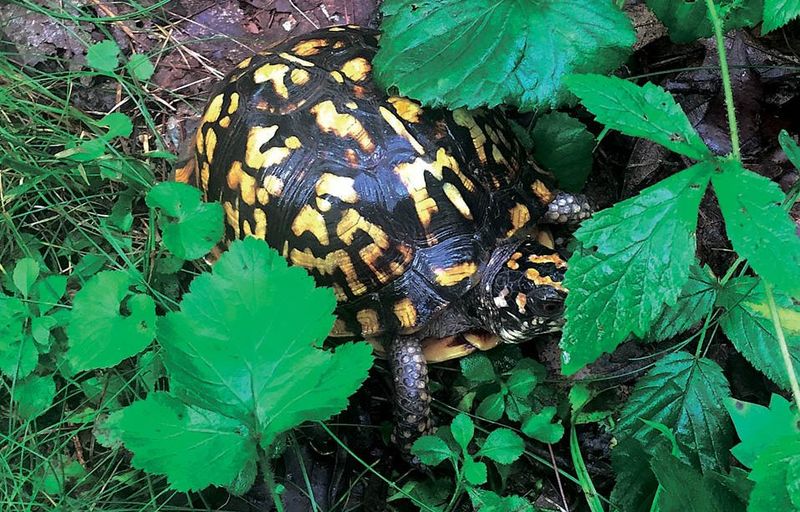
Every North Carolina summer, our state reptile, the Eastern Box Turtle, goes hunting for cool, damp, shady spots to escape the heat and hide from predators. The best thing you can do for these slow-moving neighbors is fill your yard with the native plants that build those hideaways naturally.
Below are nine North Carolina natives that create the moist, shaded ground cover box turtles love. Plant a few of these, keep some leaf litter around, and your backyard becomes a real turtle refuge.
1. Christmas Fern
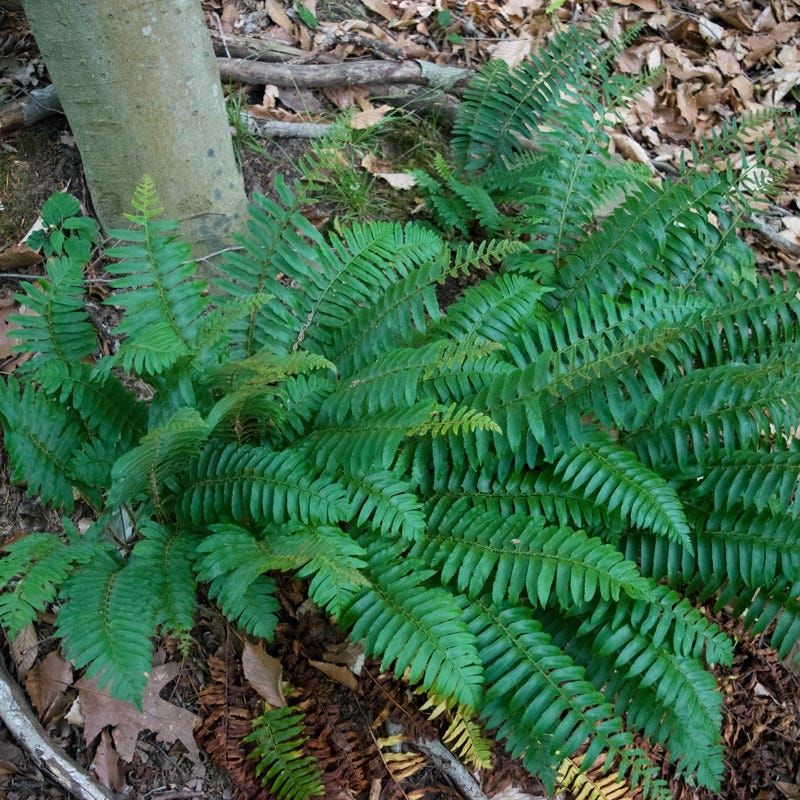
Named for its habit of staying green all through the holidays, the Christmas Fern is one of the toughest, most reliable natives you can tuck into a shady corner. Its leathery, dark green fronds arch outward and stay put even when winter strips everything else bare.
For a box turtle, that year-round cover matters. The dense clumps trap moisture at ground level and cast the kind of deep shade a turtle can crawl beneath on a scorching July afternoon.
Christmas Fern is happy in the dry-to-moist, rocky soils common across the Piedmont, so it fits yards that get spotty rain. Plant a few in a loose group and let the fronds mingle to form a cool, humid pocket turtles can duck into.
Fun bit: the leaflets each have a little “toe” at the base, and old-timers said they looked like tiny Christmas stockings.
2. Cinnamon Fern
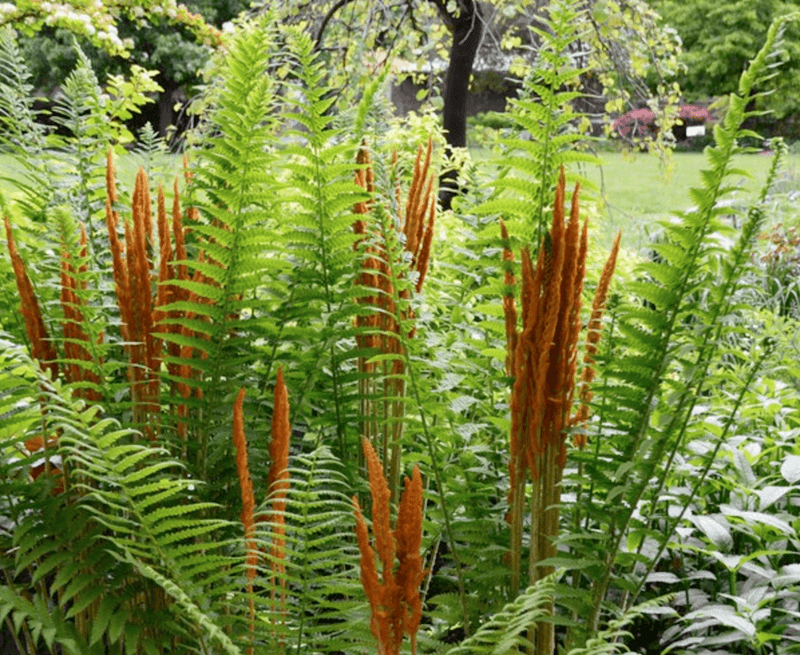
Rising up like green fountains, Cinnamon Ferns can reach several feet tall, giving them serious presence in a wet corner of the yard. The rusty, cinnamon-colored spikes that shoot up in spring are where the name comes from, and they make this fern easy to spot.
What sets it apart is its love of soggy ground. If you have a low, mucky spot where water tends to sit, that is exactly where a Cinnamon Fern thrives, and it turns that puddle-prone patch into prime turtle territory.
The tall fronds throw generous shade over the soil below, keeping things damp and cool right where a box turtle wants to hunker down. Slugs, worms, and other soft foods a turtle snacks on also gather in that moist litter.
Pair it with lower ferns and groundcovers so your turtle refuge has layers, from ankle-high mats to overhead fronds.
3. Northern Maidenhair Fern
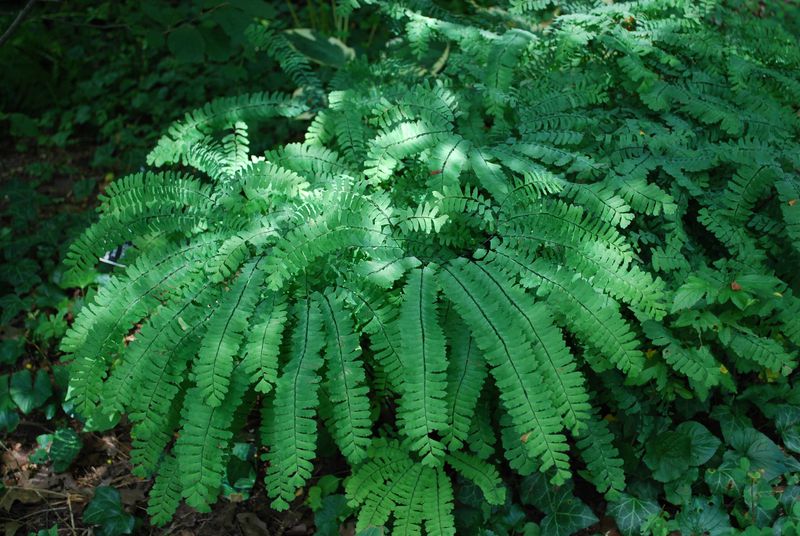
Delicate as it looks, the Northern Maidenhair Fern is a workhorse in the shade garden. Its lacy, fan-shaped fronds spread on wiry black stems that seem almost too thin to hold them up, giving the whole plant an airy, dancing quality.
Underneath that fine texture is a mat of foliage that hugs the ground and holds humidity close. A box turtle passing through finds a soft, moist canopy to rest under, shielded from both sun and sharp eyes overhead.
Maidenhair prefers rich, consistently moist soil in dappled or full shade, so it shines under trees where grass refuses to grow. Those shady, root-filled spots are often the same places turtles wander looking for relief.
Plant it in drifts along a shaded path or stream edge, and you get beauty for yourself plus cover for the crawling wildlife you are trying to protect.
4. Golden Ragwort
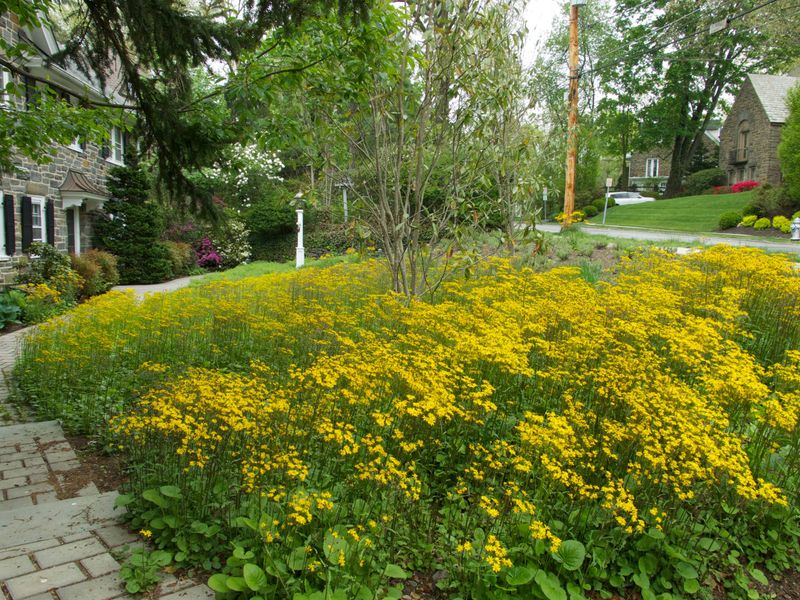
Bright yellow flowers in spring are the showy part of Golden Ragwort, but its real gift to turtles comes from the low rosette of rounded leaves that stays close to the ground all year. That leafy carpet spreads steadily to blanket bare soil.
The dense foliage keeps the ground beneath it shaded, cool, and moist, exactly the conditions a box turtle is searching for when the afternoon heat climbs. Turtles can slip through these low plants like safe hallways, moving across the yard without ever leaving cover.
Golden Ragwort loves the moist, partly shaded spots many yards have along downspouts, fence lines, or under trees. It fills those areas fast and crowds out weeds while it does.
Because it forms such a good living mulch, you also spend less time watering and mulching, and the turtles get a ready-made shelter for free.
5. Foamflower
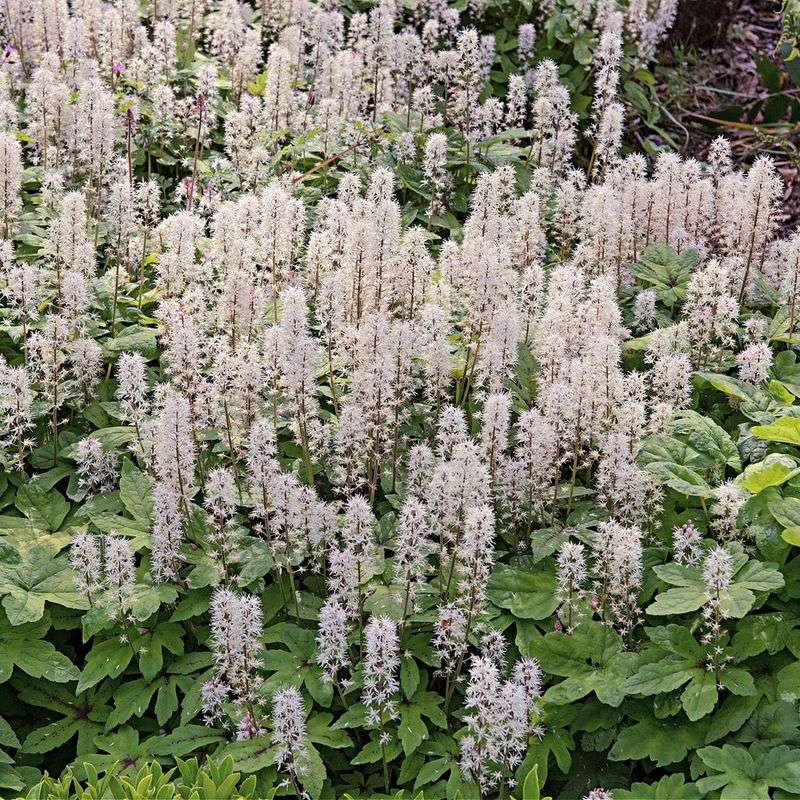
Sweeping across a shady bed like a gentle green tide, Foamflower earns its name from the frothy spikes of tiny white blooms that rise above its heart-shaped leaves each spring. It is one of the prettiest woodland natives you can grow.
Beyond the looks, Foamflower builds a layered understory that mimics a real forest floor, and that layering is exactly what creates the cool, humid microclimate box turtles favor. The mounded leaves trap moisture and offer ground-level hiding spots.
Here is a bonus for the good steward: Foamflower makes an excellent swap for invasive groundcovers like English ivy or periwinkle. Instead of a plant that smothers your soil and offers nothing to native wildlife, you get one that feeds pollinators and shelters turtles.
Tuck it under shrubs and between ferns to knit your shade garden into a single, turtle-friendly quilt.
6. Wild Ginger
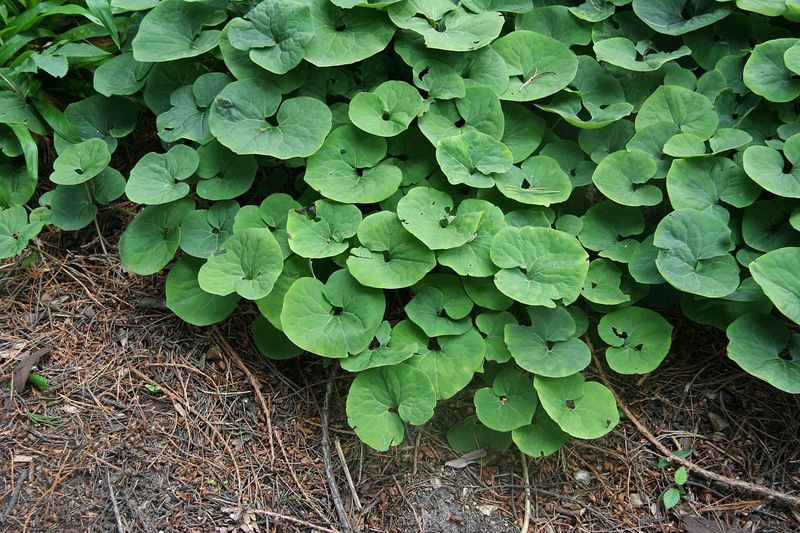
Run your hand over Wild Ginger’s broad, heart-shaped leaves and you will notice how low and lush they lie, forming a deep-shade carpet just inches off the ground. The roots have a spicy scent that gives the plant its common name, though it is not the ginger you cook with.
That hug-the-earth growth habit is a turtle’s dream. The overlapping leaves create shadowy, moist tunnels near the soil where a box turtle can wedge in and wait out the heat, safe from hawks and hungry raccoons above.
Wild Ginger asks for rich, moist soil and steady shade, so it flourishes in those dim spots under mature trees where little else survives. It spreads slowly and politely, never becoming a bully.
Fun fact: hidden little maroon flowers bloom right at ground level, pollinated by beetles and flies that crawl by, not showy but wonderfully odd.
7. Mayapple
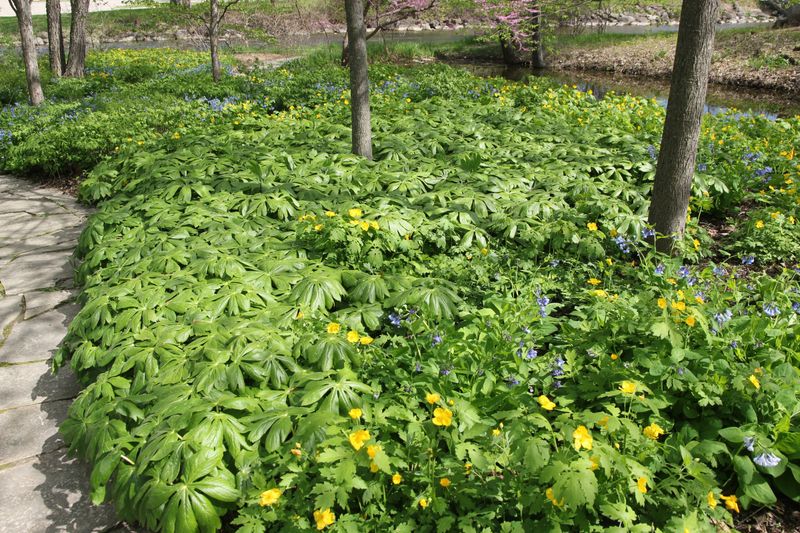
Popping up in spring like a field of tiny green umbrellas, Mayapple is one of the most recognizable plants on the forest floor. Each stem unfurls one or two broad, deeply lobed leaves that spread flat and wide.
Those umbrella leaves are the whole point for a box turtle. They throw dense pools of shade over the ground, keeping the soil beneath dark and damp even when the sun is blazing everywhere else.
Mayapple pulls double duty, too. The single hidden fruit that ripens under the leaves is a food box turtles will happily eat, so the plant offers both a roof and a snack in one spot.
Plant it in a moist, shaded patch and let it colonize into a small grove. A cluster of Mayapples becomes a shady turtle lounge that also feeds them come summer.
8. Spicebush
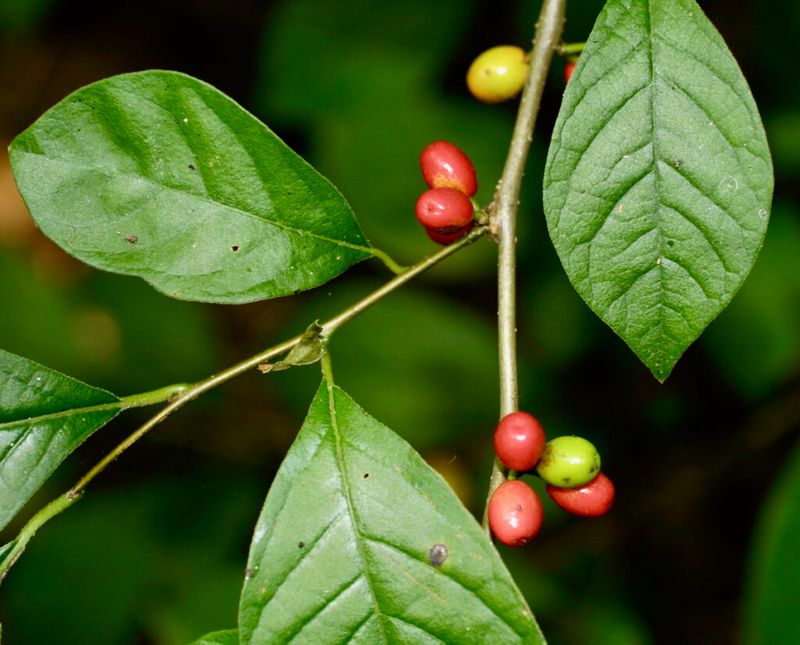
Crush a leaf of Spicebush and you get a warm, citrusy scent that explains the name and makes this shrub a joy to have around. Beyond the fragrance, its dense, twiggy branching builds one of the best middle layers in a native yard.
All that low, tangled growth creates protective cover and shaded resting nooks right where a box turtle likes to hunker. The shrub blocks harsh sun, holds humidity underneath, and gives a turtle a secure feeling of walls around it.
Spicebush also happens to be the host plant for the spicebush swallowtail butterfly, whose caterpillars look like tiny cartoon snakes. So you shelter turtles and raise butterflies from the very same plant.
Give it moist, well-drained soil in part shade along a woodland edge. Underplant it with ferns and Foamflower, and you have layered cover from the treetops down to the turtle.
9. Virginia Sweetspire
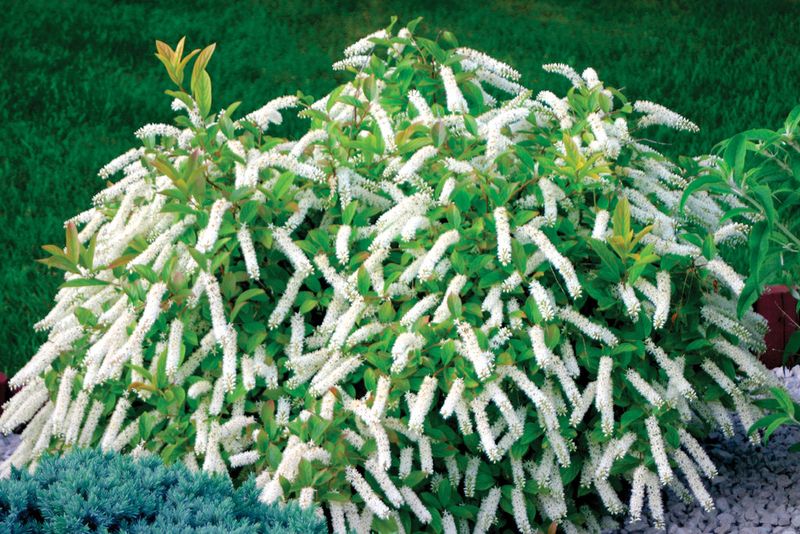
Come summer, Virginia Sweetspire drips with fragrant white flower spikes that arch and cascade, and in fall the leaves blaze a rich red. It is a bushy, easygoing native that fills space quickly and looks good doing it.
That bushy, low-arching form is what makes it such a fine hiding place. The branches sweep down toward the ground and create shaded, sheltered pockets underneath where a box turtle can tuck away from the heat and disappear from view.
Sweetspire tolerates the wet, boggy soils that trouble other shrubs, so it thrives in soggy corners and rain garden edges. Those damp zones are turtle magnets, and the shrub keeps them shaded and cool.
Round out your yard’s turtle habitat by leaving leaf litter beneath these plants, skipping pesticides and fertilizers, and adding a shallow ground-level water dish. And remember the golden rule: box turtles have tiny home ranges, so never relocate one from your property.