
The North Carolina Native Ground Fillers That Spread Just Enough To Choke Out Weeds And Then Stop
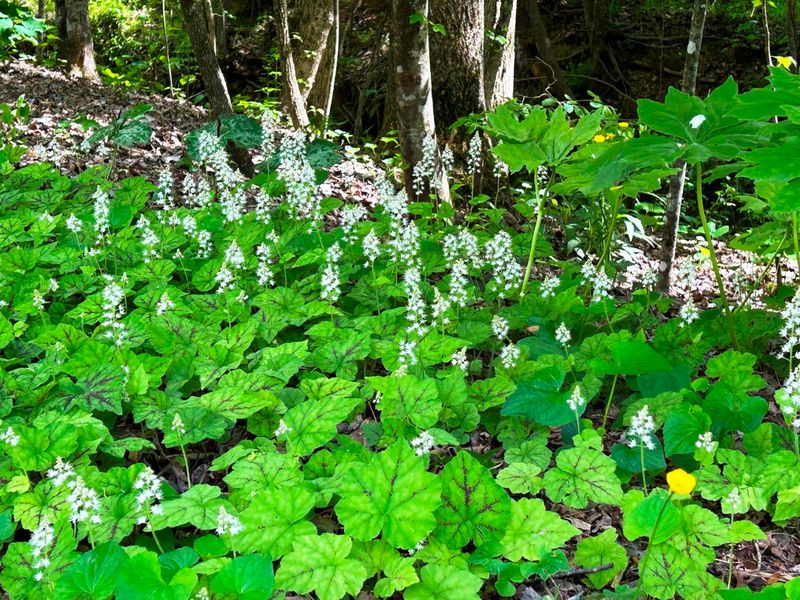
If you are tired of pulling weeds every weekend and hauling bags of mulch across your yard, native ground covers might be the answer you have been looking for. The best ones spread enough to blanket the soil and crowd out weeds, but they know when to quit so they never turn into a bully.
Even better, these North Carolina natives feed pollinators, shelter box turtles, and help push out invasives like English ivy and vinca. Here are seven well-behaved fillers that do the hard work for you while keeping your yard friendly to the wildlife you love.
1. Allegheny Spurge (Pachysandra procumbens)
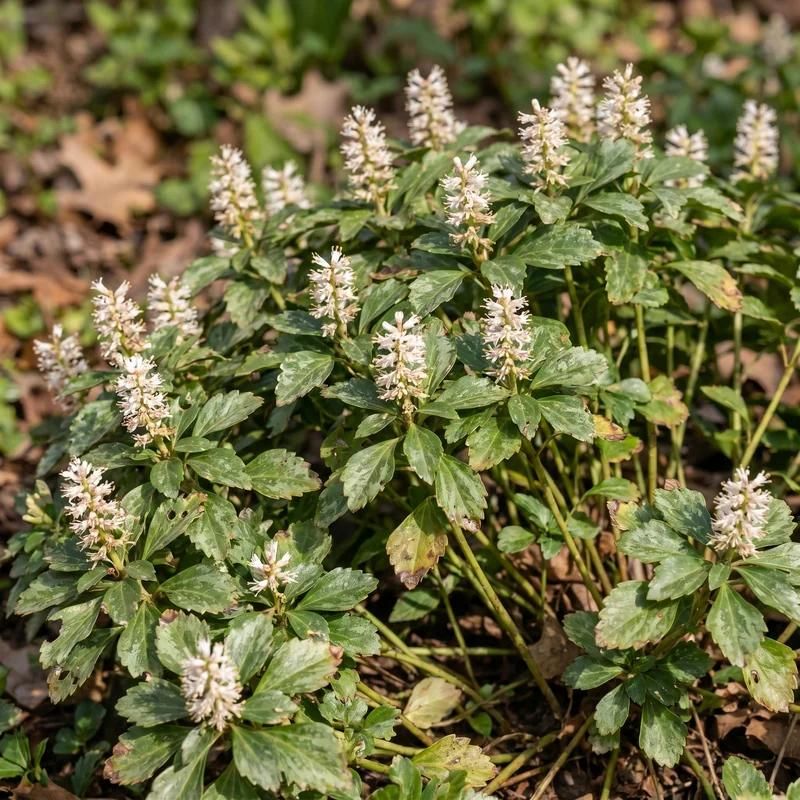
Meet the polite southern cousin of that invasive Japanese pachysandra you may have seen swallowing entire neighborhoods. Allegheny Spurge actually knows how to behave itself, forming a thick evergreen carpet in shady spots without staging a hostile takeover.
Once it settles in, it smothers weeds beautifully and keeps its good looks all winter long. Its mottled green leaves work from the mountains right down to the coastal plain, so nearly every NC gardener can find a home for it.
Choosing this native over its aggressive lookalike is a small act of stewardship that keeps your local food web intact. It shades the soil, holds moisture, and gives shady beds a finished, tidy look with almost no fuss from you.
2. Wild Ginger (Asarum canadense)
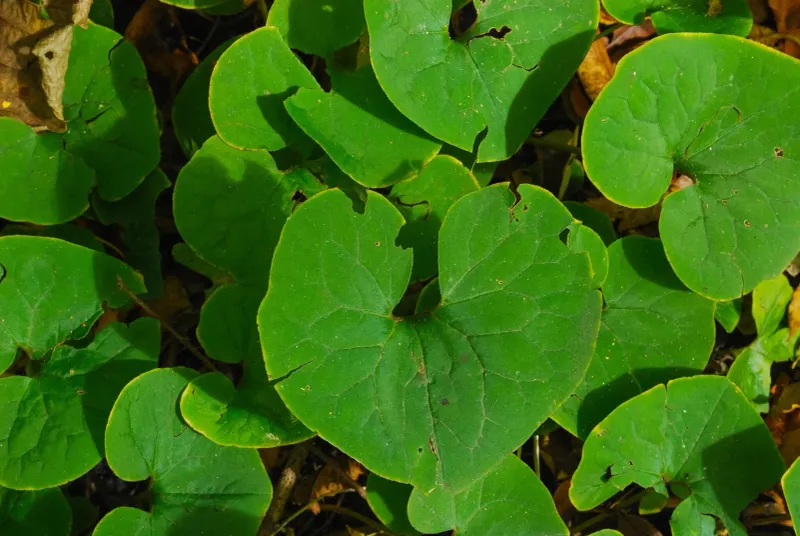
Those broad, heart-shaped leaves do more than look charming along a shady path. Wild Ginger knits together into a dense green blanket that blocks weed seeds from ever finding the light they need to sprout.
It thrives in part to full shade with steady moisture, making it a natural fit for those damp, tricky corners where grass gives up. As it fills in, weeding becomes something you barely think about anymore.
Here is the part that makes it special: it doubles as a nursery for the pipevine swallowtail butterfly. By planting it, you are literally raising the next generation of one of NC’s showiest pollinators right in your own backyard.
3. Green-and-Gold (Chrysogonum virginianum)
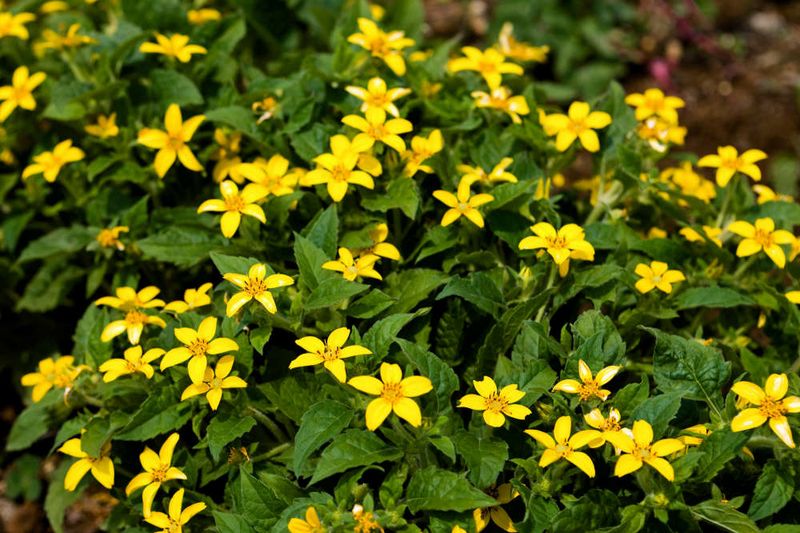
Cheerful is the first word that comes to mind when the little yellow, daisy-like flowers of Green-and-Gold start popping up. It keeps its foliage through winter too, so your beds never look bare.
Deer tend to walk right past it, which is a huge relief if hungry browsers treat your garden like an all-you-can-eat buffet. It happily grows in part sun to part shade across the Piedmont, Coastal Plain, and Mountains.
Spreading by stolons, it can move along at a good clip, so give it room to do its weed-suppressing thing. Where you want a low, colorful carpet that earns its keep, this native delivers season after season.
4. Creeping Phlox (Phlox stolonifera and Phlox subulata)
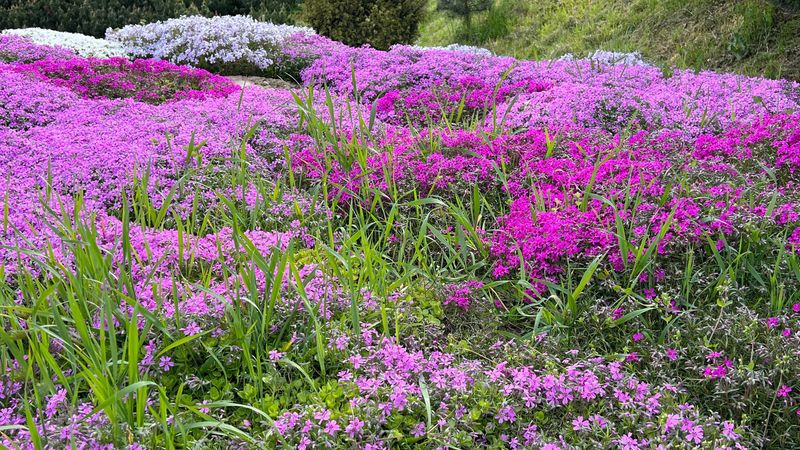
Picture a slope so covered in spring color that you forget it was ever a weedy problem area. Creeping Phlox forms dense, mat-like carpets that lock down soil and keep hillsides from washing away.
You actually get two helpers here. Phlox stolonifera is a woodland type from the Appalachians that shrugs off light foot traffic, while Phlox subulata, or moss phlox, spreads evergreen mats across the Piedmont and mountains.
Their early blooms show up when pollinators are desperate for a meal. Bees, butterflies, and even hummingbirds come calling for the nectar, turning your erosion fix into a busy little feeding station.
5. Partridgeberry (Mitchella repens)
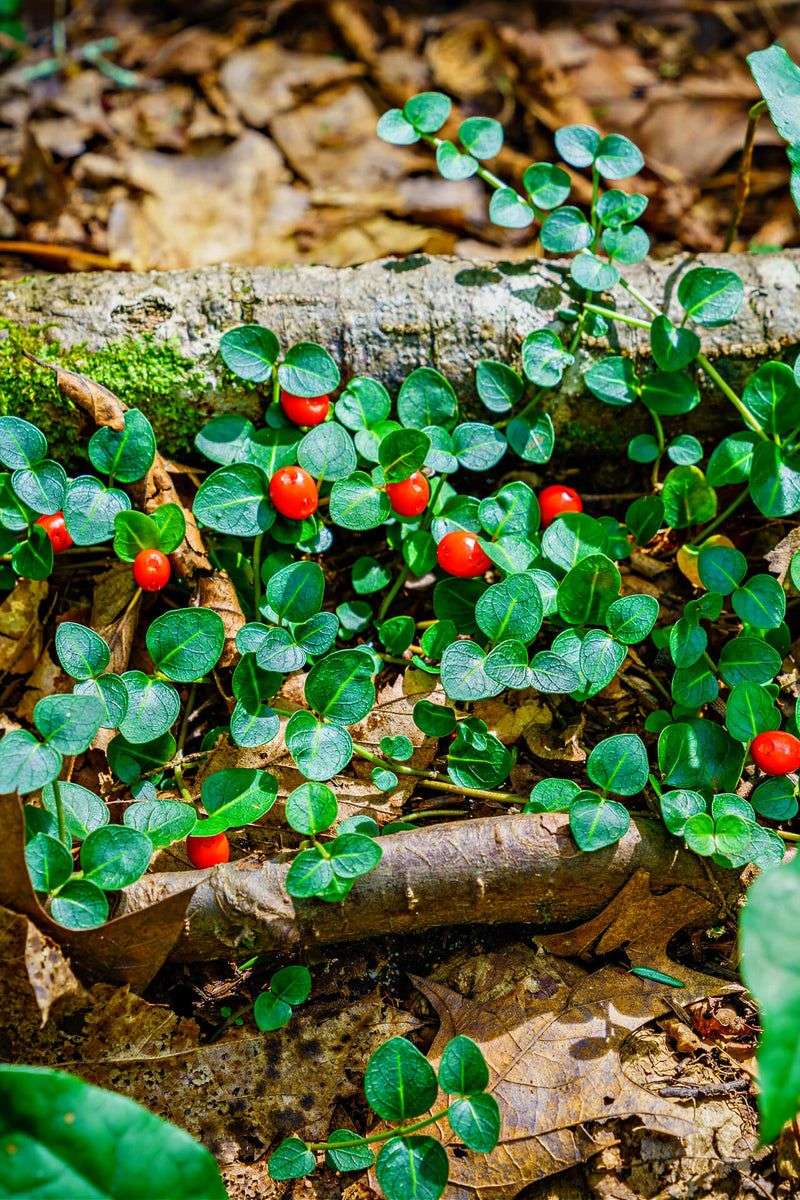
Barely reaching an inch tall, Partridgeberry is the quiet ground-hugger that proves good things come in small packages. It creeps across shady ground in a fine, delicate weave that leaves weeds no room to move in.
It fits right into mostly shady spots throughout the Piedmont, Mountains, and Coastal Plain. Because it stays so low, it works wonderfully tucked around larger plants or edging a woodland path.
The bright red berries are its signature trick, hanging on for nearly a full year. That means you get a splash of color long after most plants have called it quits, and native critters appreciate the snack.
6. Woodland Stonecrop (Sedum ternatum)
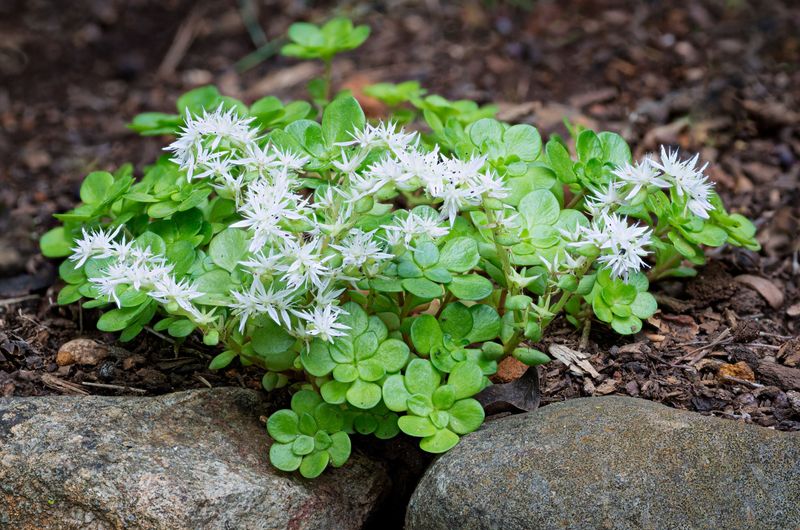
For the dry, stubborn spots where nothing seems to take hold, Woodland Stonecrop is your low-maintenance hero. This native succulent forms tidy, low mats and barely blinks during a summer dry spell.
Deer and rabbits leave it alone, so you can skip the fencing and the frustration. Its fleshy leaves store water, which is exactly why it laughs off drought while thirstier plants droop.
From April to June it sends up little white star-shaped flowers that pull in bees and butterflies. It is proof that a plant can be tough as nails and still put on a delicate show for the pollinators.
7. Foamflower (Tiarella cordifolia)
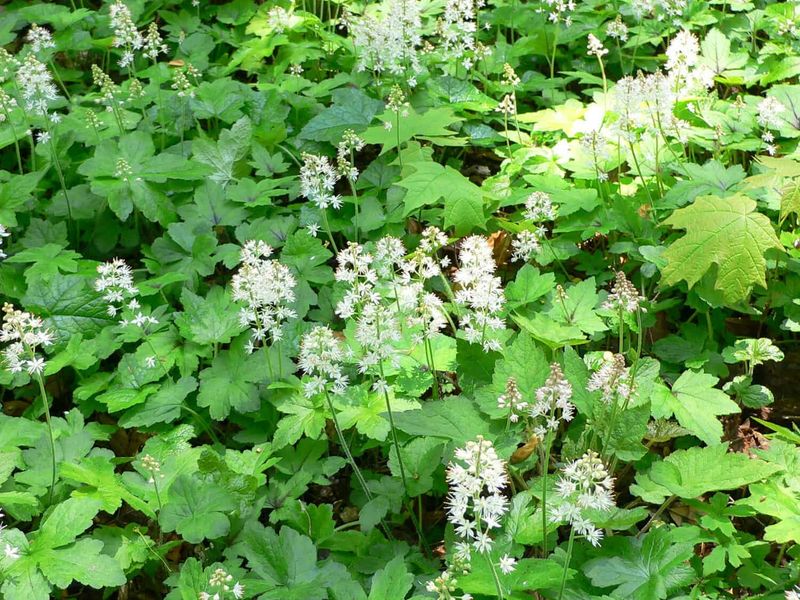
Soft and feathery, the spring flower wands of Foamflower look like little puffs of white foam floating above the leaves. That airy display is only half the charm, though.
The foliage itself is a standout, with heart-shaped leaves often marked in dark patterns that stay handsome long after the blooms fade. It loves part to full shade, making it a natural for softening woodland edges and lining pathways.
As it fills in, it forms a lush layer that keeps weeds from sneaking through. Swap it in where you might have been tempted by invasive vinca, and you get all the coverage with none of the ecological guilt.