
These 8 North Carolina Native Perennials Live In Pots For Years Without Being Replanted Every Season
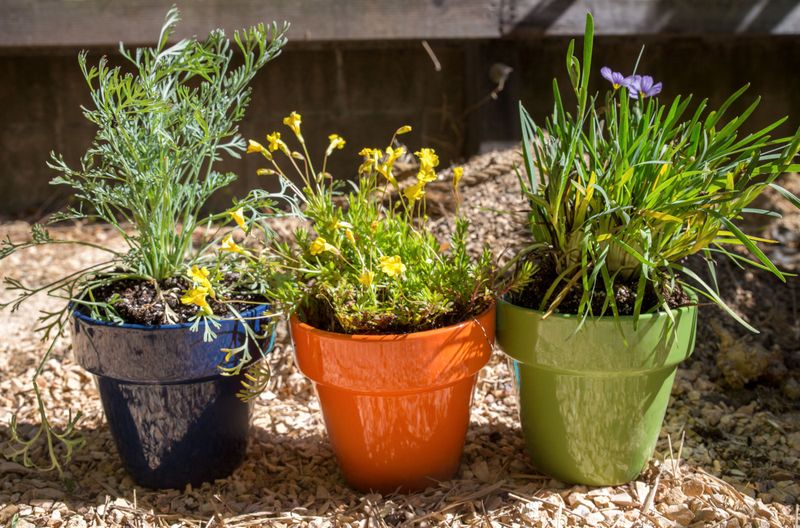
Keeping a container garden alive year after year sounds like a lot of work, but some North Carolina native plants make it easy. These eight perennials settle into pots and stay put for years, feeding hummingbirds, bees, butterflies, and birds right on your porch or patio.
Better yet, choosing natives means you are skipping thirsty, invasive plants and giving local wildlife the food they actually need. Here are the tough, low-fuss NC natives that will do the heavy lifting for you.
1. Coral Bells (Heuchera spp.)
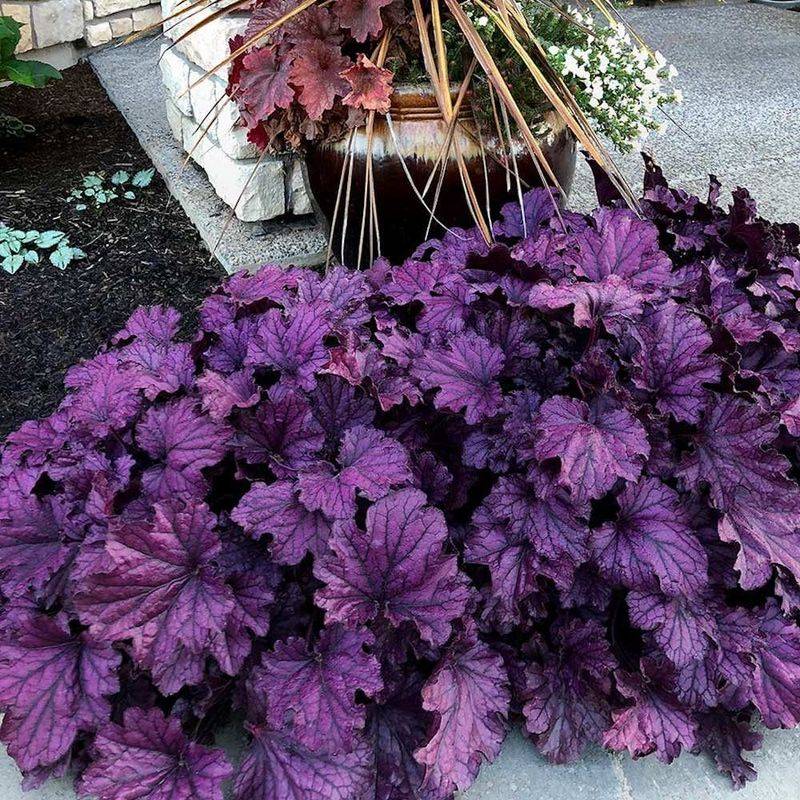
Gardeners in the Piedmont love Coral Bells because they earn their keep season after season. Think of them as the reliable workhorse of the container world, holding their good looks even when other plants sulk.
The ruffled, evergreen leaves come in shades of burgundy, silver, lime, and caramel, so your pot has color even in the gray days of a mountain winter. Every three or four years you can lift and divide the clump, and it bounces right back stronger than before.
Hummingbirds flock to the airy flower spikes, and deer tend to leave the foliage alone. Once established, these plants shrug off dry spells and thrive in part sun to light shade, making them perfect for that shady spot on the north side of the house.
2. Yucca (Adam’s Needle – Yucca filamentosa)
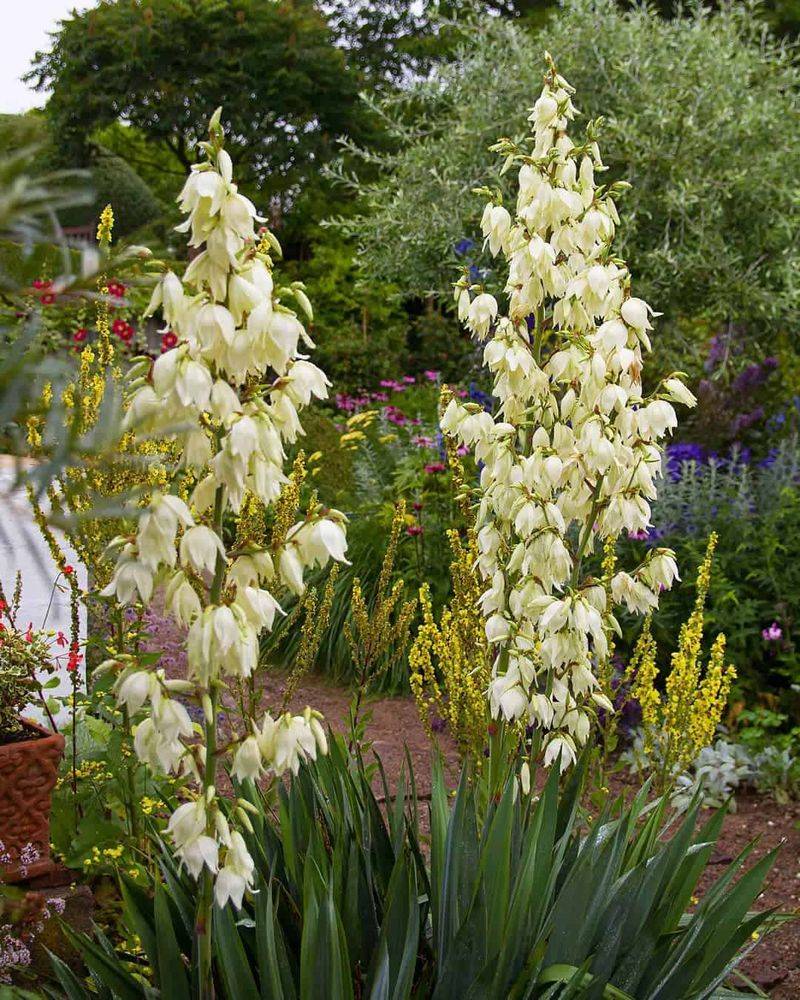
If you tend to forget to water, Adam’s Needle will forgive you every time. Its stiff, sword-shaped leaves stay green all year, adding bold structure to a container that never quits.
Come mid-summer, a dramatic spike of creamy white bells shoots up and draws in butterflies and native pollinators. The curly threads along each leaf edge give it that unmistakable ragged charm.
Drought, deer, and rabbits are no match for this Coastal Plain tough guy. Give it full sun to light shade and dry, well-drained soil, and it will happily anchor a pot for years without complaint.
3. Purple Coneflower (Echinacea purpurea)
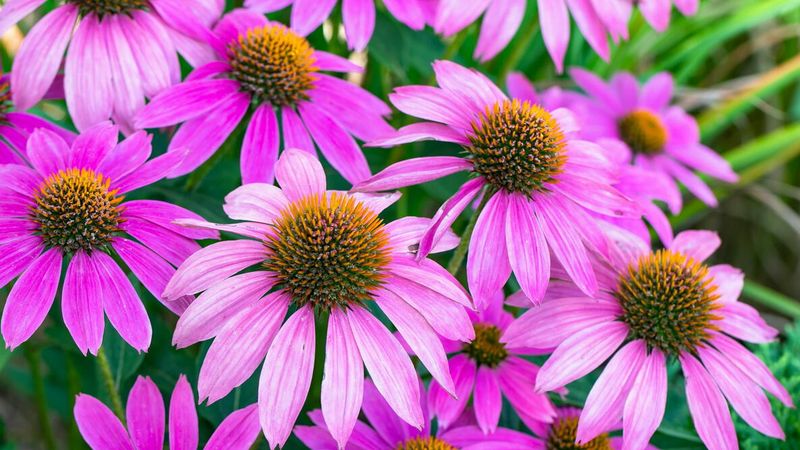
Few plants pull double duty like Purple Coneflower, feeding pollinators all summer and songbirds all fall. It is a bee-and-butterfly magnet from the moment those pink-purple petals unfurl.
When the blooms fade, resist the urge to tidy up. The spiky seed heads become a snack bar for goldfinches, giving your container garden a real job in the local food web.
Native to prairies and open woods, this perennial laughs off summer heat and drought once its roots settle in. Full sun keeps it blooming its hardest, and it comes back dependably year after year in the same pot.
4. Butterfly Weed (Asclepias tuberosa)
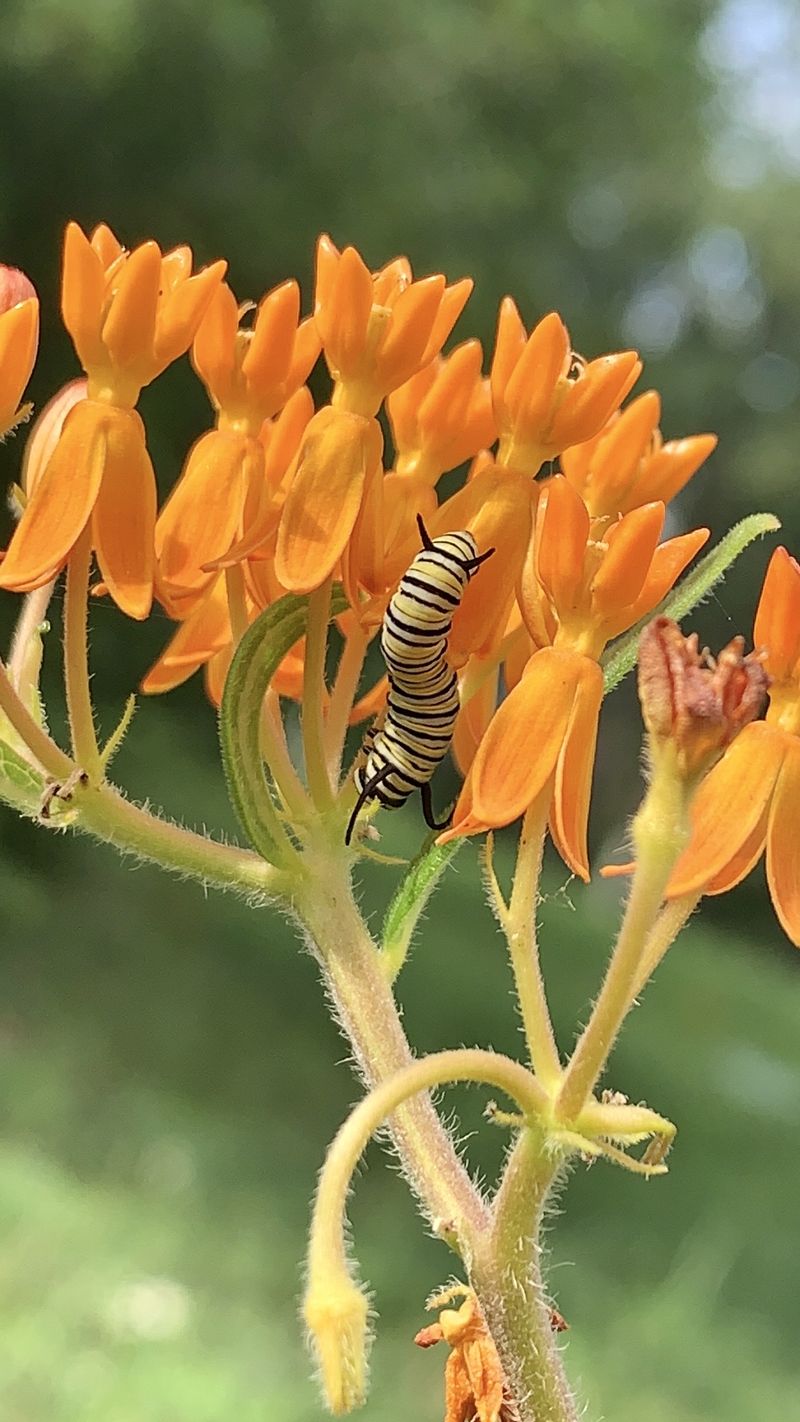
Want to help monarchs from your own patio? Butterfly Weed is the native milkweed that monarch caterpillars depend on to complete their entire life cycle.
Blazing orange flower clusters light up from early to mid-summer, and they need almost nothing from you once established. This is a plant that actually prefers to be a little neglected.
Its deep taproot loves dry, well-drained soil, which is exactly what a container provides. Skip the fussy watering, give it plenty of sun, and you will have a monarch nursery that returns every summer.
5. Black-Eyed Susan (Rudbeckia fulgida / hirta)
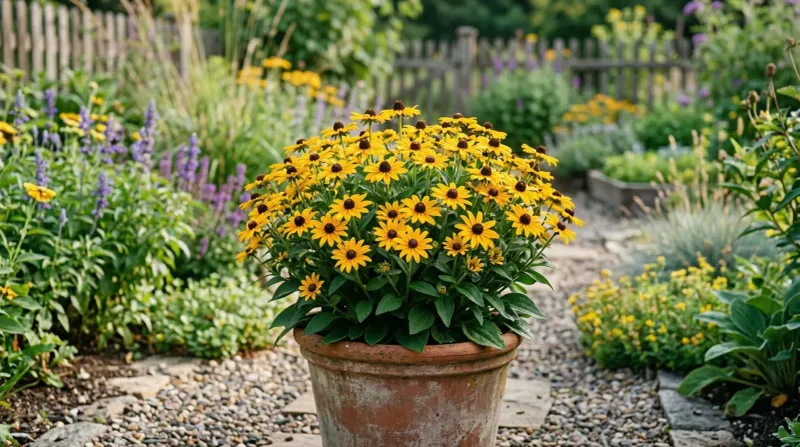
Cheerful is really the only word for Black-Eyed Susan. Those golden petals ringing a dark button center bring weeks of sunshine to any porch pot.
Bees and butterflies work the flowers all season, and by fall the seed heads turn into a buffet for hungry birds. It is a dependable performer that keeps showing up without much coaxing.
The slightly fuzzy leaves make it less appealing to deer and rabbits, a nice bonus for backyard gardeners. Drought-tolerant and easygoing, it settles into container life across the whole state.
6. Blazing Star (Liatris spicata)
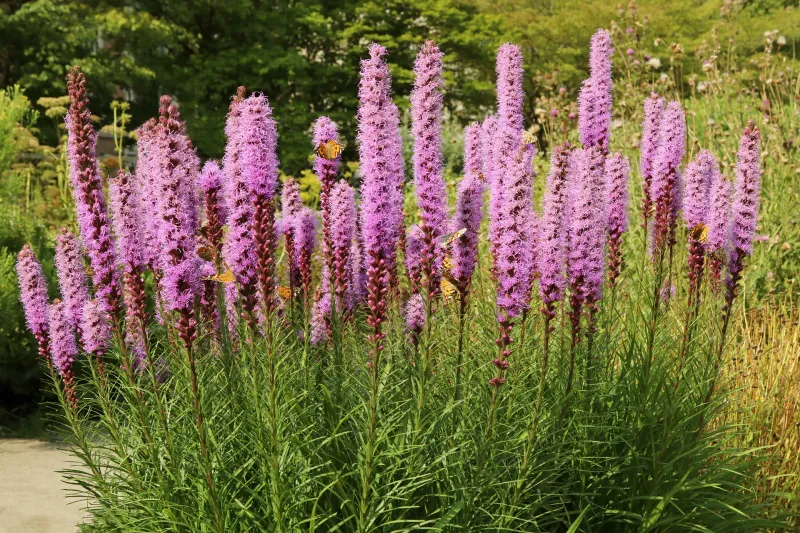
For height and drama in a pot, nothing beats the purple wands of Blazing Star. The spikes bloom from the top down, which is the opposite of most flowers and always turns heads.
Butterflies adore it, including monarchs and swallowtails that stop by for a sip. It handles North Carolina’s sticky summer heat and humidity like a champ.
Even Coastal Plain gardeners can grow it well in containers, where the corms overwinter happily. Plant it once and enjoy those vertical purple torches for many seasons to come.
7. Lanceleaf Coreopsis (Coreopsis lanceolata / spp.)
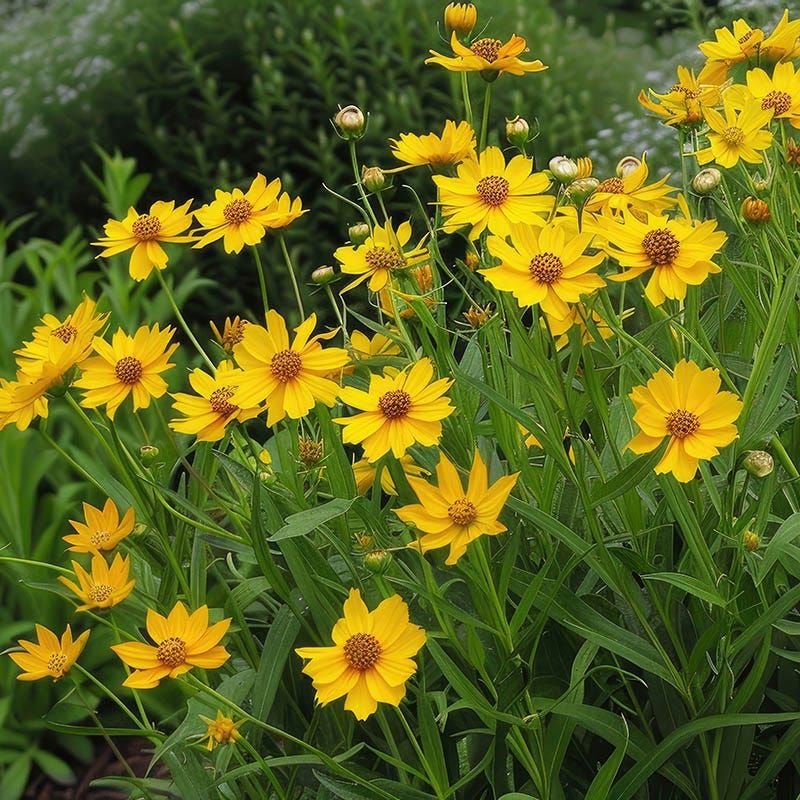
Poor soil and blazing sun? Lanceleaf Coreopsis says bring it on.
This sunny little native actually blooms better when you stop pampering it.
Bright yellow, daisy-like flowers cover the plant from early to mid-summer, pulling in bees and butterflies all day long. The more you snip spent blooms, the more it rewards you with fresh ones.
Deer and rabbits usually pass it by, which makes it a stress-free pick for a residential yard. Tough, tidy, and long-blooming, it is one of the easiest natives to keep in a container for years.
8. Bee Balm (Monarda didyma / fistulosa)
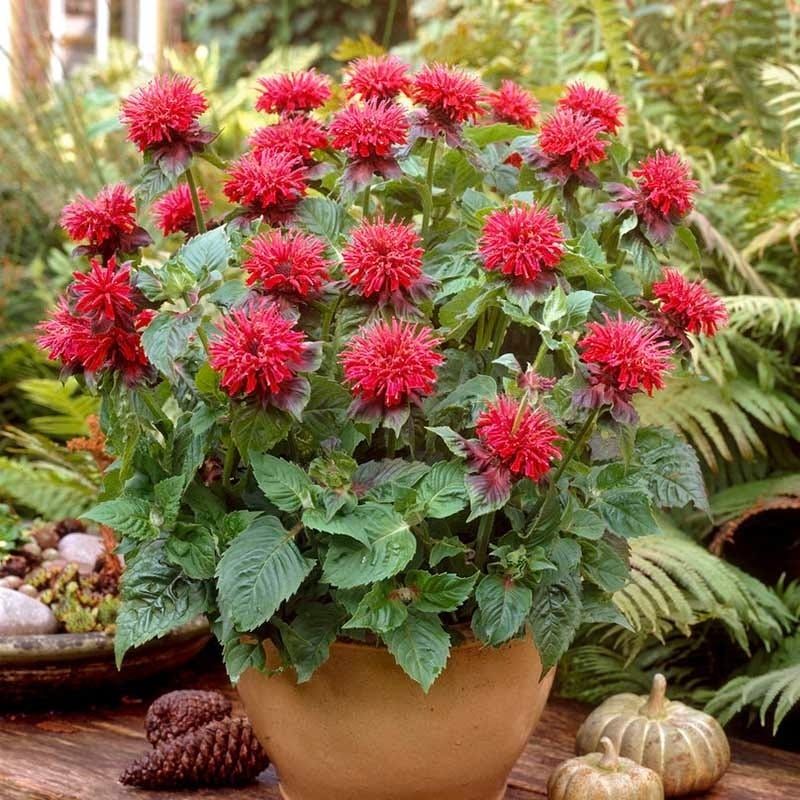
Shaggy, wild, and buzzing with life, Bee Balm brings the party to your patio. Its funky tubular flowers are a runway for hummingbirds and native bees from mid to late summer.
In the ground it can wander, but a container keeps its enthusiasm in check. A roomy pot and an occasional division are all it takes to keep the clump healthy and blooming.
Wild Bergamot, the lavender-flowered cousin, is another fantastic pollinator plant worth a spot. Between the two, you get a fragrant, wildlife-packed container that returns faithfully each year.
Fun bit: crushed Bee Balm leaves smell a lot like the bergamot in Earl Grey tea, which is exactly where its nickname comes from.