
The North Carolina Native Perennials That Bloom Straight Through The Brutal Summer Without Asking For A Thing
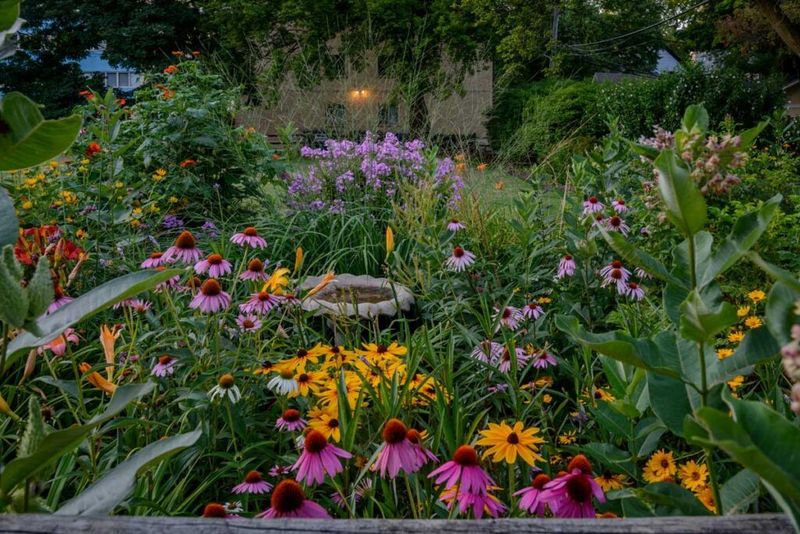
North Carolina summers can be rough, with heat and dry spells that make thirsty garden plants wilt fast. The good news is that our state has tough native perennials that keep blooming all season long without begging for extra water or fussing.
Even better, these plants feed the bees, butterflies, hummingbirds, and birds that make a backyard feel alive. Here are ten NC natives that pull their weight and help you be a good steward of your own patch of ground.
1. Purple Coneflower (Echinacea purpurea)
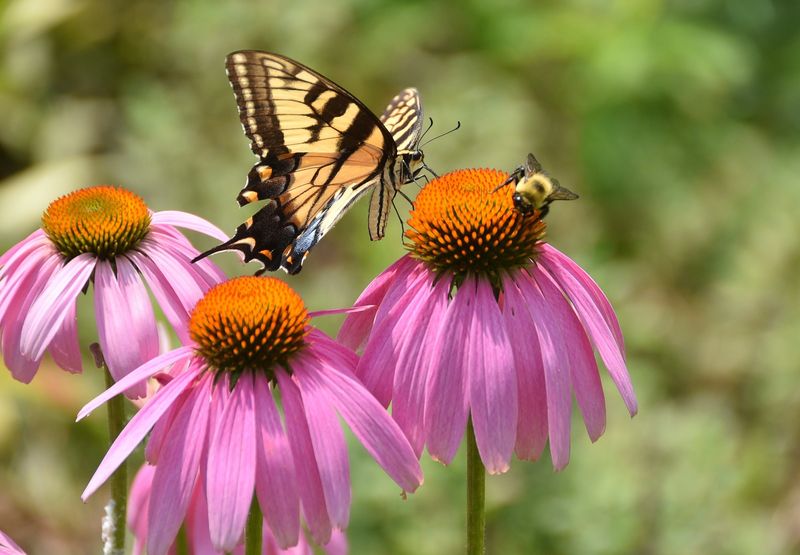
Ask any Piedmont gardener for a plant that just refuses to quit, and purple coneflower usually tops the list. Its daisy-shaped blooms with the spiky, copper-colored centers open in early summer and keep going for weeks on end.
Bees and butterflies treat it like a busy diner all season. When the flowers finally fade in fall, leave the seed heads standing, because goldfinches love to perch and pluck the seeds right out.
Once its roots settle in, this one shrugs off drought and asks for nothing but full sun. In the coastal plain it just needs good drainage so its feet do not stay soggy.
Plant it and mostly forget it.
2. Butterfly Weed (Asclepias tuberosa)
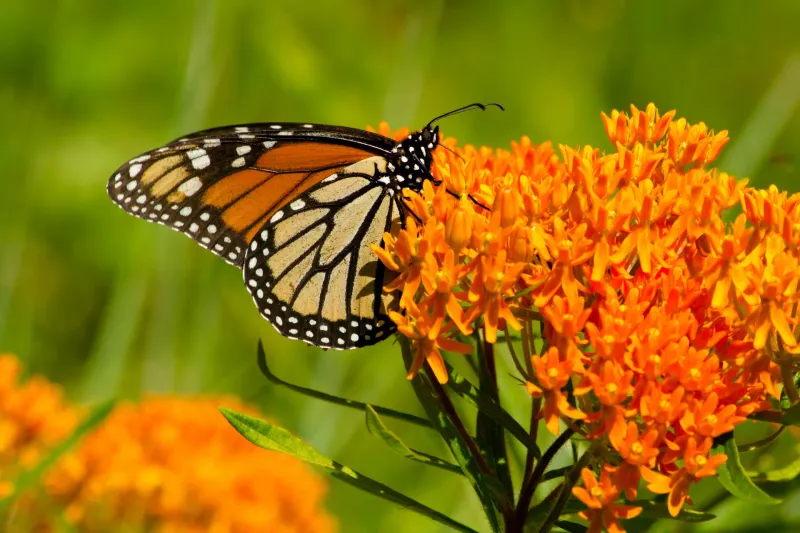
If you want to do one thing for monarch butterflies this year, plant butterfly weed. Monarchs lay their eggs on it, and the caterpillars grow up munching its leaves, so it is a true lifeline for a species in trouble.
The glowing orange blooms show up from early to mid-summer and practically shout for attention across the yard. Butterflies and native bees show up right alongside them.
Here is the part lazy-day gardeners love: it actually prefers dry, poor, well-drained soil. Water it too much and you will hurt it, so this is a plant that rewards you for leaving it alone.
3. Bee Balm (Monarda didyma)
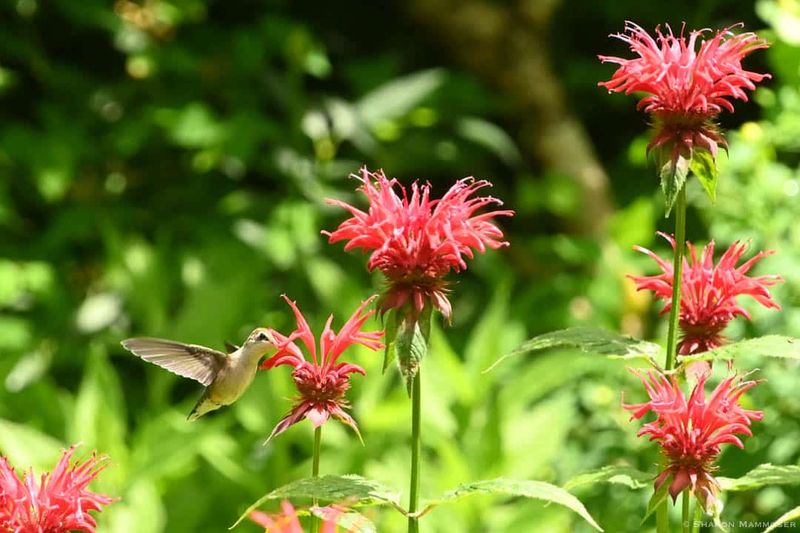
Bee balm looks like someone gave a flower a wild, spiky haircut, and hummingbirds absolutely adore it. Those tubular red and pink blooms are built for their long beaks, and native bees crowd in too.
Expect the show from mid to late summer, right when a lot of other flowers are looking tired. It does best in full sun to part shade and slowly spreads to fill in naturalized corners.
Fun bit of history: people have long brewed its leaves into a minty tea, which is why it also goes by the name wild bergamot’s cousin. Give it decent airflow and it will keep the pollinators coming back.
4. Black-Eyed Susan (Rudbeckia fulgida)
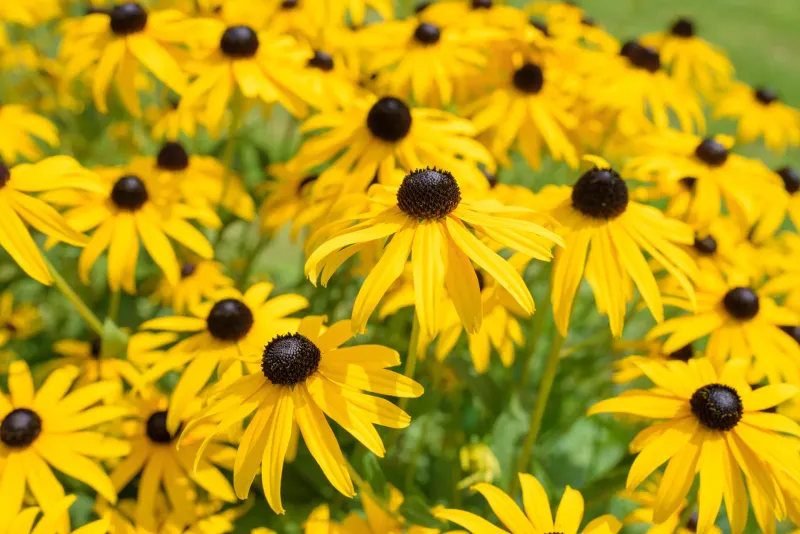
Cheerful is really the only word for a sweep of black-eyed Susans in July. Those golden-yellow petals ringing a dark chocolate button light up a border for weeks at a stretch.
Bees and butterflies work the blooms all summer, and once fall arrives the seed heads become a snack bar for songbirds. Plant them in a big group for the best splash of color.
Drought does not scare this one bit once it is established. It is the kind of reliable, no-drama plant that makes a new gardener feel like a pro.
5. Mountain Mint (Pycnanthemum muticum)
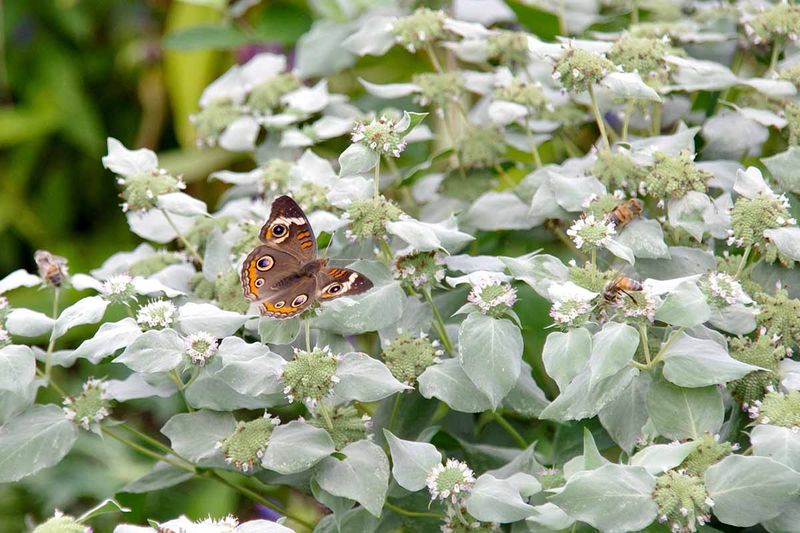
Watch a patch of mountain mint on a hot afternoon and you might be stunned by the traffic. Studies of pollinator plants routinely rank it near the very top for the sheer number of insect visitors it draws.
The frosty, silver-tipped leaves and clusters of tiny white flowers give it a cool, dusted look that stands out in the heat. Crush a leaf and you get that clean minty smell.
It handles our summers without complaint and spreads to form a tidy colony. If you care about feeding native bees and beneficial insects, few plants earn their spot faster.
6. Carolina Wild Petunia (Ruellia caroliniensis)
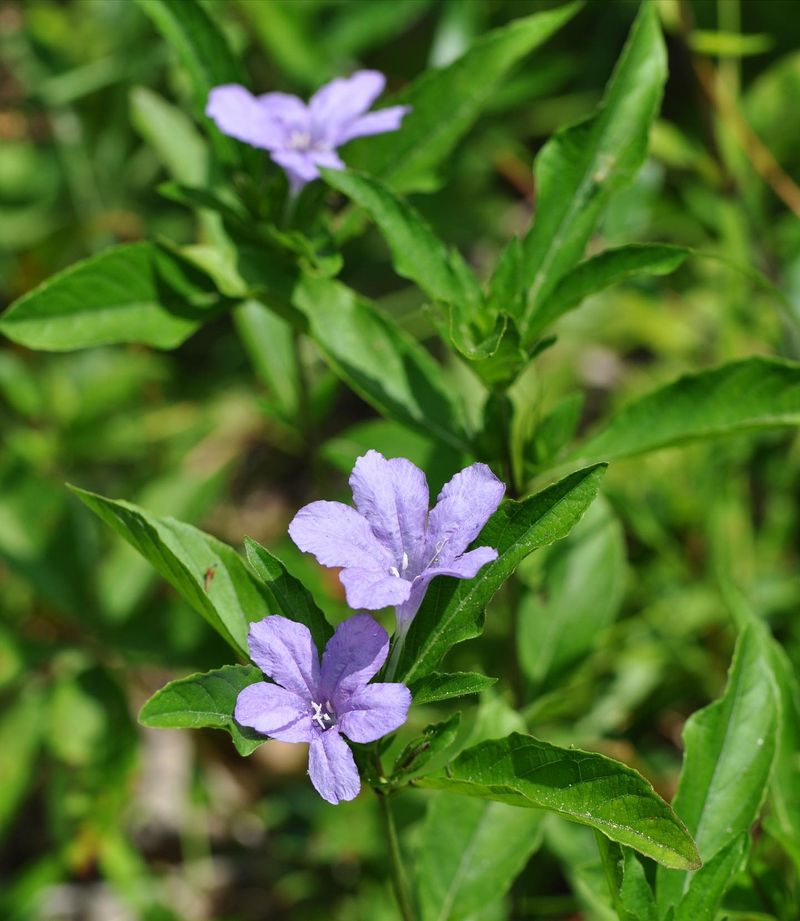
Do not let the delicate look fool you, because Carolina wild petunia is a quiet workhorse. Its soft lavender trumpets open fresh nearly every morning from June clear through September.
The flowers may only last a day each, but the plant keeps cranking out new ones, so the color never really stops. Butterflies stop by regularly for the nectar.
Low and unfussy, it slips easily into the front of a bed or a sunny gap between larger plants. It carries a long bloom season with almost zero effort on your part.
7. Blanket Flower (Gaillardia)
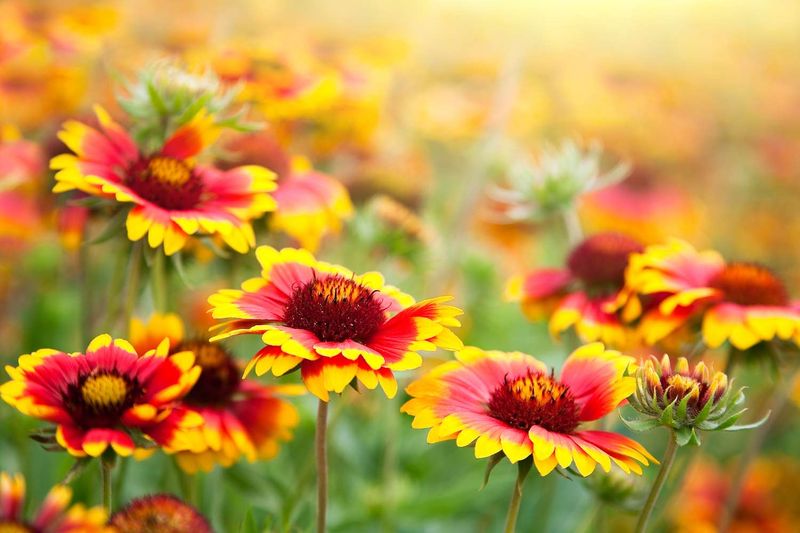
Blanket flower brings a sunset to your garden and keeps it burning from early summer well into fall. The daisy-like blooms swirl red, orange, and yellow together like a warm woven blanket, which is how it got the name.
Drought barely registers with this one, and deer tend to leave it alone, which is a rare and welcome combo. Butterflies and bees, on the other hand, cannot stay away.
Give it full sun and soil that drains well and it will hardly ask for another thing. For gardeners who want maximum color for minimum babysitting, it is hard to beat.
8. Rose Mallow (Hibiscus moscheutos)
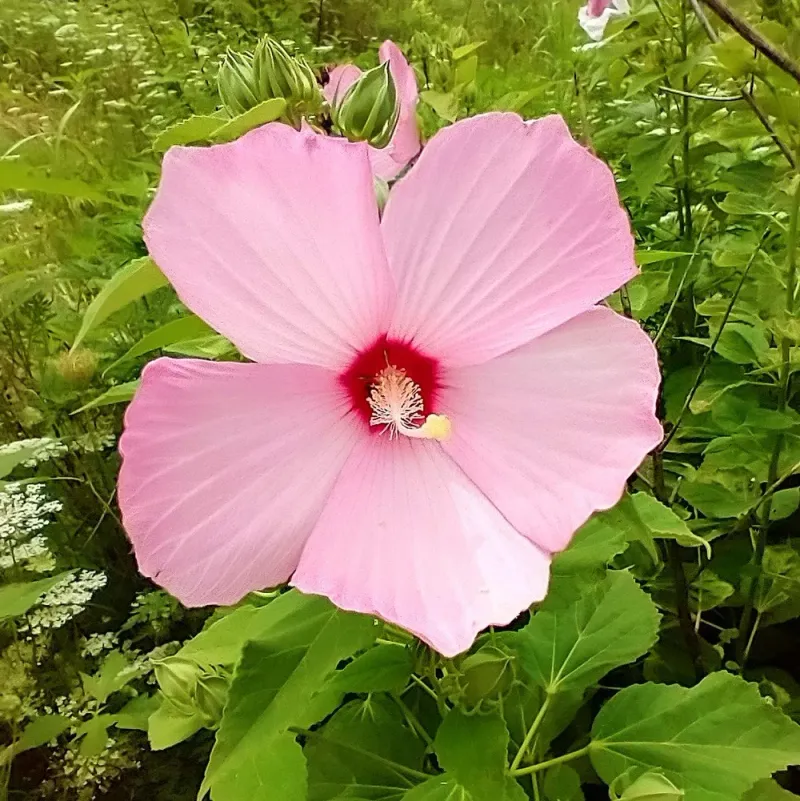
Some plants whisper and some plants roar, and rose mallow is definitely a roarer. Standing four to six feet tall with blooms the size of a dinner plate, it turns heads from across the street.
For folks in the wet, low spots of the coastal plain, this native hibiscus is a dream, thriving where other plants would drown. It shrugs off summer heat and keeps producing those giant flowers.
Pollinators dive right into the enormous blossoms, and the plant gives a big native payoff without a lot of work. If you have a soggy corner you have been fighting, this is your answer.
9. Coral Honeysuckle (Lonicera sempervirens)
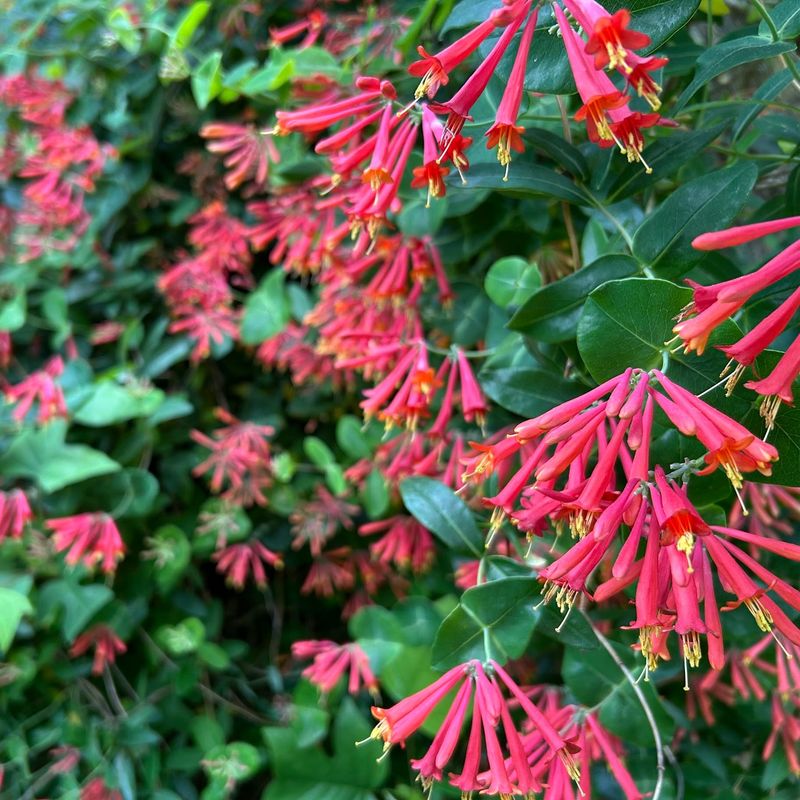
Here is a swap every NC steward should know: coral honeysuckle in place of the invasive Japanese honeysuckle that smothers our woods. This native vine has the beauty without the bad manners, staying far less aggressive.
Clusters of tubular coral-red blooms bring hummingbirds racing in, and the berries that follow feed birds and small mammals. You can train it up a trellis or let it ramble as a groundcover.
It keeps flowering through the summer and stays semi-evergreen in warmer parts of the state. Plant this instead of that runaway invader and your whole neighborhood ecosystem breathes a little easier.
10. Sweet Pepperbush / Summersweet (Clethra alnifolia)
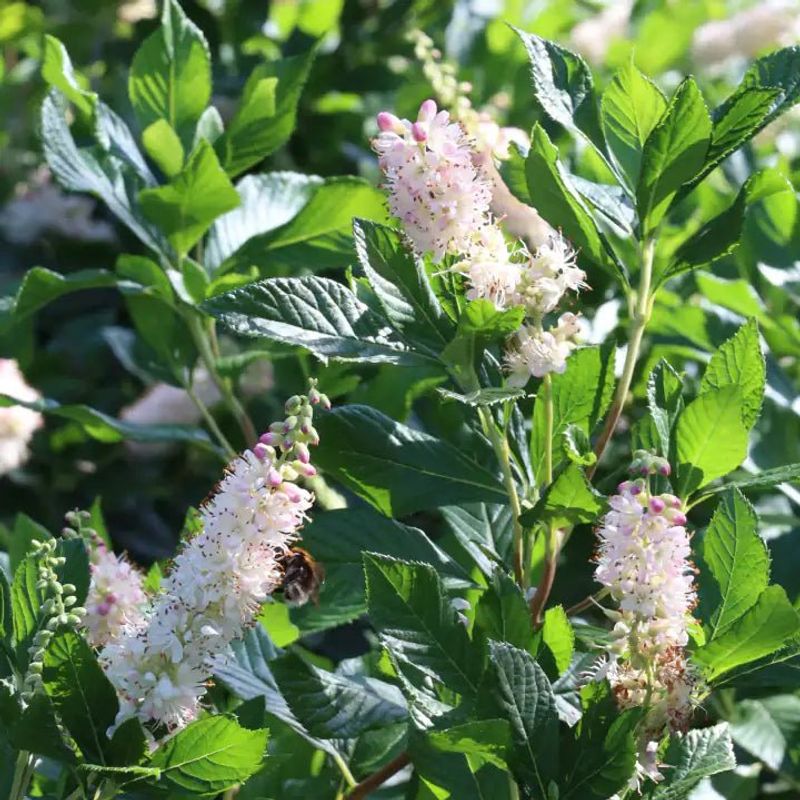
If you have been eyeing butterfly bush, please hear this: that plant is invasive in North Carolina, and summersweet does the same job better. This native shrub grows five to ten feet with fragrant white flower spikes that perfume the whole yard in summer.
The blooms are a magnet for hummingbirds, butterflies, bees, and all sorts of pollinators, and its seeds feed birds into fall and winter. There is even a pink ‘Ruby Spice’ cultivar if you want a softer color.
Low-maintenance, drought-tolerant, and deer-resistant, it asks almost nothing once settled. Swapping out a butterfly bush for this one is one of the kindest things you can do for the local food web.