
The North Carolina Native Plants That Fill Bare Dirt Along Your Driveway So You Never Mulch It Again
That strip of bare dirt along your driveway has a way of washing out, sprouting weeds, and eating up bag after bag of mulch every spring. The good news is that North Carolina already has plants built for exactly that tough, sunny, compacted spot.
Once they knit together, they hold the soil, crowd out weeds, and feed the bees, butterflies, box turtles, and goldfinches that make your yard feel alive. Here are nine natives that can turn your driveway edge into a living carpet you never have to mulch again.
1. Wild Strawberry (Fragaria virginiana)
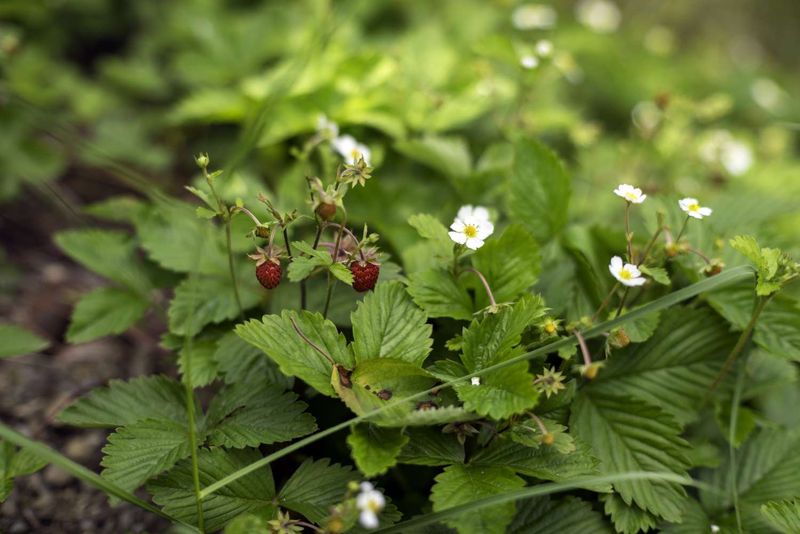
Picture an eastern box turtle strolling out of your flower bed in June, heading straight for a patch of tiny red berries by the driveway. Wild strawberry makes that scene happen.
It is one of the fastest native spreaders you can plant, sending out runners that root wherever they touch bare soil.
Full sun is its happy place, and it shrugs off light foot traffic, so it works right up against the concrete where car doors swing open. White spring flowers pull in early native bees, and the fruit feeds birds, chipmunks, and turtles all summer.
Here is the steward bonus: wild strawberry is a smart swap for English ivy or Japanese pachysandra, both invasive in NC. Plant plugs about 12 inches apart in spring or fall, water them through the first month, and expect solid coverage by the second season.
And if a box turtle shows up to snack, just let it be. It knows its home range better than we do.
2. Creeping Phlox (Phlox subulata)

Every April, certain driveways across North Carolina practically glow pink and purple. That is creeping phlox doing its thing.
Beyond the spring show, it earns its spot with toughness. The needle-like evergreen foliage forms dense mats that leave weeds almost no room to sprout, even in hot, dry, sloped ground.
It also handles salt, which makes it a solid pick for Coastal Plain homes and for driveway edges that catch winter road salt.
Give it lean, well-drained soil and at least six hours of sun. Skip rich compost, since too much fertility makes it floppy.
Early butterflies and bee flies visit the blooms when little else is open, so you are feeding pollinators at a hungry time of year.
3. Green-and-Gold (Chrysogonum virginianum)
Ask a native plant nursery owner in Raleigh for their favorite driveway plant, and green-and-gold comes up again and again. Few natives bloom this long.
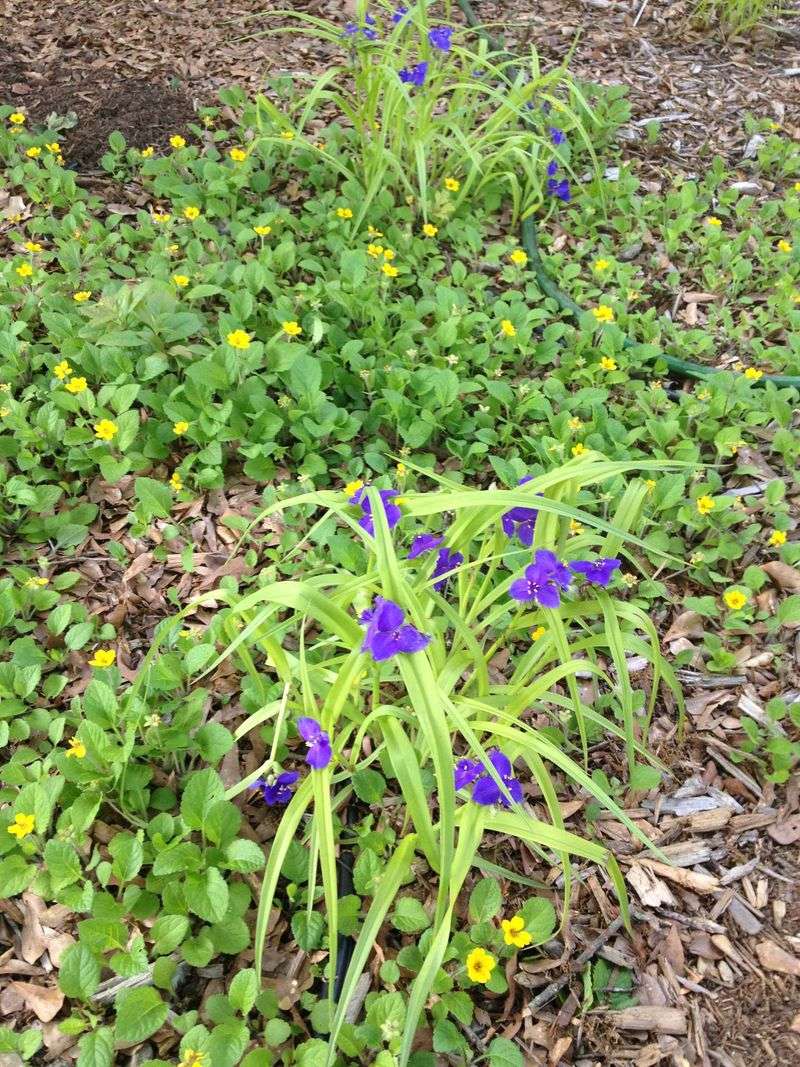
Cheery yellow stars can pop up from spring well into summer, with scattered flowers in fall.
It sits in a sweet spot most groundcovers miss: part sun to part shade in average or dry soil. That covers the driveway section that passes under a big oak or beside the garage.
Deer usually leave it alone, a real relief for suburban gardeners. The evergreen leaves keep the soil covered through winter, so rain has nothing loose to wash onto your pavement.
It grows naturally in the mountains, Piedmont, and coast, so nearly every NC homeowner can use it.
4. Dwarf Lobed Tickseed (Coreopsis auriculata ‘Nana’)
Don’t let the name spook you. Tickseed gets its label from seeds that look like little ticks, not from attracting them.
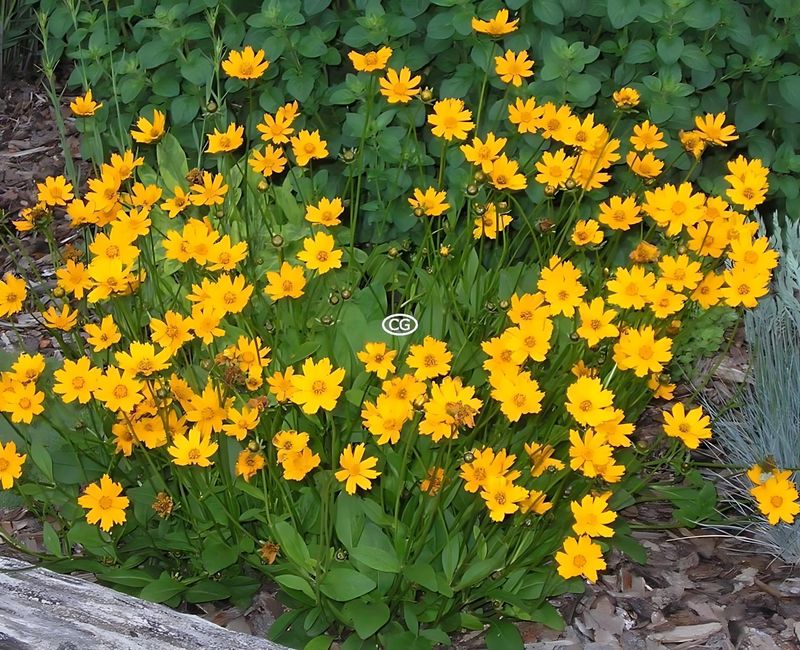
The dwarf form stays just a few inches tall and spreads into a thick, tidy mat topped with golden-orange daisies in spring. It thrives in full sun and average to dry soil in every region of the state, which is rare.
The low, tight growth also avoids the tall, shaggy cover ticks prefer, so a trim border like this may help reduce tick hangouts near the spots where your family walks.
Deadhead the first wave of flowers and you may get a second round. Native bees and small butterflies love the blooms, and leftover seed heads can feed finches later in the season.
5. Pussytoes (Antennaria plantaginifolia)
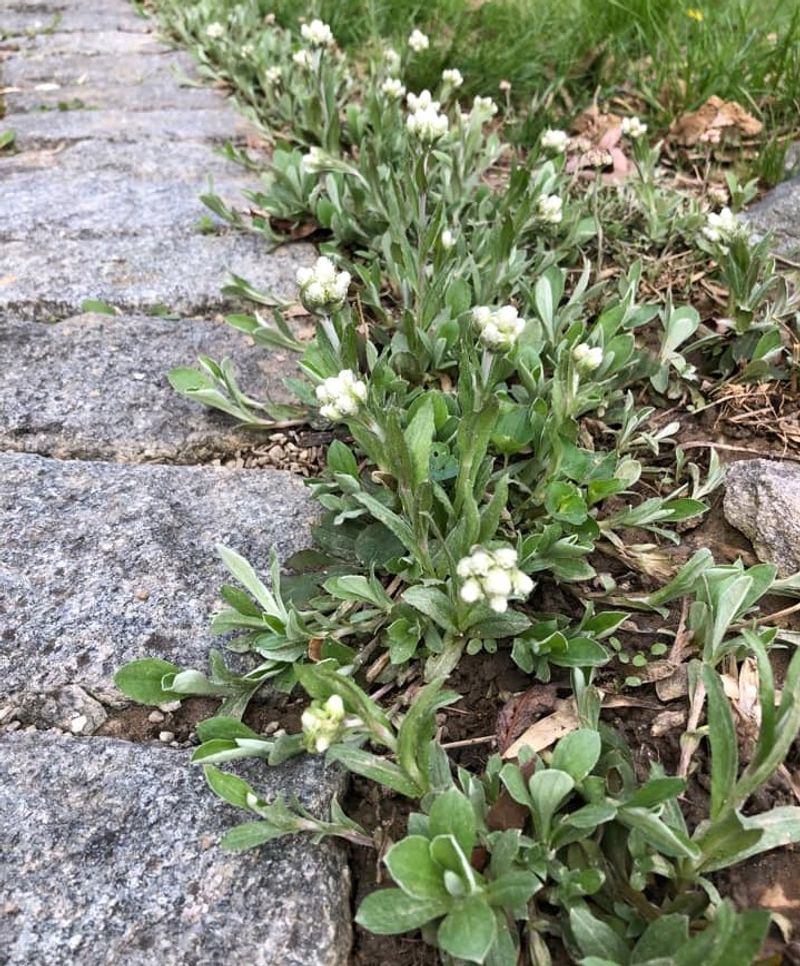
Some plants want pampering. Pussytoes wants to be left alone in the worst dirt you have.
Thin, rocky, or sandy soil suits it perfectly, which is exactly what builders tend to leave behind along driveways. Silvery rosettes creep outward on runners, and in spring fuzzy white flower clusters rise up looking like, well, tiny cat paws.
Here is a fun fact to share with the kids: pussytoes is a host plant for the American lady butterfly. If you spot small caterpillars in silky leaf tents, celebrate rather than spray.
Keep this one in sunny spots with good drainage, and never feed it. Rich soil only invites taller weeds to muscle in.
6. Pennsylvania Sedge (Carex pensylvanica)
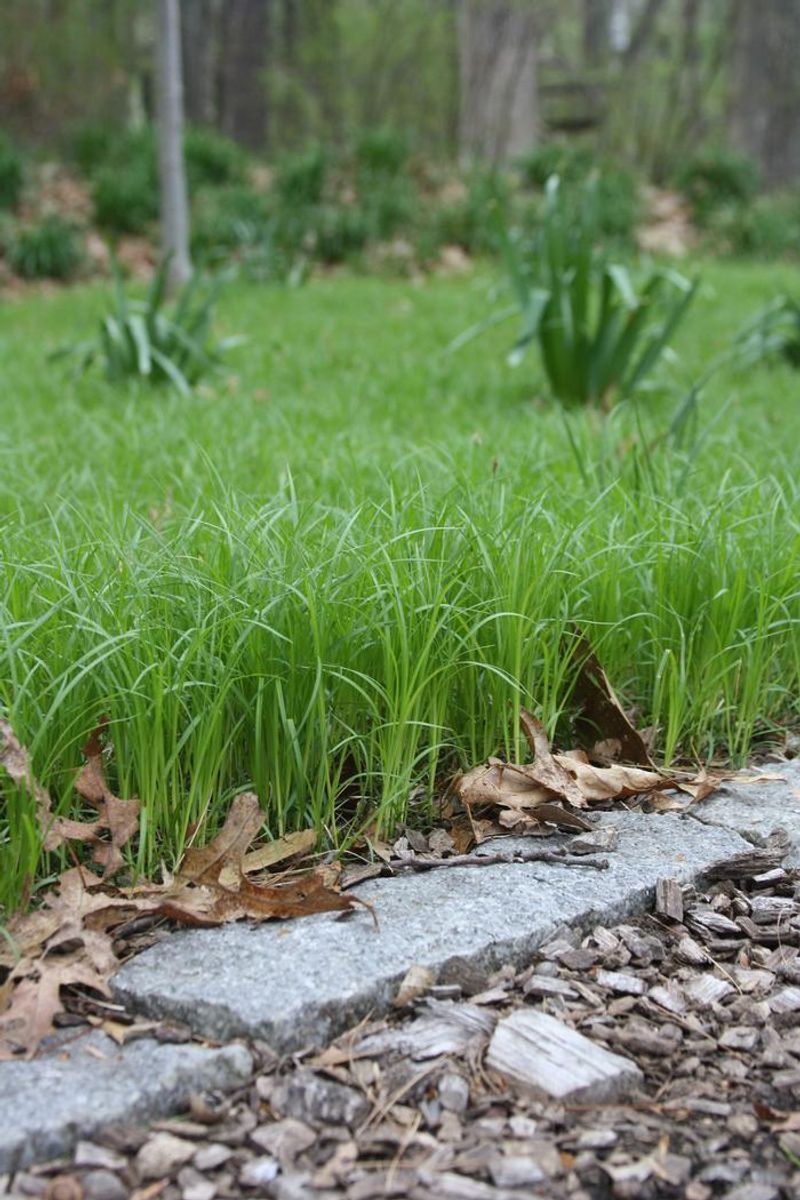
If rain keeps carving little gullies along your driveway, this is your fix.
Pennsylvania sedge looks like soft, fine grass that never needs mowing. Beneath the surface, a mesh of fibrous roots grips the soil and holds slopes in place during summer thunderstorms.
It handles shade well and tolerates some sun, making it flexible for mixed-light driveways.
You can leave it shaggy and natural or trim it once in late winter to freshen it up. Plant plugs close, about 8 to 10 inches apart, for faster fill.
It also shelters ground-dwelling insects that firefly larvae and songbirds depend on, so your erosion control doubles as habitat.
7. Little Bluestem (Schizachyrium scoparium)
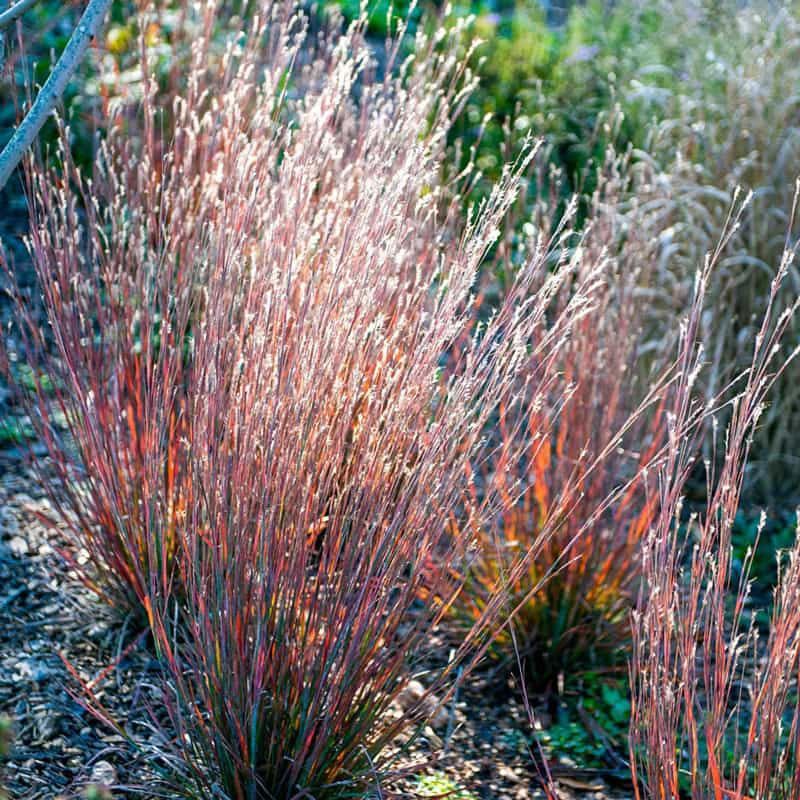
Most groundcovers disappear from view in winter. Little bluestem steals the show.
From summer’s blue-green blades to fall’s copper and rust tones, this native bunchgrass gives your driveway color twelve months a year. It laughs at heat, drought, and reflected sun off pavement once roots settle in, and those deep roots anchor banks and slopes.
Plant it as a backdrop behind lower groundcovers like phlox or strawberry to cover wide bare strips. Several skipper butterflies use it as a host plant, and sparrows pick at its seeds in winter.
Cut it back in late February, not fall, so overwintering insects have shelter.
8. Allegheny Spurge (Pachysandra procumbens)
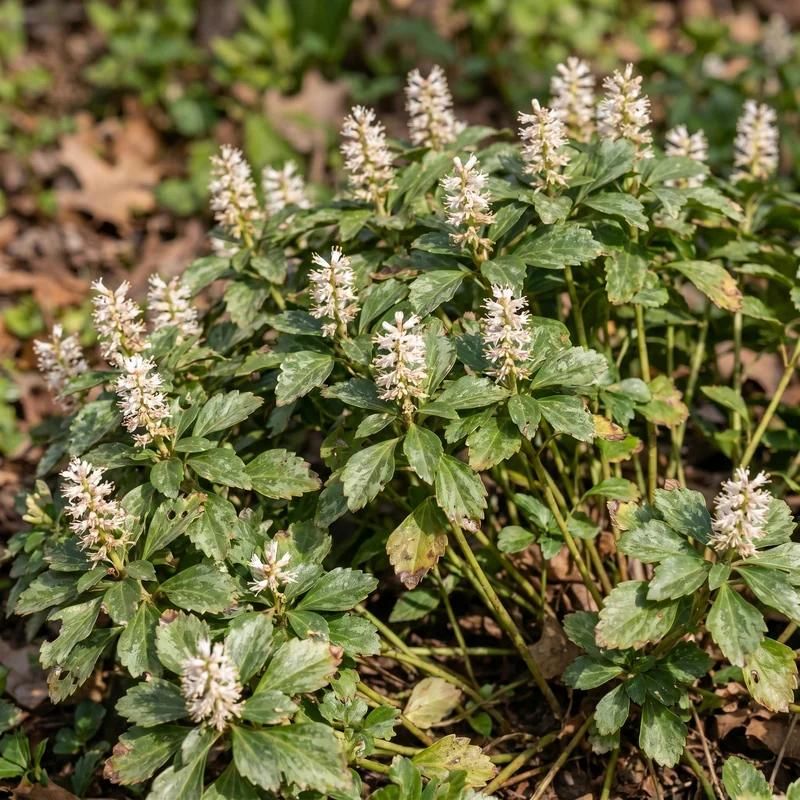
Plenty of North Carolina yards still have Japanese pachysandra or English ivy smothering shady driveway strips. Allegheny spurge is the native answer.
It spreads slowly through underground rhizomes into a dense carpet of mottled, silvery leaves. Dense shade doesn’t bother it, and it copes with dry spells once established.
Early spring brings fuzzy, fragrant white flower spikes that early native bees seek out.
The trade-off is patience, since it takes a few years to fill in. Pull out the invasive ivy first, bag it rather than composting, then plant spurge in its place.
Your trees and wildlife will be better for it.
9. Woodland Stonecrop (Sedum ternatum)
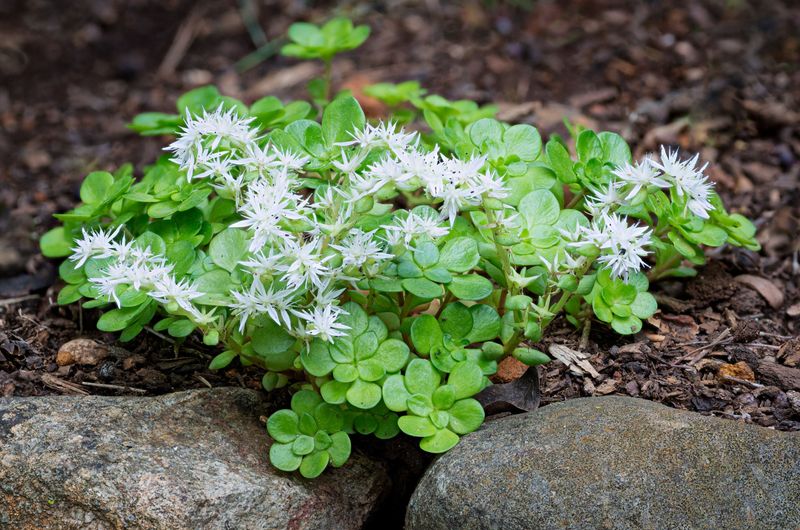
Cracks between pavers, gravelly corners, that sliver of soil next to the mailbox post. Woodland stonecrop moves right into those forgotten spaces.
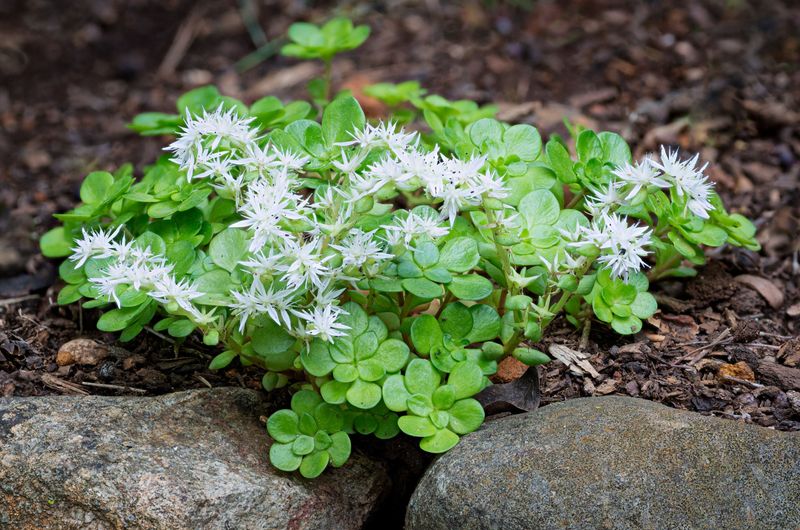
This little native succulent forms low, tidy mats of round leaves and covers itself in white star-shaped flowers in spring. It thrives in thin, poor soil around rocks and handles part to full shade better than most sedums.
Snip a few stems and press them into bare soil; they often root on their own. It is an easy, cheap way to finish off the odd spots your other groundcovers can’t reach, completing a driveway border with zero mulch required.