
The North Carolina Native Plants Tick-Free Yards Quietly Line Their Borders With Every Summer
Ticks love shady, damp corners along the edges of North Carolina yards, but the right native plants can quietly push them back. Many local plants smell too strong for deer and rabbits, which means fewer tick-carrying visitors sneaking onto your lawn.
Some even carry natural compounds that bugs simply avoid. Here are the North Carolina natives smart homeowners plant along their borders every summer, plus the yard tricks that make them work even better.
1. Narrow-leaf Mountain Mint (Pycnanthemum tenuifolium)
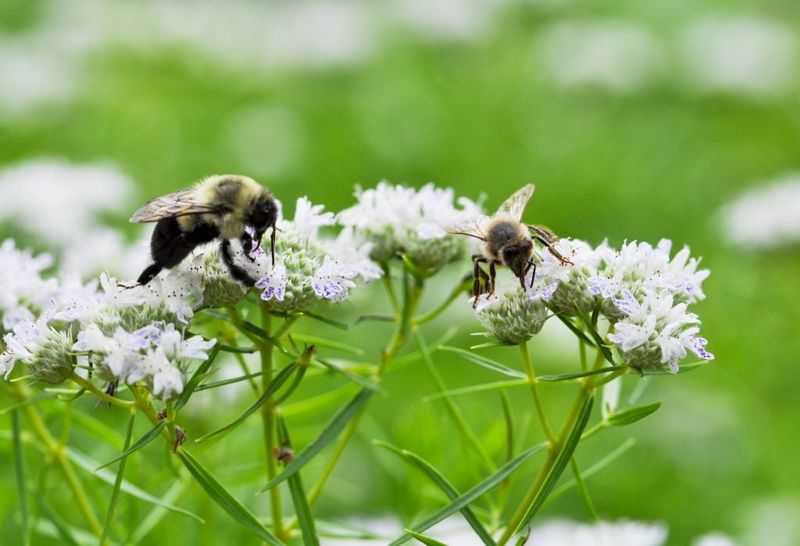
Rub a leaf of mountain mint between your fingers and you get a sharp, thyme-like scent that deer want nothing to do with. That strong aroma is exactly why it earns a front-row spot along yard borders across North Carolina.
Fewer deer wandering through means fewer ticks hitching a ride onto your property. Meanwhile, the tiny summer flowers pull in bees, wasps, and butterflies by the dozen, turning a defensive border into a pollinator party.
Here is a fun bit: North Carolina is home to 13 of the 20 known mountain mint species, and this narrow-leaf version handles the Piedmont, Coastal Plain, and mountains equally well. Give it sun and average soil, and it spreads into a tidy, aromatic hedge that asks for almost nothing in return.
2. Wild Bergamot / Bee Balm (Monarda fistulosa)
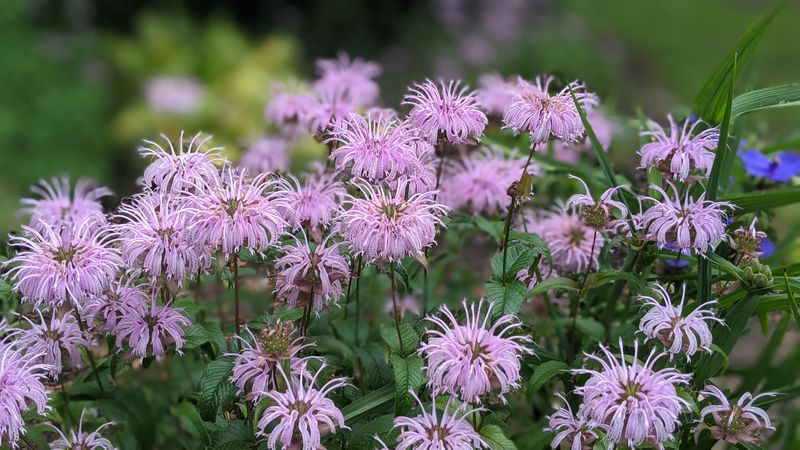
Those shaggy, almost fireworks-shaped blooms are hard to miss, and hummingbirds agree. Wild bergamot lights up a border while doing serious work behind the scenes.
The leaves contain thymol, a natural compound found in many insect repellents, and the minty smell tells deer and rabbits to keep moving. Monarda fistulosa handles drier spots statewide, while its cousin Scarlet Beebalm (Monarda didyma) prefers the cooler NC mountains.
Plant it where it gets sun and decent airflow to keep mildew away. You end up with a border that repels the browsers who bring ticks and feeds the pollinators you actually want hanging around all summer long.
3. American Beautyberry (Callicarpa americana)
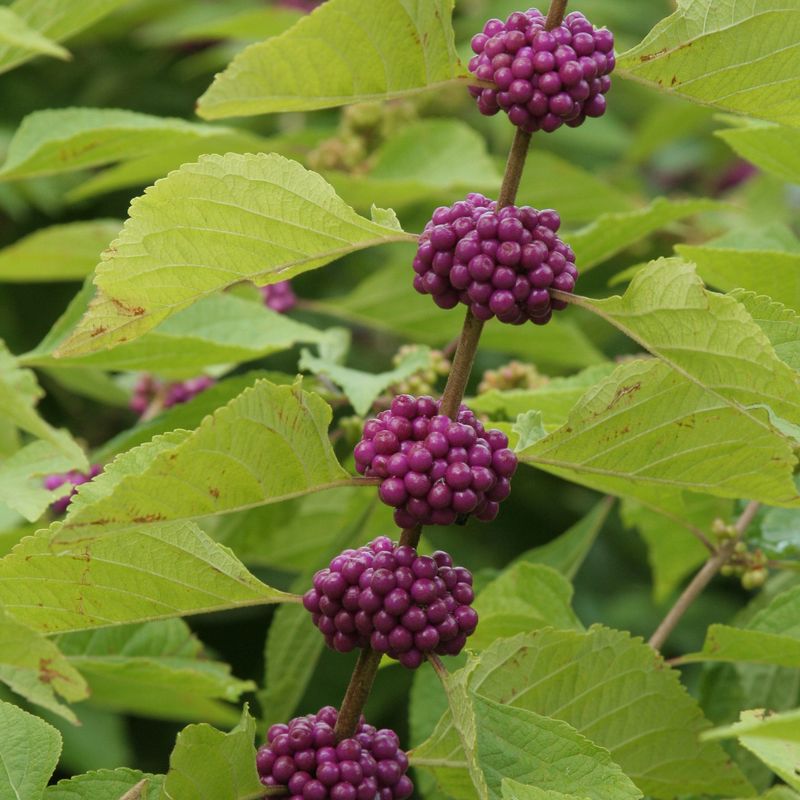
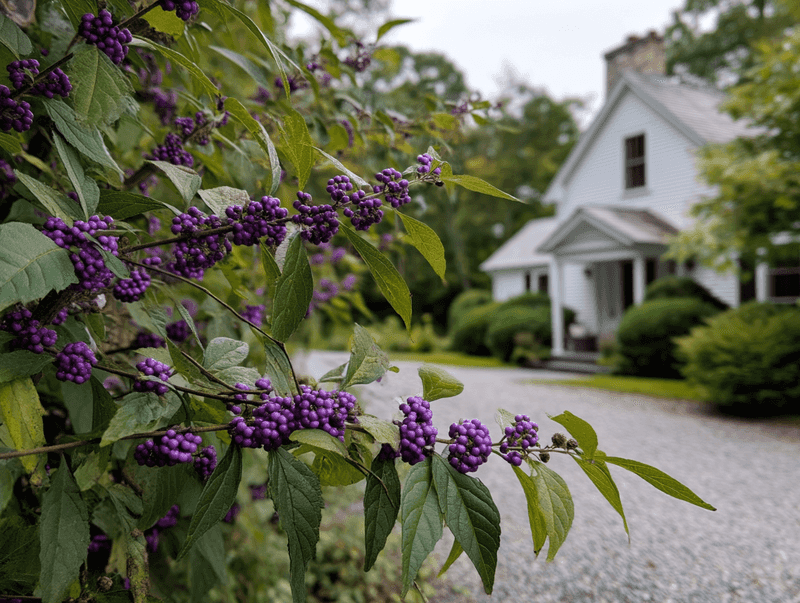
Folks in the rural South have crushed beautyberry leaves and rubbed them on their skin as a bug shield for generations, and researchers later found real compounds in those leaves that push back mosquitoes and ticks.
Come fall, the stems glow with clusters of electric-purple berries that songbirds devour, so the shrub feeds wildlife while quietly deterring pests. Small spring flowers keep pollinators interested earlier in the season, too.
Drought-tough and pest-resistant, this understory shrub is a natural pick for a shady-to-partly-sunny border where you want beauty and protection in one plant. It also makes a fantastic native swap for tick-friendly invasives you might be pulling out this year.
4. Scarlet Sage (Salvia coccinea)
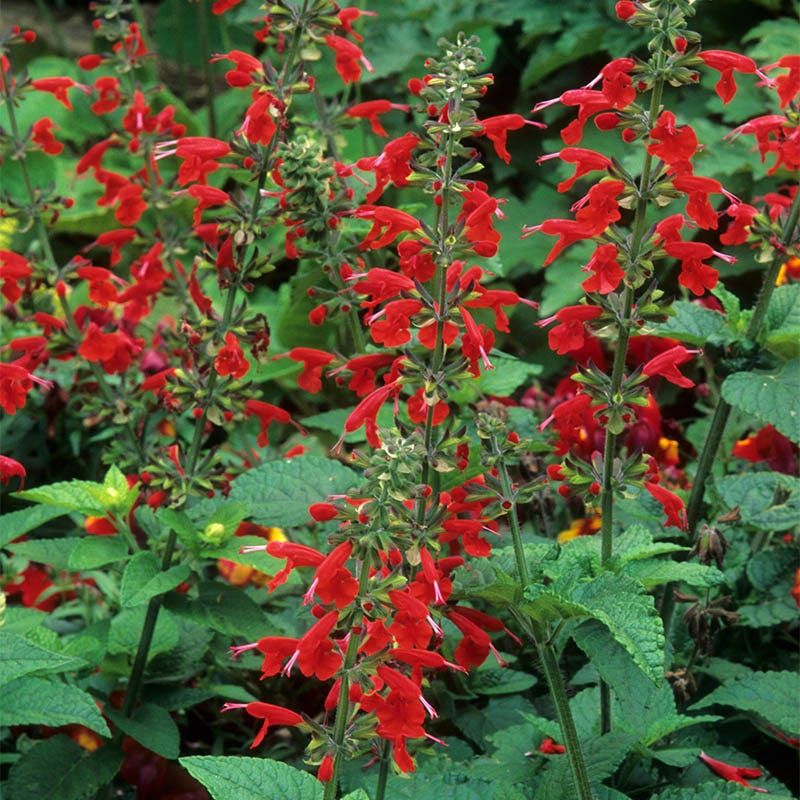
If your border faces the coast and bakes in the sun, scarlet sage was practically made for it. The bright red spikes act like a magnet for hummingbirds and butterflies all warm season.
Ticks generally steer clear of hot, dry, sunny spots, so a stretch of scarlet sage does double duty: it thrives exactly where ticks don’t, and it fills the space with color instead of shady, damp cover.
Coastal North Carolina gardeners love how forgiving it is through heat and humidity. Line a sun-drenched edge with it and you get a lively, pollinator-packed border that happens to sit in the least tick-friendly part of the yard.
5. Dwarf Palmetto (Sabal minor)
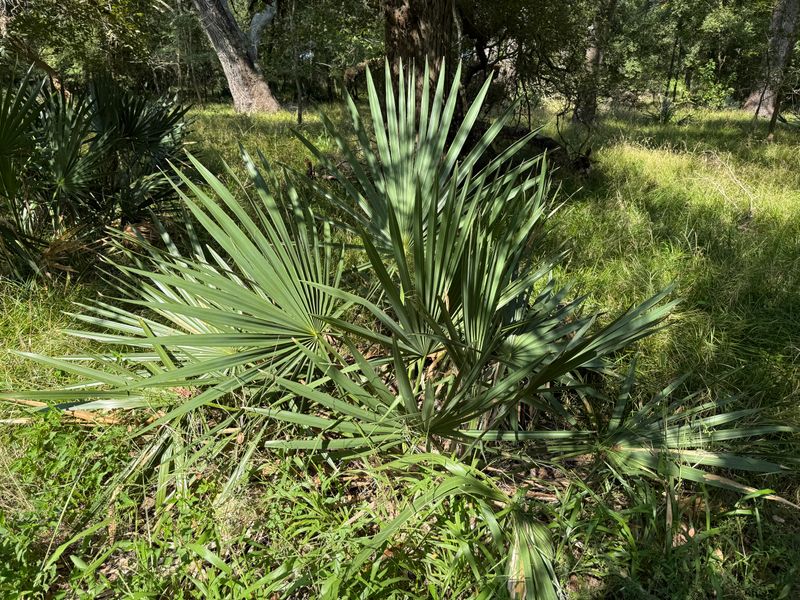
Sturdy fan-shaped fronds give the dwarf palmetto a tropical look that fits right into coastal North Carolina yards. Deer and pests tend to leave it alone, which is exactly what you want in a border plant.
In May and June it sends up stalks of fragrant white flowers, adding a soft scent to an otherwise tough, no-nonsense plant. It can climb toward ten feet tall in the right conditions, giving your border real structure.
Because deer skip it, this palmetto helps cut down on the browsing traffic that drops ticks near your lawn. It is a durable, low-fuss anchor for coastal borders that need something both handsome and protective.
6. Swap Out Japanese Barberry for a Native Border
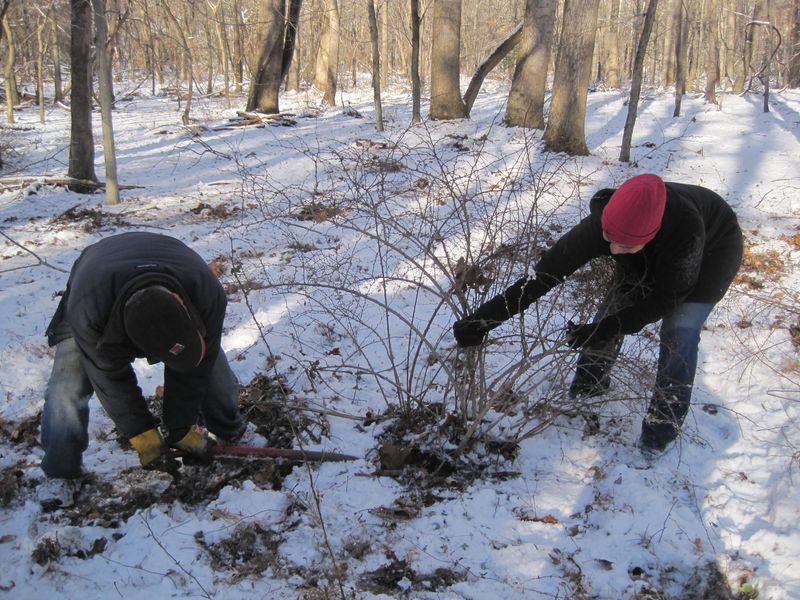
Here is the one to act on right away: Japanese Barberry (Berberis thunbergii) is an invasive that creates dense, humid thickets, and studies link those thickets to noticeably higher tick numbers. If it is lining your border, it may be working against you every single day.
Pull it out and replace it with American beautyberry, mountain mint, or bee balm. You erase a tick-friendly habitat and gain a deer-resistant, wildlife-supporting border in the same stretch of ground.
Make the swap this fall during North Carolina’s prime native-planting window. Naming the invasive and choosing a specific native replacement is one of the most powerful moves a backyard steward can make for a tick-safer yard.
7. A Dry, Open Border Barrier Around the Edges
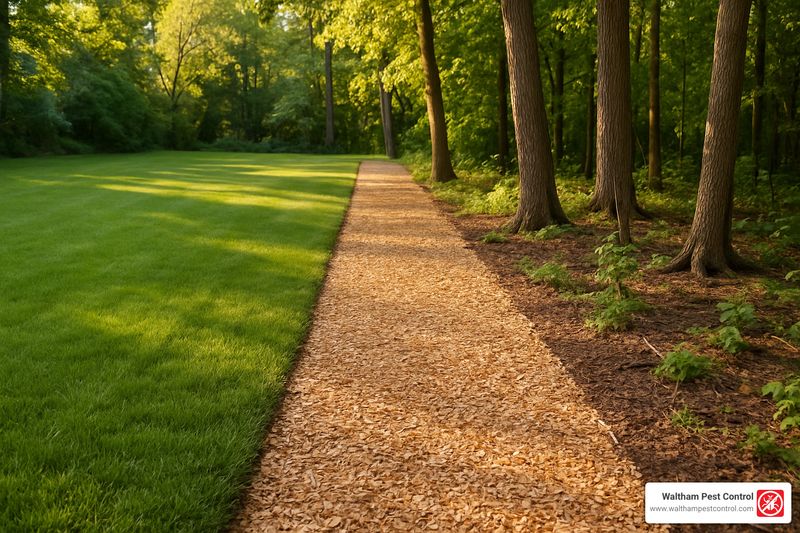
Plants do a lot, but the layout of your border edge matters just as much. Ticks crave shade and high humidity, so a bright, dry buffer can stop them at the property line before they ever reach the kids’ play space.
Lay a 3-foot-wide strip of wood chips, mulch, or gravel between your lawn and any wooded area. Keep grass mowed to 3 inches or less, rake up leaf litter, clear tall weeds, and prune low branches to let sunlight pour in.
Push woodpiles, bird feeders, and play equipment away from the tree line and into sunny, dry spots, and clean up spilled seed that draws tick-hosting rodents. Pair these habits with your native border plants, and the ticks find your yard far less welcoming all summer.