
The North Carolina Native Shrub That Feeds Butterflies And Their Caterpillars Right Outside Your Window
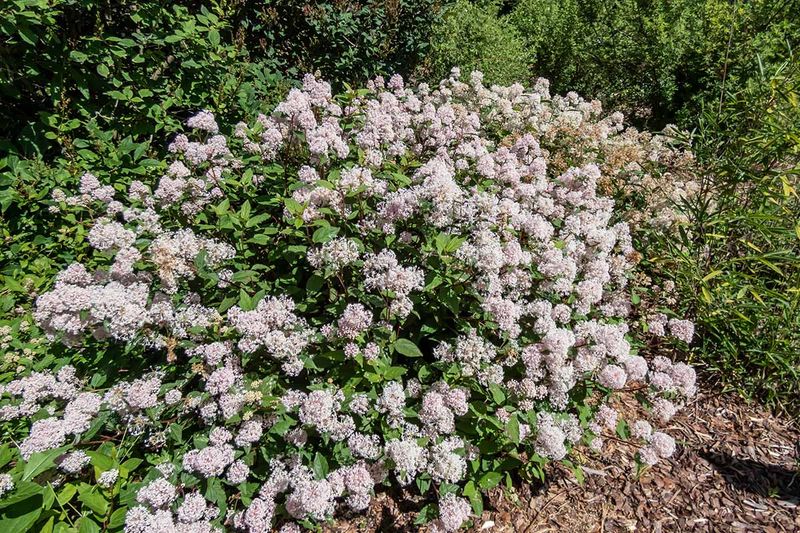
A small native shrub may be the missing piece in your North Carolina yard. New Jersey tea offers flowers for visiting butterflies and leaves that certain caterpillars can eat.
It will not guarantee a butterfly parade, but it gives local wildlife something real to work with. Here is how to give it a try.
New Jersey tea brings a native shrub into view
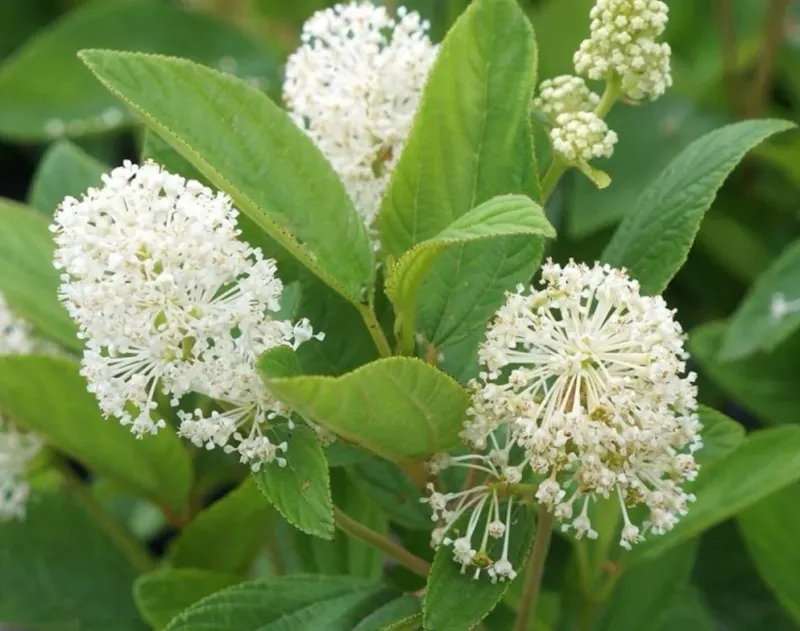
Some of the most useful plants in a yard are not the showiest. New Jersey tea (Ceanothus americanus) is a good example.
NC State’s Plant Toolbox describes it as a compact deciduous shrub that is native throughout North Carolina, usually about 3 feet tall and 5 feet wide.
In early summer it produces fragrant, creamy-white flower clusters that stand out against its tidy green leaves. Because it stays low and rounded, it fits comfortably in a typical residential yard.
You can tuck it into a sunny border, along a walkway, or near a window where you can watch it from inside.
The real appeal is what the plant can do for wildlife. NC State Extension lists it both as a nectar source for adult butterflies and as a larval host plant, meaning certain caterpillars can feed on it.
Those are two separate jobs, and we will look at each one in the sections ahead.
Let’s be honest about the limits from the start. One shrub cannot promise a steady stream of butterflies or a yard full of caterpillars.
What it can do is offer a seasonal opportunity, and for a steward who likes to see the food web working right outside the window, that is a meaningful place to begin. Planting a native like this also means you are choosing a plant that belongs here instead of one that may cause trouble down the road.
Think of it as setting a small table. Whether guests arrive depends on the season, your neighborhood, and a bit of luck.
But a table that is set has a far better chance of being used than an empty one.
Nectar and host plants serve different needs
Butterflies live two very different lives. As adults, they sip nectar from flowers for energy.
As caterpillars, they chew leaves and other plant parts, and that is where host plants come in.
A nectar plant is a fuel station. Many kinds of butterflies may stop at the same flowers, so nectar plants tend to be open to lots of visitors.
A host plant is a nursery and a pantry in one. A female butterfly lays eggs on it, and the caterpillars that hatch can eat it, but each butterfly species is picky about which plants it will use.
New Jersey tea can fill both roles. According to NC State Extension, it serves as a nectar source for adult butterflies and as a larval host plant.
That makes it a handy two-in-one choice for a small yard.
The host side is the part that deserves careful wording. New Jersey tea is not a universal caterpillar food.
Only certain species are known to use it, so seeing a butterfly sip from its flowers does not mean eggs will follow. In its fact sheet, the USDA documents summer azure and mottled duskywing caterpillars feeding on the plant’s flowers, flower buds, and fruit.
So when you picture butterflies and caterpillars on this shrub, picture a specific cast of characters, not every butterfly in the neighborhood. That small bit of realism makes each sighting feel earned when it does happen.
Some named caterpillars may use New Jersey tea
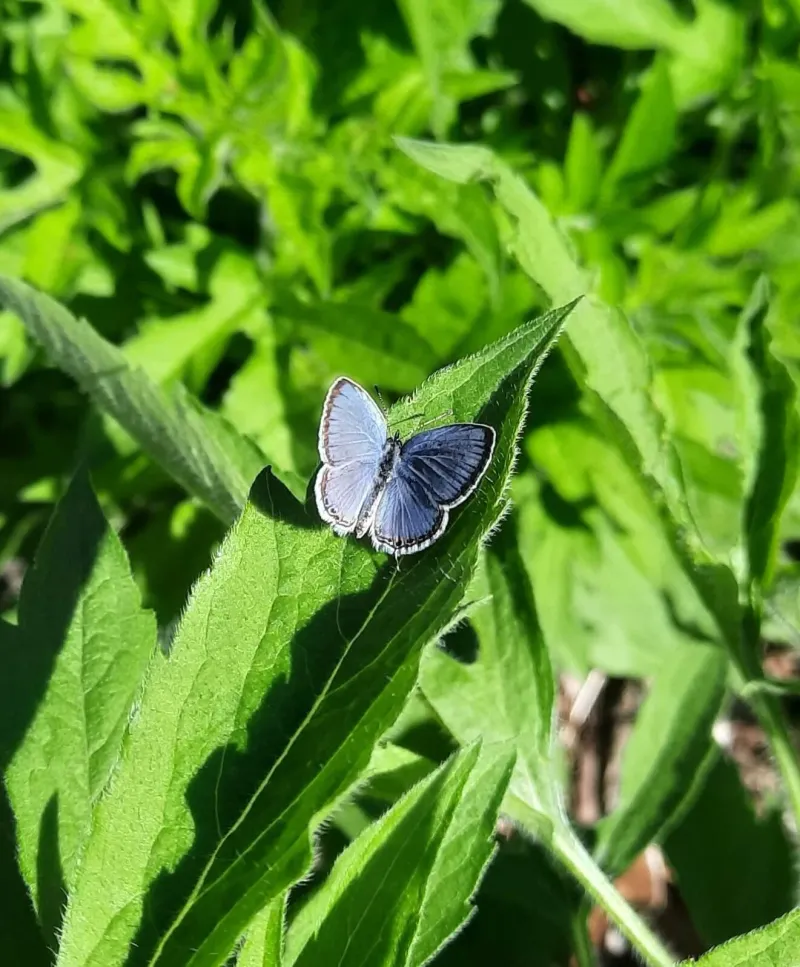
Which caterpillars are we talking about? NC State’s plant profile names three: the mottled duskywing, the spring azure, and the summer azure.
The duskywing is a small, brownish skipper, while the azures are tiny butterflies with blue-toned wings.
Here is a detail worth knowing before you go looking. The NC State sources do not all list the same species.
The backyard guide’s host-plant table, in Butterflies in Your Backyard, specifically lists the mottled duskywing for this shrub. So the duskywing shows up in both places, while the two azures appear in the plant profile.
The takeaway is that host use is species-specific. New Jersey tea supports particular caterpillars, not butterflies in general.
If you spot a small, well-camouflaged caterpillar on the leaves or flower buds, a close-up photo can help you or a local naturalist work out who it is.
One name you should not expect is the monarch. As N.C.
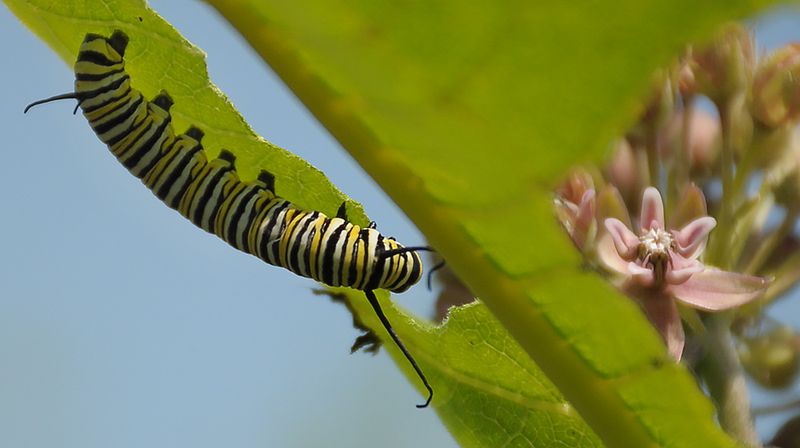
Cooperative Extension explains, monarch caterpillars feed exclusively on milkweed. A monarch might sip nectar from a blooming shrub, but it will not lay eggs on New Jersey tea for its young to eat.
If monarchs are your goal, pair this shrub with a native milkweed.
The butterfly payoff comes in a short seasonal window
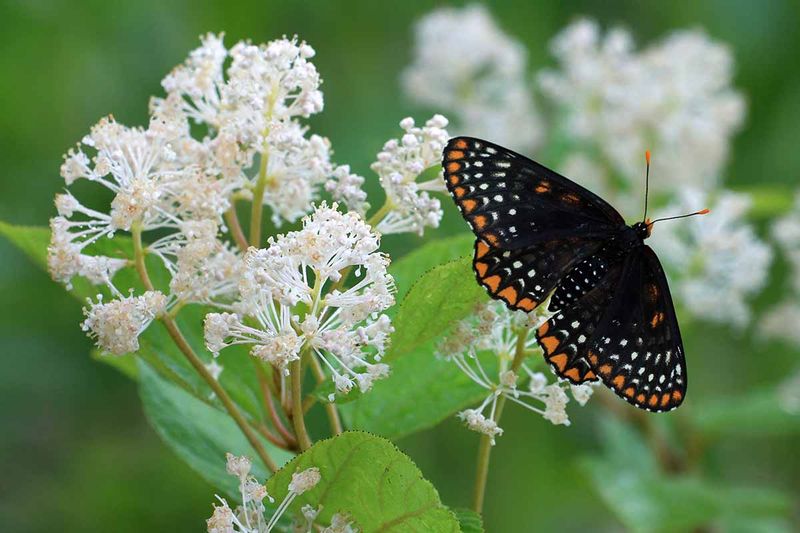
Mark your calendar for late spring. NC State’s Plant Toolbox and its butterfly guidance list bloom time as May through June.
The USDA fact sheet describes roughly a month of early-summer flowering.
That means the nectar show is seasonal, not year-round. For the rest of the year the shrub is still a native plant with leaves that caterpillars may use, but the flowers are not there to draw adult visitors.
Go out in the morning on a sunny day during bloom, and take a slow walk past the shrub.
Will butterflies come? They might.
Will you find a caterpillar? Possibly.
Neither is guaranteed. NC State Extension encourages gardeners to choose plants that suit their site and to build varied habitat, partly because a single plant may not attract butterflies the way you expect.
A practical way to handle the uncertainty is to keep a simple notebook by the window. Jot down the date, the weather, and anything that visits.
Over a few seasons you will learn how your own yard behaves, and small patterns, like which afternoon hours are busiest, become part of the fun.
Choose a well-drained spot with room to spread
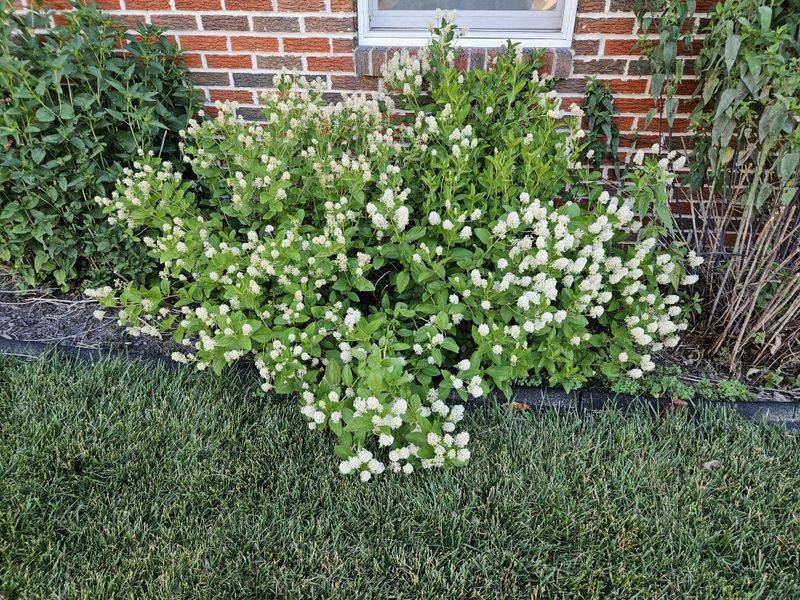
Getting the site right matters more than almost anything else. According to NC State’s Plant Toolbox, New Jersey tea grows best in full sun to partial shade and in well-drained soil.
A spot that gets generous light for much of the day is a smart starting point.
The shrub does well in sandy-loam or rocky soils, which makes it a nice fit for lean spots where fussier plants struggle. Once established, it is drought tolerant, so it will not demand constant watering through a hot North Carolina summer.
Wet soil is the danger. Soggy ground can cause root rot, so skip low corners where water pools after storms.
After a heavy rain, walk your yard and see where puddles linger. Those places are poor candidates, while a gentle slope or a raised bed may drain better.
Also think about size. The shrub typically reaches about 3 feet tall and 5 feet wide, so it needs elbow room.
Measure out a circle about 5 feet across and picture the mature plant filling it. Keep that space clear of walkways, faucets, and neighboring plants that might crowd it.
If you want to watch the action, choose a spot visible from a window or patio. A well-placed shrub gets noticed, and that makes it easier to catch the brief moments when visitors arrive.
Settle on the location before planting
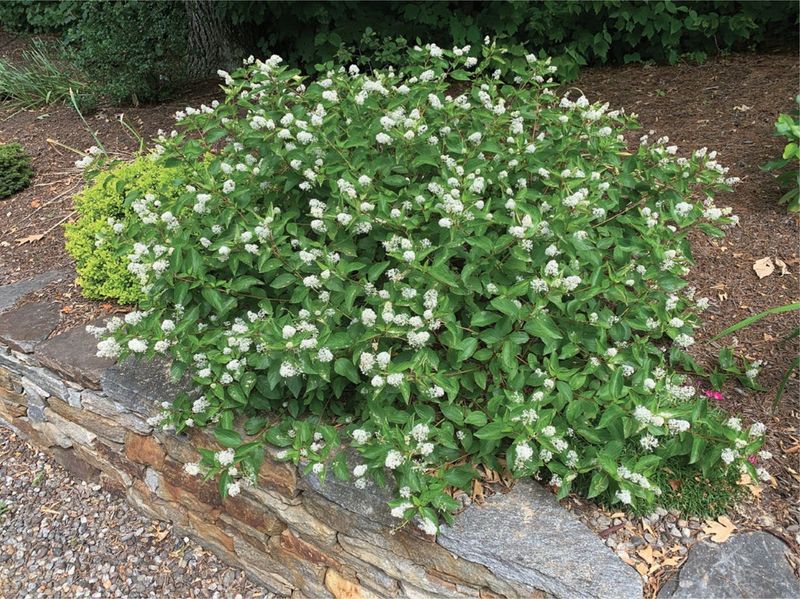
Plan carefully, because there are no second chances here. NC State’s Plant Toolbox notes that New Jersey tea has a deep root system and is difficult to transplant.
Once it settles in, treat it as a permanent resident.
That is why the decision comes first. Stake a flag or set a garden hose in the spot you have in mind and live with it for a week.
Check the light in morning and afternoon, notice whether water collects there, and confirm that you are happy to see it every day.
When you are ready to buy, look for nursery-grown stock. Digging plants from the wild is not the right way to get this shrub, and the deep roots make that approach unlikely to succeed anyway.
A local native plant nursery can help you find healthy plants and may carry other natives that pair well with it.
The sources behind this article do not give step-by-step planting directions, so follow the instructions that come with your nursery plant or ask the nursery staff. Choosing the right spot and starting with responsibly grown stock gives your shrub a good beginning.
One shrub can start a fuller butterfly habitat
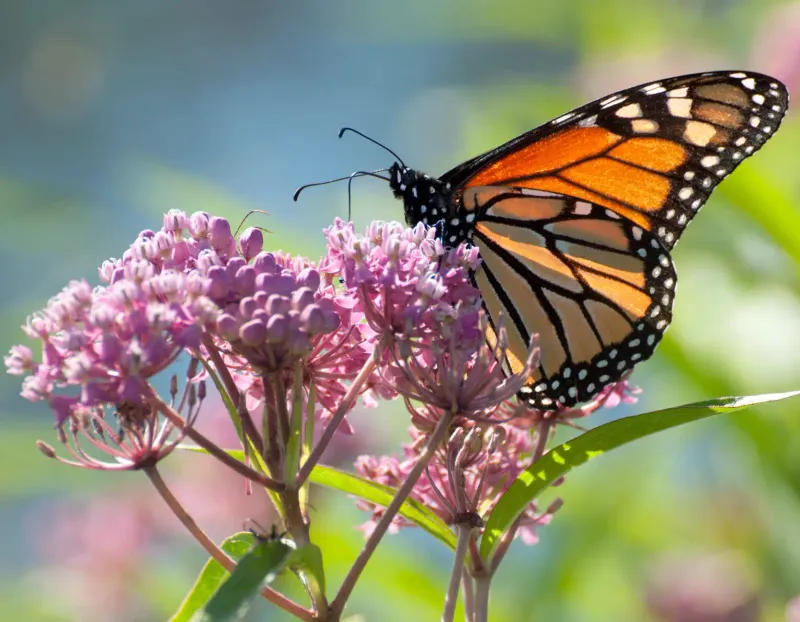
Plant New Jersey tea where its needs are met, then build around it. NC State Extension points to a fuller habitat with multiple host plants, nectar sources across the growing season, and shelter.
Milkweed for monarchs and later-blooming natives would fill gaps that this shrub leaves.
The same NC State guidance on hummingbirds and butterflies can help you choose companions. New Jersey tea is a real contribution, but not a complete butterfly garden.
Even a small azure on a leaf is a quiet reward for a yard set up with care.