
The Old Fashioned Flowers Grandma Grew Along North Carolina Fences Are Coming Back For Good Reason
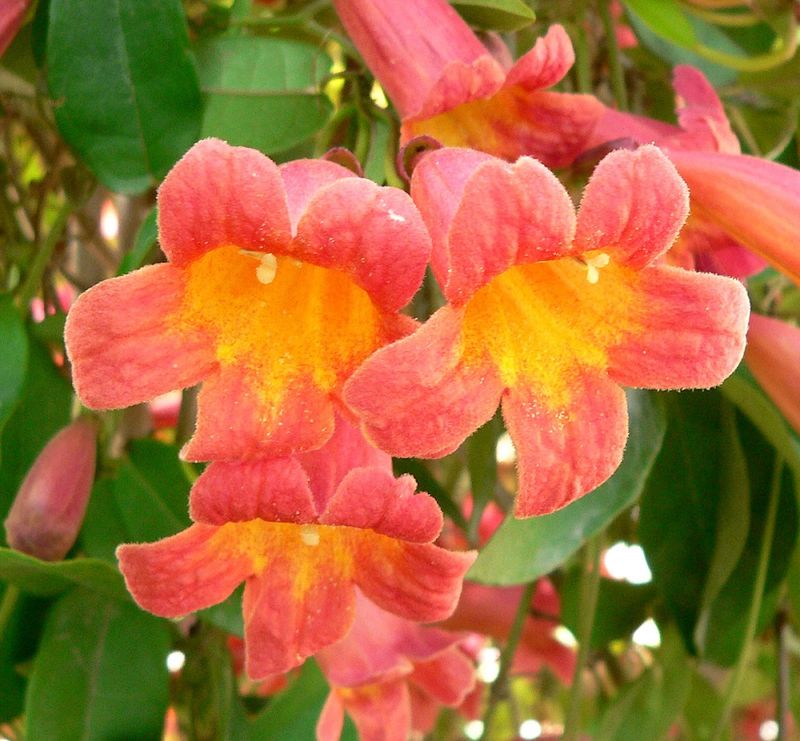
Picture a split-rail fence in the Piedmont, crowded with pink coneflowers, golden Black-eyed Susans, and a vine full of hummingbirds. Grandma did not call it a native pollinator garden, but that is exactly what she grew.
Many of those tough, old-time flowers are native to North Carolina, and they feed goldfinches, fireflies, bees, and bats while asking for very little in return. Here are ten fence-line favorites worth bringing back to your own yard, plus the good reasons each one earns its spot.
1. Purple Coneflower
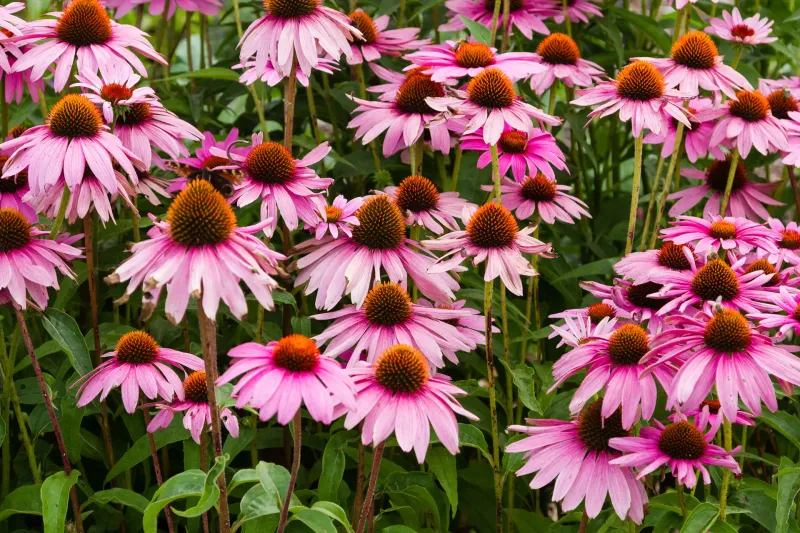
Ask almost any Carolina grandmother about the pink daisy that came back every June, and she will smile. That flower was Echinacea purpurea, and it has been shrugging off red Piedmont clay, July heat, and long dry spells for as long as anyone can remember.
Bees, butterflies, and even hummingbirds visit the blooms all summer. The real treat comes later, though.
From late summer until the first frost, goldfinches cling to the spiny seedheads and pick them clean.
So resist the urge to tidy up in fall. Leave the dried stems standing along your fence, and you have a free bird feeder that never needs refilling.
Plant it in full sun this spring or fall, water it the first season, and then mostly leave it alone.
2. Black-Eyed Susan
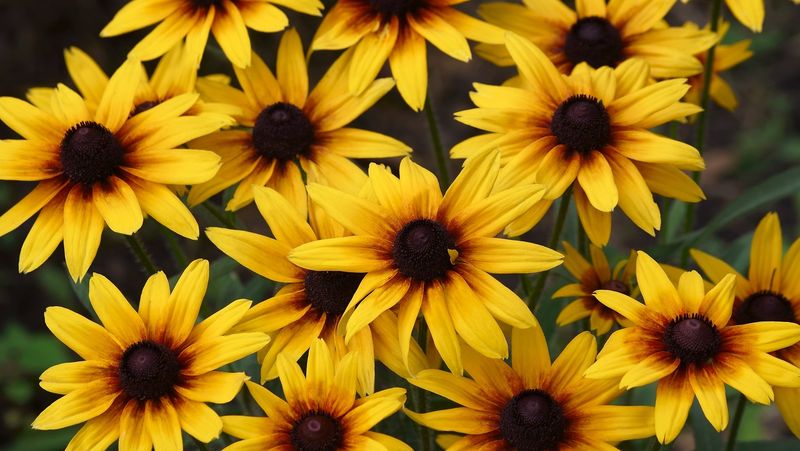
Some flowers whisper. Black-eyed Susans shout sunshine from the mailbox post all the way to the back fence.
Both Rudbeckia hirta and Rudbeckia fulgida grow happily across the whole state, from sandy Coastal Plain soil to rocky mountain slopes. They keep blooming for weeks during the hottest stretch of summer, when lots of fancier plants give up.
Native bees, small butterflies, and beetles crowd the petals.
Once the gold fades, the dark centers turn into seed snacks for birds. Rudbeckia hirta often reseeds itself, so a few plants this year can become a cheerful ribbon along your fence by next summer.
Share the extras with neighbors, just like Grandma did.
3. Bee Balm
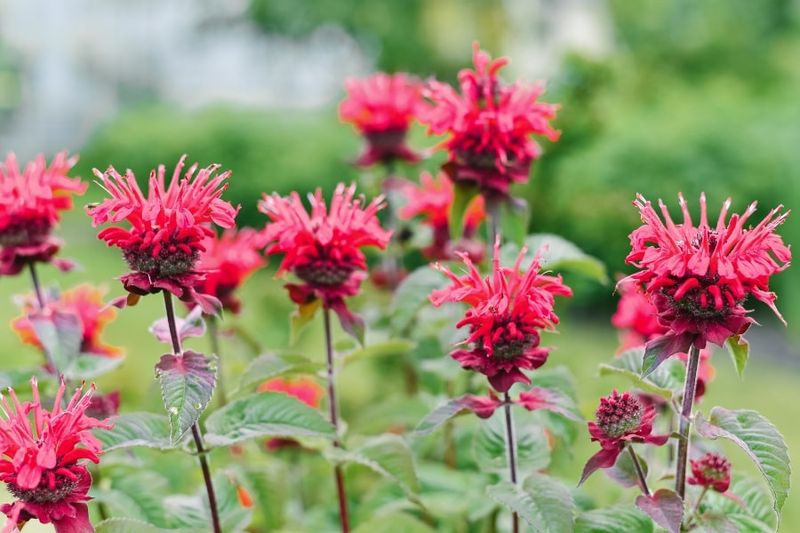
Crush a bee balm leaf between your fingers and you will smell something like oregano and mint. That scent comes from thymol, a natural compound that insects, including ticks, tend to dislike.
No plant can promise a tick-free yard. Still, a row of Monarda didyma or wild bergamot (Monarda fistulosa) along a path or property edge may help make that space less inviting.
Pair it with a 3-foot strip of wood chips or gravel between lawn and woods for a smarter border.
Meanwhile, the flowers feed hummingbirds, butterflies, and plenty of bees. Wild bergamot is especially rich in pollen for native bees.
Give it air flow to limit powdery mildew, and it will spread into a generous patch.
4. Carolina Jessamine
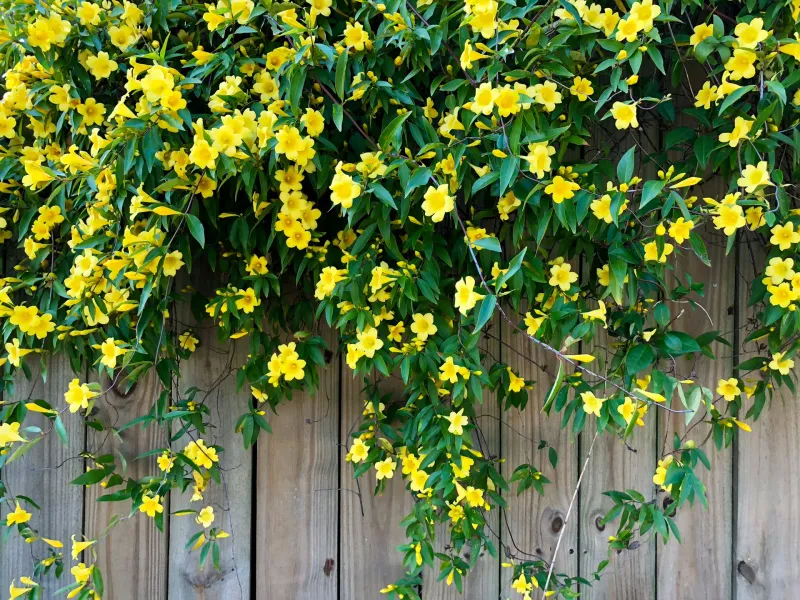
Late winter in North Carolina can feel gray and endless. Then one morning the fence lights up with yellow trumpets and a sweet perfume, and you know spring is close.
Gelsemium sempervirens is our state flower, and it earns the title. The evergreen vine offers early nectar to bees and butterflies when little else is open.
It also makes a fine replacement for invasive Japanese honeysuckle, which smothers native plants and is far too pushy.
Train it up a trellis, arbor, or chain-link fence in sun or part shade. One caution: all parts of the plant are toxic if eaten, so plant it where small children and pets will not chew on it.
5. Coral Honeysuckle
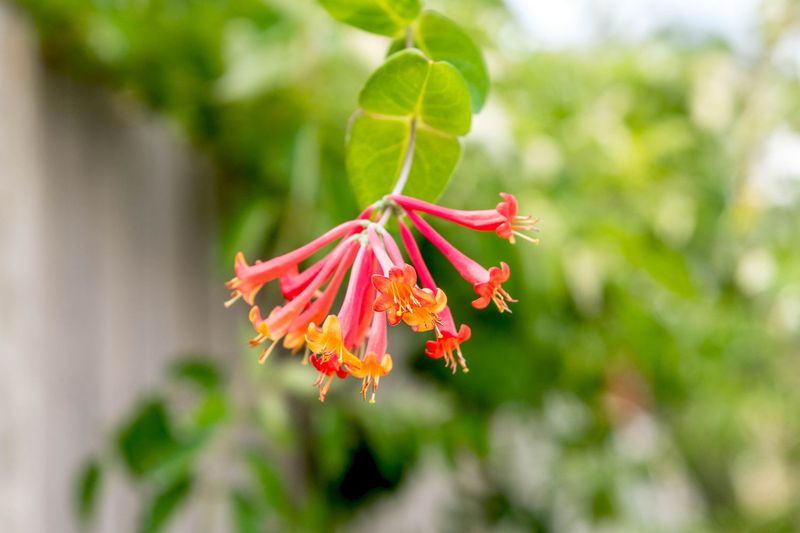
Grandma may have pulled sweet drops of nectar from honeysuckle as a girl. Odds are, that was the Japanese kind, an invader now choking woods and fencerows across the state.
Here is the swap worth making. Coral honeysuckle, Lonicera sempervirens, is the native cousin.
It climbs politely, blooms in bright red-orange tubes, and pulls in ruby-throated hummingbirds almost on cue.
The vine also hosts insects that songbirds feed their babies, then produces small red berries later in the season. If you find Japanese honeysuckle on your fence this fall, cut it back and dig out the roots.
Plant coral honeysuckle in its place, and you trade a problem for a hummingbird magnet.
6. Crossvine
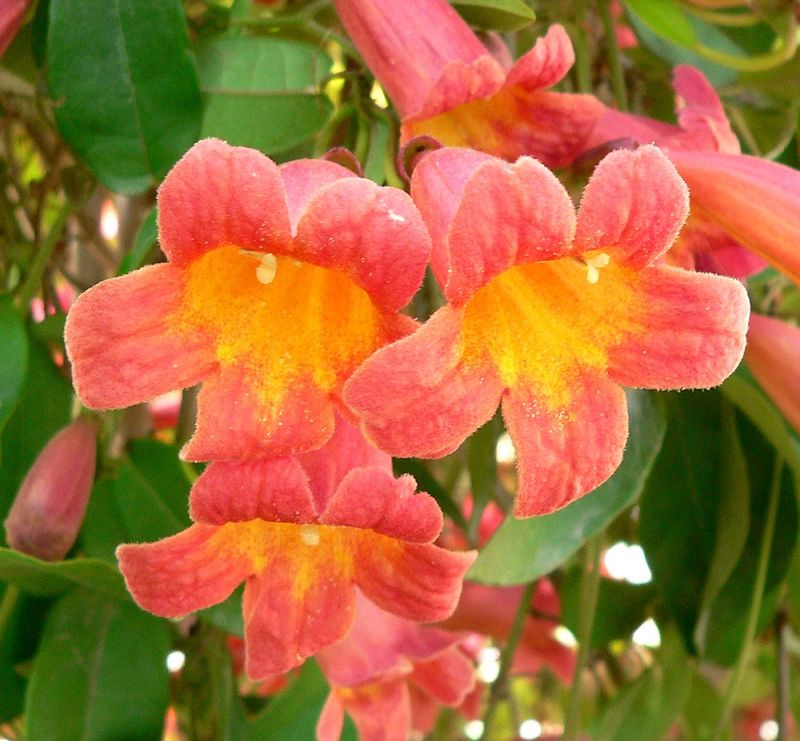
Slice a crossvine stem and you will see a tiny cross pattern inside. That quirky detail gave Bignonia capreolata its name.
For an ugly fence or a bare shed wall, this native vine is a fast fix. Its orange and yellow trumpets open in spring and feed hummingbirds just as they return from migration.
The leaves stay on through much of winter in milder parts of the state, giving birds cover when they need it.
Crossvine grips with little tendrils, so it climbs with almost no help. It handles heat and humidity well, which makes it a solid choice for Coastal Plain and Piedmont yards.
Prune after flowering if it gets too big.
7. Eastern Columbine
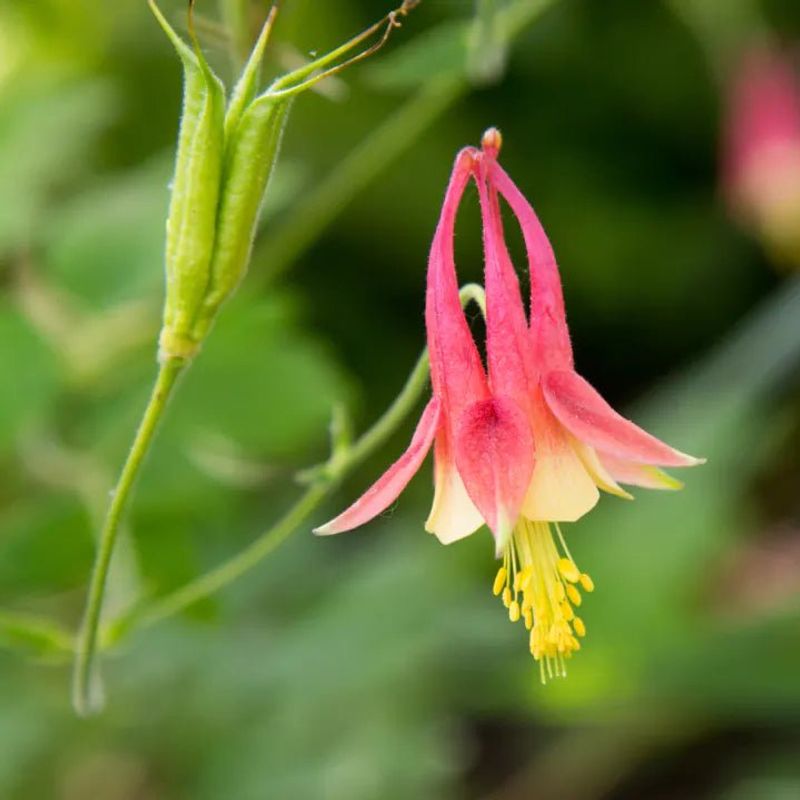
Dainty little lanterns, red outside and yellow inside, nodding in the shade near the fence post. Eastern columbine looks fragile, yet it comes back year after year.
Aquilegia canadensis blooms in early spring, right when hummingbirds arrive hungry. Its long spurs hold nectar that their bills fit perfectly.
Butterflies and native bees visit too.
It loves the dappled shade where many sun lovers struggle, so tuck it along a fence that sits under trees. Mountain gardeners often find it growing wild on rocky slopes.
Let it drop seed, and small new plants will pop up nearby.
8. Mountain Mint
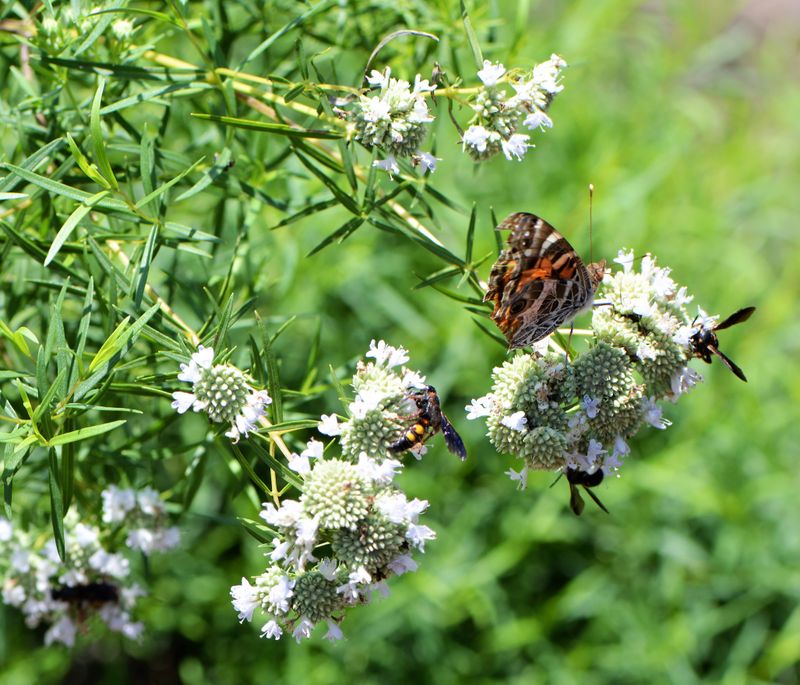
Walk past a blooming patch of mountain mint in July and it practically hums. Few plants draw such a crowd of native bees, wasps, and small butterflies.
North Carolina has around 560 native bee species, and Pycnanthemum feeds a long list of them. The leaves carry strong minty compounds like pulegone and menthone.
Ticks and the deer that carry them seem to find those oils unpleasant, so mountain mint can be a useful edge plant where your yard meets the woods.
It does spread, so give it room at the fence line rather than a tidy flower bed. Pollinators will thank you, and your yard edge gets a fresh scent every time you brush by.
9. Butterfly Weed
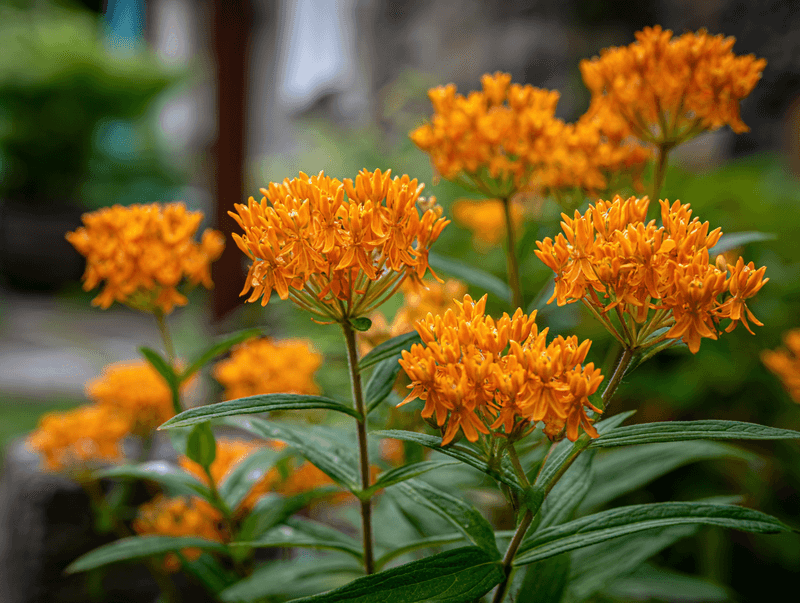
Grandma probably called it pleurisy root, because folks once used it as medicine. Today, butterfly weed is best known as a monarch nursery.
Asclepias tuberosa is a native milkweed with blazing orange flowers. Monarch caterpillars can only eat milkweed, so every plant helps.
Adult butterflies, bees, and other insects sip from the blooms all summer.
It thrives in poor, dry, sandy soil, perfect for hot fence lines in the Sandhills or Coastal Plain. It sprouts late in spring, so mark the spot and do not dig it up by mistake.
Skip tropical milkweed, which is not native here.
10. Garden Phlox
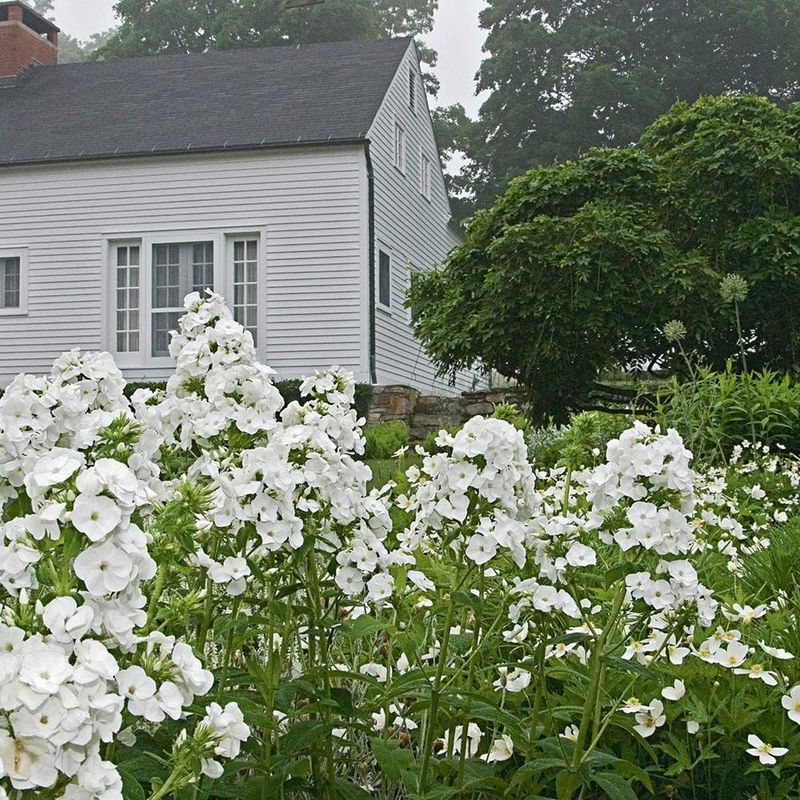
On a warm summer evening, the sweet scent of garden phlox drifts across the yard just as fireflies start to blink. That is no accident of memory.
Native Phlox paniculata belongs in exactly that scene.
The tall pink and lavender blooms feed butterflies, moths, and hummingbirds through the heat of summer. Moths in particular feed bats that hunt over the yard at night.
A full fence-line planting adds the layered, leafy cover that fireflies and box turtles like.
To help that wildlife, leave fallen leaves under the plants in fall. Firefly larvae hide there, and box turtles shelter in the litter.
If you spot a box turtle, let it be, and never move it to another spot.