
The Old Snake Advice North Carolina Homeowners Still Follow That Actually Draws Copperheads Closer To The House
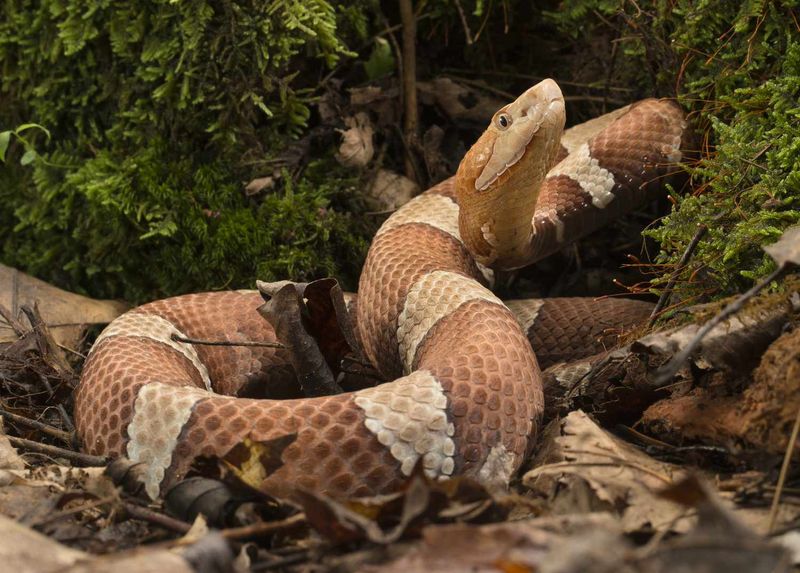
Your grandpa may have sworn by a ring of mothballs around the porch, but copperheads never got that memo. Many of the snake tips passed down in North Carolina families do little to keep snakes away, and some actually invite them closer.
Copperheads are the most common venomous snake in our state, and they show up where food, water, and shelter are easy to find. Here are eight old habits worth rethinking, plus what to do instead to keep your yard safe and still friendly to the wildlife you love.
1. Ringing the House With Mothballs

Few snake myths are as stubborn as the mothball trick. Generations of Carolinians have tossed handfuls along the foundation, convinced the smell would send copperheads packing.
Snakes sense the world through a special organ in the roof of the mouth, and research has not shown mothballs reliably repel them. Worse, mothballs are a pesticide that is not labeled for outdoor snake use, and they can poison pets, kids, box turtles, and soil life.
The real trap is the false confidence. When people think the mothballs are working, they stop clearing the cover and food sources that actually draw snakes.
Pick up those mothballs and spend the same energy tidying the foundation beds instead.
2. Sprinkling Lime, Salt, or Sulfur Lines
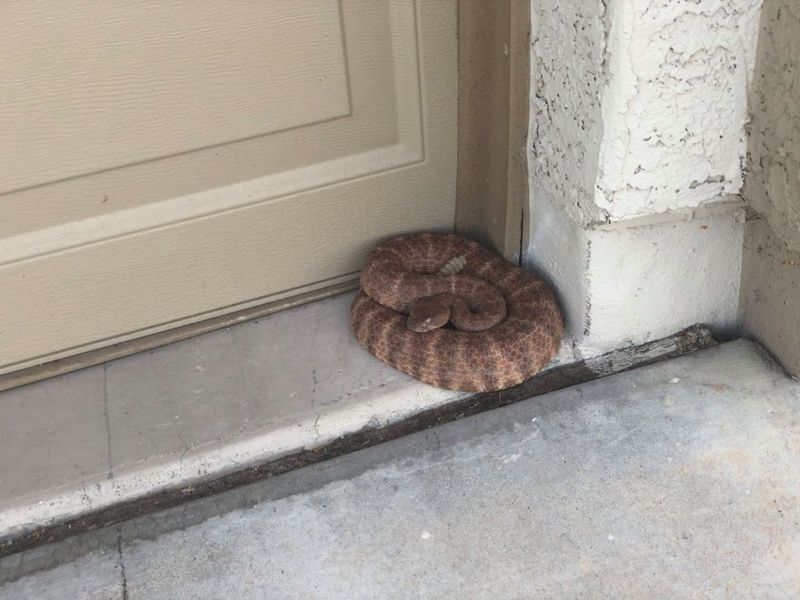
Picture a neat white line of lime across the back lawn, like a moat no snake would dare cross. It looks convincing, but copperheads slide right over it.
Lime, salt, and sulfur have no proven track record against snakes. Salt can harm soil and nearby plants, and lime changes soil pH, which can stress the native perennials you worked hard to establish.
Here is the sneaky part. A powder barrier often gets laid down beside the same overgrown edge snakes love, so the habitat stays and the snakes stay with it.
Skip the powders and mow or trim a clear strip between woods and lawn.
3. Stacking Firewood Against the House
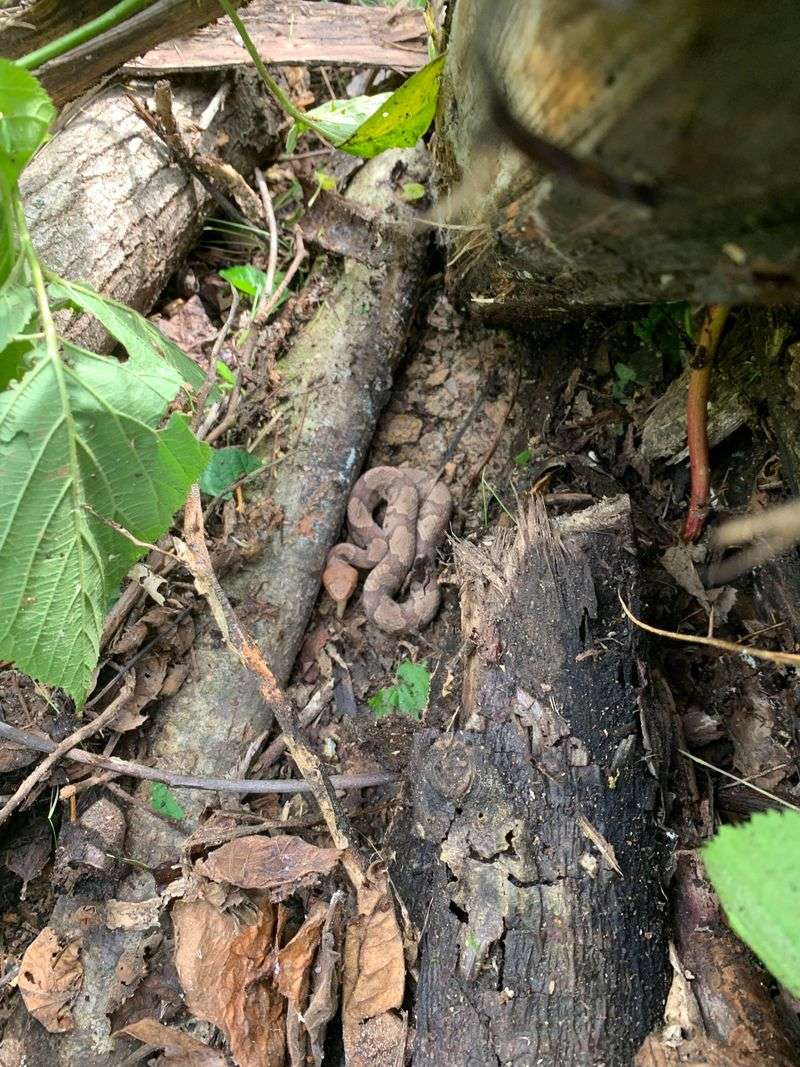
Old-timers kept the woodpile right by the back door so nobody had to trudge far on a cold January night. Convenient, sure, but a copperhead sees that stack as a five-star hotel.
Woodpiles stay cool and damp, and they shelter mice, skinks, and crickets, which are all on a copperhead’s menu. Parking that buffet against your siding brings the snake to your doorstep.
Move firewood at least 20 feet from the house and raise it on a rack about a foot off the ground. Wear gloves when grabbing logs from April through September, when copperheads are most active in North Carolina.
4. Letting Ivy and Monkey Grass Carpet the Beds
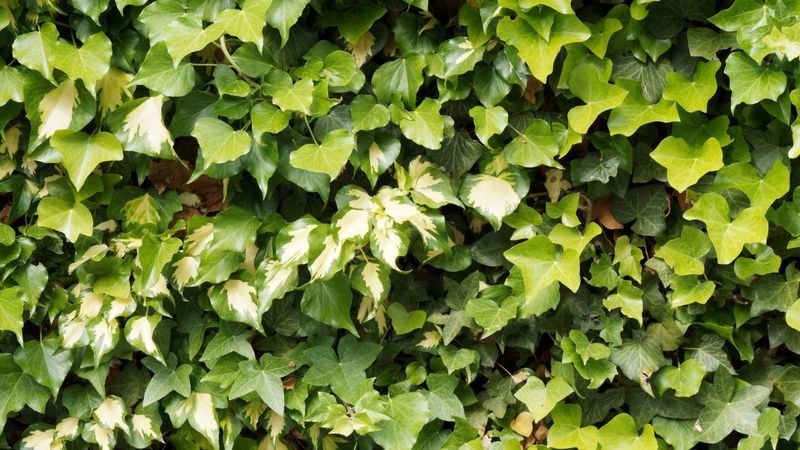
Ask any Durham master gardener about English ivy and you will likely get a sigh. Ivy is invasive, smothering trees and native plants, and it also builds a cool, moist jungle at ground level.
Thick mats of ivy, liriope, and spreading juniper hide rodents and frogs, and copperheads blend into the leafy shade perfectly. Their coppery bands look a lot like fallen oak leaves, which is exactly why they use these beds to ambush prey.
Pull ivy, and swap it for lower, more open natives like golden ragwort, green-and-gold, or Pennsylvania sedge kept away from walkways. You gain pollinator habitat and better visibility, a nice trade for any steward.
5. Raking Leaves Into Piles Near the Porch
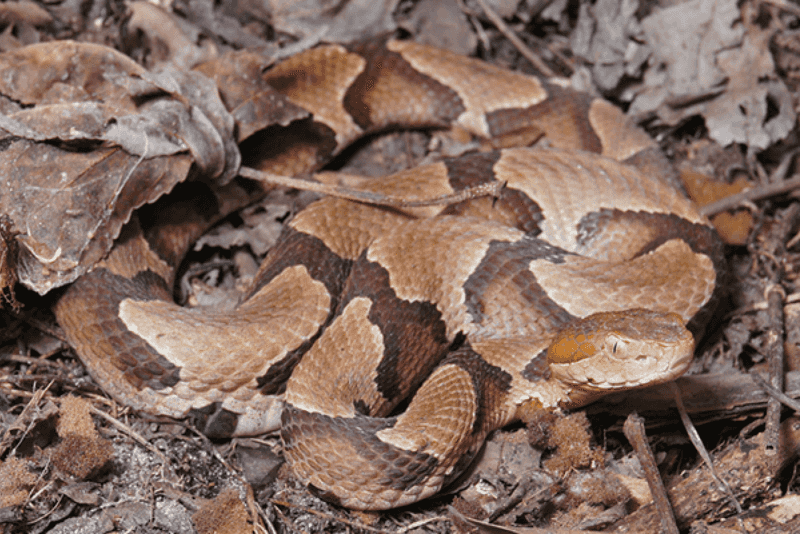
Leaves matter. They feed the soil and shelter firefly larvae, so nobody here wants you to bag every one.
The problem is location. A big heap pushed against the porch steps or the crawl space vent puts prime copperhead cover exactly where your family walks barefoot.
Keep leaf litter in back beds, under trees, and along the woods line, where it helps fireflies and box turtles. Near doors, patios, and play areas, keep things open so you can see where you step.
6. Spilling Birdseed and Leaving Pet Food Out
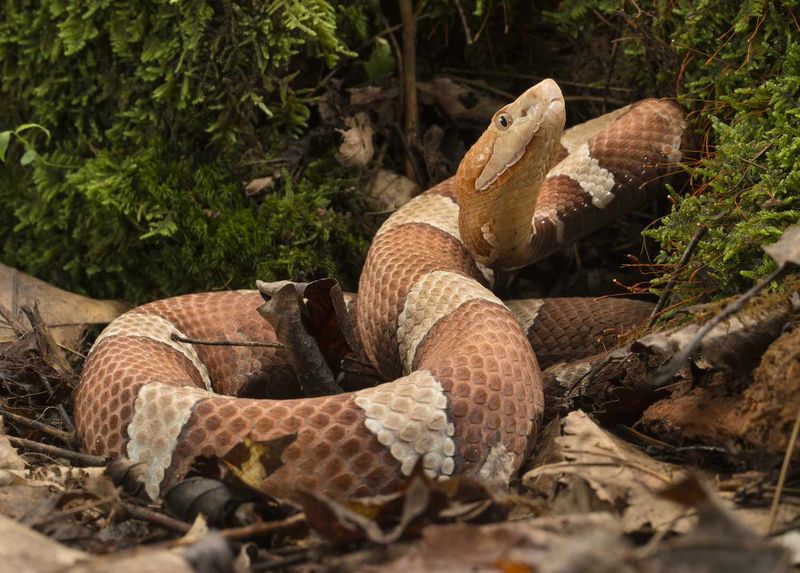
Feeding goldfinches is one of the joys of a Carolina fall. Yet the seed that lands under the feeder is a nightly invitation to mice, voles, and chipmunks.
Copperheads follow rodents. The same goes for a dog bowl left on the deck overnight or fallen fruit rotting under a fig tree.
- Use a seed tray or hulled seed to cut down on ground spill.
- Bring pet food in at night.
- Pick up dropped fruit every few days in late summer.
You keep the birds and lose the rodent magnet.
7. Trusting Store-Bought Snake Repellent Sprays
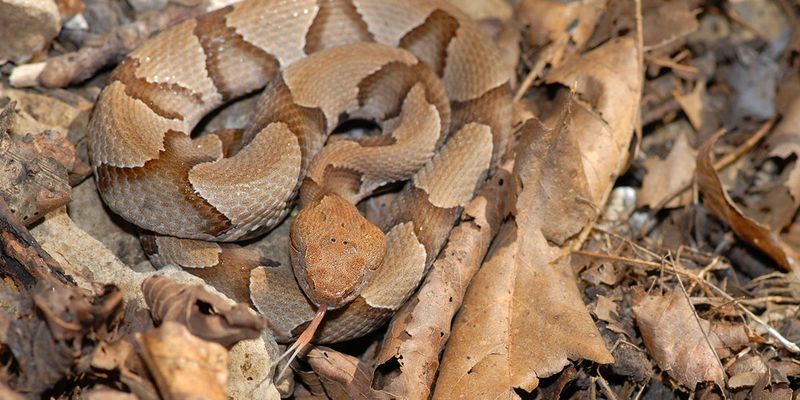
A bottle promising a snake-free yard is tempting. Many shoppers buy one, spray the edges, and call it done.
Results from repellent products have been mixed at best, and some contain oils or chemicals that may irritate pets or wash into streams. When food and shelter are plentiful, strong scents alone rarely keep a hungry copperhead away.
Save the money for hardware cloth and a good pair of loppers. Habitat changes work around the clock and never need reapplying after a summer thunderstorm.
8. Ignoring the Crawl Space and Foundation Gaps
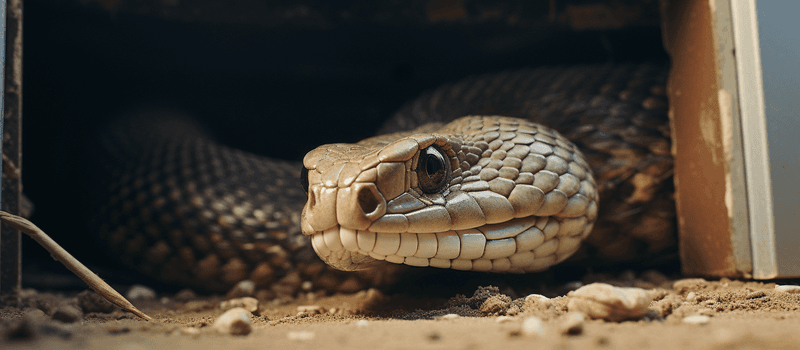
When July heat hits the Coastal Plain, copperheads go looking for somewhere cool. A damp crawl space with a broken vent screen fits the bill.
Walk the foundation and look for cracks, gaps around pipes, and missing vent covers. Seal small gaps with mortar or caulk and cover vents with quarter-inch hardware cloth.
One more thing. If you do meet a copperhead, give it space and let it move on, since most bites happen when people try to kill or handle snakes.
Calm distance and a tidy foundation do more than any old wives tale ever did.