
The One June Care Habit That Decides Whether Your Christmas Cactus Blooms Come Holiday Season
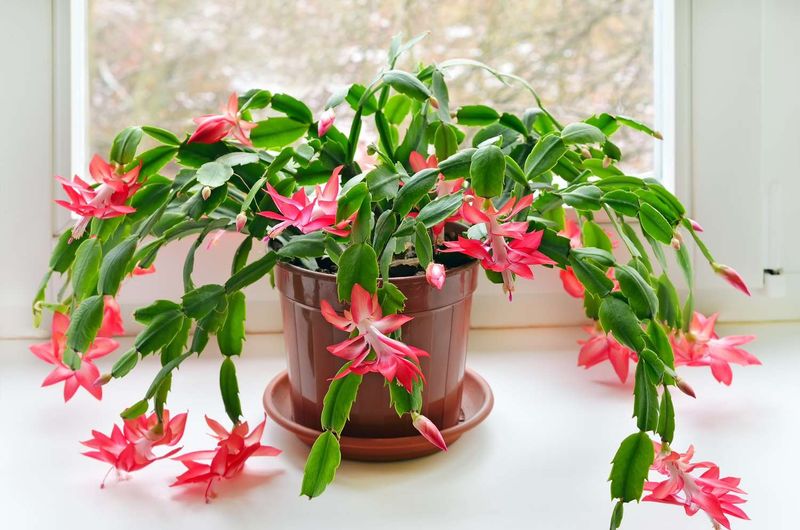
Your Christmas cactus is quietly building its future right now, and what you do this summer shapes how many flowers it can produce come winter. A light pinch of a few stem tips in June can help the plant branch out and create more spots where blooms may eventually form. But June alone does not decide whether your plant flowers at the holidays. The real triggers come later, in fall, when cool nights and long stretches of darkness tell the plant it is time to bloom.
June Pinching Improves Flowering Potential
Lightly pinching a few stem tips on your holiday cactus in June is one of the most useful things you can do this time of year, but the reason why is worth understanding clearly. Holiday cactus flowers form at stem tips. When you remove a terminal segment, the stem may branch at that point, and the resulting branches give the plant more tips where flowers could eventually develop. University of Illinois Extension and other university sources support June pinching as a way to encourage fuller growth and increase flowering potential.
That said, more branch tips do not guarantee more flowers. Pinching builds a better framework, but it does not flip a switch that causes blooms to appear in December. UMass Amherst commercial production guidance makes clear that flower-bud initiation is triggered later in the season by a combination of cooler temperatures and long, uninterrupted nights, not by anything that happens in summer.
Think of June pinching as preparing the stage. You are giving the plant more potential flowering sites to work with when fall conditions eventually signal bud development. Whether those sites actually produce flowers depends on the plant’s cultivar, its overall health through summer, and how well you manage the light and temperature conditions in autumn. The Royal Horticultural Society’s growing guide echoes this: branching increases the number of stem tips, but flower production still requires adequate light, mature growth, and the right fall conditions.
June is a good time to act, but it is the beginning of the process, not the end.
How to Pinch Without Weakening the Plant
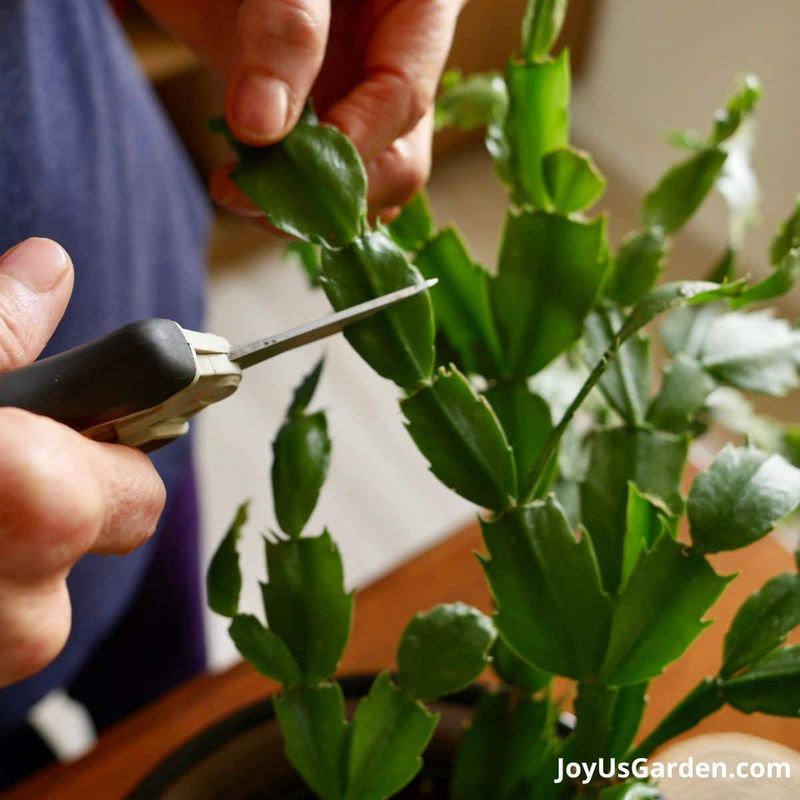
Getting the technique right matters as much as the timing. Find the outermost segment on a stem, called the terminal segment, and remove it by pinching, twisting, or cutting cleanly at the joint where two segments meet. You do not need any special tools for small, healthy stems; your fingers work fine for twisting the segment free. Illinois Extension describes this as a simple twist or cut at a joint to encourage branching at that point.
Limit yourself to a small number of stem tips across the plant. You are not reshaping the whole plant or cutting back every branch; you are making a few targeted removals to encourage the resulting branches to fill out. UF/IFAS Gardening Solutions notes that holiday cacti respond well to light pruning in late spring, but a severe overall cutback is not the goal and is not appropriate for most home plants.
Before you pinch anything, take a good look at the plant’s condition. A Christmas cactus that is already struggling, whether from recent drought stress, root damage, disease, or a difficult move, is not a good candidate for pruning right now. Removing segments from a weak plant takes away stored resources it may need to recover. In that case, hold off until the plant has had a few weeks of stable care and looks visibly healthier.
The RHS growing guide also cautions against heavy pruning that could set back a plant that is not in strong condition. Pinching works best as a light, strategic step on a plant that is already growing well.
Support the Resulting Branches Through Summer
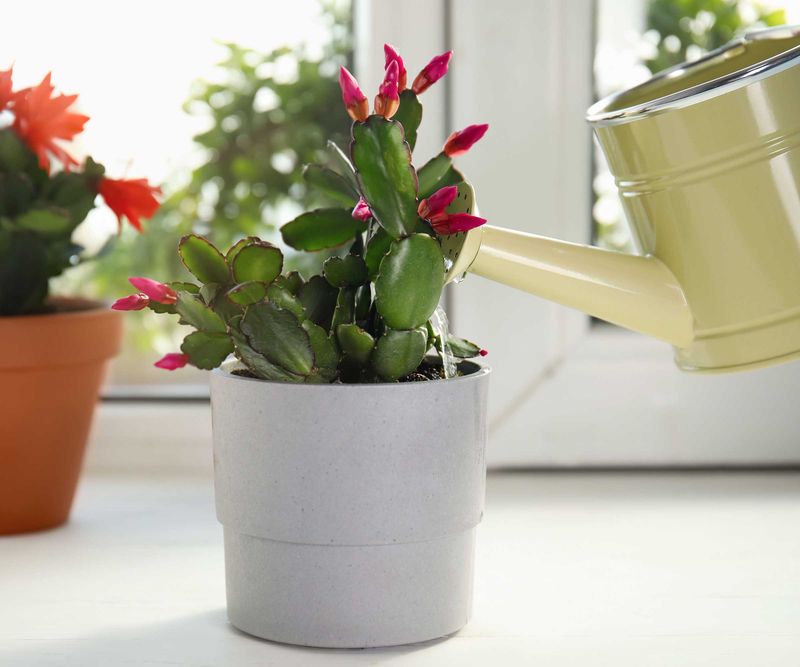
Once you have pinched a few tips, the branches encouraged at those points need good summer conditions to mature into healthy, flower-ready growth by fall. Light is the first thing to get right. Christmas cacti prefer bright, filtered or indirect light rather than harsh direct sun. Outdoors, a protected spot with partial shade works well; a covered porch or a position under a tree canopy are both reasonable options.
University of Minnesota Extension advises acclimating any indoor plant gradually if you move it outside, since a sudden shift to full summer sun can bleach, yellow, or scorch the stems, especially on a plant that has spent months near a window.
Watering through summer should follow the potting mix and the weather rather than a fixed schedule. During active growth, keep the mix moderately moist, but let the surface dry somewhat between waterings and never leave the pot sitting in standing water. University of New Hampshire Extension explains that poor drainage and prolonged wetness can lead to root rot, while severe drying causes its own stress. Checking the mix by touch every few days is more reliable than watering on a fixed calendar.
Feeding during active spring and summer growth supports the plant’s ability to build healthy stems. A balanced, water-soluble fertilizer applied roughly monthly at half strength is a practical approach for most home gardeners. Reduce or stop feeding as fall approaches and conditions shift toward bud initiation. The RHS growing guide supports periodic feeding through the growing season as a way to maintain vigorous growth.
Healthy summer growth does not initiate flower buds on its own, but it gives the plant the reserves it needs when fall signals finally arrive.
Cool Nights and Long Darkness Initiate Flower Buds
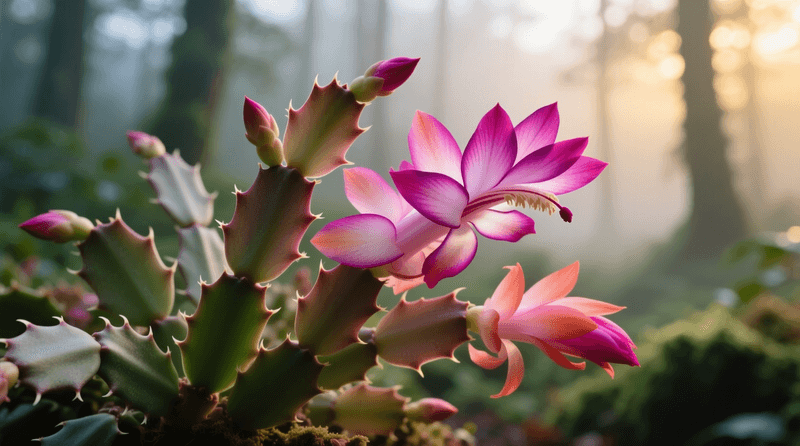
All the summer care in the world will not produce holiday flowers unless the plant receives the right fall signals. Flower-bud initiation in holiday cacti is triggered by a combination of cooler nighttime temperatures and long, uninterrupted periods of darkness. UMass Amherst’s commercial production fact sheet explains that this is where the real flowering decision happens, not in June. Summer growth builds the framework; fall conditions pull the trigger.
Practical targets for most home gardeners are nighttime temperatures somewhere in the range of 55 to 65 degrees Fahrenheit and at least 12 hours of uninterrupted darkness each night for roughly four to six weeks. Some sources and cultivars call for 13 to 16 hours of darkness, so these figures are useful guides rather than universal rules. University of Minnesota Extension notes that temperatures above roughly 65 to 70 degrees Fahrenheit at night can inhibit bud initiation, which is why plants in warm rooms sometimes fail to set buds even when the days are short.
Artificial light is a common obstacle. A lamp that turns on in the evening, a streetlight shining through a window, or even a phone screen nearby can interrupt the dark period and delay or prevent bud set. Moving the plant to a room that stays genuinely dark at night, or using a cardboard box or closet to block light, are both workable solutions. Cooler conditions can partly reduce the need for strict photoperiod management in some plants; a plant kept in a cool but slightly lit space may still set buds, though results vary by cultivar.
The safest approach is to provide both cool nights and consistent darkness together, giving the plant the clearest possible signal that the season has changed.
Keep Conditions Steady After Buds Appear
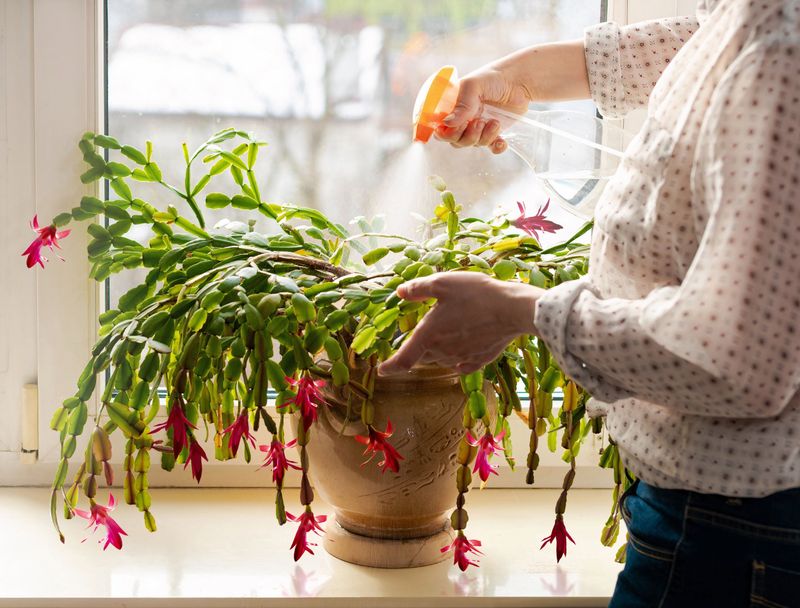
Seeing the first small buds appear on your holiday cactus is genuinely satisfying, and the main job from that point forward is to avoid upsetting what the plant has started. Bud drop is one of the most frustrating problems home gardeners run into, and it almost always traces back to a sudden change in conditions. Missouri Botanical Garden guidance specifically warns against moving the plant, exposing it to drafts, or making sharp changes in light once buds are visible.
Keep the plant in the same spot with the same light exposure it had during bud initiation. Avoid placing it near heating vents, exterior doors, or air conditioning units. Watering should stay consistent, neither letting the mix go bone-dry nor soaking it heavily after a dry spell. Those moisture swings put the plant under stress at exactly the wrong moment.
If your plant spent the summer outdoors, bring it inside before frost and before nighttime temperatures drop below about 50 degrees Fahrenheit. University of Minnesota Extension advises inspecting any plant that was outdoors for hitchhiking pests before it comes back into the house. Check under the segments and at the soil surface for scale, fungus gnats, or other insects that could spread to other houseplants. A few minutes of inspection before moving the plant inside can save a lot of trouble later.
Once the plant is settled indoors with buds forming, the goal is simply to leave it alone as much as possible and let it finish what it started.
A Christmas Cactus May Not Bloom in December
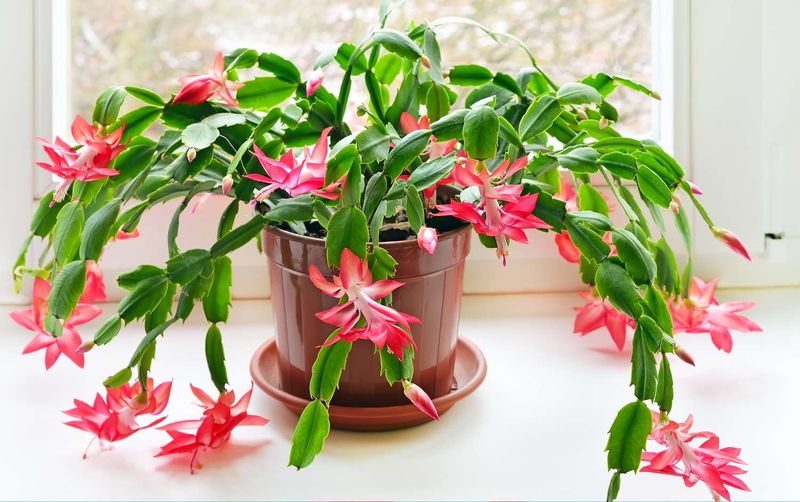
Many gardeners are surprised to find their “Christmas cactus” blooming in November or not until January, and the reason usually comes down to what species or hybrid they actually have. The name Christmas cactus is used loosely in retail, and many plants sold under that label are actually Thanksgiving cacti, hybrids, or other holiday cacti in the same genus. NC State’s Plant Toolbox identifies Schlumbergera truncata as the Thanksgiving cactus, which typically blooms earlier than true Christmas cactus or Christmas-cactus hybrids.
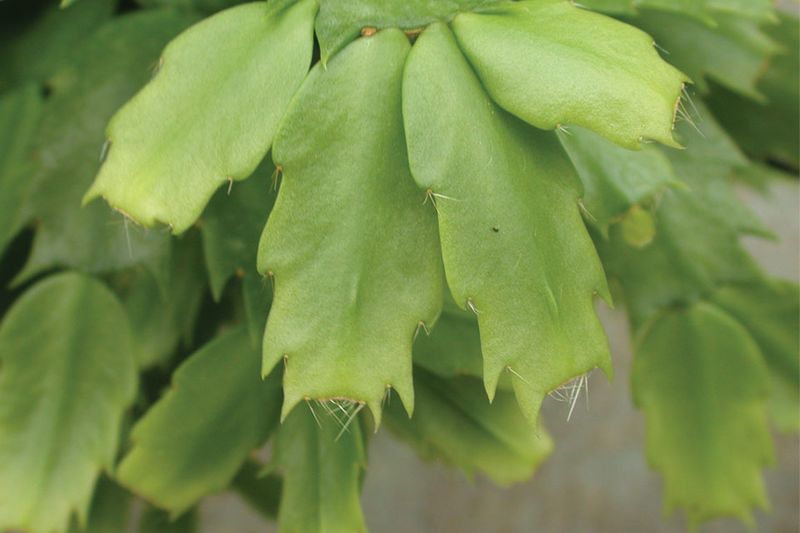
Stem shape gives you a useful clue. Thanksgiving cactus segments have sharp, pointed teeth along the edges, while true Christmas cactus segments have smoother, more rounded scallops. A quick look at the stem margins can tell you a lot about when to expect flowers. University of Minnesota Extension notes that cultivar, prior growing conditions, temperature, photoperiod, and overall plant health all influence when a plant will bloom.
The practical takeaway is to treat whatever plant you have as a holiday cactus and give it the conditions it needs, rather than expecting it to perform on a specific calendar date. A plant may bloom beautifully in mid-November one year and early January the next, depending on how fall conditions played out. Accepting that range makes the whole experience less stressful and more enjoyable. The flowers are worth the effort whenever they arrive.
Avoid Shortcuts That Can Reduce Flowering
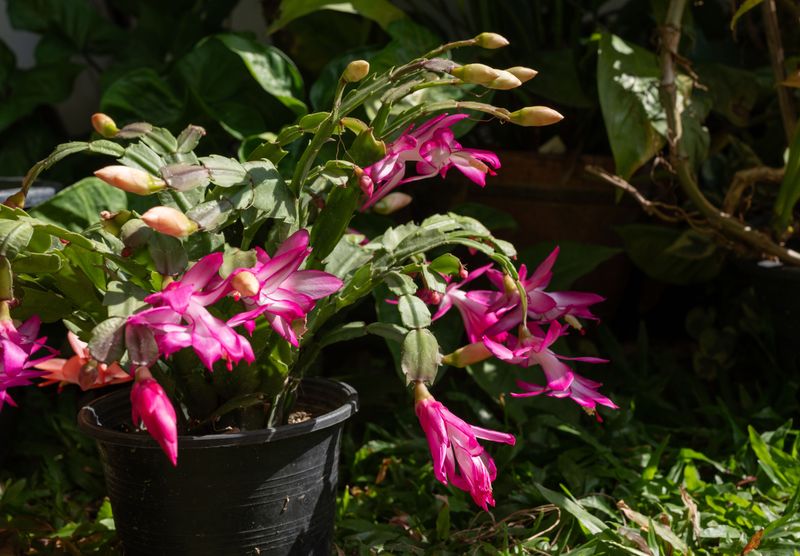
A few popular shortcuts circulate in gardening groups every fall, and some of them can actually work against your plant. Stopping water completely or deliberately letting the plant shrivel to “force” flowering is one of the most common mistakes. Holiday cacti are rainforest epiphytes by origin, not desert plants, and they need consistent moisture even as fall approaches. UMass Amherst’s production research specifically found that water stress during bud induction can reduce bud set, which is the opposite of the intended effect.
UNH Extension reinforces that severe drying causes stress and potential bud loss.
Pushing the plant into harsh direct sun all summer is another approach to skip. Bright filtered light and protected partial shade are what holiday cacti prefer outdoors. A plant moved from a shaded window to full afternoon sun can develop bleached, yellowed, or scorched stems that weaken its ability to support flowers later. University of Minnesota Extension advises gradual acclimation if you move a plant outside, not direct placement in full summer sun.
High-phosphorus fertilizer is sometimes promoted as a bloom booster, but the most consequential flowering signals are temperature and darkness, not fertilizer ratios. Feeding during active summer growth with a balanced product supports healthy stems; switching to a high-phosphorus formula does not reliably substitute for the fall conditions the plant actually needs. The RHS growing guide keeps fertilizer recommendations straightforward and does not single out phosphorus as a flowering trigger. Finally, any chemical treatments sometimes mentioned for preventing bud drop are not registered for home use on holiday cacti and should be left out of your care routine entirely.
Pinch in June, Then Let Fall Trigger the Blooms
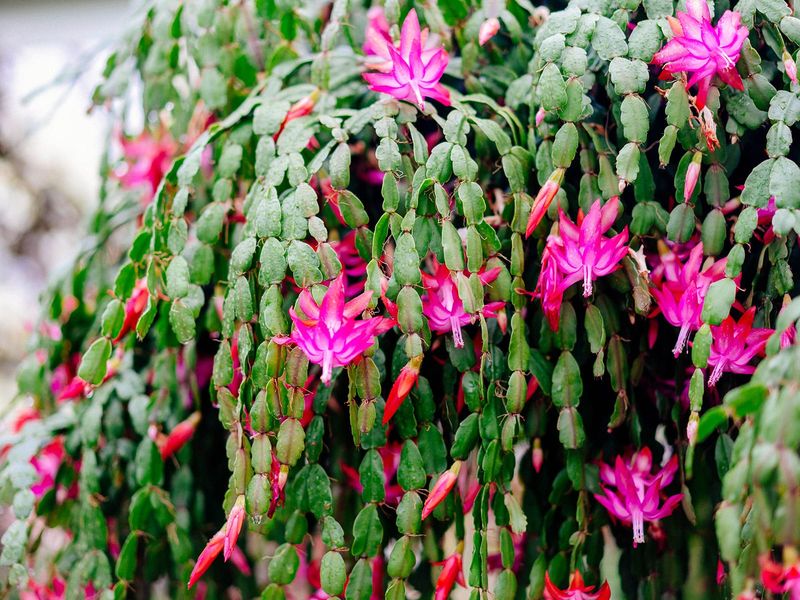
The seasonal plan comes together simply once you see it as a sequence. Pinch a few stem tips lightly in June, following the technique described above, and then support the resulting branches through summer with filtered light, consistent moisture, and moderate feeding. Illinois Extension and University of Minnesota Extension both frame this summer period as the time to build healthy, mature stems, not to initiate flowers.
As nights lengthen in early fall, shift your focus to providing cool temperatures and long, uninterrupted darkness for several weeks. UMass Amherst’s research confirms that these fall conditions are what actually initiate buds. Once buds appear, keep everything stable and let the plant do the rest.
June pinching gives your plant more potential flowering sites to work with; it does not schedule a December 25 display. Your plant may bloom in November, December, or January depending on its cultivar and how fall unfolded. The best gardeners learn to read the plant rather than the calendar.