
The One Thing North Carolina Butterfly Bush Needs Before The First Freeze Or Next Summer’s Blooms Come Up Thin
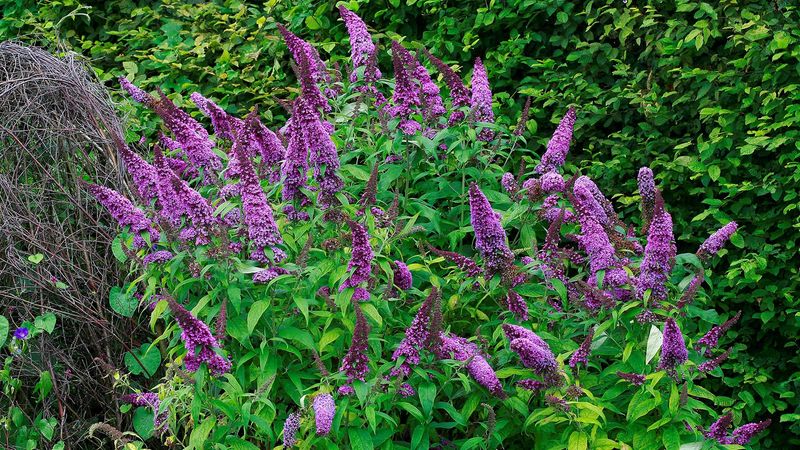
Plenty of garden advice says you must do one thing to your butterfly bush before the first freeze or next summer’s flowers will fall short. That deadline sounds urgent, but the research from North Carolina experts tells a calmer story.
Knowing when to prune, when to snip spent blooms, and when to skip the fertilizer can save you time and protect your yard. It also helps you think about what this shrub really does for local wildlife.
A pre-freeze bloom deadline is not supported
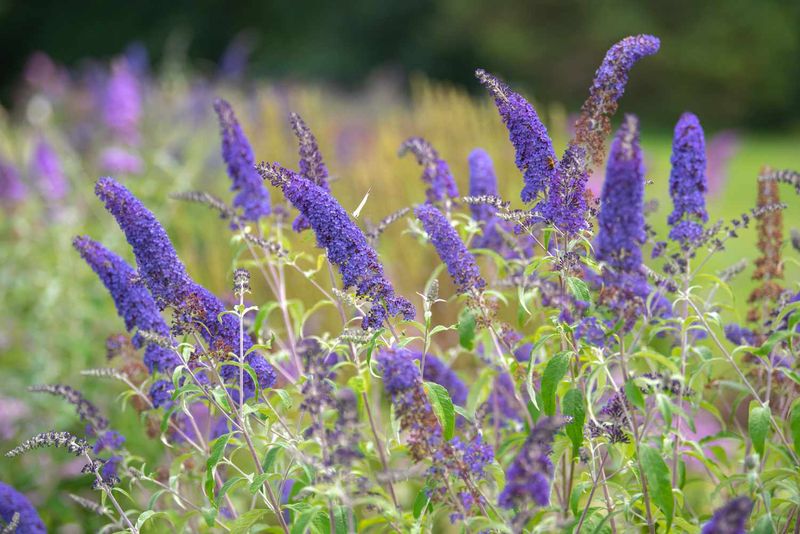
Here is the short answer: no single task before the first freeze decides whether your common butterfly bush, Buddleja davidii, blooms heavily or thinly next summer. Nothing in the sources reviewed for this article backs up that deadline.
The advice has the timing turned around.
Pruning timing follows how the plant flowers. NC State Extension’s plant profile says this shrub blooms on new growth and recommends pruning in early spring to control size and encourage large flowers.
NC State’s general pruning guidance puts shrubs that flower on new wood in late winter or early spring, though it does allow fall pruning in some circumstances.
So if you missed a fall chore, you have not doomed next year’s show. Fall is simply not the time the experts point to for the big cut.
There is one fall job with a real purpose, and it is about seeds, not flowers. University of Maryland Extension advises removing spent flower heads before seeds ripen and scatter if you want to limit self-seeding.
That is optional seed control, and it is not a trick for next summer’s blooms.
Keep in mind that this advice is for Buddleja davidii. Other species and hybrids sold as butterfly bush may behave differently, so check your plant’s tag before applying any of it.
New growth carries the flowers
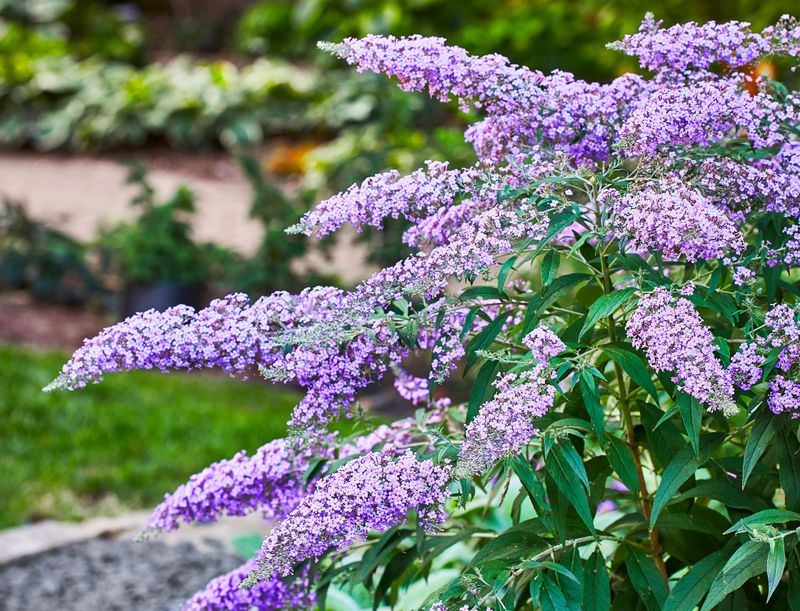
Walk out to your butterfly bush in July and look at where the flower spikes sit. They ride at the tips of stems that grew this season.
That is what gardeners mean by blooming on new growth, and NC State Extension lists it as a trait of Buddleja davidii.
This habit explains the spring pruning advice. Because the flowers form on shoots that have not even grown yet, cutting the shrub back in early spring, before new growth begins, still leaves the plant plenty of time to make flowering stems.
NC State recommends that spring cut to control growth and encourage large flowers.
Notice what the habit does not tell you. It does not prove that fall pruning is needed, and it does not guarantee a certain number or size of blooms.
Sun, water, soil, and the weather all play a part too.
A handy clue for your own yard: if last year’s wood looks old and woody while fresh green shoots climb from near the base, the plant is doing what the profile describes. Those new stems are where your flowers will come from.
Remember the species label here. The new-growth pattern is documented for Buddleja davidii, so a hybrid or a different Buddleja may not follow the same rules.
Save substantial pruning for late winter or early spring
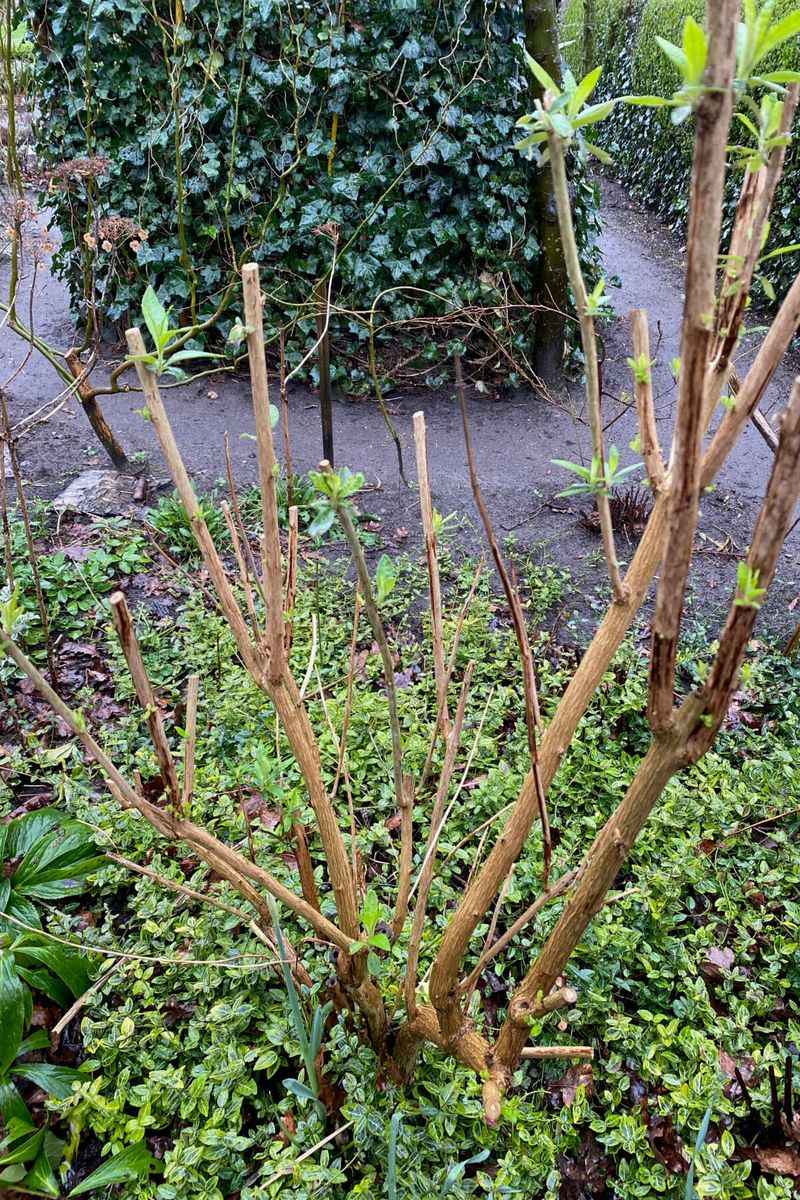
Mark your calendar for late winter or early spring. That is when substantial size-control pruning belongs, before new growth gets going.
NC State Extension recommends early-spring pruning for Buddleja davidii to keep it in bounds and encourage large flowers.
The same idea shows up in NC State’s general pruning guide, which places new-wood shrubs in that late-winter window. The guide also says fall pruning can be done in some circumstances, so it is not a forbidden act.
It just is not the recommended time for the heavy cut.
You may have heard that fall pruning kills butterfly bushes. One small study of potted ‘Royal Red’ plants, Time of Pruning Effects on Cold Hardiness of Butterfly Bush, found more injury or death in some fall-pruned groups.
But it looked at one cultivar under controlled freeze treatments, so it calls for caution rather than a universal rule.
A practical approach: if a stem is broken or a shrub is flopping into a walkway in October, a light trim is reasonable. Save the big renovation for the weeks when the plant is still dormant and the worst winter cold has passed.
Deadheading limits seeds, not next year’s bloom
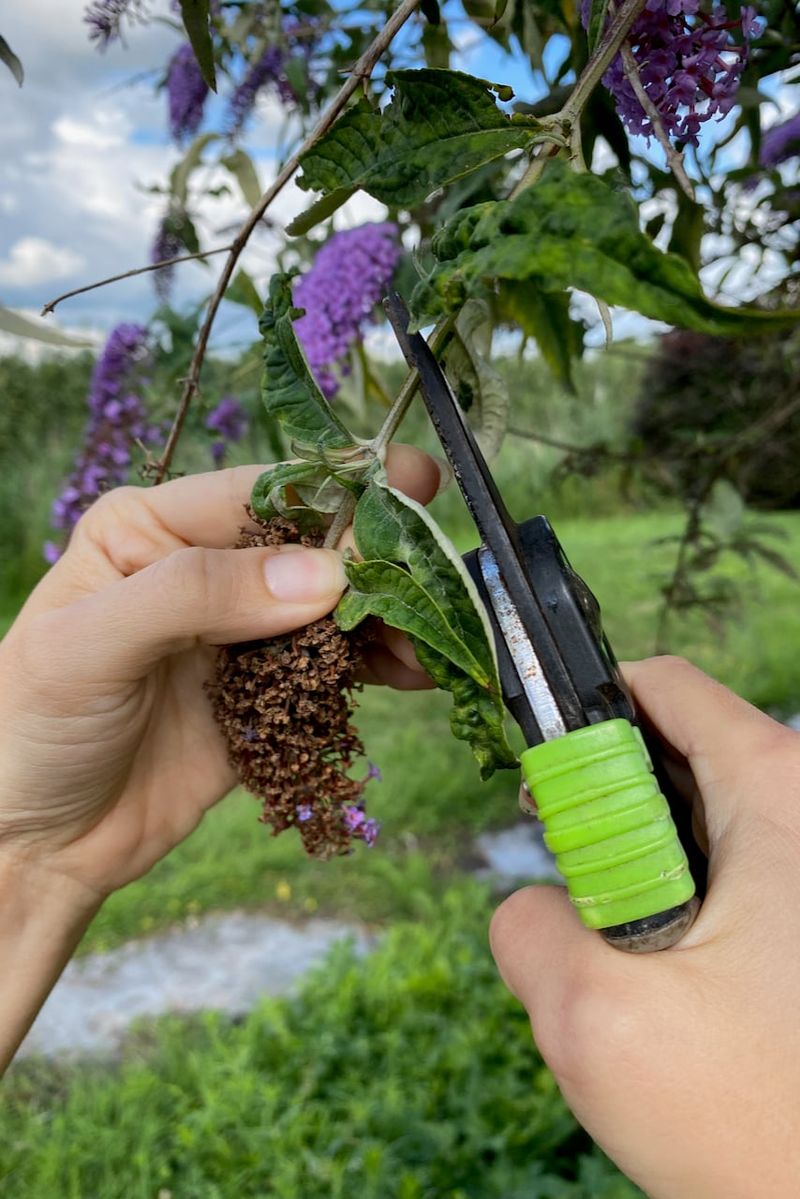
Spent flower spikes look tired, but the real story is what they leave behind. Each brown spike can ripen into seed that blows or drops into nearby beds, lawns, and woodland edges.
That is the reason to cut them.
University of Maryland Extension advises removing spent flowers before seeds ripen and disperse if you want to limit self-seeding. The guidance supports deadheading for seed control.
It does not say the task is required to trigger next year’s flowers.
If limiting volunteers matters to you, check the plant every week or two in late summer and clip heads once they fade. A bucket beside you catches the clippings so seeds do not scatter as you work.
Bag them with your trash rather than tossing them on a compost pile or at the edge of the woods.
If you skip deadheading, nothing in the sources reviewed suggests your plant will refuse to bloom next year. You may simply find more seedlings around it, which is worth pulling while they are small.
Think of this chore as yard housekeeping for your neighborhood’s wild spaces rather than bloom insurance.
Late-summer fertilizer is not a bloom-saving shortcut
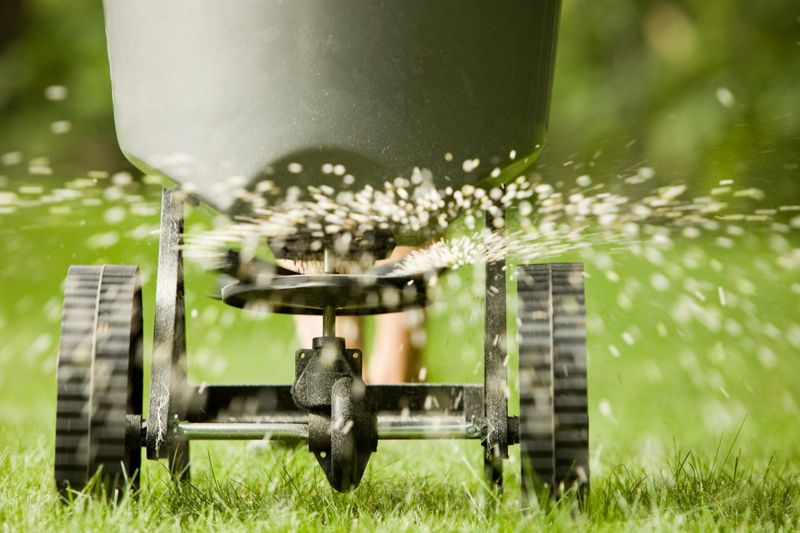
When a shrub looks a bit worn at summer’s end, a scoop of fertilizer can feel like a quick fix. Hold off.
NC State Extension’s woody ornamentals chapter advises against late-summer fertilizing of woody plants because it can prompt growth that may not harden before cold weather.
Tender new shoots are the ones most likely to be caught off guard by an early chill. That is a good reason to leave the bag in the shed until the plant is waking up in spring.
The guidance is a general caution for woody plants. It does not say fertilizer is always harmful, and it does not prove a particular effect on butterfly bush blooms.
What it gives you is a reason not to treat feeding as a pre-freeze rescue.
If you suspect your shrub needs something, start with a look at the basics. Does it get full sun?
Is the soil draining well, or sitting wet? A soil test through your county Extension office can tell you whether nutrients are truly lacking before you add anything.
Skipping the late feeding also keeps extra nutrients out of nearby storm drains and creeks, which is a small win for local waterways.
Buddleja davidii raises a regional stewardship concern
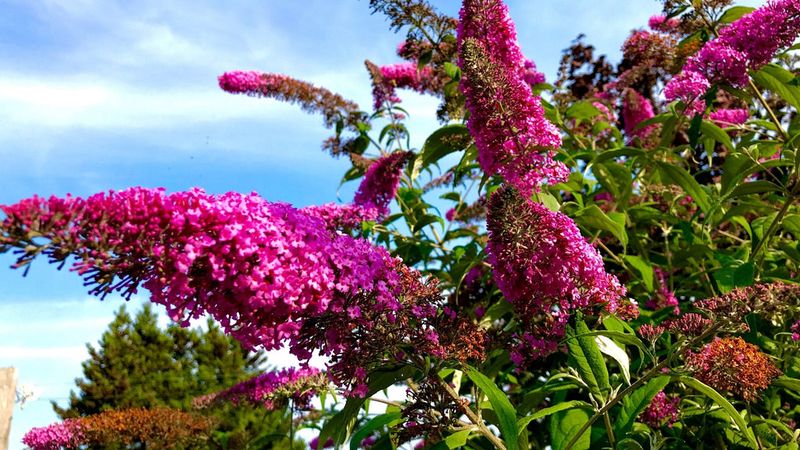
Pruning advice only makes sense alongside the bigger picture. NC State Extension identifies Buddleja davidii as invasive in North Carolina’s Mountain and Piedmont regions, and notes that it self-seeds and naturalizes.
That listing applies to those regions, not to every part of the state, and it covers this species rather than every plant sold as butterfly bush.
If you garden in the mountains or Piedmont, the seed-control habits from earlier carry extra weight. Clipping spent heads and pulling seedlings near streams, roadsides, and wild edges helps keep the plant where you put it.
Then there is the wildlife question. Adult butterflies do sip nectar from the blooms, and that is easy to see on a warm afternoon.
But NC State’s butterfly bush entry states that native butterfly caterpillars cannot feed on its leaves.
That difference matters. A nectar stop for adults is not the same as a host plant, and Buddleja davidii does not support the full butterfly life cycle.
Caterpillars need leaves they can eat, and the young they raise become the butterflies and the bird food that your yard depends on.
Keeping an existing shrub and managing its seed is one path. Replacing it with natives over time is another, and the next section offers some ideas.
North Carolina native plants offer other choices
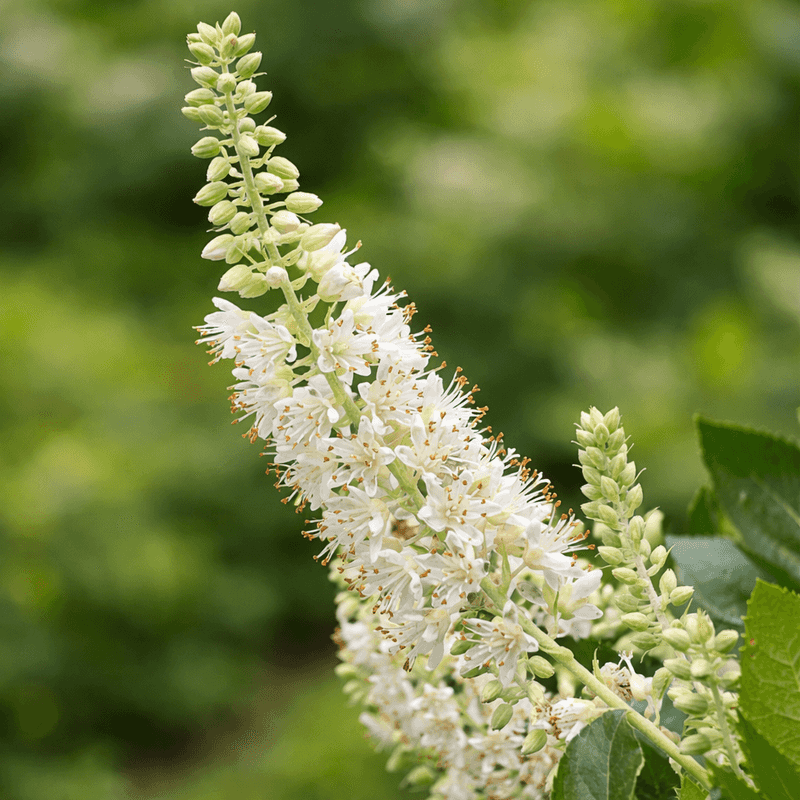
If stewardship tops your list, there are native options to consider. An Ask Extension answer about growing butterfly bushes in NC suggests buttonbush, sweet pepperbush, silky dogwood, Virginia sweetspire, and blue haw viburnum as native shrub alternatives.
Think of these as choices to explore, not drop-in twins. Buttonbush tends to like moist ground, while others prefer different light and soil.
Their size, bloom time, and wildlife value differ too, so read each plant’s needs before you buy.
For a smaller, perennial option, look at butterfly weed. NC State’s plant profile lists it as a food plant for monarch larvae, which means it can feed caterpillars, not just visiting adults.
Its orange flowers also fit neatly in sunny beds where a big shrub would not.
A gentle way to switch is to plant a native next to your butterfly bush this fall, when it is a good time to plant in North Carolina. Once the native settles in, you can decide whether to remove the older shrub in late winter.
Your county Extension office can help match a plant to your soil, whether you garden in the mountains, Piedmont, or Coastal Plain.
A practical seasonal plan
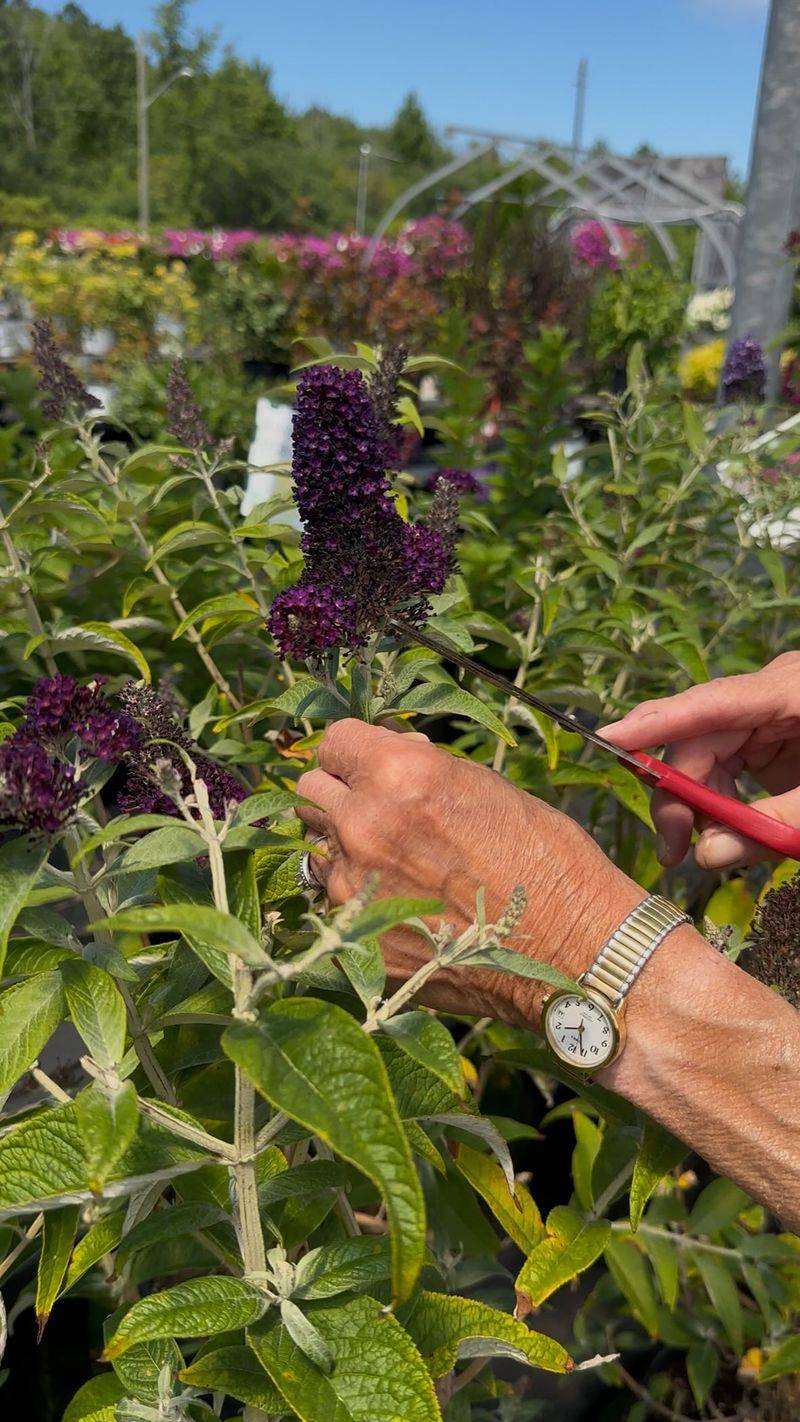
Late summer and fall: clip spent flower heads only if you want fewer seedlings, and leave the fertilizer alone, since NC State warns it can prompt tender growth before cold weather. Winter into early spring: do the substantial pruning, before new growth starts, as NC State recommends for Buddleja davidii.
Seed control is the one fall task with a clear purpose, and University of Maryland Extension backs it. No plan can promise a particular bloom result.
The first freeze is a date on the calendar, not a verdict on next summer.