
The One Thing North Carolina Gardeners Do Before Winter Or Squash Vine Borers Come Back Worse Next Summer
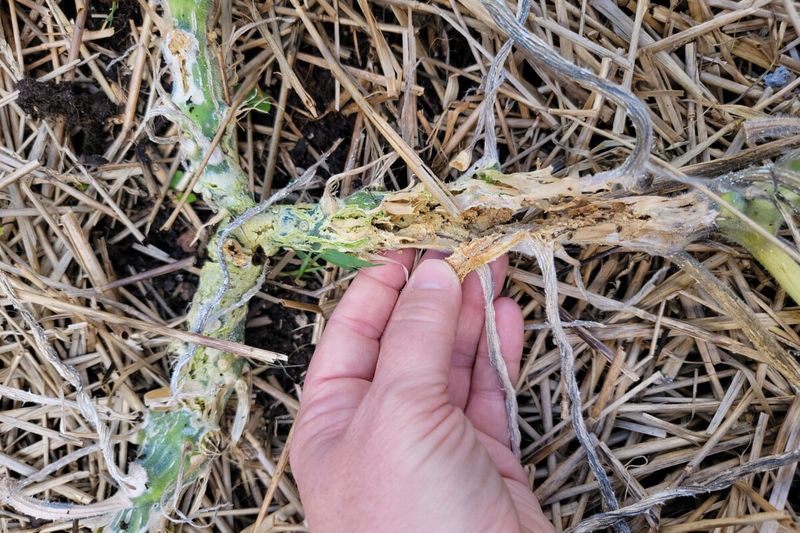
If your zucchini or yellow squash suddenly wilted and died this summer, a fat white grub was probably hiding inside the stem. That grub, the squash vine borer, does not leave when the season ends.
It crawls into the soil or old vines in your North Carolina yard and waits for spring. One simple fall chore can break that cycle and give next year’s squash a real fighting chance.
1. Clear Out and Destroy Every Bit of Squash Debris
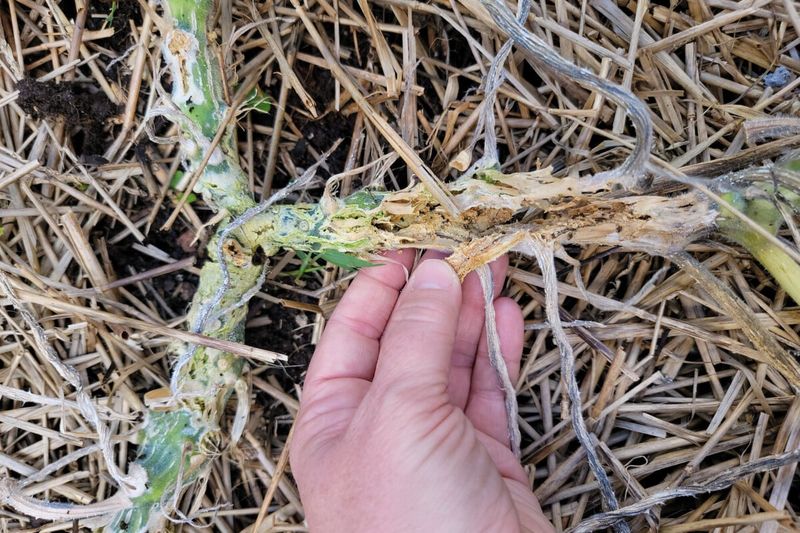
Picture a borer larva tucked inside a mushy, forgotten zucchini stem in late October. If you leave that vine lying in the bed, the larva gets a cozy winter home and becomes a moth next May, ready to lay eggs right back on your plants.
Here in North Carolina, borers can produce up to two generations a year, so a few survivors can quickly turn into a much bigger problem.
The fix is simple: as soon as your last squash is picked, pull every vine, stem, and rotting fruit out of the garden. Check the base of each stem for holes or sawdust-like frass, which signal a borer was there.
Get it all, even the small pieces.
Skip the backyard compost pile for infested vines, since most home piles never get hot enough to kill the larvae. Bag them for your local yard waste or municipal composting program instead.
Burning is another option where local rules allow it.
Once the bed is clear, lightly turn the soil in late fall or early winter, then again around early February. That exposes buried cocoons to freezing nights, drying winds, and hungry birds like Carolina wrens and robins, which may help cut down the number of moths that emerge.
Turn only the vegetable bed, and leave leaf litter in your native borders for the fireflies and pollinators that overwinter there.
Next spring, plant squash in a new spot if you can. Rotation means any borers that slipped through wake up with nothing to eat nearby.