
Your Garden Isn’t Done Yet – 13 Crops You Can Still Plant This October For An Early Spring Harvest
Most people pull their tomato cages in October and call it a year. But cool soil, fewer bugs, and gentle rain make this month one of the smartest times to plant.
A few seeds and cloves tucked in now can give you fresh food while your neighbors are still flipping through seed catalogs. Here are 13 crops that are happy to go in the ground right now.
1. Garlic
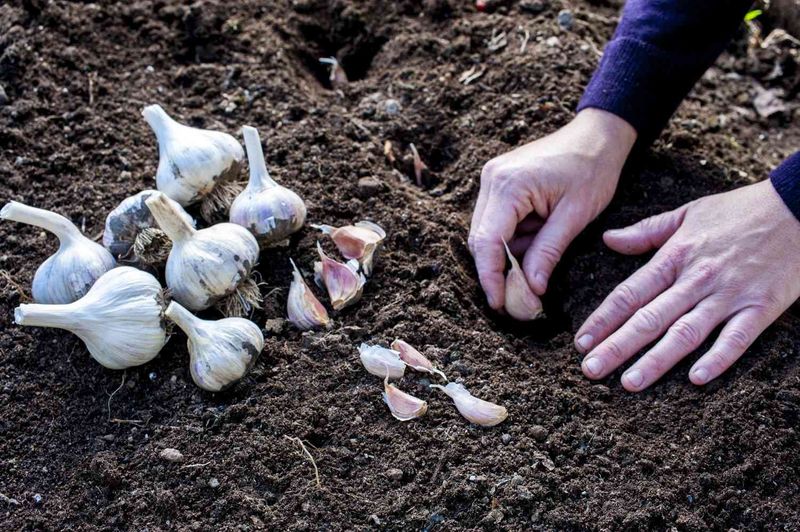
Garlic is the one crop that actually needs winter to do its job. It wants 6 to 8 weeks of temperatures below 40°F to split into a full head of cloves.
Skip the cold, and you may end up with one round bulb instead.
Aim to plant 2 to 4 weeks before your ground usually freezes. Push each clove about 2 inches deep, pointy end up, roughly 6 inches apart in loose, well-draining soil.
A blanket of straw on top helps keep the soil from heaving during freeze and thaw cycles.
Pick the right type for your area. Hardneck garlic handles cold winters in Zones 3 to 6 and gives you curly scapes in late spring.
Softneck garlic does better in milder Zones 5 to 9 and stores longer after harvest.
Fun bit: those scapes are a bonus crop. Snap them off in May and toss them into pesto.
2. Shallots
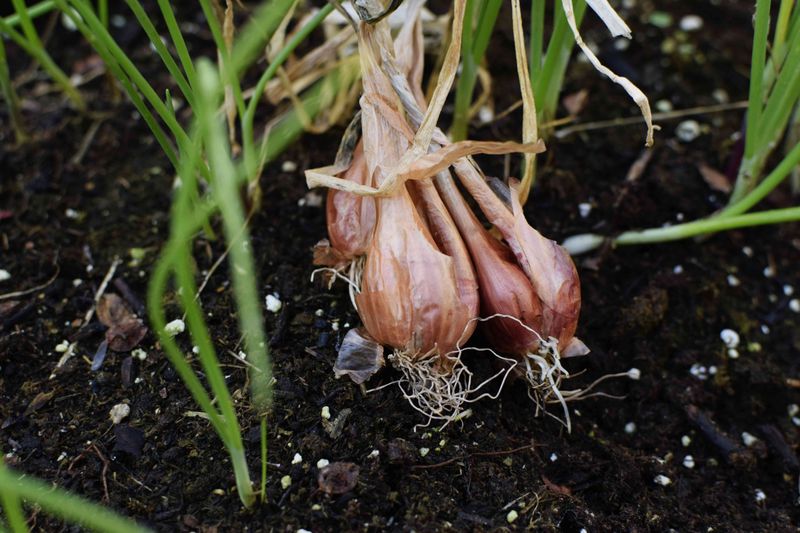
Picture garlic’s quieter, sweeter cousin. Shallots bring a mild onion flavor that cooks love, and they follow nearly the same fall schedule as garlic.
Plant sets in October with the tips just peeking above the soil. Space them about 6 inches apart so each one has room to multiply into a little cluster.
One set can turn into five or more bulbs by summer.
Expect your harvest around June or July, once the tops flop over and turn yellow. Let them dry in a shady, airy spot for a couple of weeks before storing.
3. Kale
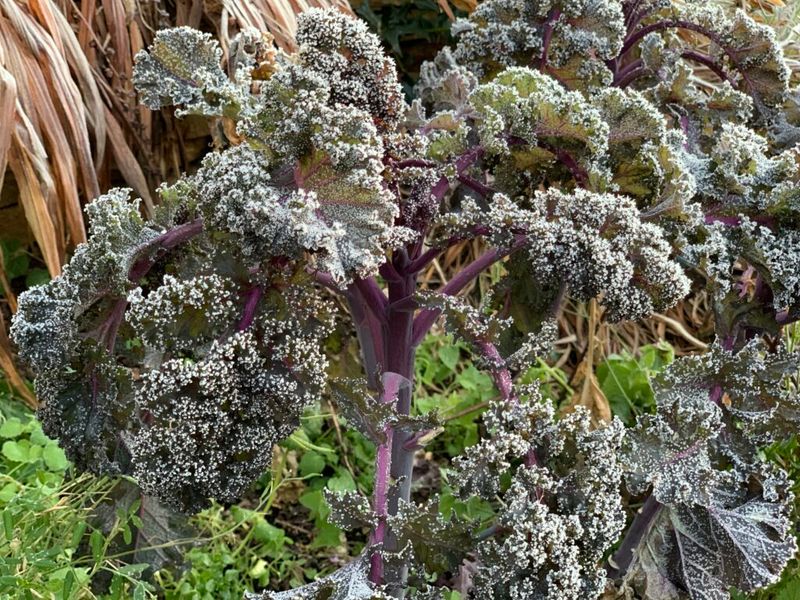
Frost on kale is not a disaster. It’s seasoning.
Cold snaps push the plant to store more sugar, which is why winter kale tastes milder than the tough summer kind.
Set out transplants or sow seeds in full sun with moist soil rich in compost. Kale shrugs off cold better than almost anything in the vegetable patch.
In many areas it keeps producing leaves well into winter and starts growing again as soon as spring warms up.
Harvest from the bottom up, picking the outer leaves and leaving the center to keep growing. A single plant can feed you for months this way.
4. Spinach
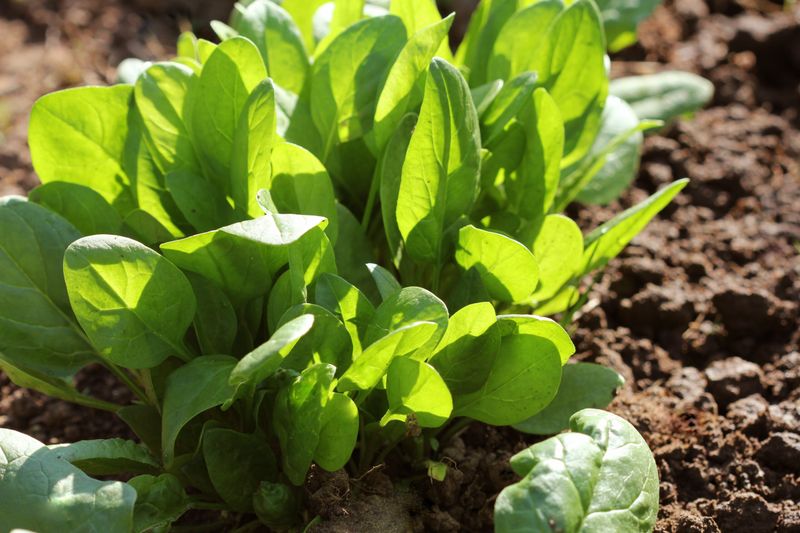
Ask any longtime gardener about overwintered spinach and watch them smile. Leaves that survive winter come out thick, sweet, and far tastier than store-bought bags.
Spinach grows best between 50°F and 60°F, which makes October close to perfect. Frost rarely hurts it, and plants can often survive dips below 20°F.
Sow seeds about half an inch deep, a little deeper than you would in spring.
In colder regions, a simple hoop house or cold frame can make a big difference. The plants grow slowly through winter and then take off early in spring.
That gives you a longer picking window before summer heat makes them bolt.
5. Lettuce
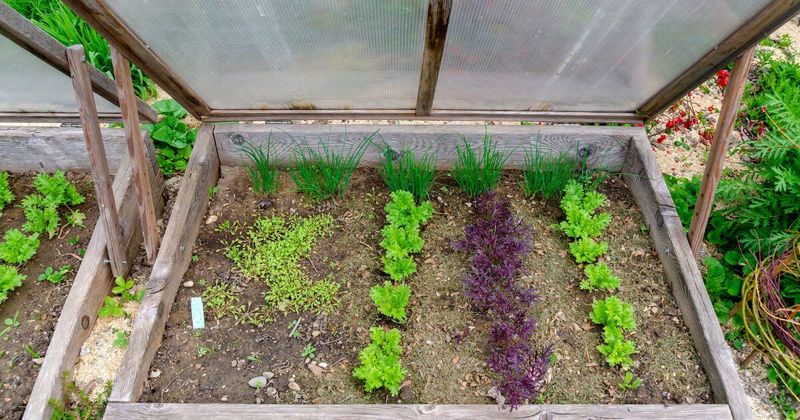
Tired of bitter lettuce that bolts the minute July hits? Fall is your fix.
Cool weather keeps leaves crisp and sweet, and the plants take their time instead of rushing to flower.
Choose smaller, cold-hardy types like butterhead or loose-leaf varieties. Sow seeds shallowly since lettuce needs a bit of light to sprout.
Keep the bed evenly moist while seedlings get going.
Small plants can overwinter inside a cold frame for a very early spring salad. If a hard freeze is coming and you have no cover, toss a frost cloth over them for the night.
6. Beets
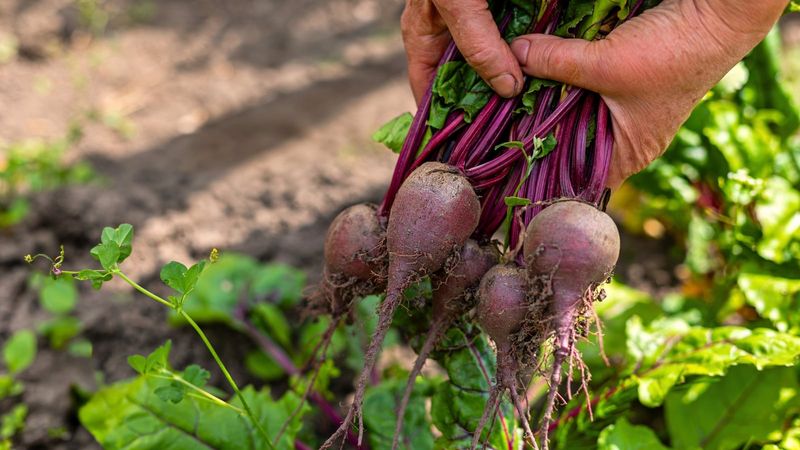
Here’s a crop that pays you twice. You get the sweet roots, plus the tender greens make a great sauté.
Beets that grow in cool soil usually taste sweeter and less earthy. Sow seeds in October and thin seedlings to about 3 inches apart, since each wrinkly seed is really a cluster that sprouts several plants.
Their roots sit close to the surface, so a layer of straw or shredded leaves can help protect them from freezing. Pull them through winter as needed and into early spring.
7. Carrots
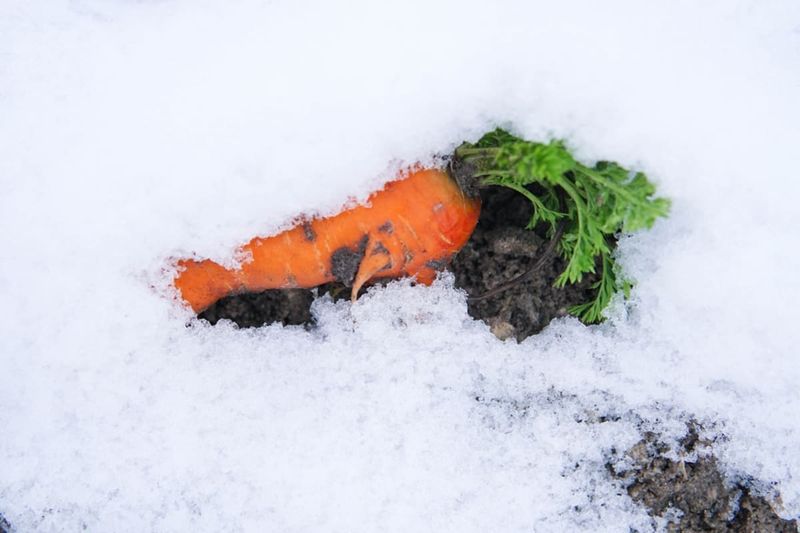
Gardeners in cold states have a little secret: the best carrots of the year are often dug up in late winter. It comes down to something called cold-induced sweetening, where the root turns starch into sugar to protect itself from freezing.
Always sow carrot seeds right where they’ll grow. They hate being transplanted and tend to come out forked.
Keep the soil surface damp until they sprout, which can take two weeks.
You can harvest in 8 to 10 weeks or leave them in place under a thick mulch until spring. Even in chilly areas, a good layer of straw can keep them in decent shape.
Little extra: carrots were purple and yellow long before orange ones became popular.
8. Peas
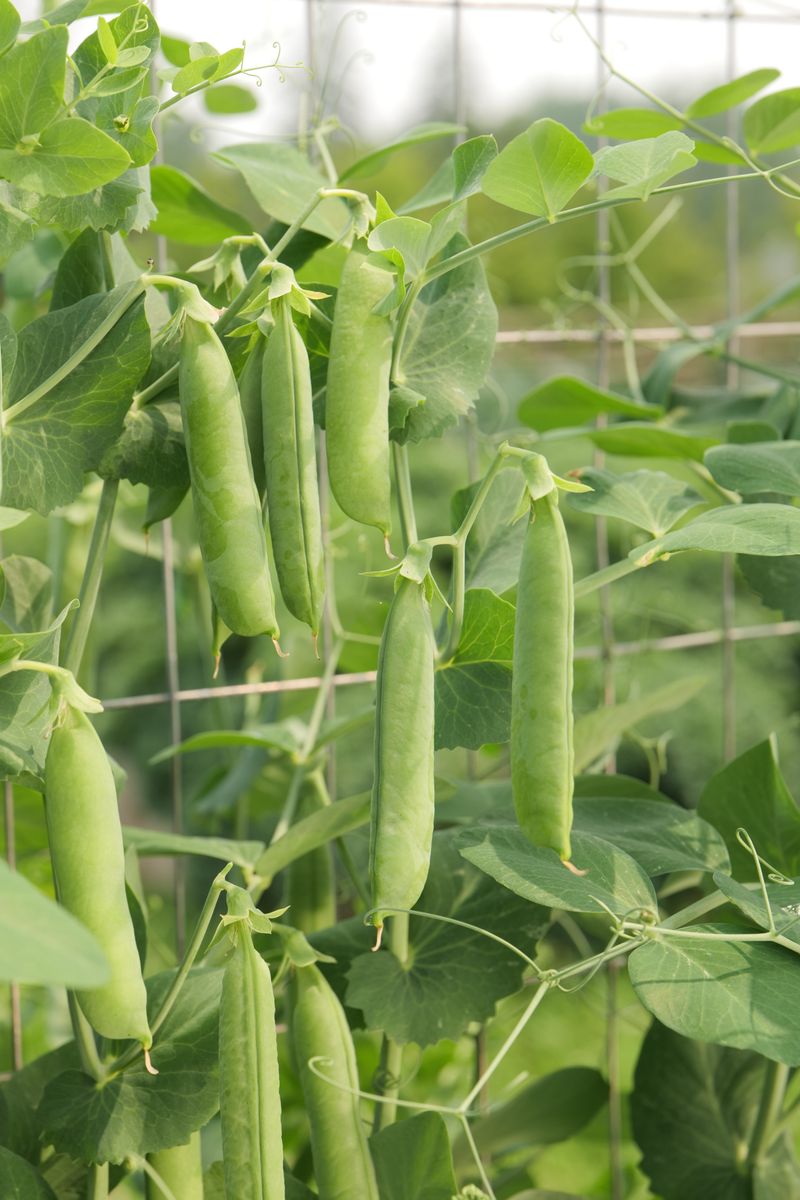
Speed is the big selling point here. Many peas mature in roughly two months, so seeds planted early in October can give you a real harvest before deep winter.
They also handle cold surprisingly well, and some varieties can survive temperatures near zero. Give them a short trellis or a fence to climb.
Soak seeds overnight to help them sprout faster in cooler soil.
Bonus: fall plantings usually see fewer aphids and other pests. In warmer zones, peas sown now may keep growing slowly and bloom early in spring.
9. Radishes
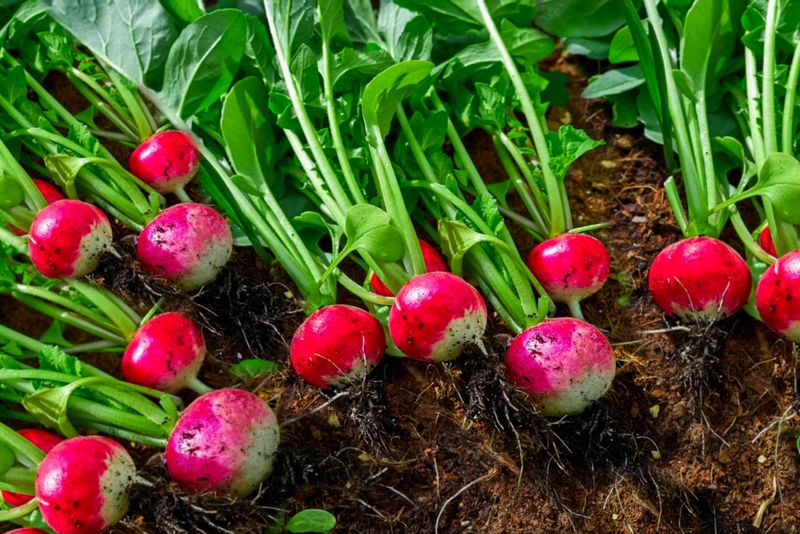
Impatient? Radishes are your crop.
Many are ready to pull in under a month.
They tolerate frost down to around 20°F, and lots of gardeners swear fall radishes taste better than spring ones, with crunch and a gentler bite. Sow a short row every 2 to 3 weeks for a steady supply instead of a huge pile all at once.
Don’t leave them too long, though. Overgrown radishes turn woody and hot.
Pull them when the shoulders peek above the soil at about an inch wide.
10. Turnips
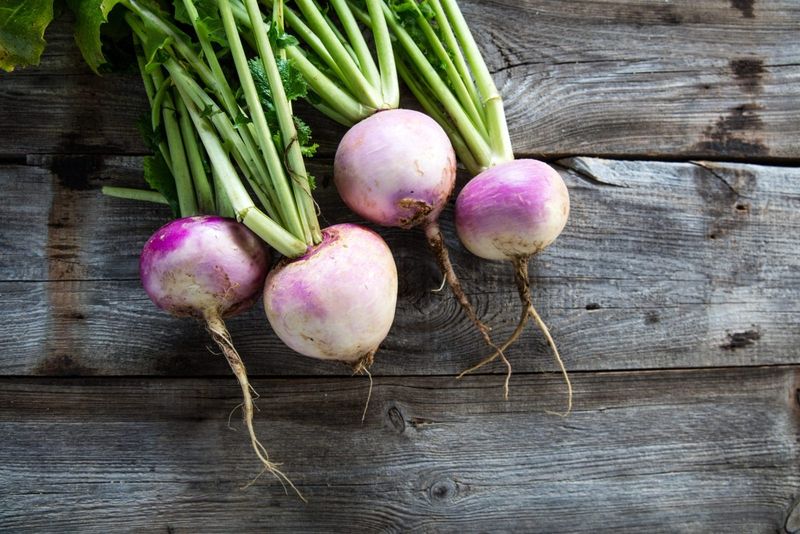
Grandma knew what she was doing with fall turnips. Cool weather gives them a sweeter, milder taste than the sharp ones grown in summer.
Turnips can handle cold down to about 15°F. Depending on the variety, you can eat them in about a month, or pick them small as tender baby turnips that are great roasted whole.
Don’t toss the greens either. They are tasty cooked like collards, so one row gives you two meals.
11. Broccoli
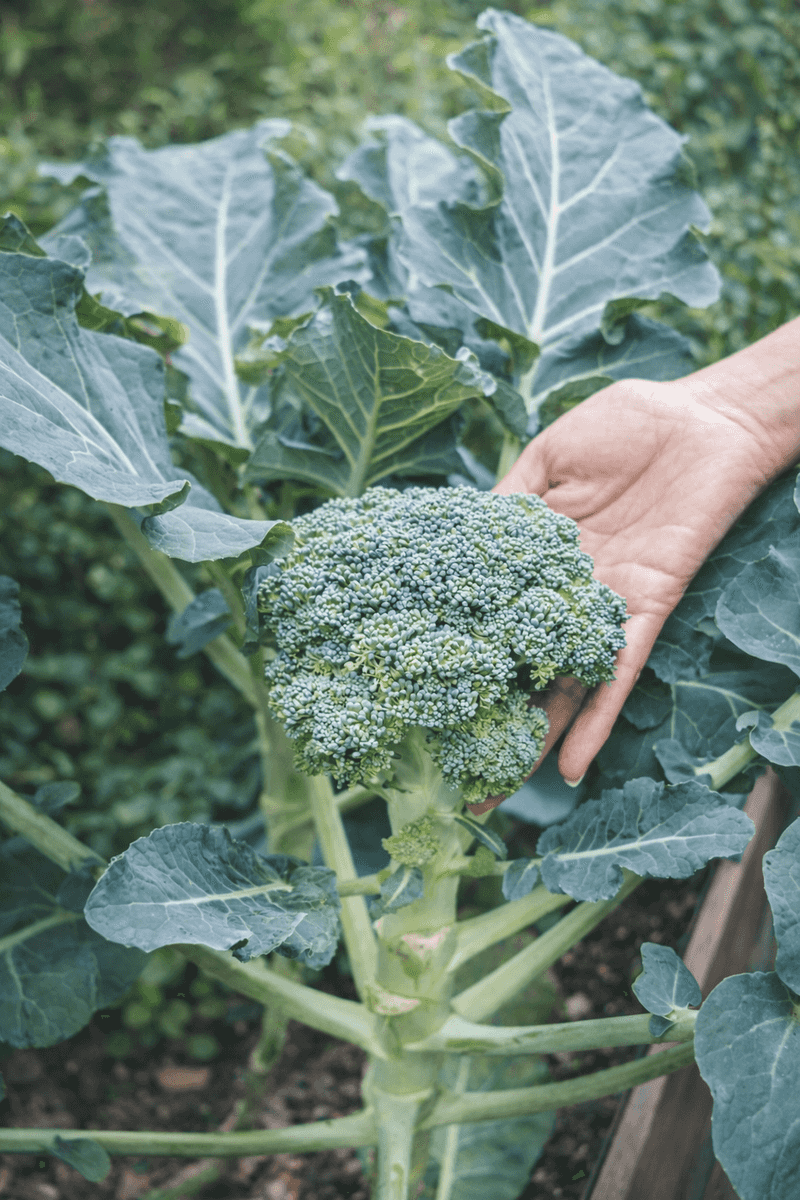
Warm-zone gardeners, this one’s for you. Broccoli takes around 80 days from seed, so October planting works best where winters are mild, such as the South and parts of the West Coast.
Using transplants instead of seeds can save several weeks. Broccoli loves cool weather and tends to bolt into yellow flowers once temperatures climb, which is why spring crops often disappoint.
Try to harvest heads before a hard freeze. After you cut the main head, leave the plant, since side shoots may keep coming for weeks.
12. Cabbage
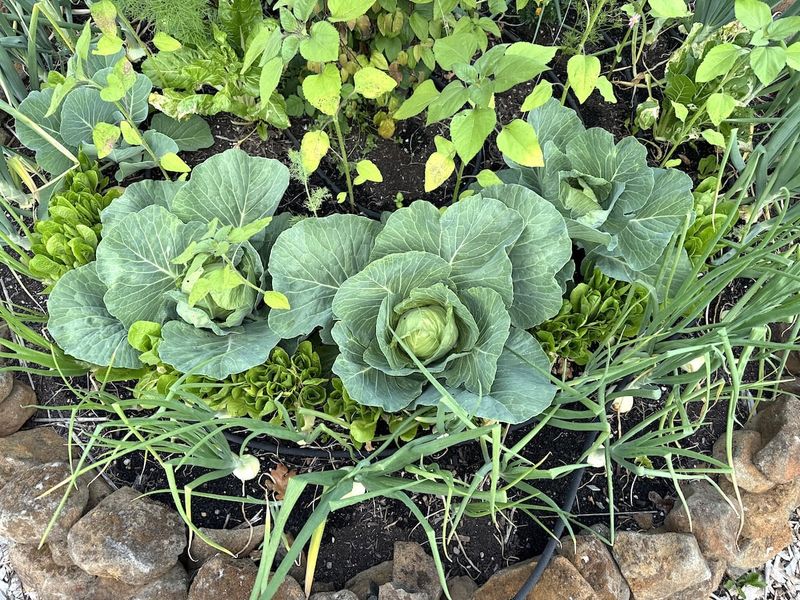
Sturdy, reliable, and a little old-fashioned, cabbage is the workhorse of the cold garden. Some varieties are tough enough to stay outside all winter.
The key is moisture. Keep the soil evenly damp through winter, since dry spells can lead to split or stunted heads.
Once nights drop below 45°F, a row cover can add helpful protection.
Look for varieties labeled for overwintering or fall planting. Come spring, you may have solid heads ready long before your spring transplants catch up.
13. Arugula
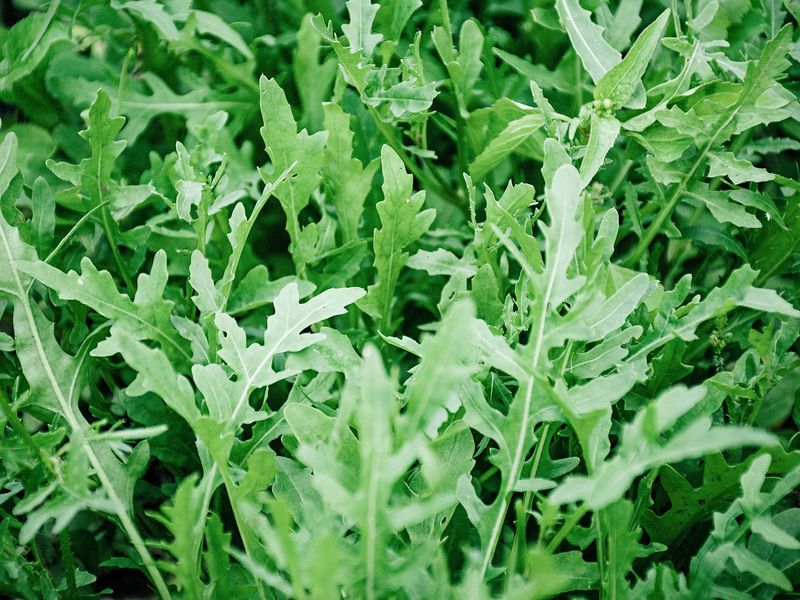
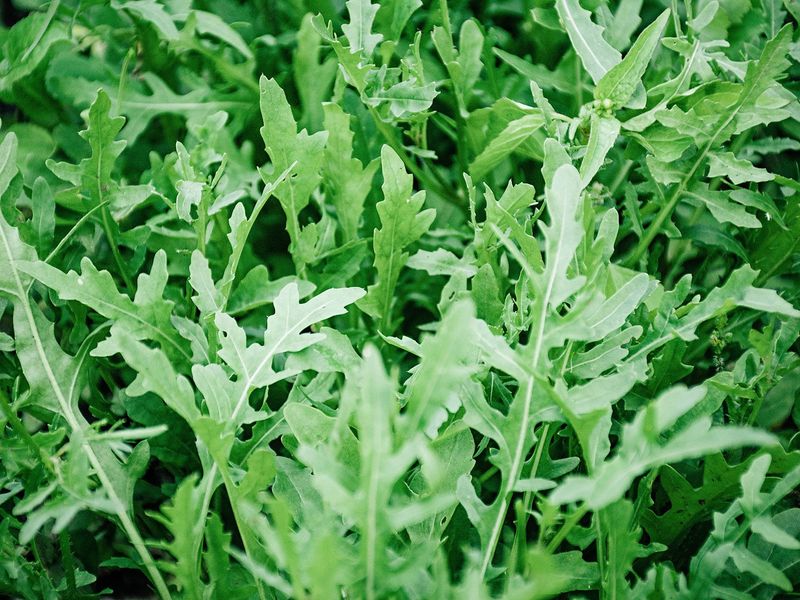
Arugula sprouts in just 5 to 7 days, faster than almost anything on this list. Within four weeks you can snip baby leaves for salads and sandwiches.
Its peppery kick stays pleasant in cool weather, while summer heat makes it bolt and taste harsh. Scatter seeds thickly in a bed or even a pot by the back door.
In Zones 8b and warmer, arugula often overwinters with little protection. Elsewhere, a frost cloth can stretch your harvest.
So before you put the trowel away, grab one more packet of seeds. Your spring self will thank you.