
The Tidy Yard Habits North Carolina Homeowners Swear By That Actually Invite Mice Right Up To The Foundation
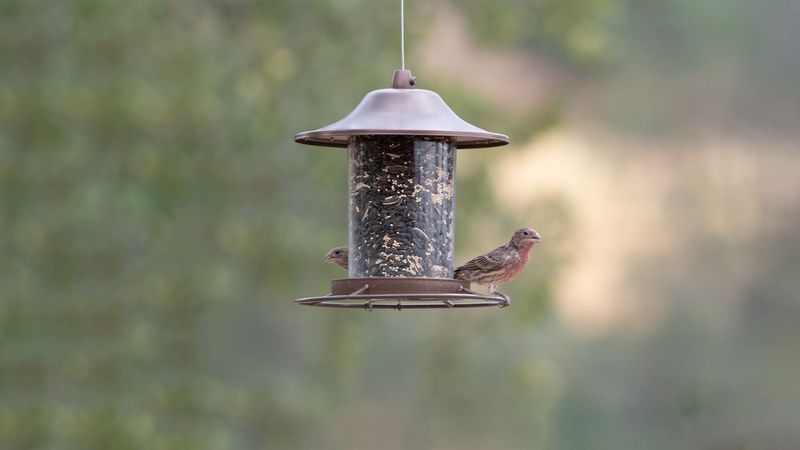
You rake, you mulch, you trim, and your North Carolina yard looks great from the street. But some of those neat habits can roll out a welcome mat for mice, right up against your foundation.
Once mice settle in close, it is a short trip through a crack or vent into your crawlspace or kitchen. The good news is that a few small changes can keep your yard tidy, friendly to box turtles and fireflies, and much less inviting to rodents.
1. Piling Fresh Mulch Against the Foundation
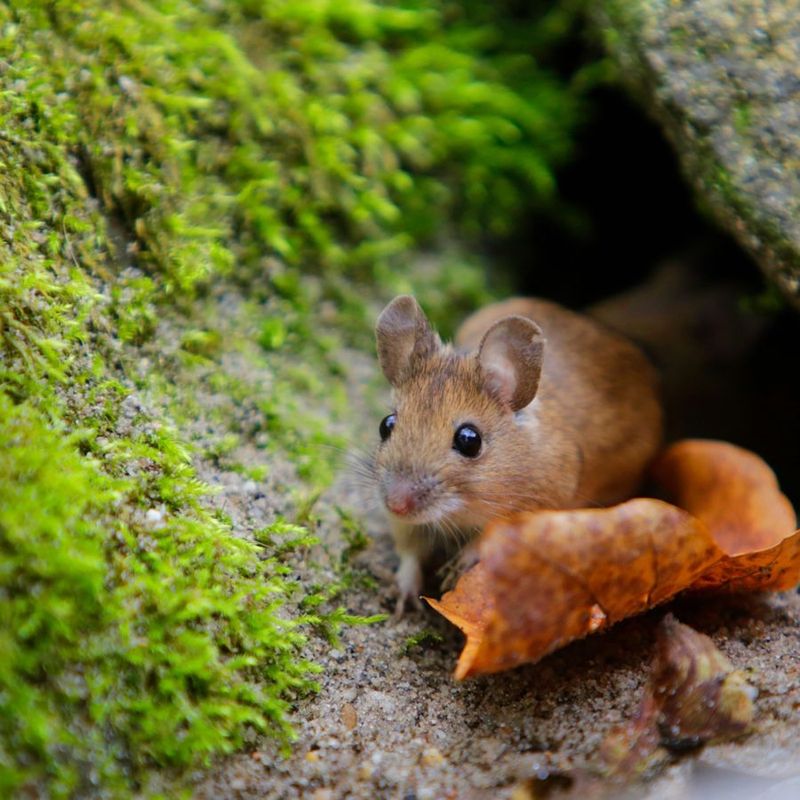
Spring in the Piedmont often starts with a truckload of pine bark nuggets and a weekend of spreading. It looks fresh and clean.
To a mouse, though, a deep blanket of mulch hugging your brick is a warm, hidden hallway.
Organic mulch holds heat and moisture, and mice can tunnel through it without a hawk or owl ever spotting them. When that mulch touches the siding or covers the gap above your foundation, rodents get a private path straight to any crack or vent.
Try a two-foot strip of pea gravel, crushed stone, or pavers right next to the house. Keep mulch beyond that strip and no deeper than two or three inches.
Your beds still look polished, and mice lose their covered runway.
2. Raking Leaves Into Piles Beside the House
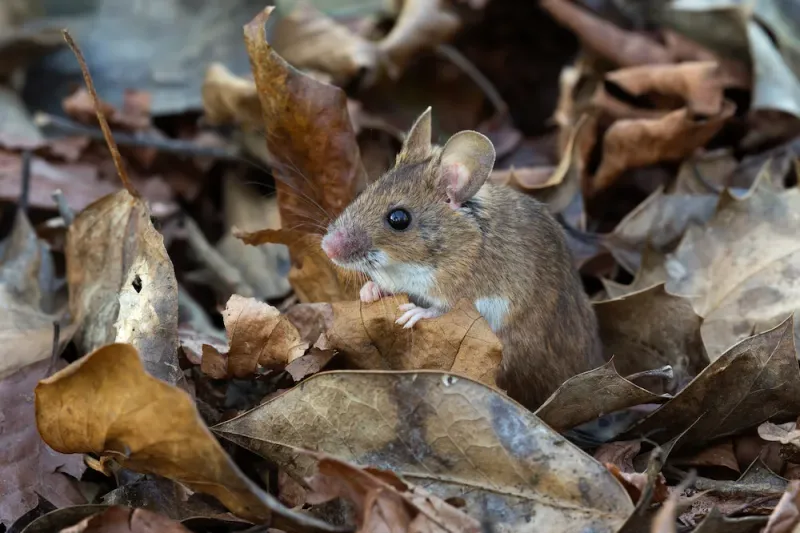
Picture a crisp November Saturday in Raleigh. You rake every oak leaf off the lawn and push the whole pile against the side of the house to deal with later.
Later turns into January, and by then a family of mice has moved in.
Leaf piles trap moisture, which draws insects, which draws hungry rodents looking for both food and nesting fluff. A heap next to a crawlspace vent or under a deck is basically a furnished apartment.
You do not have to give up on leaving the leaves for fireflies and native bees. Spread them thinly in garden beds or move piles at least 20 feet from the foundation.
Firefly larvae still get their winter shelter, and mice lose the easy doorstep.
3. Letting Foundation Shrubs Grow Thick and Full
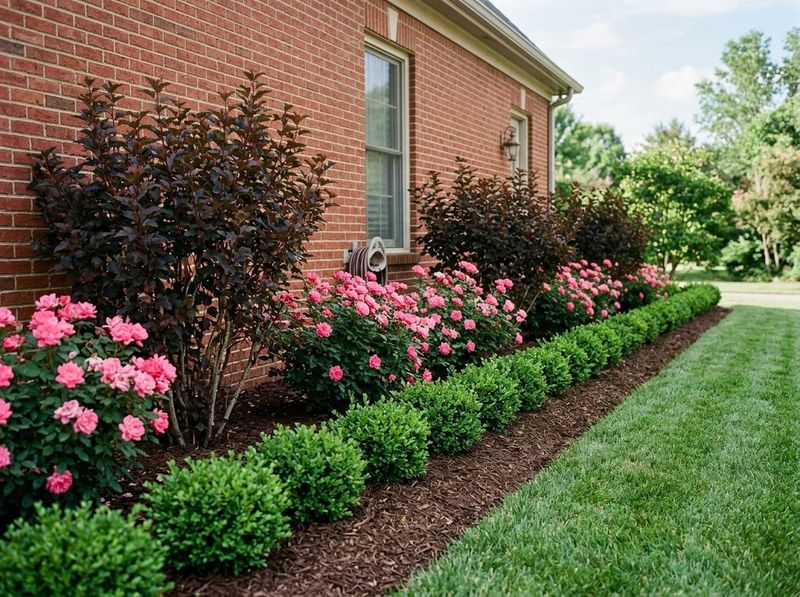
Full, lush foundation plantings feel like the mark of a mature, well-kept home. Mice agree, for very different reasons.
Rodents are prey animals, so they hate crossing open ground. Dense shrubs pressed against your walls give them shady cover from the curb to your foundation, with plenty of leaf litter underneath for nests.
Prune so there is a clear gap of at least a foot or two between shrubs and siding, and lift lower branches so you can see the soil. When you replace tired plantings, consider compact NC natives like inkberry holly or Virginia sweetspire, placed a little farther out.
Birds still get berries and cover, but the space against the house stays open and visible.
4. Stacking Firewood Neatly by the Back Door
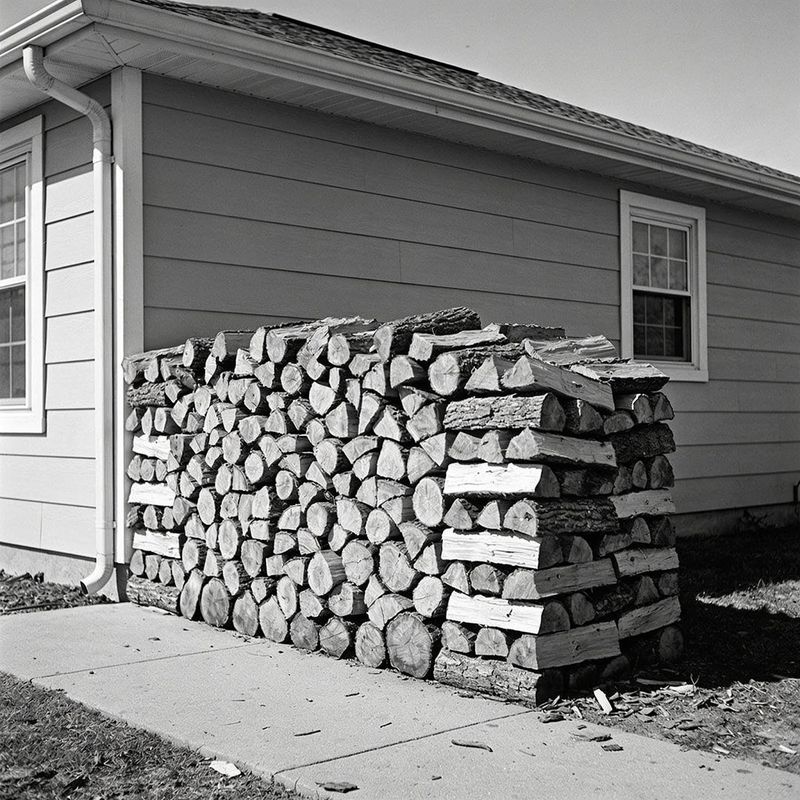
Up in Boone or Asheville, a tidy cord of oak stacked by the back door feels downright cozy. It is also one of the most reliable mouse hotels in the state.
Woodpiles offer dark gaps, steady warmth, and almost no disturbance. Mice, along with snakes and insects, love them.
When the stack leans on your house, the critters inside are just inches from a way in.
Move firewood 18 to 20 feet away and raise it at least 18 inches off the ground on a rack. Bring in only what you will burn in a day or two.
The extra walk is a small price for a quieter winter wall.
5. Hanging Bird Feeders Close to the Windows
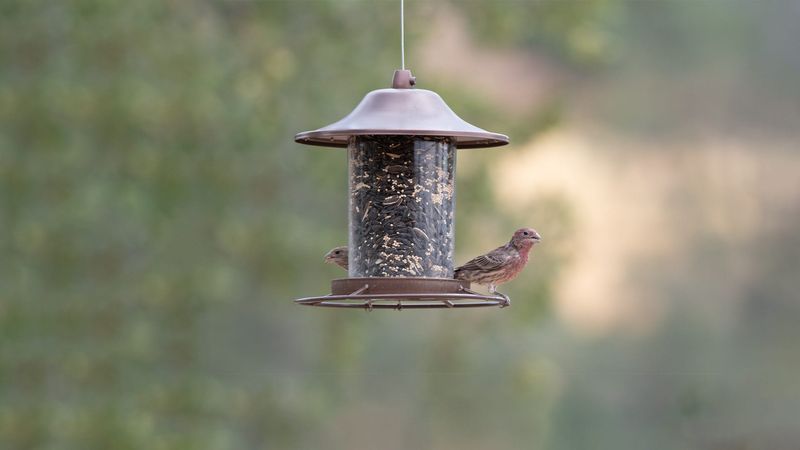
Few things beat watching goldfinches flash yellow at a feeder outside the kitchen window. Underneath, though, a different crowd shows up after dark.
Spilled sunflower and millet seed is a nightly buffet for mice. When the feeder hangs near the house, that buffet sits right beside your foundation, and well-fed mice start looking for nearby shelter.
Hang feeders 25 to 30 feet out, add a seed tray, and sweep up hulls a few times a week. Better yet, plant purple coneflower, black-eyed Susan, and native asters.
Goldfinches love those seedheads, and nature does a tidier job than any feeder.
6. Leaving Pet Bowls on the Porch Overnight
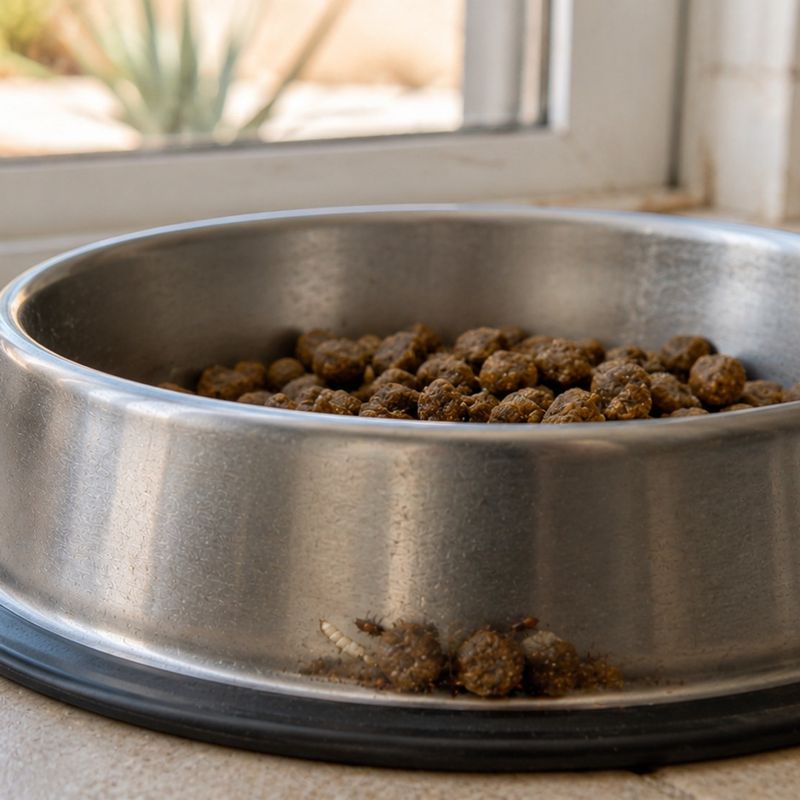
Here is a fun fact: a house mouse needs only about a tenth of an ounce of food a day. A few leftover kibbles in the dog bowl can feed one easily.
Porch feeding stations feel clean and convenient, especially in muggy Coastal Plain summers when pets spend time outside. But food left overnight draws mice, plus raccoons and opossums.
Feed pets on a schedule and bring bowls in after meals. Store bags in sealed metal or hard plastic bins, not in the paper sack by the door.
Your porch stays tidy and nobody else gets a free dinner.
7. Keeping the Compost Bin Handy by the Kitchen
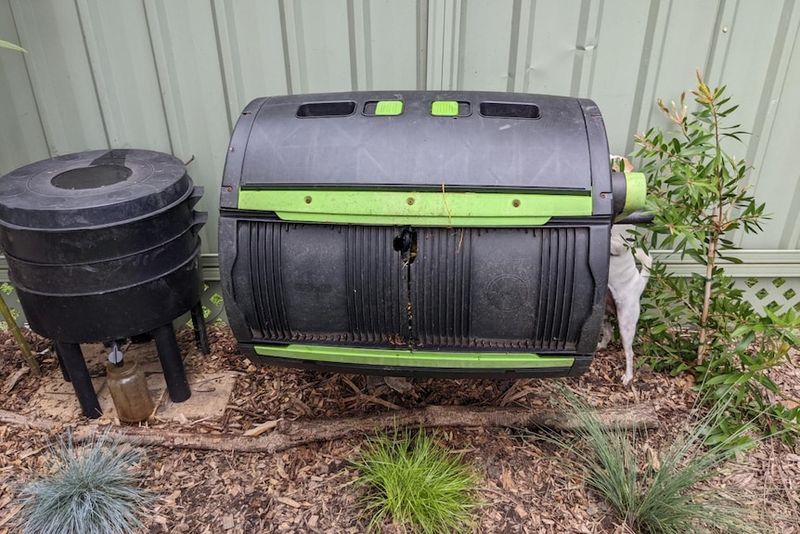
Composting is one of the best things you can do for your soil. Putting the bin three steps from the kitchen door is one of the easiest ways to feed mice.
Food scraps, warm decaying material, and a loose lid make a perfect setup for rodents. Once they find it, the house next door looks like a great place to sleep.
Place compost well away from the house, ideally 100 feet if your lot allows, or as far as you reasonably can. Use a bin with a tight lid and hardware cloth on the bottom.
Skip meat, dairy, and oily scraps, and turn the pile often so nests get disturbed.
8. Lining Up Empty Pots and Garden Gear Along the Wall
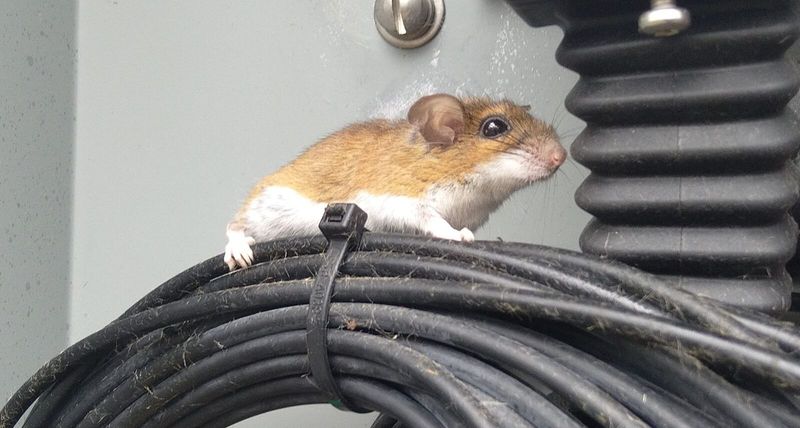
We have all done it. The season ends, and the empty terracotta pots, extra potting soil, and old watering cans get lined up neatly along the side of the house.
To you, it is organized storage. To a mouse, every stacked pot and folded tarp is a quiet cave nobody will check until spring.
Store gear in a shed on shelves, or on racks at least a foot off the ground. Unstack pots and flip them upright so they do not form hollow nests.
A quick seasonal sweep along the foundation reveals droppings early, before a problem grows.
9. Planting Thick Ground Covers Right Up to the Siding
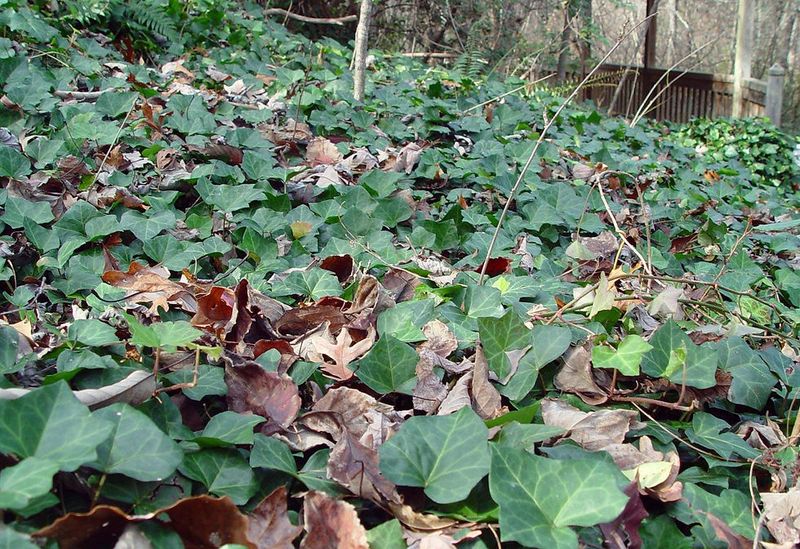
English ivy and vinca once seemed like the perfect fix for a bare, shady strip by the house. They spread fast, stay green, and hide everything.
That last part is the trouble.
A thick mat of ground cover gives mice tunnels under the leaves and a ladder up walls. Even worse, English ivy and periwinkle are invasive in North Carolina, smothering native plants in our woodlands.
Pull them out, especially near the foundation, and leave that gravel buffer bare. Farther out, try native options like green-and-gold, wild ginger, or Pennsylvania sedge.
They stay lower, feed local pollinators, and are much less of a rodent highway.
10. Reaching for Poison Bait to Finish the Job
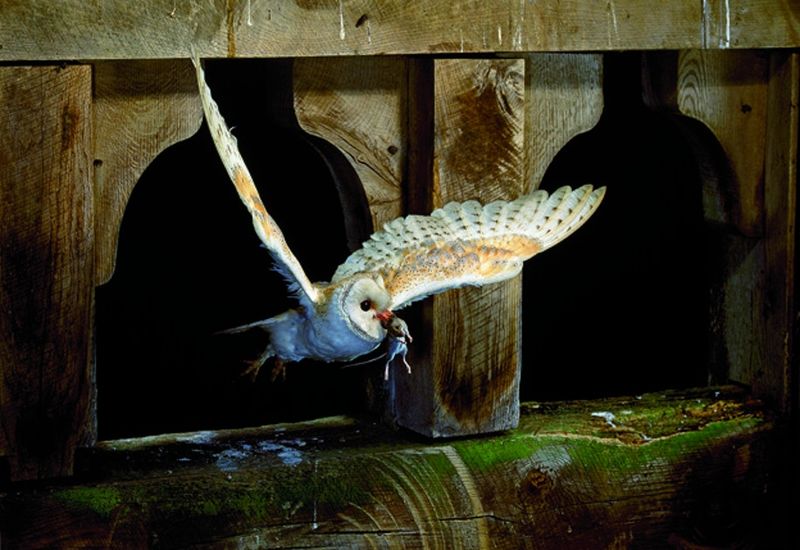
After all that cleanup, it is tempting to scatter rodent poison and call it done. Please pause before you do.
Poisoned mice wander off slowly, and barred owls, red-tailed hawks, black snakes, foxes, and even your pets may eat them. Those predators are your best free mouse control, and second-hand poisoning can harm or kill them.
Instead, seal gaps around pipes and vents with steel wool and caulk, add mesh to crawlspace vents, and use snap traps inside enclosed boxes when needed. Then let the owls do the night shift.
A good steward’s yard works with its wildlife, not against it.