
The One Thing North Carolina Lawns Need In September Or Fall Drought Quietly Thins Them Out
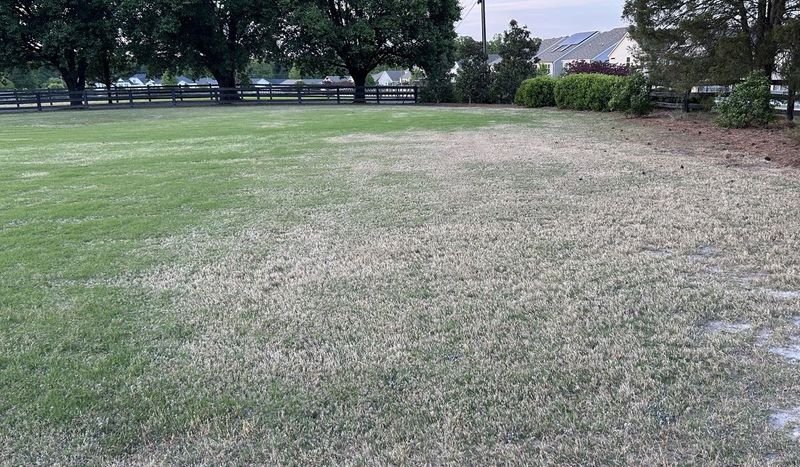
September can be a tricky month for North Carolina lawns, especially when rain stays scarce and the grass starts looking worn out. Some yards are quietly thinning because of real drought stress, while others are just doing what warm-season grasses naturally do in fall.
Knowing the difference between a lawn that needs water and one that is simply winding down for the season can save you from making things worse. The answer starts with one simple question: what kind of grass are you actually growing?
Grass type starts the September decision
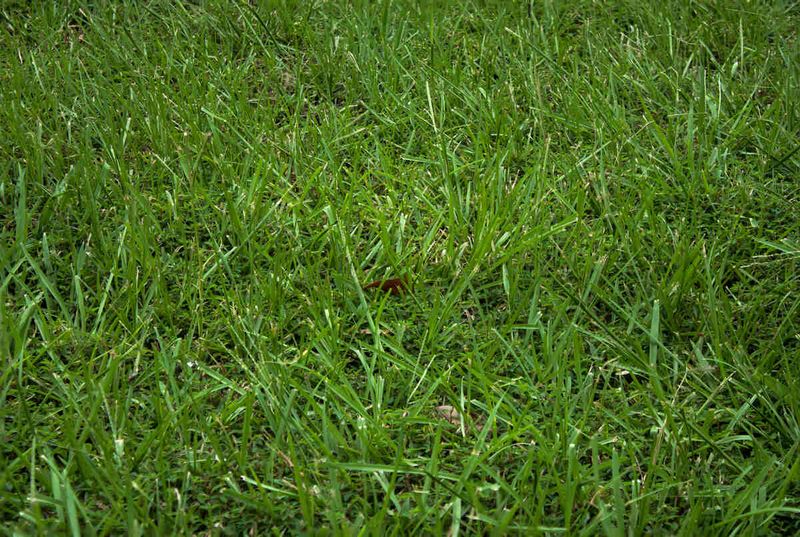
Before you drag out the hose or reach for a bag of fertilizer, the most important question to answer is what grass is growing in your yard. A September recommendation that makes perfect sense for a tall fescue lawn in Asheville can be exactly the wrong move for a bermudagrass lawn in Wilmington.
Grass type does not tell the whole story by itself, but it is the right place to start.
Tall fescue is a cool-season bunch grass that grows best in spring and fall. It is the dominant lawn grass across much of the North Carolina mountains and Piedmont, though NC State’s Carolina Lawns guide notes its suitability drops off in the Coastal Plain.
Because tall fescue grows in clumps rather than spreading laterally, bare spots created by drought or disease will not fill back in on their own. They stay bare until new seed germinates.
Warm-season grasses, including bermudagrass, zoysiagrass, centipedegrass, and St. Augustinegrass, dominate the Piedmont and Coastal Plain. These grasses slow their growth as temperatures drop in fall and can go fully dormant without dying.
A drought in September may simply speed up that dormancy rather than damage the lawn permanently.
Region and soil texture add more variables. Mountain lawns face earlier frost dates and different moisture patterns than Coastal Plain yards sitting on sandy, fast-draining soil.
Piedmont homeowners often deal with clay that absorbs water slowly and holds it unevenly. Drought severity also varies sharply by county.
As a historical example, the NC Drought Management Advisory Council’s map archive from August 11, 2026 showed conditions ranging from D0 to D3 across different parts of the state, a reminder that no single statewide drought claim holds for every yard.
Possible pest or disease damage, establishment age, and current growth stage round out the picture. A stressed, newly established lawn needs different handling than a mature stand that has survived several North Carolina summers.
What drought actually does to a lawn
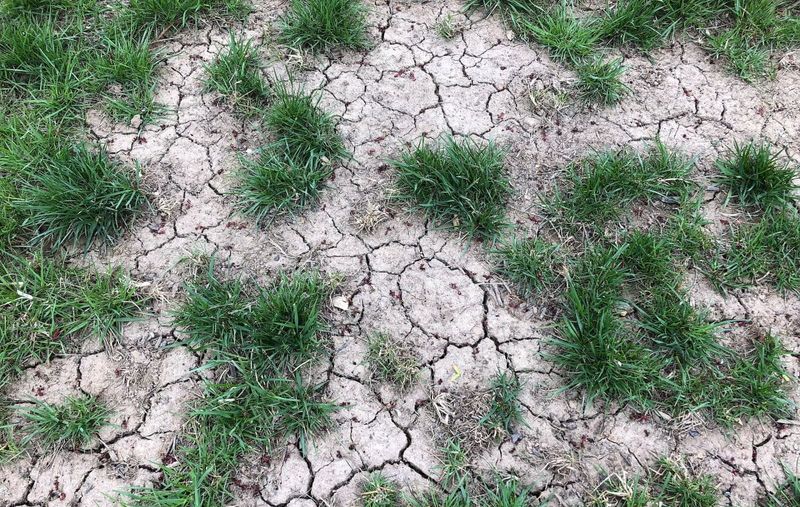
Water stress does not kill grass in a single afternoon. What it does is gradually weaken turf until it becomes vulnerable to problems that would not normally take hold.
Foot traffic that a healthy lawn shrugs off can bruise stressed grass badly enough to leave lasting thin spots. Insects and weeds that healthy turf crowds out find an easier foothold when the grass is struggling to survive.
According to NC State’s water requirements guidance for North Carolina turfgrasses, drought stress can increase a lawn’s susceptibility to traffic injury, disease, and weed invasion. For tall fescue specifically, NC State notes that some grass may be lost when drought stretches beyond roughly three weeks, a meaningful threshold because tall fescue cannot spread laterally to cover the resulting gaps.
The distinction between temporary dormancy and genuine thinning is worth understanding before you reach for a sprinkler. Warm-season grasses such as bermudagrass and zoysiagrass go dormant as a survival strategy.
Brown color alone is not a reliable indicator of damage. The more telling warning signs are persistent bare soil that does not green back up after rain or irrigation, poor recovery several weeks after water returns, and irregular damage patterns that do not match a typical drought layout.
Irregular patches, rings, or sudden color changes that spread over time may point to disease rather than drought. Large patch, a fungal disease of warm-season grasses, and gray leaf spot can both produce brown areas that look like drought stress but require completely different responses.
NC State’s large-patch resource describes how this disease tends to appear in roughly circular patterns, often at the margins of irrigated areas. Nematodes, compaction, shade, thatch buildup, and poor drainage can all produce similar-looking symptoms and are worth ruling out before assuming drought is the only culprit.
The bottom line is that fall drought may cause dormancy, some thinning, or in severe cases permanent loss, but the outcome depends heavily on grass species, drought duration, temperature, traffic, and the lawn’s prior condition.
Check established turf before you water
For an established lawn that is actively growing, the most practical first step is not turning on the sprinkler. It is checking whether the soil actually needs water.
Watering on a fixed schedule without knowing what is happening below the surface can cause as many problems as ignoring drought stress entirely.
Established turf gives visible cues when it is ready for irrigation. Footprints that remain pressed into the turf long after you walk across the yard are a reliable early signal.
The grass may also take on a bluish-gray tint, and individual blades may wilt, fold, or curl inward. These signs appear before the lawn turns fully brown, which means you have a useful window to act.
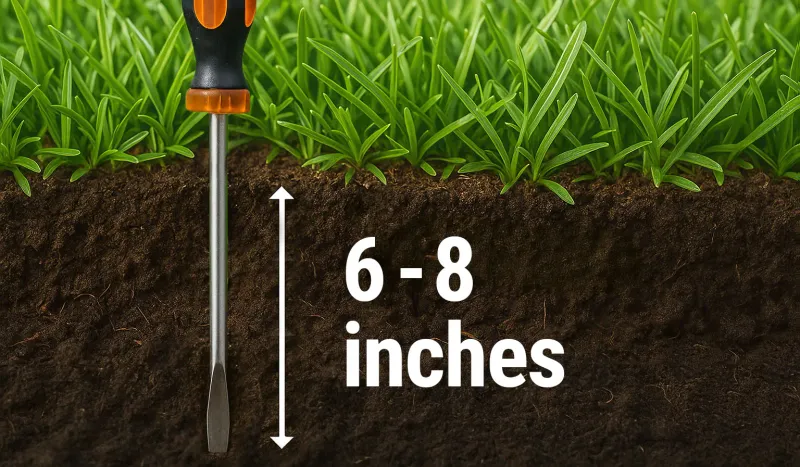
NC State’s turfgrass water requirements guidance describes these stress indicators and recommends using a screwdriver or soil probe to confirm that moisture is actually reaching roughly 4 to 6 inches deep into the root zone.
Push a flat-head screwdriver into the soil after you water. If it slides in without much resistance to a depth of 4 to 6 inches, the root zone has received enough moisture.
If it stops well short of that depth, the water has not penetrated far enough to do the lawn much good.
One important exception applies to newly seeded or recently renovated areas. The stress-based approach described above works for established turf with a developed root system, but it does not apply to seed that is still germinating.
According to NC State’s lawn renovation guidance, newly seeded areas need light, frequent irrigation to keep the seedbed consistently moist. Letting a freshly seeded area dry out, even briefly, can kill germinating seed before it establishes.
Do not wait for visible stress signals in those zones.
Checking soil moisture first prevents overwatering, which can encourage shallow root development and create conditions that favor disease, and it prevents underwatering, which leaves the turf unable to recover from heat and foot traffic.
Water the root zone, not the calendar
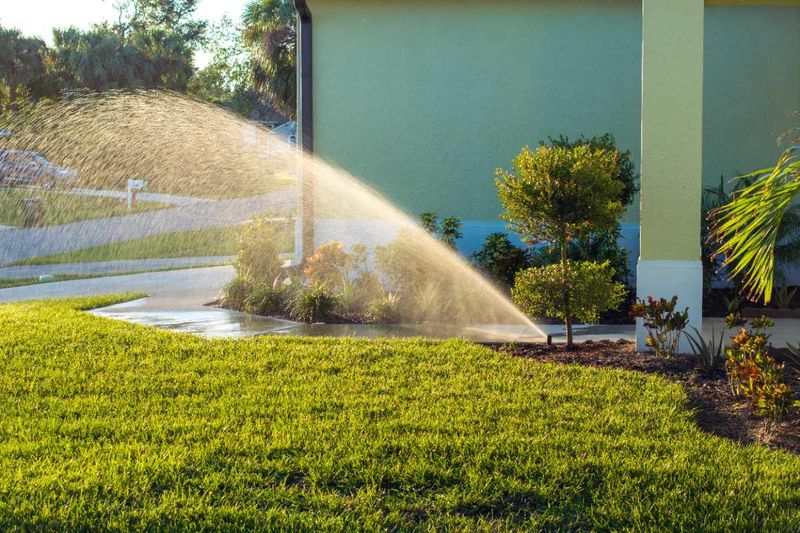
Once you confirm that established turf needs water, the goal is to wet the root zone deeply without wasting water or encouraging runoff. A broad guideline from NC State’s turfgrass water guidance is roughly 1 inch of total water per week for actively growing established turf, counting both rainfall and irrigation combined.
That figure applies to actively growing grass during drought, not as a fixed fall prescription for every lawn in every condition.
Soil texture changes how you deliver that water. Piedmont clay absorbs water slowly.
If you run a sprinkler at full output on clay, the water will run off the surface before it soaks in. The better approach is to water slowly until runoff is just about to begin, then pause and let the water infiltrate before resuming.
Sandy Coastal Plain soils work differently. They drain quickly and cannot hold as much water at once, so smaller and more frequent applications work better.
NC State offers approximately half an inch every third day as a general example for sandy soil, though local conditions and grass type will shift that number.
Early morning is the preferred time to irrigate when possible. Watering in the morning gives the grass time to dry before evening, which reduces the window for disease to take hold in wet foliage.
The NC DEQ’s lawn watering guidance recommends early morning and cautions against leaving foliage wet overnight. That said, late evening through early morning is still listed as an efficient period in NC State’s turf guidance, and nighttime watering is not always avoidable.
If you have a history of fungal disease in your yard, early morning is worth the effort.
Overwatering is not a safety net. Frequent shallow irrigation encourages grass roots to stay near the surface rather than growing deeper, which makes the lawn more vulnerable to future drought.
Runoff carries fertilizer and fine soil particles into storm drains and waterways, adding to water quality problems. Before you irrigate at all, check the NC Drought Management Advisory Council’s current conditions page and your local water utility for any active restrictions.
Drought stages in North Carolina can trigger outdoor watering limits that override general lawn-care guidance, and those rules vary by location and can change quickly.
Dormant warm-season turf changes the fall response
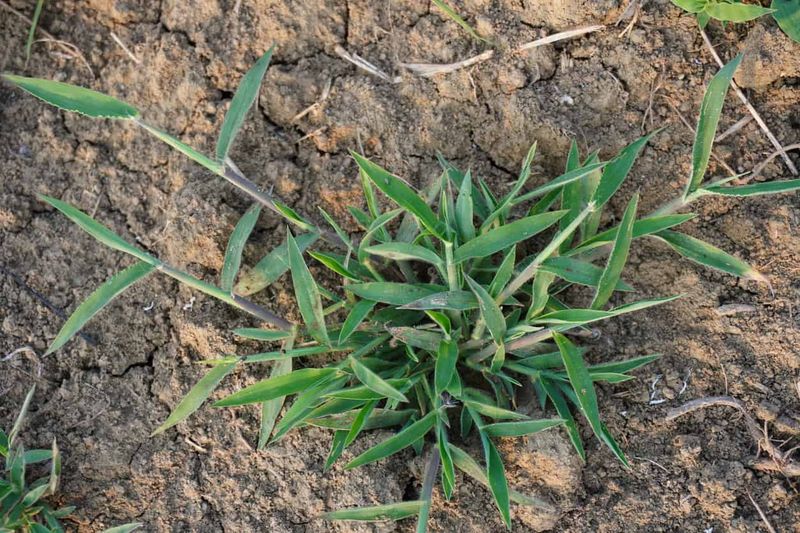
Homeowners with bermudagrass, zoysiagrass, centipedegrass, or St. Augustinegrass are watching a different fall process than their tall-fescue neighbors. As temperatures drop in September and October, warm-season grasses slow their growth and move toward dormancy.
That shift is normal and not a sign that the lawn is dying or needs aggressive intervention.
Brown color on a warm-season lawn in fall does not automatically call for summer-style irrigation schedules or immediate overseeding. NC State’s Carolina Lawns guide explains that established dormant turf generally needs only occasional deep watering during prolonged drought to prevent excessive dehydration or crown injury.
One NC State source gives approximately a quarter inch every three weeks in the absence of rain as a general reference point for dormant turf, though that number shifts with temperature, soil type, and local drought severity.
The NC State bermudagrass maintenance calendar advises keeping soil from becoming powder-dry rather than maintaining a full summer irrigation schedule through fall. For zoysiagrass, NC State’s zoysiagrass calendar similarly reflects that fall care focuses on avoiding extreme dryness rather than sustaining active growth.
Nitrogen fertilization is a specific area where fall caution applies to warm-season grasses. Applying routine or high amounts of nitrogen in fall can push tender new growth that is poorly suited to handle cooler temperatures, and it can increase the risk of large-patch disease.
NC State’s large-patch guidance identifies excessive fall nitrogen as a contributing factor in disease severity for warm-season lawns. The bermudagrass calendar notes that any September nitrogen application should be limited to no more than half a pound of nitrogen per 1,000 square feet, applied roughly four weeks before expected frost, primarily to reduce spring dead spot risk rather than to push fall growth.
Ryegrass overseeding of warm-season lawns is sometimes used for winter color or wear protection, but it can delay spring green-up and compete with the permanent stand during transition. That is a trade-off worth considering carefully before you seed.
Diagnose thin patches before repairing them
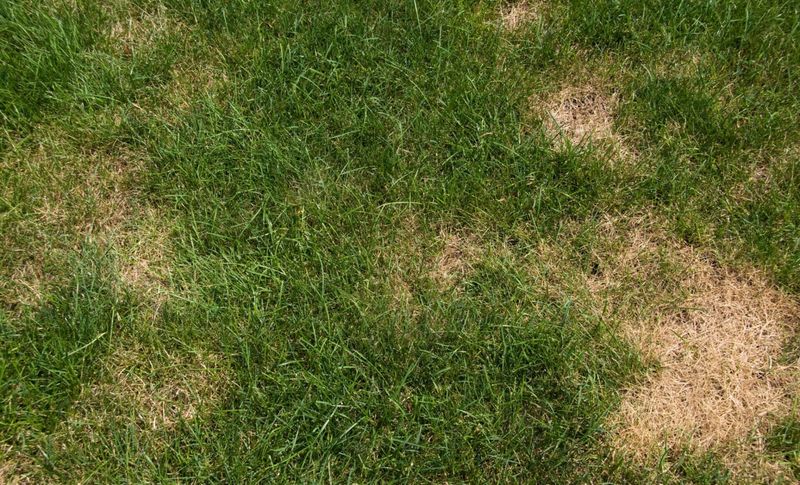
Reaching for a bag of fertilizer or a box of seed every time a patch looks thin is one of the most common and costly lawn mistakes in fall. Before you repair anything, the patch needs a diagnosis.
The cause determines the correct response, and applying the wrong fix can make things worse or simply waste money.
Drought is one possible explanation, but disease, insects, nematodes, compaction, shade, thatch buildup, poor drainage, and poor grass adaptation to the site can all produce similar-looking thin or brown patches. NC State’s nematode resource points out that nematode damage in turf is often misread as drought or nutrient deficiency because the symptoms overlap significantly.
A lawn that stays thin after proper watering and some recovery time needs investigation, not more irrigation or fertilizer.
Potassium is sometimes promoted as a fall drought cure or a universal turf toughener, but the evidence does not support applying it without knowing whether the soil is actually deficient. Penn State Extension’s turfgrass fertilization guide explains that potassium can support drought tolerance, winter hardiness, and disease resistance when levels are low, but adding it to soil that already has adequate potassium does not produce a meaningful benefit.
A soil test through the NC Department of Agriculture or your county extension office gives you the actual numbers before you spend money on nutrients the lawn does not need.
High-nitrogen fertilizer applied to a drought-thinned lawn can promote weak, succulent growth that is poorly equipped to handle stress, and NC DEQ’s water quality and home lawn care guidance notes that excess fertilizer can run off into waterways and contribute to water quality problems.
Aeration, dethatching, aggressive raking, and renovation should wait until the turf has recovered from severe heat or drought stress. Penn State’s thatch management resource cautions that mechanical operations on severely stressed turf can remove living plant material and add injury at a time when the lawn has limited capacity to recover.
If you suspect thatch or compaction, plan those operations for after the stress has eased and the grass is actively growing again.
Tall fescue has a regional recovery window

If you have confirmed that your lawn is primarily tall fescue and that drought or summer heat has left it noticeably thin, fall is genuinely the right season to act. Tall fescue grows best in cool weather, and the period from late August through mid-October is when it can establish new roots and fill in damaged areas most successfully.
The challenge is that this window is shorter than many homeowners expect, and it closes at different times depending on where in North Carolina you live.
According to the NC State tall fescue maintenance calendar, recommended overseeding windows are roughly August 15 through September 1 in the mountains, September 1 through October 1 in the Piedmont, and September 15 through October 15 in the Coastal Plain. Seeding outside those windows increases the risk of failure because germinating seedlings may not have enough time to develop before cold weather arrives or, in the mountains, before frost kills them back.
Before overseeding, the existing lawn should be in reasonably good shape. Seeding into a lawn that is still severely drought-stressed or damaged gives new seed a poor environment for germination.
Aeration can help on compacted soils, but only after the drought stress has eased and the turf is actively growing again. Aggressive raking or renovation while the lawn remains under significant stress removes living plants and adds injury the grass is poorly positioned to recover from.
Fertilization for tall fescue in fall should be based on a soil test rather than a general schedule. NC State’s basic guidance for tall fescue without a soil test suggests approximately 1 pound of nitrogen per 1,000 square feet in mid-September and again in November, but that recommendation applies specifically to tall fescue and should not be carried over to warm-season grasses.
Because tall fescue is bunch-type, bare areas will not fill laterally from neighboring plants. NC State’s renovation guidance notes that newly seeded areas need light, frequent irrigation to keep the seedbed consistently moist through germination.
Unlike established turf, you cannot wait for visible stress signals in a freshly seeded area. If the seedbed dries out, the germinating seed dies.
Use a simple fall decision sequence
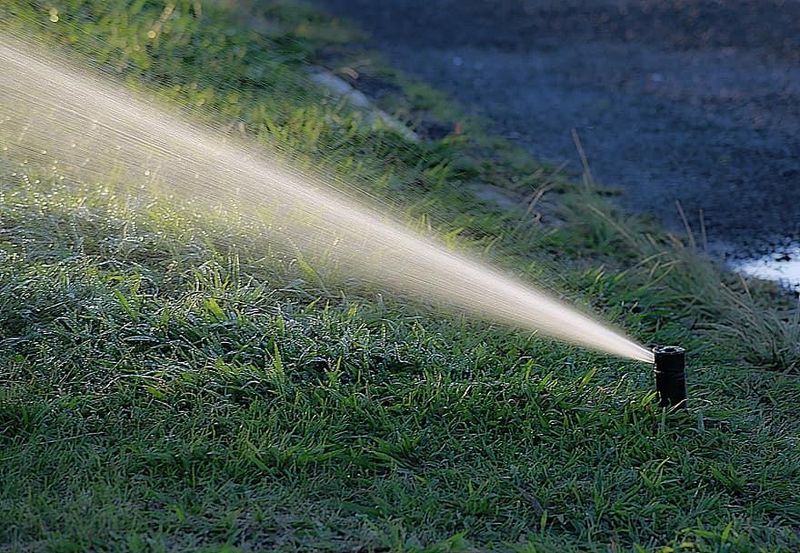
Sorting out a September lawn situation does not require guessing. A short sequence of questions moves you from confusion to a specific, defensible response for your yard and grass type.
Start by identifying your dominant grass. If you are unsure, your county cooperative extension office can help.
Then check current drought conditions at the NC Drought Management Advisory Council’s current conditions page and confirm whether your local water utility has any active irrigation restrictions in place. Drought stages can limit outdoor watering, and those rules take priority over general lawn care advice.
For established turf that is actively growing, inspect the lawn for moisture stress using the footprint test and a screwdriver pushed into the soil. If the root zone is dry and the grass is showing stress, water deeply enough to wet 4 to 6 inches of soil, using a method suited to your soil texture.
NC State’s turfgrass water requirements resource covers both the stress signals and the delivery methods in practical detail.
If your warm-season lawn has gone brown, consider whether normal fall dormancy explains the color before intervening. Allow the dormancy to proceed, provide an occasional deep drink only if the soil becomes extremely dry, and hold off on nitrogen fertilizer.
If your tall fescue lawn is thin and you are still within your region’s seeding window, address soil moisture first, then plan overseeding on a reasonably healthy base.
Persistent thin areas that do not respond to correct watering deserve a diagnosis before any repair. The lawn that recovers fastest in spring is usually the one that received the right care in fall, not the most care.