
Pine Straw Or Mulch In North Carolina: Which One Actually Helps Reduce Ticks At Your Yard Border
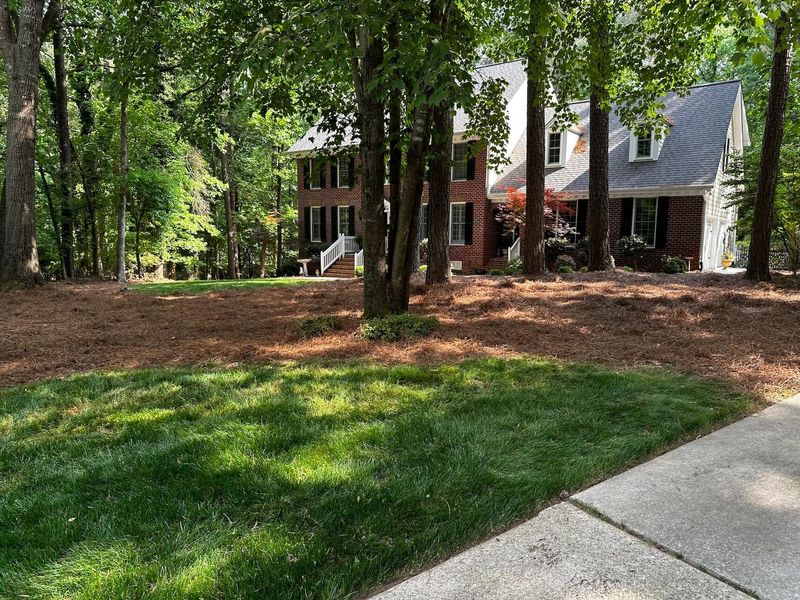
Tick season in North Carolina is no joke, and plenty of homeowners are convinced that swapping one mulch for another will solve the problem at the yard’s edge. The truth is a little more complicated, and knowing it can save you time, money, and a false sense of security.
The real question is not which mulch repels ticks, but how to set up and maintain a yard border that actually reduces your family’s exposure.
Neither mulch material keeps ticks out by itself
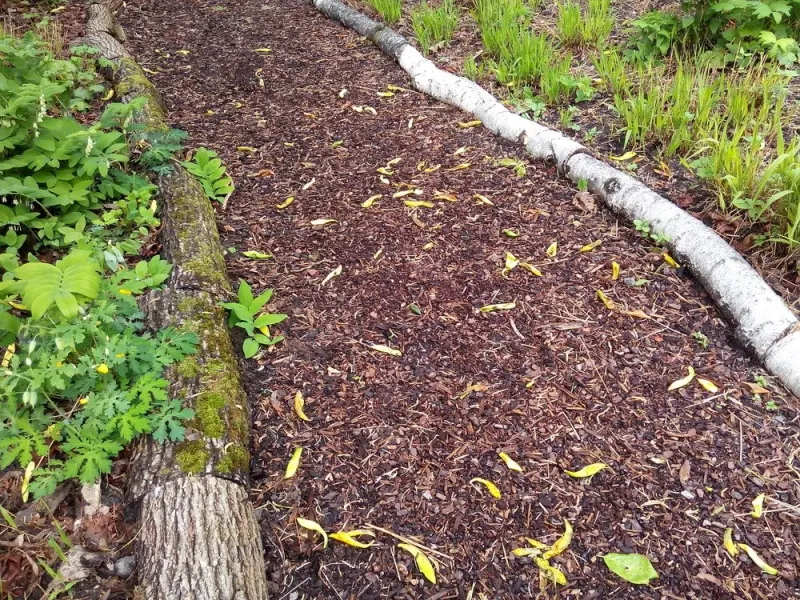
Plenty of gardeners in North Carolina argue about whether pine straw or wood-chip mulch is better at keeping ticks away from the yard. Both sides of that debate are missing the bigger point: no single mulch material, placed anywhere on your property, is going to keep ticks out on its own.
Ticks do not respect a line of pine needles or bark any more than they respect a property boundary.
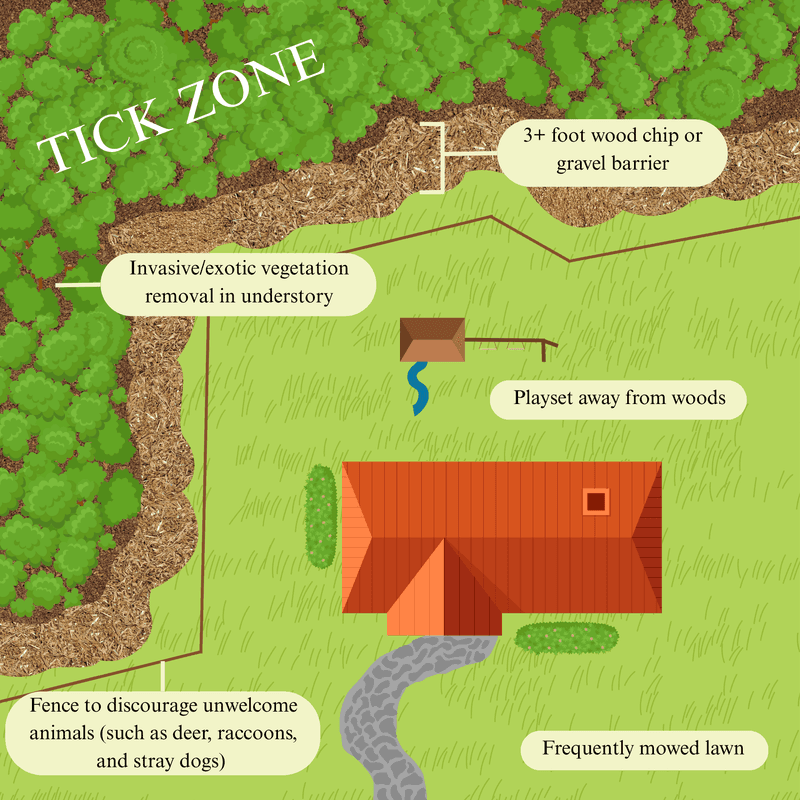
What public-health and extension guidance does support is a specific landscape arrangement. CDC tick-prevention guidance recommends placing a roughly 3-foot-wide strip of wood chips or gravel between your lawn and any wooded or brushy edge.
The Connecticut Agricultural Experiment Station’s tick-management handbook describes a similar wood-chip border as a way to reduce tick abundance near the lawn, while being careful to note that results vary considerably depending on shade, woodland density, starting tick numbers, and how well the strip is maintained.
That distinction matters. The evidence supports a maintained landscape configuration, not a claim that one mulch material repels or blocks ticks.
A dry, low-cover separation between where your family spends time and where ticks concentrate may reduce how many ticks reach your lawn. It does not create a tick-free zone, and it does not stop ticks from being carried across by deer, rodents, pets, or people.
Pine straw and wood chips are both types of mulch, and both have legitimate uses in a North Carolina yard. Peer-reviewed tick-landscape research consistently frames habitat modification as one layer of a broader protection strategy, not a standalone solution.
Understanding that from the start keeps your expectations realistic and your protection plan complete.
Why the lawn-to-woods edge deserves attention
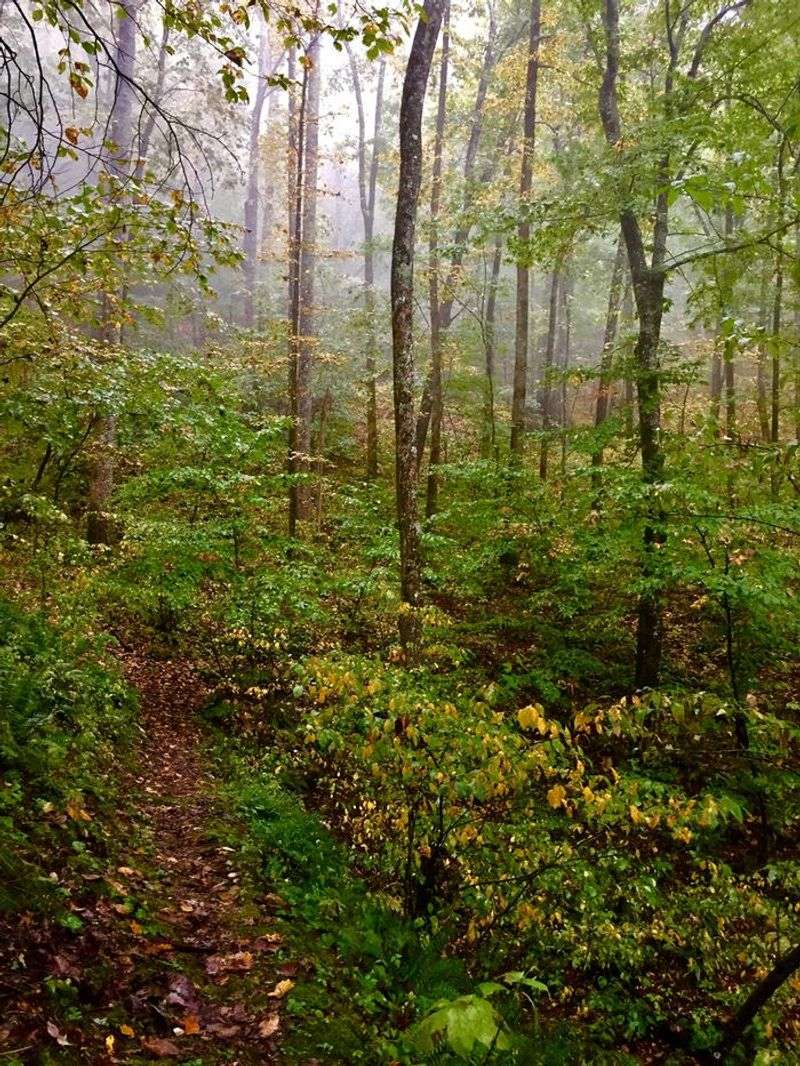
Ticks do not wander randomly across open, sunny, mowed grass. They concentrate in wooded areas, brushy thickets, tall grass, shaded spots, and places where leaf litter piles up.
The strip of ground where your mowed lawn runs into woods or overgrown shrubs is exactly where these conditions come together, which is why that edge is the highest-risk zone for tick contact on most residential properties.
NC State Extension tick guidance recommends mowing regularly, clearing vegetation that brushes against people walking by, and creating a mulch border between lawn and woods. It also advises discouraging deer and other wildlife from lingering near play areas and seating, because those animals carry ticks directly into your yard regardless of what you have planted or spread on the ground.
Keeping firewood stacked away from the house and removing brush piles also removes the rodent habitat that helps sustain tick populations close to home.
North Carolina has more than one tick species that matters medically. Blacklegged ticks, lone star ticks, and American dog ticks are all active in the state, and they differ in habitat preference, activity season, and the diseases they can carry.
North Carolina tick-borne disease surveillance data shows that tick-borne illness is a genuine public-health concern across the Piedmont, Coastal Plain, and mountain regions.
Most of the direct research on landscape tick barriers focuses on blacklegged ticks in Connecticut and similar northeastern settings. A recommendation that works reasonably well for blacklegged ticks in that region cannot automatically be assumed to perform equally well against lone star ticks or American dog ticks in a North Carolina summer.
That does not make the border strategy useless here; it just means you should treat it as a risk-reduction measure rather than a complete solution for every tick species your family might encounter.
Wood chips, bark, and gravel have more direct border guidance
When homeowners ask which material to use at the lawn-to-woods border specifically, the answer from published guidance points more directly to wood chips, bark, and gravel than to pine straw. That is not because anyone has run a head-to-head field trial comparing pine straw with wood chips in a North Carolina yard.
No such comparison was found in the sources reviewed here. The distinction is simpler: wood chips and gravel are the materials named in the guidance, and pine straw is not.
The Connecticut Agricultural Experiment Station’s integrated tick-management handbook describes wood-chip barriers in detail, including how they should be installed, why maintenance matters, and what conditions make them more or less effective. CDC guidance similarly names wood chips or gravel as the recommended fill for that 3-foot border zone.
Pine straw does not appear in either source as a recommended tick-border material.
An older Connecticut field study found that a 3-foot wood-chip barrier reduced lawn tick numbers by roughly half on average. That result has been cited widely, but it came from a specific region, a specific study design, and conditions that centered on blacklegged ticks.
That 1998 Connecticut research should not be read as a guarantee for North Carolina yards or for every tick species found in the state.
A separate consideration involves moisture and texture. Pine straw, as a fine-textured mulch, can hold more moisture than coarse wood chips or gravel, and a damp, covered surface is more hospitable to ticks than a dry, open one.
Published tick habitat research consistently links moisture and ground cover to tick survival. That is a reasonable basis for preferring drier materials at the border, but it is not the same as proof that pine straw performs worse in practice.
Use wood chips, bark, or gravel at the border because the guidance points there, not because pine straw has been shown to fail.
Place the border between activity space and edge habitat

Turning the guidance into action starts with a clear picture of what you are trying to protect. The goal is not to treat the entire property as a tick-free zone.
That is not realistic. The goal is to put a maintained, dry separation between the places where your family spends time and the wooded or brushy edges where ticks are most concentrated.
Start by mowing the lawn edge and trimming back any vegetation that brushes against people walking through. Remove leaf litter and accumulated brush from the activity side of the boundary before you lay anything down.
NC State Extension recommends clearing this transition zone as a first step, because leaving covered, moist ground under a new mulch strip defeats the purpose of the barrier.
Once the edge is cleared, install a continuous strip of coarse wood chips, bark, or gravel roughly 3 feet wide where the lawn meets the woods or brush. Continuous matters here.
A strip with gaps, islands, or irregular breaks gives ticks an easy path across. Keep play equipment, seating areas, and patios positioned well inside the lawn, away from the wooded edge, so the border is doing its job between the high-use zone and the high-risk zone.
CDC guidance and the Connecticut handbook both describe this kind of clear separation as the landscape step with the most direct support for reducing tick movement toward frequently used areas. Do not scatter mulch across planting beds and call it a tick border.
The application that has guidance behind it is a maintained, relatively dry strip at the specific transition from lawn to woods or brush, not a general mulch layer spread across the property.
Keep leaves and vegetation from bridging the strip
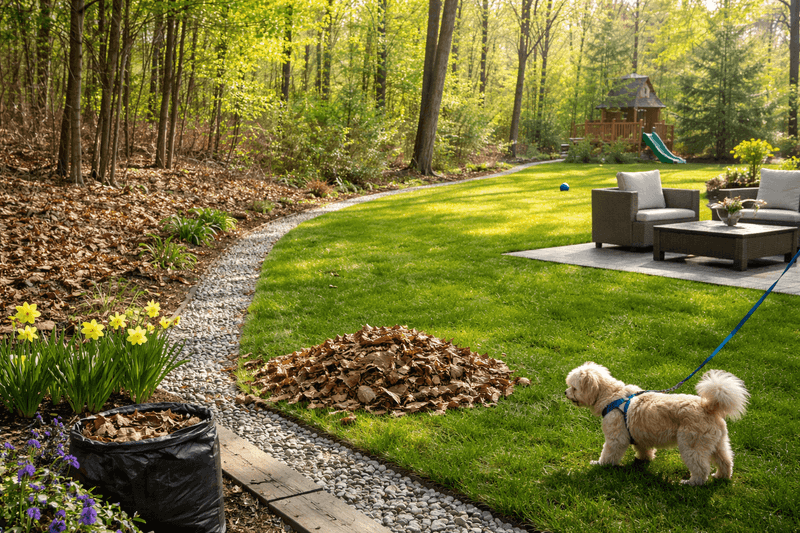
A wood-chip or gravel border only does its job as long as it stays dry, open, and free of cover. Leaves, weeds, fallen branches, and creeping vegetation do not just make the strip look untidy.
They recreate the exact conditions ticks need: moisture, shade, and ground cover. Once that happens, the border stops functioning as a separation and starts functioning as more tick habitat.
The Connecticut tick-management handbook specifically notes that wood chips degraded and mixed with leaf litter can become similar in character to the leaf-litter habitat ticks prefer. That is not a hypothetical.
In a North Carolina yard, leaf fall in autumn, storm debris through the year, and weeds pushing up from below can fill a border strip surprisingly fast if it is not checked regularly.
Plan to inspect the strip after mowing sessions, after significant storms, and during leaf fall. Remove leaves and debris by hand or with a leaf blower before they compact into the mulch.
Pull weeds as soon as they appear, and cut back any vegetation from the wooded side that is beginning to overhang or creep across the strip. Fallen branches from the wood edge should come out promptly.
There is no fixed replacement schedule for the wood chips themselves that applies to every yard. How quickly the material degrades depends on the tree species, chip size, moisture, and shade at your specific site.
CDC tick prevention guidance frames habitat modification as an ongoing practice rather than a one-time installation. Treat the border the same way: maintenance is the intervention, not just the upkeep of something that already works on its own.
Use pine straw for planting beds when it fits the site
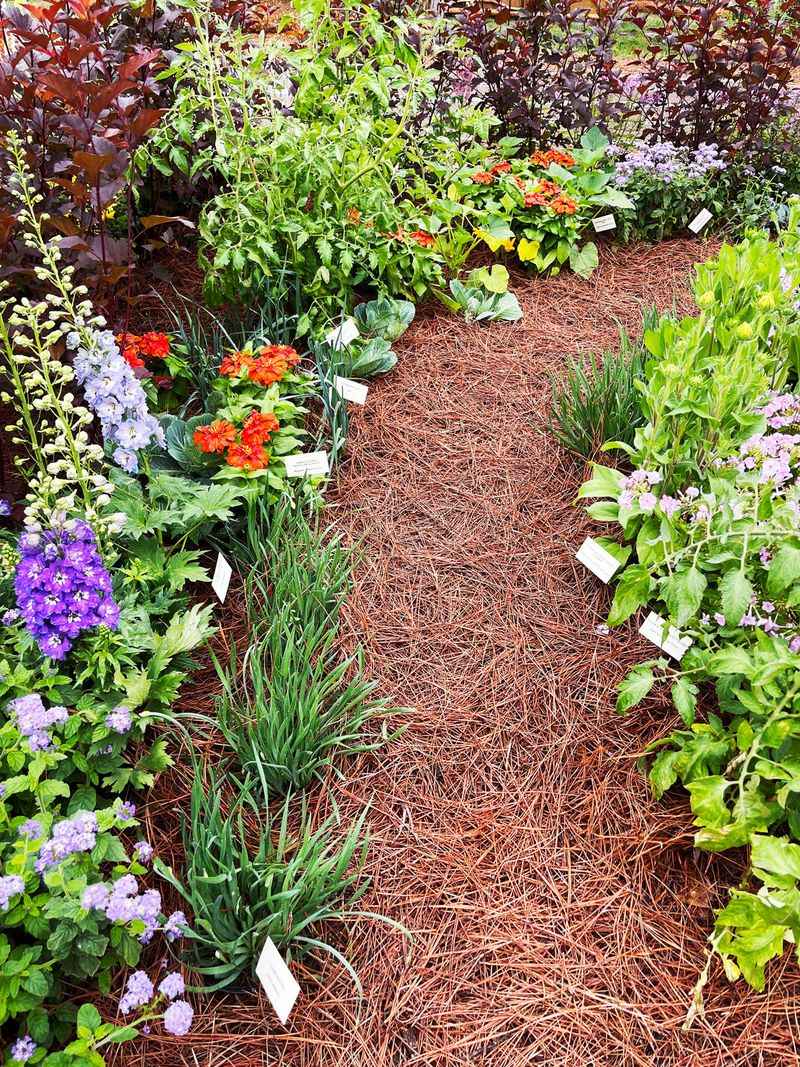
Moving pine straw away from the tick-border conversation does not mean moving it out of the yard entirely. As a planting-bed mulch, pine straw has a solid track record in North Carolina landscapes, and NC State Extension recommends it for good reasons.
It allows water and air to move through easily, which matters for most ornamental plantings. On slopes, it tends to stay in place better than shredded hardwood, which can wash or shift during heavy rain.
NC State Extension’s gardener handbook recommends keeping organic mulch around 2 to 3 inches deep in planting beds. That depth conserves moisture, moderates soil temperature, and suppresses weeds without becoming so thick that it holds excessive moisture or restricts air to roots.
As pine straw decomposes, it adds organic matter to the soil, which most NC soils benefit from over time.
Guidance for woody ornamentals from NC State advises keeping all organic mulch at least 6 inches away from tree trunks and shrub crowns. Mulch piled against bark traps moisture, encourages decay, and can invite voles and other rodents to nest close to plants.
Penn State Extension’s mulching guidance reinforces this point, noting that the volcano-mulch habit of mounding material against trunks causes long-term damage regardless of the mulch type used.
One practical concern specific to pine straw is fire risk. NC State Extension notes that pine straw is highly flammable, so extra caution applies near buildings, outdoor grills, fire pits, landscape lighting that runs hot, and areas subject to local burn restrictions.
In those spots, switching to a less flammable material like bark or gravel is a straightforward swap. Choosing pine straw for planting beds where it performs well, while using wood chips or gravel at the tick border, lets each material do what it does best.
Reduce exposure without stripping habitat from the yard
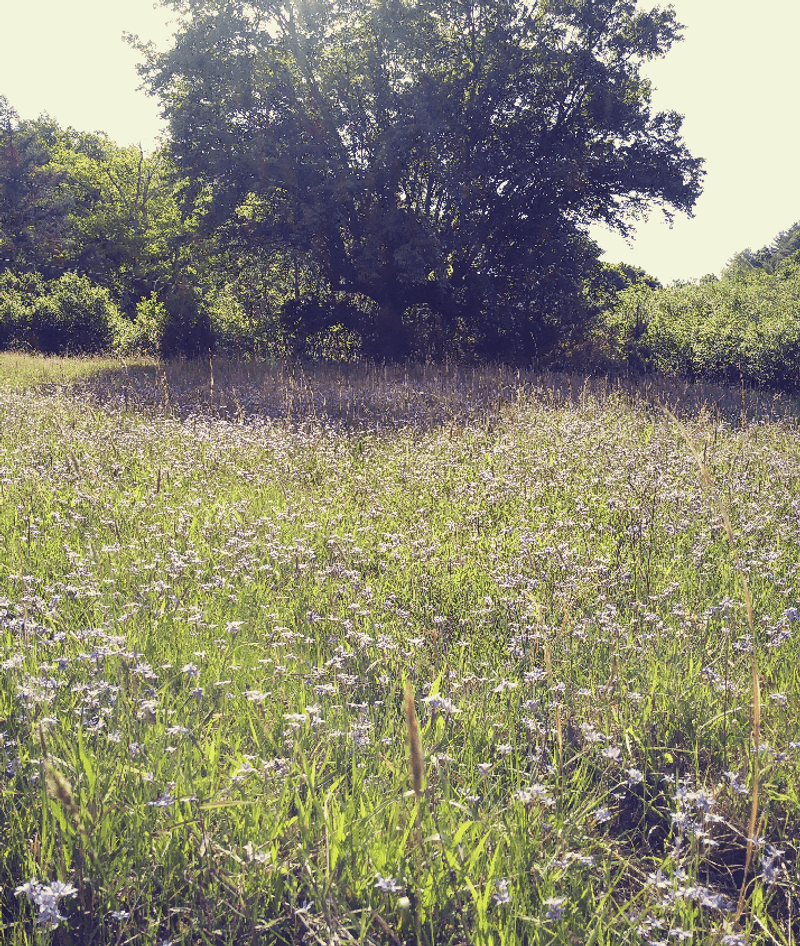
A tick border is one layer of protection, not a complete strategy on its own. Personal and pet protection stays essential no matter how well you maintain the yard’s edge.
Tick checks after time outdoors, especially along the hairline, behind the ears, and in skin folds, remain one of the most reliable ways to catch a tick before it has been attached long enough to transmit disease.
North Carolina tick-borne disease surveillance data supports using EPA-registered repellents on skin and permethrin-treated clothing on fabrics when spending time in or near wooded and brushy areas. Talk to your veterinarian about tick prevention for dogs and cats, since pets can carry ticks indoors from the yard regardless of what border materials you have installed.
On pesticides: targeted application to the high-risk edge habitat, done according to product label directions, is a different proposition than broad yard spraying. CDC guidance does not recommend relying on spraying as the primary approach to reducing tick infection risk, and EPA pollinator-protection guidance requires that any pesticide use follow label directions carefully to avoid harming bees, butterflies, and other non-target organisms.
If you consider a pesticide application, focus on the wooded edge rather than the open lawn, and follow the label as written.
Removing every leaf and all natural ground cover from the property is not the answer either. Extension guidance on fall gardening and wildlife habitat notes that leaf litter supports fireflies, ground-nesting pollinators, amphibians, and other wildlife that North Carolina homeowners generally want to encourage.
A better approach is to keep the activity zone, including paths, patios, play areas, and the lawn edge, clear and low-cover, while retaining appropriate leaf litter and natural habitat in the parts of the yard that see less foot traffic. EPA guidance on using repellents safely reinforces that personal protection and habitat management work together rather than replacing each other.
Choose the material by location, not by a tick-repellent claim
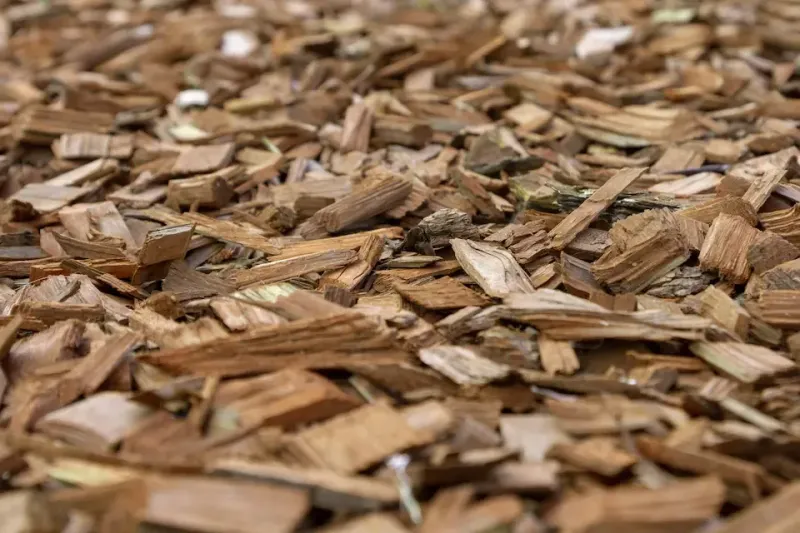
The practical decision rule here is straightforward: match the material to the job. Where your lawn meets woods or brush, install a maintained, approximately 3-foot strip of wood chips, bark, or gravel.
That is the configuration with the most direct support from CDC tick prevention guidance and the Connecticut tick-management handbook. For planting beds, choose the mulch that fits your plants, slope, and maintenance routine.
NC State Extension guidance on herbaceous ornamentals supports pine straw as a sound choice for many North Carolina planting situations.
The evidence does not show that pine straw repels ticks, and it does not show that wood chips definitively outperform pine straw in a North Carolina yard. Wood chips and gravel receive more direct support for the tick-border application because those are the materials the guidance actually names for that use.
That is a meaningful distinction, but it is not a proven head-to-head result.
Keep the border maintained, continue tick checks after outdoor time, use registered repellents when heading into wooded or brushy areas, and protect your pets. The border reduces exposure rather than eliminating risk, and every other protective habit you carry with you is part of what makes that reduction count.
A well-kept yard edge, combined with consistent personal protection, is a reasonable and realistic approach for a North Carolina homeowner who wants to spend time outside without unnecessary worry.