
The Popular North Carolina Landscaping Trees Your County Now Tells Homeowners To Stop Planting
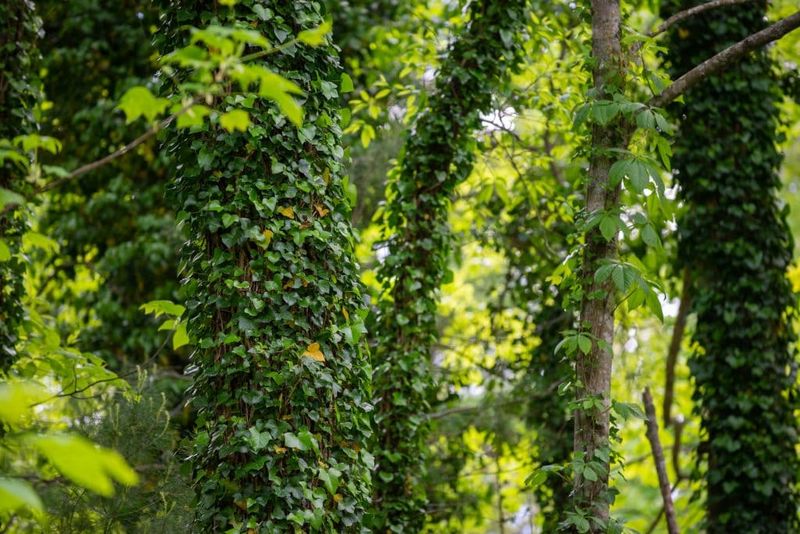
Some of the prettiest trees in North Carolina yards are quietly causing big problems. Towns like Cary, Greensboro, and Hillsborough now list certain popular trees and shrubs as plants homeowners should stop planting.
These species crowd out native plants, starve local wildlife, and sometimes even poison the birds you love to watch. Here are the nine you should know about, plus the native swaps that can make your yard a better home for goldfinches, fireflies, and box turtles.
1. Bradford and Callery Pear
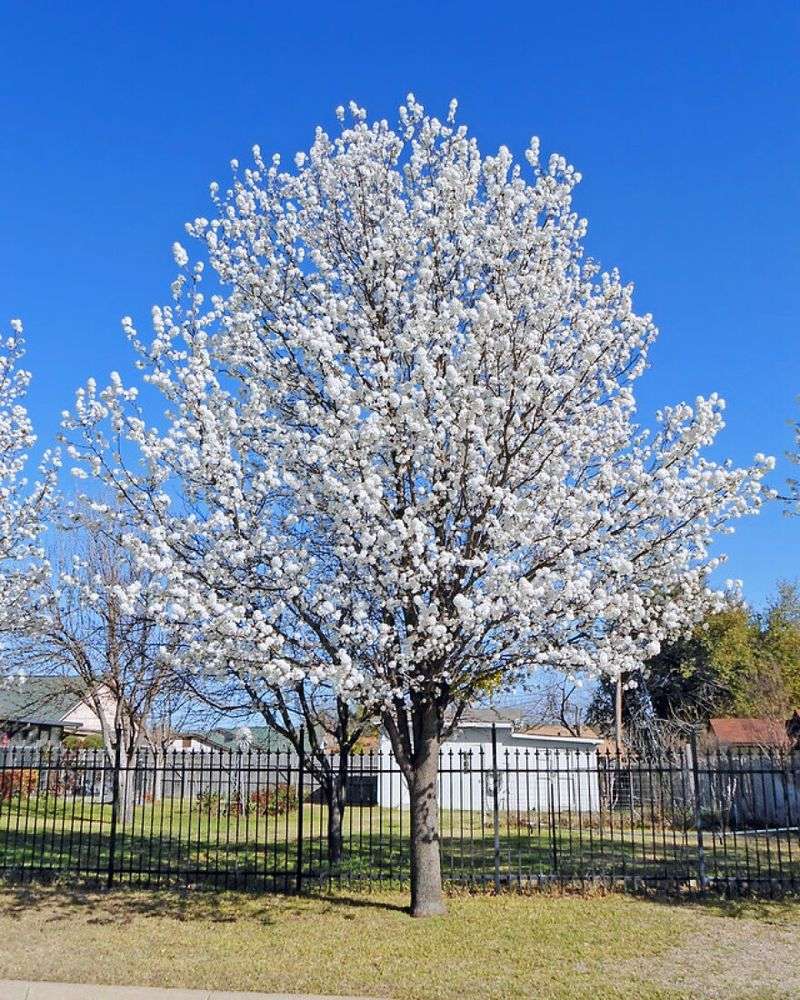
Every March, whole highway medians across the Piedmont turn snowy white, and it looks lovely until you catch the smell. That fishy odor comes from Callery pear blossoms, and the stink is honestly the least of the trouble.
Cary, Greensboro, and Hillsborough have all placed Bradford and other Callery pears on prohibited or discouraged planting lists.
Here is why. The original Bradford was sold as sterile, but it cross-pollinates with other Callery varieties, and birds spread the seeds into fields and woods.
Those seedlings grow into dense, thorny thickets that push out the native saplings wildlife depend on.
Then there is the wood. Bradford pears have tight, weak branch angles, so they often split apart in summer storms, sometimes onto roofs and cars.
Good news: NC State Extension hosts Bradford Pear Bounty events where you can trade a removed pear for a free native tree. Eastern redbud or serviceberry make wonderful replacements, offering spring flowers that actually feed native bees and berries that songbirds devour.
2. Tree-of-Heaven
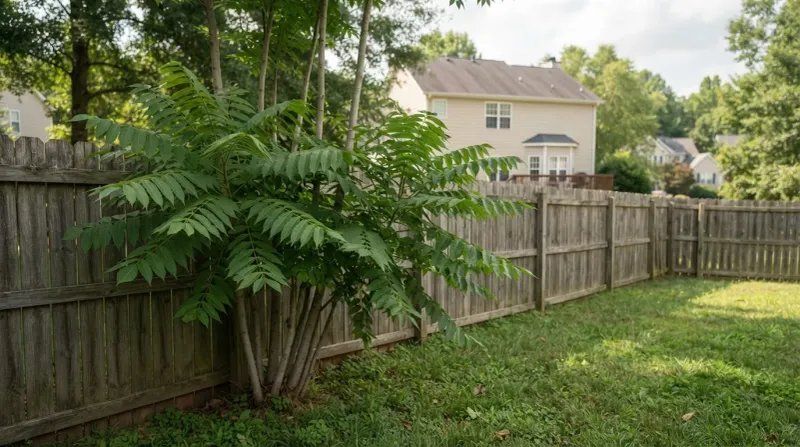
Crush a leaf and sniff. If it smells like rancid peanut butter, you have likely found tree-of-heaven, one of the most widespread invasive trees in the state.
Brought over as an ornamental, it now pops up along fences, alleys, and roadsides everywhere from Asheville to Wilmington. A single tree can produce hundreds of thousands of seeds, and its roots send up suckers that turn one tree into a grove.
Worse, the roots release chemicals that stop nearby native plants from growing.
There is a newer reason for alarm too. Tree-of-heaven is the favorite host of the spotted lanternfly, a destructive pest that threatens North Carolina vineyards and hardwoods.
A quick tip before you grab the saw: cutting it down alone usually triggers a burst of root sprouts. Extension agents often recommend treating the stump or using the hack-and-squirt method in late summer.
Replace it with a native sumac or black cherry for fast growth that wildlife truly uses.
3. Mimosa
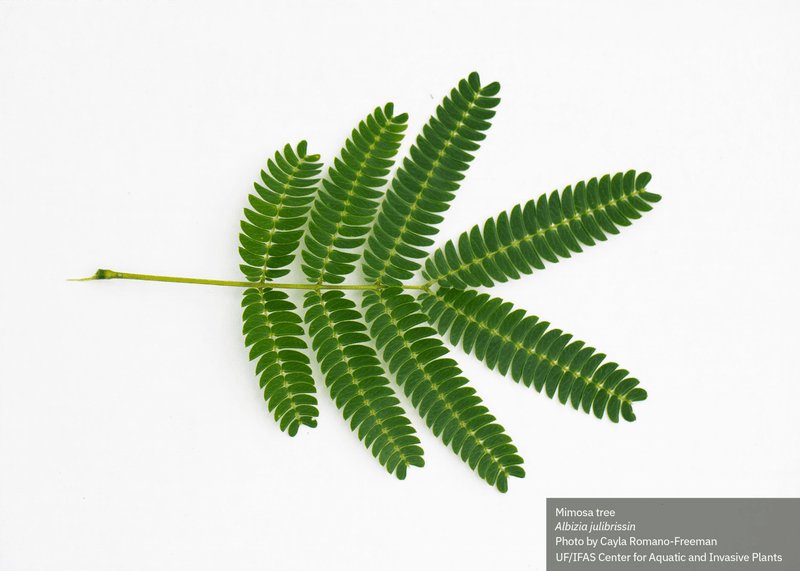
Grandma probably had one. Those pink powder-puff blooms and fern-like leaves feel like pure Southern summer, which is exactly why mimosa is so hard to give up.
Sadly, the nostalgia hides a bully. Mimosa drops piles of seed pods, and those seeds can stay alive in the soil for years.
Along creeks and disturbed ground, it forms thickets that shade out native plants both above and below the soil.
For backyard wildlife, it offers surprisingly little in return compared to native trees that host dozens of caterpillar species, the very caterpillars baby birds need.
Want that summer bloom without the guilt? Try a native buttonbush near wet spots for fragrant white spheres that butterflies mob, or a fringetree for frothy spring flowers.
4. Chinese Tallow
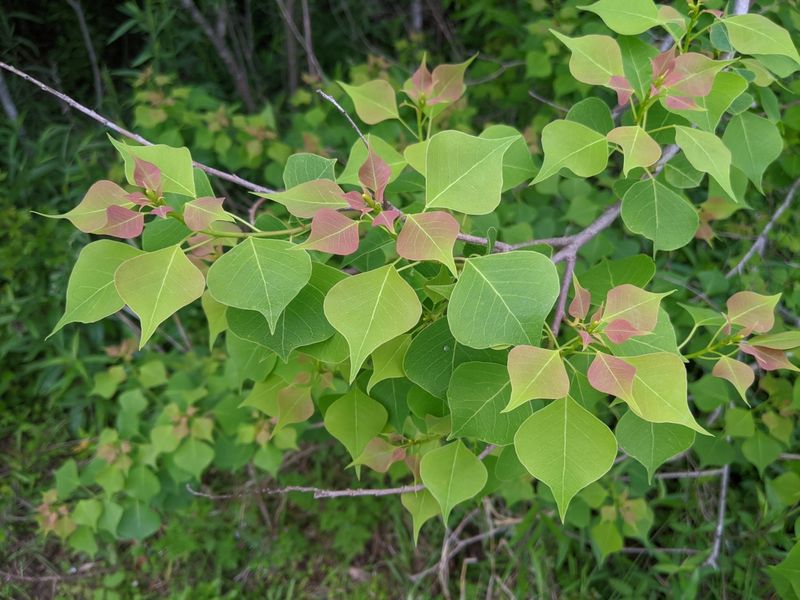
Fall color sold a lot of these. Chinese tallow, sometimes called popcorn tree for its white waxy seeds, turns fiery red in autumn, and coastal nurseries once moved plenty of them.
Out in the Coastal Plain and lower Piedmont, it has proven especially aggressive in bottomlands and floodplains. It can change how nitrogen cycles through the soil and sharply reduce the variety of plants in wet areas.
Birds eat the seeds and carry them to new ditches and marsh edges.
If you live near water, removing tallow may help protect habitat for frogs, turtles, and wading birds. For blazing fall color, black gum and red maple both deliver, and black gum berries feed migrating thrushes.
5. Chinese and Japanese Privet
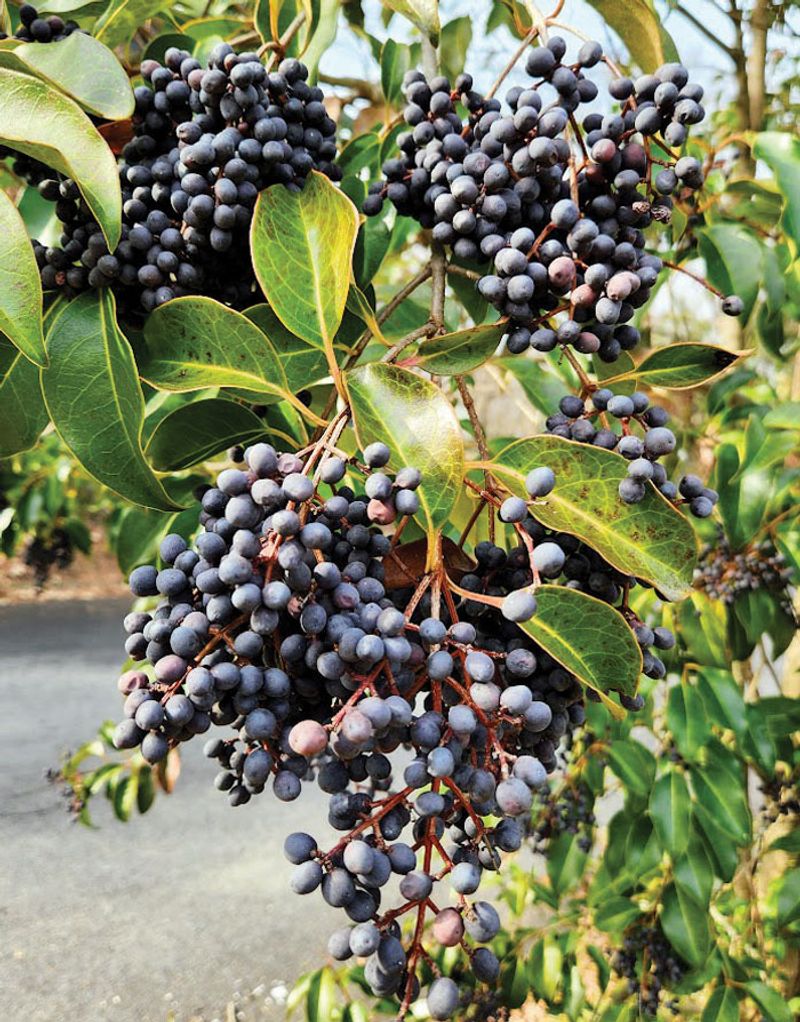
Walk any Piedmont creek in May and you will smell it: a heavy, sweet scent from privet in bloom. Honestly, privet may be the most common invader in North Carolina woods.
Homeowners planted it for quick hedges, but birds spread the dark berries far past the property line. The result is a wall of green that shades out wildflowers and native shrubs.
Thick privet understories can also be tick-friendly, trapping humidity and sheltering deer and mice. Clearing it may help reduce tick hangouts along the yard edge.
Your swap list is easy: wax myrtle or yaupon holly give you a dense evergreen screen, and their berries feed bluebirds and yellow-rumped warblers through winter.
6. Nandina
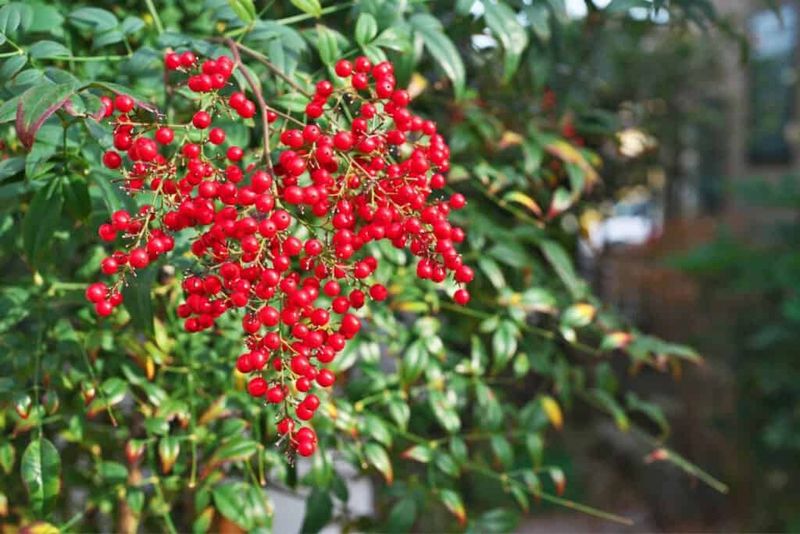
Picture a flock of cedar waxwings, hungry in late winter, stripping a bush of shiny red berries. It sounds sweet.
With nandina, it can be deadly.
Nandina berries contain cyanide compounds, and when birds gorge on them during lean months, they can be poisoned. Cary includes nandina on its list of banned landscaping plants, and it also spreads into woodlands.
Clip and bag the berry clusters today, even if you are not ready to dig the shrub out. Then plant winterberry holly or American beautyberry, whose berries give birds safe, nutritious fuel.
7. Autumn Olive
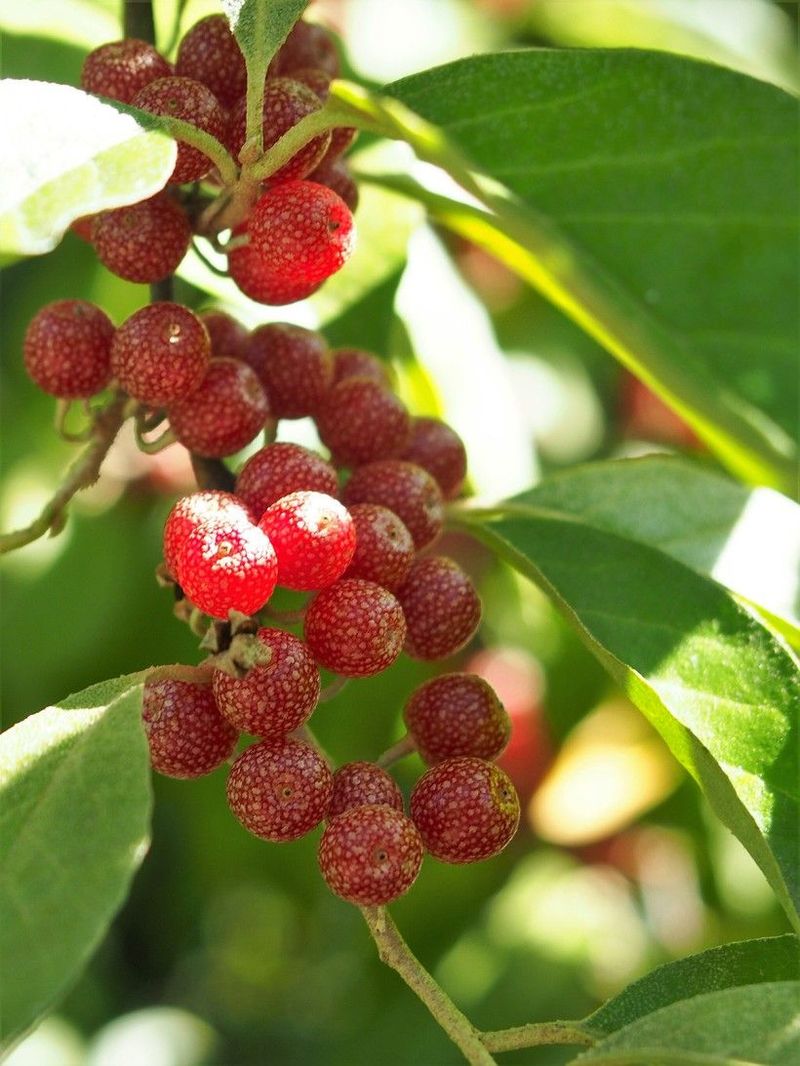
Believe it or not, government agencies once handed this shrub out for wildlife and erosion control. Autumn olive seemed like a gift, and now experts wish they could take it back.
Look for leaves with silvery undersides and red berries speckled with silver. Its roots fix nitrogen, which changes the soil and favors weeds over natives.
It spreads fast in sunny mountain and Piedmont clearings.
Pull young plants when the soil is moist. For berries birds love, serviceberry or elderberry are native winners, and elderberry blooms draw pollinators in early summer.
8. Chinese Wisteria
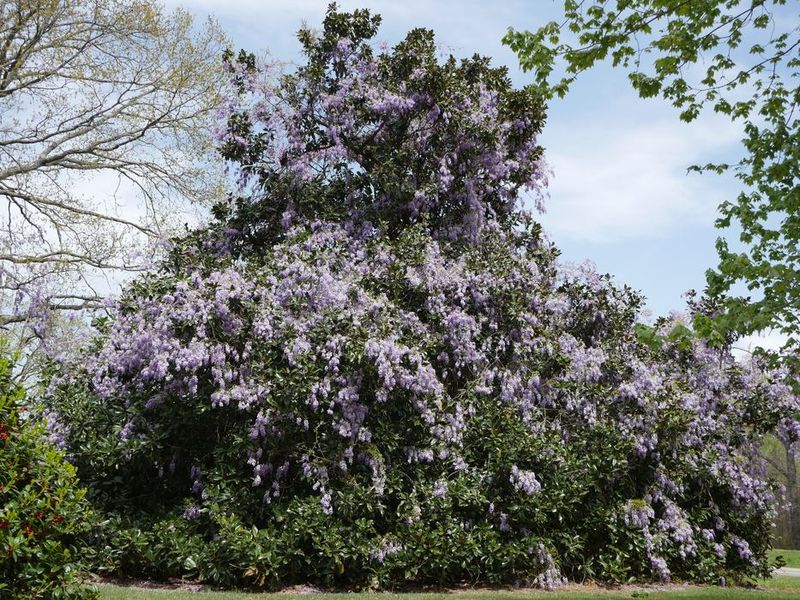
Cascades of purple in April look magical. Look closer, though, and you might see a thick woody vine squeezing the life out of your oak.
Chinese wisteria twines around trunks and branches so tightly that it can girdle trees, cutting off water and nutrients. On the ground, its runners carpet the soil so native seedlings never get a chance.
Cut vines at the base and pull runners before they root. Swap in native American wisteria, which blooms later and stays polite, or crossvine, whose orange trumpets pull in ruby-throated hummingbirds.
9. English Ivy
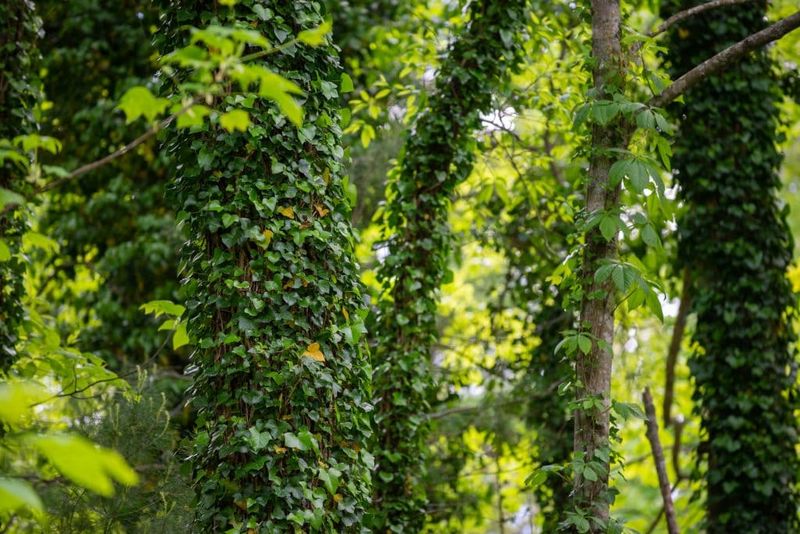
Rounding out the list is the classic shady groundcover. English ivy looks tidy, but it forms thick mats that smother the forest floor and climbs trees, blocking sunlight and adding weight that invites storm damage.
Those mats also bury the leaf litter where fireflies spend their larval life and box turtles forage. If you have ever wondered why your yard has fewer summer blinks, ivy may be part of the story.
Here is a weekend job: cut ivy stems in a ring around each tree at chest height, then peel it back from the base. Replace the ground layer with native options like Christmas fern, green-and-gold, or wild ginger.
Remember too, if you find a box turtle while clearing, leave it right where it lives.