
The September Garden Tasks Every North Carolina Yard Needs Before The Weather Turns
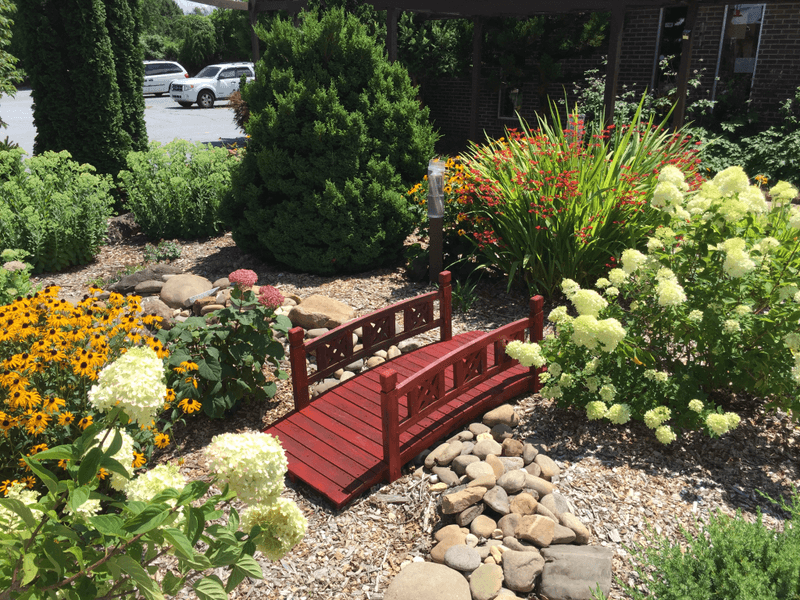
September is a sweet spot for North Carolina yards, when the summer heat starts to fade and the soil is still warm enough to help new roots grow. The choices you make this month decide whether your yard becomes a safe, buzzing home for box turtles, goldfinches, and fireflies, or a tangled mess of ticks and invasive weeds.
From the Piedmont clay to the Coastal Plain sand to the Blue Ridge slopes, these tasks are simple enough to knock out on a weekend. Roll up your sleeves and let’s get your patch of Carolina ready for the cooler days ahead.
1. Plant Native Trees and Shrubs While the Soil Is Still Warm
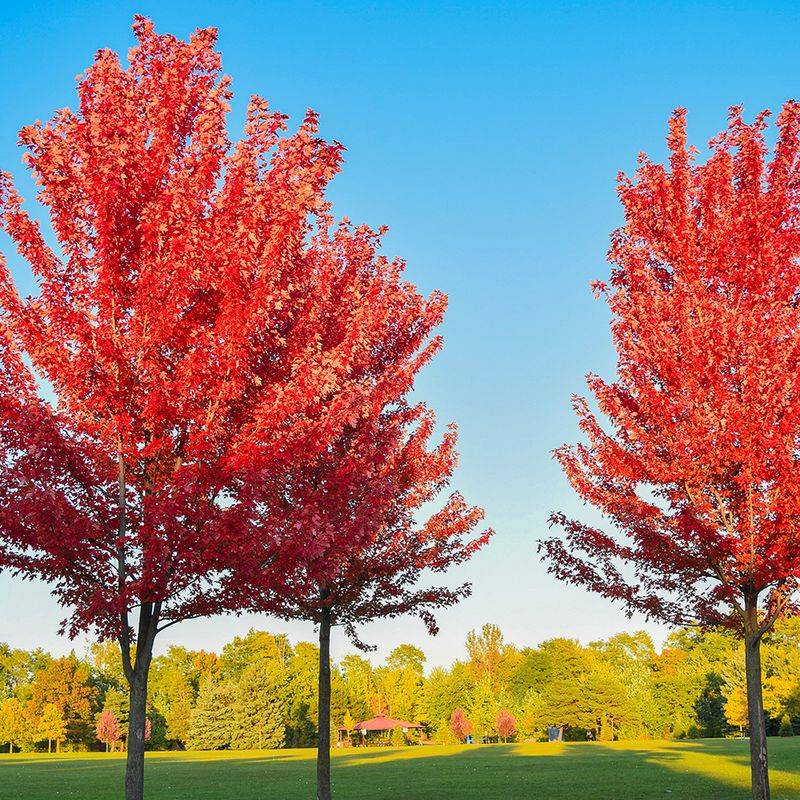
Roots love September in North Carolina. The air has cooled but the ground stays warm well into fall, which gives trees and shrubs weeks to settle in before winter arrives.
Reach for natives that pull double duty with fall color and wildlife food. Red maple lights up in scarlet and feeds early spring pollinators, while black gum turns deep purple and drops fruit that migrating songbirds depend on.
Nuttall oak is a reliable choice too, offering red-orange leaves and acorns that carry turkey, deer, and small mammals through the cold months.
Smaller yards can lean on shrubs like sweetshrub and Virginia sweetspire, both of which stay tidy and support local insects. Dig your hole twice as wide as the root ball, keep the top of the roots level with the ground, and water deeply once you backfill.
Doing this now means less watering stress and a stronger plant come spring. You are essentially building the backbone of a yard that feeds birds and pollinators for decades.
2. Add Late-Blooming Native Perennials for Pollinators and Goldfinches
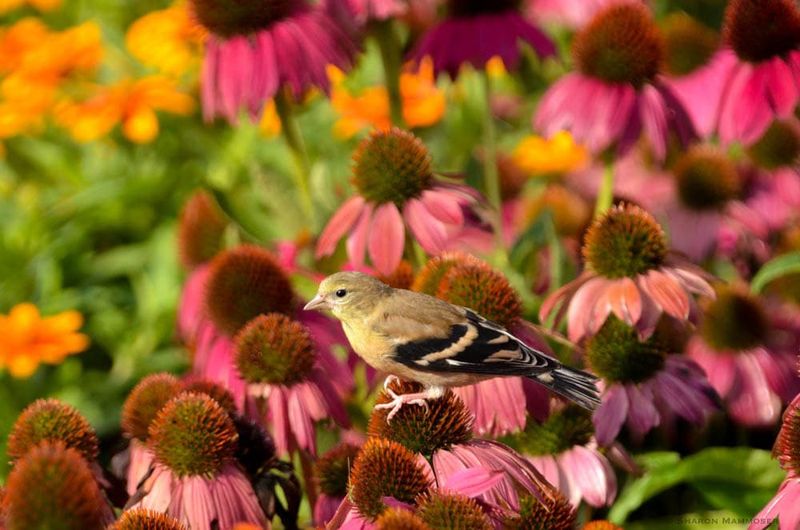
Not every flower quits when summer ends. A handful of native perennials keep the buffet open right when pollinators and birds need it most.
Purple coneflower, blazing star, and asters like the New England and aromatic varieties bloom deep into fall, drawing bees and butterflies while their seed heads become goldfinch snacks. Garden phlox stretches its blooms into early autumn for hummingbirds, and swamp milkweed happily handles both wet and average soil while serving as a monarch host plant.
Here is the part folks miss: resist the urge to chop everything down. Leaving spent stems and seed heads standing gives goldfinches food and native bees a place to overwinter.
Tuck a few of these in now and next fall you will have a golden-flecked crowd of finches working your beds while butterflies drift between the blooms.
3. Pull Invasive Plants Before They Drop Seed
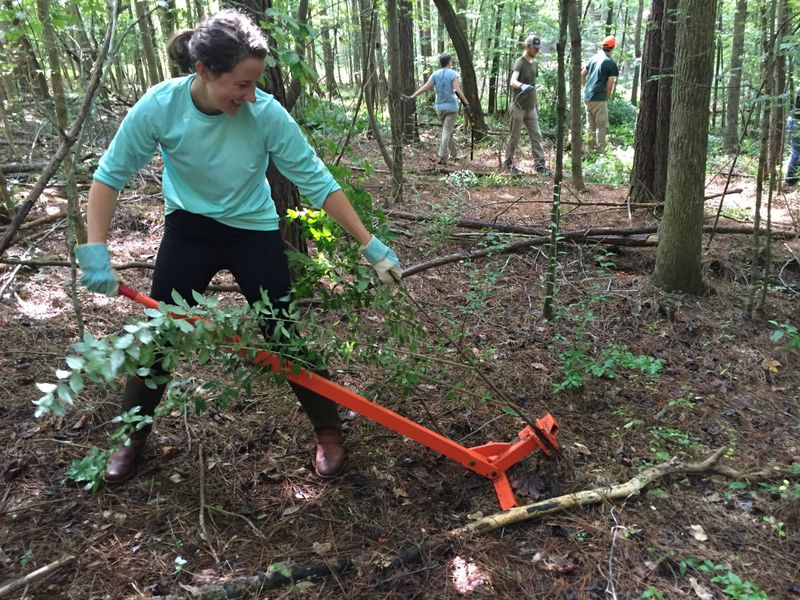
Timing is everything with invasives, and September hands you a golden opportunity. Get the troublemakers out before they scatter seed and the fight gets ten times harder next year.
Japanese stiltgrass is the big one right now. Yank it before it blooms and sets seed, since a single season of neglect can carpet a shady corner.
Autumn olive is another September target, a shrub that forms dense thickets and shades out the natives your wildlife actually needs.
Removal alone is not enough, though. Bare ground invites the same invaders right back, so fill those gaps with natives like Virginia sweetspire, serviceberry, or spicebush.
Swapping an autumn olive for a native shrub does more than clean up your yard. It restores the food web that box turtles, birds, and pollinators quietly rely on all year long.
4. Build a Tick-Safe Buffer Around Your Lawn

Most people are shocked to learn that the majority of tick bites happen right in the backyard, not deep in the woods. Ticks stay active through warm September days, so this task protects your family and your pets.
Start with a simple barrier. Lay a strip of wood chips, gravel, or mulch at least three feet wide where your lawn meets any wooded or brushy edge.
Ticks hate crossing dry, open ground, so this buffer works like a moat.
Keep the grass mowed short and clear away leaf litter, brush, and wood piles where ticks shelter and breed. Trimming back dense shrubs near the house removes their favorite hiding spots.
After anyone spends time outdoors, check pets thoroughly since they ferry ticks straight indoors. A tidy, dry border can meaningfully reduce how many ticks find their way to you while keeping the rest of your yard wildlife-friendly.
5. Make Room for Box Turtles With Brush Piles and Native Food
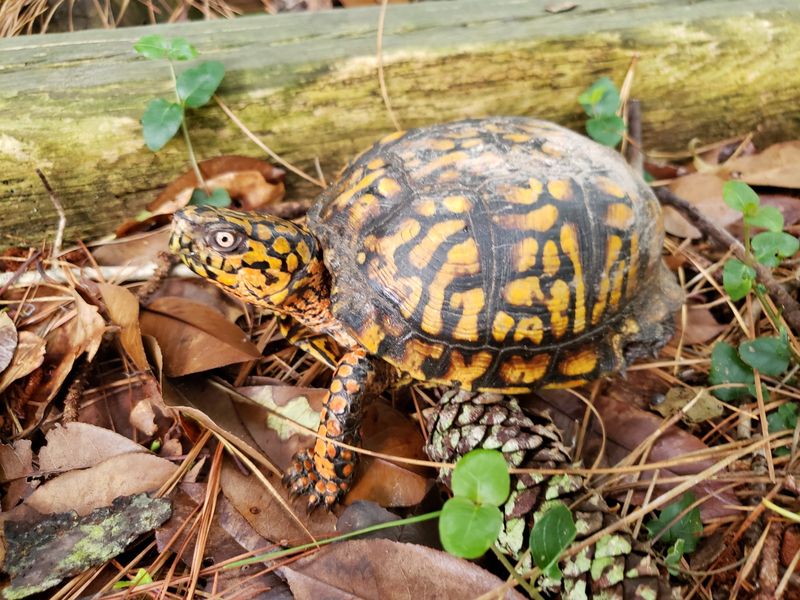
An eastern box turtle can spend its entire life within a few acres, which means the one strolling through your yard likely calls it home. That fierce loyalty to one spot is exactly why you should never relocate one.
If you find a box turtle crossing a road, move it only in the direction it was already heading. Carry it across the pavement and let it go, but do not take it somewhere else, because turtles moved out of their home range often wander themselves to death trying to return.
To make your yard turtle-friendly, leave a few brush piles, fallen logs, and leaf piles for shelter and cool hiding spots. Plant native food sources like mulberry trees, wild grape, and blackberry, which give turtles a reason to stick around.
Fun bit: box turtles can live over fifty years, so the one in your garden might outlast the fence you built for it.
6. Set the Stage for Fireflies to Return Next Summer

Those magical summer light shows do not happen by accident, and the groundwork gets laid in fall. Fireflies spend most of their lives as larvae in the soil and leaf litter, so what you leave alone this September shapes next June’s glow.
Let a corner of your yard go a little wild. Keep leaf litter and low vegetation in place, and skip the deep raking in those undisturbed spots where larvae hide and hunt.
Light pollution is the sneaky firefly killer. Their glowing flashes are a mating language, and porch lights or floodlights drown out the signal, so dim or turn off outdoor lights when you can.
Add a small water source and some native grasses and shrubs, and consider common milkweed, which supports fireflies too. Protect these quiet, dark, damp corners and you are practically guaranteed a lantern-lit backyard next summer.
7. Overseed and Repair Cool-Season Lawns
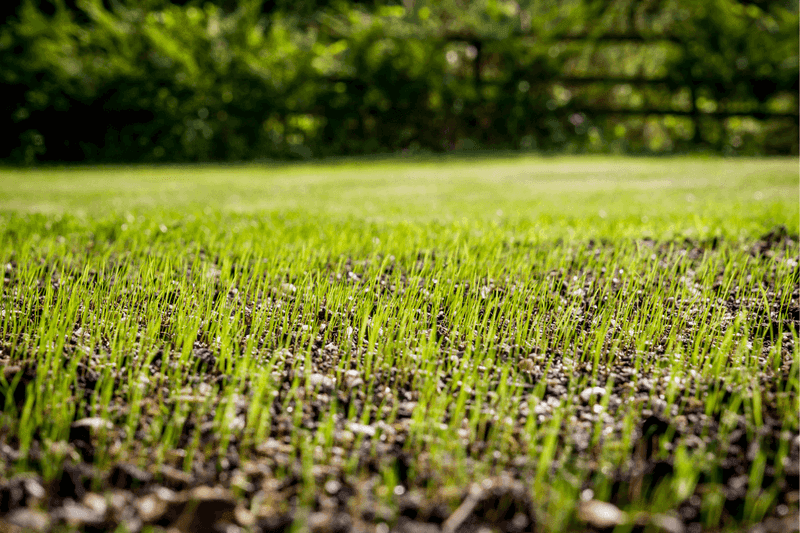
Fescue lawns have been waiting all summer for this exact moment. September is the prime window to seed or overseed cool-season grass like tall fescue and patch up the bare spots the heat left behind.
Aerate first so the seed makes solid contact with the soil, which boosts germination noticeably. Then spread your seed evenly, keep it consistently moist, and watch it fill in as the nights cool down.
Go easy on warm-season grasses right now. Heavy nitrogen fertilizer only pushes tender growth that winter will punish, so hold off on feeding those areas.
A thick, healthy lawn is more than curb appeal. Dense turf crowds out weeds naturally and gives you a mowed, tick-resistant surface that pairs perfectly with the native beds around its edges.
8. Compost the Cleanup and Leave the Rest for Wildlife
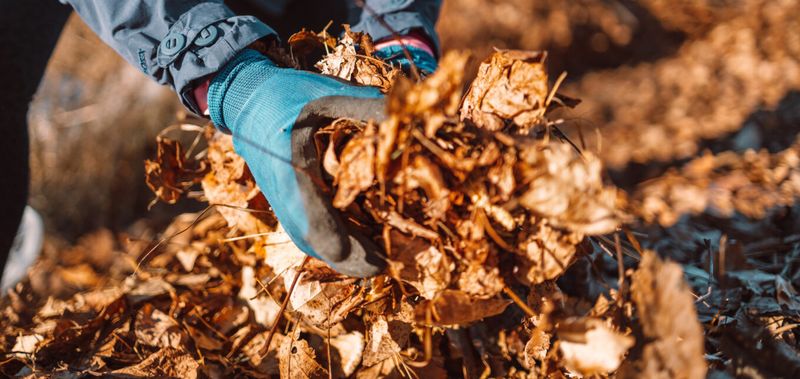
Fall cleanup has a reputation for being all about tidiness, but the smartest gardeners know when to stop. The goal is a balance between a healthy yard and a helpful one.
Start a compost pile with fallen leaves and garden waste. By spring, that heap becomes free, nutrient-rich soil for your beds, and it keeps yard debris out of the landfill.
Do pull dead or diseased plant material from your beds so problems do not carry over. But avoid over-cleaning, because standing seed heads feed birds through winter and late bloomers still offer nectar to stragglers.
Keep watering anything you planted recently, since September in North Carolina can still turn hot and skip the rain. Stay after summer weeds before they seed, and you will walk into next spring with rich soil, fed birds, and far fewer surprises.