
The Simple Windowsill Habits That Keep African Violets Blooming All Winter In North Carolina Homes
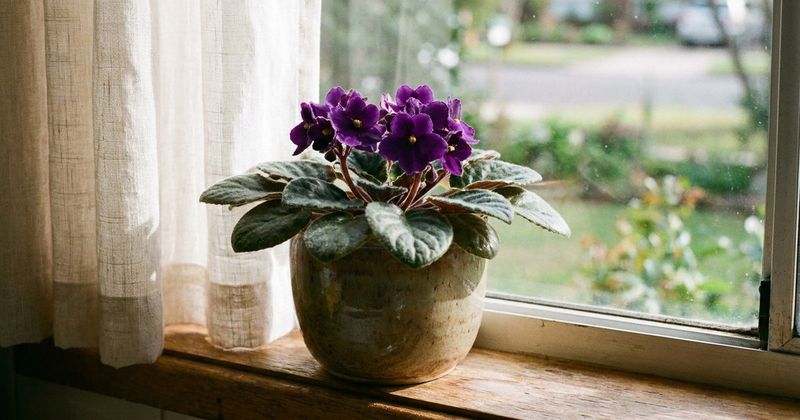
When frost coats the lawn in Raleigh or the wind whips down a Boone ridge, a windowsill full of purple African violets can feel like a small miracle. These little plants have no natural rest season, so they can keep flowering straight through January if you give them what they need.
The good news is that it only takes a handful of easy daily and weekly habits. Here are ten of them, built around the way North Carolina homes actually feel in winter.
1. Pick the Right Window
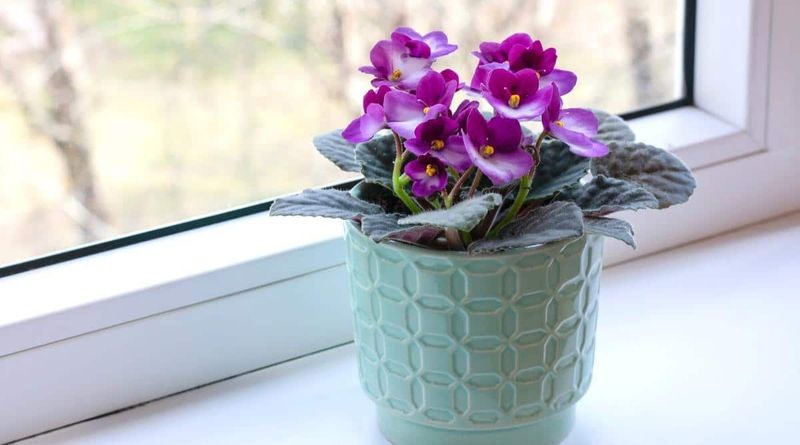
Morning sun is the friendliest light an African violet will ever meet. An east-facing window gives gentle early rays that warm the leaves without scorching them, and a north window offers steady, soft brightness all day.
In winter, the rules loosen a bit. From November through February, the sun sits low and weak across North Carolina, so even a south or west window can push out extra blooms without burning anything.
Watch for the change in spring, though. Once March sunshine gets stronger, those same leaves can brown quickly, so slide the pot back a foot or two from the glass.
2. Give the Pot a Weekly Quarter Turn
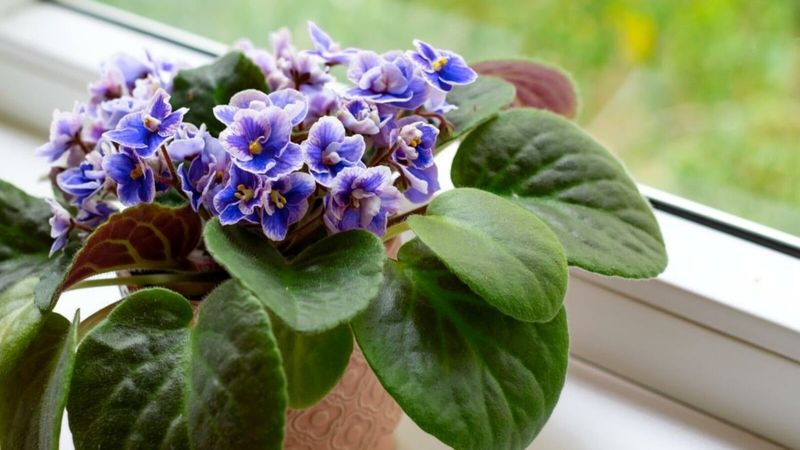
Ever notice a violet that looks lopsided, with every leaf straining toward the glass? Plants lean toward their light source, and violets are especially dramatic about it.
A simple fix is to give the pot a quarter turn every week. Many growers tie it to a routine, like Sunday coffee or trash day, so they never forget.
The reward is a flat, even rosette of leaves shaped like a wheel. A balanced plant also spreads its flower buds around the whole crown instead of crowding them on one side.
3. Keep Leaves Off the Cold Glass
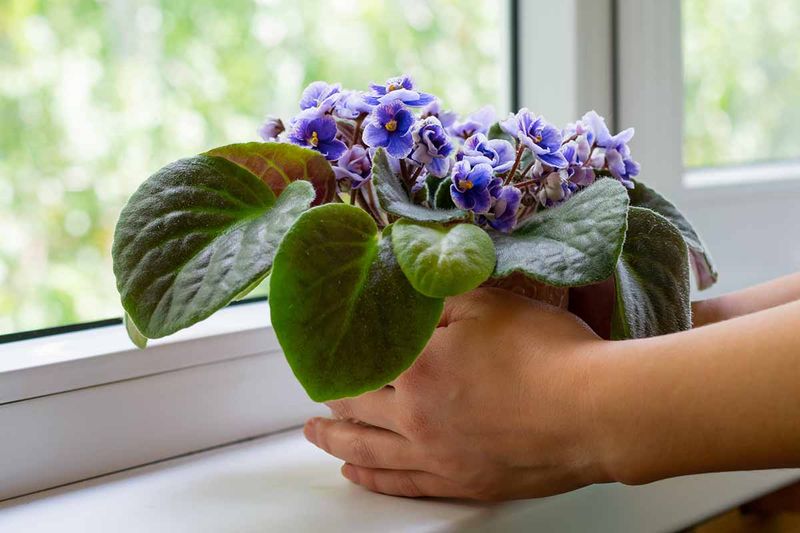
Picture a chilly January night in Asheville when outdoor temps drop into the teens. The windowpane gets icy, and any leaf pressed against it feels that cold directly.
African violets like it between about 65 and 75 degrees, with nights no cooler than the mid-60s. Cold glass and drafty sills can curl leaves, slow growth, and leave you with only a few sad flowers.
Leave a few inches between the foliage and the pane. On the coldest nights, pull the plants back into the room or tuck a sheet of cardboard between the glass and the pots.
4. Stay Clear of Heat Vents and Space Heaters
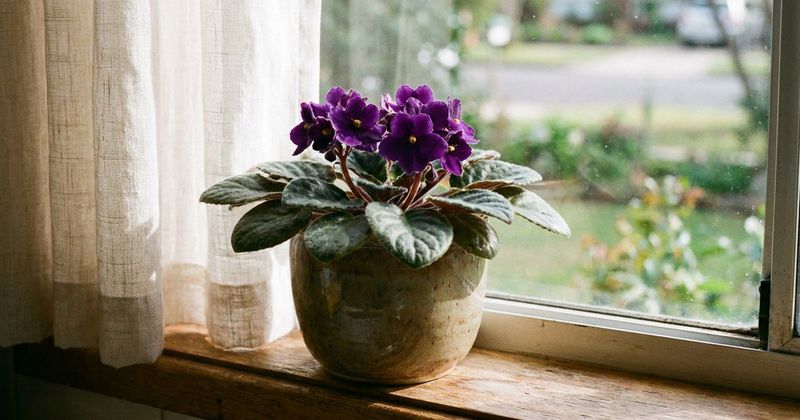
Here is the sneaky flip side of winter care. That cozy blast from a floor register might feel nice to you, but to a violet it is a dry desert wind.
Hot, moving air pulls moisture from leaves and soil fast. Buds may shrivel before they ever open, and leaf edges can turn crispy.
Check where your vents point before you settle on a spot. If a register sits right under your best window, a simple plastic vent deflector can steer warm air away from the sill.
5. Build a Pebble Tray for Humidity
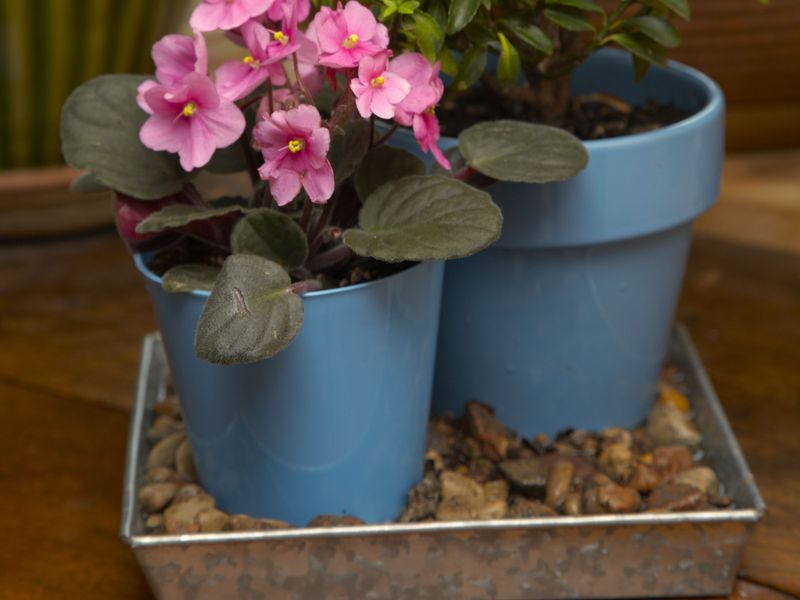
Back in their native mountains of East Africa, these plants grow in damp, shaded forest air. Your heated North Carolina house in February can drop well below the 50 to 60 percent humidity they love.
A pebble tray is the easiest trick around. Fill a shallow tray with gravel, add water just below the top of the stones, and set the pots on top.
Keep the pot bottoms above the waterline so roots never sit soaking. As the water evaporates, it wraps the leaves in a little cloud of moist air.
6. Group Your Plants Together
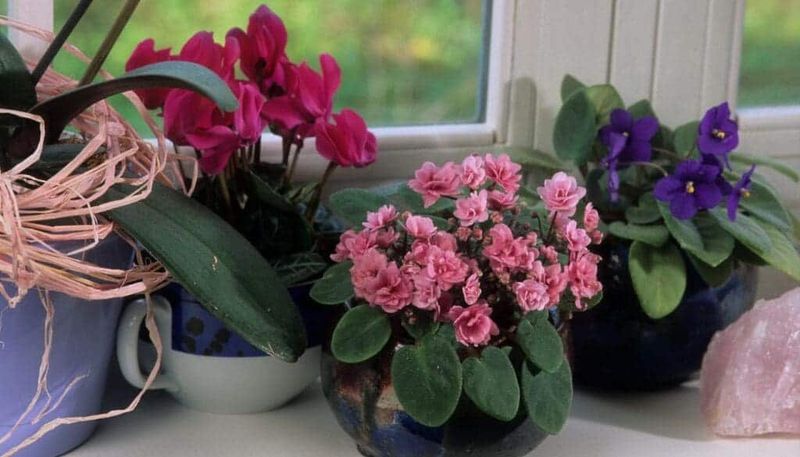
Plants are a bit like people at a winter campfire. They do better huddled up.
When you cluster several violets, or mix them with other houseplants, each one releases a little moisture through its leaves. Together they raise the humidity in their small pocket of the room.
Leave just enough space for air to move between pots, since crowded, stale air can invite mildew. A small humidifier nearby can add extra help during the driest stretch of winter.
7. Water From the Bottom With Lukewarm Water
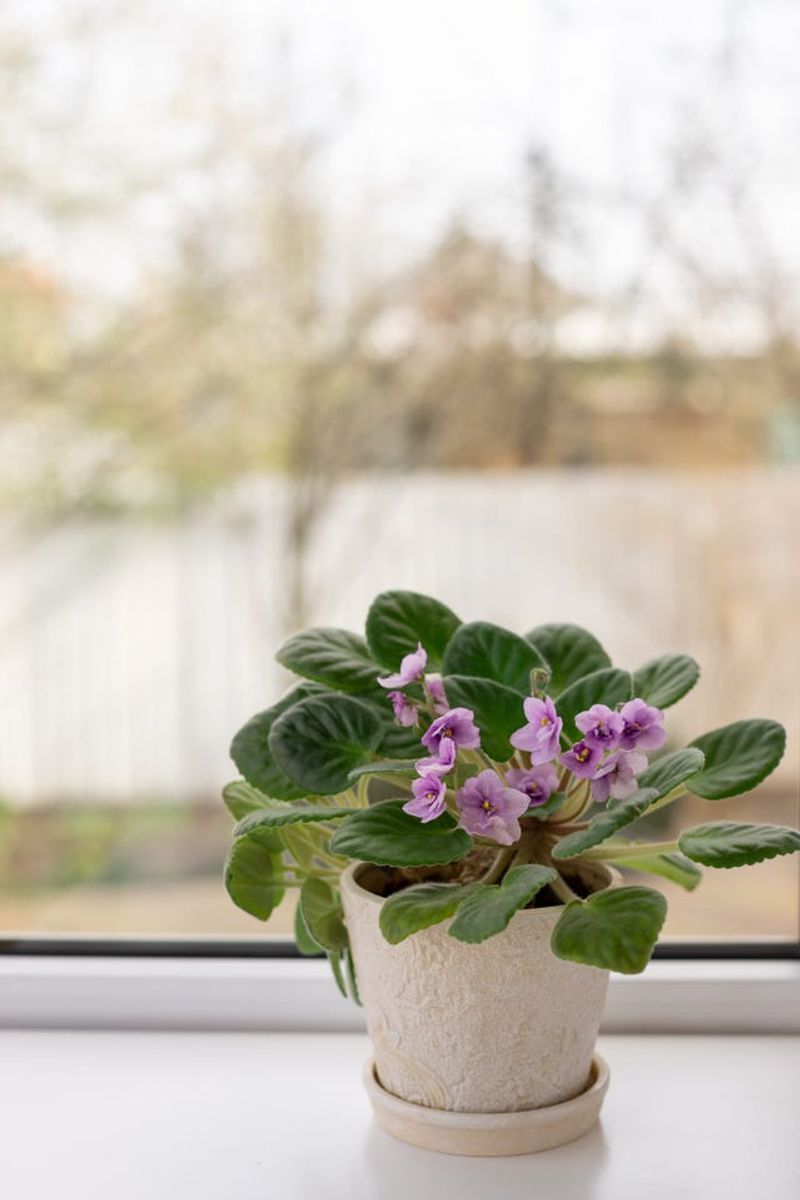
More African violets die from too much love than from neglect. Overwatering is the top cause of root rot, and winter makes it worse because soil dries slower.
Wait until the top of the soil feels dry to your fingertip. Then set the pot in a saucer with an inch or two of room-temperature water for 15 to 30 minutes, until the surface turns damp.
Drain any extra water afterward. Cold water straight from the tap can shock roots and leave pale spots on leaves, so let a jug sit out overnight before using it.
8. Feed a Bloom-Boosting Fertilizer
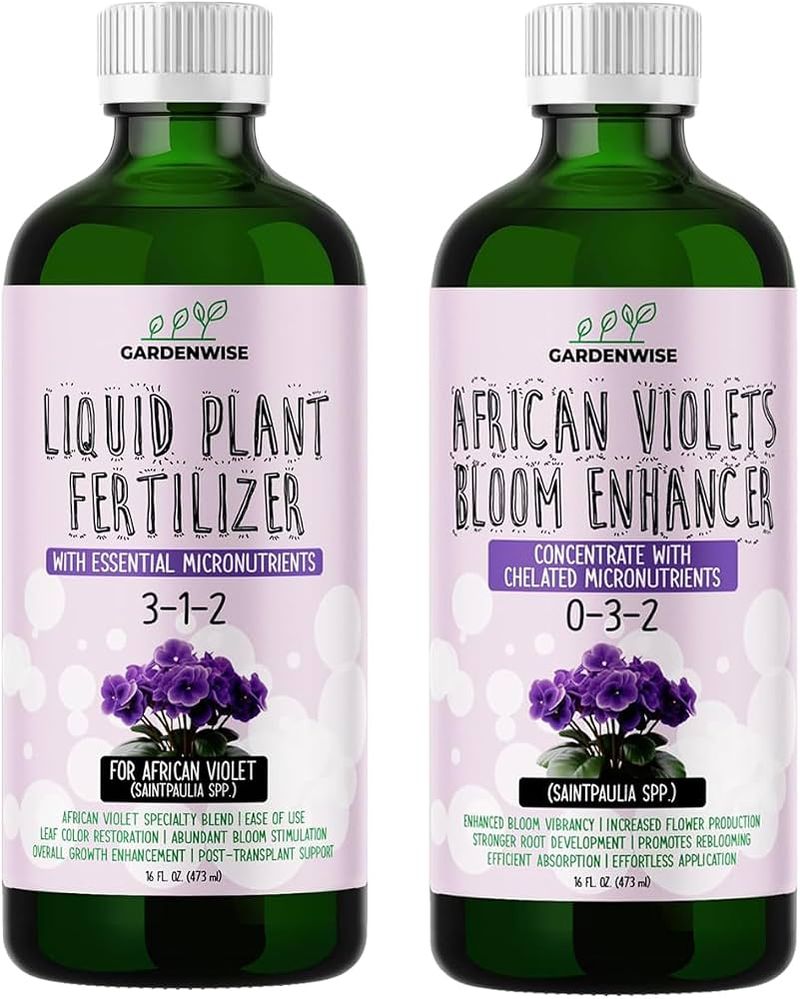
Flowers take energy, and a violet that blooms nonstop is working hard. Regular feeding keeps the fuel tank full.
Look for a fertilizer made for African violets or a water-soluble mix with plenty of phosphorus, such as a 14-12-14 or 12-36-14 formula. You can feed once a month, or use a weak, diluted dose every time you water.
Always moisten the soil first, because fertilizer on dry roots can burn them. Twice a year, pour plain water through the pot from the top to rinse out built-up salts that show up as white crust.
9. Keep the Pot Small and Snug
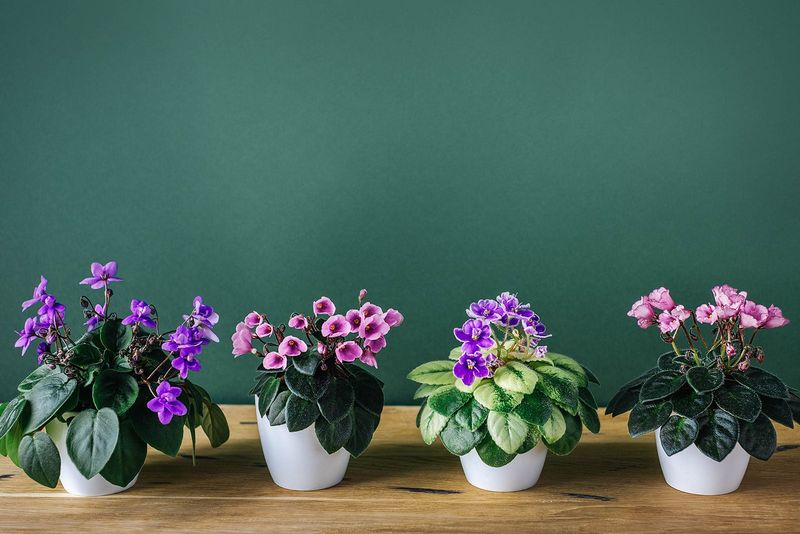
Strange but true: a slightly cramped violet blooms better than a pampered one in a big pot. Too much room makes the plant focus on roots and leaves instead of flowers.
Pick a shallow pot no deeper than about four inches, roughly one-third as wide as the leaf spread. Plastic or glazed ceramic holds moisture better than terra cotta, which can wick water away in dry winter air.
Fill it with a light, fluffy African violet mix of peat, perlite, and vermiculite. Repot every year or two to refresh the soil, and your plant will thank you with fresh buds.
10. Add a Grow Light on Gray Days
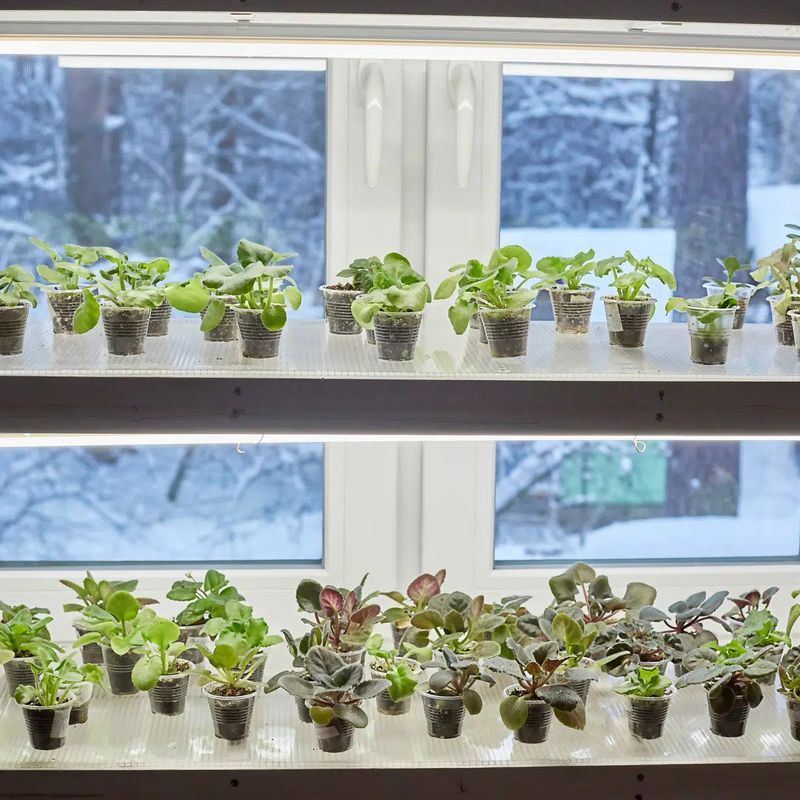
Some North Carolina winters bring week after week of gray drizzle, especially along the coast. On those days, even the best windowsill may not give your violets enough light to bloom.
A simple fluorescent or LED grow light can fill the gap. Hang it about 10 to 14 inches above the leaves and run it 12 to 16 hours a day, ideally on an inexpensive timer.
Give the plants at least eight hours of darkness each night, since they need rest too. With steady light, many growers see flowers return within a few weeks, no matter what the sky is doing.
Once spring arrives and you head outside to tend your native beds, your violets will still be quietly blooming inside, waiting for you.