
The Simplest Garden Fixes Are Already Sitting In Your Kitchen-Here Are 12 Worth Trying
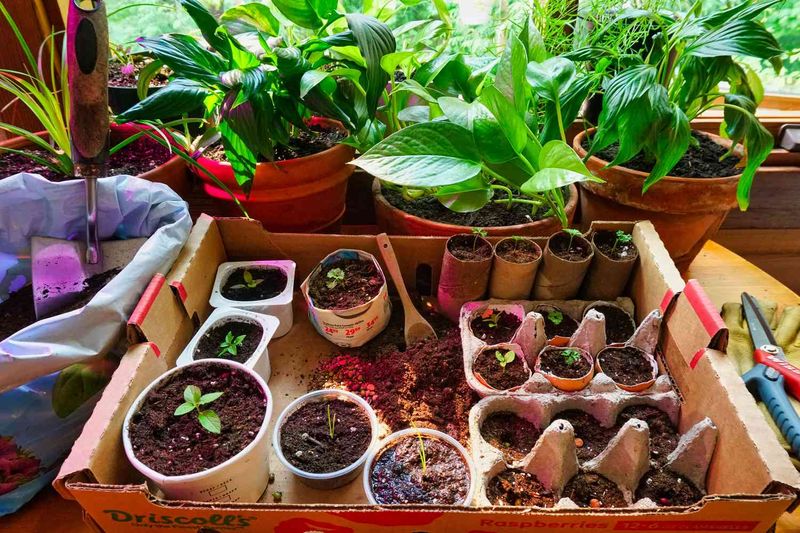
Your kitchen is full of quiet garden helpers you probably walk past every day. Coffee grounds, banana peels, eggshells, and a few cheap staples can fix common backyard problems without a single trip to the store. Below are 12 easy tricks you can try this weekend, each one solving a different headache in your beds, pots, or borders. Grab whatever you have on hand and let’s put it to work.
1. Used Coffee Grounds as a Slow Soil Booster
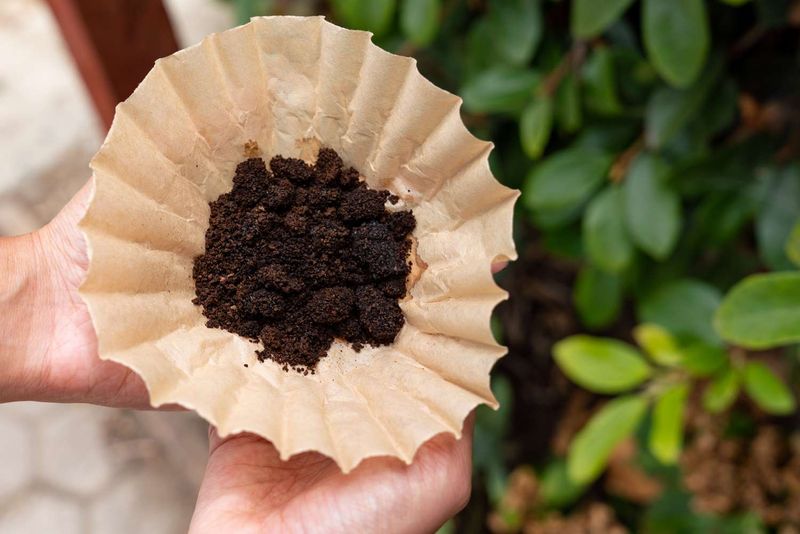
That soggy filter you toss every morning is packing a light dose of nitrogen your plants would happily take. Rather than sending grounds to the trash, work a thin layer into the top inch of soil around leafy greens, tomatoes, or roses.
Grounds also loosen heavy clay soil over time, giving roots a little more breathing room. Worms tend to gather where you spread them, and more worms means better aeration underground.
Go easy though. A thick, wet mat of grounds can seal the surface and block water, so mix them in instead of piling them on. Once a week is plenty for most backyard beds, and you can always toss extras into the compost pile where they break down nicely alongside your veggie scraps.
Did you know coffee grounds are close to pH neutral once brewed? The old myth that they turn everything acidic mostly falls apart after brewing washes out the acids.
2. Crushed Eggshells for Sharper Beds
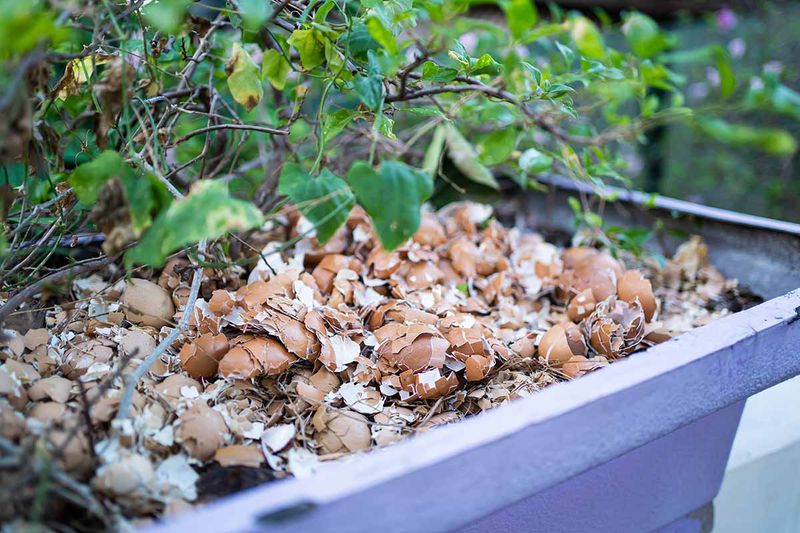
Save a week of breakfast shells and you have a free multitasker sitting in a bowl on the counter. Rinse them, let them dry, then crush into rough flakes with your hands or a rolling pin.
Scattered around the base of tender seedlings, the jagged edges may help deter slugs and snails that hate crawling over anything gritty. Hostas, lettuce, and young marigolds are the usual targets these pests go after, so ring those first.
Shells slowly release calcium as they break down, which can reduce blossom end rot on tomatoes and peppers, that sunken brown patch on the bottom of the fruit. Grinding them finer speeds up how fast that calcium becomes available.
An added bonus: a small dish of crushed shells set near a birdbath gives nesting birds a calcium source in spring. Two backyard problems, one carton of eggs.
3. Banana Peels for a Potassium Kick

Flowering and fruiting plants are hungry for potassium, and banana peels are loaded with it. Instead of composting the whole thing whole, chop a peel into small pieces and bury them a couple inches deep near roses, peppers, or tomatoes.
Buried bits break down faster and feed roots directly instead of sitting on top drying out. Some gardeners soak chopped peels in a jar of water for two or three days, then pour the liquid around the base of blooming plants as a quick drink.
Skip laying whole peels on the surface. They turn slimy, attract flies, and take forever to do anything useful up there.
Keep a small container in the freezer and toss peels in as you go. When it fills up, you have a ready-made batch of flower food that cost you exactly nothing.
4. Cinnamon to Guard Seedlings from Damping Off
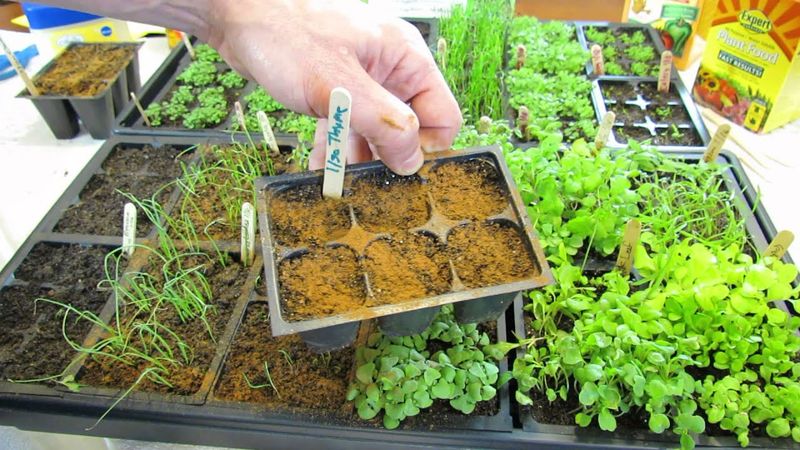
Ever start seeds indoors only to watch them flop over and rot at the stem? That heartbreak is called damping off, a fungal problem, and the cinnamon in your spice rack can help fight back.
Cinnamon has natural antifungal properties, so a light dusting over the soil surface of seed trays can slow the mold and fungus that kill young sprouts. It works quietly, without any strong chemical smell taking over your windowsill.
The same trick helps on cuttings. Dip the cut end into a bit of ground cinnamon before you stick it in soil, and it may lower the chance of rot while roots form.
Sprinkle a pinch anywhere you spot fuzzy white growth on potting mix, too. It is one of the cheapest fungus fighters you already own, and a single jar lasts through many seasons of starts.
5. White Vinegar for Cracks and Paths
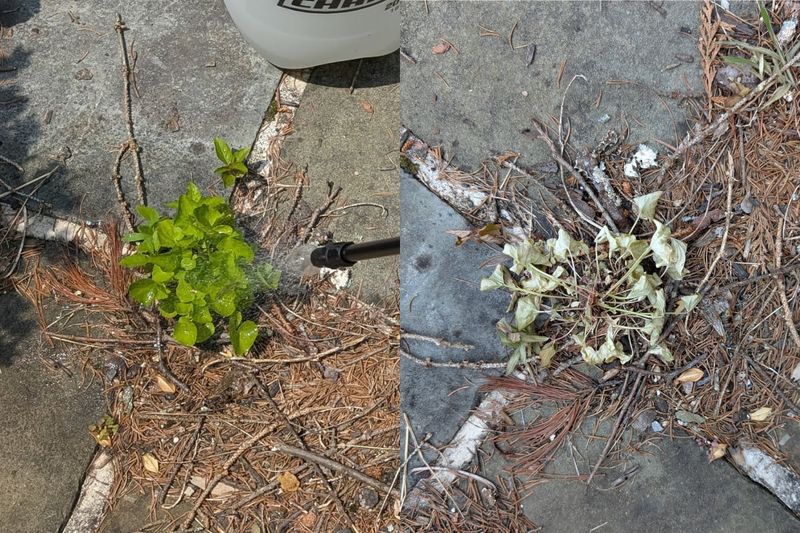
Weeds pushing up between patio bricks and sidewalk cracks meet their match in plain white vinegar. On a hot, sunny day, pour or spray it straight onto the leaves of those unwanted sprouters.
The acid burns the foliage and can knock back young weeds within a day or two, especially small annual ones. Sunshine speeds the whole thing along, so midday heat is your friend here.
One serious warning: vinegar does not know the difference between a weed and your prize petunia. Keep it well away from garden beds and only aim it at cracks, gravel, and paths where nothing else grows.
Tougher perennial weeds with deep roots may bounce back, so expect to reapply. For those stubborn ones, pair the vinegar with pulling the crown out by hand.
6. Epsom Salt for Yellowing Leaves
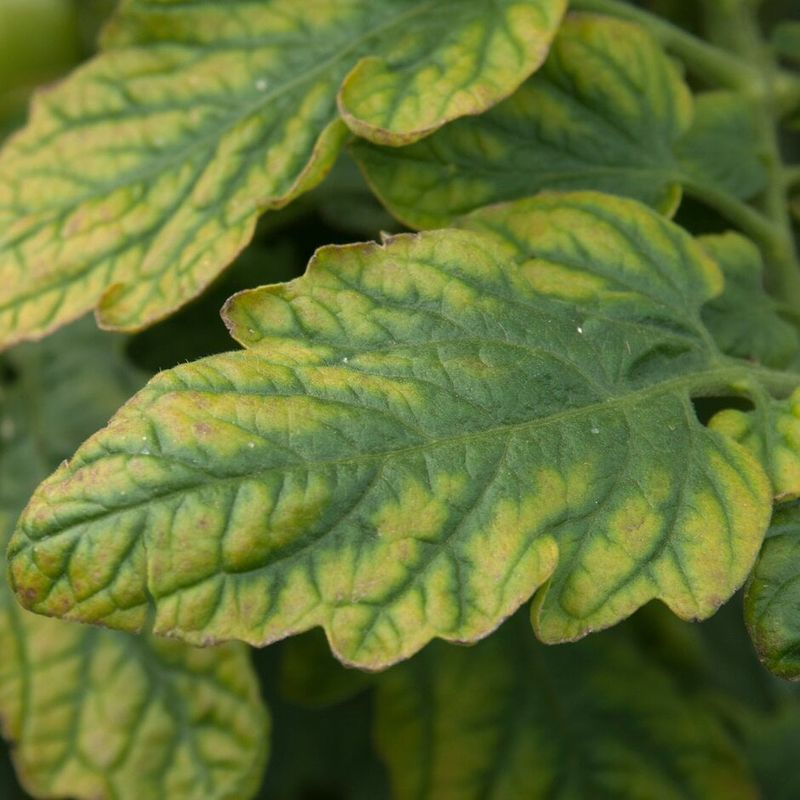
Leaves fading to yellow between green veins can be a sign your plant is short on magnesium, and Epsom salt is basically magnesium sulfate. Peppers, tomatoes, and roses are the usual complainers about this shortage.
Dissolve a tablespoon in a gallon of water and use it to drench the soil around struggling plants every few weeks. Some gardeners spray a weaker mix right on the leaves so the magnesium absorbs faster.
Read the leaf first before you reach for it, though. Yellowing has many causes, and Epsom salt only helps the magnesium kind, not overwatering or plain old nitrogen hunger.
Use it as a targeted fix, not a routine feed for everything. Dumping it everywhere can throw off your soil balance, so treat it like medicine for a specific symptom rather than daily vitamins.
7. Citrus Peels to Send Cats Packing
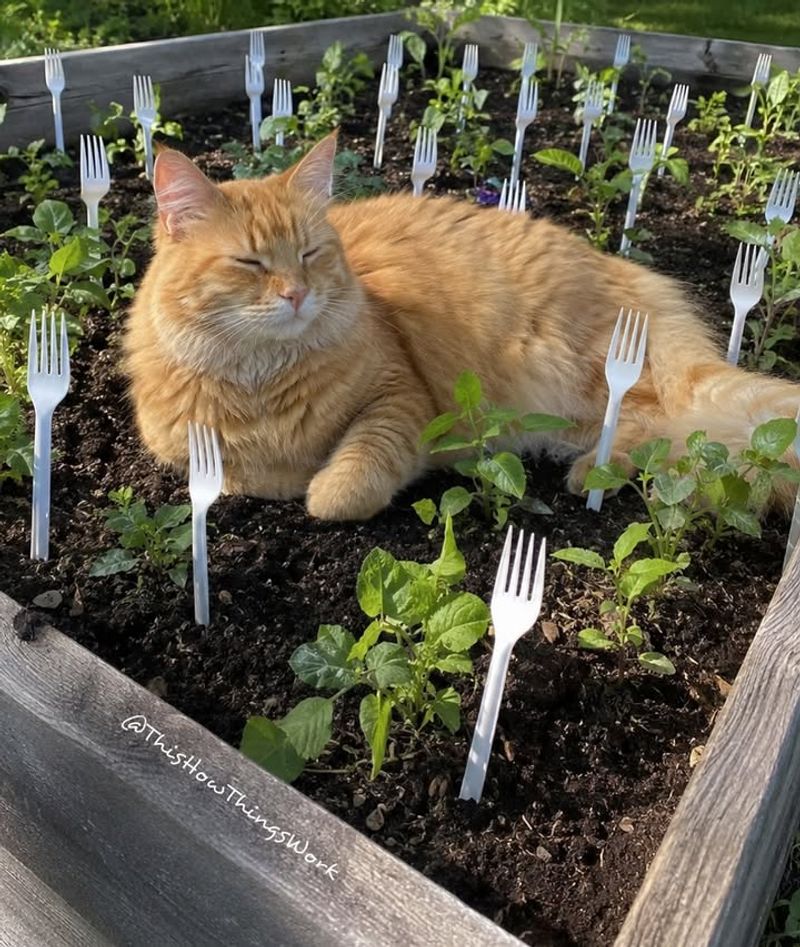
Neighborhood cats treating your raised bed like a litter box is a mess nobody signed up for. Turns out most cats can’t stand the smell of citrus, and you probably peel an orange or lemon most days anyway.
Scatter fresh peels across the soil where cats keep digging, and the sharp scent may steer them elsewhere. Rough-chopped peels release more of that oily smell than whole ones, so break them up a bit.
The peels do fade as they dry, so refresh them every few days for steady coverage. Bonus points: they eventually break down and add a little organic matter to the bed.
Squirrels and some other backyard visitors dislike the citrus punch too, making it a handy general deterrent. It costs nothing beyond what you were already going to throw away after snack time.
8. Pasta or Veggie Water for a Free Drink
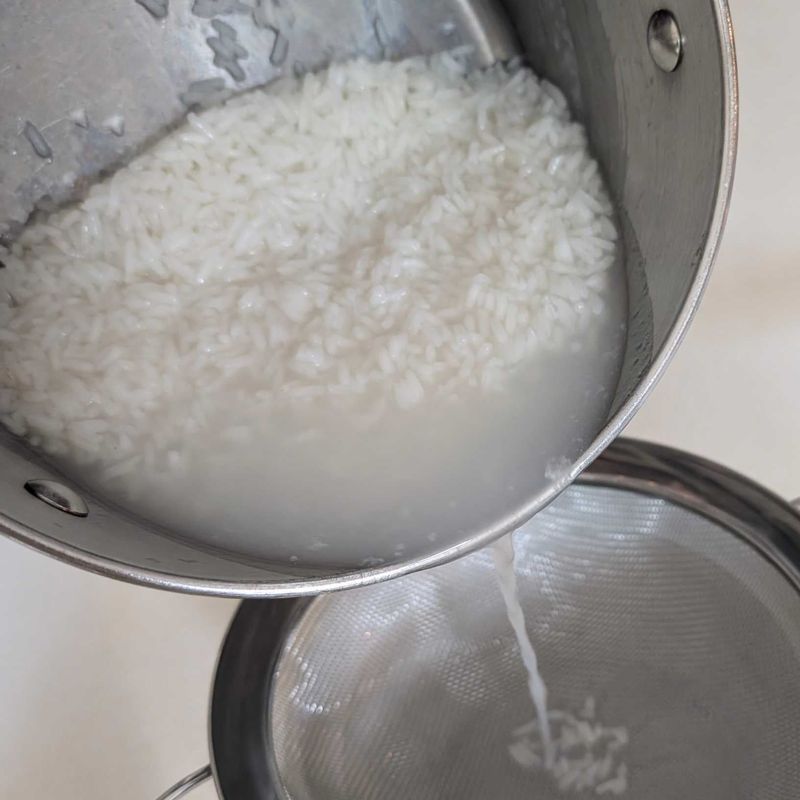
Before you tip that pot of cooled cooking water down the drain, think of your thirsty containers. Water left over from boiling pasta, potatoes, or vegetables carries small amounts of nutrients that leached out of the food.
Let it cool completely to room temperature first, because hot water will scald and kill roots on contact. Also make sure it was unsalted, since salt buildup damages soil and dehydrates plants fast.
Once cooled and salt-free, pour it around houseplants or outdoor pots as a mild feed and drink in one. Starchy pasta water in particular gives soil microbes a little something to munch on.
It is a small habit that adds up, especially in dry stretches when every drop counts. Keep an old pitcher by the sink and you’ll stop wasting gallons over a season.
9. Baking Soda to Read and Treat Powdery Mildew
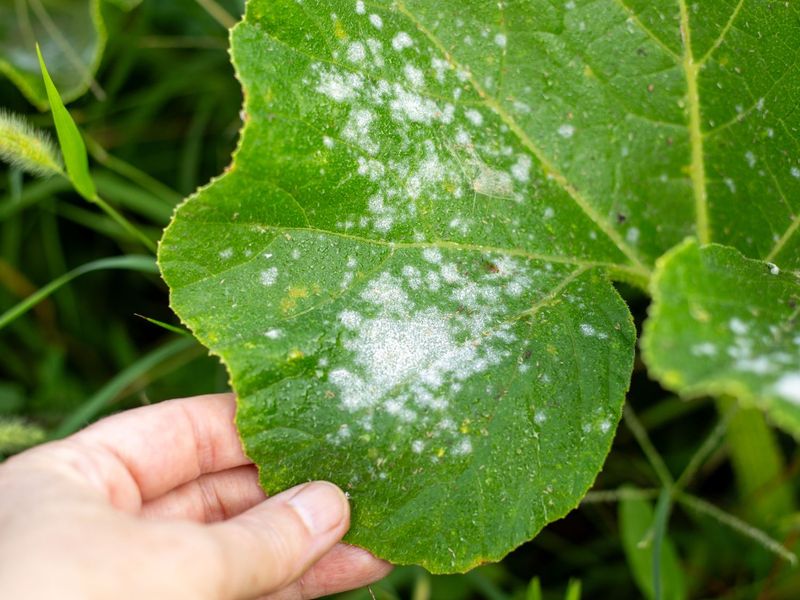
White, dusty patches spreading across squash, cucumber, or zinnia leaves are the calling card of powdery mildew, and that leaf coating is your early warning to act. Baking soda from the back of the cupboard can help slow it before it takes over the plant.
Mix a teaspoon of baking soda with a quart of water and a tiny drop of dish soap so it sticks, then spray affected leaves early in the day. The mild alkalinity makes the leaf surface less friendly for the fungus to keep spreading.
Catch it early for the best odds. Once a whole plant is coated, spraying only holds the line rather than reversing it.
Test on a few leaves first and avoid spraying in blazing heat, since too much can burn foliage. Used carefully, it buys your plants time to keep producing through the late-summer mildew season.
10. Cardboard Cereal Boxes for No-Dig Weed Blocking
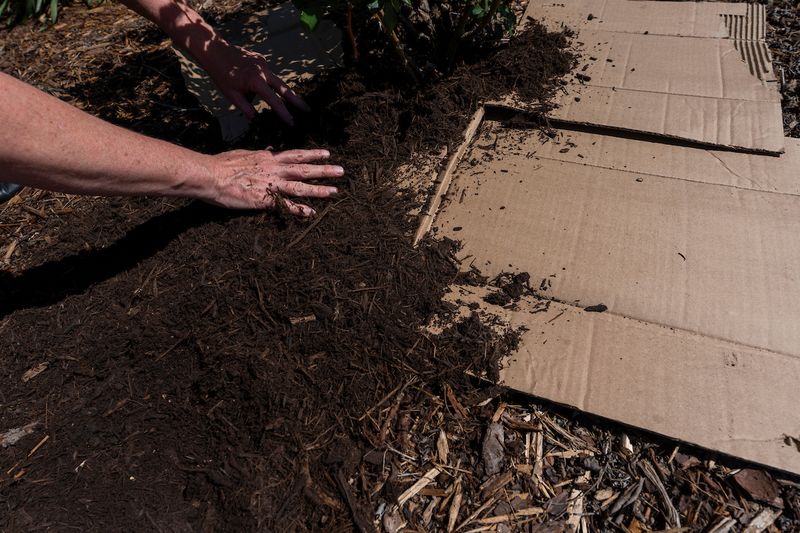
The cereal and cracker boxes headed for recycling make a surprisingly good weed barrier. Flatten them, peel off any heavy tape or glossy labels, and lay the plain cardboard right over grass or weeds you want gone.
Cover it with a few inches of mulch or compost and the cardboard smothers what’s underneath by blocking all light. Over a few months it softens, breaks down, and feeds earthworms while your new bed sits ready on top.
Gardeners call this sheet mulching, and it is a favorite for turning a patch of lawn into a planting bed without digging a single shovelful. Overlap the edges so no sneaky weeds slip through the gaps.
Wet the cardboard down as you go so it stays put and starts softening faster. Come planting time, you can cut right through it to tuck roots into the soil below.
11. Garlic Spray to Turn Bugs Away
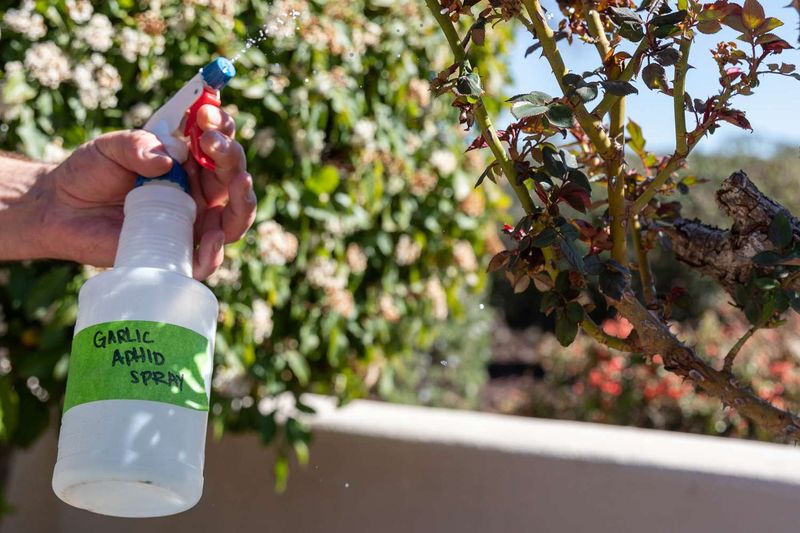
A few cloves of garlic can double as a homemade pest repellent that many soft-bodied bugs would rather avoid. Aphids, mites, and some beetles dislike the pungent smell, and it’s a scent-based deterrent rather than a harsh chemical.
Blend two or three crushed cloves with a couple cups of water, let it sit overnight, then strain out the solids and dilute the liquid before spraying. Adding a drop of mild soap helps it cling to leaves and stems.
Hit the undersides of leaves where pests like to hide, and reapply after rain washes it off. It may reduce feeding damage without wiping out the bees and ladybugs you actually want around.
The smell fades for humans within an hour or so, so your garden won’t reek at dinnertime. Fresh batches work best, so mix small amounts as you need them.
12. Glass Jars as Instant Cloches for Young Plants
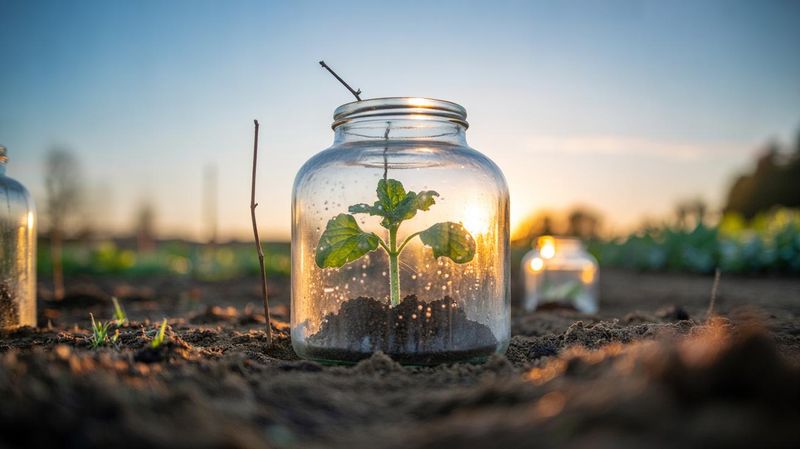
Empty mason jars and clear glass containers earn a second life protecting your most fragile transplants. Pop one upside down over a small seedling and you have a tiny greenhouse that traps warmth and humidity around the plant.
These mini covers, called cloches, shield young growth from a surprise cold snap, gusty wind, or hungry slugs looking for a midnight snack. On chilly spring nights, that little pocket of trapped heat can be the difference between survival and a mushy loss.
Lift or vent the jar on warm sunny days so the seedling doesn’t cook inside. Glass magnifies heat fast, and a sealed jar in full afternoon sun turns into an oven.
Once the plant outgrows its dome, the jar goes right back to the kitchen shelf. Reusable, free, and far prettier than plastic covers scattered across the bed.