
6 gardening tricks for helthier plants
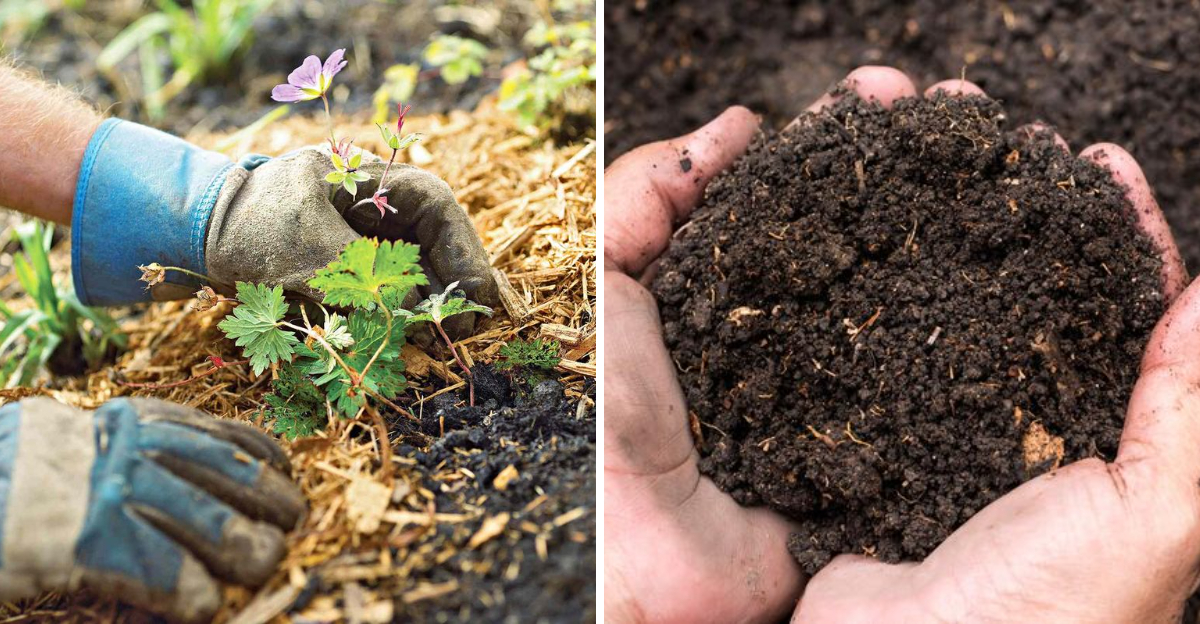
Healthy plants do not happen by luck alone. A few smart gardening habits can help flowers, herbs, and vegetables grow stronger and look better.
Small changes in watering, soil care, and plant placement often make a big difference. If you want a greener garden with less trouble, these simple tricks are a great place to start.
Water with better timing
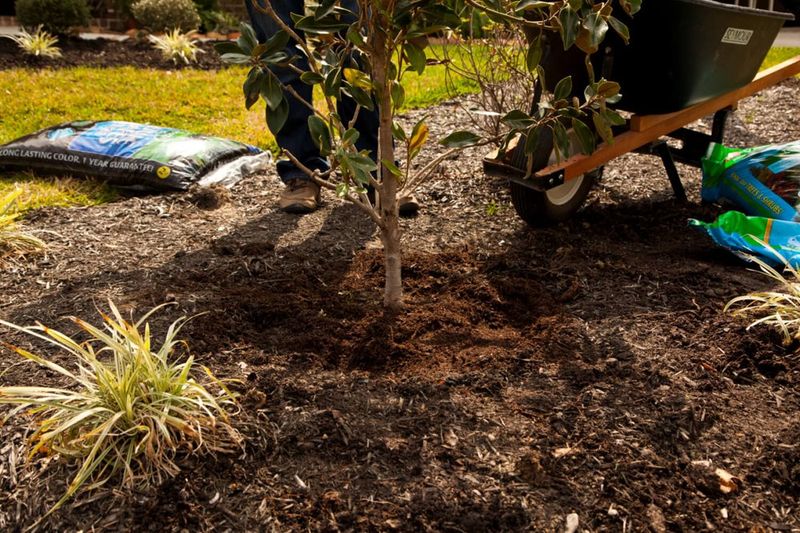
Plants get thirsty in different ways, and a set schedule can cause trouble. Push your finger into the soil before watering.
If the top inch feels dry, it is time for a drink.
Morning works best because leaves dry faster in daylight, which helps stop disease. Water near the roots instead of splashing everything.
Deep soaking encourages stronger roots, while tiny daily sips can leave plants weak and dependent on surface moisture for much longer.
Feed the soil first
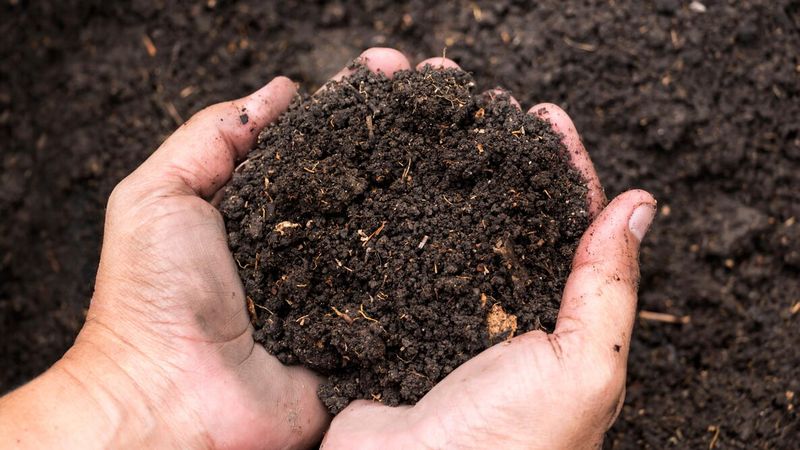
Good soil feels almost like cake crumbs in your hand, loose, dark, and full of life. Mixing in compost gives roots air, moisture, and slow food all at once.
Kitchen scraps, fallen leaves, and grass clippings can turn into rich compost over time. Spread a thin layer around plants or blend it into beds before planting.
Better soil drains well, holds nutrients, and makes flowers, vegetables, and herbs grow with more energy through every season.
Mulch like a smart gardener
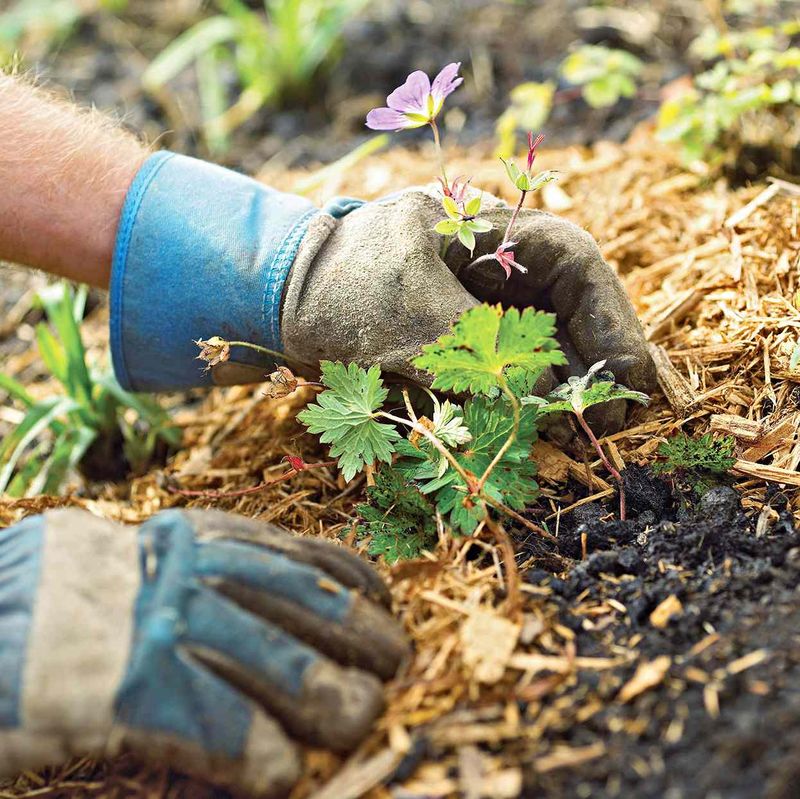
Mulch is the quiet helper many gardens need, especially during hot, windy weather. A layer of straw, bark, or shredded leaves covers bare soil and protects it like a blanket.
That cover slows water loss, keeps roots cooler, and blocks many weeds before they start. Leave a small gap around stems so moisture does not cause rot.
As mulch breaks down, it also feeds the soil and invites helpful worms to stick around there longer.
Match plants to the light
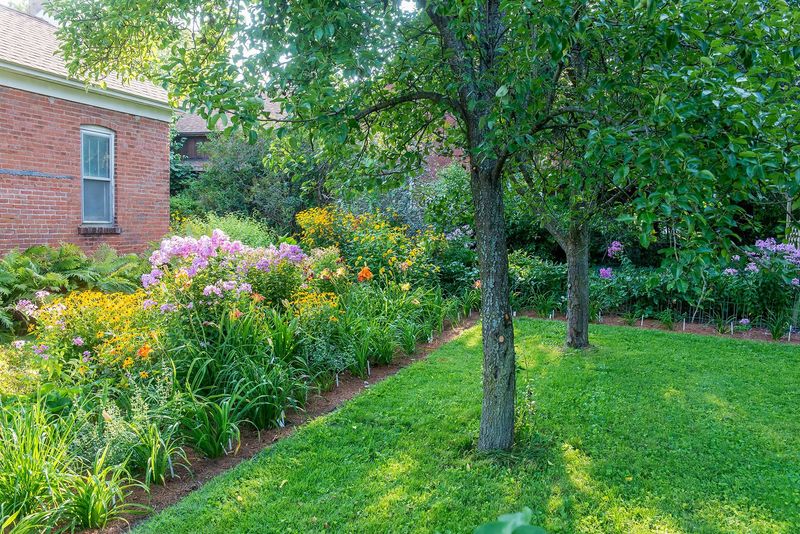
Sunlight can make or break a plant, and guessing often leads to disappointment. Before planting, watch your yard for a few days and note which spots get full sun, part sun, or shade.
Tomatoes, peppers, and many flowers crave long bright hours. Lettuce, spinach, and some ferns prefer gentler light, especially in summer heat.
Matching each plant to the right place reduces stress, supports growth, and helps leaves greener instead of turning pale or scorched.
Trim for fresh growth
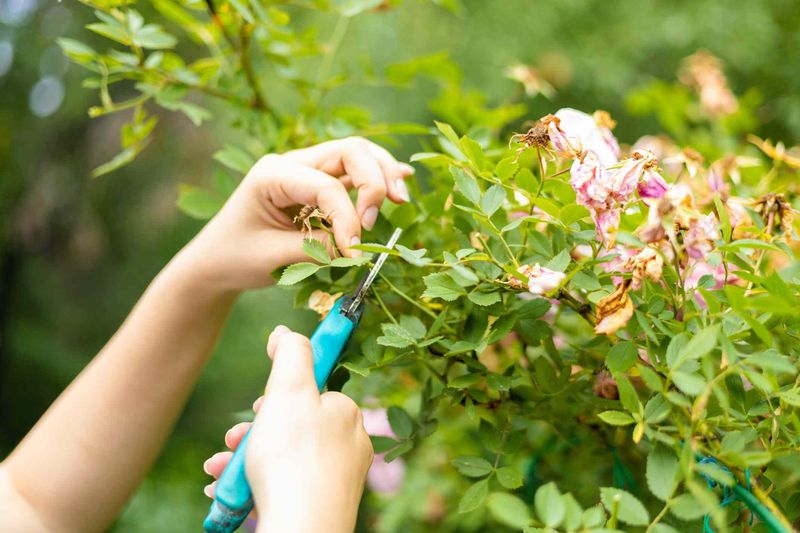
Pinching off a dead flower can feel small, yet plants notice the difference. Once spent blooms are removed, many flowering plants put energy into making new buds instead of seeds.
Pruning also helps when stems are crowded, broken, or rubbing together. Use clean scissors or garden snips, and cut just above a healthy leaf or node.
A tidier plant gets better airflow, looks fresher, and often keeps blooming far longer through the growing season ahead.
Welcome helpful bugs
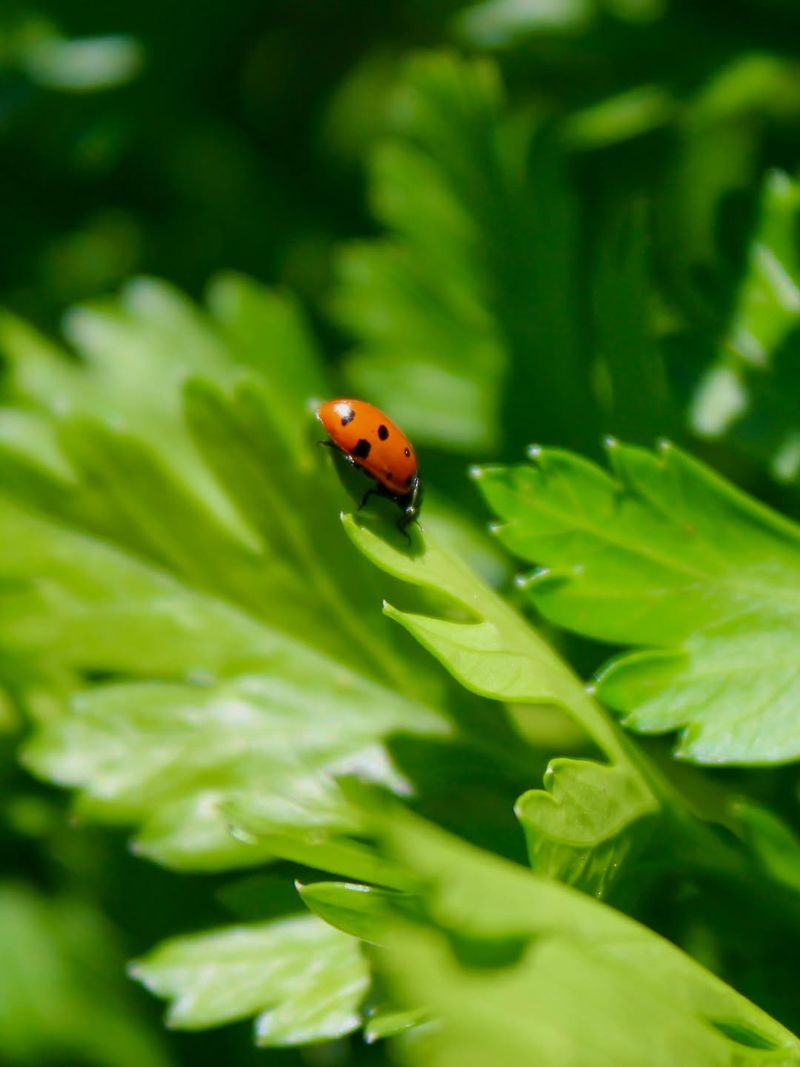
Bugs are not always the bad guys, and a busy garden proves it. Ladybugs, lacewings, bees, and worms all help plants in different ways, from pollinating flowers to eating harmful pests.
Skip harsh sprays when you can, because they may hurt helpful insects too. Plant a mix of flowers, herbs, and vegetables to invite more garden allies.
A balanced space usually has fewer major pest problems and stronger plants overall, without much extra work daily.