
The Surprising Spots Around Your North Carolina Yard Where Spotted Lanternflies Hide Their Eggs This Winter

That gray smudge on your maple tree might not be mud at all. Spotted lanternflies have been spreading into North Carolina, and every winter they leave behind egg masses that look like dried cement.
Each little patch can hold 30 to 50 eggs that hatch into hungry pests come spring. Knowing where to look this winter is one of the best ways to protect your yard, your trees, and the native wildlife that depends on them.
1. Smooth Bark on Maples and Willows
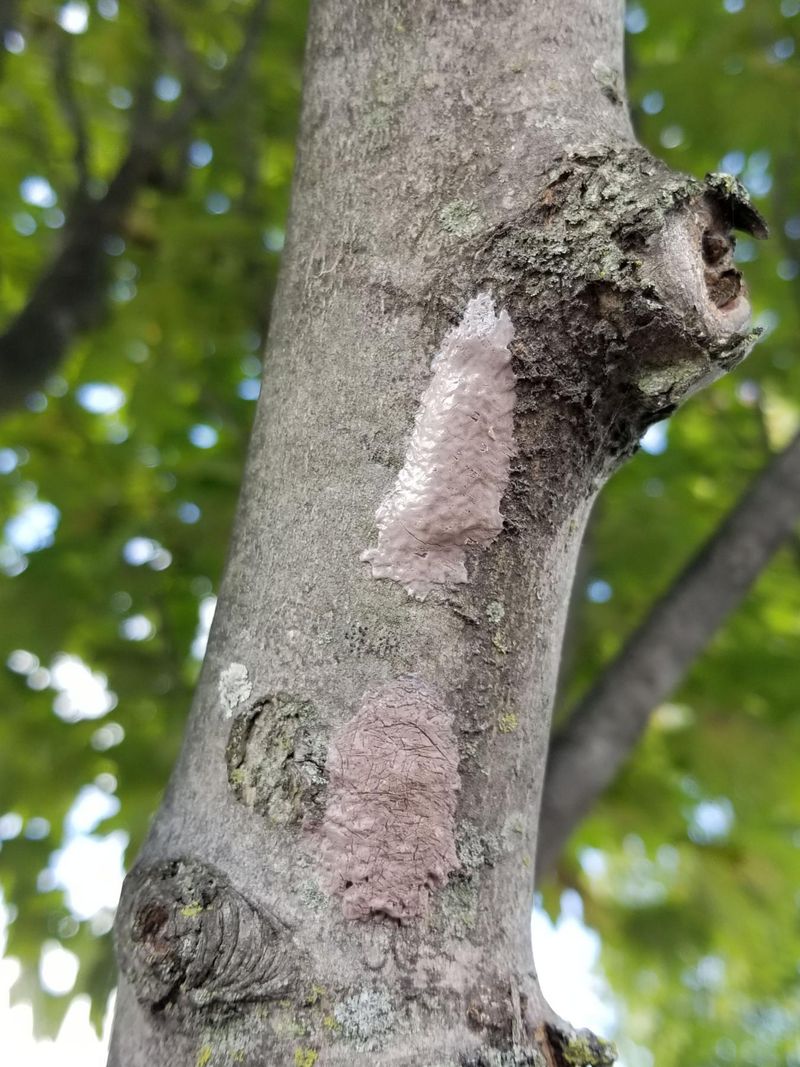
Red maples are a backyard favorite across North Carolina, and spotted lanternflies seem to agree. Females love smooth bark, so red maple, silver maple, and willow trunks are prime real estate for egg laying.
The masses look like a smear of gray putty about an inch long.
Walk around each trunk slowly, checking from the soil line up to as high as you can see. Fresh masses may look shiny, but older ones dull down and blend right into the bark.
A flashlight held at an angle can make the raised texture pop.
When you find one, scrape it into a zip bag filled with rubbing alcohol or hand sanitizer. A plastic card or putty knife works well and won’t hurt the tree.
Your maples feed caterpillars that goldfinches and other songbirds rely on, so keeping them healthy matters for the whole yard.
2. Undersides of Tree Limbs
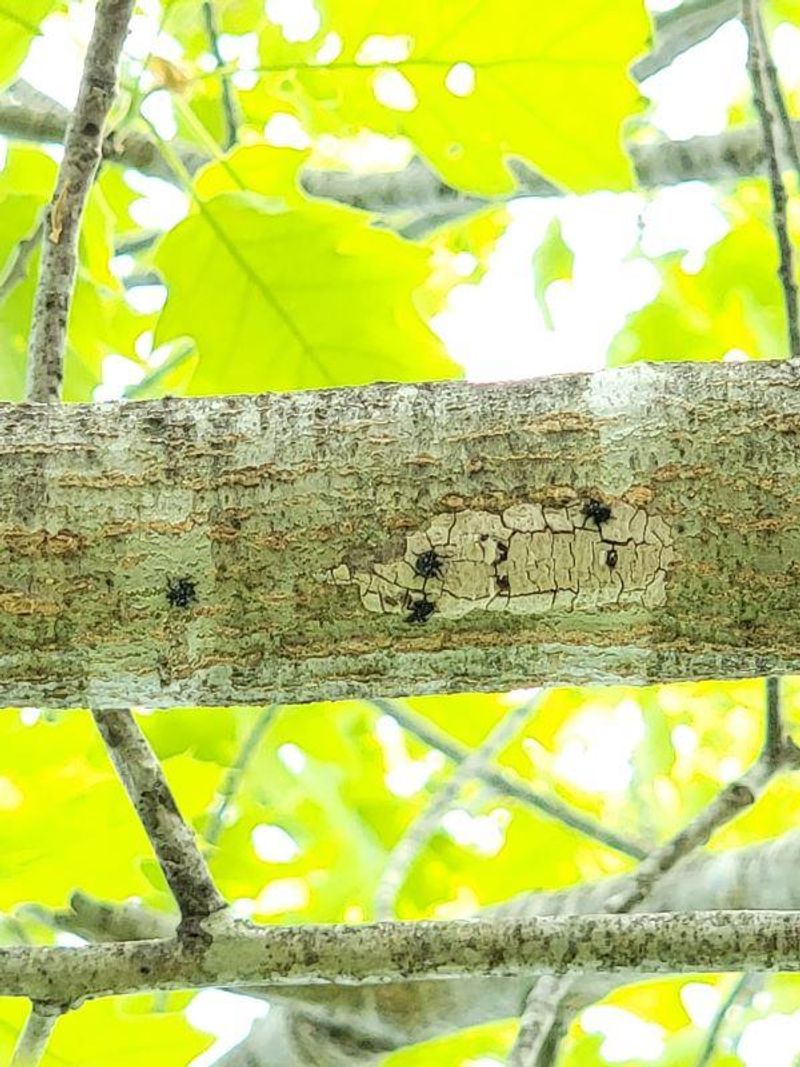
Here’s a sneaky trick: lanternflies often tuck their eggs on the bottom of branches, where rain and curious eyes rarely reach. You can stare at a trunk all afternoon and miss a mass sitting right above your head.
Black cherry and pine limbs are common hiding places, along with your maples. Winter is the perfect time to check, because bare branches give you a clear view.
Grab binoculars and look up along the lower limbs.
For masses out of reach, a long-handled scraper or pole tool can help. Never climb a ladder alone in icy weather, though.
Some masses will stay out of reach, and that’s okay, since every one you destroy still counts.
3. Wooden Decks and Fence Boards
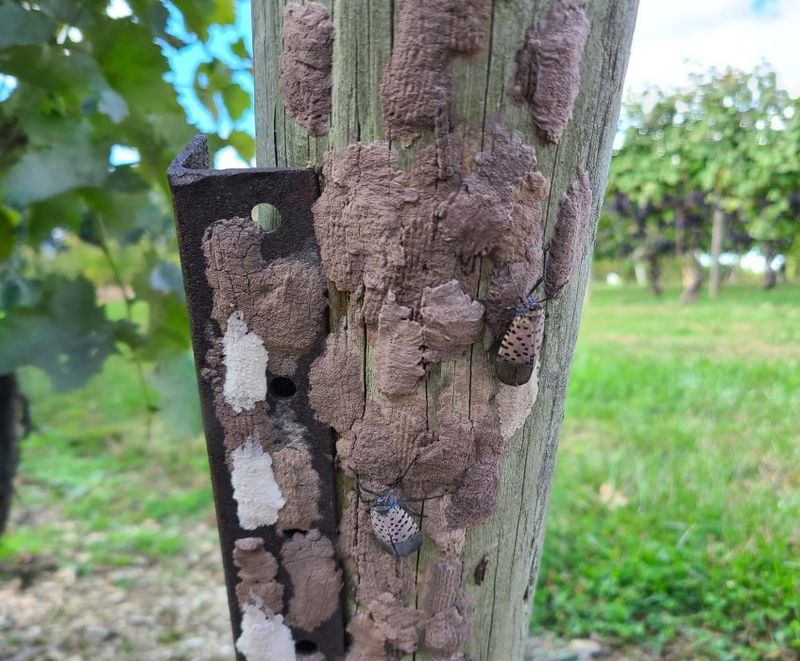
Picture a summer evening on your deck, and now picture lanternflies using that same deck as a nursery. Wooden decks and fences offer wide, flat surfaces that females find easy to lay on.
Weathered gray wood hides the egg masses almost perfectly.
Check the posts first, then the backs of fence boards and the underside of deck railings. Spots that face away from the house tend to get overlooked.
Run your fingers lightly along the wood and you may feel the slightly raised crust.
Scrape any masses into alcohol and seal the bag before tossing it. Doing a quick fence walk once a month from October through March keeps the job small and simple.
4. Patio Furniture
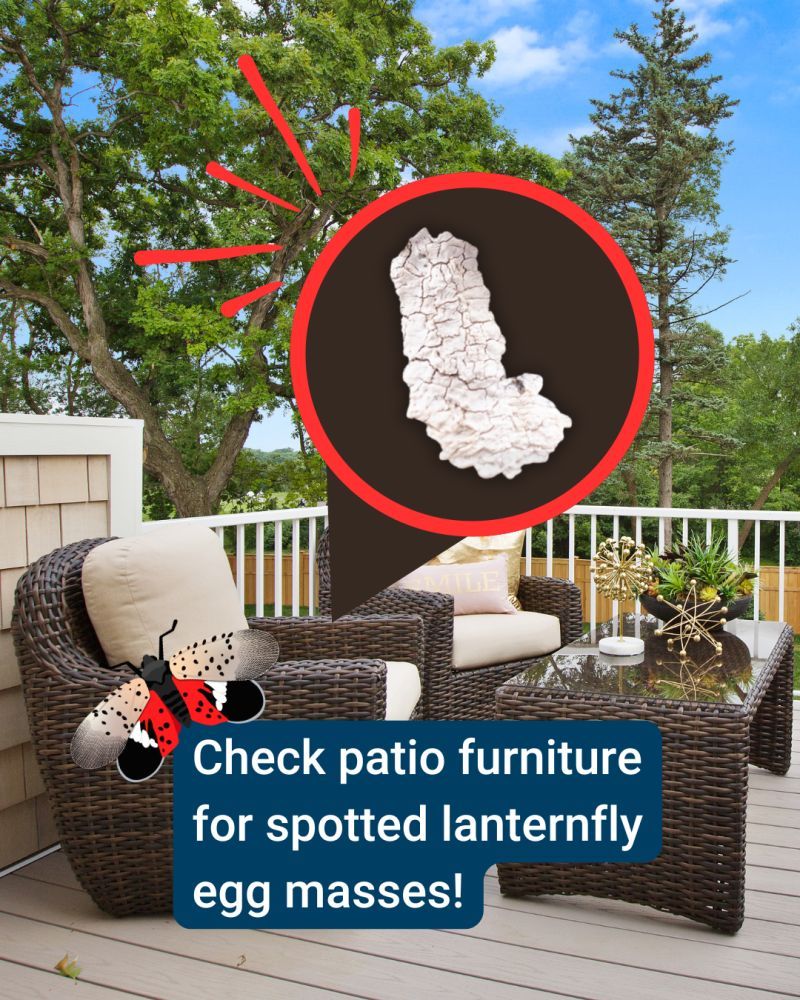
Few people flip their patio chairs over in December, which is exactly why lanternflies like them. Metal, wood, and plastic furniture left outside all season can collect egg masses on legs, seat bottoms, and table frames.
Before you stack furniture or move it into the garage, turn each piece over and look closely. Bringing infested chairs indoors may let eggs hatch early in a warm space.
That is a surprise nobody wants in March.
A soapy rag won’t kill the eggs, so scrape them off instead. Then give your furniture a wipe and enjoy knowing your spring cookouts will be a little less buggy.
5. Shed Walls and Outbuildings
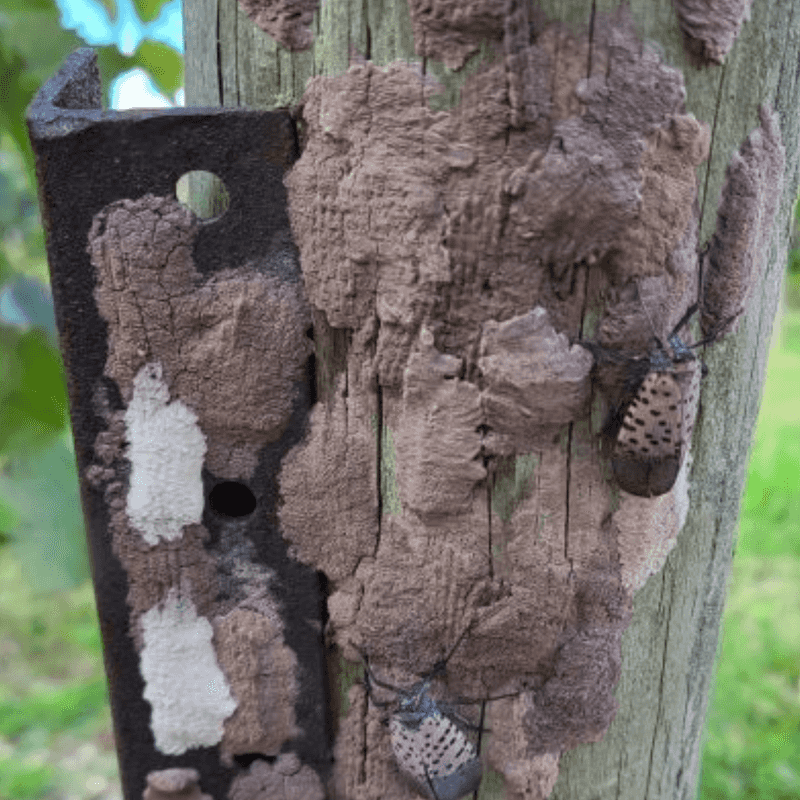
Sheds are the quiet corners of most yards. They sit undisturbed for weeks, which makes their siding a cozy spot for egg masses.
Lanternflies especially like the shaded north side and areas under the roof overhang.
Inspect every wall, the door frame, and the trim near the ground. Pay attention to areas behind stacked pots, ladders, or bins leaning on the shed.
Those hidden nooks are easy to forget.
Fun fact: lanternflies don’t care much what the surface is made of. Painted wood, vinyl, and metal all work for them, so no shed gets a free pass.
6. Rocks and Landscaping Stones
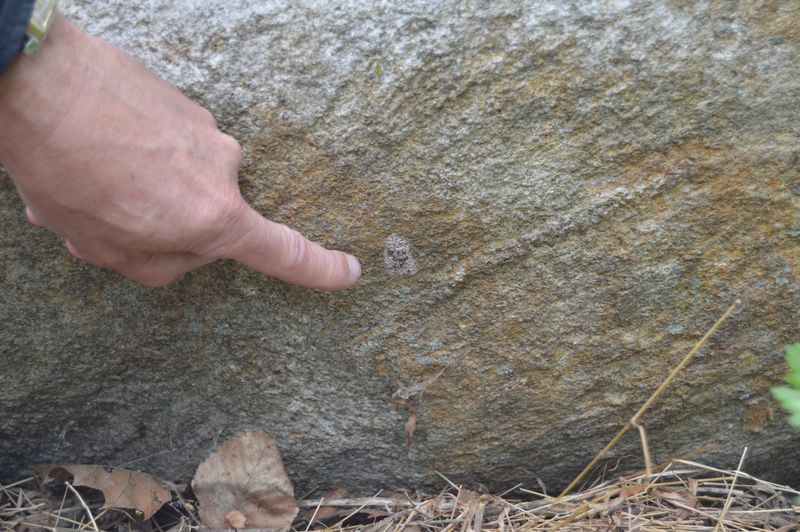
A gray egg mass on a gray rock is about as camouflaged as it gets. Landscaping boulders, stepping stones, and stacked stone borders can all hide lanternfly eggs in plain sight.
Look at the vertical sides of larger rocks, since females prefer laying on upright surfaces. Gently scrape anything that looks like a crusty, cracked patch of mud.
Real mud crumbles, while egg masses tend to peel off in a chunk.
Be careful around rock piles, though. Box turtles, salamanders, and toads may be tucked underneath for the winter, so inspect the surface without moving the stones.
Good stewardship means stopping pests without disturbing the wildlife you love.
7. Brick Walls and Patios
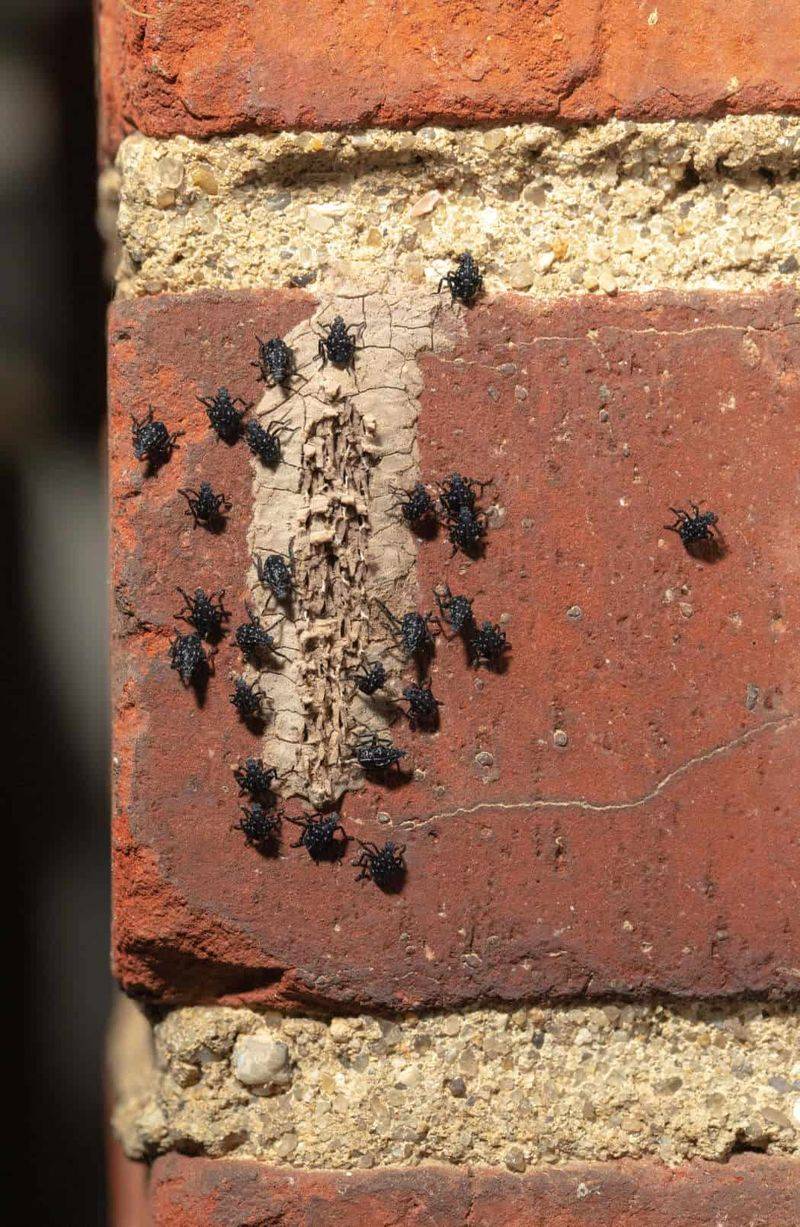
Old brick has character, and it also has lots of little ledges. Brick walls, planters, and chimneys give lanternflies textured surfaces where egg masses blend in with the mortar lines.
Scan along the mortar joints, where the gray color makes eggs almost invisible. Low walls near trees are worth extra attention because adults often move from tree to wall to lay.
A stiff brush can help clear dust so you can see better.
Once spotted, scrape firmly into your alcohol bag. Brick won’t mind a little scraping, and your neighbors’ trees will thank you too.
8. Light Poles, Mailboxes, and Barrels
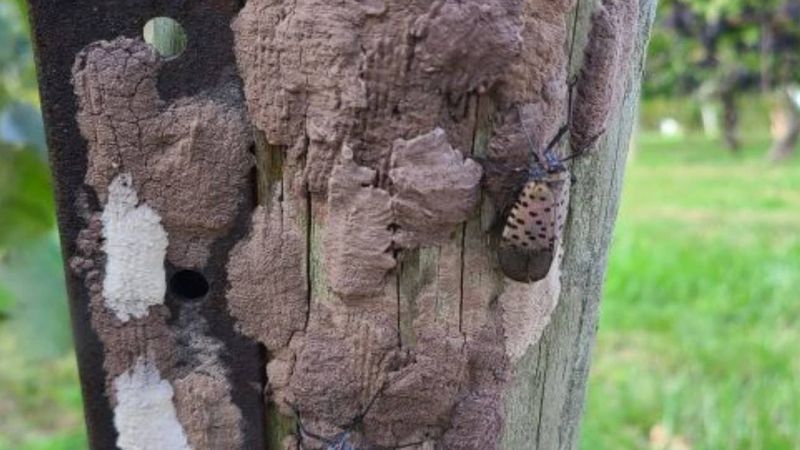
Nearly anything that stands upright in your yard can become a landing spot. Lamp posts, mailbox posts, bird feeder poles, and rain barrels all count.
Many of us pass these items every day without a second glance. Make it a habit to check them while grabbing the mail or filling the feeder.
Bird feeder poles deserve a close look, since they sit right where winter songbirds gather.
A quick swipe with a scraper takes seconds. These small daily checks add up fast across a whole season.
9. Cars, Trailers, and Lawn Equipment

Lanternflies can’t fly very far on their own, so how do they reach new counties? Often they hitch a ride.
Egg masses stuck to cars, campers, trailers, and mowers parked outdoors can travel hundreds of miles.
Check wheel wells, bumpers, trailer frames, and the underside of mower decks. Garden tools stored outside can carry eggs too.
Inspect before trips, especially if you live near areas under state quarantine.
The NC Department of Agriculture asks residents to report sightings. Catching a mass on your truck could keep lanternflies out of a brand-new part of the state.
10. Stacked Firewood
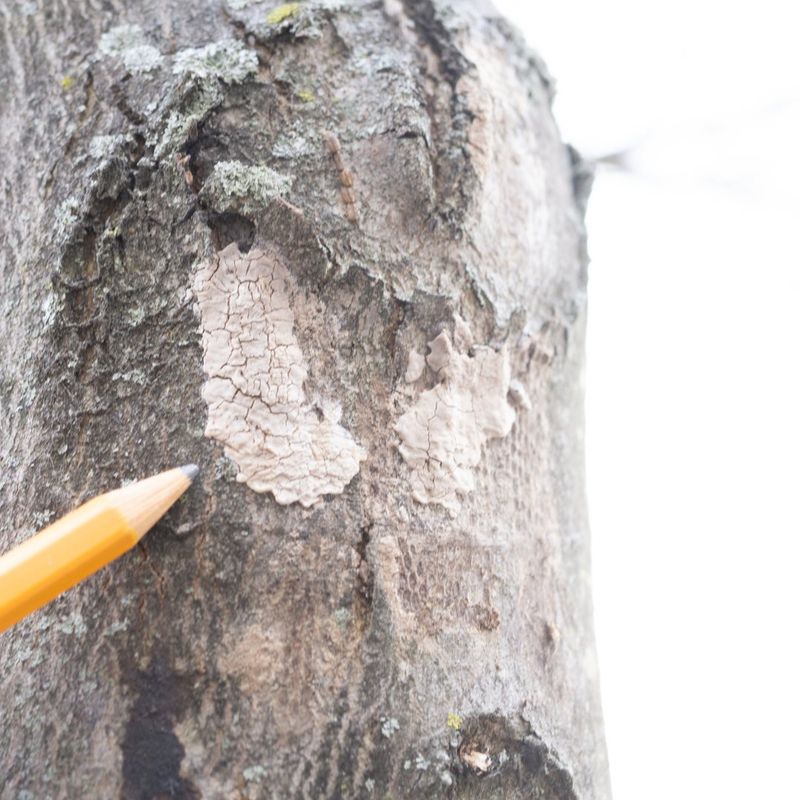
Nothing beats a crackling fire on a chilly Blue Ridge night. Firewood, however, is one of the biggest ways lanternflies spread, because egg masses cling tightly to bark.
Buy or gather firewood locally, and burn it close to where it was cut. Before carrying logs inside, look over the bark for gray patches.
Infested pieces should be burned soon rather than stored or given away.
Keep your woodpile off the ground and away from the house. That also keeps ticks and termites at a distance, a nice bonus for any yard steward.