
Your Yard Keeps Inviting Raccoons Back – 13 Things Drawing Them In (And How To Shut Each One Down)
You walk outside in the morning and find your tomatoes half-eaten, the trash can tipped over, and muddy little handprints on the birdbath. Raccoons are smart, and once they find a yard that feeds and shelters them, they keep coming back night after night.
The good news is that most of what pulls them in is stuff you can fix with a few simple changes. Here are 13 common raccoon magnets hiding in plain sight, plus an easy way to shut each one down.
1. Unsecured Trash Cans
Picture a raccoon as a tiny burglar with nimble fingers and zero shame. A loose trash lid is basically an unlocked front door with a dinner menu taped to it.
Those clever paws can pop open flimsy lids in seconds.
Food scraps, greasy wrappers, and leftover chicken bones send out a smell that can travel a long way on a warm night. Once a raccoon scores a meal from your can, it tends to remember the spot and return.
That is why one messy night can turn into a nightly habit.
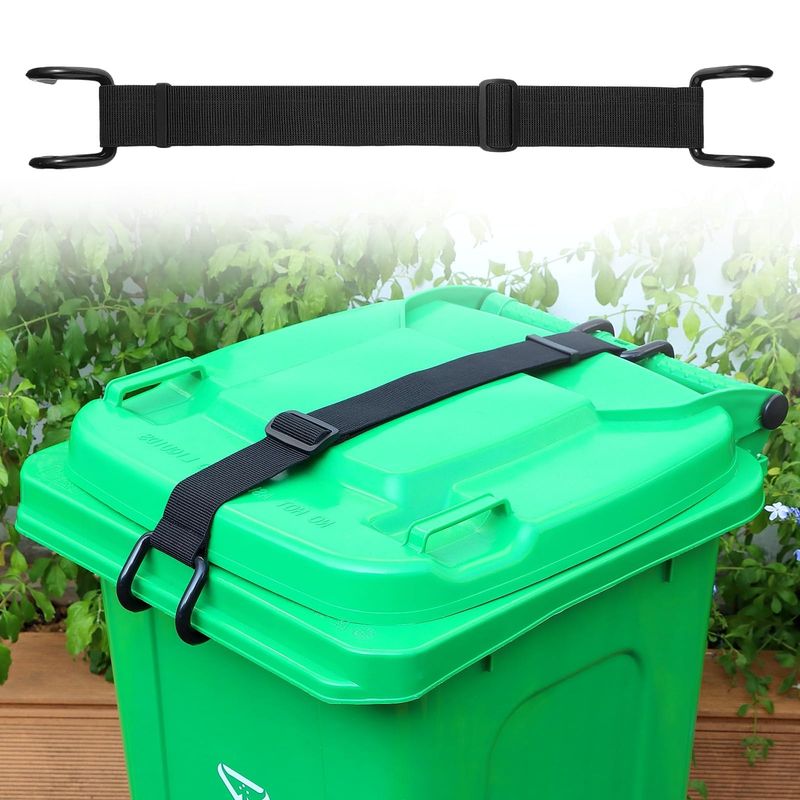
The fix is pretty simple. Switch to heavy-duty cans with tight or locking lids, and add a bungee cord across the top for extra security.
If you can, keep cans in the garage or shed until pickup day.
Some homeowners also sprinkle black pepper or splash a little ammonia inside the can, which may help deter curious noses. Rinse out sticky residue now and then, too.
A clean can simply smells less like a buffet.
2. Pet Food Left Outdoors
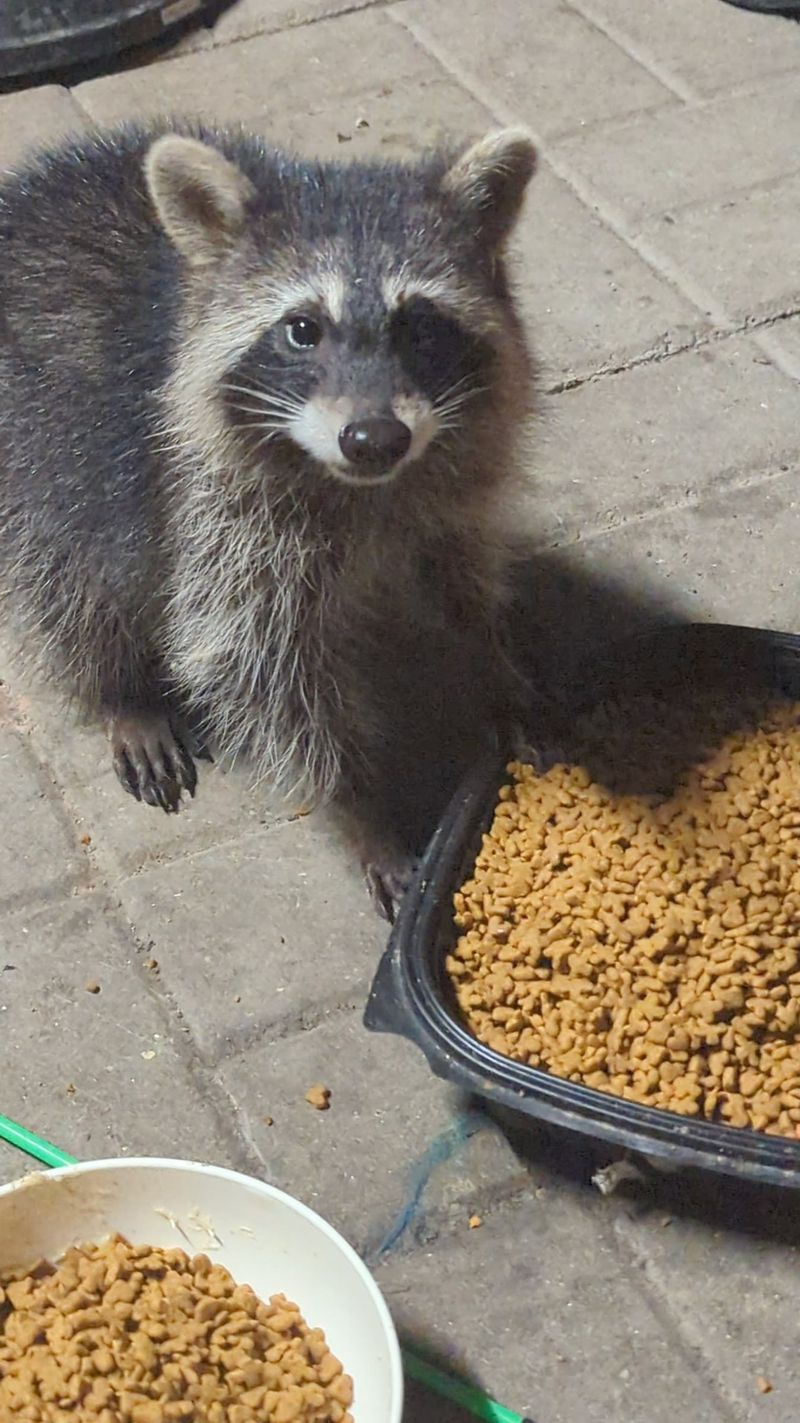
Ever noticed your dog’s bowl licked spotless by morning, even though your dog barely ate? You might have a masked dinner guest.
Pet food is packed with fat and protein, and it smells amazing to a raccoon.
Dry kibble left on the porch is easy to grab and carry off. Wet food is even worse because its strong odor drifts across the whole yard.
To a hungry raccoon, your porch becomes a free drive-thru.
The best move is feeding pets indoors. If your cat or dog has to eat outside, pick up the bowl as soon as they finish, and always before dark.
Store bags of pet food in sealed plastic or metal bins, not torn open in the garage.
It is a small habit change, but it can make a big difference fast.
3. Bird Feeders and Spilled Seed
Bird lovers, this one stings a little. That feeder you hung for cardinals and chickadees is also a raccoon snack bar.
Raccoons are excellent climbers and can shimmy up poles or hang upside down to raid seed tubes.
Even if they cannot reach the feeder, the ground underneath is often covered in spilled sunflower seeds, peanuts, and suet crumbs. That mess alone can be enough to bring them by every night.
It can also draw mice, which brings its own problems.
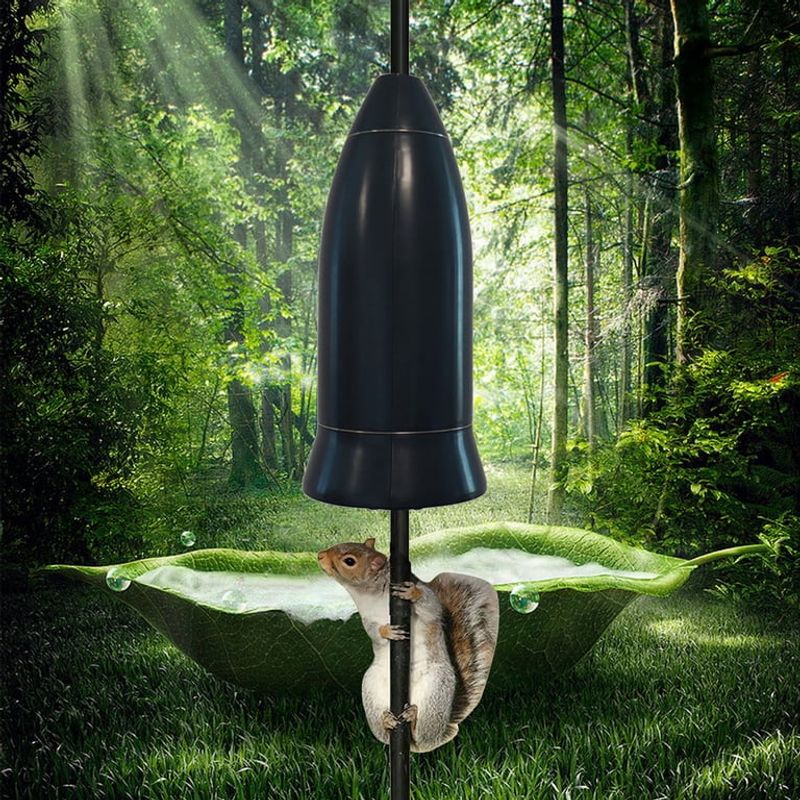
Try mounting feeders on a smooth metal pole with a cone-shaped baffle below the feeder. Place the pole at least 10 feet away from trees, fences, and roofs so raccoons cannot leap over.
Some people simply bring feeders inside at night, since songbirds feed in daylight anyway.
Rake or sweep up spilled seed every few days. A seed tray under the feeder can catch a lot of the mess before it hits the ground.
4. Ripe Tomatoes, Sweet Corn, and Fallen Fruit

Nothing hurts quite like waiting all summer for your first ripe tomato, only to find it with one big bite taken out. Raccoons know exactly when your garden is ready, sometimes even before you do.
Sweet corn is a special favorite, and they often strike the night before you planned to pick.
Melons, berries, grapes, and fallen apples or peaches are also on the list. Fruit rotting on the ground gives off a sweet smell that pulls them in from far away.
Harvest tomatoes and other crops as soon as they ripen, or even a day early. Tomatoes will finish ripening on your kitchen counter just fine.
Pick up fallen fruit every day or two during peak season.
For serious problems, a low electric fence with wires around 6 and 12 inches high can protect a garden bed. Some gardeners spray a capsaicin hot pepper repellent around the edges, which may help discourage nibbling.
Reapply after rain.
5. Birdbaths, Fountains, and Leaky Faucets
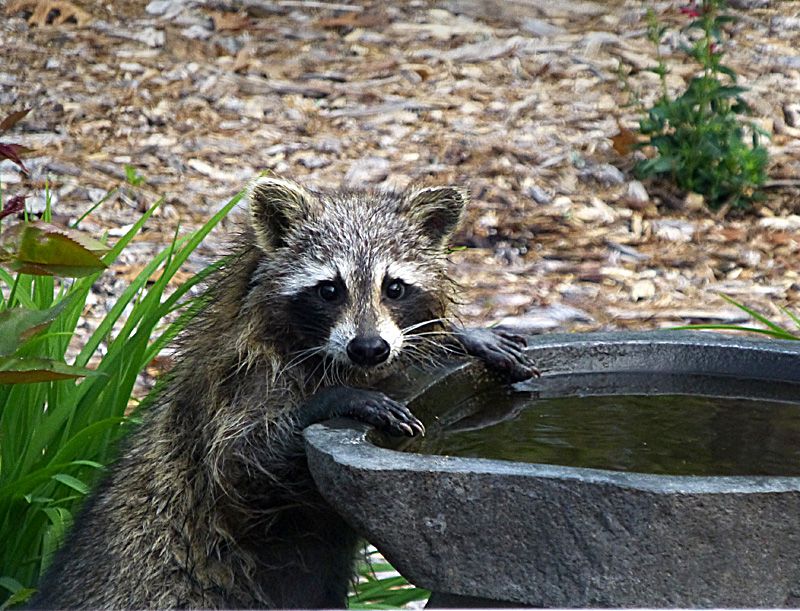
Raccoons have a funny habit. They often dunk and rub their food in water before eating, almost like they are washing it.
Scientists think the water actually makes their paws more sensitive, helping them feel what they are holding.
That means water is a big draw. Birdbaths, small fountains, pet water bowls, ponds, and even a puddle under a dripping hose bib can turn your yard into a nightly rest stop.
Muddy, cloudy birdbath water in the morning is a common sign of a visit.
Empty birdbaths and pet bowls in the evening, then refill them in the morning. Fix leaky faucets and sprinkler heads that leave puddles behind.
If you have a fish pond, sturdy netting or a pond cover can protect both the water and your fish.
Bonus: emptying standing water nightly also helps cut down on mosquitoes.
6. Overgrown Shrubs and Woodpiles
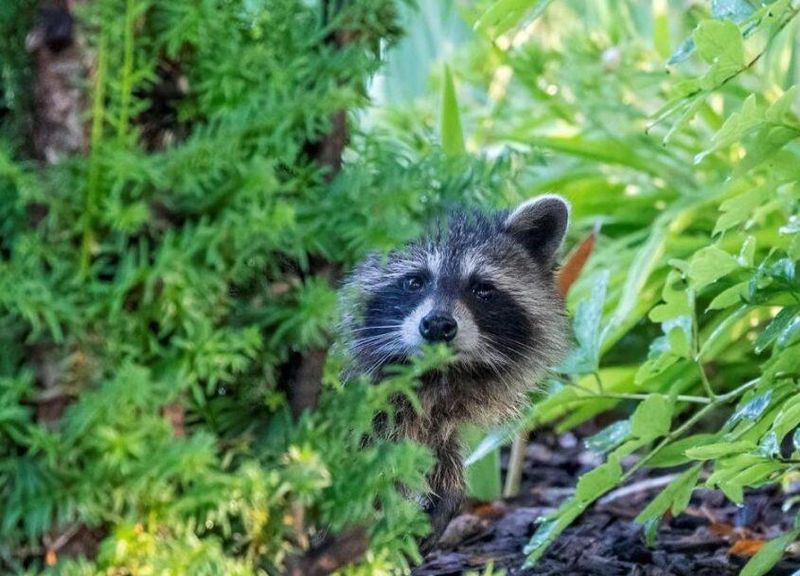
Food gets raccoons into your yard, but shelter is what convinces them to stay. A shaggy hedge, a jumbled woodpile, or a heap of old branches can look like a cozy hotel room to a raccoon looking for a daytime nap spot.
Mother raccoons are especially picky in spring. They want quiet, hidden places to raise their babies, and messy corners fit the bill perfectly.
Trim back overgrown shrubs so you can see underneath them. Stack firewood neatly on a raised rack, at least a foot off the ground and away from your house.
Clear out brush piles, old lumber, and any clutter that has been sitting untouched for months.
Do this cleanup in late winter or early spring if you can, before baby season starts. You do not want to accidentally separate a mother from her kits.
7. Open Space Under Decks, Sheds, and Crawl Spaces
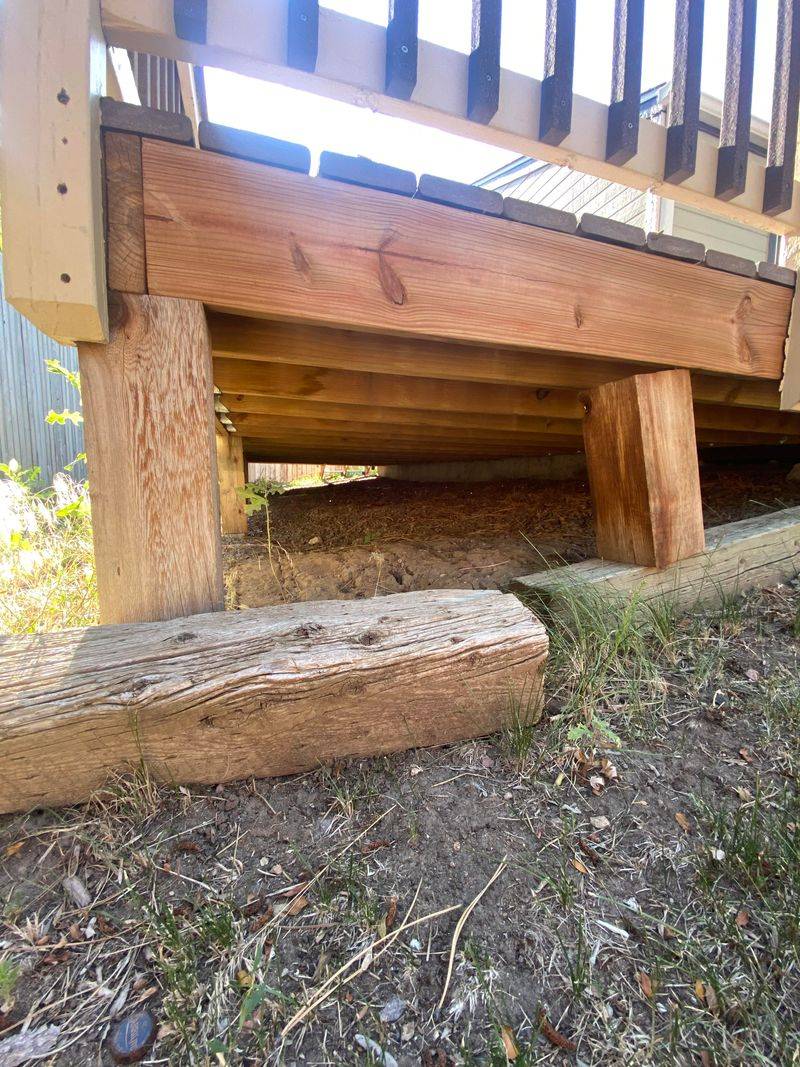
Here is a sneaky one. That dark gap under your deck or shed is dry, hidden, and safe from rain.
To a raccoon, it is prime real estate.
Look for loose dirt pushed out from under a structure, a worn path in the grass, or a musky smell. Those can all be signs someone has moved in.
Broken lattice and gaps in skirting boards are open doors.
The fix is to seal these spaces with sturdy hardware cloth, not chicken wire, which raccoons can tear through. Bury the bottom edge about 6 to 12 inches deep, bent outward in an L shape, so they cannot dig under it.
Repair loose vents and crawl space covers too.
Before sealing anything, make sure nobody is home. Loosely stuff some newspaper in the hole and check if it is pushed aside over a few nights.
If babies might be inside, call a wildlife pro.
8. Grubs in a Soggy Lawn
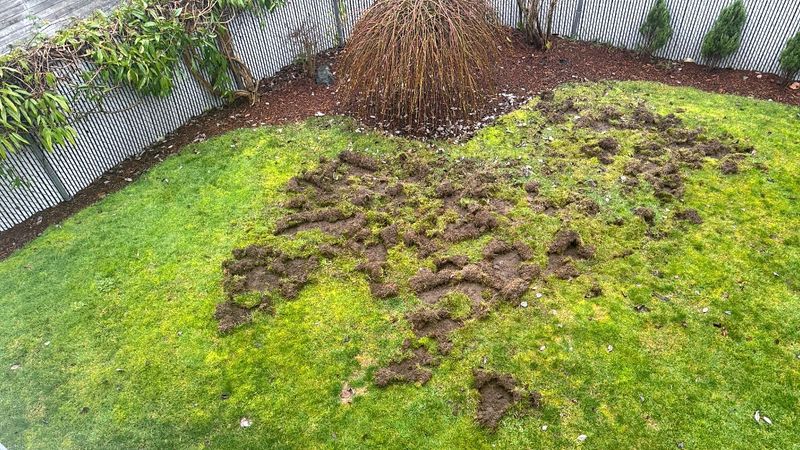
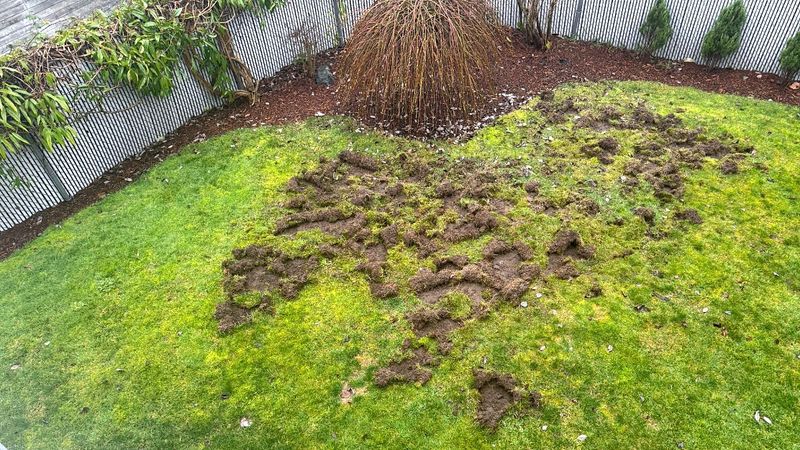
You wake up and it looks like someone rolled your lawn up like a carpet. Patches of turf are flipped over, and the dirt is torn up.
Raccoons were probably out hunting for grubs.
Grubs are the white, C-shaped larvae of beetles like Japanese beetles. They live just under the grass and eat roots.
To a raccoon, they are crunchy little protein snacks.
Watering too much keeps the soil soft and pulls grubs closer to the surface, which makes digging easy. Try watering deeply but less often, early in the morning.
To check for grubs, peel back a square foot of turf. More than about 10 grubs may mean it is time to treat.
Beneficial nematodes or milky spore are gentler options that can reduce grubs over time. Once the food is gone, the digging usually slows down.
9. Chicken Coops With Weak Spots
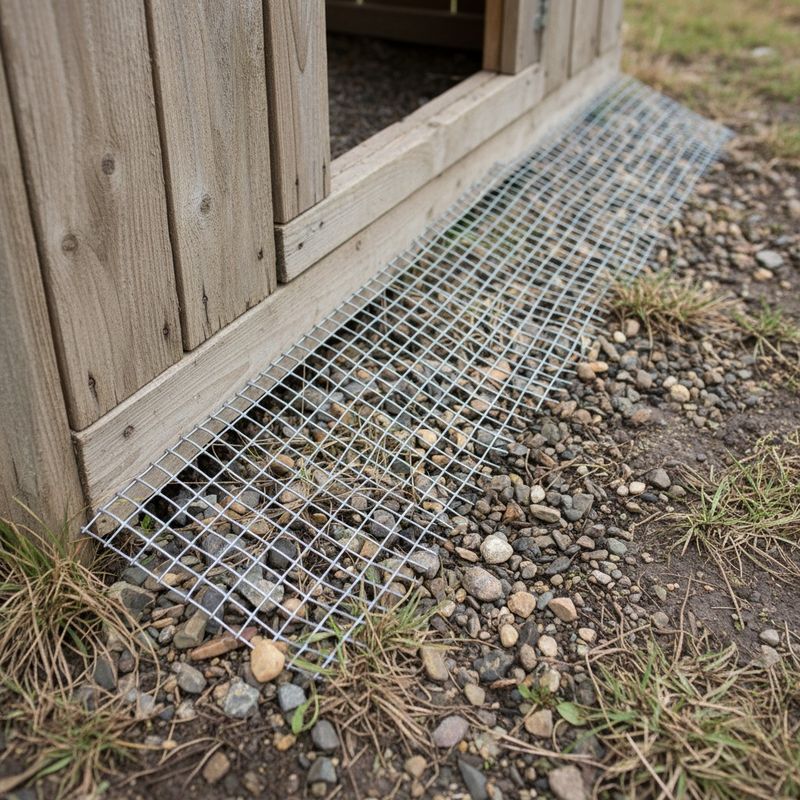
Backyard chicken keepers, you probably already know this fear. Raccoons are one of the most common coop raiders around.
They go after eggs, chicks, and even full-grown hens.
Their hands are surprisingly skilled. A raccoon can lift simple hook latches, slide open bolts, and reach through chicken wire to grab a bird.
Chicken wire keeps chickens in, but it does not keep predators out.
Wrap your coop and run in half-inch hardware cloth, and bury it or add an apron around the bottom. Use latches that need two steps to open, like a clip plus a bolt, or add a carabiner.
Close the girls in every single night before dark.
Collect eggs daily so they do not sit around as bait. Some keepers also add a hot wire around the top and bottom of the run for extra peace of mind.
10. Greasy Grills
Burgers on Saturday, raccoons on Sunday. That greasy drip tray under your grill keeps smelling like dinner long after the party ends.
Raccoons have a sharp sense of smell and will happily lick grates clean.
Some will even knock over a grill or tear a cover to get at the grease. It is messy, and it can damage your gear.
After each cookout, let the grill heat for a few extra minutes to burn off bits, then brush the grates. Empty and wipe out the grease cup or drip tray.
Once things cool, close the lid and add a fitted cover.
Do not forget the patio floor. Dropped hot dog pieces and spilled sauce count too.
11. Open Compost Piles
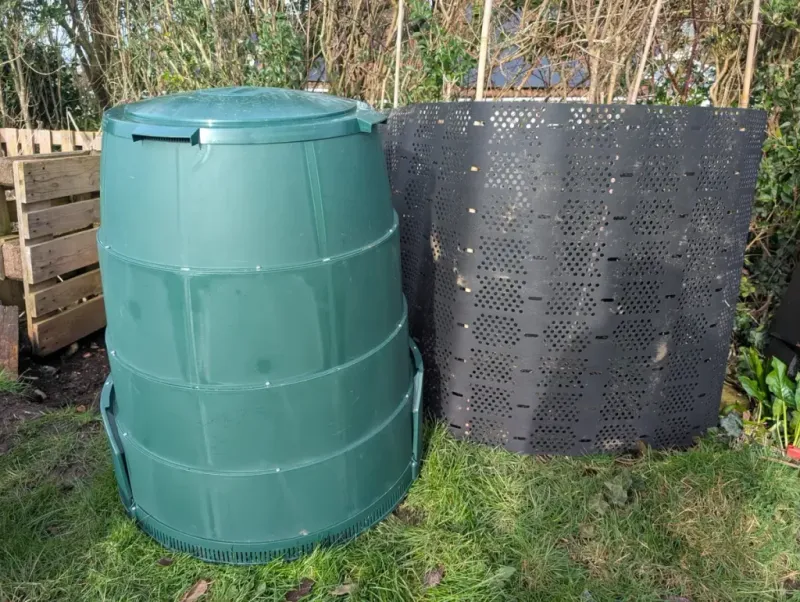
Composting is great for your garden beds, and your hydrangeas and tomatoes will love the rich soil. But an open pile full of kitchen scraps can look like an all-you-can-eat buffet to a raccoon.
Melon rinds, corn cobs, and fruit peels are hard for them to resist. Add any meat, dairy, or oily leftovers and the smell gets much stronger.
Switch to a closed bin or tumbler with a secure lid. If you keep an open pile, bury fresh scraps under several inches of leaves or finished compost.
Keep meat, bones, cheese, and greasy foods out completely.
A good balance of browns, like dry leaves, and greens, like veggie scraps, also helps your pile break down faster. Faster breakdown means less smell, and less smell means fewer visitors.
12. Tree Limbs and Downspouts Leading to the Roof
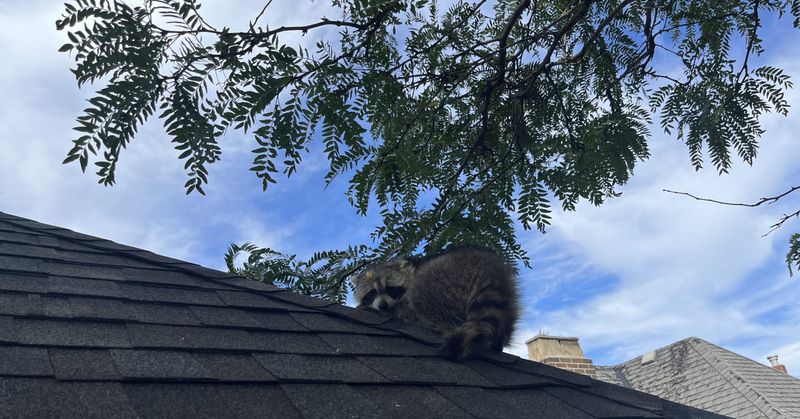
Fun fact: raccoons can climb down trees headfirst because they can rotate their back feet. Climbing up to your roof is no big deal for them.
An overhanging tree branch or a sturdy downspout gives them a ladder straight to your gutters, chimney, and attic vents. Once there, a warm attic can become a nest, and that leads to costly damage.
Trim back branches so they are at least 6 to 8 feet away from your roof. For trees close to the house, wrap a smooth band of metal flashing around the trunk, a few feet off the ground.
Raccoons cannot grip the slick surface.
Check your roofline for loose vent covers, gaps around the chimney, and soft spots. Install a chimney cap.
Sealing these entry points now can save you a much bigger headache later.
13. No Deterrents at All
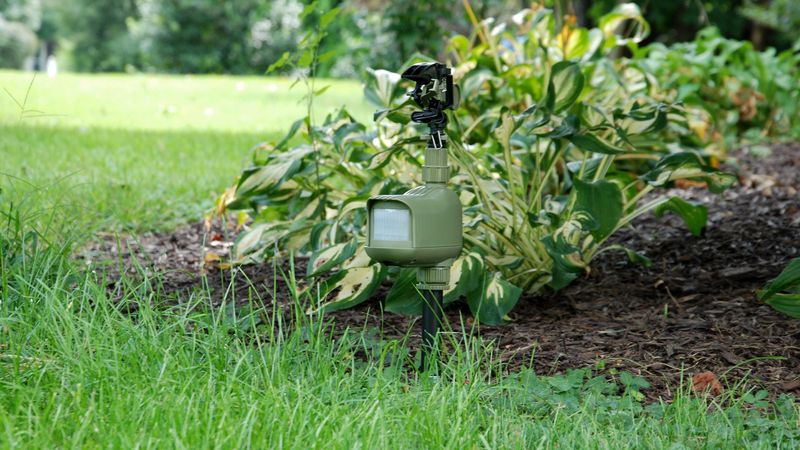
Raccoons love a quiet, dark yard where nothing ever surprises them. If your yard stays calm all night, they feel safe making it part of their regular route.
Motion-activated lights and sprinklers can help break that comfort. A sudden blast of water or bright light may startle them enough to try somewhere else.
Move these devices every week or two so the raccoons do not get used to them.
Strong smells may also help deter them. Some gardeners sprinkle cayenne, use peppermint oil on cotton balls, or set out citrus peels near problem spots.
Skip mothballs outdoors, since they can harm pets, kids, and soil.
Remember, deterrents work best after the food, water, and shelter are gone. Fix the main invitations first, then add a little surprise.
Together, those steps can make your yard far less welcoming, and keep your garden safe.