
These 11 Yard Clues Mean Rats Are Already Scouting Your House Before Winter
As nights get colder, rats start hunting for a warm place to spend the winter, and your house might be on their list. They usually check out the yard first, leaving small signs that are easy to miss if you don’t know what to look for.
Spotting those clues early can save your garden, your shed, and maybe your kitchen. Here are 11 signs worth checking for on your next walk around the yard.
1. Rat Droppings
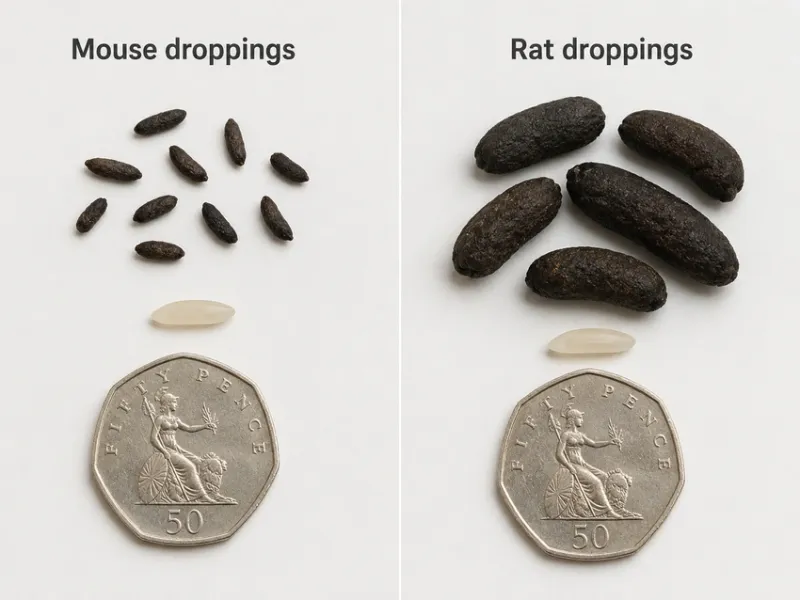
Nobody enjoys poking around for poop, but rat droppings are the clearest calling card you’ll find. They’re dark, shaped a bit like a raisin, and usually about 1/2 to 3/4 inch long.
Norway rats leave droppings with blunt ends. Roof rats leave slightly smaller ones with pointed tips.
Check near compost bins, trash cans, sheds, and along garden walls or paths.
Fresh droppings look shiny, moist, and dark. Older ones turn dry, gray, and crumbly, so fresh ones mean rats are visiting right now.
Always wear gloves and avoid sweeping them dry, since dust from droppings can carry germs.
2. Gnaw Marks on Hoses and Wood
Picture turning on your hose and getting sprayed from a brand-new hole halfway down. That surprise is often a rat’s handiwork.
Rat teeth never stop growing, so they chew constantly to keep them short. Hoses, drip irrigation lines, raised bed frames, fences, plastic bins, patio furniture, and landscape light wiring are all fair game.
Look for paired grooves about 2 to 4 mm wide. Fresh marks look light and raw, while older ones darken over time.
If you spot pale, clean chew marks on your tomato bed frame, a rat was likely there within days.
3. Burrows Along Foundations and Beds
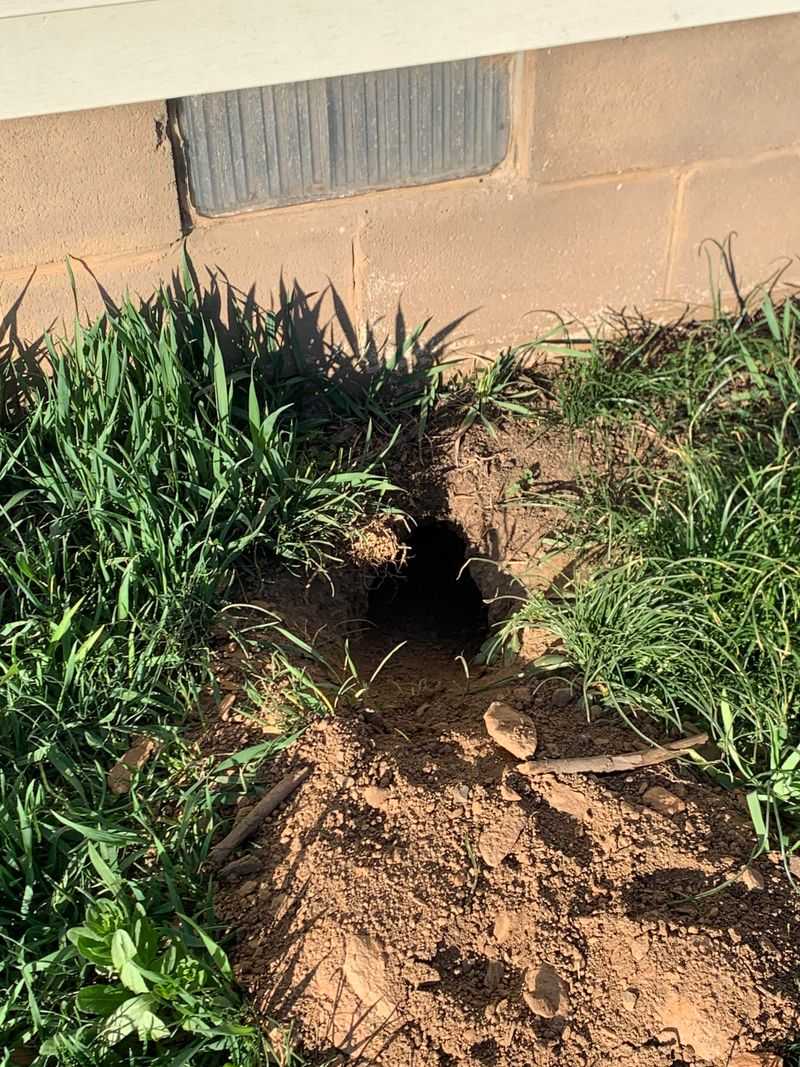
Rats are surprisingly skilled diggers. Below a single small hole, there may be a whole network of tunnels.
Watch for holes two to four inches across with smooth sides and loose dirt fanned out around the opening. Common spots include foundation edges, under sheds and decks, beneath dense shrubs, and in soft, rich garden soil.
A quick test can help. Loosely fill the hole with soil or crumpled newspaper, then check the next day.
If it’s been reopened, the burrow is active and deserves attention before cold weather pushes residents closer to your walls.
4. Runways and Greasy Rub Marks
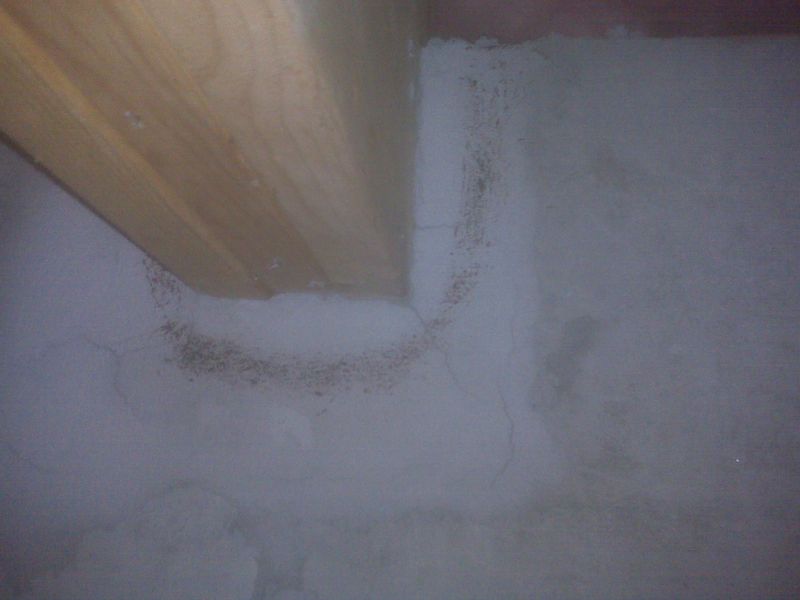
Rats are creatures of habit. They take the same route night after night, much like you probably walk the same path to your mailbox.
Over time, that habit wears narrow trails, about 2 to 3 inches wide, through grass, mulch, or groundcover. They often hug fences, walls, and garden edges, since rats feel safer with something beside them.
Also look for dark, greasy smears along the bottoms of fences or shed corners. Oily fur rubbing the same spot again and again leaves these stains behind.
Following a runway can lead you right to where rats are hiding or trying to get in.
5. Messy Nests in Debris Piles
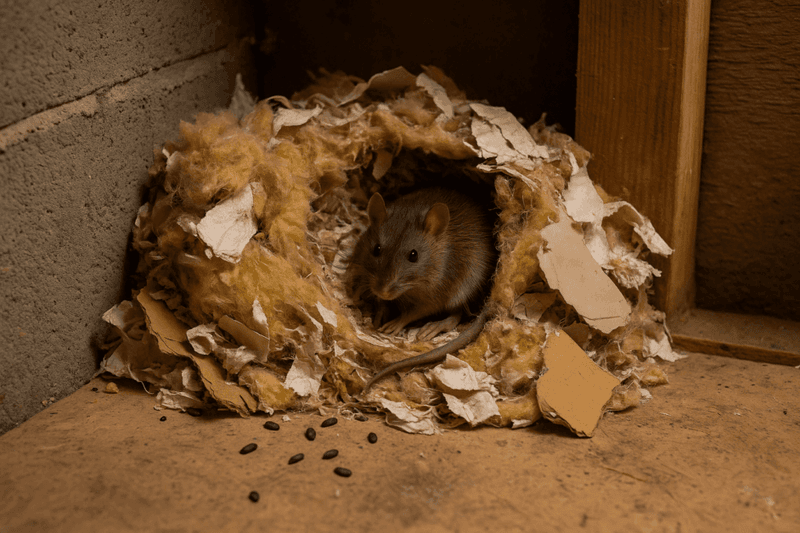
That leaf pile you meant to bag up last weekend? To a rat, it looks like a cozy apartment.
Rat nests look like untidy balls or heaps of shredded stuff. They use leaves, twigs, dry grass, paper, cardboard, and even insulation pulled from sheds.
You’ll usually find them in hidden places, such as brush piles, under decks, inside sheds, or deep in overgrown plants. Clearing yard clutter in fall removes these hideouts and makes your yard much less inviting.
6. Pets Acting Strangely
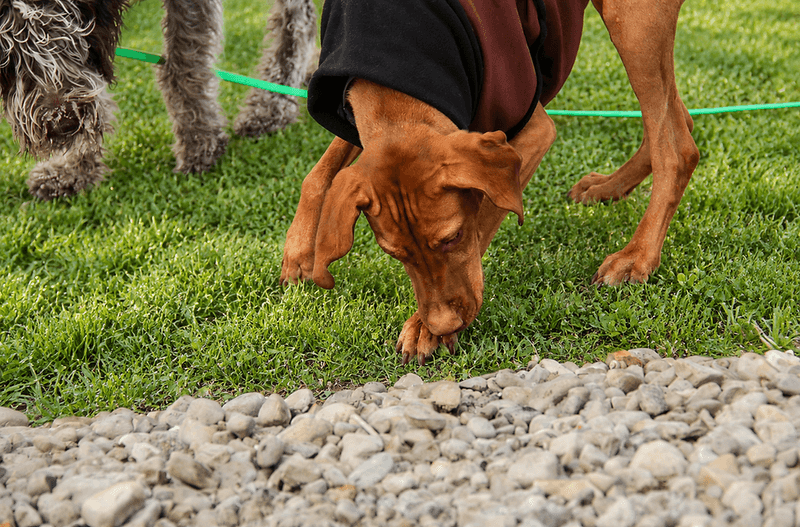
Your dog might be the best rat detector you own. Pets can smell and hear rodents long before people notice anything.
Pay attention if your dog keeps staring at one corner of the fence, barks at the same bush, or scratches at the shed door. Cats that crouch and stalk one spot over and over may be onto something too.
Don’t brush it off as silly behavior. Go look at that exact spot for droppings, holes, or chew marks.
And keep pets away from any rat bait, since it can harm them badly.
7. Scratching and Scurrying at Night
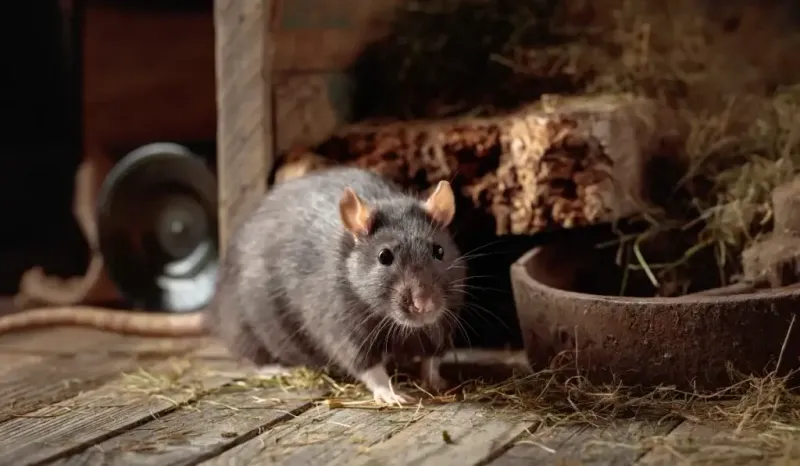
Ever heard a rustle in the bushes after dark and blamed the wind? It might have been something with a tail.
Rats are most active at night, so scratching, scurrying, or rustling sounds after sunset are a big clue. Listen near shrubs, woodpiles, decks, and trash bins.
One odd noise isn’t proof. Hearing it in the same place night after night, though, suggests a regular travel route.
Step outside with a flashlight around 10 p.m. and you may catch a glimpse.
8. Bitten Tomatoes and Torn Trash Bags
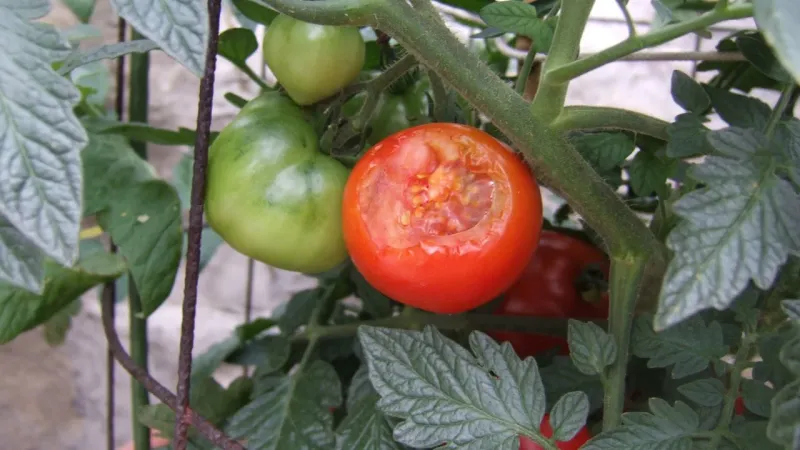
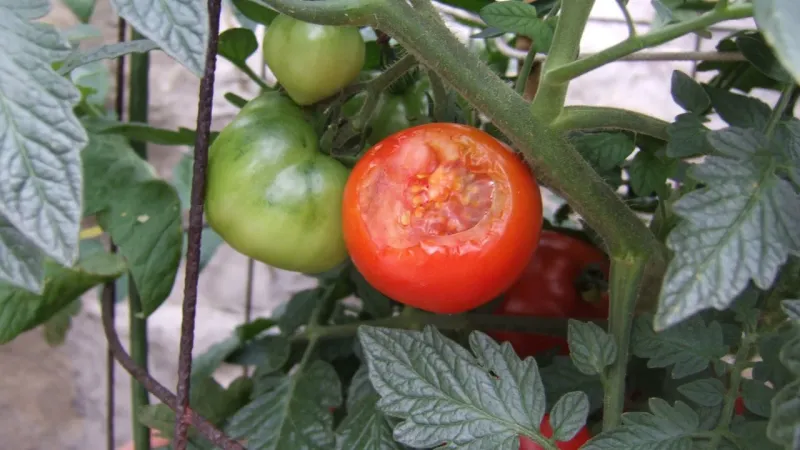
Few things sting like finding your best ripe tomato with a big bite missing. Squirrels and birds get blamed, but rats love tomatoes, squash, melons, and fallen fruit too.
Rats eat whatever is easy. Torn trash bags, half-eaten veggies, and pet food bowls emptied overnight all point to a hungry visitor.
To protect your garden, pick ripe produce promptly and clean up fallen fruit. Keep trash in bins with tight lids, and bring pet food indoors at night.
These easy habits may help reduce what draws rats in.
9. A Musky Ammonia Smell

Open the shed and wrinkle your nose? Trust that reaction.
Rats leave urine and scent markings along their paths and in nests. Together, they create a stale, musky smell that can seem like ammonia.
The odor is strongest in closed spaces like sheds, garages, and under porches. If the smell hangs around even after you air things out, look closely at corners, behind stored items, and under shelves for other signs.
10. Hidden Food Stashes
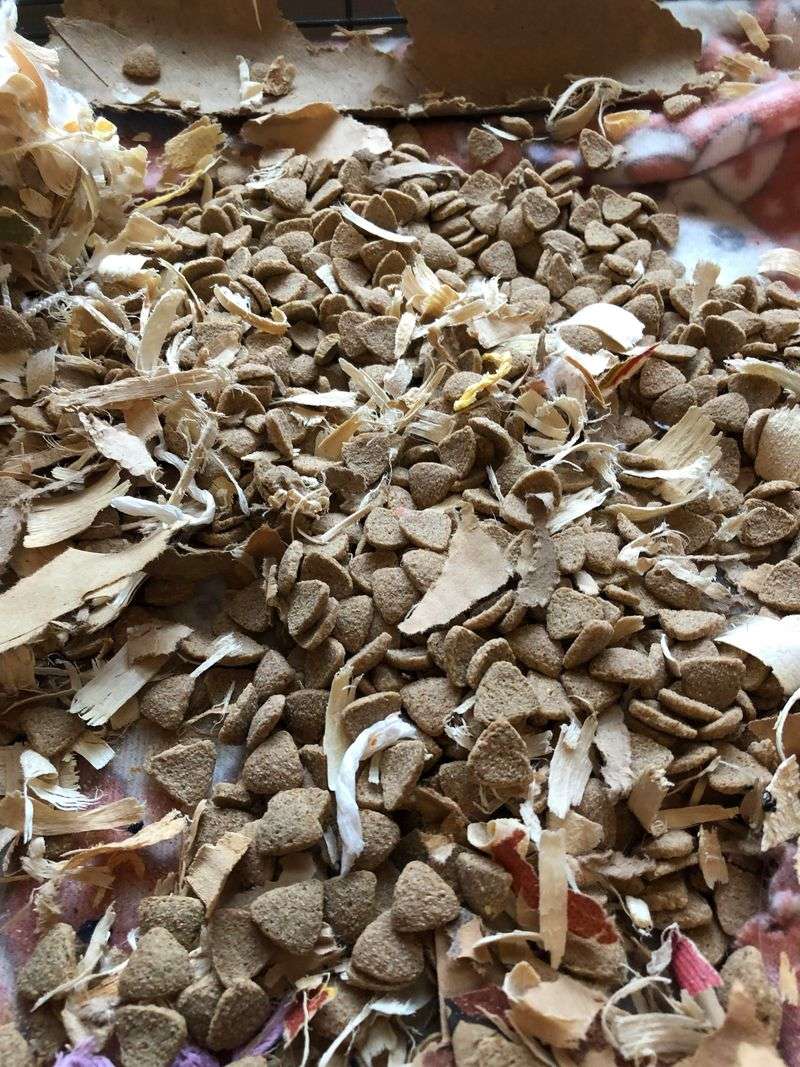
Fun fact: like squirrels, rats prepare for winter by hoarding. They collect seeds, nuts, pet food, and compost scraps, and often store them in or near their nests.
So if birdseed is vanishing faster than usual, or you find a strange pile of kibble behind your flower pots, take notice. Those caches mean rats plan to stick around.
Store birdseed and pet food in metal containers with secure lids. Clean up spilled seed under feeders, and keep compost bins closed.
Taking away the pantry can make your yard far less appealing.
11. Seeing a Live Rat
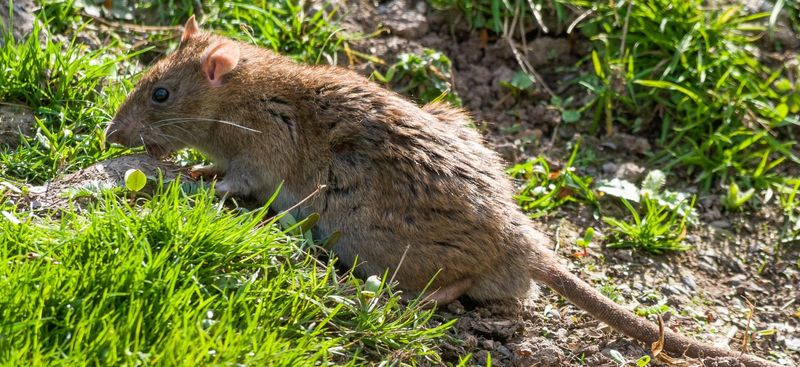
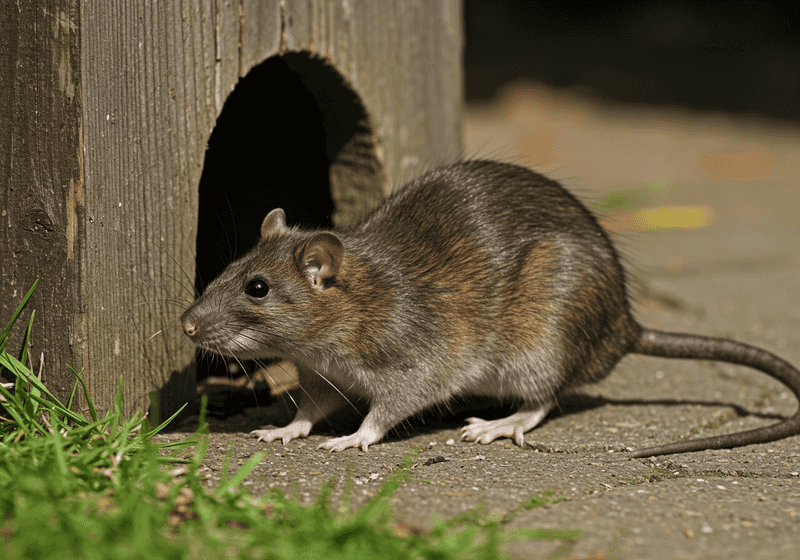
Sometimes the clue isn’t subtle at all. A rat dashes across the patio, and suddenly every other sign makes sense.
Rats usually hide during the day. Seeing one in daylight often means there are a lot of them, or they’re being pushed out by crowding or a lack of food.
Either way, it’s a strong warning.
Act quickly by sealing gaps around your home, clearing clutter, and removing food sources. For a large or growing problem, calling a pest professional can help you get ahead before winter sends them looking for a way inside.