
These North Carolina Flowers You Plant Once Keep Coming Back With Color For Over 20 Years
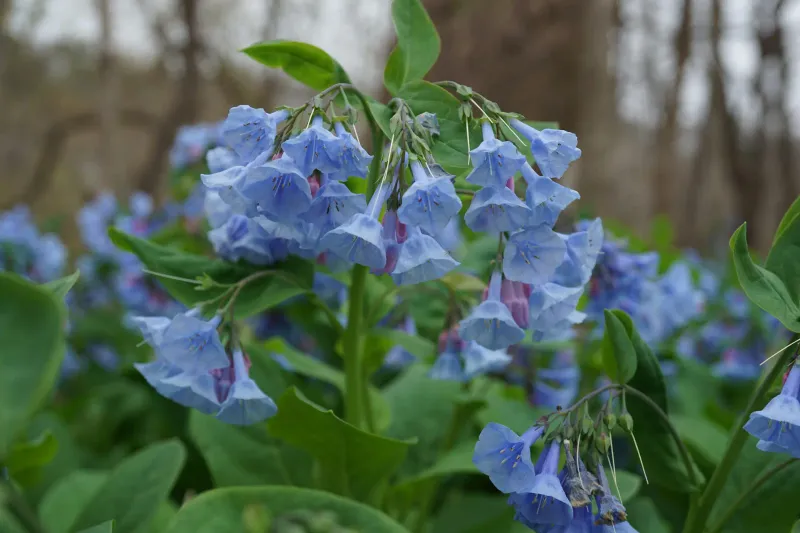
Planting flowers can feel like a lot of work, especially if they only last one season and leave you starting over every spring. The good news for North Carolina homeowners is that many native perennials return year after year, sometimes for two decades or more, with hardly any fuss.
These tough, colorful plants also feed goldfinches, support pollinators, and help keep your yard a safe haven for the wildlife you love. Here are nine native beauties that reward you long after that first planting day.
1. Purple Coneflower (Echinacea purpurea)
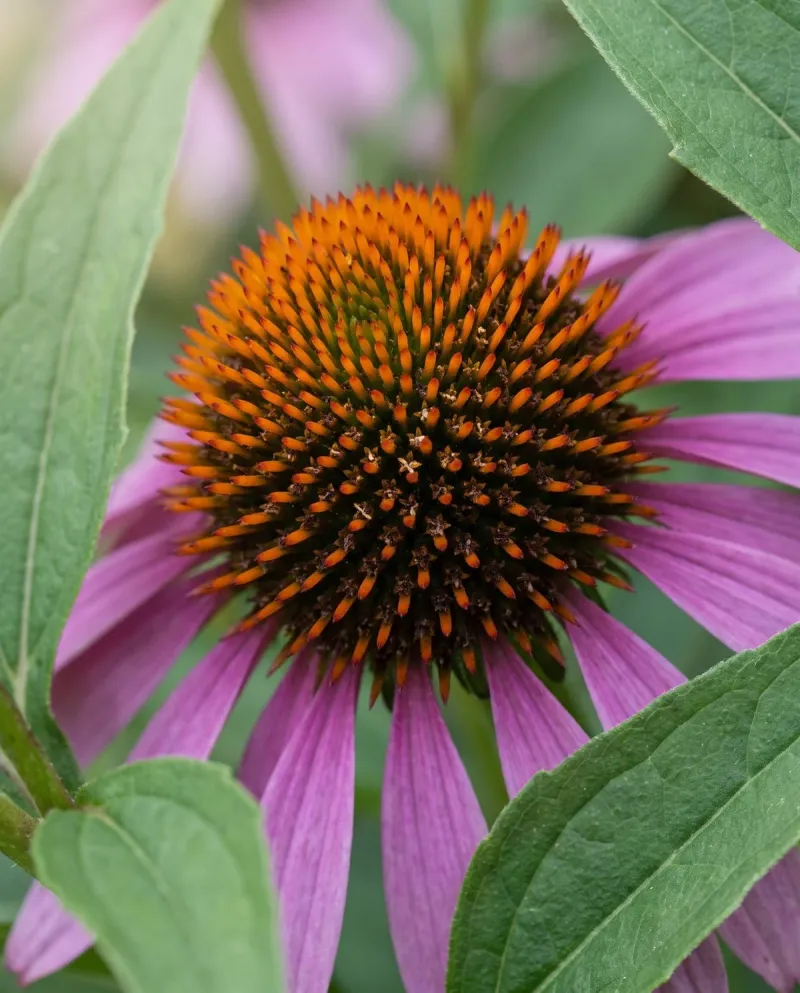
Few flowers earn their keep quite like the purple coneflower. Its bold pink-purple blooms stand tall through the hot Carolina summer and stretch well into fall, shrugging off drought like it is nothing.
What really makes it special is the after-party. Once the petals fade, the spiky seed heads become a magnet for American Goldfinches, who cling right onto the dried cones and pluck out breakfast.
Leave those seed heads standing through winter and you get free bird entertainment for months.
Coneflowers are famously easy in the Piedmont and Coastal Plain, spreading slowly and coming back reliably for decades. Plant them once in full sun, give them a little water the first year, and they will practically take care of themselves after that.
2. Black-eyed Susan (Rudbeckia fulgida)
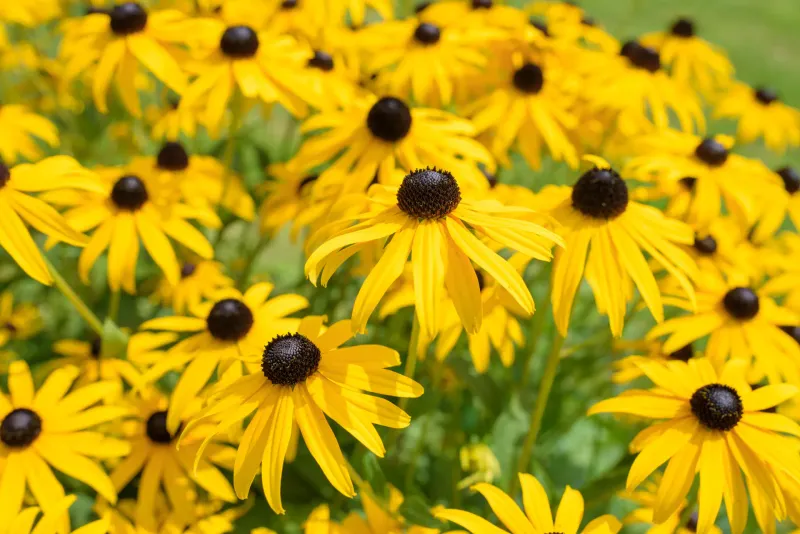
If sunshine had a flower form, it would look a lot like the black-eyed Susan. Those cheerful yellow petals wrapped around a dark chocolate center light up borders from midsummer straight into fall.
Goldfinches adore the seeds, so this one pulls double duty as a color bomb and a bird feeder. Butterflies and native bees drop by too, sipping nectar all season long.
Reliable is the word gardeners use most for Rudbeckia. It tolerates clay, heat, and dry spells, and it keeps returning year after year without begging for attention.
Tuck a few into a sunny spot this spring and you will still be enjoying them long after you have forgotten planting day.
3. Butterfly Milkweed (Asclepias tuberosa)
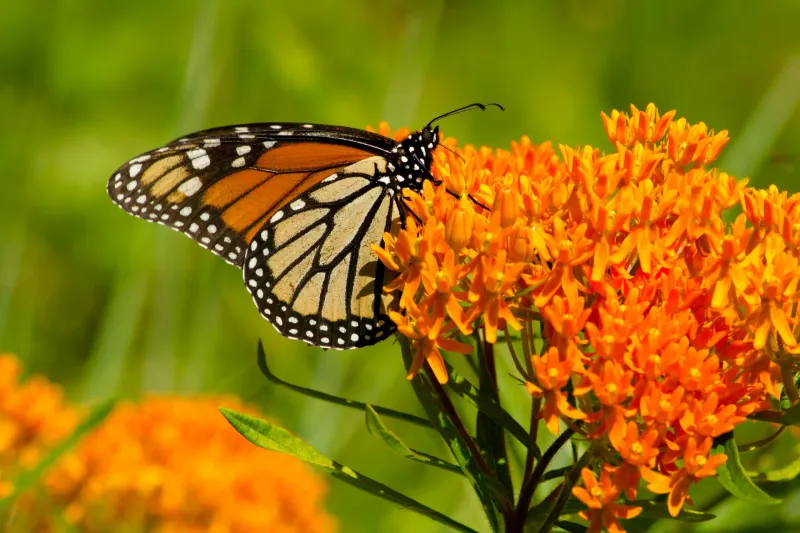
Monarch butterflies would probably vote butterfly milkweed onto any best-of list, and for good reason. Its fiery orange flower clusters are a nectar buffet, and its leaves are the only food monarch caterpillars will eat.
Did you know? Milkweed is the sole host plant for monarchs, which means every patch you grow directly helps a species in steep decline.
Beyond the bugs, this is a genuinely tough perennial. It sinks a deep taproot that lets it laugh at drought, and it fits happily into rock gardens, containers, or sunny borders across North Carolina.
Once settled, it resents being moved but rewards your patience with decades of return blooms and a steady parade of pollinators.
4. Joe Pye Weed (Eutrochium species)
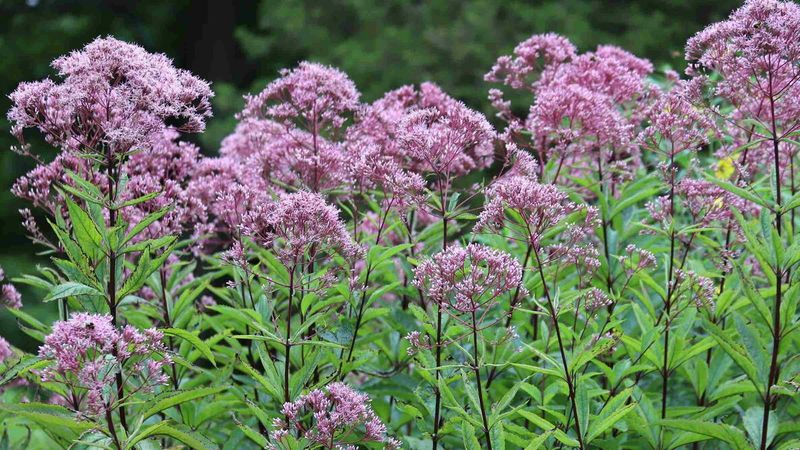
Standing head and shoulders above most perennials, Joe Pye Weed brings drama to the back of the border with its towering stems and dusty mauve-purple flower clouds. Come late summer, those big blossom clusters practically hum with butterflies and bees.
Moisture-loving by nature, it thrives in the damp spots where fussier plants sulk, making it perfect for that low corner of the yard that never quite dries out.
Late-season color is its true gift. When many gardens are winding down in August and September, Joe Pye Weed is just hitting its stride, keeping pollinators fed right up to fall.
Give it room, give it moisture, and it will anchor your garden for many years.
5. Blazing Star (Liatris spicata)
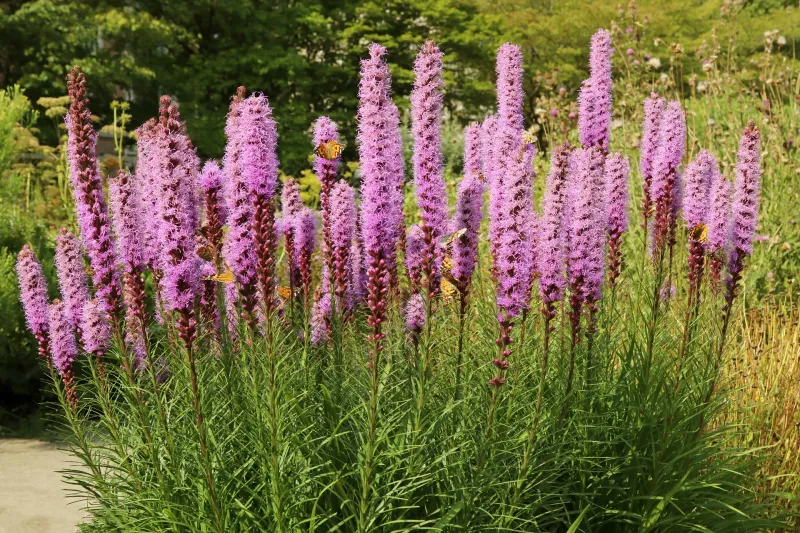
Picture a firework frozen mid-burst and pointed at the sky, and you have blazing star. Its tall purple spikes bloom from the top down, an unusual habit that makes them look like they are lighting up in slow motion each summer.
Pollinators cannot resist those vertical spires, and goldfinches swoop in later to feast on the seeds. It is a favorite of butterflies especially, adding both height and motion to a sunny bed.
Also called Gayfeather, Liatris grows from tough underground corms that overwinter easily in Carolina soil. Plant it in full sun with decent drainage, and it will return dependably for years, punctuating your borders with bold vertical color.
6. Goldenrod (Solidago species)
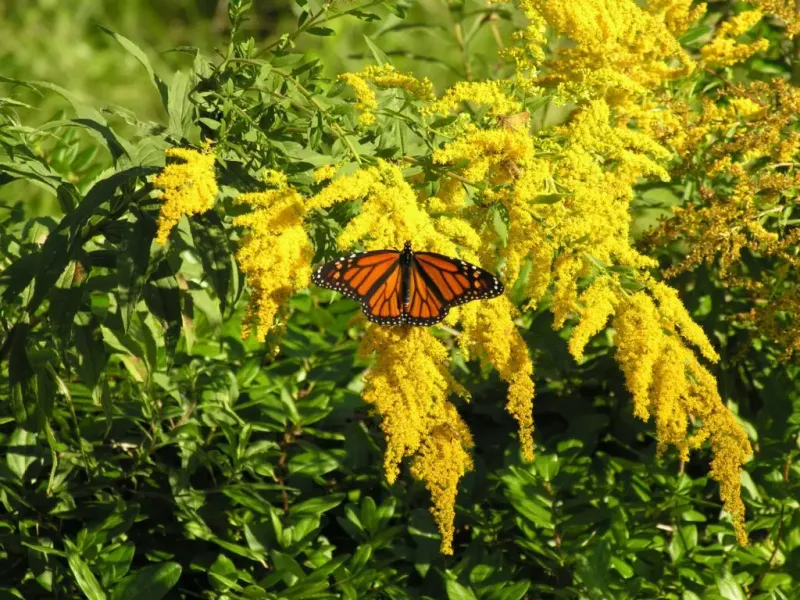
Goldenrod gets a bad rap it does not deserve, often blamed for fall allergies that are actually caused by ragweed. Set that myth aside, because this plant is one of the most valuable late-season nectar sources your yard can offer.
When the days shorten and most flowers fade, its glowing yellow sprays keep bees and other pollinators fueled up before winter. That timing is exactly why it matters so much for a healthy ecosystem.
Choose well-behaved varieties like Wreath Goldenrod or Sweet Goldenrod, which stay tidy rather than sprawling. They come back faithfully each year, adding a warm splash of gold right when your garden needs it most.
7. Aster (Symphyotrichum species)
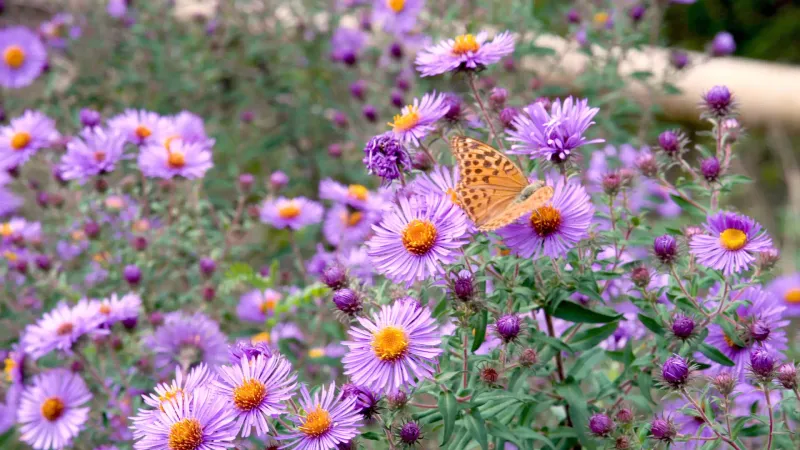
Just when you think the growing season is over, asters arrive to steal the show. Their starry blooms in white, blue, and soft purple stretch color deep into autumn, long after summer flowers have called it quits.
That late timing is a lifeline for migrating pollinators and butterflies stocking up for the journey ahead. A single aster patch can be buzzing with activity on a crisp October afternoon.
North Carolina offers plenty of choices, from Blue Wood Aster to the shade-friendly White Wood Aster and bushy varieties for sunnier spots. Once established, they return year after year and gently fill in, painting your fall garden in cool, cheerful tones.
8. Cardinal Flower (Lobelia cardinalis)
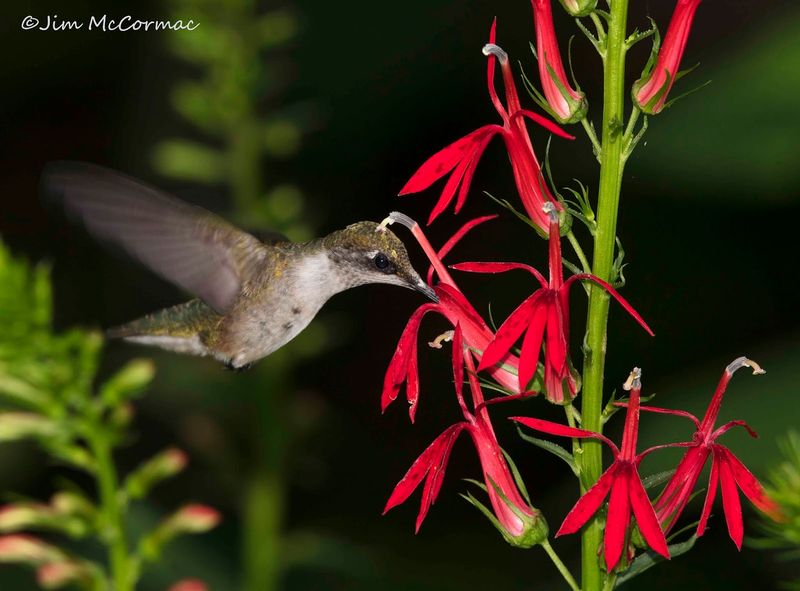
Nothing quite grabs the eye like the electric scarlet of cardinal flower. Its tall red spikes rise up in late summer like little flames, impossible to walk past without stopping.
Hummingbirds are the real fans here. The deep, tubular red blooms are practically designed for their long beaks, and a healthy stand will keep ruby-throated hummingbirds returning all season.
Cardinal flower loves damp ground, so it is the perfect answer for that soggy edge near a downspout, rain garden, or pond. Give it consistent moisture and a bit of shade in the hottest afternoons, and it will reward you with dramatic color and buzzing visitors for years to come.
9. Summersweet (Clethra alnifolia)
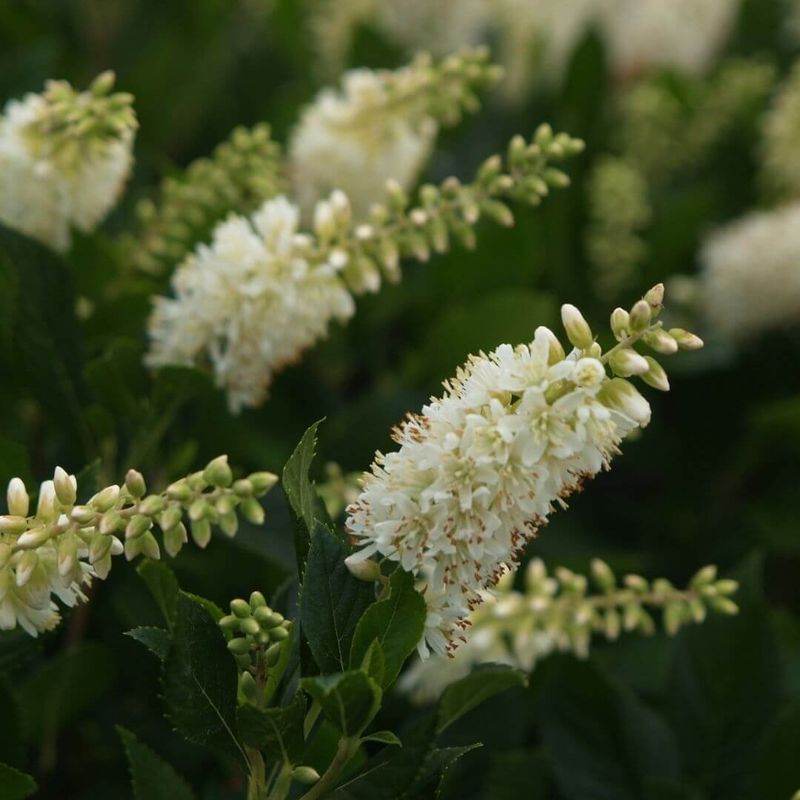
Close your eyes near a blooming summersweet and you will understand the name instantly. This deciduous shrub perfumes the midsummer air with sweet, spicy flower spikes in white or soft pink that native bees and butterflies flock to.
Here is where it really shines as a good steward’s pick: summersweet is a fantastic native replacement for the invasive butterfly bush, which spreads aggressively and offers far less real value to local wildlife. Swap one out for the other and your yard becomes healthier overnight.
Growing five to ten feet tall, it later produces seed capsules that feed birds through the colder months. It handles moist soil, tolerates some shade, and keeps coming back for well over two decades, turning a single planting into a long-term gift for your backyard ecosystem.