
These North Carolina Native Perennials Fill The Spot Where Your Black-Eyed Susans Keep Flopping By August
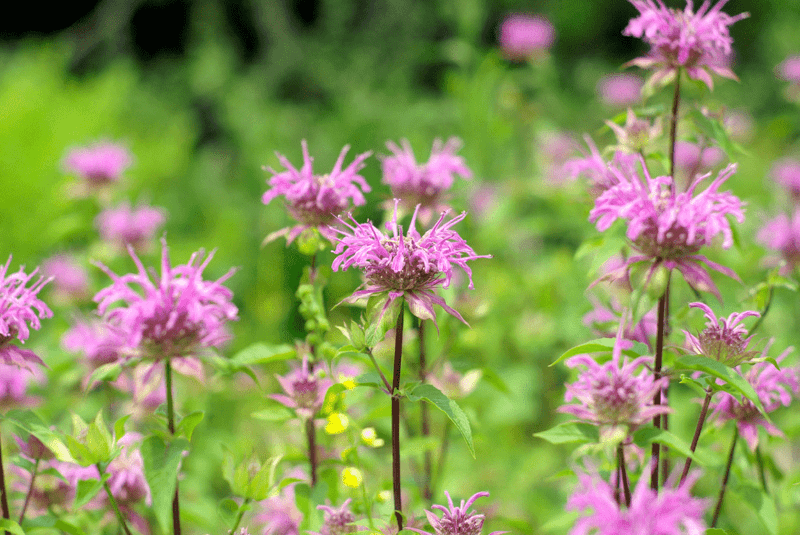
Every summer, the same thing happens in a lot of North Carolina yards. Your Black-Eyed Susans look amazing in June, then by August they are leaning, mildewed, or just plain gone.
That bare, floppy patch is actually a great chance to plant something tougher that feeds goldfinches, bees, and butterflies all the way to frost. Here are ten NC natives that can handle our heat and humidity and keep that spot looking alive.
1. Orange Coneflower (Rudbeckia fulgida)
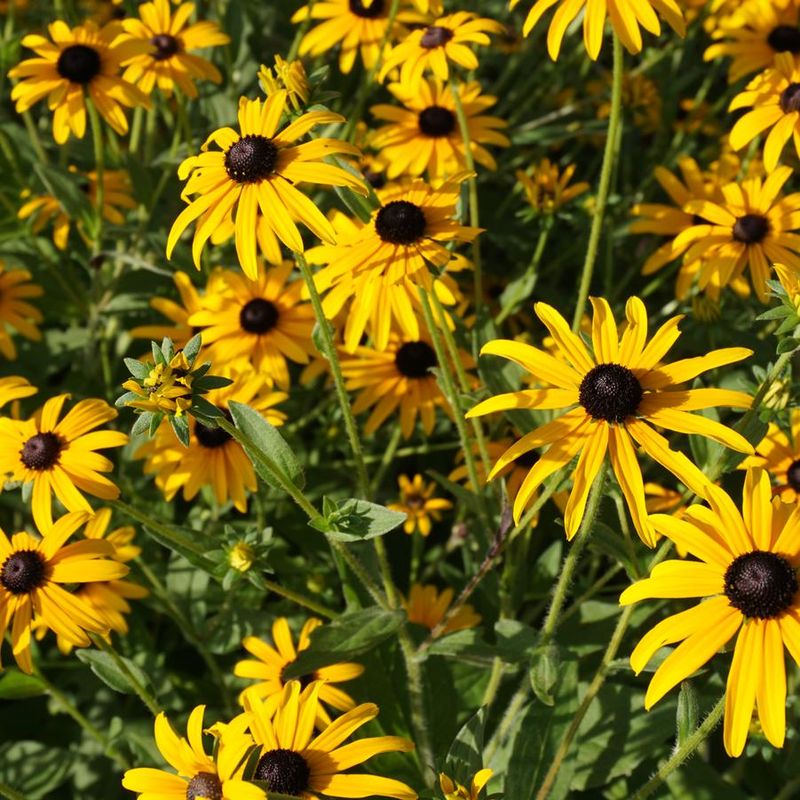
Think of Orange Coneflower as the cousin who actually shows up for every family reunion. It looks almost exactly like the Black-Eyed Susan you already love, but it sticks around year after year instead of fading out after one big show.
The secret is in its roots. Rudbeckia fulgida spreads slowly by rhizomes, forming thick clumps that hold each other up when August storms roll through.
It blooms from midsummer well into fall, which means your border stays bright long after Rudbeckia hirta has quit.
Heat, humidity, clay soil, and dry spells barely slow it down once it settles in. Skip the fertilizer, since rich soil makes stems soft and leggy.
Here is the steward bonus: leave the seed heads standing in fall. American Goldfinches will pick them clean, and you get to watch them from your kitchen window.
2. Purple Coneflower (Echinacea purpurea)
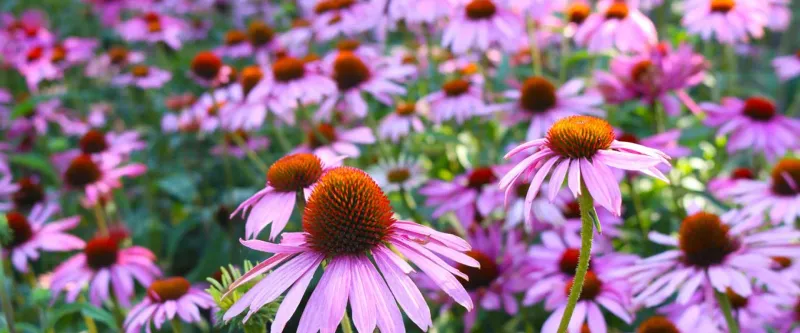
Ask ten Piedmont gardeners for a can’t-kill perennial, and at least half will say Purple Coneflower. It earned that reputation honestly.
Blooms can start in late spring and keep coming until frost, especially if you snip a few faded flowers midsummer. Deep roots carry it through July heat waves without the drama of droopy stems.
Full sun is best, though it handles a little afternoon shade.
Butterflies, bees, and even hummingbirds visit all season. When winter comes, resist the urge to tidy up.
Those spiky seed heads feed goldfinches, and the hollow stems may give native bees a place to nest next spring.
Plant a few in that gap and you will likely have seedlings to share with neighbors within two years.
3. Clustered Mountain Mint (Pycnanthemum muticum)
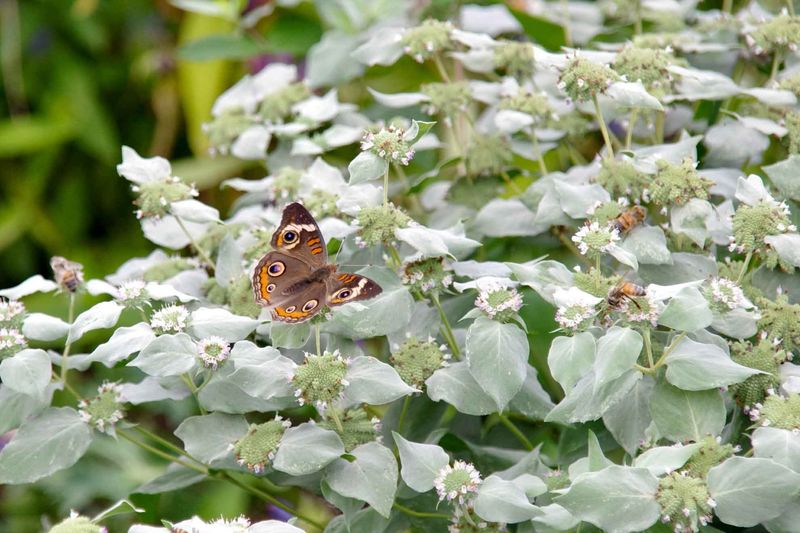
Stand next to a patch of mountain mint in July and you will hear it before you look closely. The whole plant hums with native bees, tiny wasps, beetles, and butterflies.
Many pollinator researchers rank it among the busiest plants you can grow. The silvery, frosted bracts look cool and calm even on a 95-degree afternoon, and flowers run from July into September.
Deer usually walk right past thanks to the strong minty smell, a real plus in suburban NC neighborhoods. It does spread, so give it room or edge it each spring.
Leave the stems up over winter for stem-nesting bees. It is one of the easiest ways to turn a tired corner into a wildlife hotspot.
4. Lanceleaf Coreopsis (Coreopsis lanceolata)
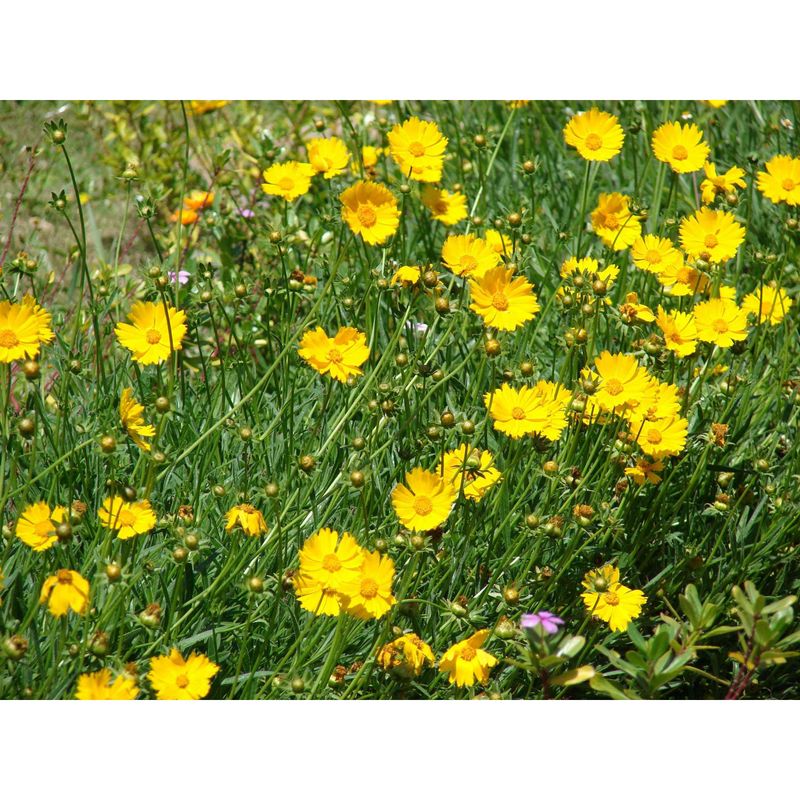
Got sandy, skinny soil where nothing seems happy? Coreopsis may be the cheerful answer you have been waiting for.
Native tickseeds handle poor ground and full sun that would stress other flowers. Lanceleaf coreopsis brings a wave of sunny yellow blooms, and a quick deadheading session can push out another flush later in summer.
Small bees and butterflies love the open, flat flowers. Coastal Plain gardeners especially appreciate how it shrugs off sandy, fast-draining beds.
One caution: buy true native species, not flashy hybrids or non-native coreopsis mixes, so local pollinators get the full benefit. Pair it with later bloomers below for a nonstop show.
5. Butterfly Weed (Asclepias tuberosa)
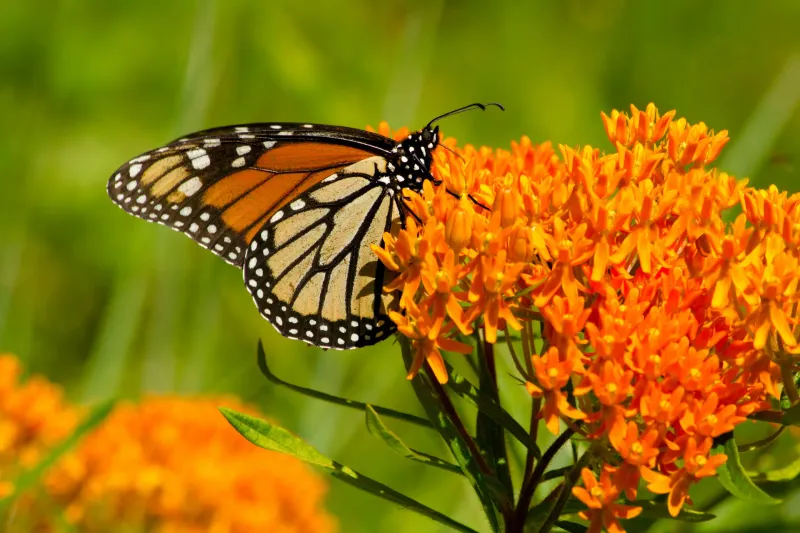
Spotting a striped monarch caterpillar munching your plant is a proud moment. Butterfly Weed makes that moment possible.
It is a host plant for monarchs, meaning their caterpillars need milkweed leaves to grow. The fiery orange flower clusters also draw bees, skippers, and swallowtails.
Give it dry, well-drained soil and leave it alone. It grows a deep taproot, so plant it once and do not try to move it later.
It is also slow to wake up in spring, so mark the spot to avoid digging into it by mistake.
It grows in the mountains, Piedmont, and coast alike. Please skip the pesticides nearby, since those chewed leaves are a sign you are doing something right.
6. Dense Blazing Star (Liatris spicata)
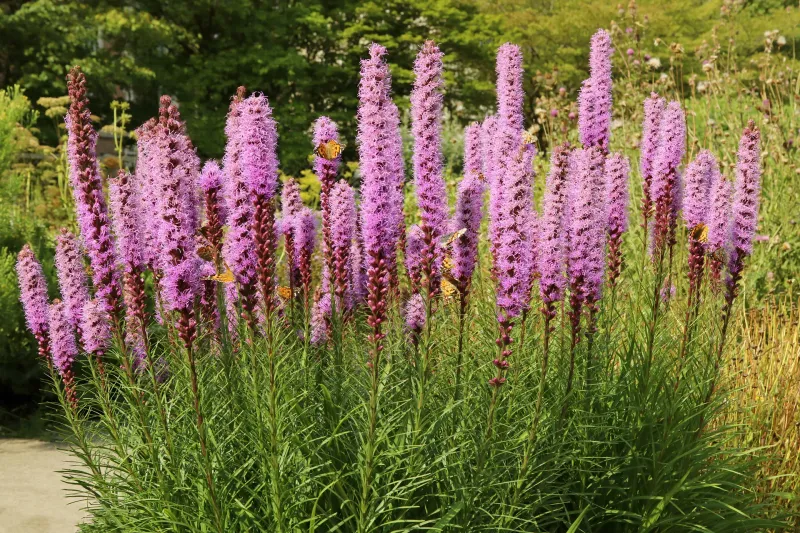
Purple fireworks, frozen in place. That is the best way to describe Blazing Star in full bloom.
Tall spikes open from the top down in midsummer, which is a fun quirk most flowers do not share. They add height and drama right where flopping Susans leave a hole.
It handles NC heat and humidity well and likes moist soil that still drains. Swallowtails and bees crowd the spikes, and seeds later attract goldfinches.
Plant corms in clusters of five or more for real impact.
7. Narrowleaf Sunflower (Helianthus angustifolius)
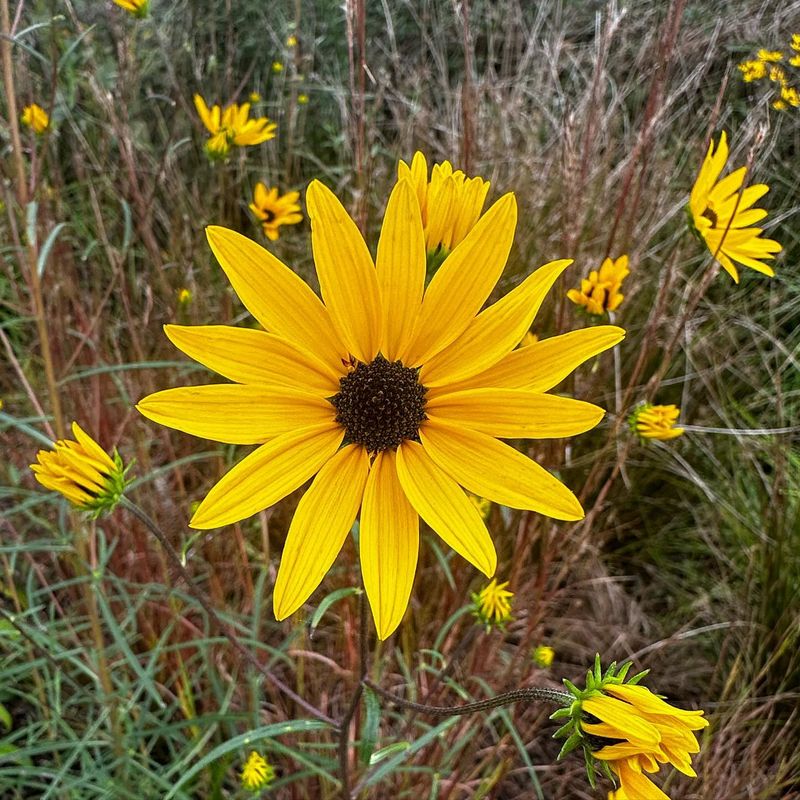
Just when you think the season is over, swamp sunflower throws a party. Narrowleaf Sunflower erupts in hundreds of golden daisies from late September into October.
It is native to wet spots across eastern and central NC, so it handles soggy clay where other plants rot. It does get tall, so pinch the stems back by half in early June.
That one trick creates a bushier plant that stays upright.
Late-season bees load up on its pollen before winter, and birds pick at the seeds. It fills a big gap fast.
8. Aromatic Aster (Symphyotrichum oblongifolium)
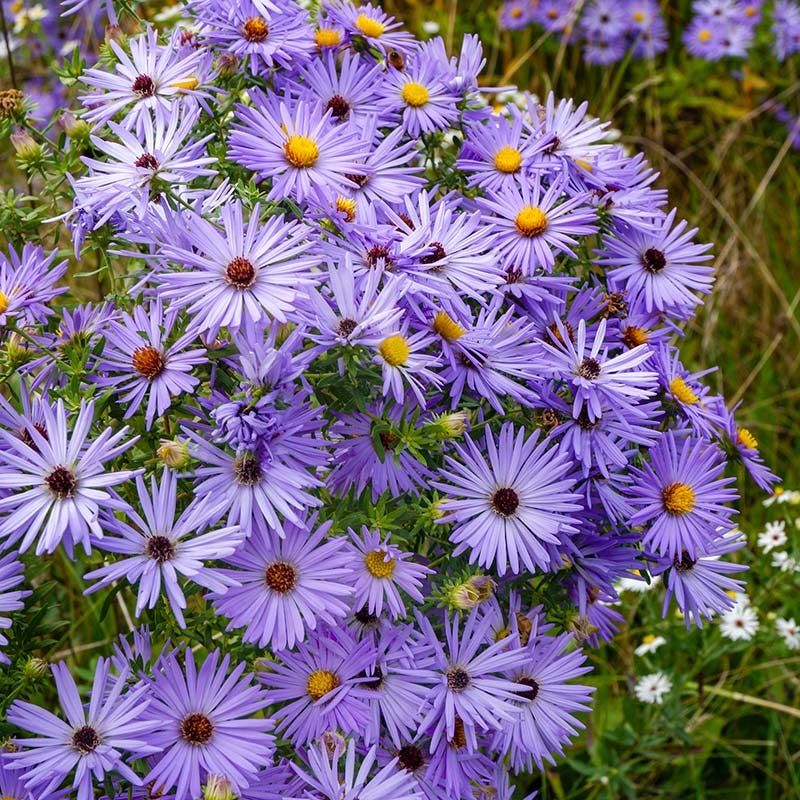
Migrating monarchs pass through North Carolina in fall, and they are hungry. Aromatic Aster is one of the best fuel stops you can offer.
It forms tidy, rounded mounds covered in lavender-blue flowers from late summer into November. Drought tolerance is excellent once established, and it rarely flops if you skip extra water and fertilizer.
NC is home to many native asters, from the Maryland aster to white wood aster, so you can match one to nearly any spot. Their winter seeds feed small birds when food runs thin.
9. Wild Bergamot (Monarda fistulosa)
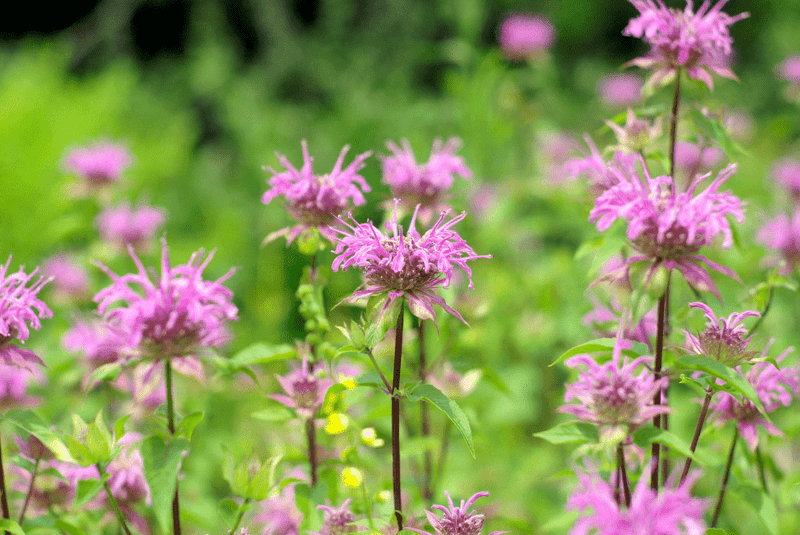
Crush a leaf of wild bergamot and you will smell something like oregano mixed with tea. People once brewed it, and the scent also helps keep deer away.
Shaggy lavender pom-poms appear in early to midsummer, drawing bumblebees and hummingbird moths. Mountain gardeners find it especially happy in their cooler nights.
Powdery mildew can show up in humid spots, so give it airflow and avoid overhead watering. Even if a few leaves dust over, the bees will not care one bit.
10. Little Bluestem (Schizachyrium scoparium)
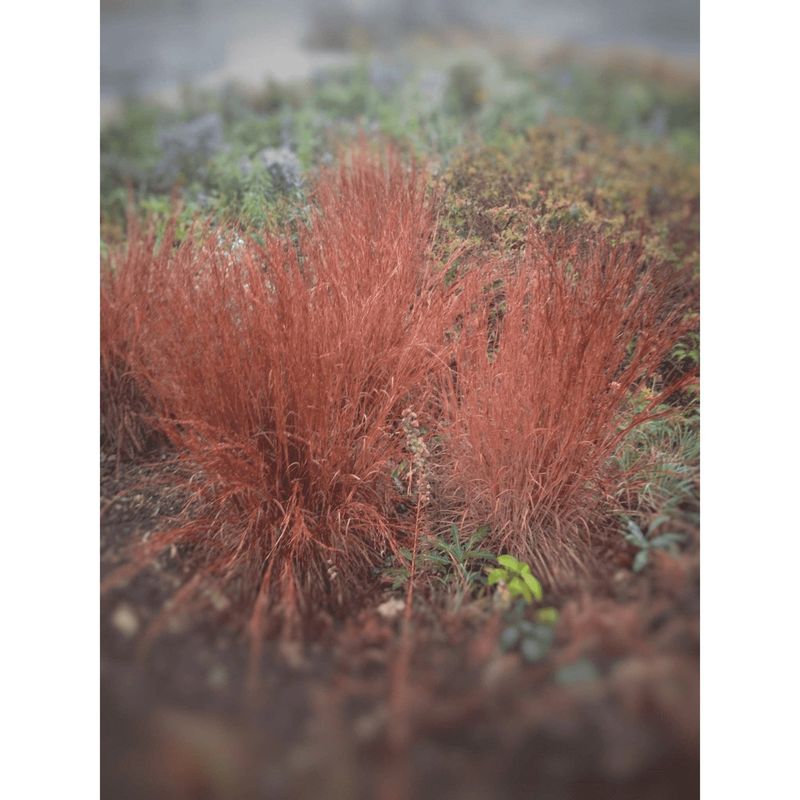
Here is a pro move many gardeners miss: plant grass between your flowers. Little Bluestem acts like a living stake, holding neighbors upright so nothing tips over.
Blue-green clumps in summer turn copper and rust in fall, giving you color through winter. It loves poor, dry soil and needs almost no care.
It also hosts several skipper butterflies and offers winter cover for ground-nesting insects. Use it instead of invasive Chinese silvergrass, which escapes into NC woods and roadsides.
Mix it with coneflowers and asters, and that sad August spot becomes the best-looking corner of your yard.