
These North Carolina Natives Fill Every Bare Spot In Your Beds And Then Politely Stop Spreading
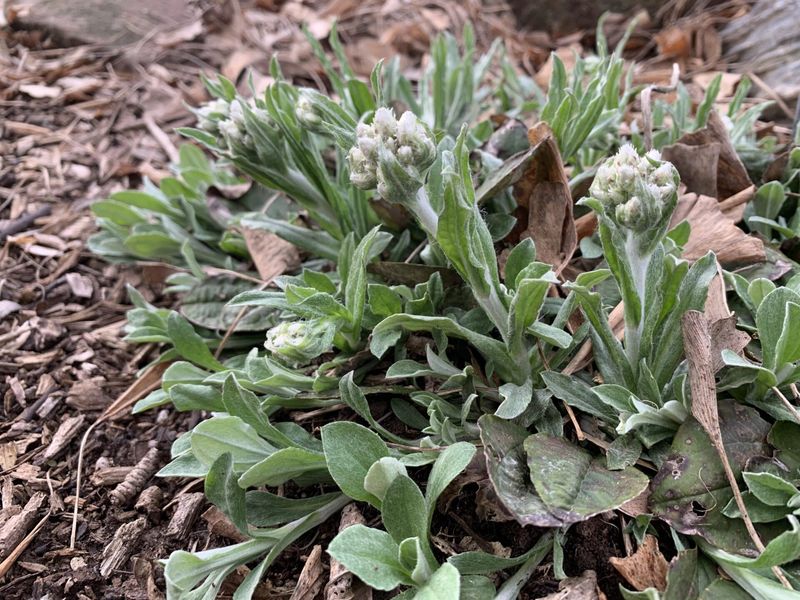
Bare soil in a flower bed is like an open door, and weeds are always waiting to walk through it. The good news is that North Carolina has its own native groundcovers that cover those gaps, feed local wildlife, and do not take over the whole yard.
Many of them can replace invasive plants like English ivy and Japanese pachysandra. Here are ten polite spreaders that work in the mountains, the Piedmont, and the Coastal Plain.
1. Allegheny Spurge
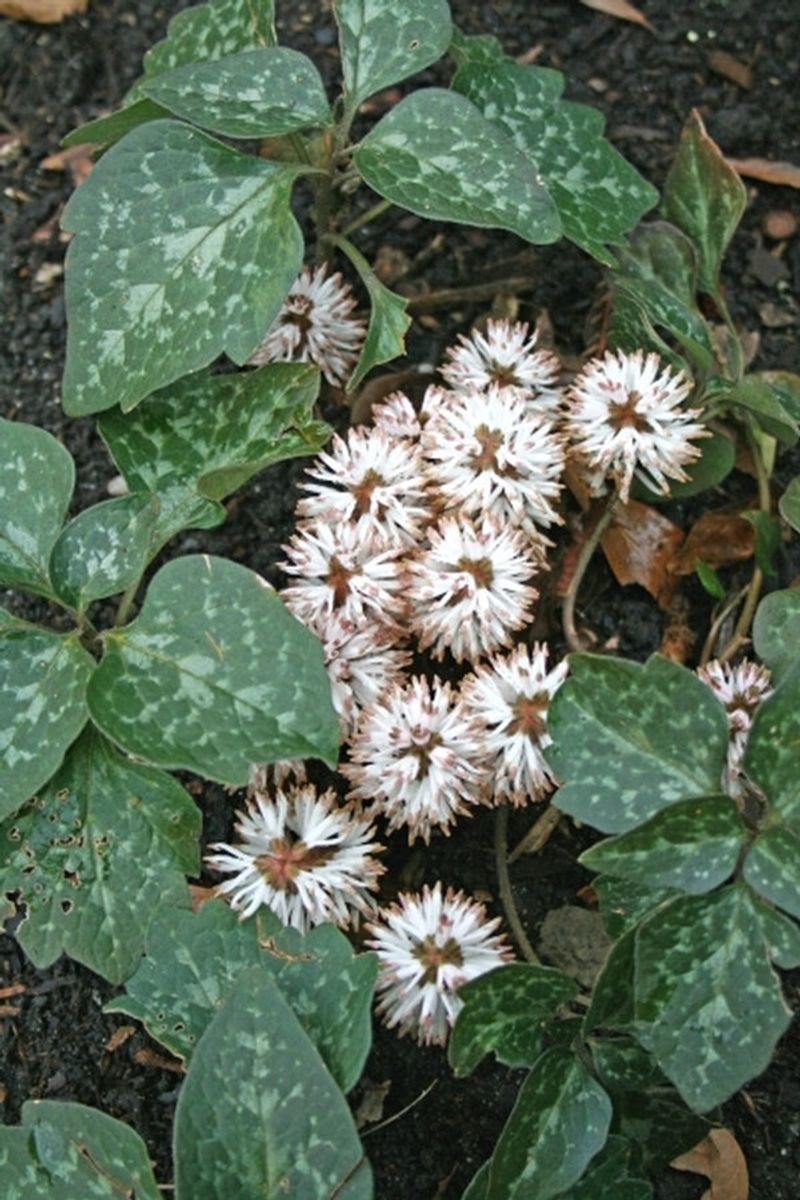
Plenty of North Carolina yards still have a patch of Japanese pachysandra creeping under the trees. Allegheny spurge is the hometown version, and it behaves far better.
It forms a thick, slowly widening mat that smothers weeds without marching into the woods.
Its leaves wear a soft silvery mottling that looks almost painted on. In early spring, fuzzy white flower spikes pop up before the new leaves, giving native bees an early snack when little else is open.
Allegheny spurge grows well in the mountains, Piedmont, and Coastal Plain. Give it shade, decent soil, and a little patience in the first year.
If you pull out invasive pachysandra this fall, slip a few of these in the same spot so weeds do not get a head start.
2. Wild Ginger
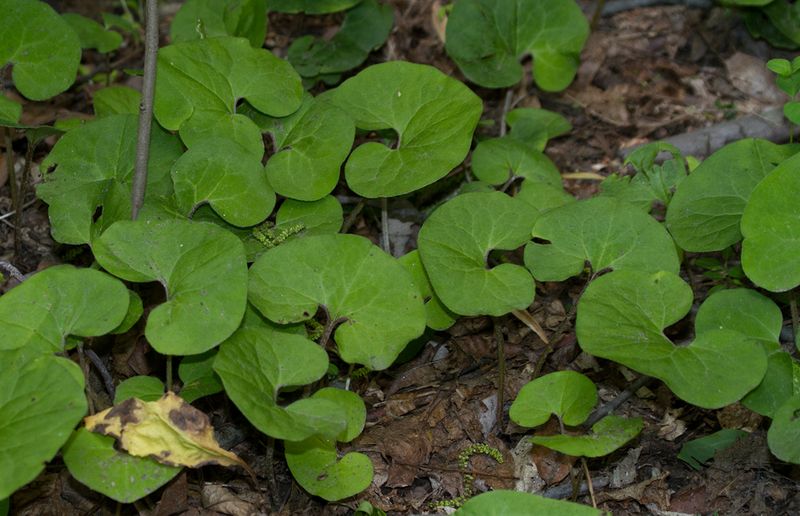
Lift a wild ginger leaf in April and you might find a strange little maroon flower hiding right at ground level. Early beetles and flies visit it, which is a fun secret to show the kids.
Above that hidden bloom sits a dense floor of soft, heart-shaped leaves. The cover is so thick that weed seeds rarely get enough light to sprout.
It loves steady moisture and deep shade, and you will see it most often in the Piedmont.
That cool, damp layer matters for wildlife. Box turtles can tuck under it on hot days, and firefly larvae need moist ground like this to hunt snails and slugs.
Plant it near a downspout or a shady low spot where other plants sulk.
3. Green-and-Gold
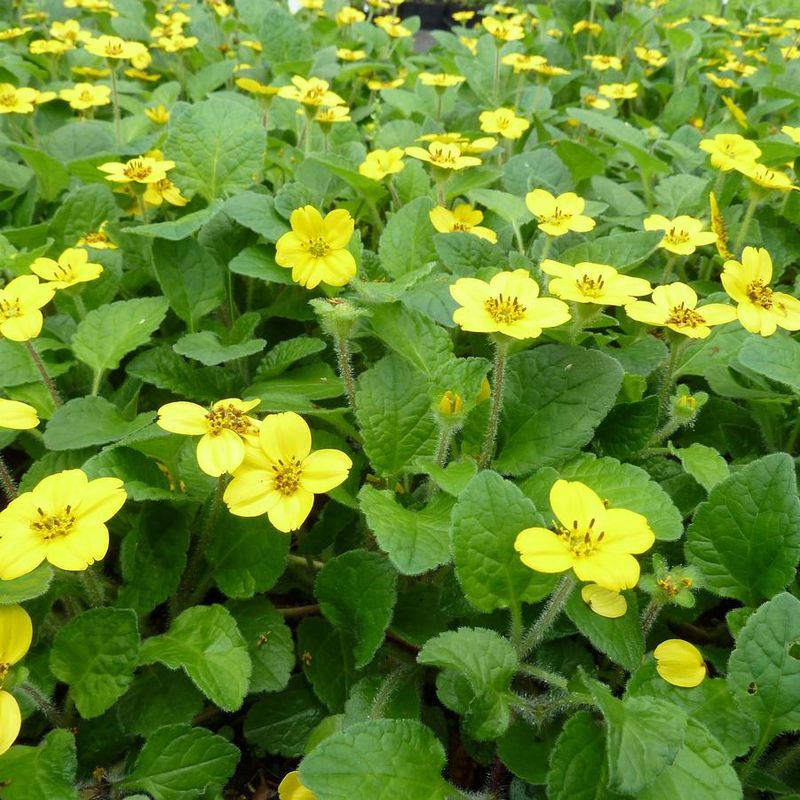
Deer walk right past it. That alone makes green-and-gold a favorite for Piedmont neighborhoods where hungry deer treat hostas like a buffet.
The plant stays low and evergreen, with fuzzy green leaves and cheerful yellow star flowers. Blooms show up heavily in spring and often keep coming in smaller waves through summer and into fall.
Small bees and butterflies stop by often.
It grows in part sun to part shade across the Piedmont, Coastal Plain, and mountains. It spreads at a steady, readable pace, so you can tuck it along a path edge and know it will not swallow the walkway.
Try it where lawn grass keeps failing under thin tree cover. You get flowers instead of mud.
4. Partridgeberry
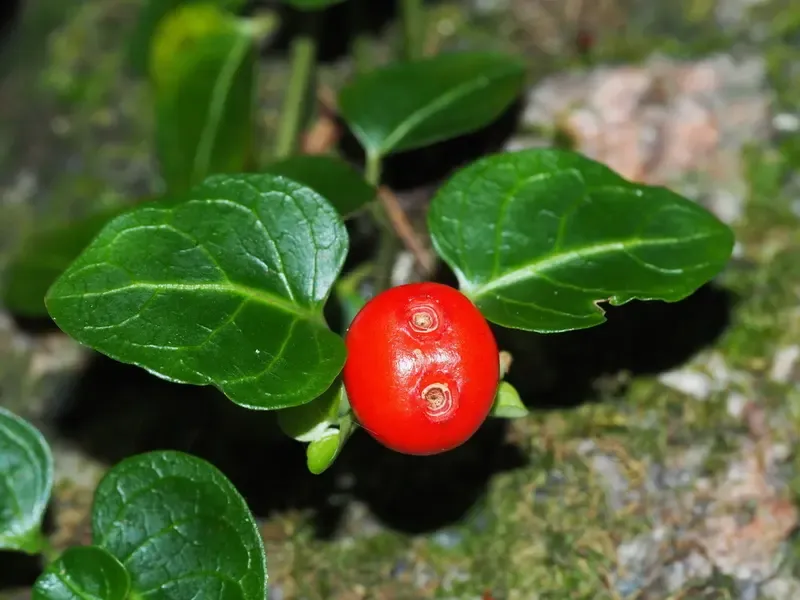
Here is a quirky fact: each partridgeberry berry forms from two flowers fused together, and you can see two tiny dimples on every red fruit. Those berries can hang on for nearly a year.
This little trailing vine hugs the ground with round, shiny leaves. It never gets tall or pushy, so it works as a quiet filler between ferns, stepping stones, and tree roots.
Partridgeberry wants mostly shade and acidic soil, which describes plenty of yards under pines and oaks across the Piedmont, mountains, and Coastal Plain. Winter birds and small mammals nibble the berries.
It is slow at first. Plant several small clumps close together and keep them watered their first summer.
5. Wild Strawberry
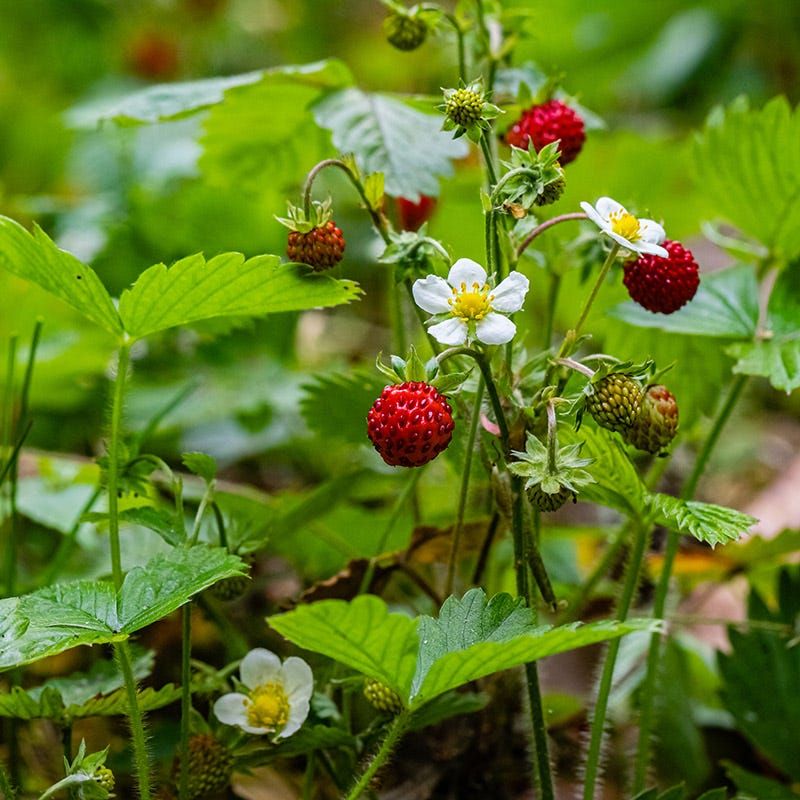
Need a bare spot covered fast? Wild strawberry is the sprinter of this list.
Its runners shoot across open soil and root wherever they land.
The white spring flowers draw early native bees. Later, the tiny red berries feed birds, chipmunks, and box turtles, who will happily munch any fruit at ground level.
Do not expect a big harvest for yourself, since wildlife usually wins.
Plant it in full sun. It handles light foot traffic, which makes it good for the edge of a path or a sunny slope.
Because it moves quickly, give it a border like a path or edging. It is also a solid native swap for English ivy or Japanese pachysandra in sunny spots.
6. Creeping Phlox
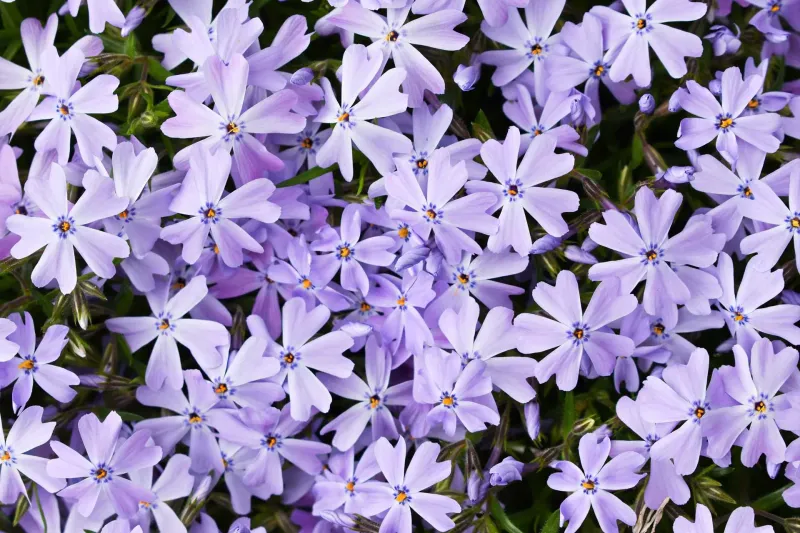
For about two weeks each spring, creeping phlox turns into a solid sheet of pink or purple. Neighbors slow down their cars to look.
Two kinds are worth knowing. Phlox stolonifera spreads by aboveground stems called stolons and loves shady mountain gardens.
Phlox subulata, often called moss phlox, prefers sun and works well along hot driveway edges.
After the flowers fade, both keep a tidy green mat. Butterflies and early bees visit the blooms.
Trim back any stems that wander onto the driveway, and that is about all the bossing around it needs.
7. Golden Ragwort
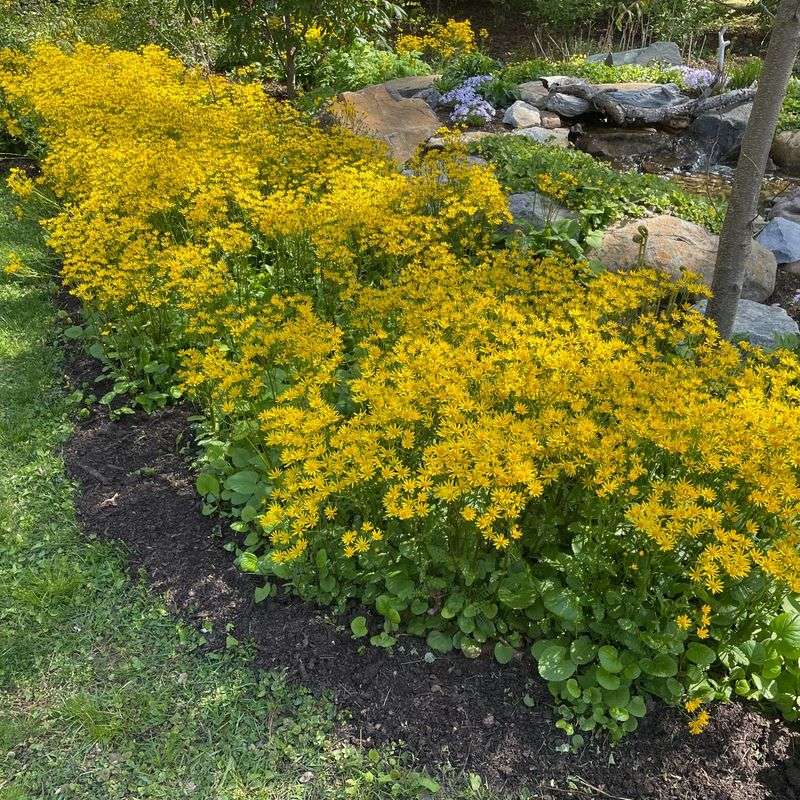
Golden ragwort shows up loud and early. In March and April, bright yellow daisy flowers rise above its leaves while most of the yard is still waking up.
Underground, rhizomes spread to fill gaps in moist beds and rain gardens. Its rounded basal leaves stay low and green much of the year, holding soil in place.
Small native bees and flies use the early blooms, which matters when food is scarce. It is a strong choice for Piedmont yards with damp or clay soil.
If it spreads further than you want, pull a few clumps and share them with a neighbor. It moves easily.
8. Pussytoes
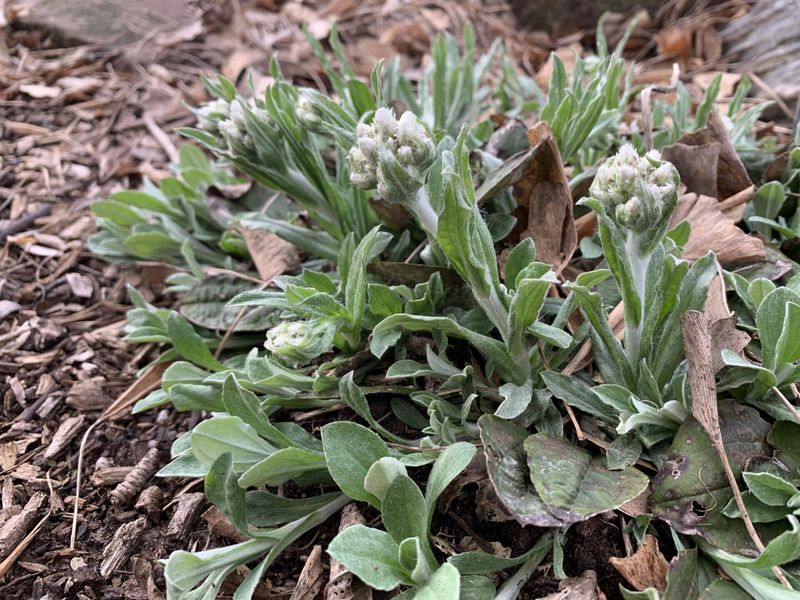
Kids love the name, and the fuzzy flower clusters really do look like tiny cat paws. Pussytoes is the tough one here, made for the dry, poor spots where nothing else wants to grow.
The silvery leaves form a low rosette mat that spreads by stolons. Give it sun and good drainage across the Piedmont, mountains, or Coastal Plain, and skip the fertilizer.
It is also a host plant for the American lady butterfly, whose caterpillars feed on the leaves. Leave a few chewed leaves alone and you are raising butterflies.
9. Foamflower
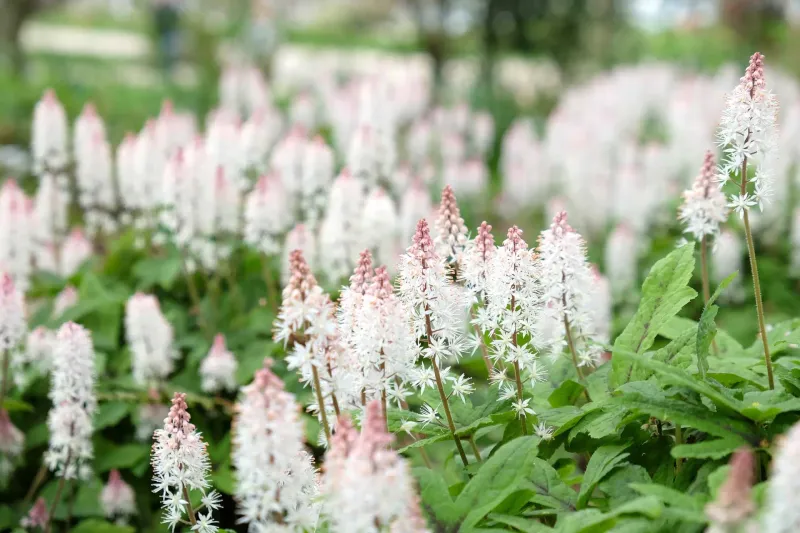
Picture a shady path in May lined with soft, frothy spikes of white and pale pink. That is foamflower, and it looks as delicate as its name.
Its heart-shaped leaves form a soft woodland layer, and the plant spreads gently by runners. It fits mountain gardens and any cool, shaded bed with rich soil.
Bees visit the flowers, and the leaves often blush red in winter. Pair it with wild ginger for two leaf shapes that fill shade beautifully.
10. Pennsylvania Sedge
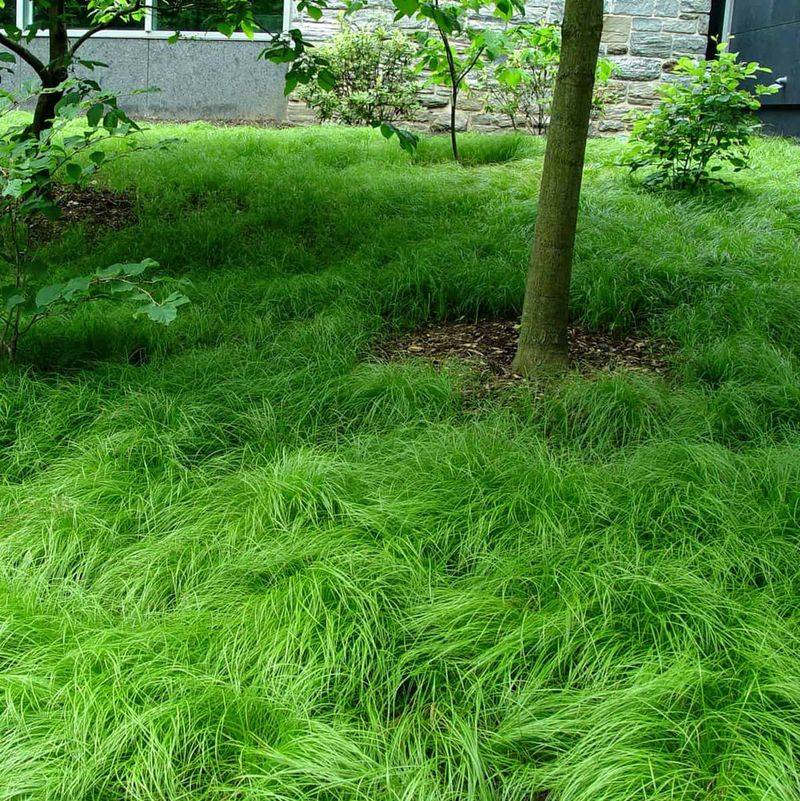
Grass that struggles under shade trees is a common Piedmont headache. Pennsylvania sedge solves it with fine, flowing blades that look like a lawn that never needs mowing.
It fills bare spots between perennials and adds a soft, grassy texture that makes broad-leaved plants stand out. It spreads slowly, so it stays where you put it.
Leaving sedge unmowed gives shelter to ground beetles and firefly larvae. Unlike tall weedy edges, a neat sedge carpet also keeps things tidy near paths, which can help you spot ticks more easily.
Fall is a great time to plant. Space plugs about a foot apart and they will knit together.