
These Root Vegetables Keep Sweetening In North Carolina Garden Beds Straight Through Winter
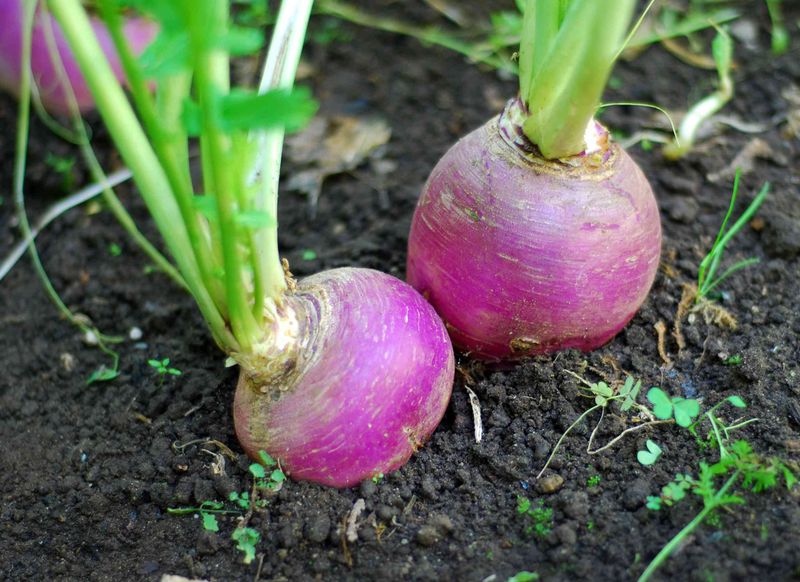
Most North Carolina gardens look tired by December, but a few crops underground are quietly getting better every week. When cold air hits, certain root vegetables turn their starches into sugar to keep from freezing, and that makes them taste sweeter.
With a little mulch and good timing, you can pull fresh carrots, parsnips, and more from your own beds on a chilly January afternoon. Here are seven roots worth leaving in the ground, plus how to grow them while keeping your yard friendly to the wildlife you love.
1. Carrots
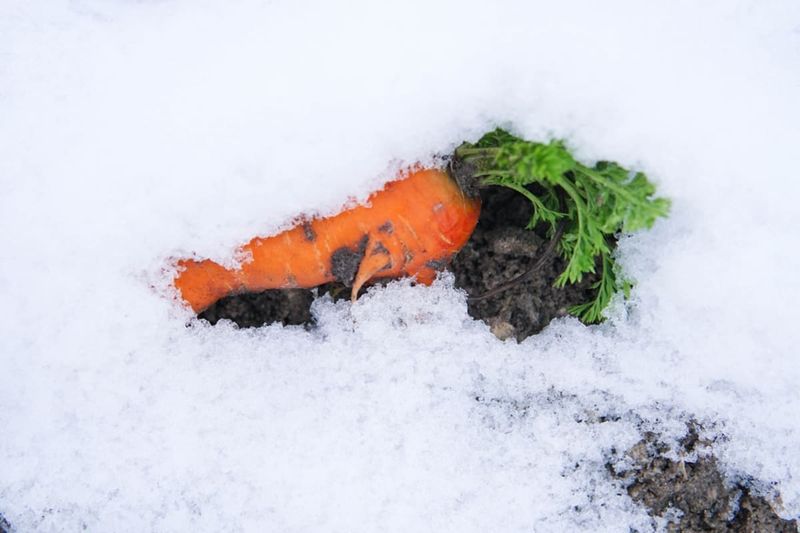
Ask anyone who has tasted a carrot pulled in January, and they will tell you store-bought ones never compare. A hard frost works like a sugar switch, and the roots get crisper and candy-sweet as winter rolls on.
For a winter harvest, sow seeds in late July or early August so the roots are mostly grown before deep cold arrives. Good picks for the Southeast include ‘Napoli’, which holds up well in the soil, plus ‘Danvers Half Long’, ‘Paris Market’, and ‘Little Finger’.
Short, round types like ‘Paris Market’ are handy if your yard has heavy Piedmont clay.
Once nights dip below freezing, pile 3 to 8 inches of straw or shredded leaves over the row. That blanket keeps roots from freezing solid and softens the freeze-thaw swings that crack them.
In most of the state, you can keep digging carrots well into January this way.
One steward tip: fluffy mulch can invite voles. Peek under the edges every week or two, and pull back a little mulch if you spot tunnels.
2. Parsnips
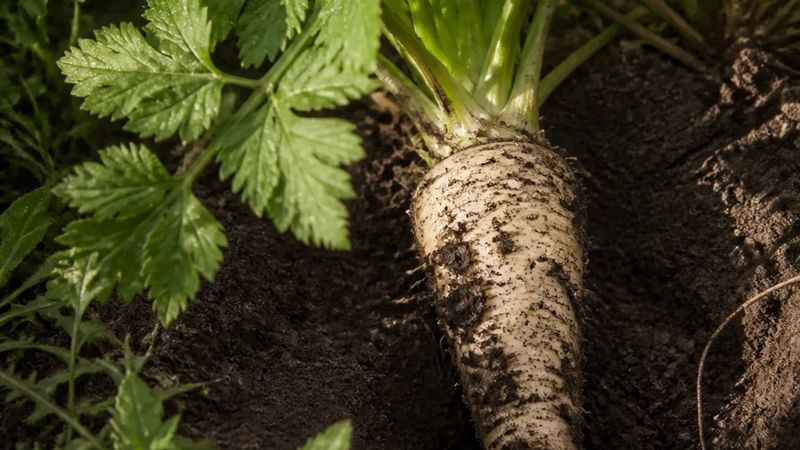
Patience is the secret ingredient here. Parsnips taste starchy and a little bland in fall, but give them several weeks of real cold and they turn nutty, sweet, and tender.
Varieties like ‘All-American’ and ‘Hollow Crown’ do well in NC. The seeds are slow and fussy, so keep the bed damp until sprouts appear.
After that, the plants mostly look after themselves.
Leave parsnips right where they grew and dig them whenever the soil is workable. Many gardeners say the best ones come up in early spring, after a full winter of chilling.
Just harvest before new leafy tops and flower stalks shoot up, because that growth makes the roots woody and bitter.
Fun fact: before cane sugar was cheap, Europeans used parsnips to sweeten cakes and jams.
3. Beets
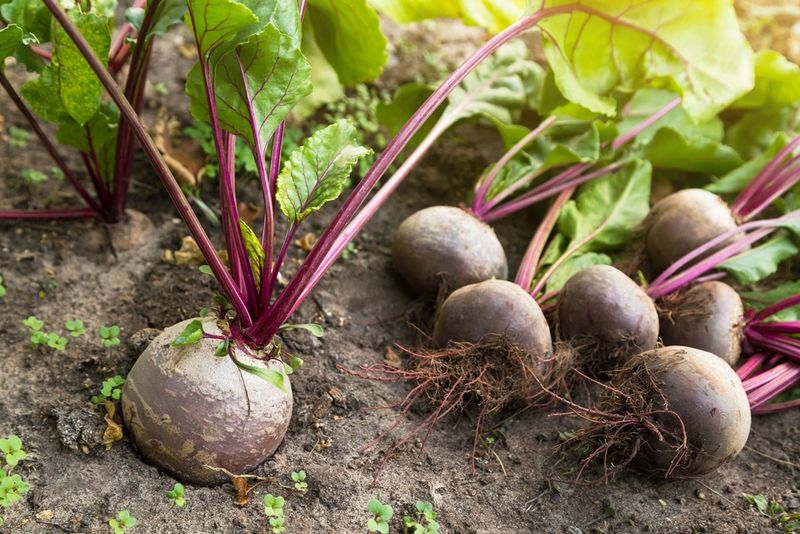
Coastal Plain gardeners get a real advantage with beets. In milder spots near the coast, these jewel-toned roots can stay harvestable well into early winter, and cooling fall weather gives them richer flavor.
Up in the Piedmont and mountains, plan to pull most of your crop before a hard freeze. Beets are tough, but they are not quite as cold-proof as parsnips.
Timing matters. Sow seeds about eight weeks before your average first frost, and keep the seedbed evenly moist.
If the soil dries and crusts over, the tiny seedlings may struggle to push through.
‘Red Ace’ and ‘Boro’ are dependable red picks. Golden and Chioggia beets bring fun color to the plate, and their greens are tasty too.
4. Turnips
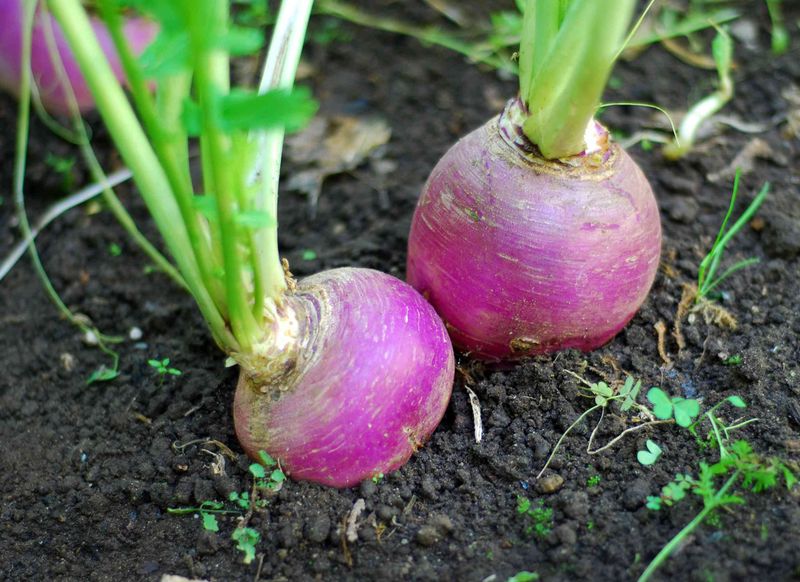
Grandma probably grew them, and she knew what she was doing. Turnips are some of the quickest roots you can grow, maturing in about 40 to 55 days, and they sprout even in cooler soil.
That speed makes them a great backup if you missed your carrot window. A few light frosts mellow their sharp bite into something gentle and sweet.
‘Purple Top White Globe’ is the classic Southern choice. ‘Hakurei’ is a small, smooth Japanese type so mild you can eat it raw like an apple. If you love a pot of greens, ‘Seven Top’ is grown mainly for its leaves.
Bonus: turnip greens and roots both come from the same row, so one bed feeds you twice.
5. Radishes
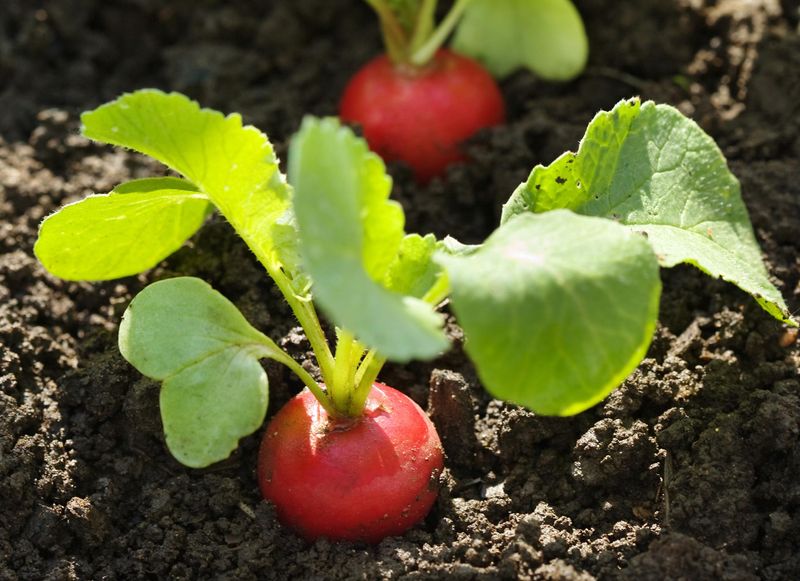
Here is the sprinter of the group. Radishes go from seed to snack in a few short weeks, which makes them perfect for kids and impatient gardeners alike.
Many gardeners notice that cold weather softens their peppery heat and brings out sweetness, much like it does for carrots and beets. Sow small batches every couple of weeks through fall for a steady supply.
Larger winter types, such as daikon, can hold longer in cool soil. Plus, any radish you forget will bloom in spring, and those little flowers feed early native bees.
6. Rutabagas
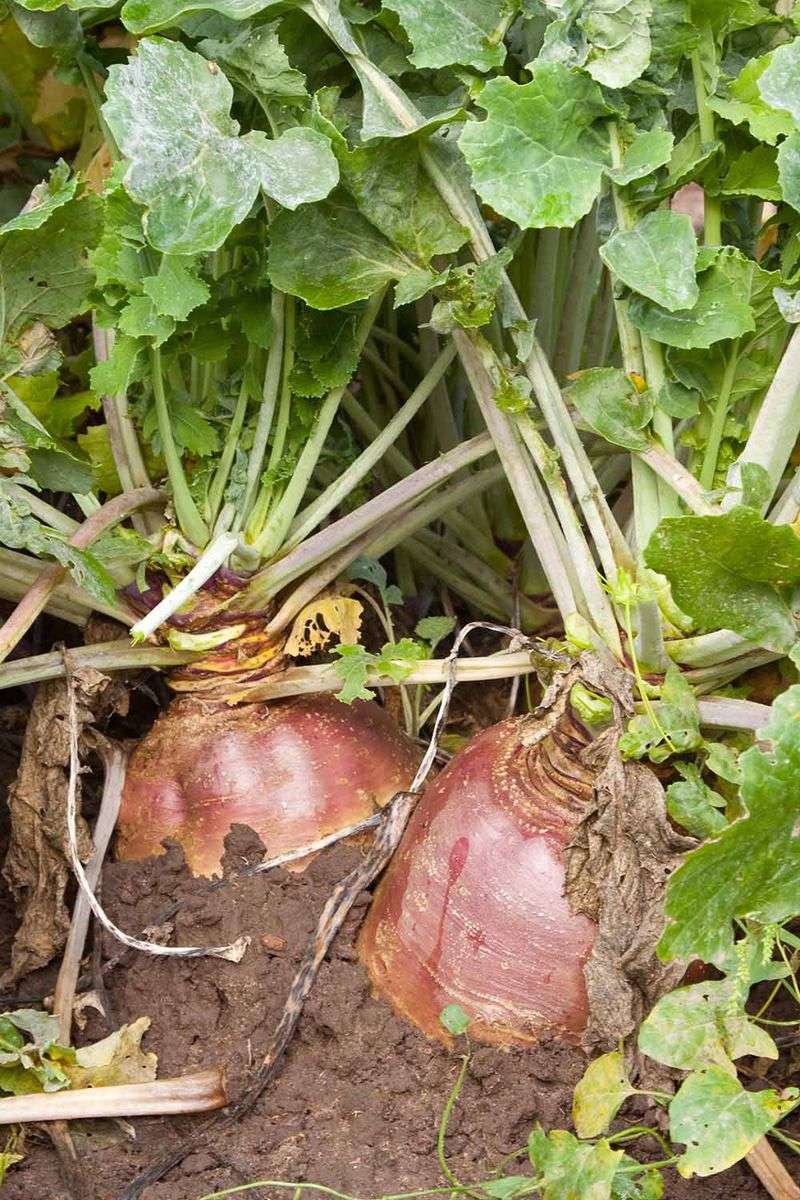
Picture a turnip that went to finishing school. Rutabagas started as a cross between turnips and cabbage, and they bring a buttery, mellow sweetness that turnips cannot match.
They also handle freezing temperatures better than their turnip cousins. That makes them a smart choice for cooler Piedmont and mountain yards.
Rutabagas need a long season, so get them in the ground in midsummer. Wait until after one or two light frosts to start digging, since the cold boosts their flavor.
Mashed with butter, they might just replace potatoes at your holiday table.
7. Sunchokes
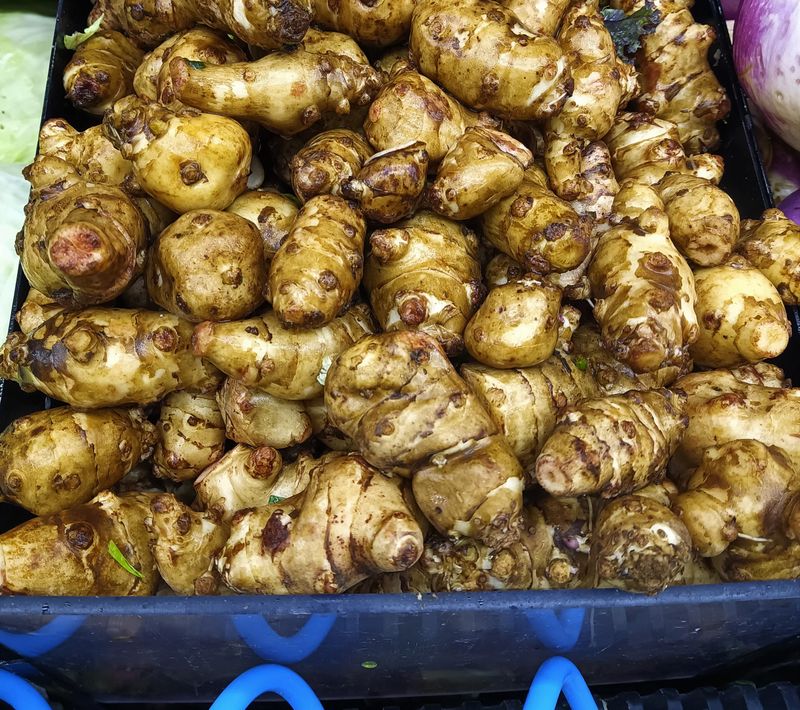
Of all the roots on this list, only one is a true native of North America, and it pulls double duty for your yard. Sunchokes, also called Jerusalem artichokes, are a sunflower relative that grows tall yellow blooms in late summer and knobby, nutty tubers underground.
Those flowers draw native bees and butterflies. After frost, the dead stems make handy perches for goldfinches and other winter birds, so leave some standing instead of cutting everything down.
The tubers sweeten after frost and can be dug all winter long. ‘Red Fuseau’ gives smoother tubers that are easy to clean, while ‘Dwarf Sunray’ stays shorter for smaller beds.
A friendly warning: sunchokes spread eagerly. Plant them in a dedicated bed or bottomless container, and dig thoroughly each year to keep them where you want them.