
These Small North Carolina Native Trees Throw Real Shade Near The House Without Cracking Your Foundation Or Pipes
Planting a tree close to your house can feel risky, especially when you have heard stories about roots lifting sidewalks or sneaking into pipes. The good news is that North Carolina has plenty of small native trees with well-behaved roots that stay put and still give you cool shade.
Even better, these trees feed the birds, bees, and butterflies that make your yard feel alive. Here are seven local favorites that keep your foundation safe while turning your yard into a wildlife-friendly retreat.
1. Eastern Redbud (Cercis canadensis)
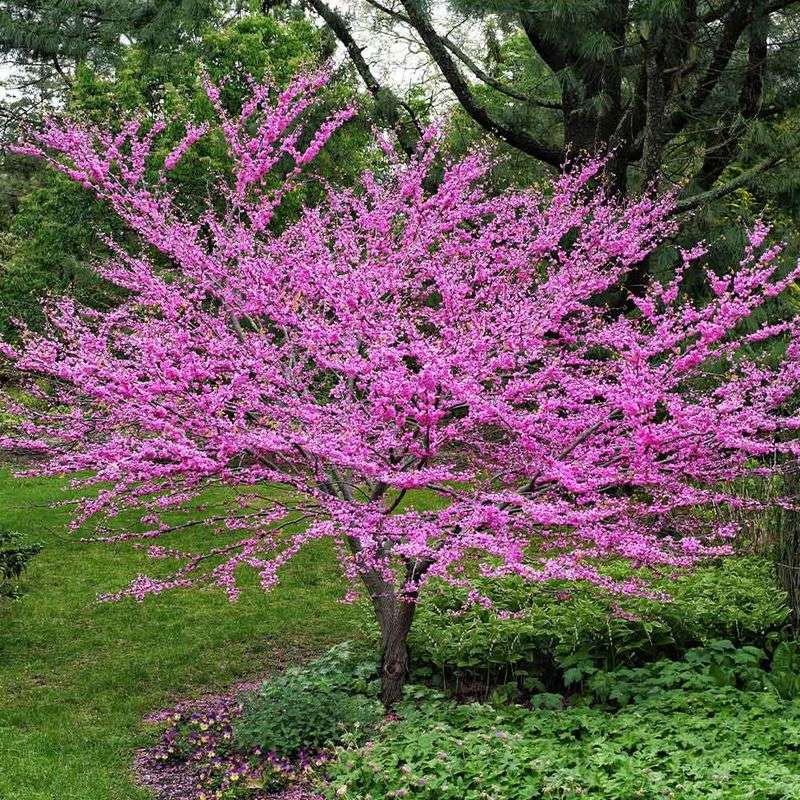
Come late March, few sights beat a redbud lit up with pinkish-purple blooms before most trees have even woken up. The flowers pop straight out of the bare branches and trunk, which always surprises first-time growers.
Its roots stay polite and non-aggressive, so you can tuck it near a foundation without losing sleep. Reaching about 20 to 30 feet, it fits comfortably in a Piedmont side yard or a mountain slope.
Native bees adore it. Those early blossoms are one of the first nectar sources of the season, giving emerging pollinators a much-needed meal when little else is flowering.
Did you know the buds and flowers are edible? Some folks toss them into salads for a splash of color.
Plant it 8 to 10 feet from the house and enjoy the show every spring.
2. American Hornbeam (Carpinus caroliniana)
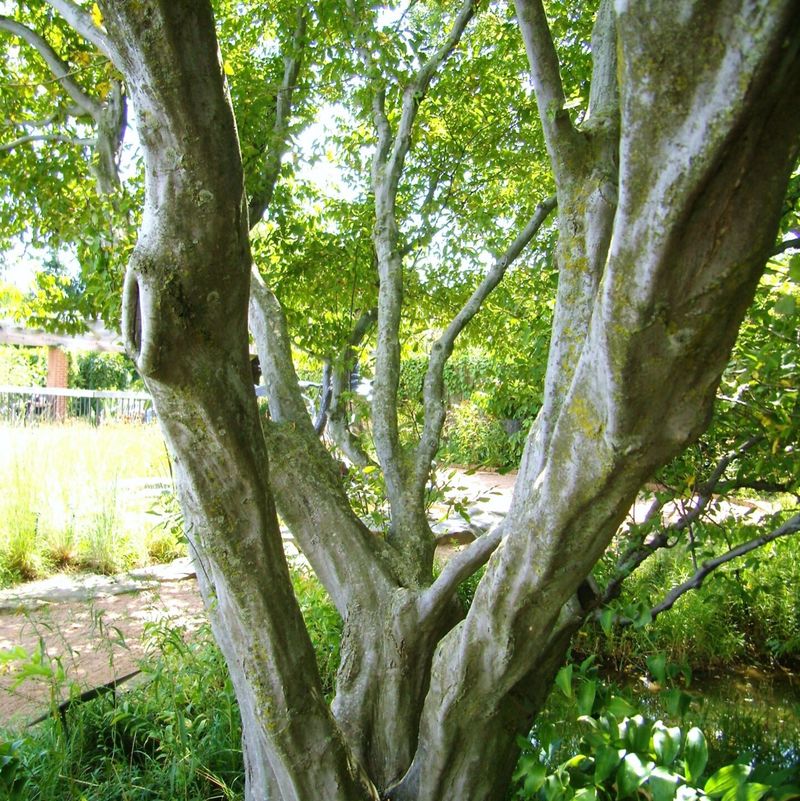
Run your hand along the trunk of an American Hornbeam and you will understand its nickname, musclewood. The bark ripples like flexed muscle, giving this quiet understory tree real character.
Its root system runs compact and deep, so it behaves beautifully near patios, driveways, and walls. That deep habit also makes it a champ in soggy, low-lying corners of the yard.
If part of your property stays wet after rain, this is your tree. It shrugs off seasonal flooding and works wonderfully in a rain garden.
Birds nest in its branches and butterfly caterpillars munch its leaves, so you are feeding the food web without lifting a finger. Come autumn, the foliage glows golden-orange for a warm final act before winter.
3. Serviceberry (Amelanchier arborea)
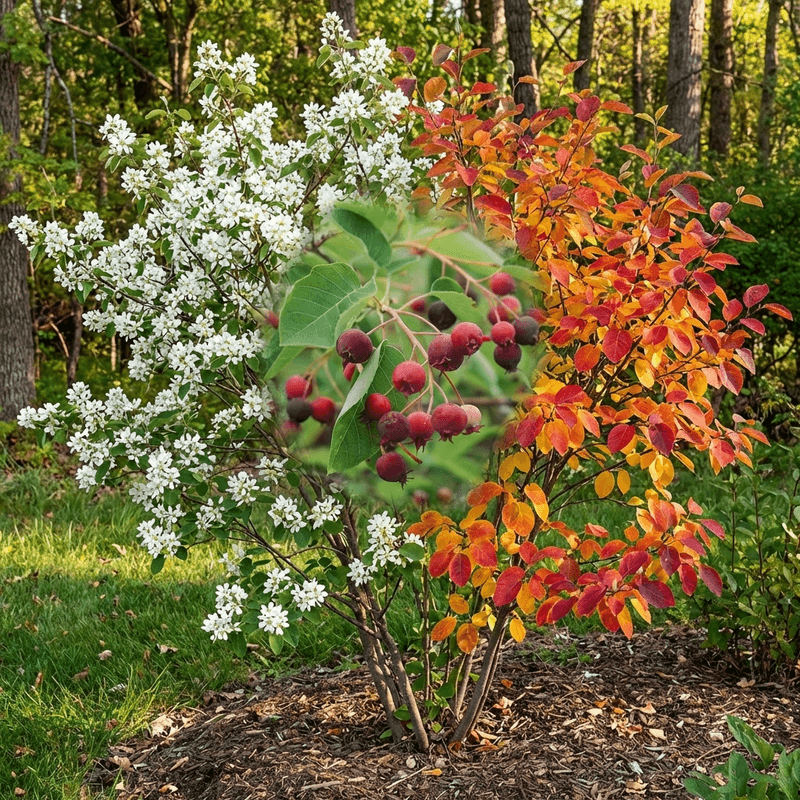
Talk about earning its keep in every season. Serviceberry opens with lacy white flowers in early spring, hands you sweet red-purple berries by summer, and finishes with fiery orange and red leaves in fall.
Those summer berries taste a bit like blueberries, and if you do not race the birds to them, the goldfinches and robins will happily clean the branches. Many gardeners consider it edible landscaping that looks gorgeous doing its job.
The roots stay manageable and tidy, which makes it a smart pick right along the foundation or beside a walkway. Downy Serviceberry in particular is a wildlife powerhouse.
Plant one where you can watch the feathered visitors from a window. It turns berry season into daily entertainment.
4. Fringe Tree (Chionanthus virginicus)
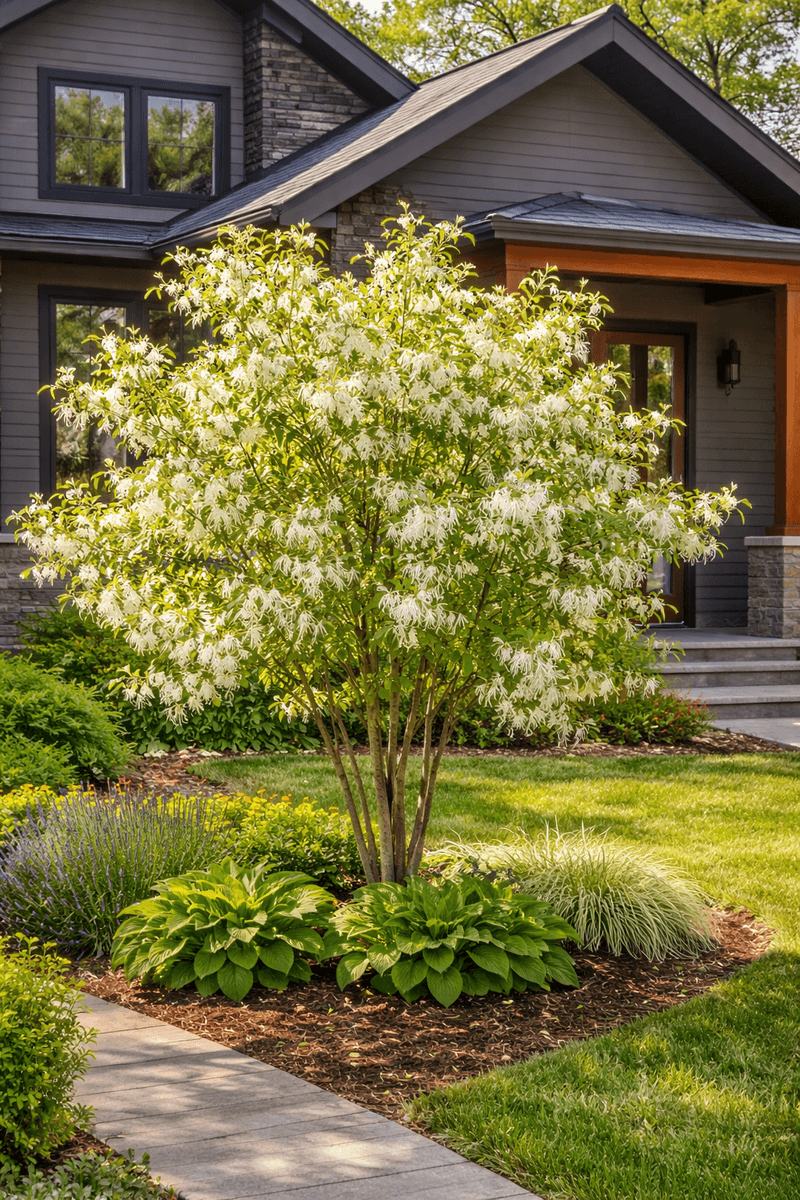
Nicknamed Grancy Graybeard for good reason, the Fringe Tree drips with clouds of soft, feathery white flowers each spring. The blooms carry a sweet fragrance that drifts across the whole yard on a warm evening.
Somehow this beauty flies under the radar, which is a shame given how well it fits tight spaces. Its compact, non-aggressive roots make it safe next to patios and in small front yards.
Female trees follow up with blue-black fruit that draws in hungry birds later in the season. It thrives from the mountains down to the coast, so nearly every NC gardener can grow one.
If you want a conversation starter that neighbors will ask about, this is it. Tough, resilient, and endlessly charming.
5. Sweetbay Magnolia (Magnolia virginiana)
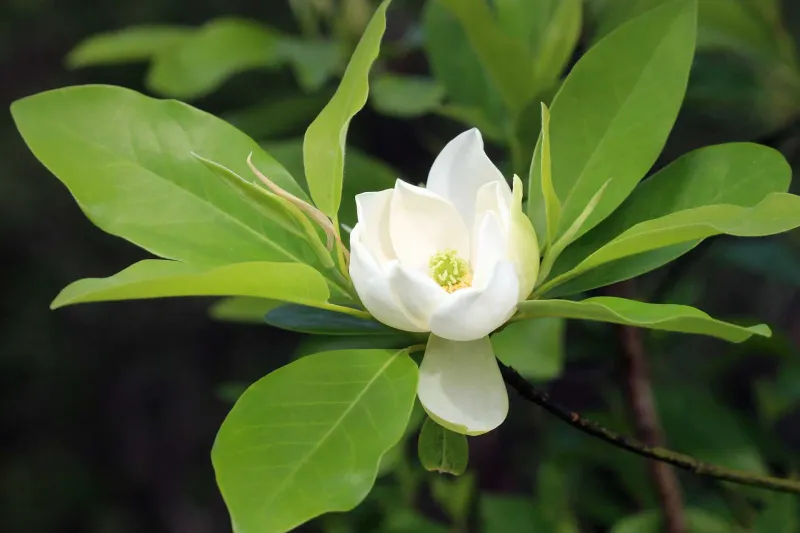
Think of Sweetbay as the Southern Magnolia’s calmer, more considerate relative. It stays smaller and better mannered, with creamy white flowers that smell faintly of lemon on summer afternoons.
Native to the coastal plains and swamps, it does not mind damp ground and shines in a rain garden. In milder parts of the state, the glossy leaves hang on as evergreen or semi-evergreen through winter.
The roots are non-invasive and gentle on nearby structures, so it earns a spot close to the house. Native bees and butterflies work the blooms while birds go after the bright red seeds.
Flip a leaf over and you will spot a silvery underside that flashes in the breeze. It is a small detail that makes this tree feel special up close.
6. Red Buckeye (Aesculus pavia)
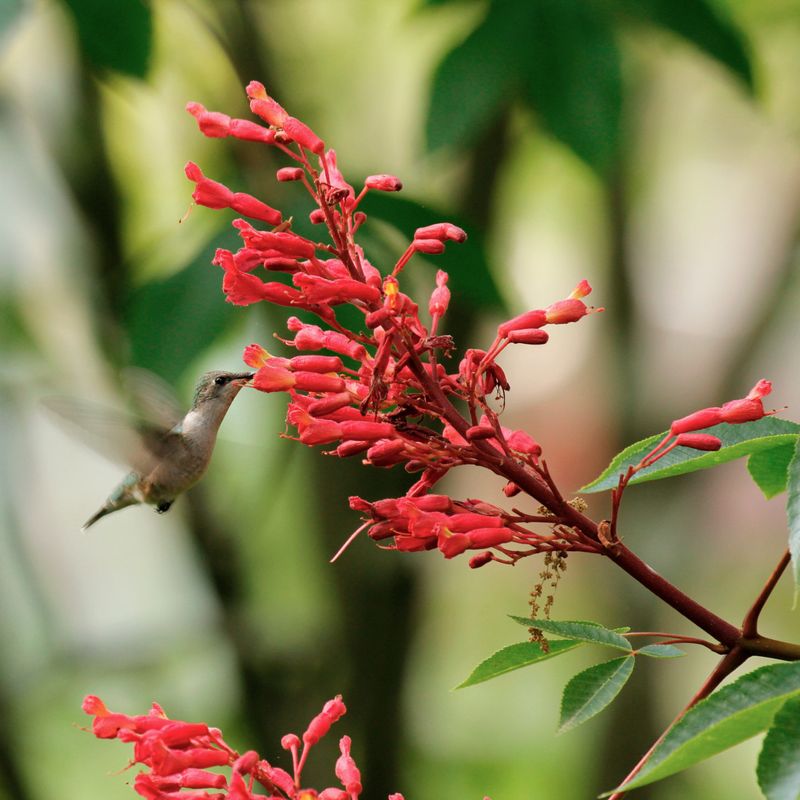
Want to roll out the welcome mat for hummingbirds? The Red Buckeye lights up early spring with spikes of glowing red tubular flowers that ruby-throated hummingbirds cannot resist, arriving right as they return from migration.
Its timing is perfect. Those blooms open just when the tiny travelers need fuel, making this tree a genuine lifeline for early-season birds.
With a compact root system, it settles in safely near patios and walkways. Reaching a modest size, it fits neatly into smaller yards without crowding anything.
One heads-up worth knowing: the shiny seeds are toxic if eaten, so it is not a snacking tree. Enjoy the hummingbird parade and let the buckeyes stay on the branch.
7. Flowering Dogwood (Cornus florida)
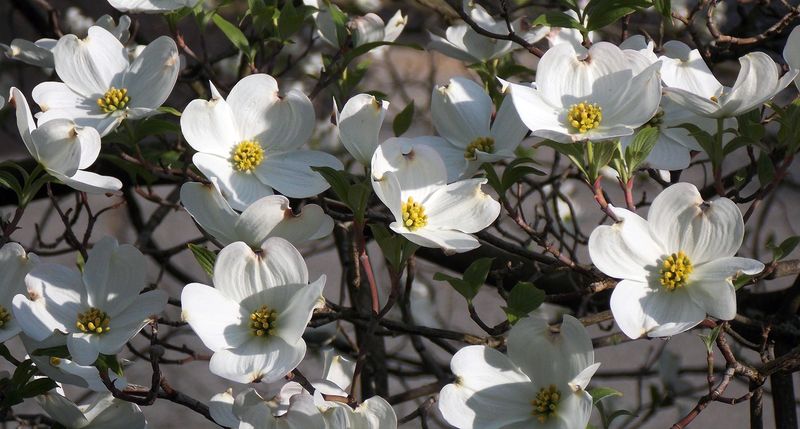
North Carolina crowned the Flowering Dogwood its state tree, and one look in spring shows you why. Layers of white blossoms float across the branches like a soft cloud settling into the yard.
Staying between 15 and 25 feet with shallow, stable roots, it plays nicely near the house and asks for little in return. That easygoing nature makes it a longtime favorite for backyard planting.
Wildlife circles this tree all year. Bees and butterflies visit the spring flowers, and come fall the red fruits feed migrating birds and busy squirrels stocking up for winter.
A quick tip: give it some dappled shade and moist, well-drained soil, and it will thank you for decades. It is a true North Carolina classic that belongs in almost any yard.