
7 North Carolina Native Ground Covers That Fill The Gaps Between Pavers So Weeds Never Move In
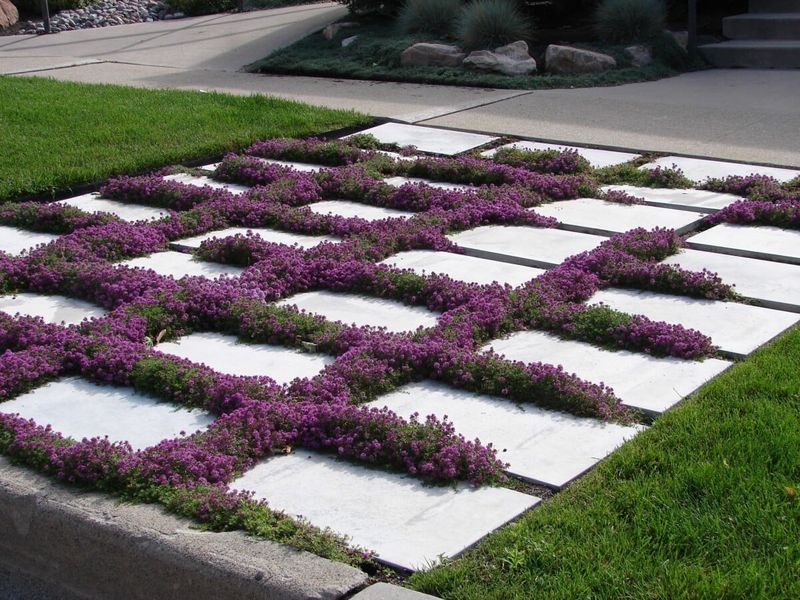
Those little gaps between your pavers are basically an open invitation for weeds to set up camp. The good news is you can fill them with tough North Carolina native plants instead, so weeds get crowded out and your local wildlife gets a helping hand.
Each of these seven ground covers handles foot traffic, our clay and sandy soils, and hot Carolina summers while feeding bees, butterflies, birds, and even box turtles. Here are seven natives that turn a weedy walkway into a living, low-care part of your yard.
1. Allegheny Spurge (Pachysandra procumbens)
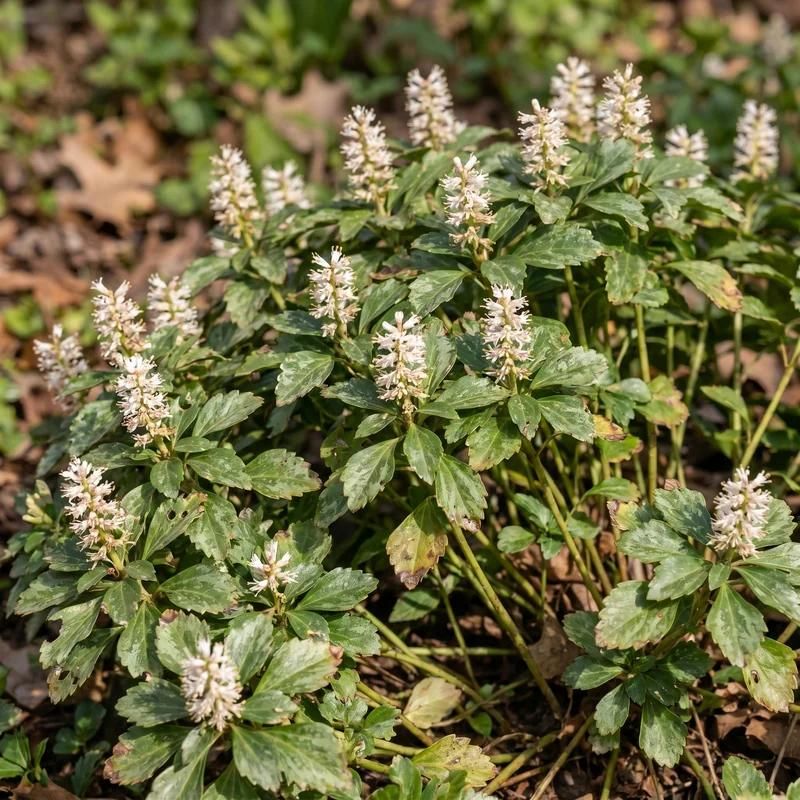
Got a shady, moss-prone path where nothing seems to grow well? Allegheny Spurge is the native answer, and it happens to be a far better neighbor than the invasive Japanese pachysandra you see sold at big box stores.
Spreading slowly by underground rhizomes, this semi-evergreen perennial forms a handsome carpet of mottled leaves. In spring it sends up fragrant, bottle-brush white blooms that add a quiet surprise near your feet.
It stays semi-evergreen through winter in the western part of the state.
It thrives in shade, even dense shade under trees, and shrugs off drought once its roots settle in. Give it moist, rich, acidic soil and it will knit together tightly enough to smother would-be weeds in the gaps.
Swapping it in for the Asian version is a small win for the local ecosystem you can feel good about.
2. Woodland Stonecrop (Sedum ternatum)
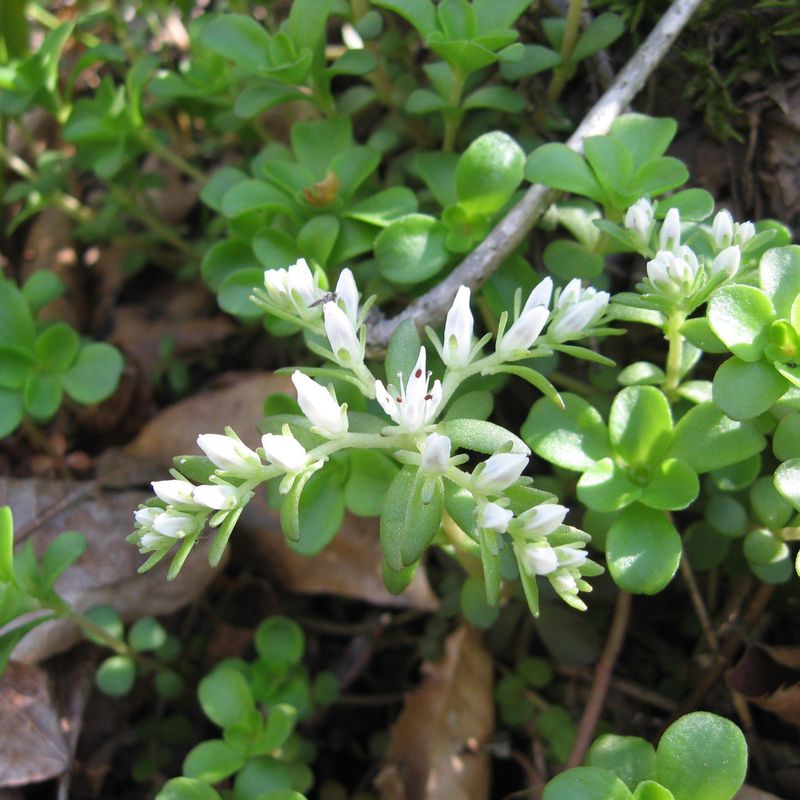
If you want a plant that practically prefers the skinny, poor soil trapped between stones, meet Woodland Stonecrop. This little succulent actually loves growing on and around rocks, which makes paver gaps its idea of prime real estate.
Tidy mats stay just four to eight inches tall, and from April through June they light up with small white, star-shaped flowers. It is remarkably flexible about light, taking anything from full sun to full shade as long as water drains away quickly.
Drought is no problem, and deer and rabbits tend to leave it alone. Bees and butterflies stop by for the blooms, and it doubles as a host plant for several moth and butterfly caterpillars, so you are literally feeding the bottom of the food chain right there in your walkway.
3. Creeping Phlox (Phlox stolonifera)
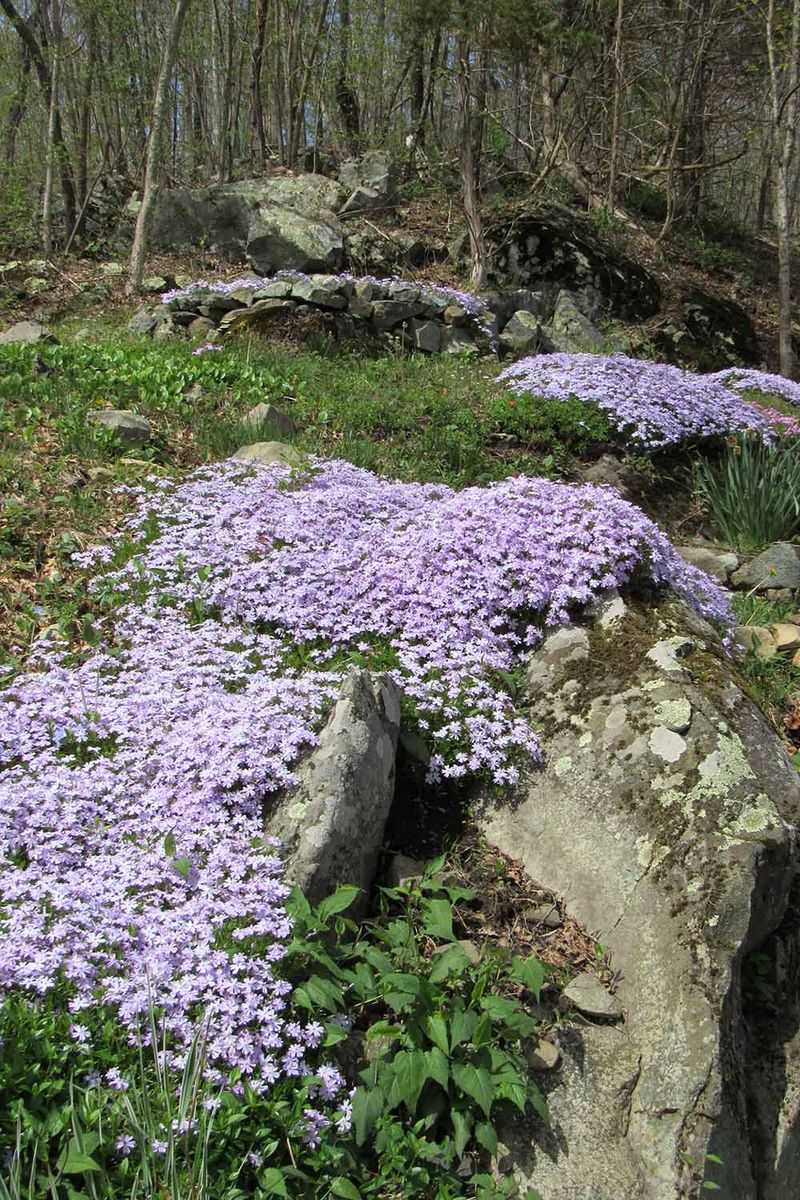
Straight out of the Appalachian woods, Phlox stolonifera brings soft color to the shady corners most ground covers ignore. It forms loose mats of semi-evergreen foliage that gradually spread into weed-choking carpets.
Come spring, clusters of lavender, blue, or white flowers open up when very little else is blooming. That early timing matters, because bees, butterflies, and hummingbirds are hungry and grateful for the nectar.
It favors rich, moist, shady spots with decent drainage and can handle a bit of light foot traffic along a path. For a woodland walkway or a shady rock garden, this one earns its keep by looking delicate while quietly doing the tough work of keeping weeds out.
4. Moss Phlox (Phlox subulata)
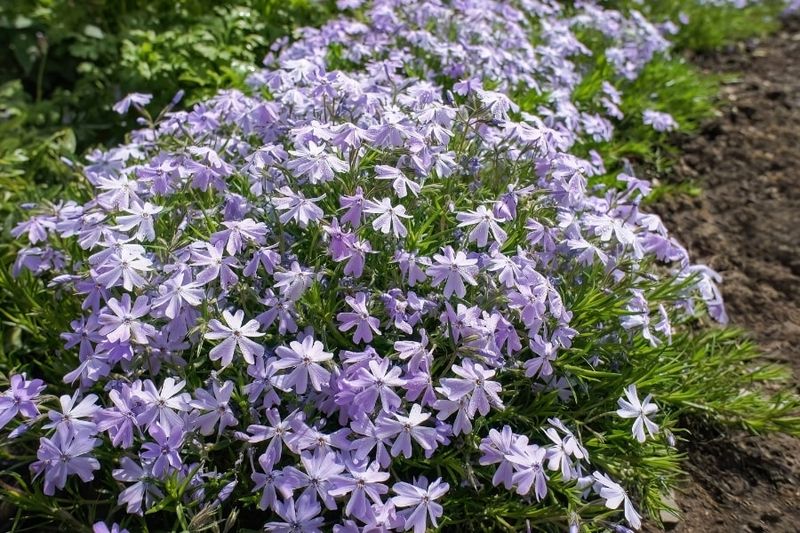
Picture a solid sheet of pink, purple, and white blooms so thick you can barely see the leaves. That is Moss Phlox in early spring, and it is the sun-lover of the phlox family.
Its needle-like evergreen foliage forms a dense mat that holds tight even on slopes, so it pulls double duty as erosion control. Weeds simply do not have room to sneak through once it fills in.
Give it a hot, dry, sunny spot with sandy or gravelly soil and it will reward you, which makes it ideal for driveway edges and baking-hot path borders where other plants fry. Once established it is seriously drought-tough.
The flood of early flowers is a critical first meal for bees and butterflies waking up in spring.
5. Wild Strawberry (Fragaria virginiana)
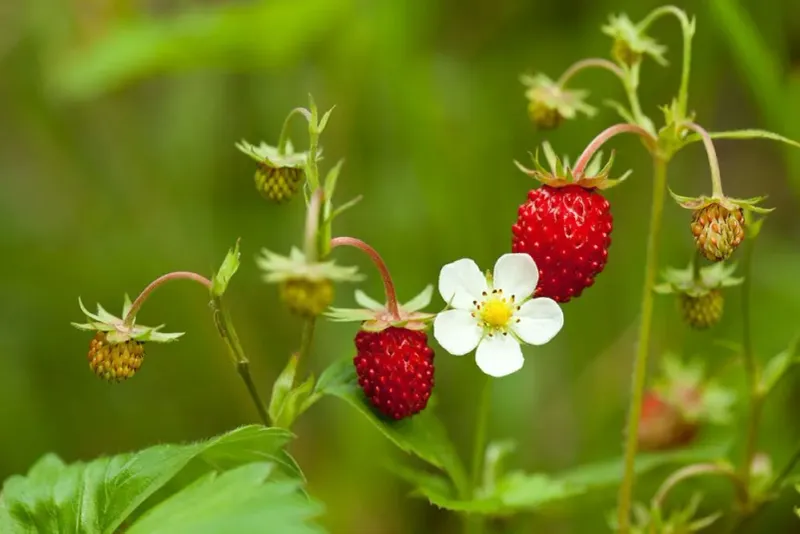
Here is a ground cover that feeds you, the birds, and the box turtles all at once. Wild Strawberry spreads fast and low, laying down a lush green carpet dotted with cheerful white flowers in spring and tiny red berries later on.
Native across the Piedmont and beyond, it gives you quick coverage without the bullying habits of invasive spreaders. It handles full sun happily and even puts up with light foot traffic between stepping stones.
The blossoms pull in pollinators, and those little berries are prized by songbirds and, yes, our beloved box turtles. Fair warning if you spot a turtle munching in your yard: enjoy the moment and let it be, since box turtles should never be relocated.
Turning a bare path into a snack bar for wildlife is a genuinely satisfying trade.
6. Wild Ginger (Asarum canadense or Hexastylis species)
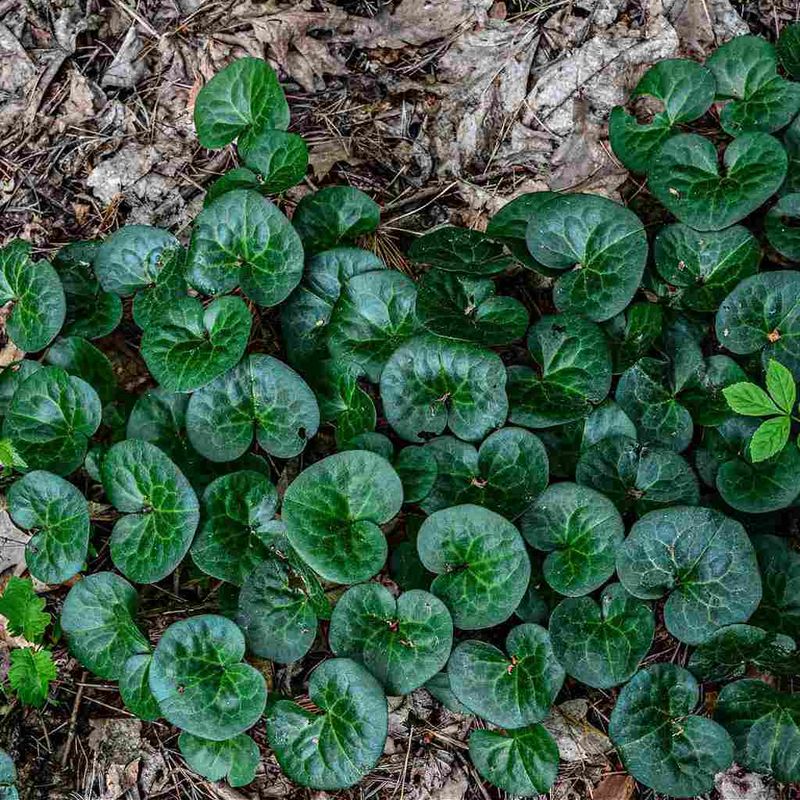
Butterfly gardeners, this one is for you. Wild Ginger is a larval host plant for the striking pipevine swallowtail, meaning it helps raise the next generation of one of our showiest native butterflies.
Canadian Wild Ginger (Asarum canadense) creeps along by rhizomes into a lush six-to-twelve-inch mound of heart-shaped leaves. If you want year-round green, reach for our native Hexastylis, the evergreen heartleaf gingers that keep their glossy foliage right through the cold months.
Both prefer part to full shade with rich, consistently moist soil, and deer generally pass them by. There is even a charming quirk to how it spreads: ants carry off its seeds, planting new gingers for you.
It is a beautiful, low, weed-suppressing edge for any woodland path.
7. Green and Gold (Chrysogonum virginianum)
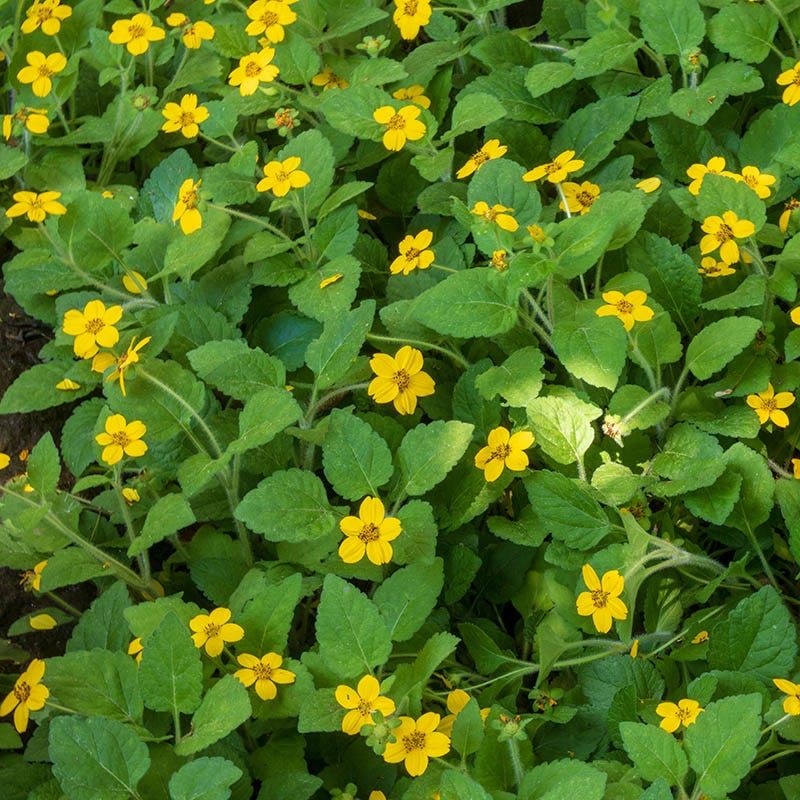
Sunshine-yellow, star-shaped flowers scattered over dark green leaves make Green and Gold look like a little celebration underfoot. It blooms mainly in spring and often surprises you with a second show later in the season.
What makes this one so easy to love is its range. It is native to the Piedmont, Coastal Plain, and Mountains, so no matter which part of North Carolina you call home, this plant belongs in your yard.
It settles happily into part sun to part shade and copes with average to dry soil once established. Deer tend to ignore it, pollinators appreciate the blooms, and it carpets the ground evenly enough to keep weeds from ever getting a foothold.
For a cheerful, dependable filler between pavers, it is hard to beat.