
These Underrated North Carolina Natives Bloom All Summer And Never Reseed Their Way Into A Mess
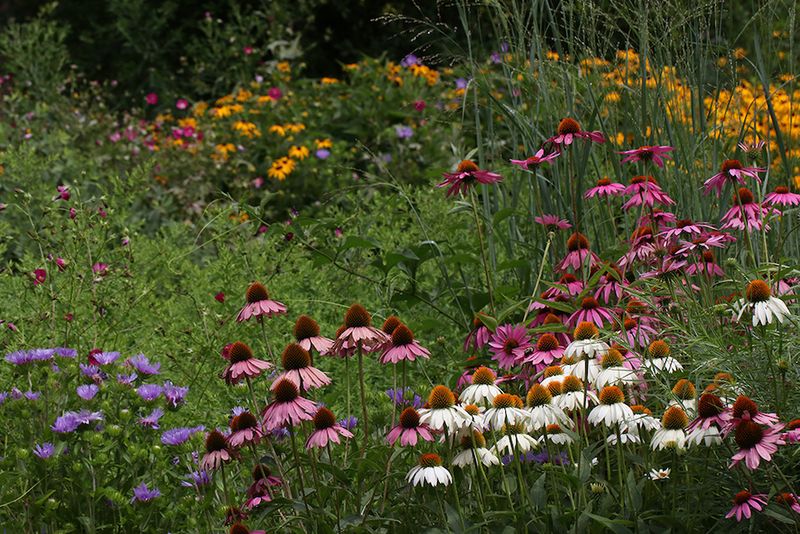
Some native plants earn a bad reputation for popping up everywhere and turning your flower bed into a tangled jungle. The good news is that plenty of North Carolina natives bloom for weeks on end without spreading out of control.
These well-mannered plants feed the pollinators, box turtles, and goldfinches you love while keeping your yard tidy. Here are seven underrated stars that give you long summer color and stay right where you plant them.
1. Southern and Northern Sundrops
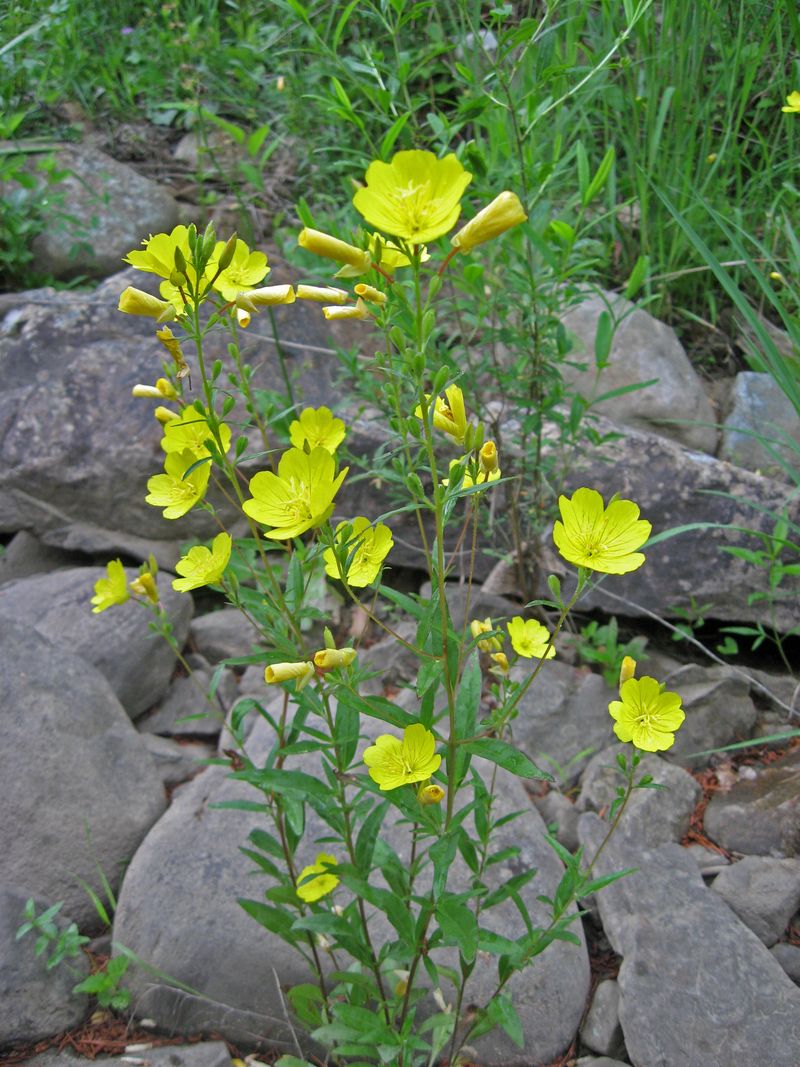
Picture a sunny slope glowing with cheerful yellow cups from May straight through August. Southern and Northern Sundrops open fresh flowers day after day, giving you nearly two months of nonstop color without much fuss.
Southern Sundrops spread by short runners that gently fill empty spots, but they are easy to pull if they wander too far. Northern Sundrops are the tidy, clump-forming cousin that colonizes slowly and never bullies the neighbors.
Snip off the seed capsules before they ripen and you will keep volunteers to a minimum.
Beyond the good looks, these plants pull real weight for wildlife. At least four rare specialist bees in the Southeast feed only on Oenothera, and the flowers host over 17 species of moths, including the charming Primrose Moth.
Hummingbirds and songbirds stop by too.
Native across most of North Carolina except the high mountains, sundrops shrug off drought and deer while holding soil on erosion-prone banks. If you have a hot, dry corner that needs help, this is a low-effort winner.
2. Eastern Bluestar
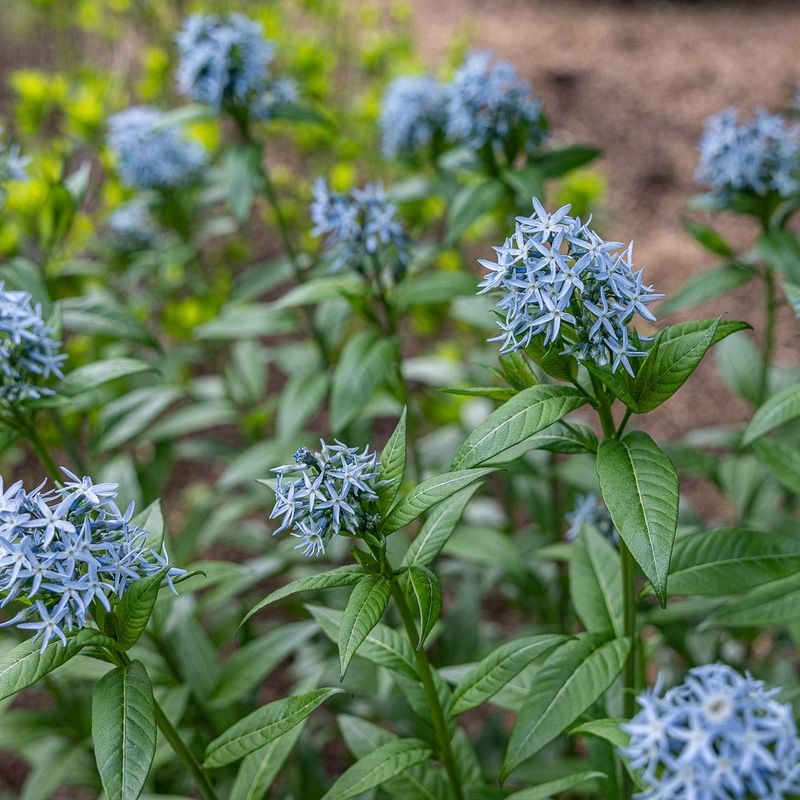
Few native perennials pull off a full-season wardrobe change like Eastern Bluestar. In late April its stems light up with clusters of soft blue, star-shaped flowers that hang around for about three weeks, then the rich green foliage carries the show right into fall, when it turns a glowing golden-yellow.
Because it grows in neat, rounded clumps, this plant stays exactly where you want it. It will drop a few seeds, but stray seedlings pull out with a light tug, and a quick deadheading or a post-bloom haircut keeps things looking sharp and prevents seedpods altogether.
The nectar-rich blooms draw long-tongued visitors like carpenter bees, hummingbird moths, and butterflies, while the leaves feed several butterfly and moth caterpillars.
Native to central and eastern North Carolina, Bluestar handles a wide range of soils and moisture and grows drought tolerant once settled in. Its milky sap tastes bitter, so deer and other browsers leave it alone, making it a genuinely low-maintenance anchor for any sunny bed.
3. Blazing Star
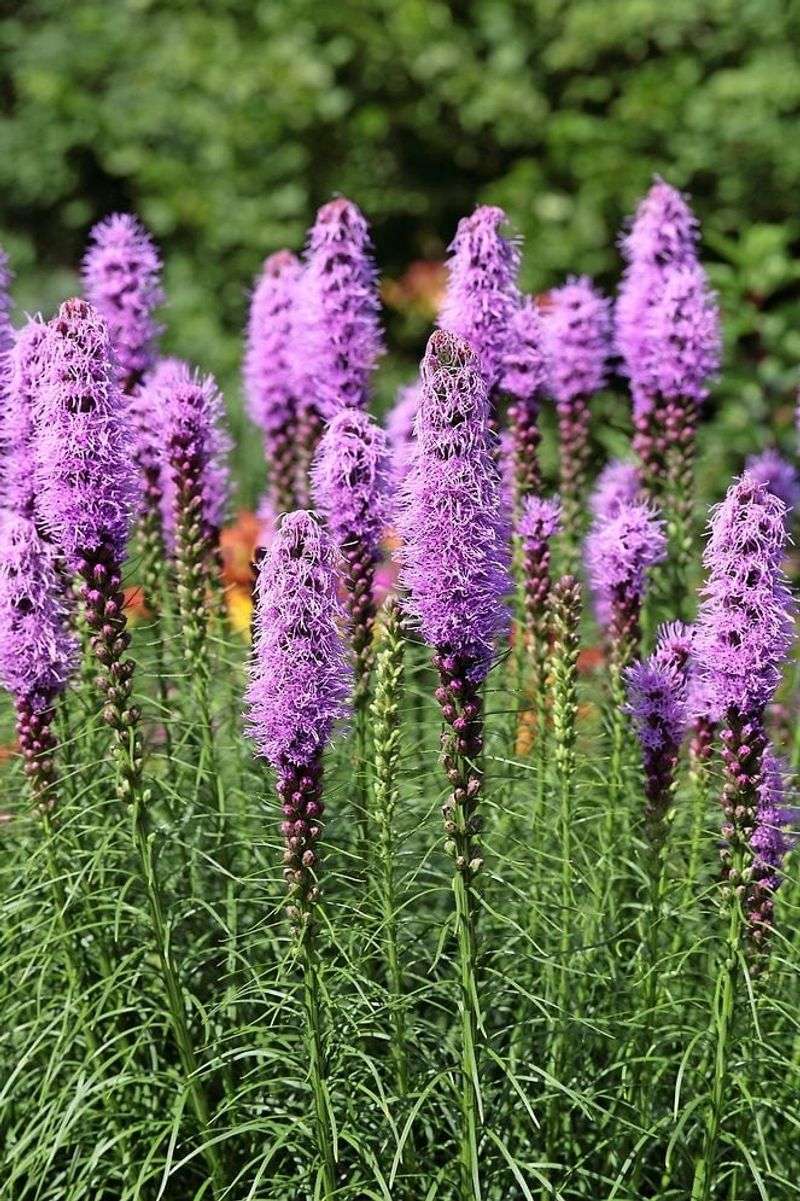
Tall purple wands that bloom from the top down, Blazing Star looks like something out of a wildflower postcard from July into September. The grassy foliage clumps neatly at the base, so all the drama happens up top where the pollinators can find it.
Worried about a takeover? Don’t be.
Blazing Star grows from corms that expand slowly into fuller groupings rather than sprinting across your bed. It will only self-sow if you leave the stalks standing, and honestly, leaving them up is a gift to wildlife.
This plant is a pollinator magnet in the truest sense. Bumblebees, leaf-cutter bees, monarchs, swallowtails, skippers, red admirals, painted ladies, and hummingbirds all come calling.
When the flowers fade, goldfinches feast on the seeds, and hollow winter stems become nesting spots for native bees.
Native to the Coastal Plain and Piedmont, it laughs off summer heat, humidity, poor soil, and drought once established, and deer generally pass it by. Leave those seedy stalks up through winter for extra beauty and a wildlife buffet.
4. Purple Coneflower
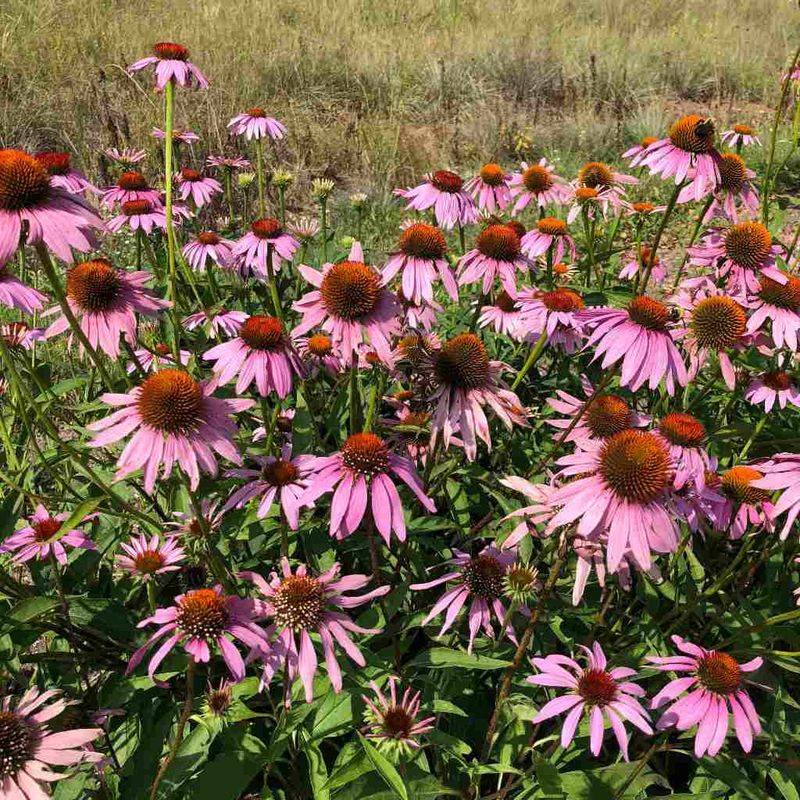
If there is a poster child for well-behaved natives, Purple Coneflower wears the crown. From June through August, and sometimes into September, its pinkish-purple daisies with bristly copper cones deliver up to two months of dependable color.
Here is the part gardeners love: Echinacea spreads by gentle self-seeding and a slowly widening root mass, never by aggressive runners or rhizomes. Any extra seedlings are simple to spot and easy to yank, so this plant will not muscle its way into a mess.
Its ecological résumé is impressive. Dozens of butterfly species, including monarchs and swallowtails, native bees, bumblebees, and hummingbirds all work the blooms.
Come fall and winter, goldfinches, chickadees, and sparrows raid the seed heads, and the hollow stems shelter nesting native bees.
Native to western North Carolina, coneflower adapts to many soils and stands up to deer, heat, humidity, salt, and drought once established. Plant it once and it becomes a low-maintenance backbone that keeps your yard buzzing with life.
5. Swamp Milkweed
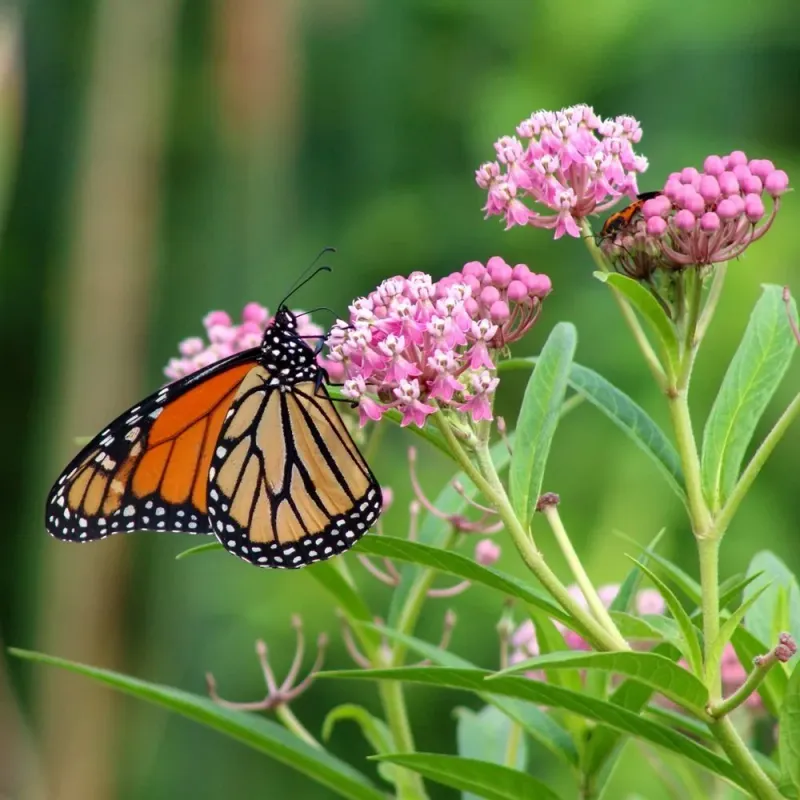
Monarchs would tell you this one is non-negotiable. Swamp Milkweed unfurls fragrant clusters of pink to rose-purple flowers from mid-June through September, filling the air with a sweet scent and the garden with fluttering wings.
Unlike common milkweed, which can march across a yard, this species stays put in tidy clumps. It spreads modestly by rhizomes, but you can divide established plants, deadhead spent flowers to stop self-seeding, and cut it back in late fall or early spring to keep it in bounds.
As a critical larval host, its leaves are the only food monarch caterpillars will eat, making it a lifeline for a beloved species in decline. The nectar also draws swallowtails, fritillaries, countless bees, wasps, and hummingbirds, and birds nibble the seeds later.
Native to all three North Carolina regions, it prefers damp spots like stream banks but adapts to drier clay or loam once established. Deer leave it be.
If you want to swap out an invasive butterfly bush that feeds adults but starves caterpillars, this milkweed does the full lifecycle job right.
6. Butterfly Weed
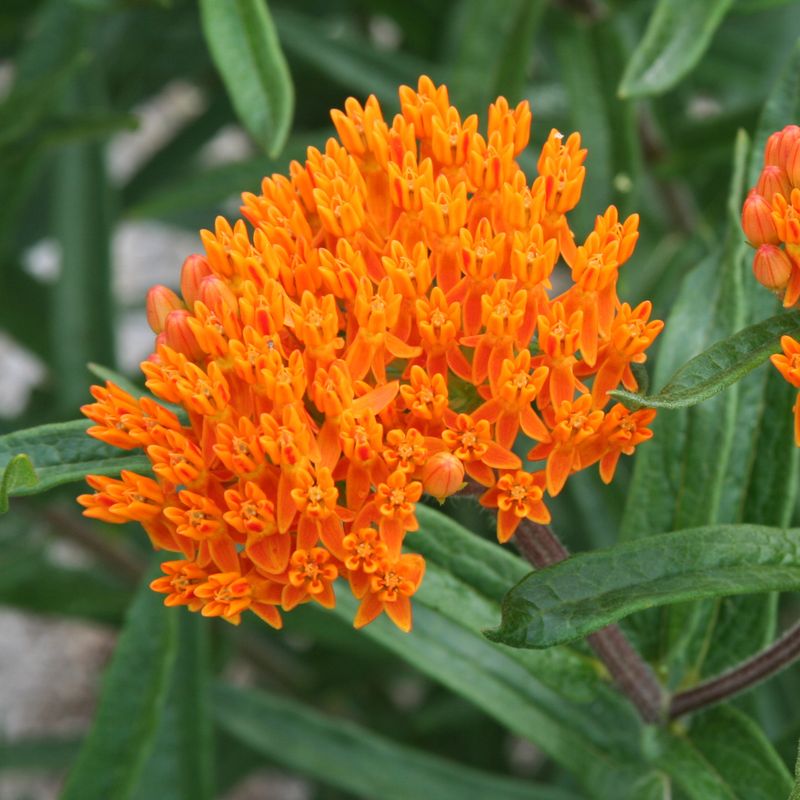
Nothing lights up a dry, sunny bed quite like the electric orange of Butterfly Weed from June through August. With a little deadheading, this milkweed can stretch its show across three full months of summer.
It grows as a well-mannered clump and skips the aggressive rhizomes that give some milkweeds a bad name. The one thing to watch is those pointed seed pods.
Left alone, they split and scatter freely, so snip the browning pods as soon as they start to crack open and you will keep everything neat.
This is another lifeline plant, serving as a larval host for monarch, queen, and gray hairstreak caterpillars, while its blazing blooms pull in bees, butterflies, and hummingbirds.
Native across much of eastern North Carolina, Butterfly Weed thrives in full sun and dry to medium, well-drained soil, even the poor, sandy, or rocky kind. It is deeply drought tolerant and deer tolerant, though its long taproot means you should pick its permanent home from the start, since it resents being moved.
7. Buttonbush and Summersweet (Native Butterfly Bush Swaps)
Let’s settle a common garden mistake. That invasive Butterfly Bush so many folks plant offers nectar to adult butterflies but does nothing for their caterpillars, and it reseeds aggressively into wild areas.
Two native shrubs make far better choices.
Buttonbush is the quirky one, producing fragrant, perfectly round white blooms that look like little pincushions from summer into early fall. Pollinators of every stripe, including butterflies, swarm those globes, and it happily takes wet, soggy spots where other shrubs sulk.
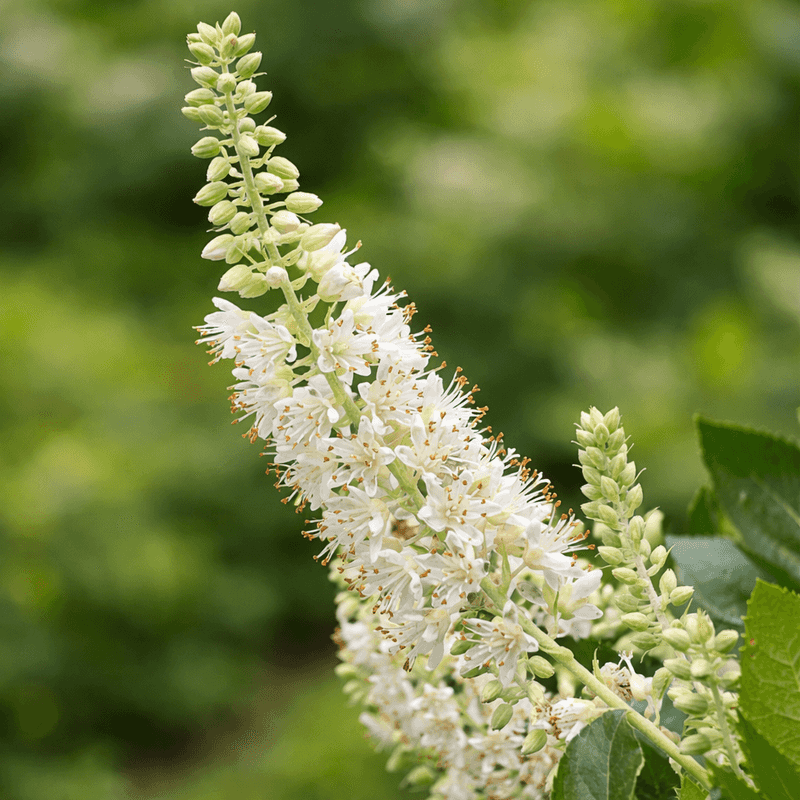
Summersweet brings the perfume. Its fragrant white or pink flower spikes appear in summer and thrive in the part shade that stumps many bloomers, feeding hummingbirds, butterflies, and bees along the way.
Both shrubs stay well-behaved and give you the long summer color you wanted from a butterfly bush, minus the invasive baggage. Pair them with coneflower and blazing star for nectar, and swamp milkweed and butterfly weed for caterpillar food, and you have built a complete, tidy, wildlife-friendly border that does right by your North Carolina yard.