
Those Guava Leaves You Rake Past Are Worth More Than The Fruit – 4 Ways Gardeners Put Them To Work
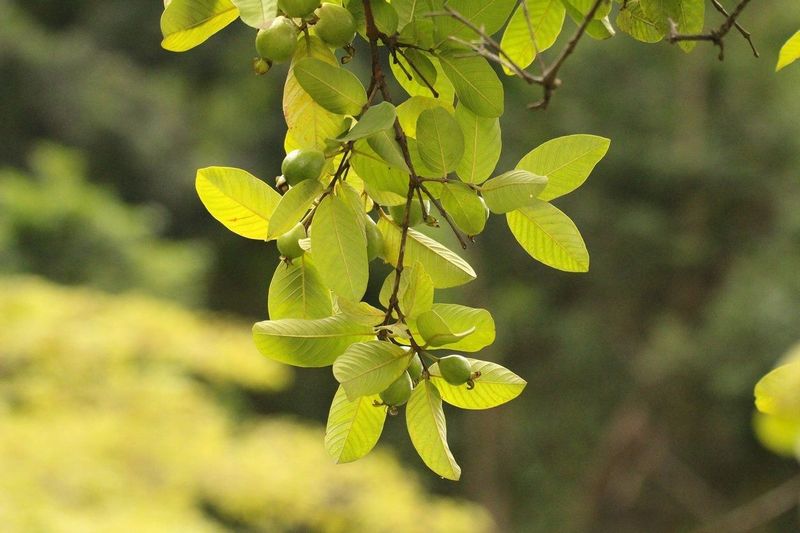
Every fall and spring, guava trees drop piles of leaves that most of us rake up and toss out. Those leaves are packed with carbon, trace minerals, and natural plant compounds that your garden can actually use.
Tomatoes, hydrangeas, geraniums, and even potted petunias can benefit when you put them back to work. Here are four simple, low-cost ways to turn yard waste into real help for the plants you already grow.
1. Mulch and Compost That Fights Weeds
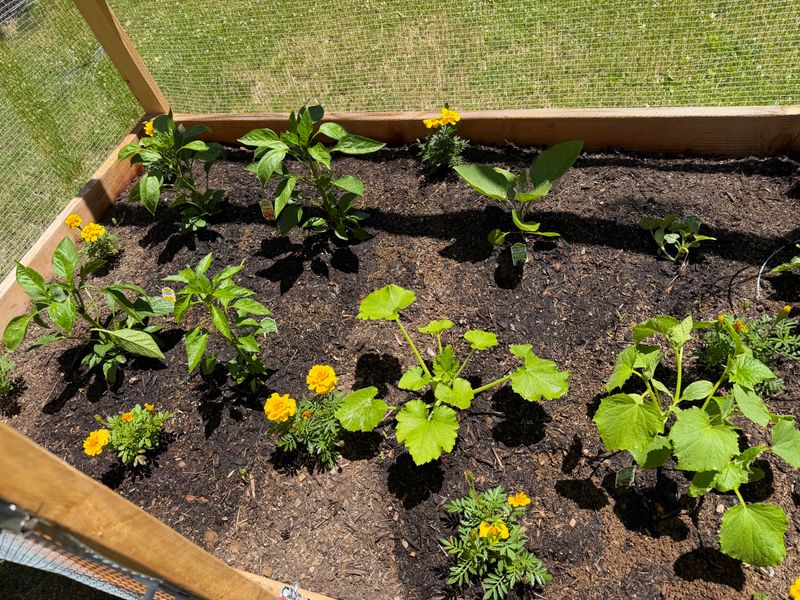
Picture a tomato bed in July, soil baked hard and weeds sneaking in from every side. A few inches of shredded guava leaves can change that picture fast.
They hold moisture in, block sunlight from weed seeds, and slowly feed the soil underneath.
Guava leaves are tough and fibrous, so they break down slower than most leaves. That means one layer can last for weeks instead of vanishing after a few rains.
Chop them first with a mower or shredder so they settle evenly and don’t blow around.
In the compost pile, dried guava leaves count as a brown, carbon-rich material. Mix them with green kitchen scraps or grass clippings to keep microbes busy and add trace minerals to the finished compost.
One rule matters more than the rest. Keep the mulch an inch or two away from stems and crowns, since damp leaves piled against a plant can invite rot.
2. Homemade Guava Leaf Tea for Plants
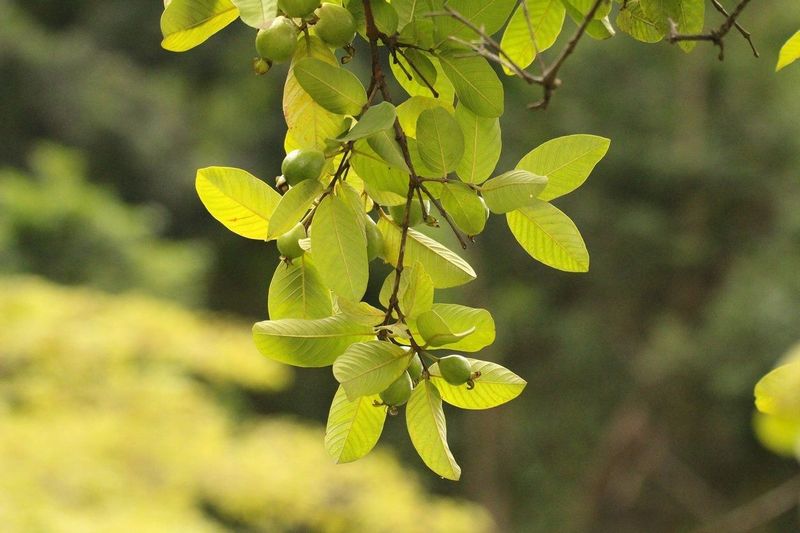
Grandma probably brewed guava leaves for herself, but your geraniums would like a cup too. A simple leaf tea is one of the easiest ways to give container plants a gentle mineral boost without buying anything.
For a cold infusion, steep about one cup of dried, chopped guava leaves in a gallon of room-temperature water. Let it sit 24 to 48 hours, then strain it.
Before using, dilute it at roughly one part tea to two parts water.
That diluted mix works for watering roots, drenching soil, or a light foliar spray. Seedlings and young transplants especially do better with the weaker version.
Some gardeners also boil leaves for a stronger batch, but always let it cool completely first.
Think of it as a supplement, not a full fertilizer. Used every couple of weeks, it may help support steady growth and healthier roots through the season.
3. A Natural Pest Shield
Crush a fresh guava leaf between your fingers and sniff. That sharp, green scent comes from essential oils, and bugs notice it too.
Guava leaves carry tannins, saponins, triterpenoids, and other compounds that some insects dislike. Research has found guava leaf extracts can repel ants, grasshoppers, and the Asian citrus psyllid, a serious pest of citrus trees.
Studies also suggest stronger extracts tend to work better.
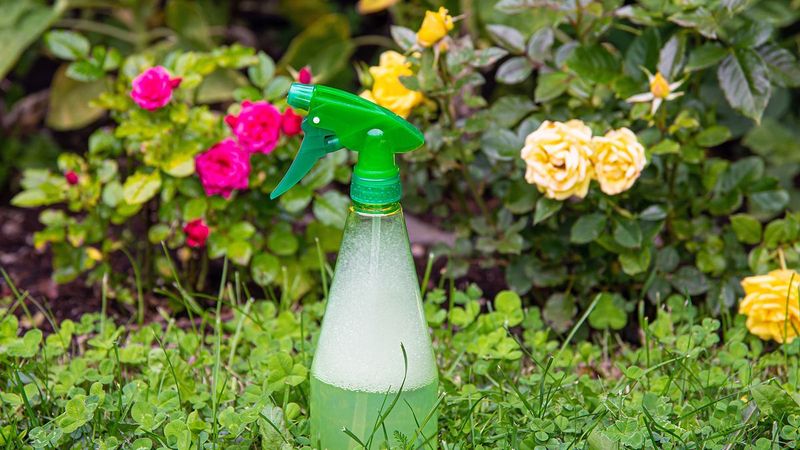
At home, you can tuck crushed leaves near trouble spots or soak a big handful in water overnight, strain it, and spray it on leaves. Test a small patch first and spray in the cool evening to avoid leaf burn.
Keep expectations honest, though. A guava spray may help deter some pests, but it won’t wipe out a heavy infestation on its own.
4. Root Booster and Fungus Fighter
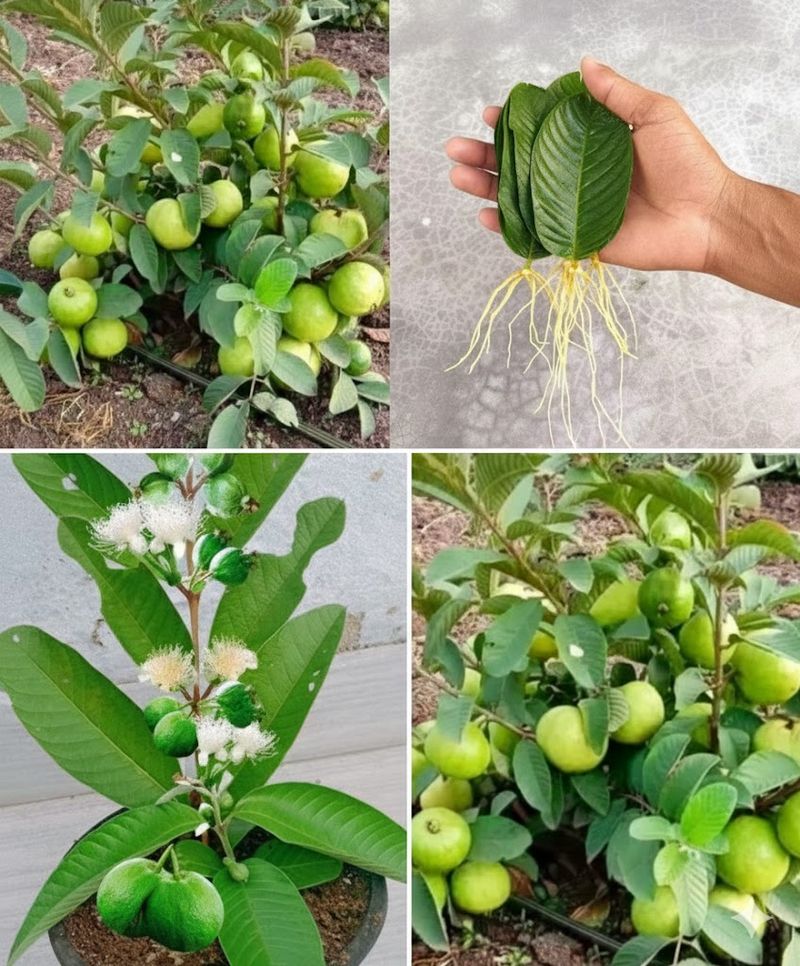
Most garden trouble starts where you can’t see it. Weak roots and soil fungi quietly set plants up to fail long before leaves start drooping.
Here’s where guava leaves surprise people. Crumbling dried leaves into the planting hole adds slow-release organic matter that can encourage stronger root growth.
The leaves also contain natural antibacterial and antifungal compounds that may help support healthier soil.
Try it next time you set out a hydrangea, tomato, or clematis. Mix a small handful into the backfill rather than dumping a thick layer at the bottom, so roots meet loose, crumbly soil.
It won’t replace good drainage or proper spacing. Still, it’s a free, easy way to give new plants a sturdier start from the ground up.