
The One Thing North Carolina Fruit Trees Need Before The First Freeze Or Next Summer’s Peaches Never Show Up
Every fall, plenty of North Carolina yards have peach trees that look perfectly healthy, yet the next summer they give little or no fruit. The problem often starts months earlier, right before the first hard freeze.
One simple fall habit can help your tree stay strong through winter and wake up ready to bloom. It takes about an hour, and it can mean the difference between a bare branch and a bowl of ripe peaches next July.
1. A Deep Pre-Dormancy Watering Paired With a Mulch Blanket
Picture a peach tree heading into January with dry roots and bare soil. Cold snaps across the Piedmont can swing from 65 degrees to 20 degrees in a day, and a thirsty tree takes that stress straight to its fruit buds.
A deep drink plus a thick layer of mulch, given right after the leaves drop but before the ground freezes, can help those buds survive to bloom.
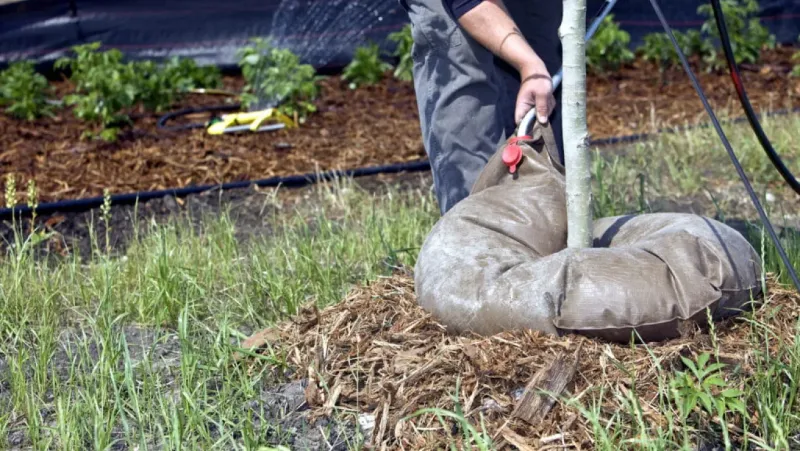
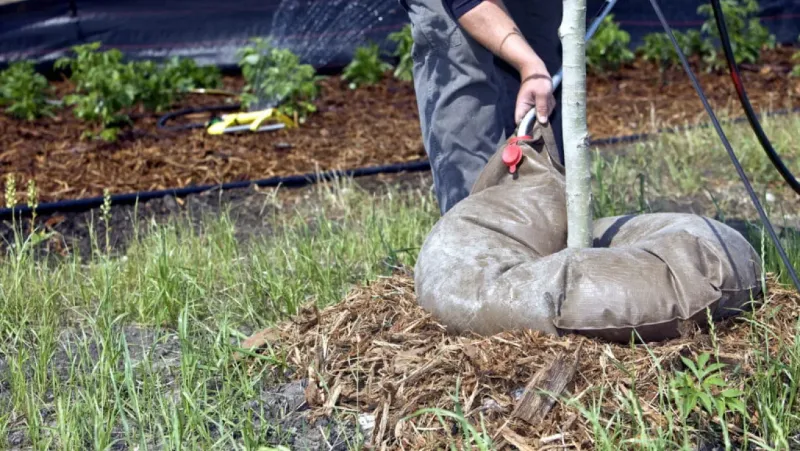
Start with water. Let a hose trickle slowly around the drip line, the outer edge of the branches, until the soil is moist several inches down but not soggy.
Moist soil holds heat better than dry soil, so roots can ride out sudden freezes with less damage.
Next, add 3 to 4 inches of mulch out to that same drip line. Shredded fallen leaves from your own yard work beautifully, and they give overwintering beetles and other helpful insects a place to hide.
Keep the mulch a few inches away from the trunk so voles and rot stay away.
Skip compost and rotted manure this time of year. Those rich feeds can push new growth and delay the tree’s rest.
Here’s a fun fact: peaches actually need cold, and NC State recommends varieties with at least 750 chilling hours so blossoms don’t open too early and get frosted.
For bonus protection, paint the trunk with white latex paint mixed half and half with water to reflect winter sun and prevent sunscald. Then relax until late winter pruning season.