
What It Really Means When Hummingbird Moths Hover Over Your North Carolina Flowers At Dusk
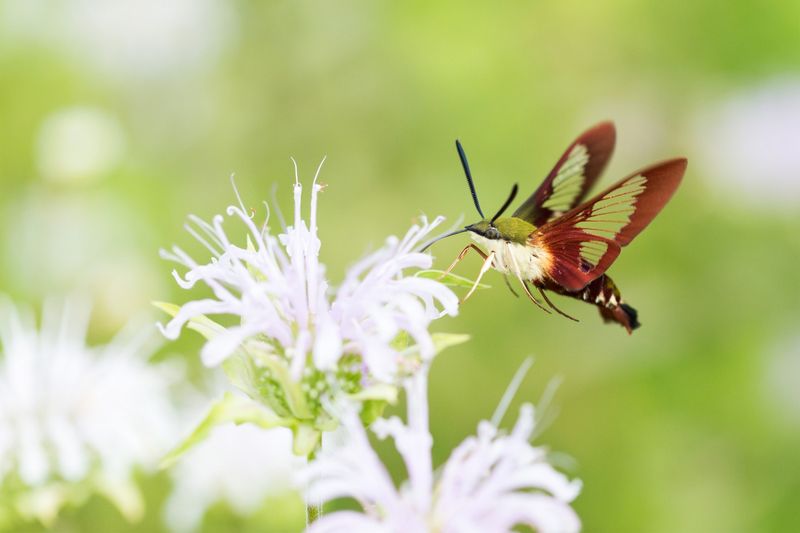
A small, blurry shape hovers over your flowers as the light fades, and it looks just like a tiny hummingbird. Look closer and you may see antennae and a fuzzy body.
That visitor is most likely a moth, and what you saw can tell you a lot about your yard. Here is how to read the clues without guessing too far.
A hovering moth is not a species identification
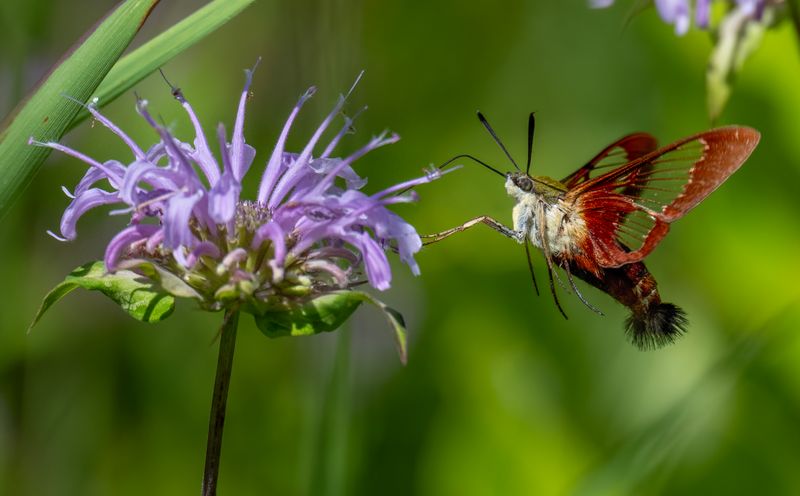
Picture a stout, fast-winged insect hanging in the air in front of a bloom. Most people call it a hummingbird moth, and that is a fair nickname.
It is not a precise species name, though. It is a casual label for moths that hover while they sip nectar and can look like small birds or big bees.
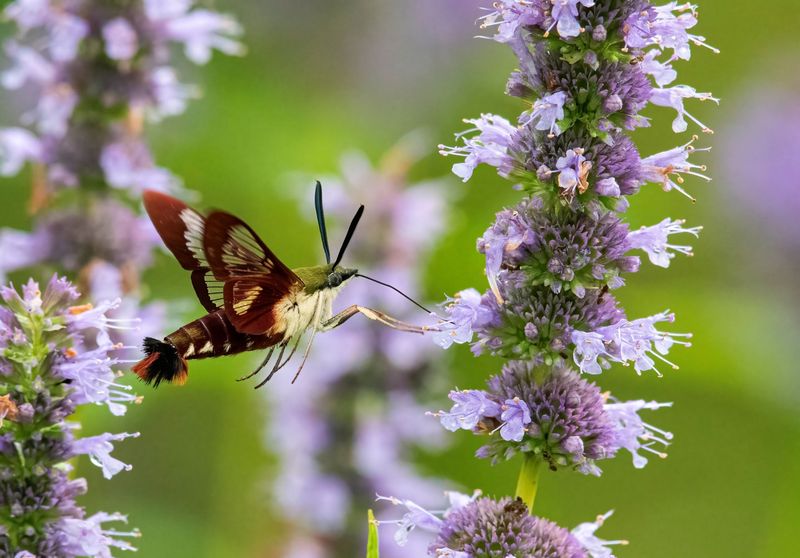
North Carolina has several moths that fit this description. The hummingbird clearwing, Hemaris thysbe, is one.
The state moth database records it statewide or nearly so and notes that adults hover and can be mistaken for birds or large bees. Other sphinx moths hover too, so a quick glimpse points to a group, not a single species.
NC State Extension explains that bumblebee moths and hummingbird moths are often confused with the creatures they imitate. That is exactly why a brief look rarely gives a species answer.
A clear photo helps. Try to capture the wings, the body stripes or patches, and the color of the abdomen.
Even then, a single photo will not settle every case, but it gives you something real to compare with the state moth pages.
Until you have that, call it a hovering sphinx-type moth. That is honest, and it still honors a wonderful sighting.
What does the dusk timing suggest?
Time of day is a handy clue. Some hummingbird-like moths fly in full sun, while others wait for the light to fade.
So not every hummingbird moth flies at dusk, and activity depends on the species.
North Carolina’s account describes the hummingbird clearwing as diurnal, meaning active in daytime. If your visitor showed up as the sky darkened, that makes the clearwing a less comfortable fit.
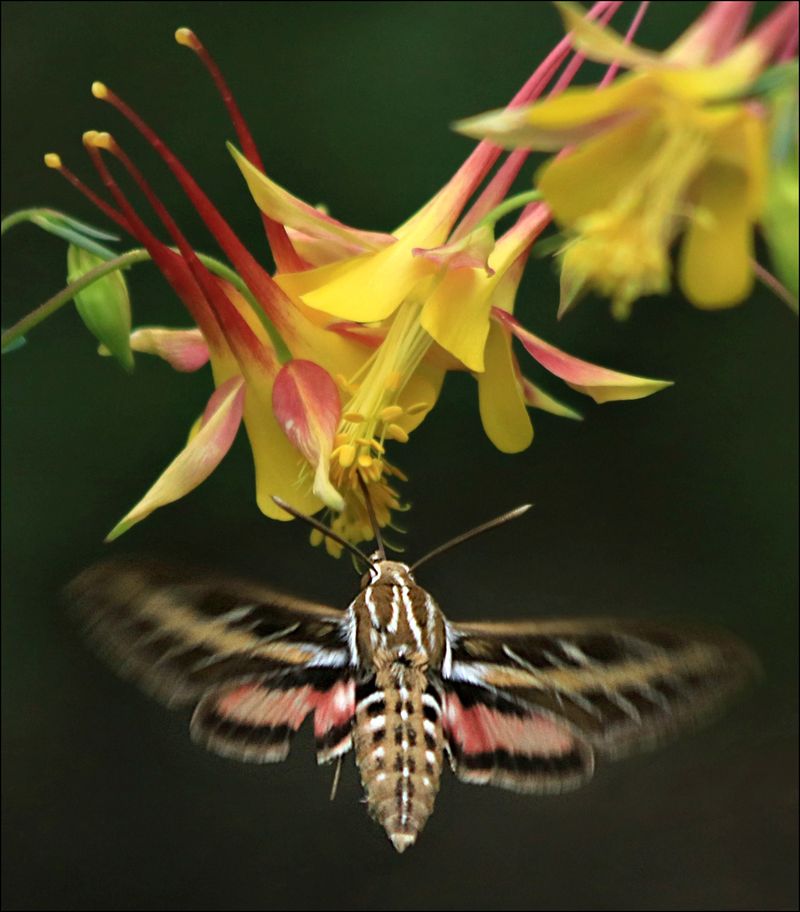
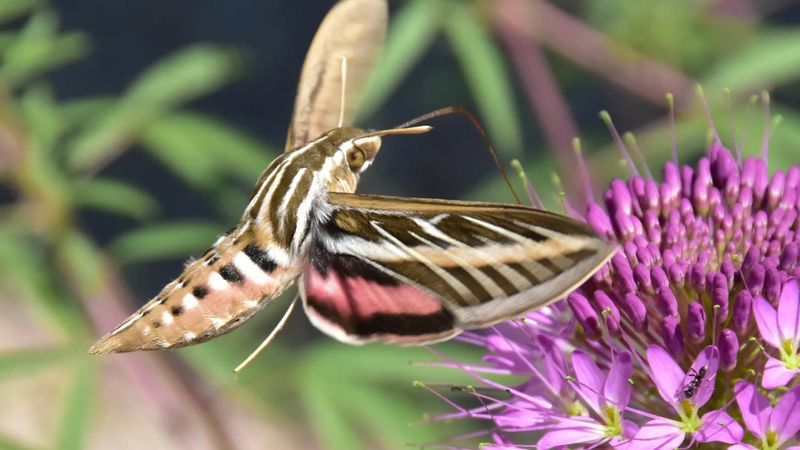
The white-lined sphinx, Hyles lineata, is a better match. The NC account for this moth shows it occurs statewide, is active around dusk, and visits flowers.
Look for pale stripes on the wings and a pinkish patch on the hindwings if you get a good view.
Still, timing only narrows the list. Other sphinx moths may fly at dusk or later, and a clearwing can occasionally be out on a gloomy evening.
Treat dusk as a nudge toward the white-lined sphinx, not a verdict.
Next time, note the exact time, the flower, and any markings. Those notes will make a photo far more useful.
A flower visit is a clue, not proof of pollination
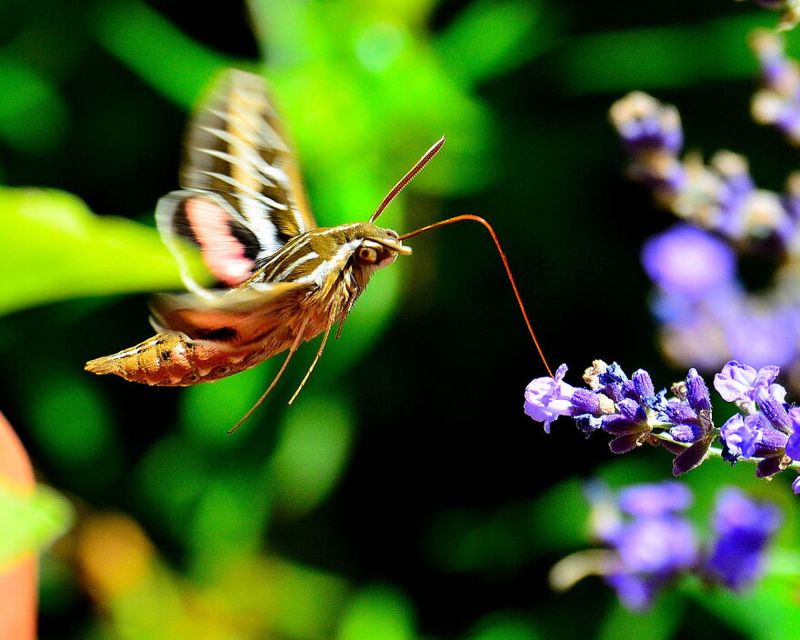
Adult sphinx moths drink flower nectar, which they reach with a long, coiled tongue. Moths can also act as pollinators as they move between blooms, as NC State Extension Gardener points out in its look at moth-friendly gardens.
So a moth at your flowers is a real sign of wildlife using your yard.
There is a limit to what one evening can show, though. You cannot tell from a single visit that this moth pollinated this flower.
Pollination depends on pollen sticking to the moth and reaching another bloom, and you would not see that from the patio.
You also cannot say the plant drew the moth in. NC State notes that Hemaris moths visit many kinds of flowers, so the moth may simply have been passing by and found nectar.
What you can say is simple and still lovely: a nectar-feeding moth found food in your yard at dusk. Write down which plant it visited, the date, and the weather.
After several evenings, patterns may show up. Those notes come from your own observation, which is where the value of this encounter lies.
North Carolina blooms follow a local calendar
Gardeners in Asheville, Raleigh, and Wilmington do not see the same flowers on the same weekend. Bloom timing and moth activity shift with region, elevation, season, and even the weather that year.
No single flower is peaking across the whole state at once.
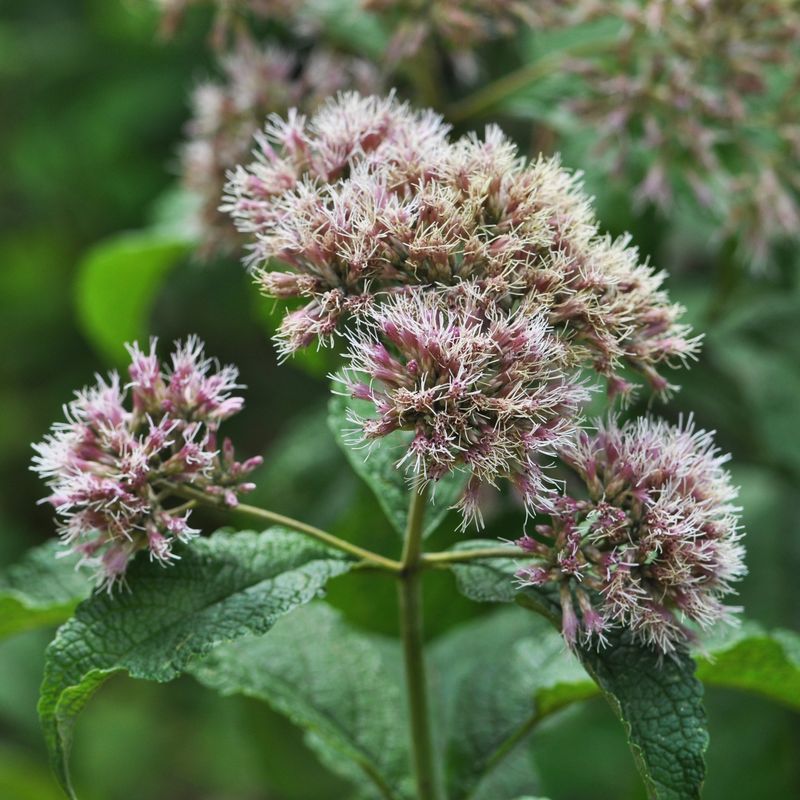
A better plan is to stagger what you grow. NC State Extension’s native plant guide lists fall-blooming natives that grow across the Mountains, Piedmont, and Coastal Plain.
They include Joe-pye weed, narrow-leaf sunflower, cardinal flower, wrinkle-leaf goldenrod, and calico aster.
Think of these as habitat-supporting choices for your yard, not guaranteed moth magnets. No one plant is certain to bring in a sphinx moth, but a mix of natives gives many insects food over a longer stretch of the year.
Match each plant to your site first. Cardinal flower likes moist soil, while narrow-leaf sunflower prefers sun, so check your light, soil, and moisture before buying.
Also see this NC State piece on moth-friendly gardens for ideas on making your whole yard more welcoming after dark.
Caterpillars may need a different part of the yard
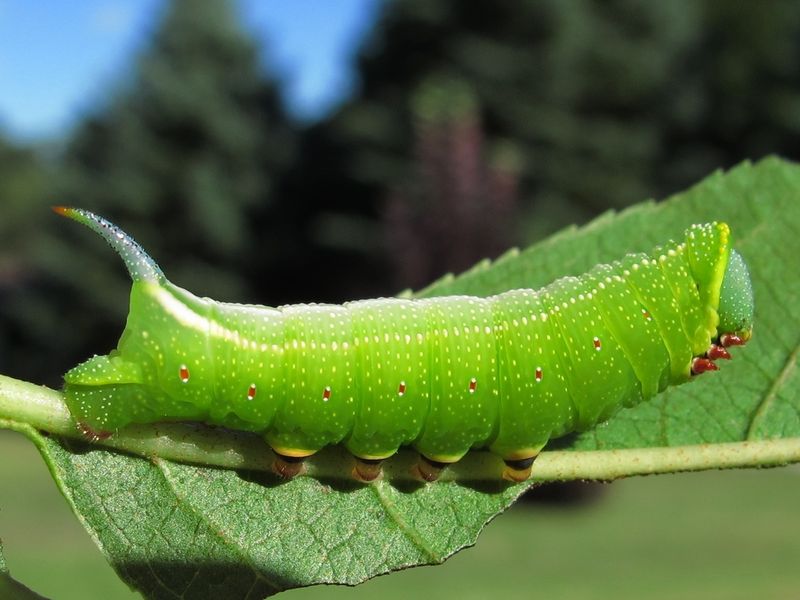
Every moth you see was once a caterpillar, and caterpillars eat different things than adults. An adult sips nectar.
A caterpillar chews leaves of particular host plants. Seeing a moth at a flower says nothing about where its caterpillars feed.
The hummingbird clearwing gives a clear example. North Carolina records show its caterpillars using viburnums and honeysuckles, including southern arrowwood, northern arrowwood, and possumhaw viburnum.
The adults, meanwhile, visit many kinds of flowers.
The white-lined sphinx tells a different story. Its NC account lists evening primrose, including Oenothera biennis, among its larval food plants.
Keep these hosts tied to their species, since they do not apply to every hummingbird moth.
In practice, that means a shrub border and a flower bed can do different jobs. A viburnum may feed caterpillars while a nearby bloom feeds adults.
Neither one proves the other. If you want to support the full life cycle, think about both food for adults and leaves for young, and accept that chewed foliage is part of the deal.
Protect the dusk visitors already in your yard
Not knowing exactly which moth you have is fine, as long as you treat the yard kindly. Start with caterpillars.
If you find an unidentified one, leave it alone until you know what it is.
NC State describes Hemaris moths as harmless, with caterpillars that are rarely noticed and need no control measures. A photo and a bit of patience protect a creature you may want around.
Skip routine insecticide use around blooms. Sprays can reach the very insects visiting those flowers, so reaching for the bottle out of habit is the riskiest move.
If you decide a pest problem truly needs treatment, first work out what the pest is. Then read and follow the product label and observe pollinator precautions.
The NC Department of Agriculture pollinator brochure advises avoiding application when you are unsure.
Spraying just before dark is not automatically safe. Dusk-active moths such as the white-lined sphinx may be out feeding right then.
Let the sighting guide a gentler yard
Enjoy what you saw. Use the dusk timing and a photo as clues, remembering that the white-lined sphinx is a plausible match, not a confirmed one.
Keep the three ideas separate: a likely species, a flower visit, and proven pollination are different things. Plant a range of blooms that suit your light and soil, and cut back on spraying, following state pollinator guidance if you ever need it.
Some evenings, the best thing a yard can offer is a quiet corner and a hovering shadow at the flowers.