
What It Really Means When Toads Suddenly Disappear From Your North Carolina Garden
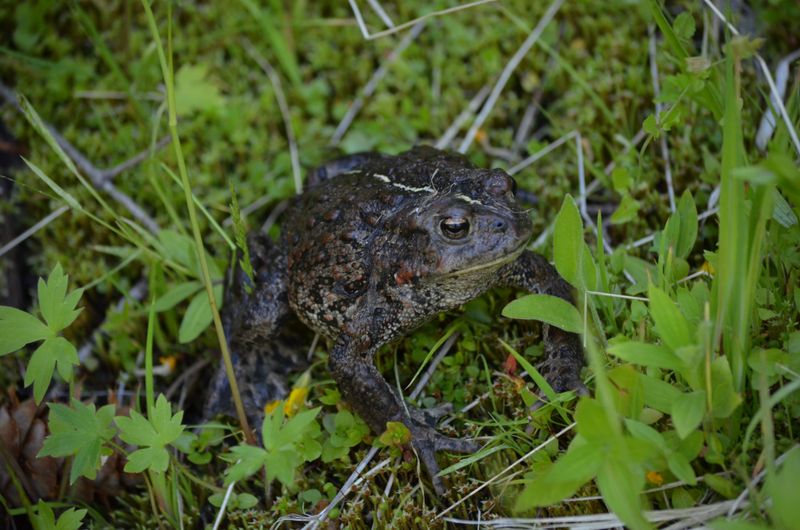
Spotting a toad tucked under a hosta or blinking in the beam of a flashlight is one of those small garden rewards that North Carolina homeowners quietly count on. When those sightings stop, it is natural to worry that something has gone wrong.
But a sudden absence is better read as a prompt to look more closely at the yard than as proof that the garden is damaged or that local toads are gone for good. Understanding what actually drives toad visibility, from nightly habits to seasonal shifts to habitat changes, gives you a much more useful starting point than alarm.
A missing toad is a habitat clue, not a diagnosis
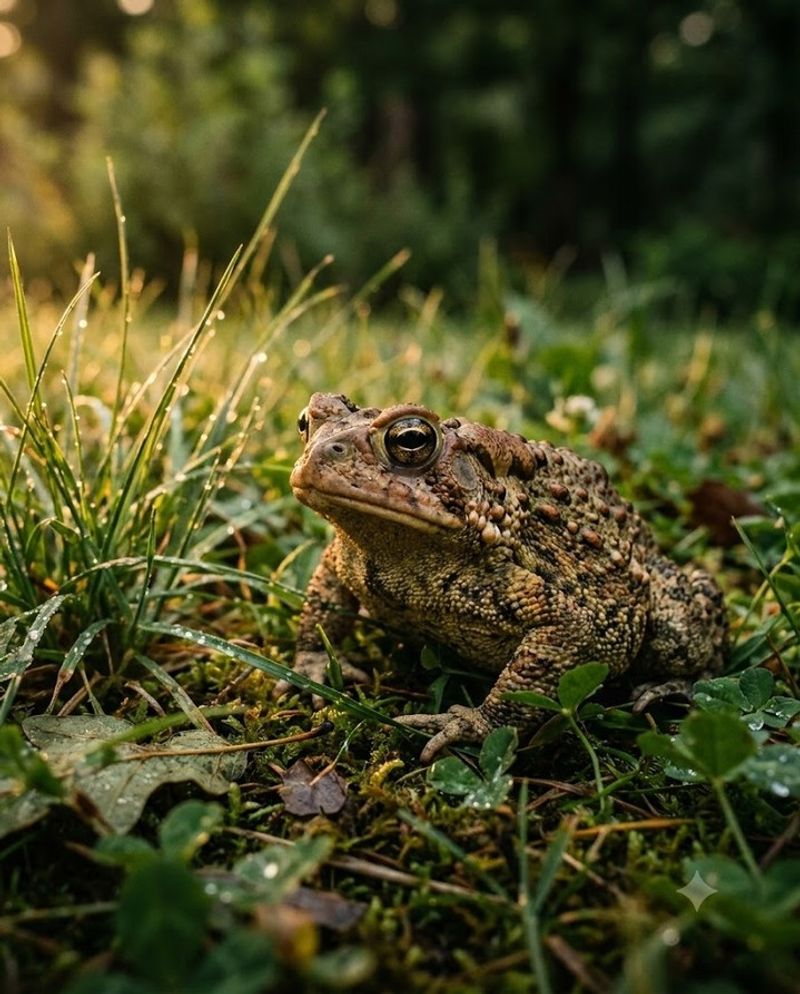
Noticing fewer toads in the garden feels significant, but the absence itself cannot tell you whether the animals died, relocated, or simply moved out of sight. Before changing anything in the yard, the most useful first step is treating the gap in sightings as a reason to inspect, not a verdict on the garden’s health.
One yard, watched over days or weeks, does not have enough signal to establish whether a local toad population is declining, stable, or thriving.
North Carolina is home to four native true-toad species: the American toad, Fowler’s toad, southern toad, and oak toad. NC Wildlife’s American toad profile notes that American toads are found throughout the Mountains and Piedmont and in smaller numbers in the Coastal Plain and Sandhills.
Each species has its own habitat preferences, seasonal patterns, and movement ranges, which means a change in sightings of one type does not reflect all four. Statewide, NC’s amphibian program lists habitat destruction and degradation as major contributors to amphibian declines, while also noting that several species remain relatively stable.
A single backyard observation cannot be mapped onto that broader picture.
What a single-yard absence can do is prompt a closer look at what may have shifted locally. The sections ahead move through the most likely explanations in a practical order: first whether the animals are simply hidden, then whether moisture, cover, or breeding habitat changed, then whether chemical exposure or broader disturbance played a role.
NC State Extension notes that amphibians often remain hidden and that absence can sometimes signal an environmental change, but it also emphasizes how frequently these animals go undetected even when present. That distinction shapes everything that follows.
Weather and nighttime habits can hide the animals you think have vanished
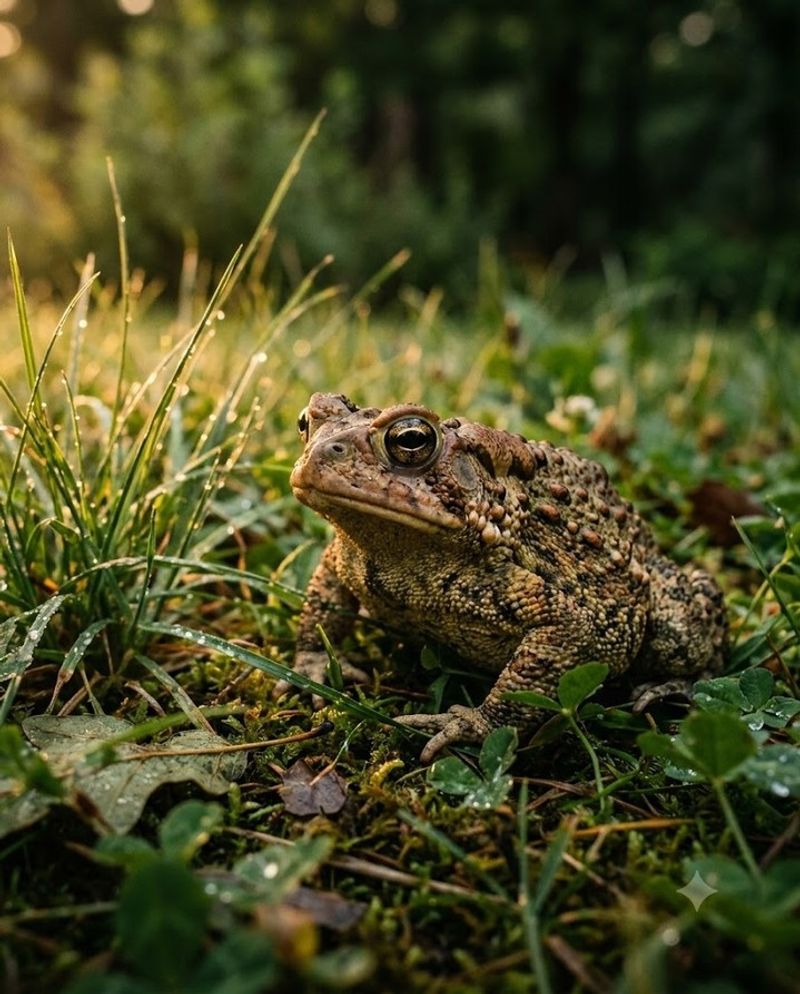
Toads are not daytime animals. They spend most daylight hours tucked under logs, flat rocks, dense leaf litter, walkway edges, or any other cover that holds moisture and shade.
A thorough search at noon on a sunny day will almost never reveal an animal that is genuinely present and healthy. Unsuccessful daytime sightings, even repeated ones, simply do not establish that toads have left.
The most reliable observation window is after dark, particularly on warm nights following rain. NC State Extension’s backyard amphibian guidance explains that herps often remain hidden and that some species aestivate during hot, dry periods, becoming nearly impossible to detect until conditions improve.
During extended summer dry spells or cold snaps in fall and early winter, toad activity drops sharply. An animal that seemed to vanish in July may simply have retreated deeper into cover and reduced its foraging range until nighttime temperatures and soil moisture become more favorable.
A practical observation method: on the first warm, wet evening after a dry stretch, walk the garden slowly with a low-power flashlight, keeping the beam angled toward the ground along bed edges, compost borders, and shaded corners. Check after 9 p.m. rather than at dusk.
Compare recent rainfall and irrigation totals against the weeks when sightings were more frequent. If the dry period aligns with the gap in sightings and the garden’s shelter features have not changed, weather is a strong candidate for the explanation.
Ruling out a detection problem first costs nothing and avoids unnecessary changes to a yard that may not need them.
Moisture and cover reveal what changed underfoot
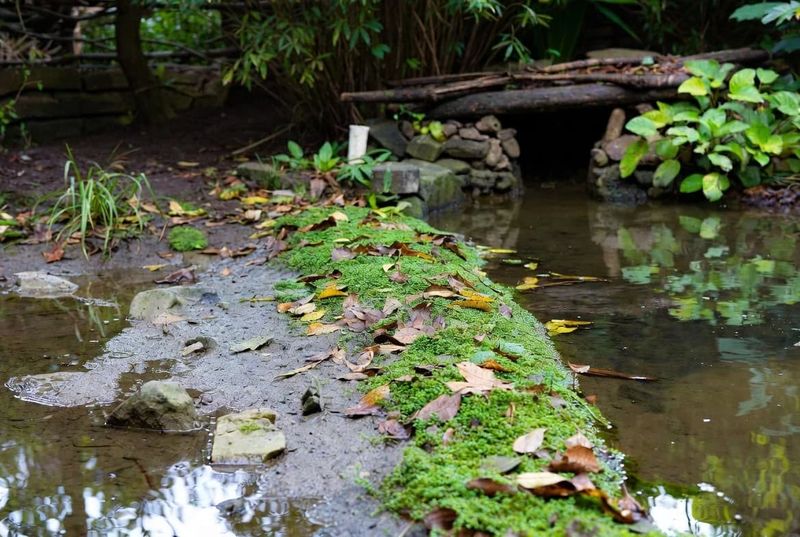
Amphibian skin does not work like mammal skin. It must stay moist for normal gas exchange, meaning toads lose water through their skin continuously and must find damp resting spots to offset that loss.
That same permeability means pollutants, including pesticide residues, dissolved fertilizers, and runoff contaminants, can enter a toad’s body more readily than they would for an animal with thicker or drier skin. NC State Extension specifically identifies this skin permeability as a reason amphibians are more sensitive to environmental changes than many other backyard animals.
When sightings drop without a weather explanation, walk the yard and look for physical changes to cover and moisture. Check whether damp leaf litter still exists under shrubs and along bed edges, or whether it was raked out or blown away.
Look for logs, flat rocks, and brush piles. If they were removed during a cleanup, that shelter is gone.
Scan for newly installed landscape fabric, fresh gravel, or compacted soil from foot traffic or equipment. Grading changes and new drainage infrastructure can redirect surface moisture away from areas that previously stayed reliably damp.
Each of these possibilities is distinct. A yard that lost its leaf litter has a cover problem.
A yard that was regraded has a moisture-distribution problem. A yard with compacted soil has a soil-structure problem.
NC State’s pools-for-amphibians guidance supports loose soil, leaf litter, logs, and rocks as habitat features, but none of these point to a single diagnosable soil deficiency from toad absence alone. Treating each possibility separately helps you identify what actually changed rather than making a broad assumption about overall yard quality.
Breeding water can draw toads beyond the garden
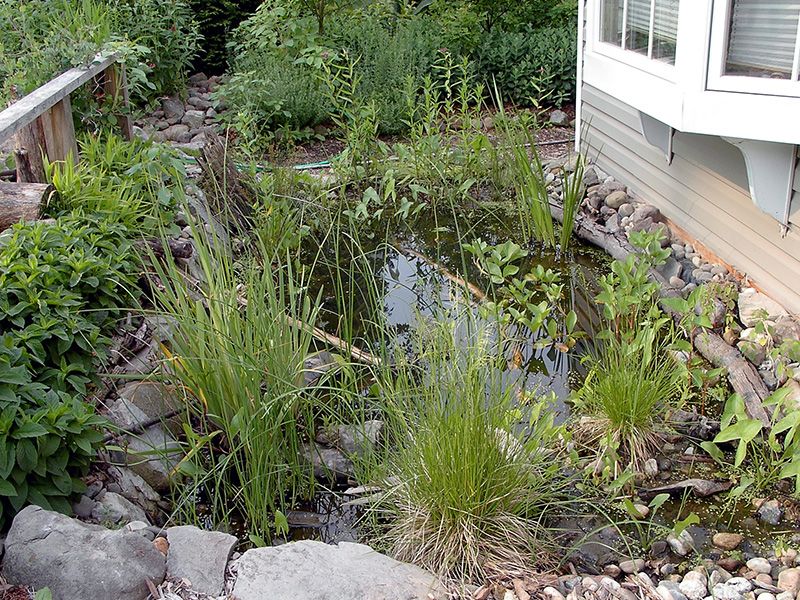
A garden visit from a toad does not mean that animal lives exclusively in that spot. American toads are primarily terrestrial for most of the year, but they travel to ponds and pools to breed, sometimes covering considerable ground to get there.
The NC Wildlife American toad profile documents that individuals may move from a few yards to as far as a mile to reach suitable breeding water. A toad that appeared regularly in spring and then vanished by early summer may simply have followed that seasonal pull toward water, not toward the edge of its range.
A garden sighting does not tell you whether the animal died, relocated, or remains somewhere nearby. Those possibilities cannot be separated from a single yard.
What the sighting pattern can prompt is a check of the surrounding landscape: has a nearby pond, wet ditch, roadside puddle, or drainage area changed? Construction, grading, or new impervious surfaces can eliminate breeding habitat that drew toads through a yard seasonally.
If that water is gone, movement patterns through your garden may shift even if the yard itself is unchanged.
NC Wildlife and NC State Extension both support fishless water features as useful habitat, but the design matters. A small dish of water on a patio provides a soaking or drinking spot for an adult toad; it is not breeding habitat and should not be presented as a substitute.
Reproduction generally requires an appropriate aquatic environment. NC State’s pools guidance describes safe water-feature basics: shallow entry and exit slopes so animals can get in and out easily, a mix of sunny and shaded areas, nearby terrestrial cover, and no fish, because fish consume amphibian eggs and larvae.
Fertilizer and polluted runoff should be kept out of any water feature intended to support wildlife.
A chemical change calls for a runoff audit, not a quick accusation
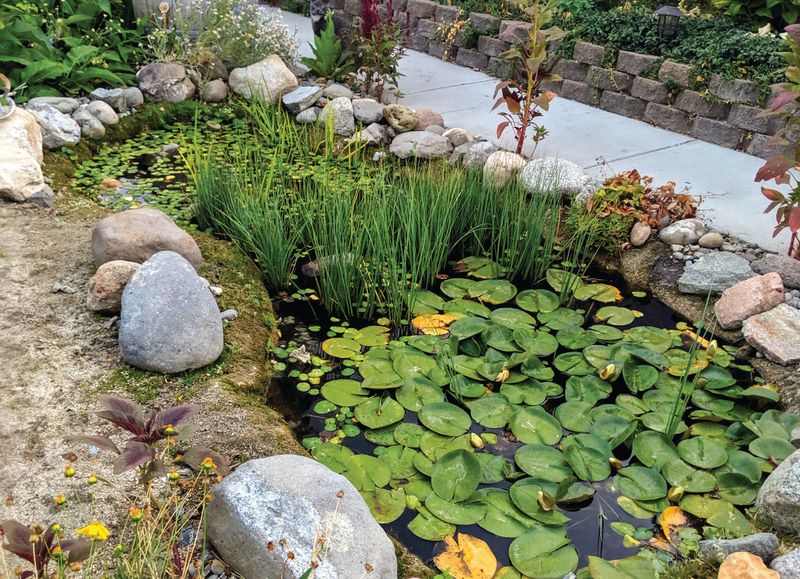
Pesticides and fertilizers do not automatically harm toads, but the risk is real and depends on several variables: the specific product, its concentration, how it was applied, whether it reached amphibian habitat through drift or runoff, the timing relative to weather, and the life stage of any toads present. Eggs and juveniles are generally more vulnerable than adults.
Claiming that any single application caused toads to disappear overstates what can be known from a yard observation alone. But dismissing chemical exposure as a possibility is equally unjustified, particularly when applications coincided with the drop in sightings.
Start with a timeline review. List every insecticide, herbicide, fungicide, fertilizer, mosquito-control treatment, or lawn-service application made in the weeks before sightings dropped.
Then trace the physical path that water takes across the yard after rain. EPA’s ecological risk assessment overview identifies runoff, drift, and direct dermal contact as relevant exposure routes for amphibians and reptiles.
Check whether spray drift or runoff from treated beds, lawns, driveways, or gutters could reach a puddle, ditch, storm drain, or any water feature where toads rest or breed.
NC State Extension recommends using herbicides, insecticides, and fertilizers only when genuinely needed, in the smallest effective amounts, well away from water and storm drains, and strictly according to the label directions. Never apply before a heavy rain is forecast, as runoff concentrations can spike significantly.
Avoid assuming that a product labeled as “natural” or sold over the counter is automatically safe for amphibians, because natural compounds can still be toxic at sufficient concentrations or exposure routes. Reducing unnecessary chemical use across the yard is one of the most straightforward adjustments available and does not require diagnosing what specifically caused a change in toad activity.
Missing toads do not prove a pest outbreak

Toads are insectivores. They eat beetles, moths, slugs, earwigs, and a range of other invertebrates, and gardeners often credit them with keeping pest populations in check.
That reputation is understandable, but the relationship between toad presence and actual pest damage in a garden is more complicated than a simple cause-and-effect.
A 2026 study of American toads in a vegetable agroecosystem found no measurable reduction in plant damage and no increase in kale productivity in the system it tested. The researchers noted that pest-control benefits likely depend on the pest’s size, movement patterns, nighttime activity, location within the crop structure, and other context-specific factors.
That result applies to the specific conditions tested and does not establish what happens across every garden, crop combination, or pest community. Toads still eat insects; the study simply found no detectable plant-protection benefit in that particular setup.
For a homeowner, the practical takeaway is to observe actual pest damage rather than inferring pest pressure from toad sightings. If plants look healthy, that is a more reliable signal than the presence or absence of any single predator.
If damage does appear, identify the specific pest before reaching for a control product, since broad-spectrum insecticides can reduce the invertebrate food supply that toads depend on. Treating a yard for pests that have not been confirmed, based on the assumption that missing toads must mean more insects, adds chemical exposure without a clear benefit.
Restore a connected refuge and let wild toads choose it
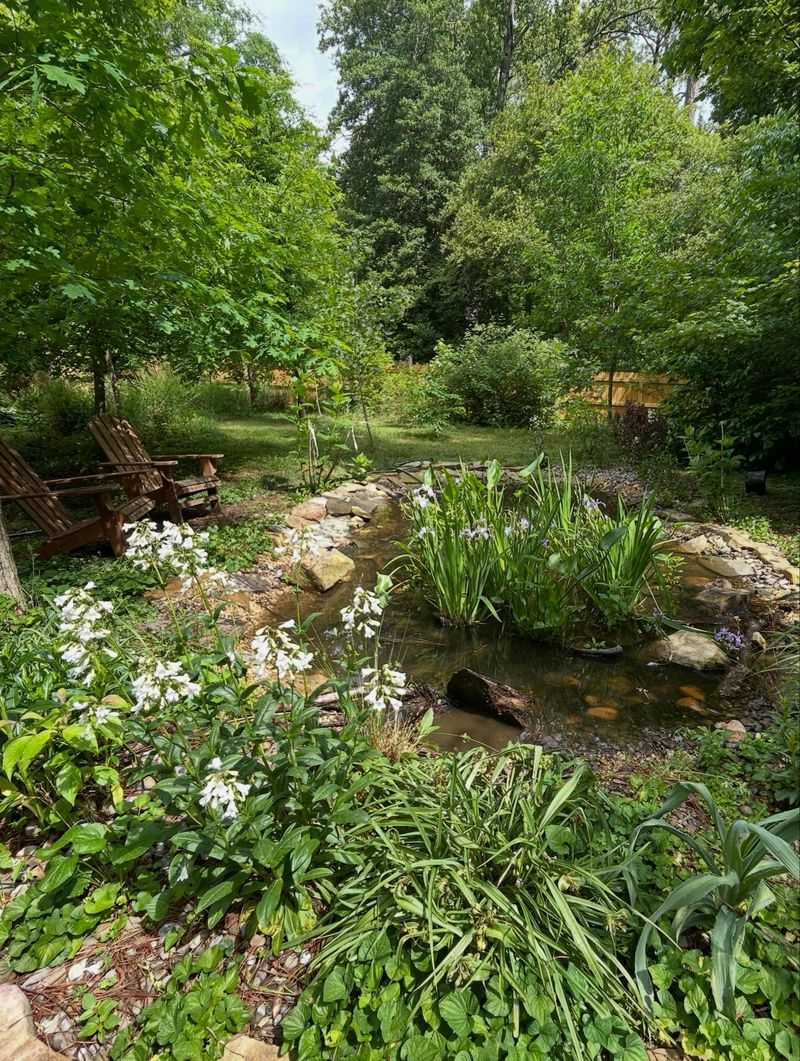
Once the inspection is done, stewardship improvements are more productive than waiting or worrying. The goal is to make the yard a place that toads can use if they are in the area, not to guarantee their return on a schedule.
Habitat work that reduces disturbance and chemical exposure is worthwhile regardless of whether a specific animal ever shows up again.
Retaining or restoring damp leaf litter under shrubs and along bed edges is one of the lowest-effort changes available. Add flat rocks, a small brush pile, or a few short sections of log to shaded corners where moisture persists longest.
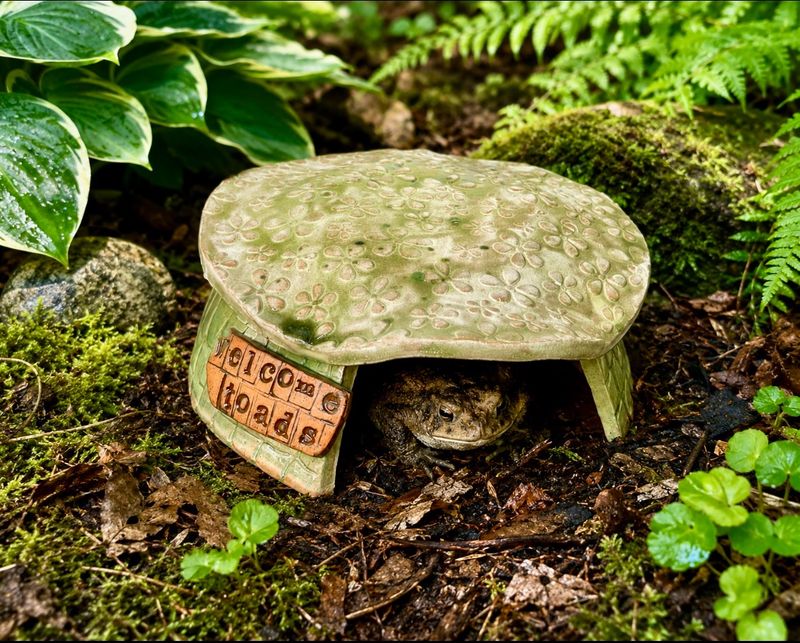
Native plants support a wider range of invertebrates and tend to hold moisture better at the soil surface than heavily groomed beds. NC State Extension recommends these features explicitly, along with amphibian houses placed in shaded, damp spots.
It also cautions that arrival after installing a shelter can take months or longer and depends partly on how close other suitable habitat is. Do not expect immediate results.
If a water feature is feasible, NC State’s pools guidance describes the key design elements: no fish, shallow entry and exit areas on at least one side, a mix of sun and shade, clean water free of fertilizer and polluted runoff, and terrestrial cover close by. Keep the feature as clean as possible without using chemicals.
One critical rule applies to the animals themselves: do not collect toads, tadpoles, or any other amphibians from elsewhere and release them in the yard. NC State Extension is explicit on this point, advising that wild herps should never be moved into a yard and that amphibians should be allowed to arrive on their own.
Moving animals can spread disease, stress individuals, and interfere with local populations in ways that are difficult to predict or reverse.
A cluster of sick or dead amphibians changes the response
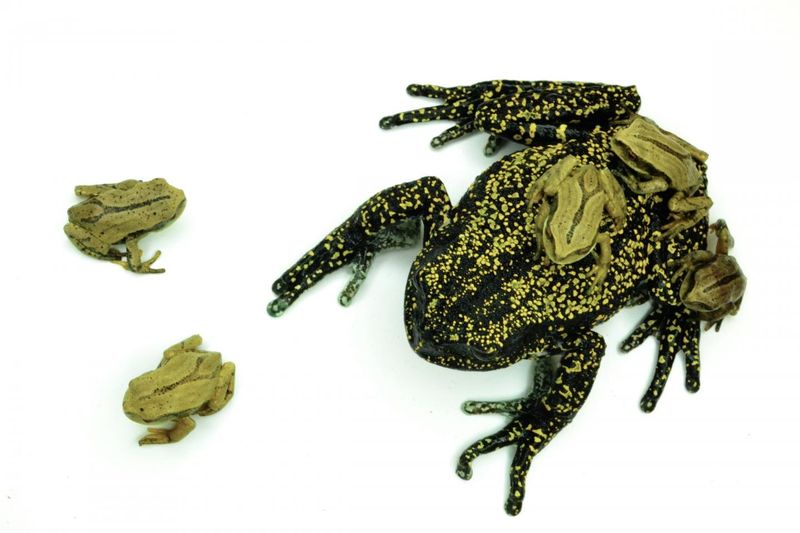
Reduced sightings over several weeks are different from finding multiple sick or dead amphibians in a short period. The first situation calls for a habitat inspection.
The second calls for a different response entirely, one that involves reporting rather than treating.
Signs that warrant escalation include clusters of dead or visibly ill toads, animals with ulcers, reddened or swollen skin, unusual posture, or obvious distress, especially when several appear in the same location within days of each other. The National Park Service recommends reporting suspected amphibian die-offs to USGS or the local wildlife department rather than attempting to handle or treat the animals.
Do not pick up sick amphibians with bare hands, apply disinfectants or home remedies, or attempt any field diagnosis. Disease identification in amphibians requires expertise and laboratory analysis that cannot be replicated in a yard.
USGS tracks amphibian diseases including chytrid fungus and ranavirus, both of which can cause rapid mortality events. These are distinct from the ordinary fluctuations in backyard sightings that most homeowners experience.
Keeping those categories separate matters: an isolated absence, a seasonal low, and a confirmed mortality cluster each require a different level of response. Treating a normal seasonal dip as a possible disease event adds unnecessary anxiety, while dismissing a genuine die-off as a routine sighting gap delays a report that wildlife managers may need.
Inspect first, improve the yard carefully, and avoid overreading one absence
The practical sequence for any North Carolina gardener who notices fewer toads starts with observation, not action. Check after dark on warm, wet evenings before concluding anything has changed.
If nighttime searches over several weeks still turn up nothing, move through the habitat checklist: moisture levels and irrigation history, damp shelter like leaf litter and logs, physical changes from grading or mulch removal, nearby breeding or drainage habitat, and any recent chemical applications or runoff pathways.
NC State Extension and NC State’s pools guidance together support restoring cover, reducing chemicals, and improving any water features as reasonable stewardship steps. None of these changes carry a guarantee of return, and none of them substitute for reporting if multiple sick or dead animals appear.
One garden’s sighting gap cannot establish a statewide trend, a pest forecast, or a formal environmental problem. North Carolina’s American toad populations are described as relatively healthy overall, even as some amphibian species show evidence of decline statewide.
Local visibility does not translate directly to either conclusion.
Missing toads are most useful as a prompt to pay closer attention to the yard’s small details: the dampness under a log, the path water takes after rain, the label on a product stored in the garage. Patient, low-disturbance care tends to serve native wildlife better than reactive fixes, and the yard that keeps its leaf litter and skips unnecessary spraying is already doing most of the work.