
What Your Curling Tomato Leaves Are Trying To Tell You: 8 Causes And A Fix For Each
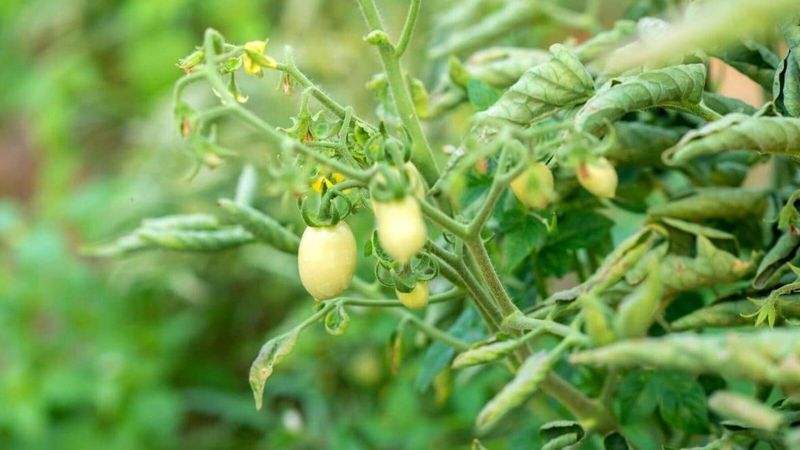
Tomato plants can’t talk, but their leaves sure can. When those leaves start twisting, cupping, or rolling up like little green scrolls, your plant is waving a flag and asking for help. The tricky part is that curling can mean a bunch of different things, and each one needs its own fix. Learn to read the signals and you can catch trouble early, long before it costs you a summer’s worth of homegrown tomatoes.
1. Heat and Sun Stress
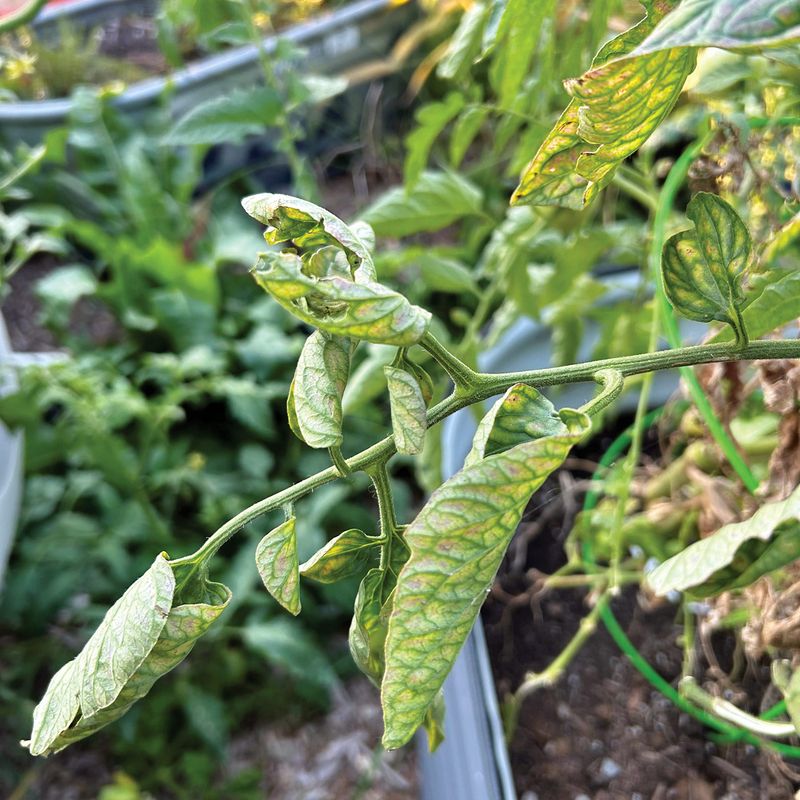
Picture a scorching August afternoon in your backyard, sun blazing straight down on the tomato patch. When temperatures push past the mid 90s, tomato leaves often roll upward and inward, curling their edges toward the center like a taco shell.
That rolling is actually a clever defense move. By folding up, the leaf shrinks the surface area exposed to the sun and holds onto precious moisture instead of losing it to the hot air.
The good news is this type of curl usually looks worse than it is. The leaves stay firm and green, and they tend to relax again once the day cools off.
To ease the strain, set up a bit of afternoon shade using shade cloth or even an old bedsheet propped on stakes during the hottest hours. A thick layer of straw or shredded leaf mulch around the base keeps roots cooler and steadier too. Skip the temptation to douse the plant with extra water at midday, since that rarely fixes heat curl and can invite other problems.
2. Inconsistent Watering
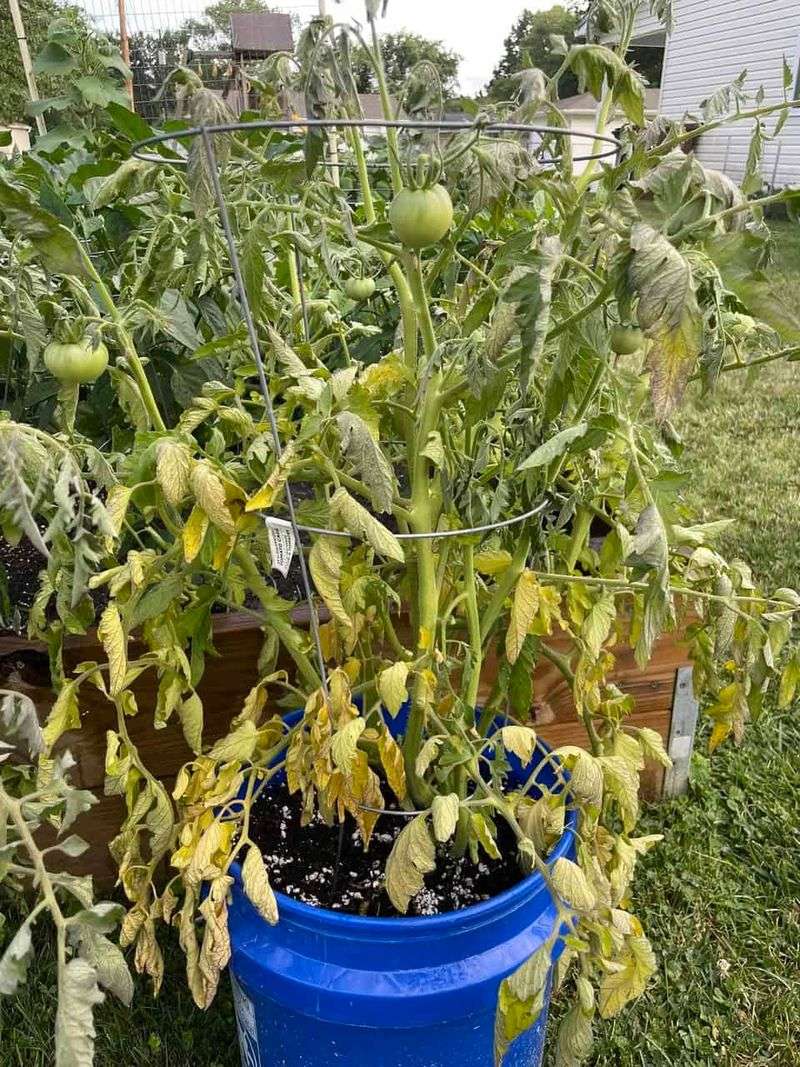
Tomatoes are creatures of habit, and nothing rattles them like a feast-or-famine watering routine. Let the soil bake bone dry for days, then flood it, and the roots get whiplash that shows up as curled, stressed foliage.
When water runs short, leaves fold up to conserve what little moisture remains. Swing too far the other way with soggy soil, and roots struggle to breathe, which also twists the leaves out of shape.
The fix is steadiness rather than volume. Aim for a deep soak once or twice a week so moisture reaches down where the roots live, instead of quick daily sprinkles that only wet the surface.
Stick a finger a couple inches into the soil before watering. If it feels damp, wait a day. A generous mulch layer smooths out the wet-dry rollercoaster by holding moisture between waterings, and containers especially benefit since they dry out fast in summer heat.
3. Herbicide Drift Damage
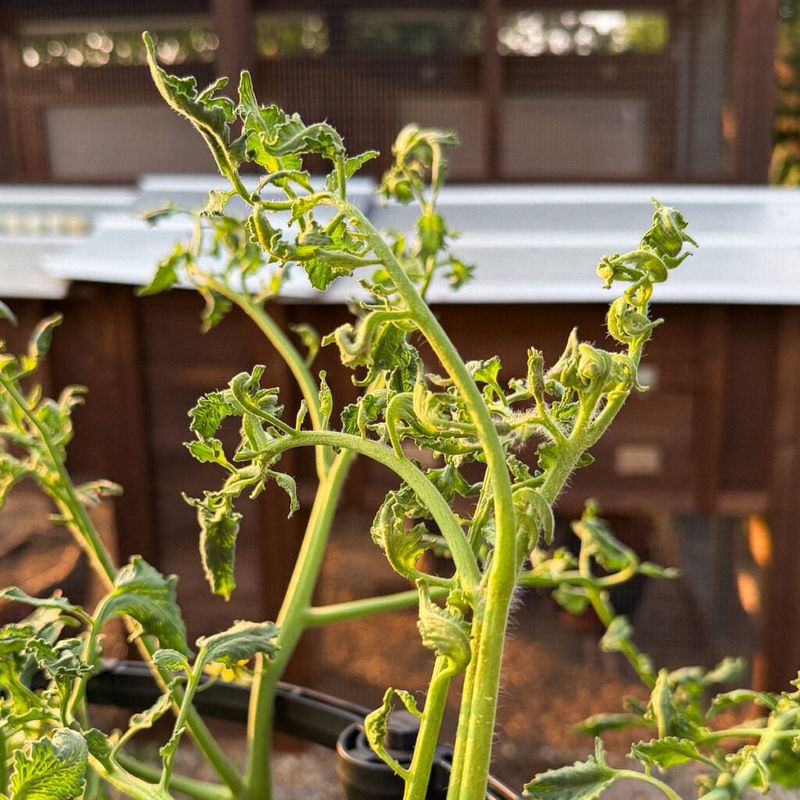
Here’s a sneaky culprit that catches a lot of gardeners off guard. If your neighbor sprayed weed killer on their lawn, or you used grass clippings or straw treated with certain herbicides, drifting chemicals can twist your tomato leaves into strange fern-like shapes.
Unlike heat curl, herbicide damage warps the newest growth at the tips, making stems bend and leaves cup or thread out in odd ways. The distortion often looks almost cartoonish, with cupped, wrinkled foliage that doesn’t match anything a bug or drought would cause.
Recovery takes patience. Cut back on nothing and simply give the plant clean water, since flushing the soil may help dilute lingering residue over time.
Going forward, keep mulch and compost sources trustworthy, avoid grass clippings from treated lawns, and pick calm, windless days if anyone nearby is spraying. Lightly affected plants often push out normal leaves once the chemical works its way through, though heavily hit ones may need replacing.
4. Viral Infections
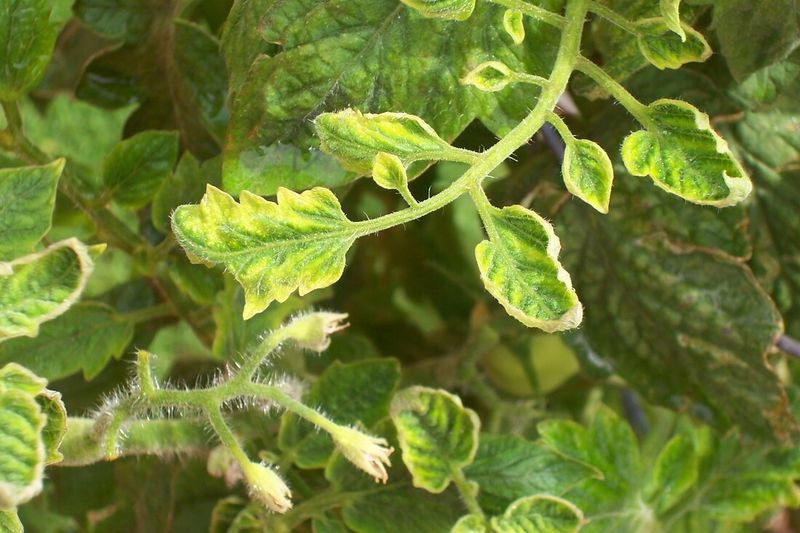
Not every curl comes from the weather or your watering can. Certain viruses, like tomato yellow leaf curl and mosaic virus, hijack a plant and leave its leaves crumpled, yellow-streaked, and stunted.
Telltale signs set viruses apart from the harmless stuff. You’ll often spot mottled coloring, weirdly small new leaves, and growth that just stops making sense, all clustered on one plant while its neighbors look fine.
Sadly, there’s no cure once a virus takes hold. The kindest move for the rest of your garden is to pull the sick plant and toss it in the trash, never the compost pile, so the infection can’t spread.
Prevention is where you win this battle. Whiteflies and aphids carry these viruses from plant to plant, so keeping those pests in check may reduce your risk. Choosing resistant tomato varieties and washing your hands and tools between plants adds another layer of protection.
5. Aphid and Whitefly Feeding
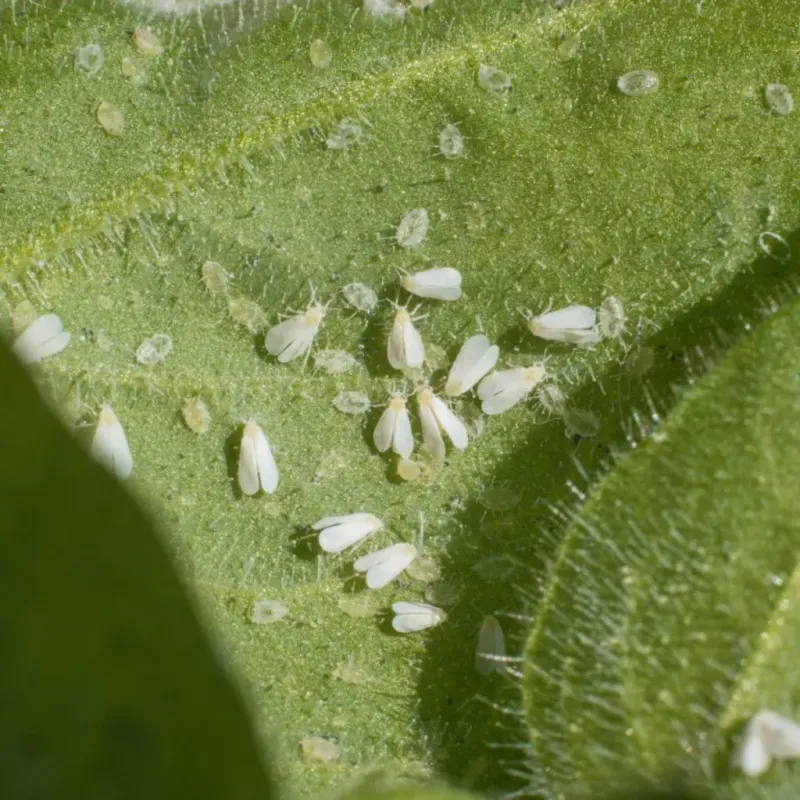
Flip a curled leaf over and you might find the real troublemakers hiding underneath. Aphids and whiteflies gather on the soft undersides of leaves, sipping plant juices and leaving foliage puckered, cupped, and sticky.
The curling happens because these tiny insects drain sap faster than the leaf can handle, plus they leave behind a sugary goo called honeydew that draws ants and sooty mold. A gentle shake of the plant that sends up a cloud of little white flyers is a dead giveaway.
Blasting the undersides of leaves with a strong spray of water knocks a lot of them off. For stubborn colonies, a spritz of insecticidal soap or neem oil can help knock the population down, applied in the cool of early morning or evening.
Inviting ladybugs and lacewings into your garden gives you free, hungry allies that feast on these pests all season long.
6. Overpruning and Handling
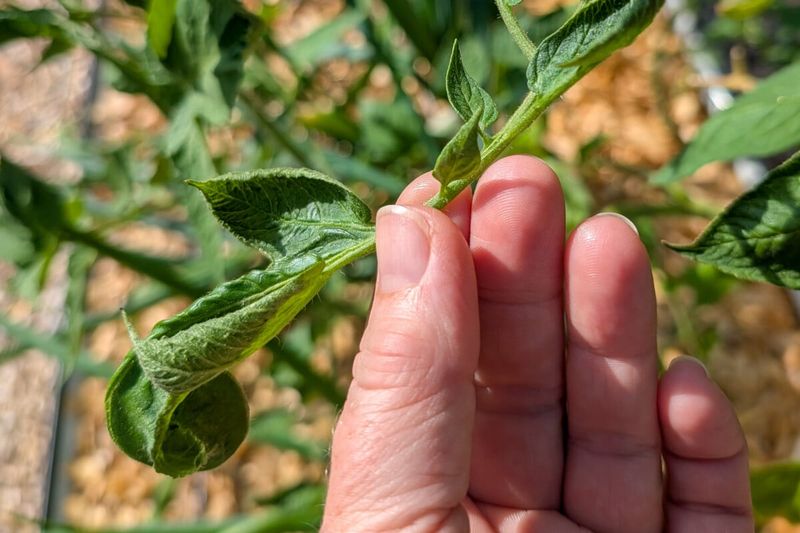
Sometimes we love our tomatoes a little too much. Snipping away too many leaves and suckers at once shocks the plant, and the remaining foliage may curl as it scrambles to cope with the sudden change.
A tomato uses its leaves to make food and shade its own fruit. Strip away a big chunk in one session and you throw off that balance, leaving the plant stressed and the leaves twisting in protest.
Ease off the shears and let the plant settle. Prune in small doses, removing only a few suckers or damaged leaves at a time rather than giving it a full haircut on a single afternoon.
Rough handling during staking or tying can bruise stems and trigger curling too, so work gently. New growth usually straightens out within a week or two once the plant recovers its footing.
7. Nutrient Imbalance
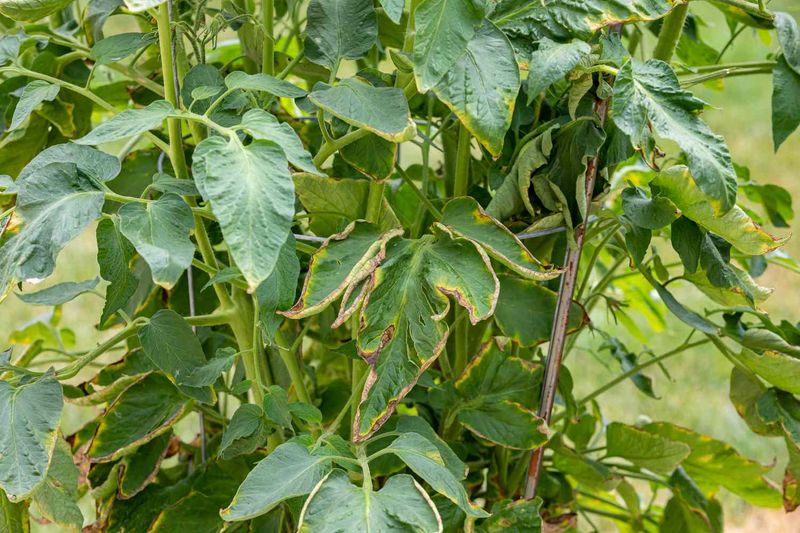
A hungry tomato speaks up through its leaves. When key nutrients run short, or when there’s too much of one thing, foliage can curl, discolor, and lose its healthy shape.
Too much nitrogen, for example, pushes fast, floppy growth where leaves cup downward and feel leathery. A shortage of things like calcium, magnesium, or potassium shows up as curling paired with yellowing edges or odd color patches between the veins.
Getting the diagnosis right helps you avoid throwing random fertilizer at the problem, which often makes matters worse. A simple soil test takes the guesswork out and tells you exactly what your bed is missing.
Feed with a balanced tomato fertilizer rather than a nitrogen-heavy lawn product, and work in compost to keep nutrients steady and gentle. Correcting the soil sets the stage for flat, vigorous leaves and a better harvest.
8. Transplant Shock
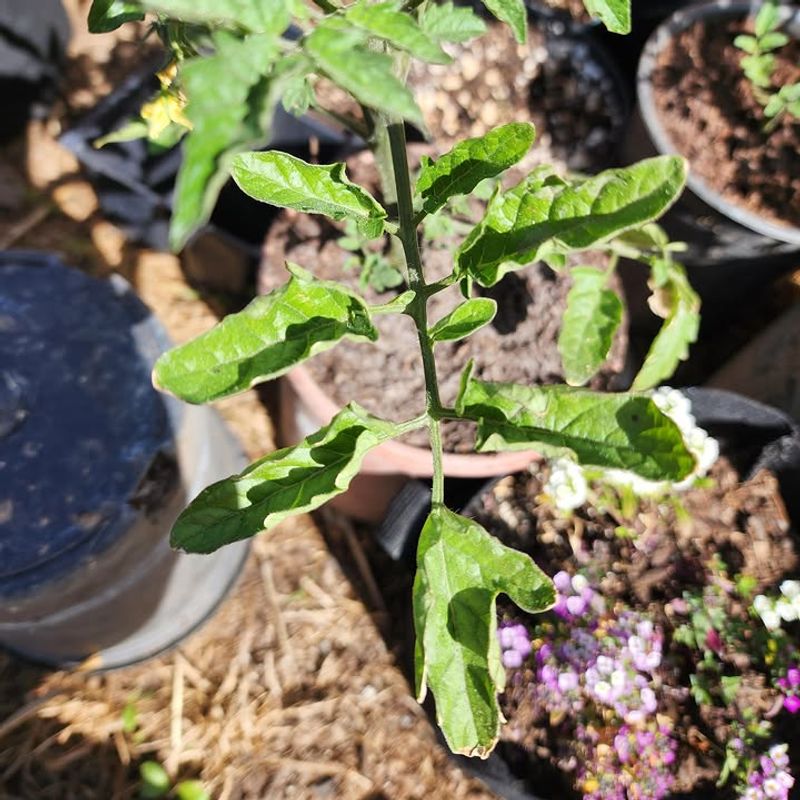
Moving day is stressful for tomatoes just like it is for us. A seedling yanked from its cozy pot and plunked into a new bed often responds with curled, droopy leaves while its roots find their bearings.
The upheaval is temporary. Roots need a little time to spread out and reconnect with their new home, and until they do, the plant conserves energy by folding its leaves.
Give a young transplant a smooth landing to keep the shock mild. Harden seedlings off by setting them outside for gradually longer stretches over a week before planting, so the jump isn’t so jarring.
Water them in well right after planting, plant on a cloudy day or in the evening to dodge harsh sun, and resist fussing over them. Most transplants perk up and unfurl within several days once they feel settled in the ground.