
When to Cut Back Asparagus in North Carolina: Let the Foliage Turn Brown First
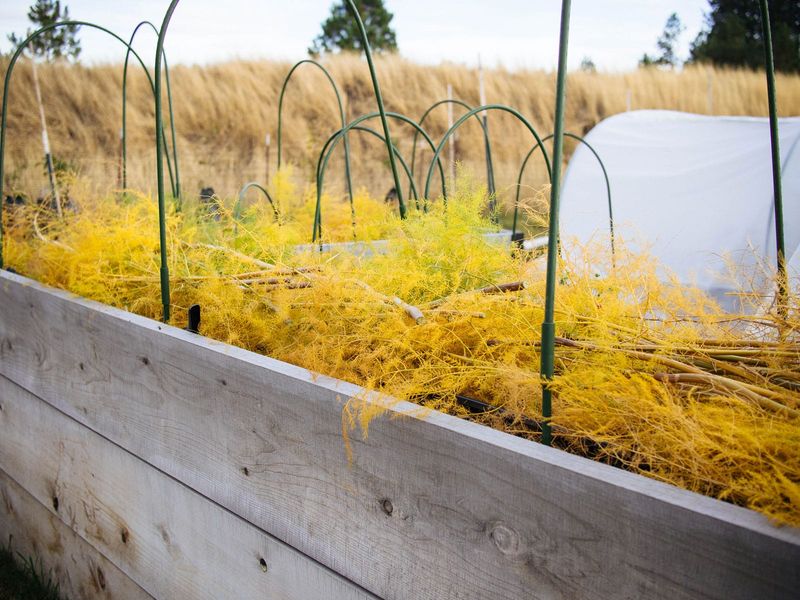
Asparagus ferns look tidy to cut when fall gets chilly, but your plants are still working. Under that feathery green growth, the crowns are stocking up for spring.
Knowing the right cue for cleanup keeps your bed healthy and your fall chores simple. Here is what North Carolina gardeners should watch for.
Wait for Brown Foliage, Not the First Freeze
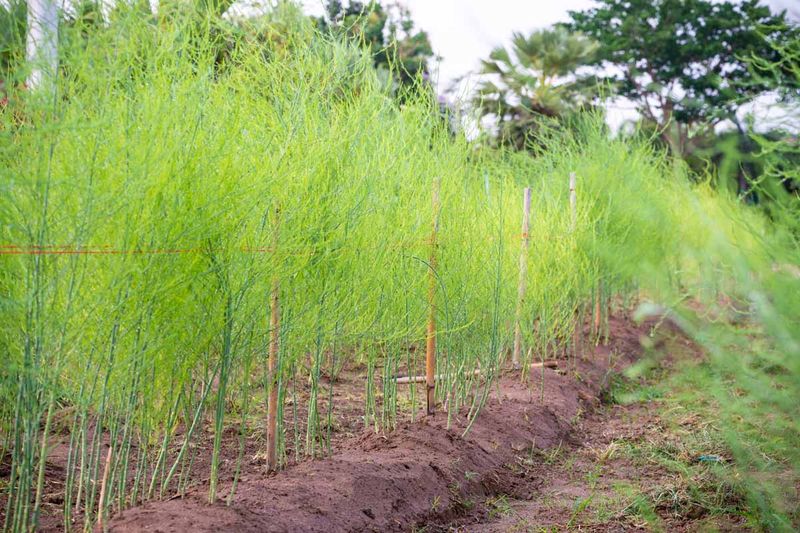
Many gardeners hear that asparagus should be cut down before the first freeze, and it sounds sensible. But the freeze is not the signal to watch.
The signal is the plant itself: wait until the foliage turns brown, then cut it.
North Carolina Extension guidance, including a home garden asparagus guide from Pamlico County, warns that cutting ferns before frost can reduce the next year’s spear crop. It recommends waiting until they turn brown instead.
A calendar date or a cold forecast tells you very little about what your plants are doing.
In our state, ferns typically brown from late fall to early winter, according to NC State Extension’s crown production publication. The exact timing shifts with where you live and what the weather does.
A bed near the coast, where frosts arrive later, may stay green well after a bed in the mountains has gone tan.
So skip the date on the calendar. Walk out to the bed every week or two in November and look at the ferns.
Green or yellow-green means the plants are still active. Mostly tan or brown, with brittle stems, means they are ready for the next step.
If a frost nips the tips and some green remains, you can relax. Give the ferns more time rather than hurrying to clear them out.
Why Green Ferns Need Time to Age
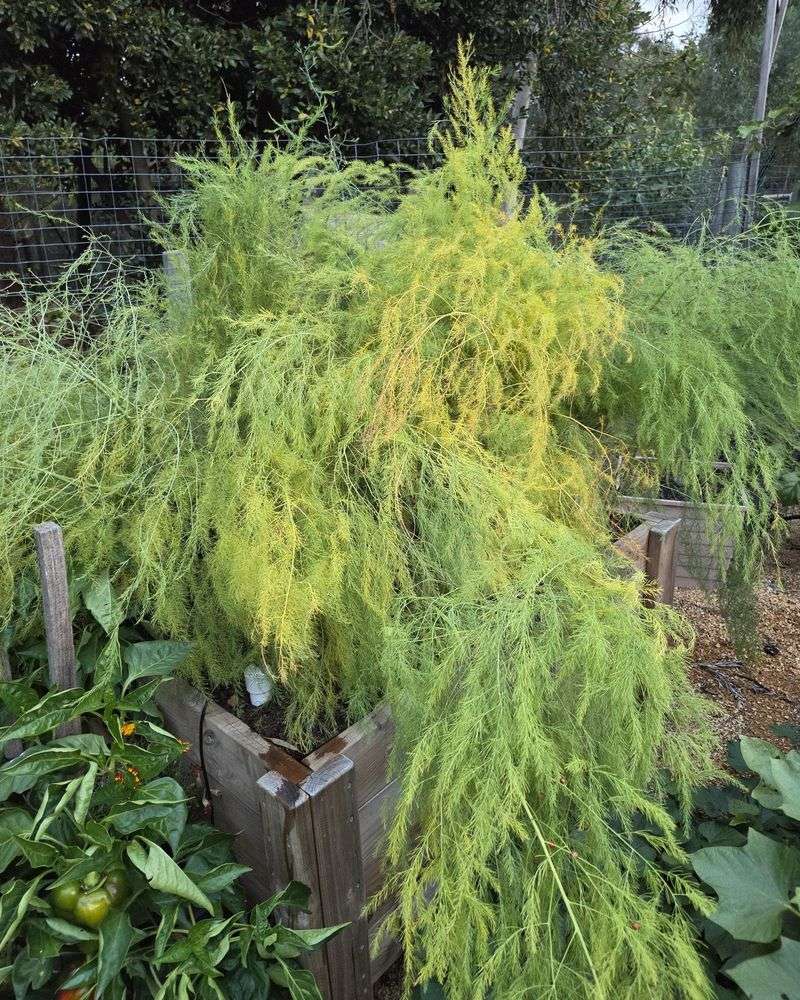
Think of asparagus ferns as solar panels that charge the crowns underground. All summer and fall they gather energy.
As they age and fade, they keep moving nutrients down into the crowns, and those stored reserves help support growth later.
That is why cutting green ferns early can backfire. The Pamlico County guide says cutting before frost can shrink the following year’s crop.
Guidance from University of Georgia Extension also points to waiting for the foliage to brown before removing it.
Picture a gardener in the Piedmont who gets antsy after an early cold snap and shears the bed in October. The ferns were still yellow-green, so the crowns lost some of their refill time.
Letting them fade fully is the safer path.
There is an honest limit here. Letting ferns brown on their own protects the plant’s natural process, but it does not promise a certain spear size or a bigger harvest.
Many things shape a spring crop, including the age of the bed, soil, water, and how you harvested.
Treat the waiting as a way to avoid a mistake, not a way to buy a result. You are simply not interrupting work the plant is still doing.
Cut Down and Remove Brown Foliage
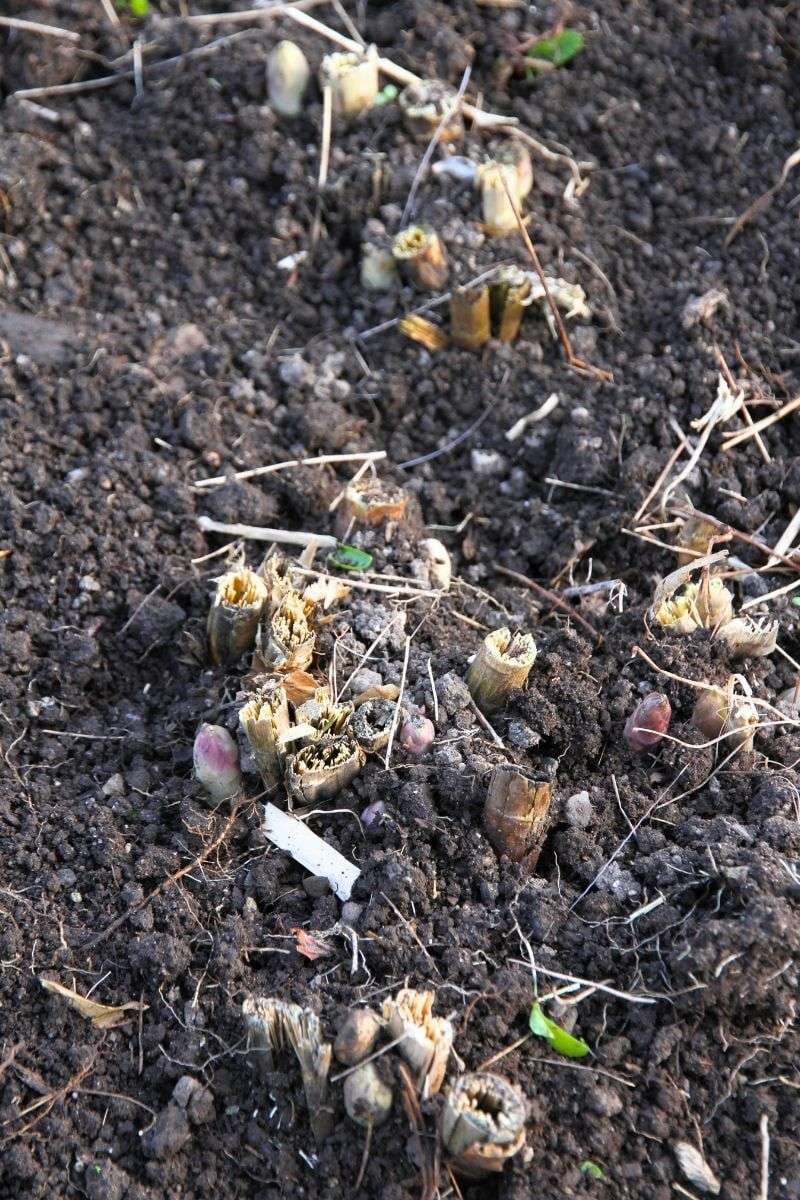
Once the foliage has gone brown and brittle, it is time for the main chore. Cut the stems down near the soil and take the debris out of the asparagus bed.
This matches the home garden guidance from the NC Cooperative Extension asparagus article.
There is a pest reason to do it, too. NC State Extension’s pest guide reports that asparagus beetles overwinter in sheltered spots, including old plant stems.
The UC Statewide IPM Program names old asparagus ferns as one of those hiding places.
Clearing the bed takes away some of those shelters, so cleanup can reduce the number of beetles that carry over to spring. It will not wipe them out, and it will not end disease worries.
Think of it as one helpful habit among several.
Use sharp pruners or loppers and cut close to the ground without nicking the crowns. Dry the stems out of the bed and bag them for yard waste pickup, or take them to a drop-off site if your town offers one.
Please do not burn the debris. Burn rules vary by county and town, so check your local rules for disposal.
Late-Winter Cleanup Is Also an Option
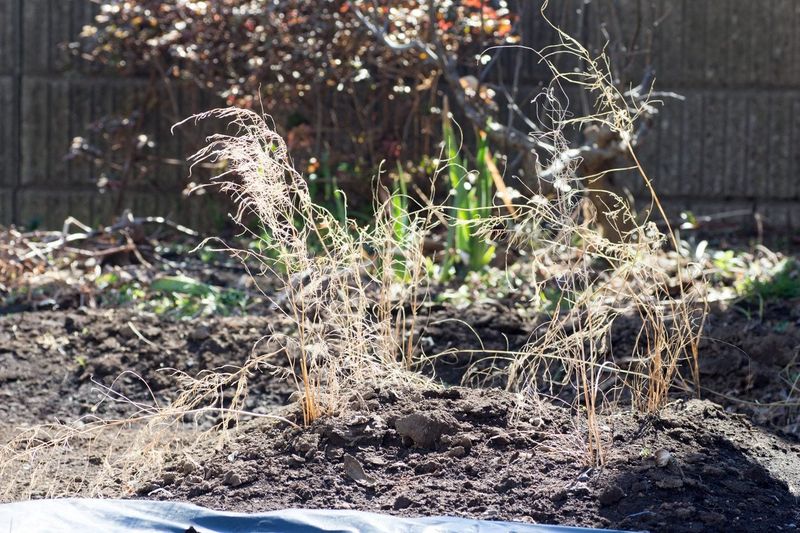
Some gardeners cannot get to the bed in November, and others like the look of standing stems in winter. You are fine either way.
Clemson Extension and University of Georgia Extension both describe cutting and removing brown foliage in late winter, before new spears come up.
The NC home garden guidance in the Pamlico County article leans toward cutting and removing brown ferns, so the sources differ a little on timing. What they share is the point that matters: wait for browning, then clear the old growth before spears emerge.
Here is how it plays out. Say your ferns browned in December and you left them.
In mid to late February, before the first spears poke up, you cut the stems and haul them away. The bed is ready, and you did not disturb any new growth.
Set a reminder, because spring can arrive fast in the Coastal Plain and the Piedmont. Cutting through emerging spears is a hassle and can damage them.
This option is only for foliage that is already brown. It is not a license to cut green ferns, and it does not mean old debris can sit in the bed all season.
Thin Spears Do Not Prove You Cleaned Up at the Wrong Time
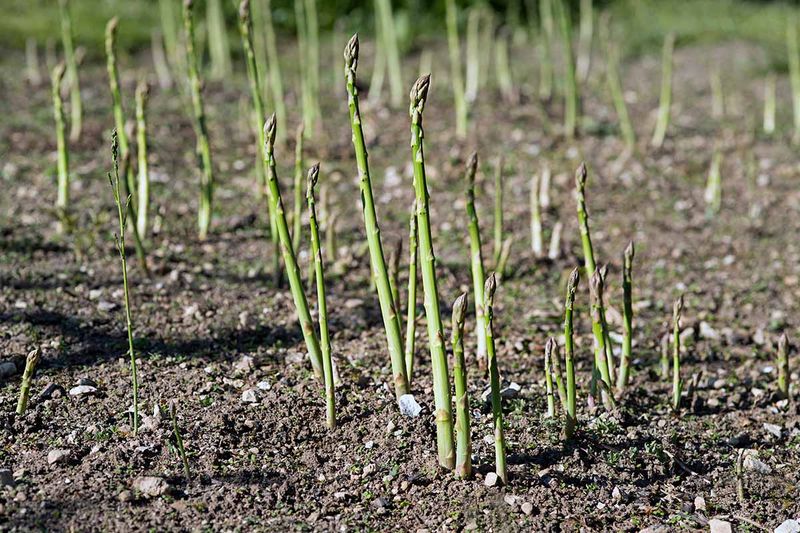
Picked up a handful of pencil-thin spears this April? Do not blame your fall cleanup right away.
Spear size comes from many things, and the timing of one chore cannot explain it by itself.
How long you harvest matters a great deal. NC Cooperative Extension in Wayne County cautions that harvesting too much or too early weakens plants and can lead to small spears.
A young bed picked hard in its first couple of seasons is a common example.
Plant vigor, soil fertility, drainage, weeds, and weather also play a part. A crowded or waterlogged bed may struggle no matter when you cleared the ferns.
University of Georgia Extension advises stopping the harvest once spears turn spindly and smaller. That is the plant telling you to let the ferns grow and recharge.
If your spears look thin, use a short checklist. Did you harvest longer than the bed could handle?
Is the bed old, weedy, or soggy? Did the ferns get enough time to grow through summer?
Letting ferns brown before you cut is still good practice. Just treat it as one piece of good care, not the single cause of a thin crop.
Keep Asparagus Cleanup Specific to the Bed
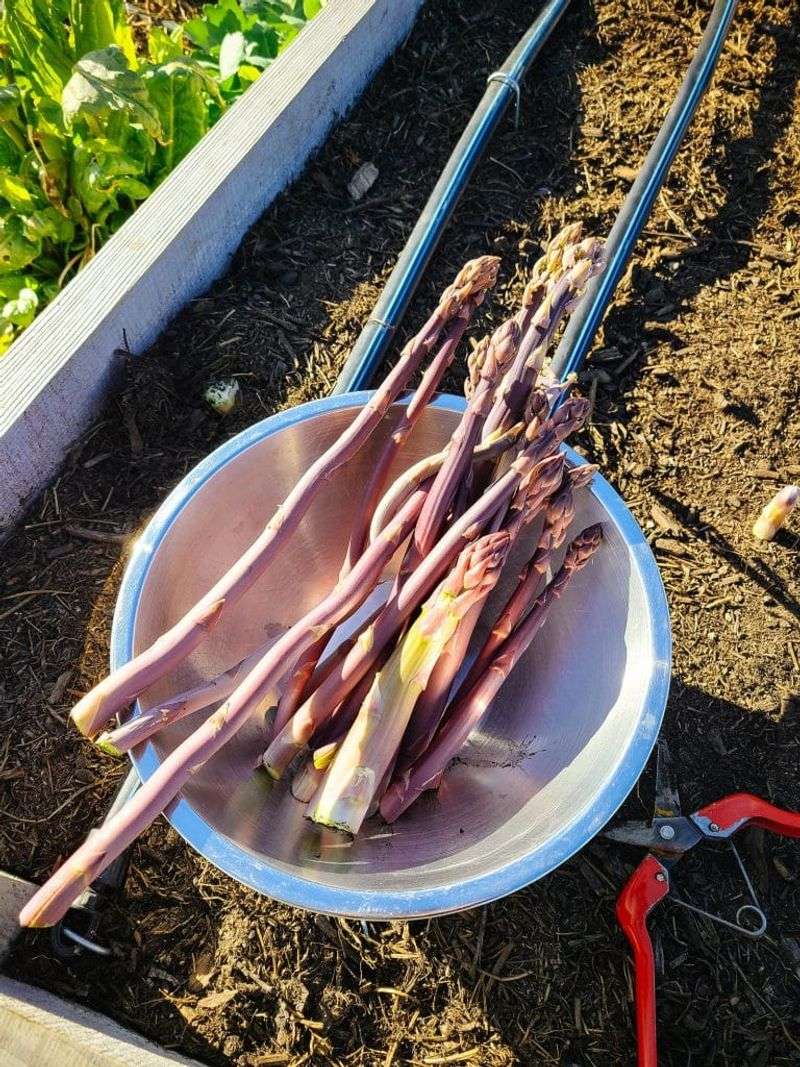
Your plan is simple. Leave green ferns alone, cut them once they turn brown, or clear brown foliage in late winter before spears emerge.
Keep that cleanup inside the asparagus bed. The National Park Service encourages leaving leaves and some stems as winter habitat, and that advice still fits under your shrubs and along borders.
Asparagus is different because old ferns can shelter asparagus beetles.
Tidy bed care is good practice, as the NC Extension asparagus guide suggests, but it cannot promise thick spears. A bare bed beside a lively, leafy yard is a fair trade.