
11 Flowers That Wait Until Dusk To Open, And You Can Watch Every Petal Move
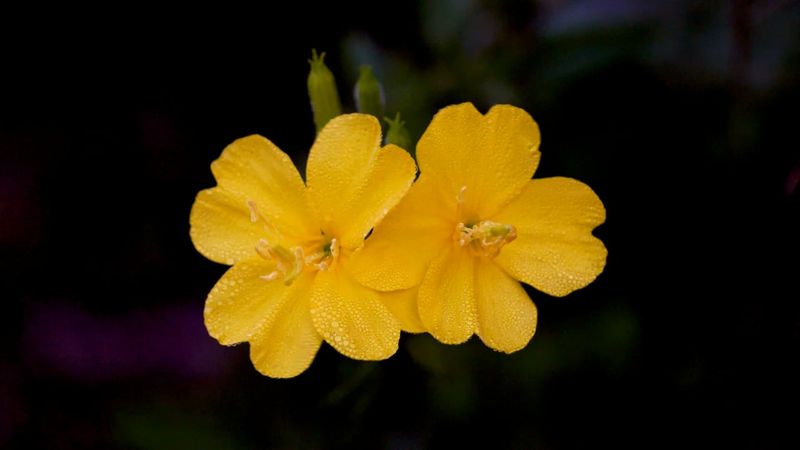
Most gardeners head inside just as some of the best flowers are getting ready to wake up. A handful of plants keep their blooms shut all day, then slowly twist, swell, and pop open as the sun goes down.
Grab a lawn chair and a glass of lemonade, because with the right plants you can watch petals move in real time. Here are 11 evening bloomers that turn your backyard into a nightly show, plus simple tips to keep them blooming.
1. Four O’Clock (Mirabilis jalapa)
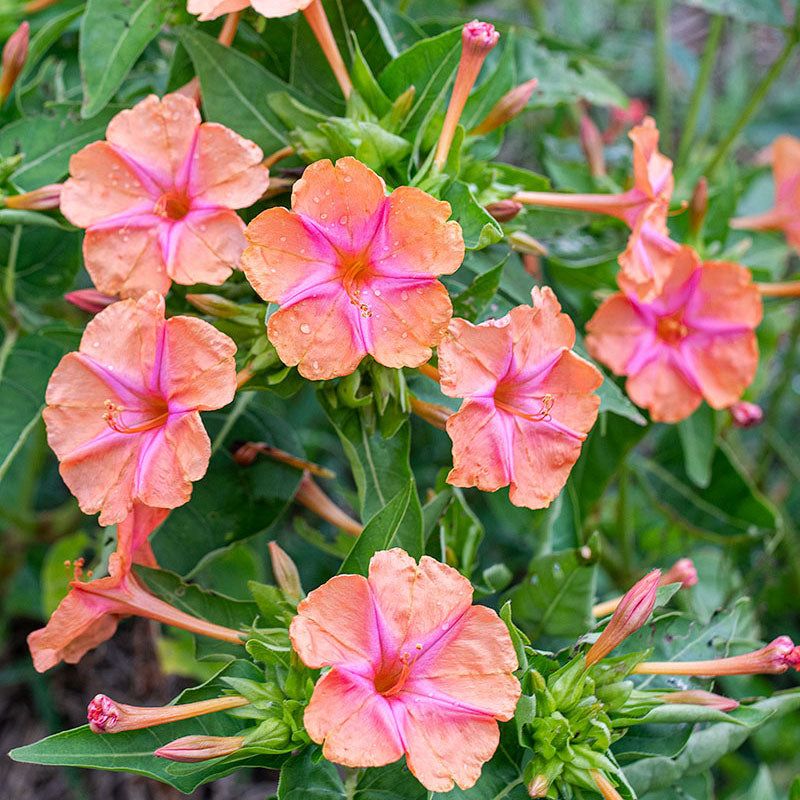
Grandma’s garden probably had a patch of these, and for good reason. Four o’clocks are so dependable about their schedule that people once joked you could set a clock by them.
Around late afternoon, the tightly rolled trumpets start to loosen and flare.
On cloudy or rainy days, they often open early, so a gray afternoon can surprise you. One plant can carry magenta, yellow, white, and striped blooms all at once, which makes each evening feel like a little color lottery.
The sweet scent gets stronger once the flowers are fully open.
If your plants grow leafy but skip blooming, too much fertilizer is a common culprit. Hold back the plant food and give them full sun.
They handle heat and dry spells well, so they are a smart swap for hot spots where petunias struggle.
One caution: all parts of the plant, especially seeds and roots, are toxic if eaten. Plant them away from areas where young kids or pets like to snack.
2. Moonflower (Ipomoea alba)
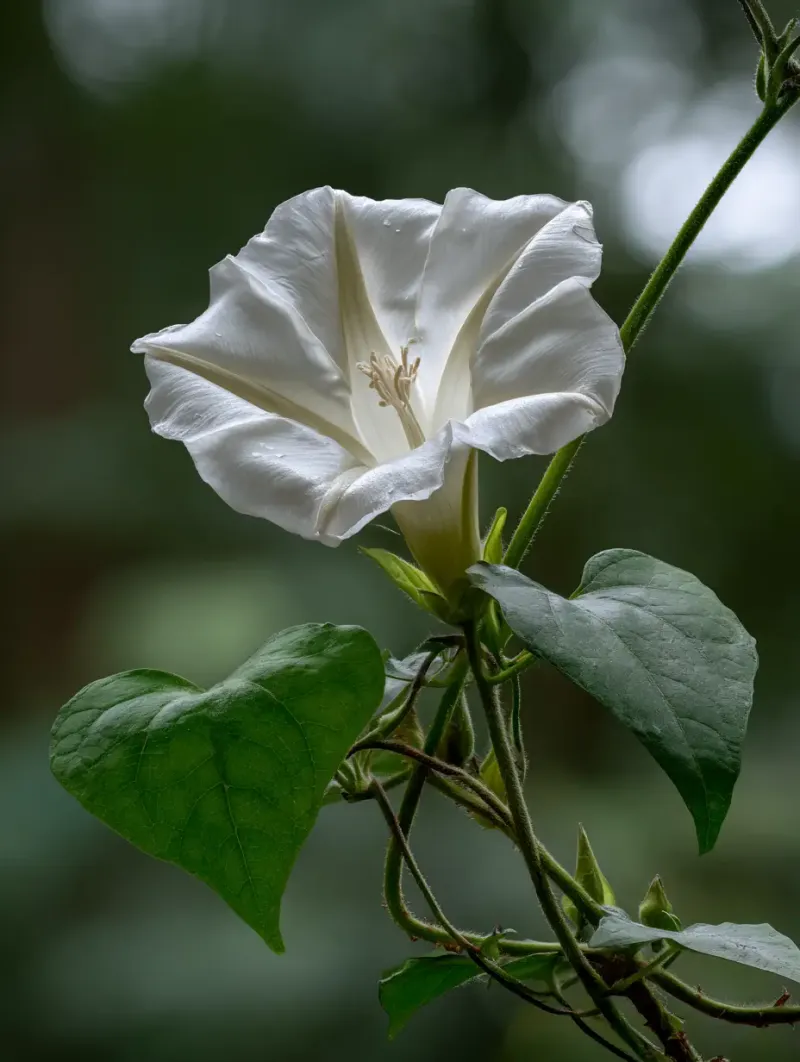
Picture a twisted white bud the size of your thumb. Within a few minutes at dusk, it spins open into a flat, glowing disk six to eight inches across.
Moonflower is the plant that turns neighbors into evening regulars.
You can actually see the spiral unwind if you sit close, and the flowers are fully open roughly two hours after sunset. Each bloom lasts one night and closes when the sun rises.
A sweet fragrance drifts out to call in moths.
Vines need something to climb, so give them a sturdy trellis or fence before they sprawl. Soaking the hard seeds overnight before planting can help them sprout faster.
Wait until the soil is truly warm in late spring, because cold ground stalls them.
3. Evening Primrose (Oenothera biennis)
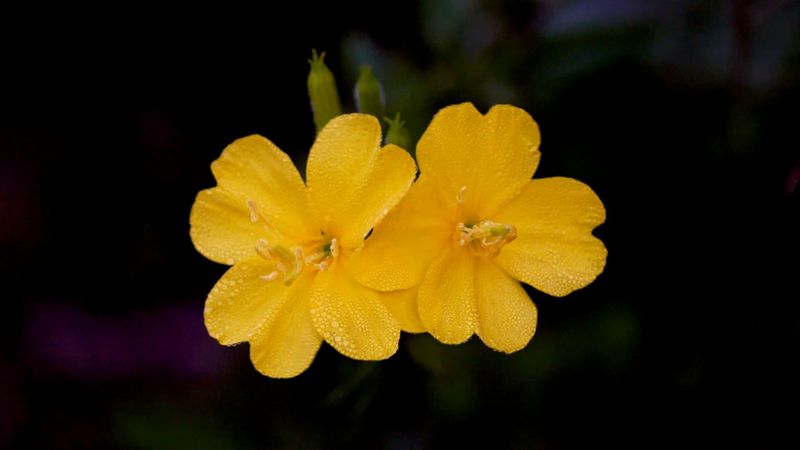
Some flowers ease open. Common evening primrose can practically snap open, fast enough that you can watch the four yellow petals pull apart.
Any time between late afternoon and about 10 p.m. the show can begin.
Gardeners sometimes panic in year one because the plant only makes a flat rosette of leaves. No need to worry.
It is a biennial, so the tall flowering stems arrive in year two.
These tough natives handle drought and poor soil, and night-flying moths love them. A light lemony scent is a bonus on warm evenings.
Let a few seed heads stay, and goldfinches will thank you.
4. Night-Blooming Cereus
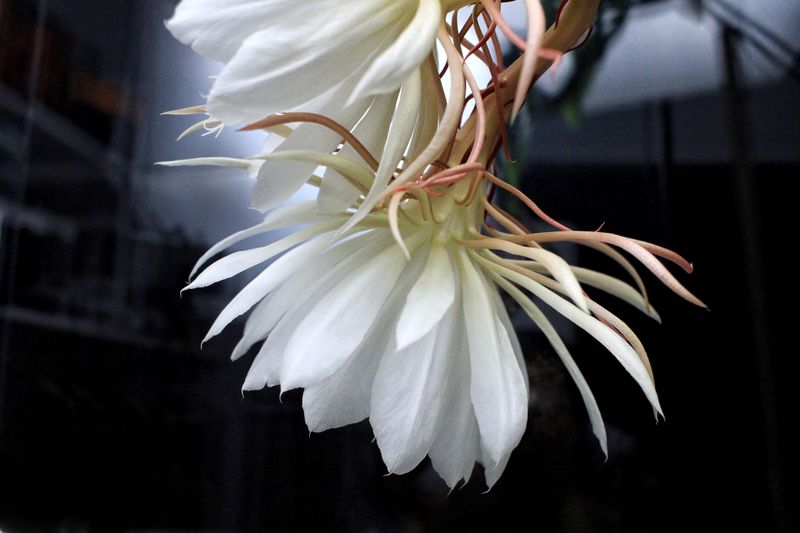
Fans throw actual parties for this one. Night-blooming cereus, nicknamed Queen of the Night, may open only a few flowers a year, and each lasts a single night.
Watch the bud closely in the days before. It swells, and the stem bends so the bud points outward and slightly up.
On the big night, petals begin parting around 8 or 9 p.m. and reach full size, often 9 to 12 inches wide, near midnight.
Patience matters, since young plants can take 3 to 5 years to bloom. Keep it potted as a houseplant in cold zones, give bright indirect light, and let the soil dry a bit between waterings.
Overwatering is the fastest way to lose one, so err on the dry side.
5. Sacred Datura (Datura wrightii)
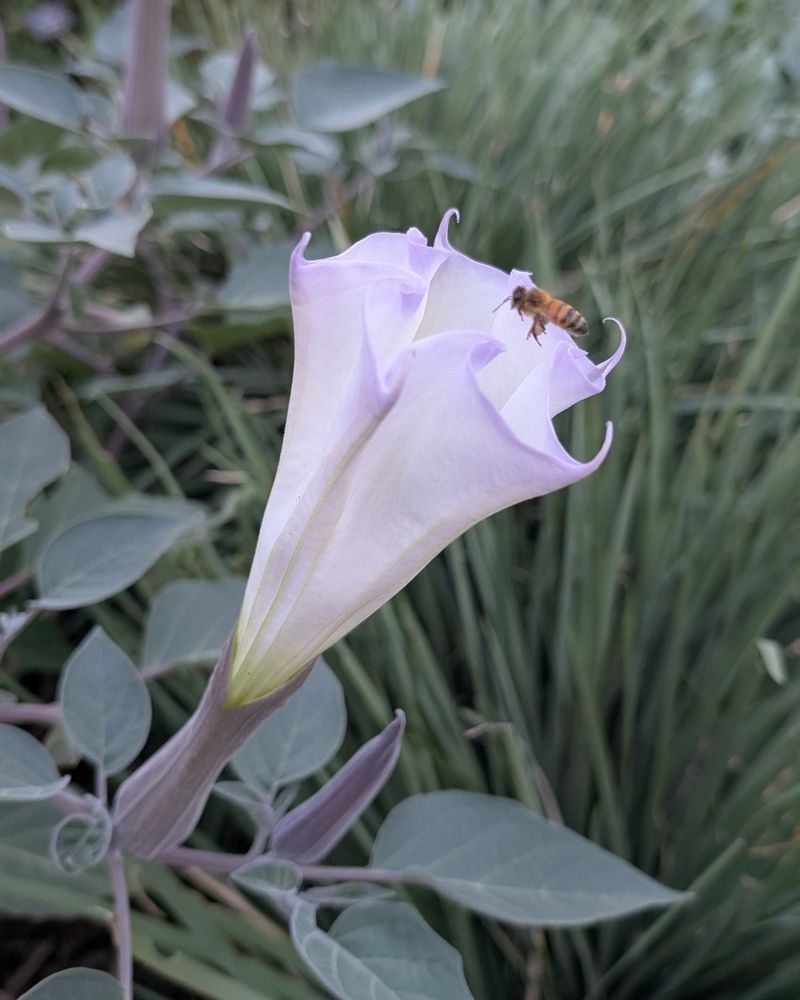
Bold, sprawling, and a little dramatic, sacred datura acts like it owns the garden after dark. Its giant trumpets, 6 to 10 inches long, unfold near dusk in a slow corkscrew motion.
Sphinx moths show up soon after, hovering like tiny hummingbirds.
Blooms stay open until mid-morning, so early risers get a second look. Most are white, sometimes brushed with lavender or pink.
The plant loves sun and heat and handles dry soil well.
Be careful with this beauty. Every part is toxic if swallowed, so wear gloves when handling and keep it away from kids and pets.
6. Tuberose (Polianthes tuberosa)
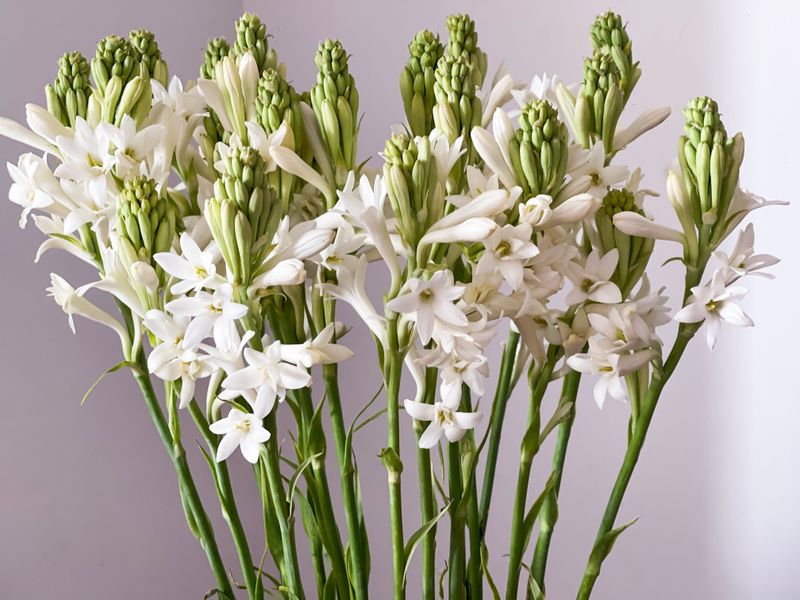
Perfume makers have prized tuberose for centuries. Its waxy white flowers open one after another up a tall spike, and the scent grows richer as evening sets in.
Rather than one big moment, tuberose offers a steady nightly progression. Fresh buds swell and part along the stem from late summer into early fall.
A single spike can keep the show going for weeks.
Plant the bulbs after frost danger passes in a sunny spot. In colder zones, dig them in fall and store them indoors somewhere dry.
If your tuberose sends up leaves but no flowers, the bulb may be too small or the season too short, so try starting it in a pot indoors a few weeks early.
7. Flowering Tobacco (Nicotiana sylvestris)
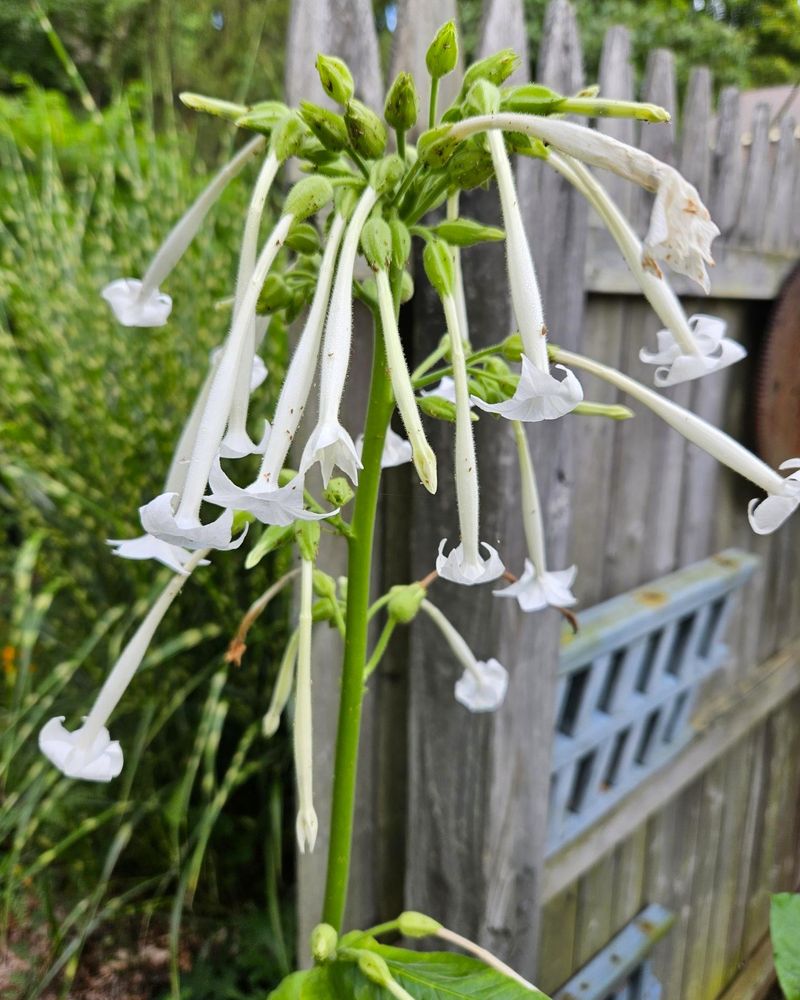
By noon, woodland tobacco can look tired and droopy. Come early evening, the long white tubes perk up, flare their starry tips, and pour out a sweet fragrance.
It is one of the easiest ways to add night drama to a border.
Plants can reach five feet tall with big leaves, so give them room at the back of a bed. Moths do most of the pollinating here.
Nicotiana alata is a shorter cousin with a similar evening habit.
Remove spent flower clusters to keep new ones coming through summer. Light afternoon shade in hot regions helps prevent midday wilting.
8. Night Phlox (Zaluzianskya capensis)
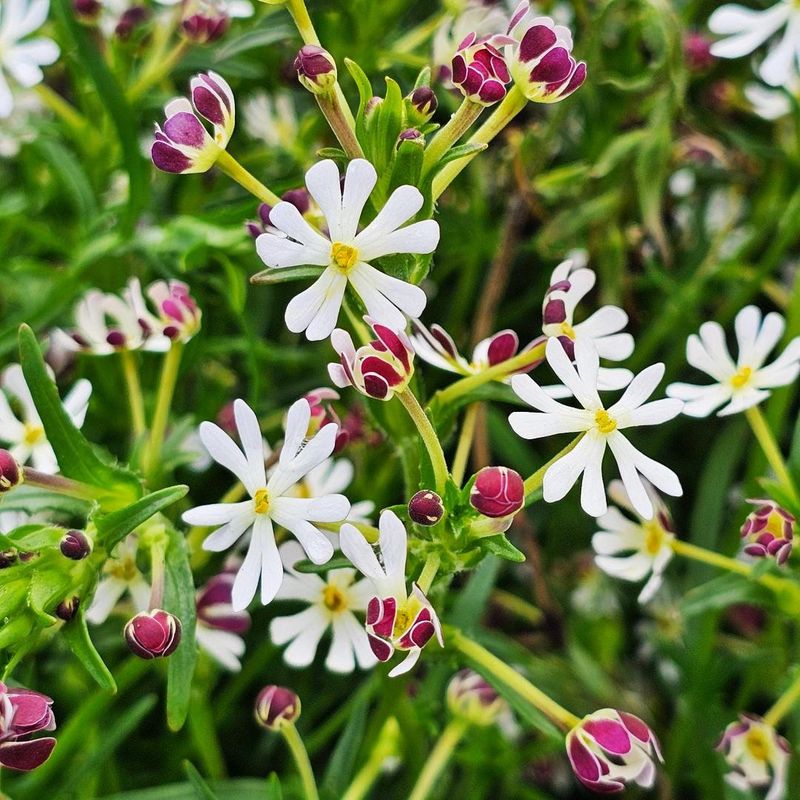
Tiny but mighty, night phlox looks almost dull in daylight. The flowers stay curled, showing only their dark red undersides.
Around dusk, they flip open into bright white stars.
Then comes the scent, a honey and vanilla blend that surprises anyone walking by. Because the plant stays low, it works beautifully in pots near a bench or doorway where noses can reach it.
Give it well-drained soil and sun to part shade. Soggy roots are its biggest enemy, so skip heavy, wet clay.
9. Night-Blooming Water Lily (Nymphaea lotus)
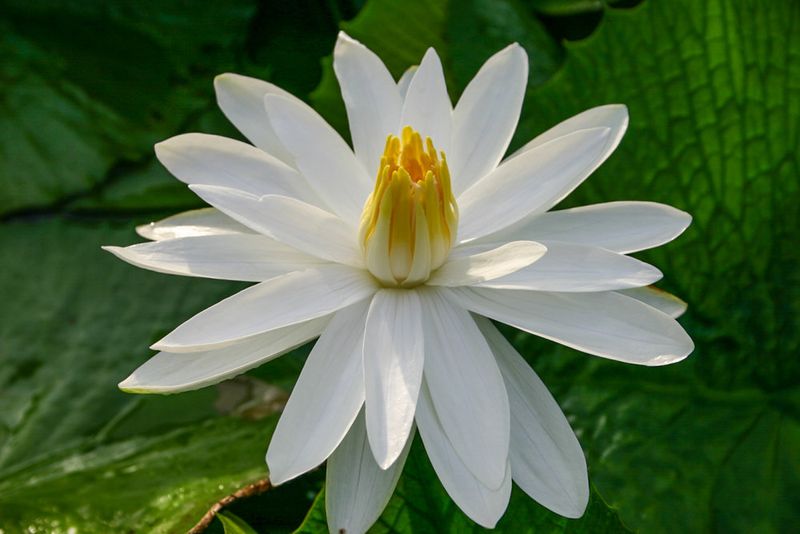
Got a pond or even a big water tub? The White Egyptian Lotus rewards you with flowers that rise above the water and open after dark.
Petals spread into a wide star, sometimes 10 inches across.
Unlike most night bloomers, these stay open until around midday. That gives daytime visitors a peek too.
Plant in rich soil in a pot, set it in still water, and give it full sun. These are tropical lilies, so treat them as warm-season plants or overwinter them indoors in colder zones.
10. Night-Blooming Jasmine (Cestrum nocturnum)
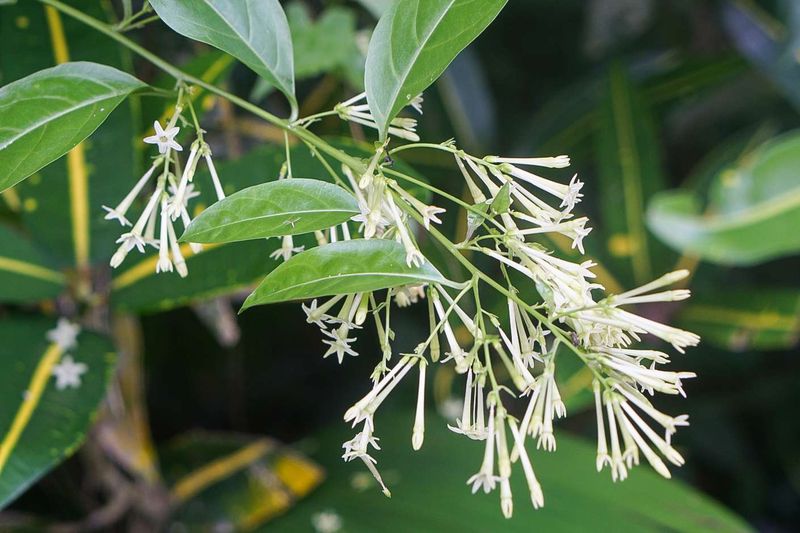
You will probably smell it before you see anything happen. Night-blooming jasmine has small greenish-white tubes that barely stretch open, but once dusk arrives, the fragrance can fill a whole yard.
Its petal movement is subtle, so this pick is more about scent than spectacle. Some people find the perfume too strong close to windows, so place it a bit away from bedrooms.
It grows as a shrub in warm zones and does fine in a large container elsewhere. Bring it inside before frost.
Berries are toxic, so plant with care.
11. Sweet Four O’Clock (Mirabilis longiflora)
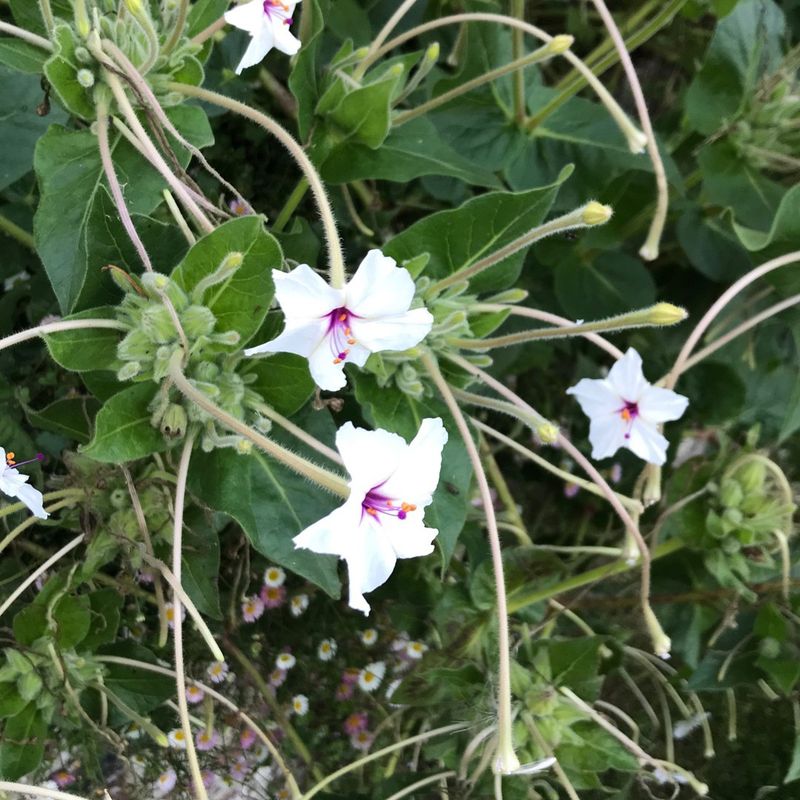
If the classic four o’clock is the crowd-pleaser, this cousin is the quiet collector’s pick. Sweet four o’clock has very long, skinny white tubes that open in the evening with a delicate fragrance.
Here is the surprise: it has come back as a perennial in some Zone 5 gardens. Do not give up too early in spring, since it tends to sprout later than common four o’clocks.
Mark where it grows so you do not dig it up by accident. Full sun and decent drainage keep it happy.