
When to Cut Back Native Perennial Stems in North Carolina: Leave Stubs for Bees
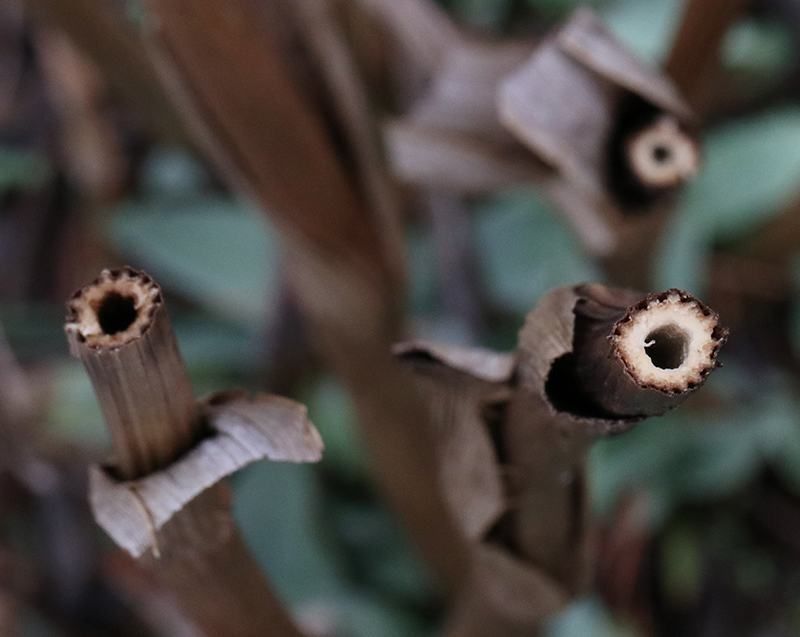
That pile of dead coneflower and bee balm stems in your yard may be doing more than looking messy. Some of North Carolina’s native bees and solitary wasps use plant stems as nesting spots.
But the old rule of waiting until spring to cut anything is not what NC State researchers found. Here is a simple winter routine that keeps your yard tidy and still leaves room for wildlife.
North Carolina’s evidence challenges the spring-only rule
Plenty of gardeners have heard that you should never touch dead stems until spring. In North Carolina, the best local evidence points to a more specific plan.
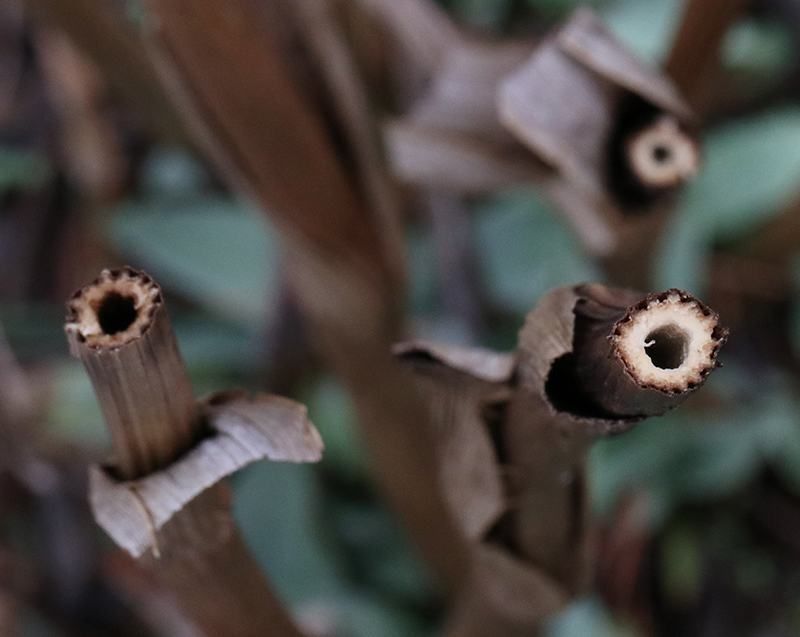
NC State Extension recommends trimming suitable first-year dead stems during winter, leaving stubs 12 to 24 inches tall, rather than cutting everything to the ground or leaving everything untouched.
The advice comes from an NC State Extension study of garden stems. Researchers and Extension volunteers sampled 2,879 stems from 20 gardens in 10 counties.
They found no nests and no overwintering bees in stems that had grown and stayed intact through their first winter.
So where did the bees show up? They used stems after damage or winter trimming opened up the insides.
A clean cut at the top of a stem creates an entrance that a bee can use the next spring. That is why trimming to stubble in winter makes sense, while waiting until spring to make the very first cut can disturb stems that are already in use.
The public dataset behind the study shows that only a small share of stems held insects overall. The sample covered a limited number of home gardens, so it does not prove that every plant, garden, or bee behaves the same way.
Think of it as a solid, local starting point for a practical routine, not a rule carved in stone.
If you have been chopping everything to the ground each fall, you do not need to feel bad about it. A small change in height and timing is all it takes.
Stem habitat helps some bees, but not most
Picture a long list of bees, and only a slice of it uses stems. North Carolina has about 560 native bee species.
According to NC State Extension guidance on stem nesting, roughly 75 percent nest in the ground and about 25 percent nest in cavities.
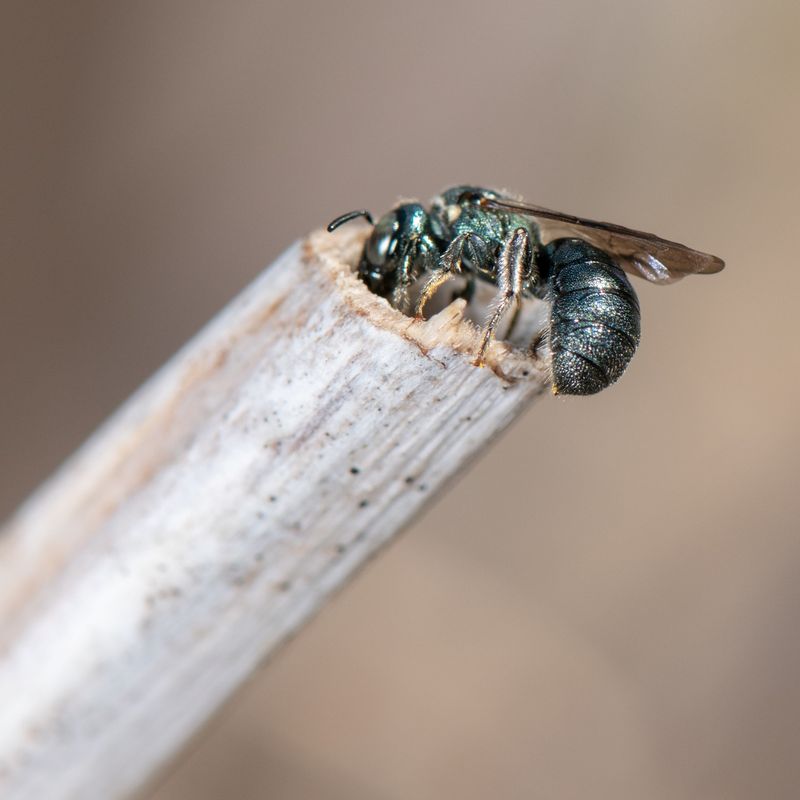
Among the stem users, the details vary. Some bees move into naturally hollow stems.
Small carpenter bees, in the genus Ceratina, do their own digging and excavate the soft pith inside stems that are not hollow at all. In the NC stem study, the published data recorded 11 species of bees and solitary wasps nesting in stems, with small carpenter bees making most of the nests.
Notice what the study actually counted: whether stems were occupied. It did not measure pollination, garden yields, or how many bees live in a yard.
So leaving stubs is a good habitat step, but not a promise of more tomatoes or fuller blooms next summer.
For the ground nesters, a few bare, sunny patches of undisturbed soil in a bed or along a path edge can matter more than any stem. Stubs are one piece of a wildlife-friendly yard, alongside native flowers, less mulch in a corner, and fewer disturbances.
When should you trim new dead stems?
Timing is simple once you know the window. For healthy, dead stems that finished their first growing season, NC State recommends trimming after the first fall frost and before the last spring frost.
In most of North Carolina, that means sometime from late fall through winter, depending on whether you garden in the mountains, Piedmont, or Coastal Plain.
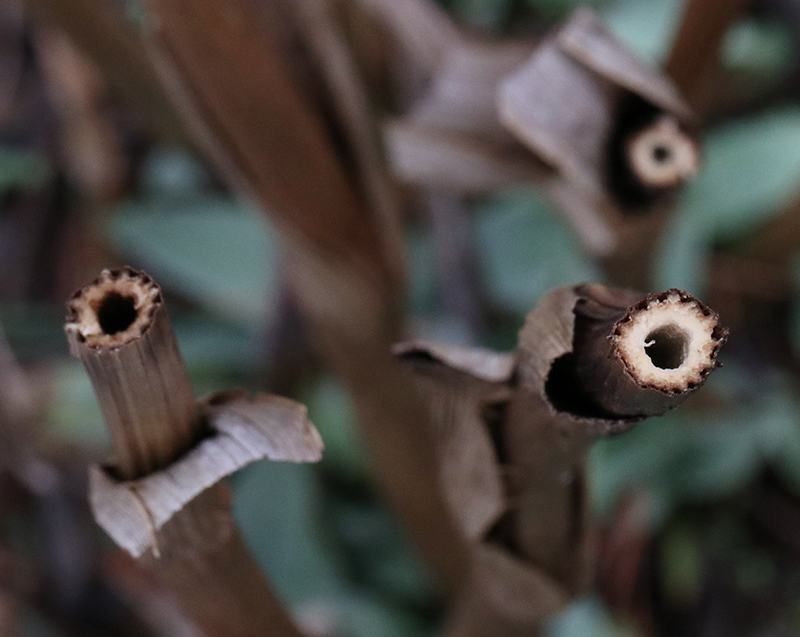
Height matters too. NC State’s recommendation is to leave 12 to 24 inches standing.
A fresh cut opens the stem’s interior, and the leftover stub becomes potential nesting habitat when bees look for a spot in spring.
Try this on a mild weekend: grab hand pruners, walk your beds, and cut dead bee balm, ironweed, or coneflower stalks to roughly knee height. Make straight, clean cuts.
Then leave those stubs alone.
This winter job is different from two other habits. It is not cutting stems flat to the ground, which removes the habitat.
And it is not holding off until spring to make the first cut, since the first-year stems in the study were unoccupied during winter and the winter cut is what created access.
Older and damaged stems need a different decision
Walk through the beds and you will see that dead stems are not all alike. A stalk that grew this year and stood intact is one thing.
A stub from last year, or a stem that snapped in a summer storm, is another.
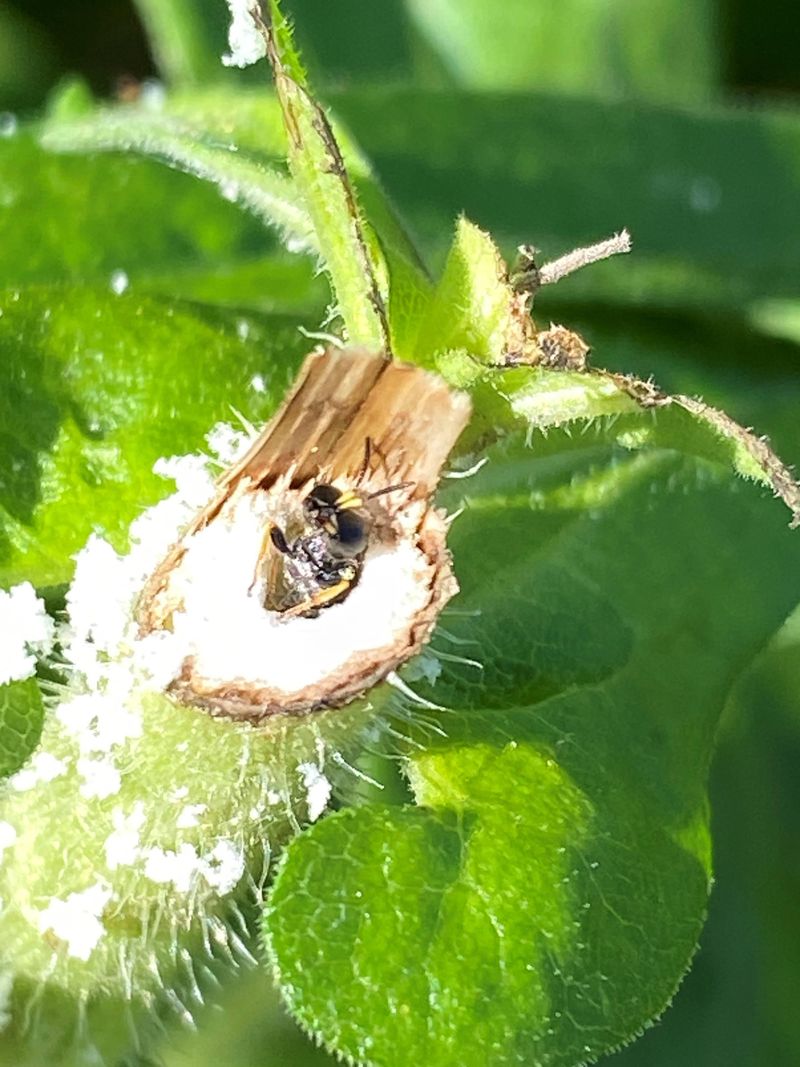
According to NC State Extension, bees may already have used stems that were cut, broken, or otherwise damaged during the growing season. Older stubs may hold nests too.
You cannot tell by looking, so do not assume every dead stem is empty.
A few clues help you sort them out. Stems with a cut or broken top, or stubs that have been standing since a previous winter, belong in the leave-alone pile.
Stems that look like clean, whole, first-year stalks are the ones to trim.
Skip those older and damaged stems during winter cleanup. Do not trim the stubs again either, even if they look scruffy.
Let them stay until they break down on their own.
Marking the spot can help. A small garden stake beside a stub reminds you, and anyone helping in the yard, to work around it next season.
A tidy yard can still leave room for stems
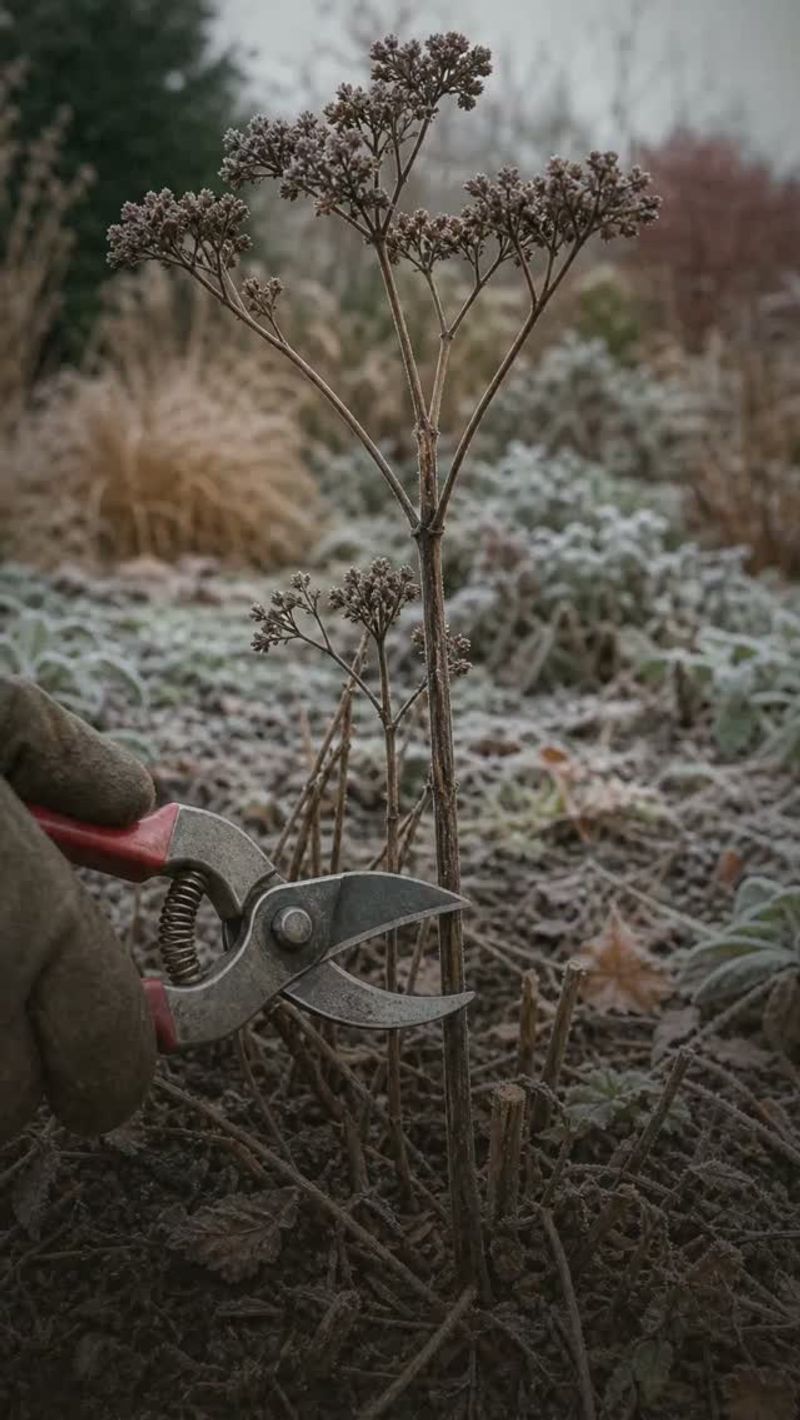
Neighbors and HOAs notice a messy yard, and that is a fair concern. The good news is that trimming first-winter stems to stubble can still look orderly.
A row of evenly cut stalks reads as intentional, especially next to a crisp bed edge and fresh mulch around the plants.
If you also enjoy goldfinches, think about the seedheads. NC State’s guidance suggests leaving seedheads long enough for birds to use them if you want that benefit.
Coneflower and black-eyed Susan are good candidates.
Some gardeners ask about moving cut stems elsewhere, such as bundling them in a corner. NC State says this option has not been tested, so it should not be treated as a replacement for leaving stubs standing in place.
Stems left directly on damp ground may also mold.
If you want a front-of-house look, put the stubs in back beds or behind taller shrubs, and keep the front tidy in other ways. Clean edging and a mulched border go a long way.
Disease sanitation remains a targeted exception
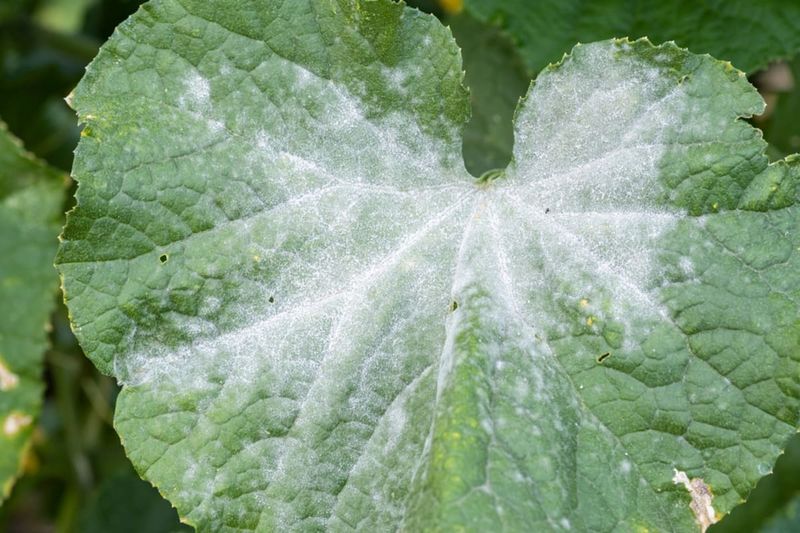
Habitat advice is not a rule against ever removing plant material. If a plant had serious disease symptoms, you do not have to keep its stems standing.
Powdery mildew, leaf spot, and similar problems can carry over, and that is a good reason to clean up.
As N.C. Cooperative Extension explains, some pathogens can persist in plant debris.
The same guidance advises against putting diseased material in a home compost pile. Bag it for yard waste pickup or dispose of it as your county recommends.
The key word is targeted. Pull out the affected plants or stems and leave the healthy ones.
A single sick bed is no reason to clear every healthy stalk in the yard.
A simple habit helps. Mark plants that struggled during the season, and make those the first stop during winter cleanup.
Wipe your pruners with rubbing alcohol between plants so you do not spread trouble from one bed to another.
Keep the stubs, not an absolute rule
Here is the routine in a nutshell. Trim healthy, first-year dead stems to 12 to 24 inches in winter, as NC State recommends.
Leave those stubs, keep older or previously damaged stems in place, and remove diseased material when sanitation calls for it.
That gives some native bees and solitary wasps a place to nest, though the study tracked stem use, not bigger harvests or a guaranteed pollination boost.
A knee-high stub in January is a small invitation, and spring will show who accepts it.