
Why Fall Is When North Carolina Homeowners Finally Get Ahead Of Fire Ants Before Winter
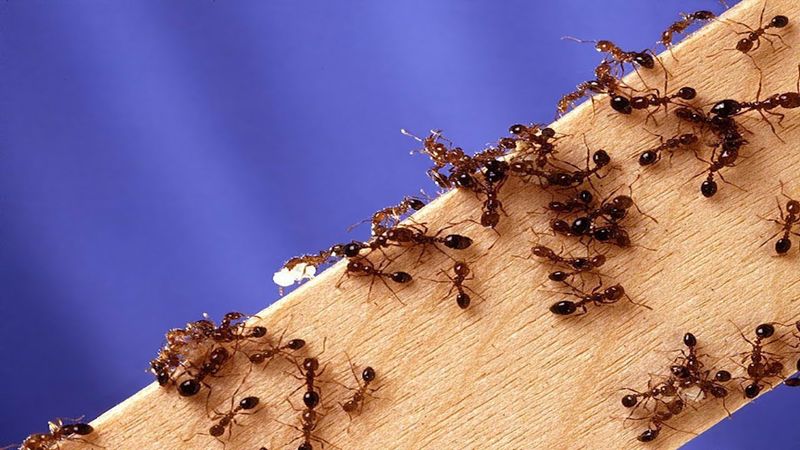
Few things ruin a barefoot walk across the yard faster than stepping into a fresh fire ant mound. Fall can be a good time to put out bait, because cooler days still bring foraging ants and treatment may thin out colonies heading into spring.
But no calendar date guarantees success, and a bad-weather day can waste your bait. Here is how North Carolina homeowners can decide whether their own yard is ready.
Fall is a favorable window, not a summer-beating guarantee
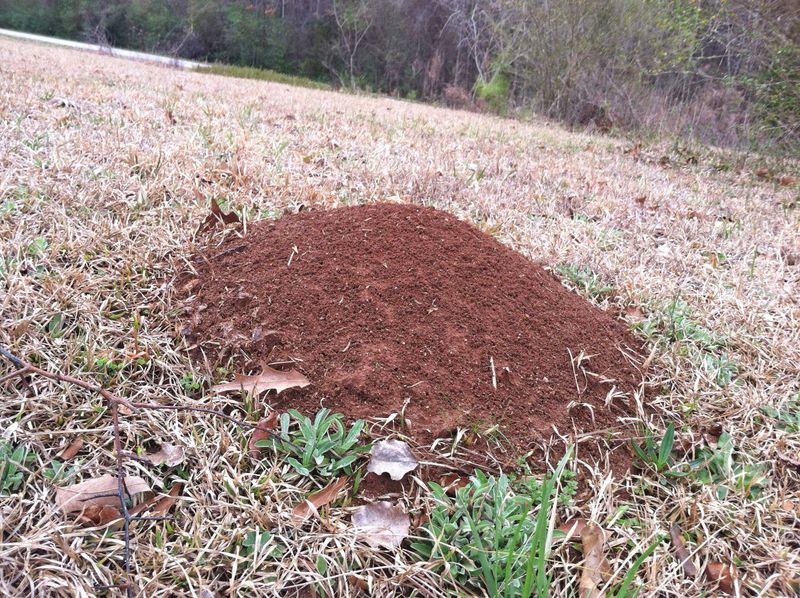
Fall baiting can help suppress fire ant populations going into spring, but it will not guarantee control before winter. Think of it as one good opportunity, not a cure.
Colonies can survive a treatment, and new ones can move in later.
The guidance varies a bit depending on who you ask. NC State Extension points to late spring and to late September through early October, before soil temperatures cool, as good seasons to treat.
Its turf guidance adds that treatments work best when ants are active. Meanwhile, Texas A&M AgriLife Extension describes a broader late August through October bait window, with effects that can carry into spring.
Notice what none of that says. Neither source shows that fall always beats summer, and summer baiting can still work when you time it for cooler mornings or evenings when ants forage.
Fall is simply one favorable stretch among several.
Your location matters too. The NCDA&CS reports that portions or all of 81 of the state’s 100 counties are generally infested with imported fire ants.
That is a lot of ground, but pressure is not equal everywhere. A Coastal Plain lawn may see far more mounds than a mountain yard, so judge your own property rather than a statewide rule.
What matters more than the calendar?
Ants do not read calendars. They respond to temperature, and bait only works when they are out walking around and hauling food home.
According to NC State, ants are generally active at air temperatures between 70 and 95 degrees Fahrenheit.
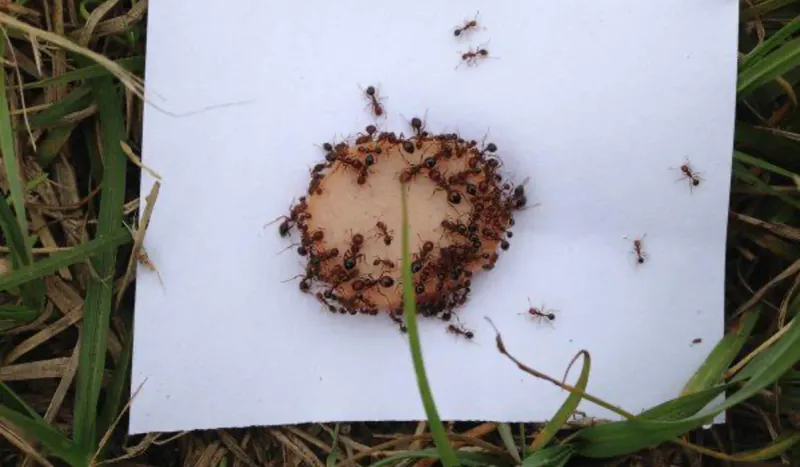
You can test your own yard in a few minutes. Place a small food lure, such as a piece of potato chip, near a mound.
NC State’s home-yard guidance says that if ants are eating it after about 20 minutes, that is a good time to bait. If the chip sits untouched, the ants are likely not foraging well enough to carry bait back.
That is why the usual late September to early October cue is a guide and not a deadline. As of mid October, that stretch has already passed, yet a warm, sunny afternoon in the Piedmont or Coastal Plain may still bring plenty of foragers.
A chilly mountain morning may not.
Check the weather too. The turf guidance stresses treating when ants are active, and your product label may add limits on rain and temperature.
Run the chip test, glance at the forecast, and read the label before you open the bag.
Fresh, dry bait gives foragers a chance to carry it home
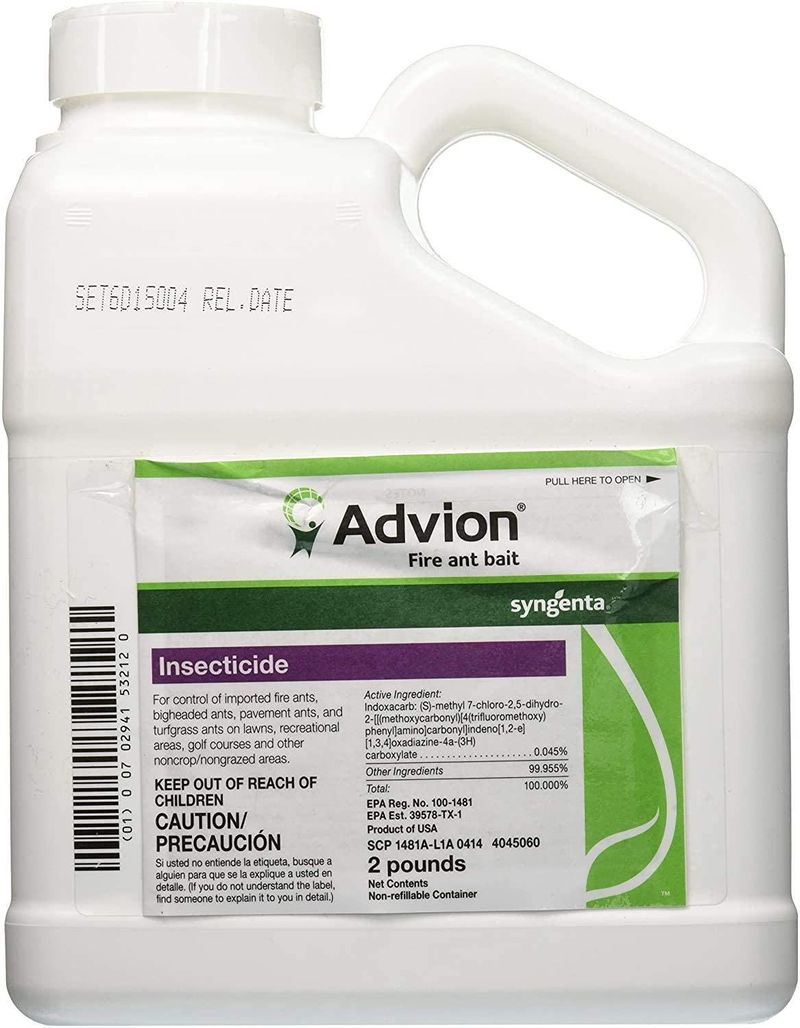
Bait is a delivery system. Worker ants pick up the granules, carry them underground, and share them with the colony.
If the granules are stale or damp, ants may ignore them, and the whole effort is wasted.
Buy bait you will use soon, and keep it sealed and dry until the moment you spread it. NC State Extension recommends fresh bait applied under dry conditions.
Old bags that sat open in a damp garage are a poor bet.
The product label is your boss here. It spells out approved sites, how much to apply, how to spread it, and what to do if rain is coming.
Rules differ between products, so a friend’s advice or a handy rule of thumb should never replace what is printed on your bag.
Two habits to skip. Do not dump bait directly on top of a mound, and do not swap in generic placement distances you read somewhere.
Both can work against the way foragers find food. For more on how bait is used and why timing matters, see this Caldwell County Extension guide, and check the NC State turf page for lawn settings.
When is a targeted mound treatment the better fit?
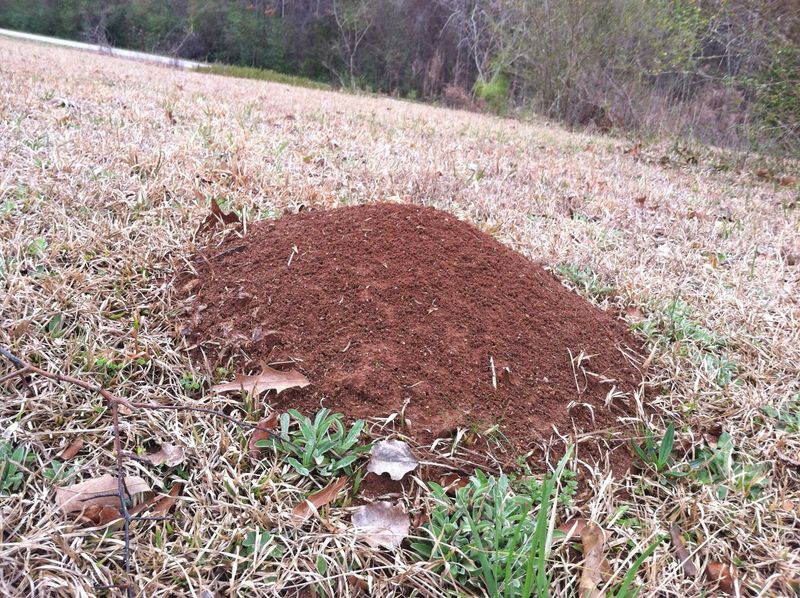
Picture a mound right beside the kids’ play area or your porch steps. It needs attention now, and waiting for bait to work across the yard may feel too slow.
A targeted treatment on that one mound can make sense.
Compare that with a yard that has mounds popping up here and there. Visible mounds are only part of the story, since other colonies may be hiding.
NC State Extension notes that broadcast bait can reach colonies you cannot see.
There is a tradeoff on the other side. According to NC State’s turf guidance, individual mound treatments typically use less insecticide and are less likely to affect beneficial insects than broadcast treatment.
Less likely is not the same as risk-free, so no product should be treated as safe for any particular wildlife. Follow the label for every product you use.
Neither approach is best for every yard. A few urgent mounds in a small area may point toward spot treatment, while scattered or repeated mounds across the lawn may call for broadcast bait.
Walk the property, count what you see, and choose based on what is actually there.
Slow results call for patience and follow-up
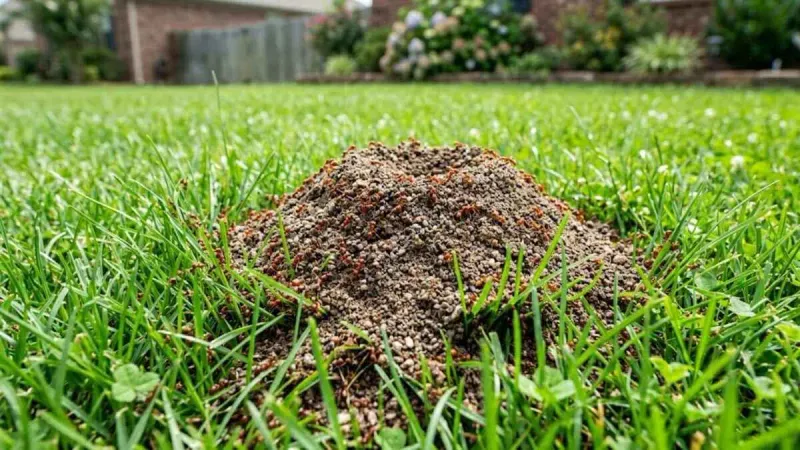
Expect to wait. Bait is not an instant fix, and the time to full effect depends on the active ingredient.
NC State reports that some baits take several days to weeks to do their job. Seeing busy mounds the next morning does not mean the bait failed.
Resist the urge to pile on extra products. NC State warns that using a mound drench and bait at the same time can waste bait.
Pick one approach for a given mound, follow the label, and give it time.
After a few weeks, walk the yard again. Colonies can persist, new satellite mounds can appear, and ants from neighboring properties can move in.
The Caldwell County Extension guide describes baiting as part of ongoing management, not a one-time event.
A simple routine helps. Note where mounds were, check those spots a couple of weeks later, and look for new ones along edges and sunny patches.
The turf guidance supports repeating treatment when activity returns. A single application will not eliminate fire ants or keep them away next year.
Use the next active-foraging window, not the calendar alone
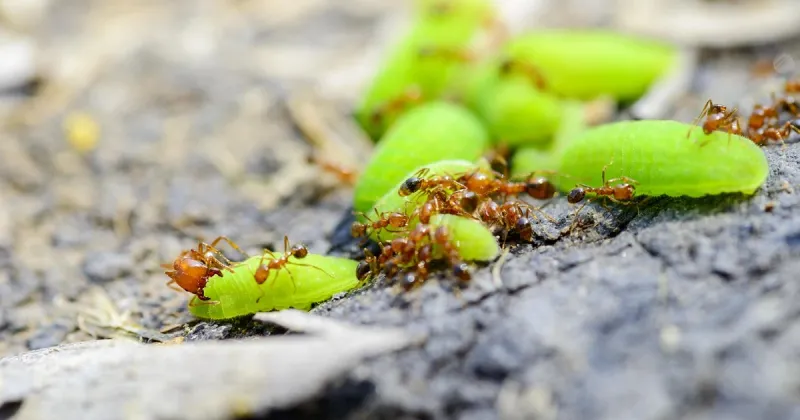
Here is the rule in plain terms: bait when ants are actively foraging and the weather and label directions allow it. If they are not, wait for the next good window instead of treating by date alone.
NC State, its turf guidance, and Texas A&M all point toward activity as the cue.
Fall treatment may reduce populations heading into spring, but it will not give you a fire ant free yard. The ants will keep testing your lawn, and a good steward keeps checking back.