
Those Bright Red Berries On Your Holiday Wreath Are Poisonous To Dogs And Cats – Here Are The 11 Worst Offenders
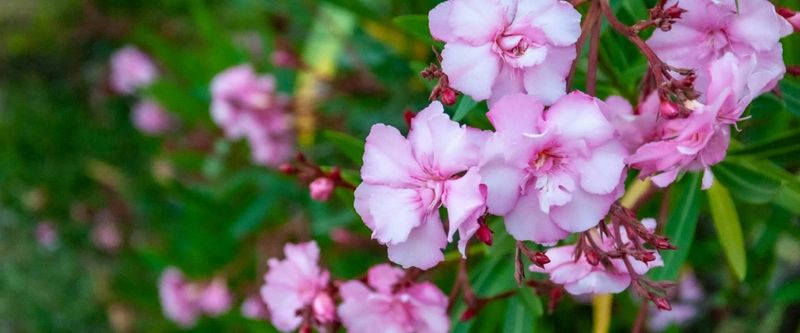
That cheerful wreath on your front door might be the most dangerous thing your dog or cat sniffs all season. Many of the plants we love to grow and decorate with, from holly berries to spring bulbs, carry toxins that can make pets very sick.
Some only cause an upset stomach, while others can harm the heart, liver, or kidneys within hours. Knowing which plants are the worst offenders lets you keep your garden and your home beautiful without putting your furry family at risk.
1. Holly

Picture a cat batting at a fallen red berry under the Christmas tree like it is a tiny toy. Holly berries look like candy to a playful pet, and that is exactly the problem.
Both the shiny berries and the spiky leaves of Ilex plants contain saponins.
Saponins irritate the stomach and gut, so a pet who chews on holly may start vomiting, drooling, or having diarrhea. Some animals also act tired and sluggish afterward.
The sharp leaf edges can scratch the mouth too, which adds to the drooling.
Holly poisoning is usually not fatal, but it is miserable for your pet. Hang wreaths high, sweep up dropped berries daily, and consider faux holly for low tables and mantels pets can reach.
2. Lilies

Veterinarians call lilies one of the scariest plants a cat owner can bring home. A single lick of pollen off a cat’s fur, one chewed leaf, or a few sips of vase water can trigger kidney failure within 24 to 72 hours.
True lilies in the Lilium and Hemerocallis groups are the culprits. That includes Easter lilies, tiger lilies, Asiatic lilies, and the daylilies so many of us grow along fences and driveways.
Dogs are less sensitive and usually just get an upset stomach. For cat households, though, the safest move is to skip lily bouquets entirely.
If your cat touches one, call your vet right away, because fast treatment makes a huge difference.
3. Mistletoe
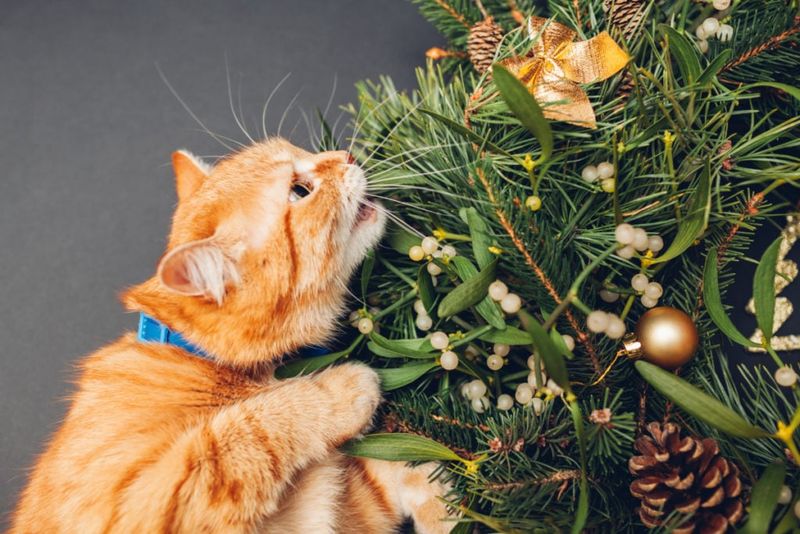
A kiss under the mistletoe is a sweet tradition, but a nibble of it is anything but sweet for pets. Every part of true mistletoe, whether American Phoradendron or European Viscum album, is toxic.
Small bites usually bring vomiting and diarrhea. Larger amounts can slow the heart, drop blood pressure, and lead to collapse or seizures.
In serious cases, it can be deadly.
Fun fact: mistletoe is a parasite that grows on tree branches and steals water from its host. Keep yours hung well out of jumping range, and check the floor for dropped berries and leaves after guests pass through.
4. Sago Palm
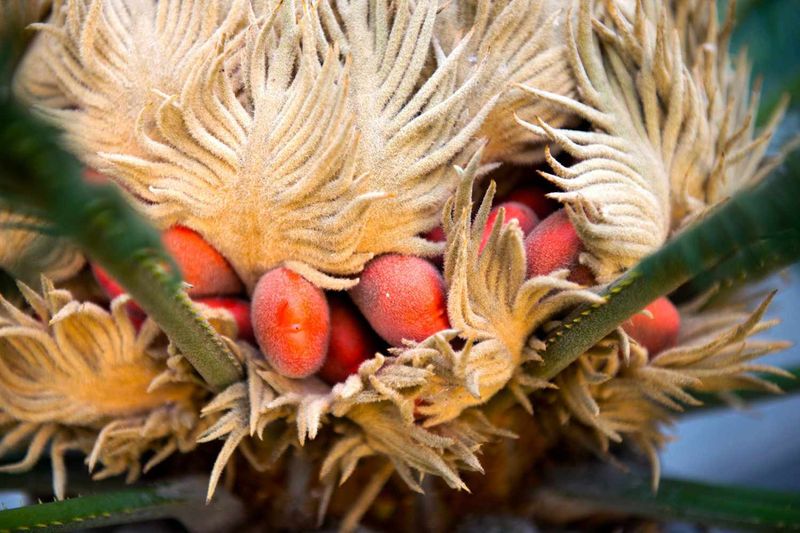
Few plants on this list are as quietly deadly as the sago palm. It looks tropical and harmless on a patio, yet it is one of the most toxic plants a dog can chew.
The seeds, often called nuts, carry the strongest dose. Still, every part of Cycas revoluta can cause vomiting, diarrhea, depression, and liver failure.
Even with treatment, many poisoned pets do not survive.
Dogs seem drawn to chewing the seeds, so this one deserves extra caution. If you grow sago palm in warm Southern yards or as a houseplant, fence it off or rehome it if you have pets.
Any chewing at all is worth an emergency vet visit.
5. Azaleas and Rhododendrons
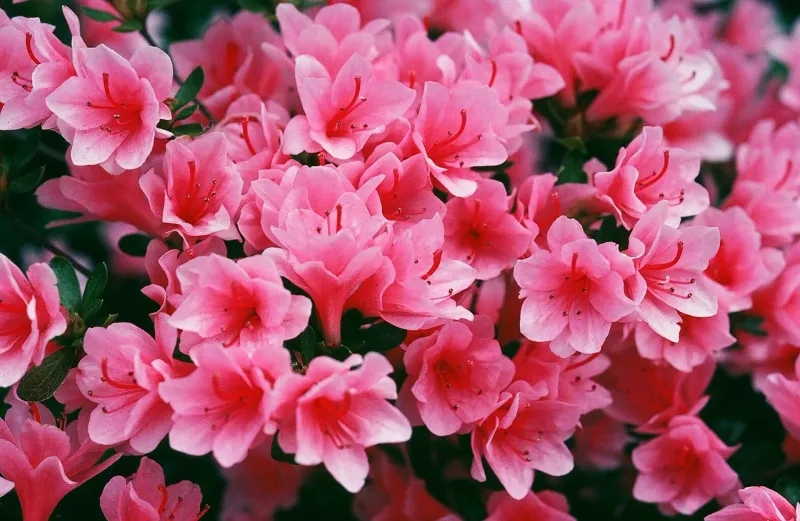
Spring gardens across the country glow with azalea and rhododendron blooms, and most gardeners never think twice about them. Pets, however, can get into real trouble with just a few leaves.
These shrubs contain grayanotoxins. Eating a small amount can cause drooling, vomiting, diarrhea, and belly pain.
More serious signs include weakness, low blood pressure, an abnormal heart rate, and even cardiovascular collapse.
You do not need to rip out your shrubs. Watch puppies closely, since they chew everything, and pick up pruned branches instead of leaving them on the lawn.
A low border fence around foundation plantings can keep curious noses away.
6. Oleander
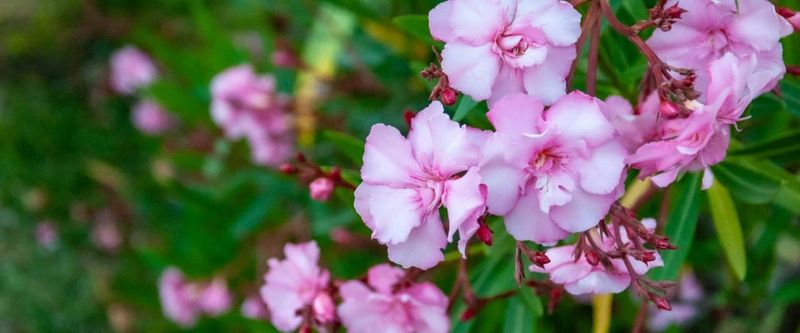
Oleander thrives in hot spots where other shrubs give up, which is why you see it along highways and backyard fences in warm states. That toughness comes with a dark side.
All parts of Nerium oleander hold cardiac glycosides, compounds that directly affect the heart. A pet that chews leaves, flowers, or even dried clippings may drool, have diarrhea and belly pain, and develop dangerous heart rhythm changes.
Some show trembling or other nerve signs too.
Never toss oleander trimmings where pets roam, and never burn them, since the smoke is also harmful. If you want heat-loving color without the risk, pet-friendly options like hibiscus may be a better fit.
7. Autumn Crocus
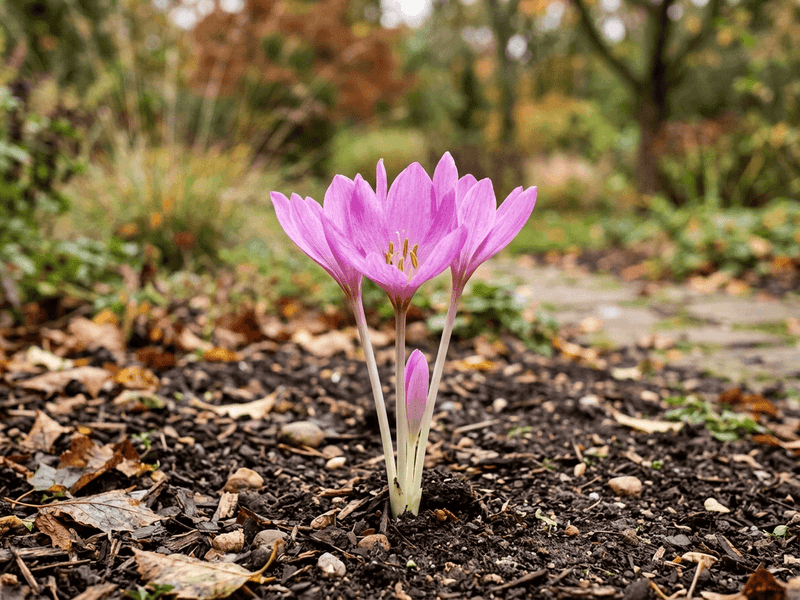
Here is a sneaky one. Autumn crocus pops up in fall lawns and beds looking like the spring crocus, but it is a completely different and far more dangerous plant.
Colchicum autumnale contains colchicine. A pet that eats it can suffer severe vomiting, bloody diarrhea, liver and kidney damage, bone marrow problems, and shock.
Signs may be delayed, and sudden death is possible.
Spring crocus mostly causes mild tummy trouble, so knowing which one you planted really matters. Check your plant tags, and if you are unsure, treat any fall-blooming crocus as an emergency if your pet eats it.
8. Amaryllis
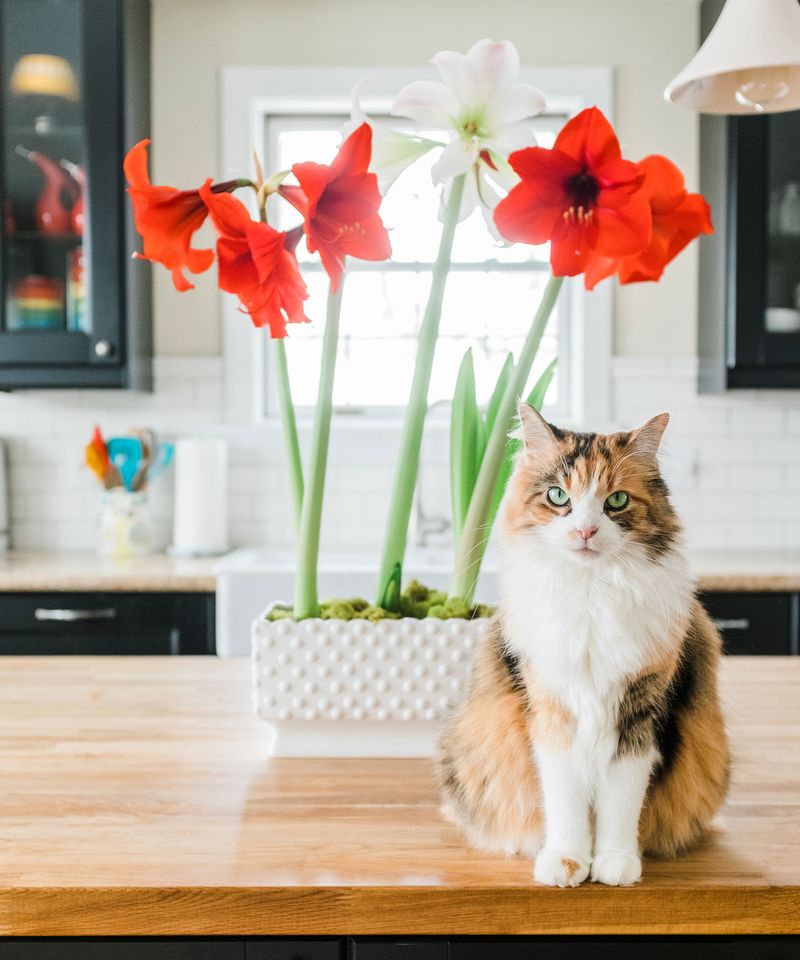
Gifted amaryllis bulbs are a holiday favorite, with huge trumpet blooms opening right when winter feels darkest. Cats and dogs may see them a little differently, especially the bulb.
Hippeastrum plants contain lycorine and related toxins. The bulb packs the biggest dose, though leaves and flowers can cause problems as well.
Symptoms include vomiting, belly pain, drooling, lethargy, and tremors.
Set potted amaryllis on a high shelf, and store unplanted bulbs in a closed cabinet, not a paper bag on the floor. Dogs especially love to dig and chew bulbs like toys.
9. Yew
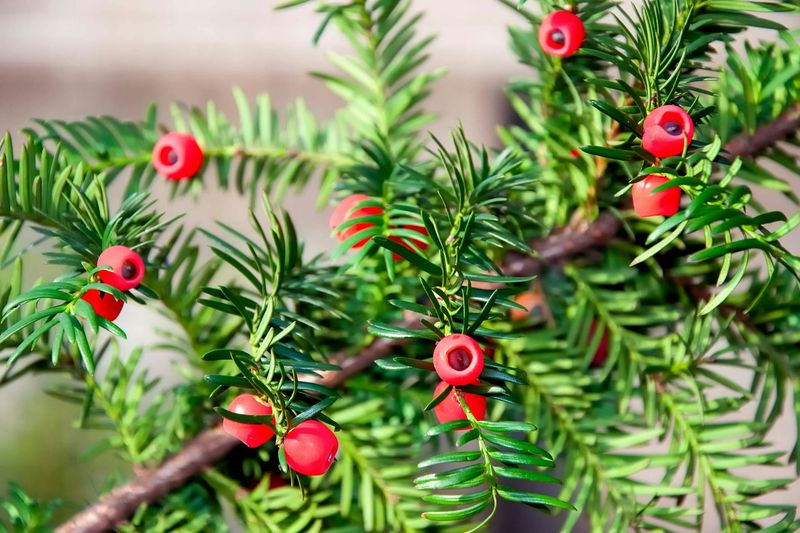
Those cheerful red berries on the yew hedge by your front steps look a lot like holly from a distance. The danger here, though, is far greater.
Taxus plants hide taxine alkaloids in their foliage and the seeds inside each red berry. These toxins attack the heart and nerves.
A pet may show drooling, trembling, drowsiness, fast breathing, and a racing heart, and sudden death from heart failure can happen quickly.
Yew branches also sneak into holiday garlands and wreaths, so read labels on greenery you buy. Keep dogs from chewing on hedge clippings during winter pruning.
10. Daffodils
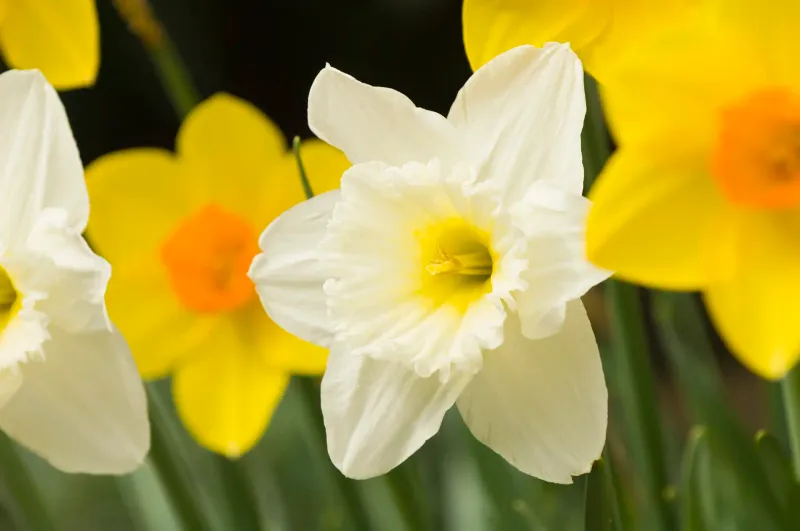
Ask any dog owner who plants bulbs in fall, and they will tell you about the pup who dug up half the bed. With daffodils, that digging can turn serious.
The bulbs are the most poisonous part, loaded with lycorine. Eating them can bring on heavy vomiting, diarrhea, and belly pain.
In rare cases, pets develop heart rhythm problems or trouble breathing.
Plant daffodils in beds your dog cannot reach, or cover new plantings with wire mesh until they root. Indoors, paperwhites forced for the holidays belong to the same Narcissus family, so keep those pots up high too.
11. Lily of the Valley
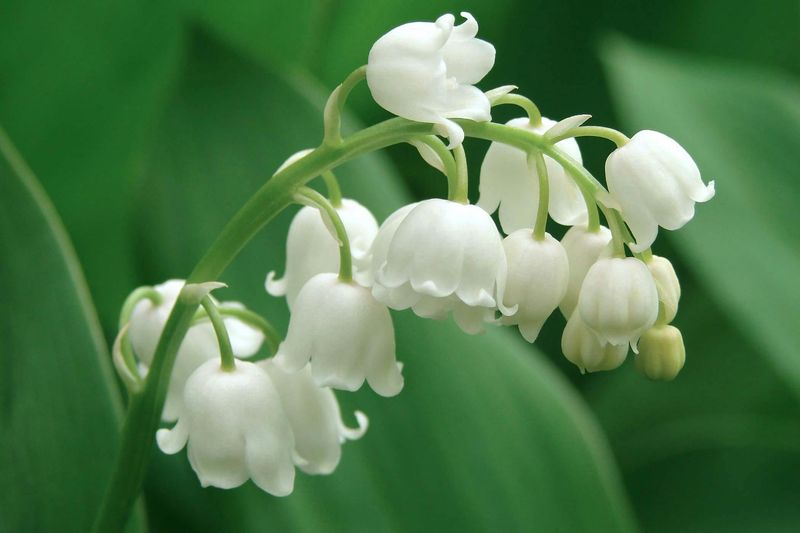
Tiny, sweet-smelling, and shaped like little bells, lily of the valley hardly seems like a threat. Do not let that dainty look fool you.
Convallaria majalis carries cardiac glycosides much like oleander does. Pets that eat it may vomit and have diarrhea, then develop a dangerously slow heart rate, irregular rhythms, and seizures.
Without care, it can be fatal.
It spreads quickly in shady beds, so pull wandering clumps away from paths your pets use. As a final takeaway for every plant here: keep the Pet Poison Helpline or ASPCA Animal Poison Control number saved in your phone, and call fast if you ever suspect your pet ate something toxic.